How to keep landlord approval from derailing your pet adoption
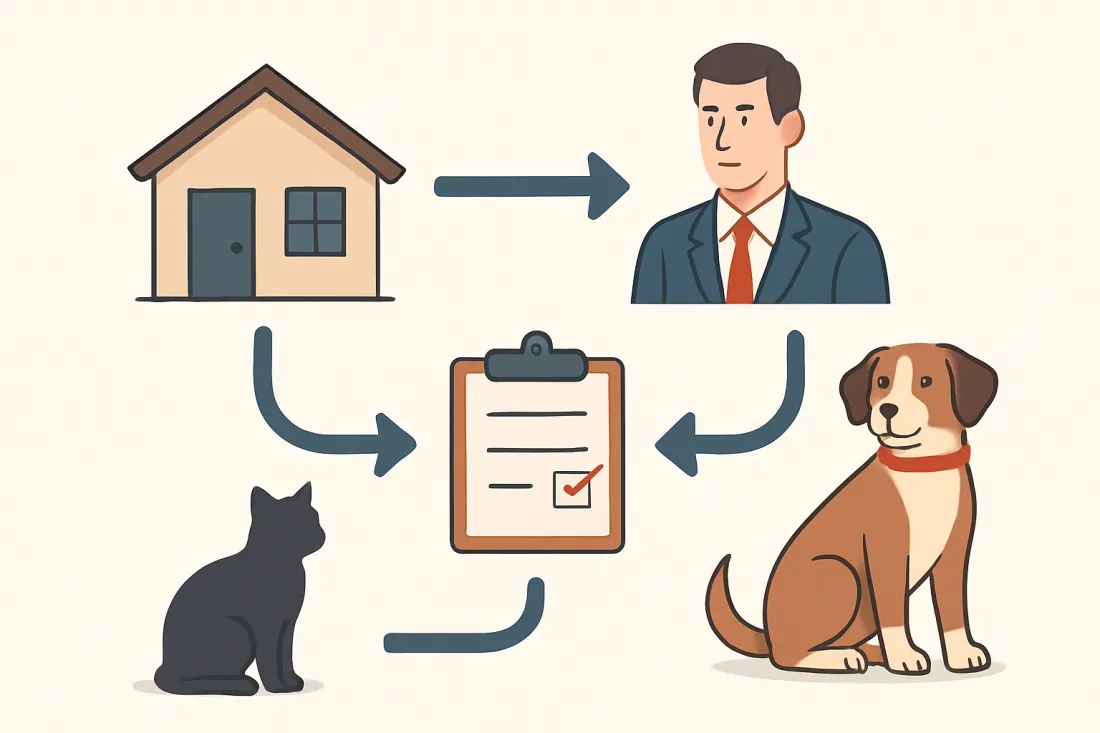
If you rent in the United States and want to adopt a pet, you need solid landlord approval before you apply. Many rescues and shelters turn down otherwise great adopters because the housing situation is unclear or unstable. Your goal is simple: prove that your current home allows the specific pet you want, for the whole time you plan to live there. Before you submit any adoption application, make sure you have:
- Clear lease language that allows pets or a written exception from your landlord.
- Confirmation that the pet’s species, size, and number all fit your housing rules.
- Written proof (emails, letters, or a signed pet addendum) you can show the rescue or shelter.
- A realistic budget that covers rent, any pet rent or deposits, and basic pet care.
- A backup housing plan if your landlord refuses or adds conditions you cannot meet.
Once those pieces are in place, you can apply to adopt with far less risk of being rejected for housing reasons.
Why housing is a top reason pet adoption applications are denied
Housing is one of the first things adoption counselors check, especially for renters. They want to place animals in homes where they will not be forced to move or be surrendered because of landlord issues. Common housing problems that lead to denials include:
- No-pet leases: If your lease clearly says “no pets,” most organizations will not approve you unless you can show a written exception.
- Only verbal permission: Saying “my landlord said it’s fine” without written proof is risky. If the landlord changes their mind, the pet could lose its home.
- Pet does not match the rules: For example, your building allows only cats under 15 pounds, but you apply for a 60‑pound dog.
- Too many animals: Your lease allows one pet, but you already have one and want to adopt another without updated approval.
- Unpaid or unaffordable pet fees: If you cannot cover required deposits or monthly pet rent, your housing may become unstable.
Adoption organizations often ask for:
- A copy or photo of the lease pet clause or pet addendum.
- Your landlord or property manager’s contact information.
- Confirmation that you understand and can pay any pet-related charges.
Being ready with these details shows that you take long‑term, responsible pet ownership seriously.
Understanding pet clauses in U.S. leases
Before you talk to your landlord or fall in love with a specific pet, read your lease carefully. Pet clauses can be a single line or several paragraphs, but they usually fall into a few patterns.
Common types of pet clauses
- No pets allowed: The lease states that pets are not permitted. Sometimes there are separate rules for service animals or other legally protected animals, but those follow a different process.
- Pets allowed with conditions: The lease allows pets but sets conditions such as deposits, extra rent, size limits, or behavior rules.
- Silent on pets: The lease does not mention pets. This does not automatically mean pets are allowed; you still need written permission.
- Pet addendum: A separate document that lists each pet (name, species, weight) and the rules that apply.
Key details to look for in your lease
When you read the pet section, look for specific limits and obligations:
- Species: Does it say “cats only,” “dogs and cats,” “no dogs,” or “no animals”?
- Number of pets: Is there a maximum number of animals allowed in the unit (for example, one or two)?
- Size or weight: Are dogs limited to a certain size, such as “small dogs only” or a weight cap like “up to 25 pounds”?
- Breed restrictions: Are certain breeds or types of dogs excluded?
- Indoor vs. outdoor: Does the lease require cats to be indoors only or restrict dogs from certain outdoor areas?
- Fees and deposits: Is there a pet deposit, non‑refundable fee, or monthly pet rent?
- Behavior rules: Are there rules about barking, leashes in common areas, or waste cleanup?
- Approval process: Does the landlord require written approval, a pet application, or photos of the pet?
If anything is unclear, email your landlord or property manager and ask for a written explanation. You can then show that message to the adoption organization.
Breed, size, and weight restrictions in apartments
Many U.S. rentals limit the type of pets allowed. These limits can come from the landlord, the building’s insurance, or other rules. Adoption groups pay close attention to these details because they do not want to place a pet where it is technically not allowed.
Typical restrictions you may see
- Weight limits: Some buildings allow only small dogs (for example, under a certain weight). This can rule out many medium and large dogs.
- Breed limits: Leases sometimes list breeds that are not allowed. Even mixed‑breed dogs may be treated as restricted if they resemble a listed type.
- Floor or building limits: High‑rise buildings may restrict large dogs or limit dogs to certain floors.
- Species rules: Some apartments allow cats but not dogs, or small caged animals but not cats or dogs.
How restrictions affect your adoption choices
Before you choose a pet, compare your housing rules with the pet’s profile:
- If your building has a weight limit, focus on pets whose adult size will stay within that limit. Ask the rescue how big a puppy is expected to grow.
- If there are breed restrictions, avoid applying for dogs that might be considered restricted under your lease.
- If only one pet is allowed and you already have one, ask your landlord about an exception before applying for another.
- If your building allows only cats, do not apply for a dog unless your landlord is willing to change the rules in writing.
Adoption staff may ask for a copy of your pet clause or your landlord’s contact information to confirm that the specific pet you want is allowed.
Pet deposits, pet rent, and local rules
Keeping a pet in a rental often costs more than the base rent. Understanding these extra costs and rules ahead of time helps you avoid surprises and shows adoption staff that you are prepared.
Common pet‑related housing costs
Exact dollar amounts vary widely by city and building, but you may encounter:
- Pet deposit: A refundable or partially refundable amount the landlord holds in case of pet‑related damage.
- Pet fee: A one‑time, usually non‑refundable charge for allowing a pet in the unit.
- Pet rent: An additional monthly amount added to your regular rent, sometimes per pet and sometimes for all pets combined.
To stay realistic about money:
- Review your lease for any pet‑related charges and when they are due.
- Ask your landlord to confirm current amounts in writing, especially if you signed your lease a while ago.
- Build a monthly budget that includes base rent, any pet rent, and routine pet costs such as food and basic veterinary care.
- Set aside a small emergency cushion for unexpected vet visits or pet‑related repairs.
Local and building rules to check
Beyond your lease, check for:
- Building or community rules: Some complexes have separate house rules about pets, noise, or shared spaces like elevators and courtyards.
- Local licensing requirements: Many cities require dog licenses and sometimes cat registrations. Check your city or county website for current rules before you adopt.
- Vaccination and identification: Landlords or local rules may require proof of vaccinations and identification tags or microchips.
Adoption organizations often ask how you plan to handle licensing, vaccinations, and identification. Having a clear plan helps show that you are ready for responsible pet ownership.
How to talk to your landlord about getting a pet
If your lease is silent on pets, or you need an exception to the current rules, you will need a calm, respectful conversation with your landlord. Your aim is to show that you understand the risks and are willing to manage them.
Prepare before you ask
Do some homework before you reach out:
- Review your lease: Know exactly what it says so you can ask for a specific change if needed.
- Research the pet: Be ready to describe the species, approximate adult size, age, and typical behavior of the pet you want.
- Plan how you will manage the pet: Think about exercise, litter box or potty breaks, training, and how you will prevent damage or noise.
- Gather references: If you have had pets before, ask previous landlords or neighbors if they are willing to confirm that you were a responsible owner.
Approach the conversation
You can start with an email or written message, then follow up with a call or meeting. Keep the tone polite and solution‑focused:
- Explain that you would like to adopt a pet and want to make sure it is fully allowed under your lease.
- Describe the type of pet (for example, an adult indoor cat or a small, house‑trained dog).
- Offer to follow reasonable rules, such as keeping the pet on a leash in common areas and cleaning up promptly.
- Offer to pay any required pet deposit or pet rent, as long as it fits your budget.
- Ask for written confirmation if they agree.
If your landlord is hesitant, ask what specific concerns they have (noise, damage, allergies for other tenants) and suggest ways to address them, such as training, crate use, or regular professional cleaning.
Sample points to cover when requesting written approval
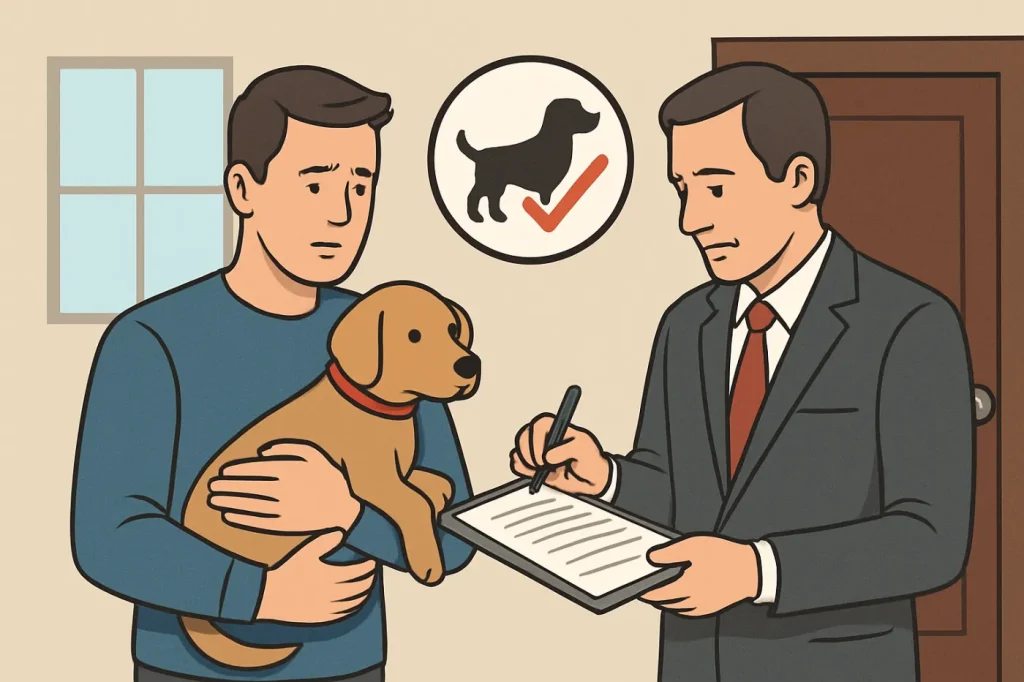
Verbal permission is not enough for most adoption organizations. You need something you can show them. Ask your landlord to sign a short pet addendum or send an email that includes:
- Your name and unit number: So it is clear which tenant and apartment the approval covers.
- Type of pet: Species (dog, cat, etc.), approximate size or weight range, and any breed notes.
- Number of pets allowed: So you know whether you can adopt more than one animal.
- Any size, weight, or breed limits: To avoid misunderstandings later.
- Fees and deposits: What is required, whether any part is refundable, and when payments are due.
- Behavior expectations: For example, leash rules, noise limits, and waste cleanup responsibilities.
- Effective date: When the approval starts and whether it lasts for the full lease term.
You can then share this document or a clear photo of it with the adoption organization as part of your application.
Comparison table: housing situations and adoption options
| Housing situation | Impact on adoption | Main risks | Practical next step |
|---|---|---|---|
| Lease clearly allows pets with no major limits | Strong position for adopting common pets like cats and small or medium dogs | Overlooking fees, behavior rules, or limits on total number of pets | Collect lease pages and written landlord confirmation; confirm all pet‑related costs in your budget |
| Lease allows pets but with weight or breed limits | Adoption is possible only for pets that fit those limits | Falling in love with a pet that is too large or on a restricted‑breed list | Filter adoption searches by size and type; show adoption staff your lease limits before choosing a pet |
| Lease is silent on pets | Adoption groups may be cautious without clear written permission | Landlord could later say pets are not allowed, putting the pet at risk | Request written approval or a pet addendum before applying to adopt; do not rely on silence as permission |
| Lease says “no pets” | Most organizations will not approve an adoption unless rules change | Risk of eviction or being forced to surrender the pet if you adopt anyway | Ask landlord if they will make an exception in writing; if not, plan a move to pet‑friendly housing before adopting |
| Month‑to‑month or short‑term lease | Adoption staff may worry about future housing stability | Frequent moves can make it harder to keep a pet long term | Explain your longer‑term housing plan and how you will keep the pet if you move; look for clearly pet‑friendly rentals |
If you need more detailed guidance on negotiating with a landlord, you can also read how to get landlord approval for a pet.
Structured checklist: housing proof and landlord documents to collect
Use this checklist before you submit a pet adoption application. Having these items ready can significantly reduce the chance of being denied for housing reasons.
1. Lease and rule documents
- Copy or clear photos of the pages in your lease that mention pets.
- Any separate pet addendum or house rules from your building or community.
- Notes on any weight, breed, or species restrictions that apply to your unit.
- Confirmation of the maximum number of pets allowed in your home.
- Any building‑wide rules about pets in elevators, hallways, or outdoor spaces.
2. Written landlord approval
- Email, letter, or signed addendum from your landlord confirming that you may have a pet.
- Approval that clearly lists the type of pet (dog, cat, etc.) and any size or breed limits.
- Details of any pet deposit, pet fee, or pet rent and when each payment is due.
- Landlord or property manager contact information you can share with the adoption organization.
3. Financial readiness
- Monthly budget that includes base rent plus any pet rent and routine pet expenses.
- Plan for paying any pet deposit or one‑time fee (savings, upcoming paycheck, or payment schedule agreed with the landlord).
- Rough estimate of ongoing pet costs such as food, basic veterinary care, and supplies, so you know you can afford both housing and pet care.
- Emergency plan for unexpected costs, such as setting aside a small amount each month.
4. Responsible ownership plan
- Plan for exercise and bathroom breaks that fits your work schedule and building rules.
- Strategy to prevent damage (scratching posts, crate training, baby gates, or similar tools).
- Plan for noise control, especially if you share walls with neighbors.
- Backup caregiver or boarding plan if you travel or have an emergency.
- Plan for meeting local licensing, vaccination, and identification requirements.
You can share parts of this checklist with adoption staff to show that you have thought through both housing and daily care.
Common mistakes renters make about landlord approval
Avoiding a few frequent mistakes can dramatically improve your chances of approval.
- Applying before checking your lease: Many people apply to adopt and only later discover that their lease does not allow the pet they chose.
- Relying on verbal permission: A casual “sure, that’s fine” from a landlord is not enough. Without written proof, adoption staff may say no.
- Ignoring size or breed limits: Hoping the landlord will “make an exception later” is risky. Adoption organizations prefer clear, current approval.
- Underestimating pet‑related costs: Not budgeting for deposits, pet rent, and ongoing care can lead to financial stress and housing problems.
- Hiding a pet from the landlord: Adopting first and “dealing with the landlord later” can result in eviction or being forced to surrender the pet.
- Not planning for future moves: If you know you may move soon, adoption staff may ask how you will ensure your next housing allows pets.
Being honest about your housing situation and proactive about solving problems is far better than trying to work around the rules.
What to do if your landlord says no
Sometimes, even after a respectful conversation, a landlord will not allow pets. When that happens, you still have options, but you need to move carefully to protect both yourself and any future pet.
1. Clarify the reasons
Ask your landlord why they are saying no. Common reasons include concerns about damage, noise, other tenants’ allergies, or insurance. Understanding the reason helps you decide whether there is room to negotiate.
2. Explore possible compromises
Depending on the situation, you might ask whether the landlord would reconsider if you:
- Limit your request to a specific type of pet (for example, an indoor cat instead of a large dog).
- Agree to additional cleaning or professional carpet cleaning when you move out.
- Provide proof of training or references from previous landlords.
- Agree to a reasonable pet deposit or fee that addresses their concerns about damage.
If your landlord remains firm, do not adopt a pet in violation of your lease. That can put you and the animal at serious risk.
3. Consider your long‑term housing plan
If having a pet is a high priority, you may decide to:
- Finish your current lease term and then move to pet‑friendly housing.
- Search specifically for rentals that clearly allow pets and fit your budget.
- Delay adoption until you are in a stable, pet‑friendly home.
For more detailed options when a landlord refuses pets, you can read what to do if my landlord says no pets.
Decision steps before you apply to adopt a pet as a renter
Use this simple step‑by‑step process to decide whether you are ready to submit a pet adoption application.
- Check your lease and building rules. Identify whether pets are allowed and note any limits on number, size, breed, or species.
- Talk to your landlord if anything is unclear. Ask for written confirmation of what is allowed and any fees you must pay.
- Compare your housing rules with the pet you want. Make sure the pet’s size, type, and number fit your lease and any building rules.
- Confirm your budget. Include rent, any pet rent, deposits or fees, and ongoing pet care costs.
- Gather documents. Lease pages, pet addendum, landlord emails, and any proof of payment for pet deposits or fees.
- Prepare your responsible care plan. Think through daily routines, training, vet care, and backup plans for travel or emergencies.
- Then apply to adopt. Share your housing details openly with the adoption organization so they can match you with a suitable pet.
If your adoption involves a home visit, you may also want to review home visit for pet adoption what to expect so your housing setup supports a positive evaluation.
Summary and key takeaways
- Housing is a major reason pet adoption applications are denied, especially for renters.
- Always read your lease and building rules before you apply to adopt, and get landlord approval in writing.
- Pay close attention to species, size, weight, breed, and number‑of‑pets limits in your housing.
- Plan for pet deposits, pet rent, and local requirements such as licensing and vaccinations.
- Use a structured checklist to gather lease pages, landlord letters, and budget details before applying.
- If your landlord says no, do not adopt in violation of your lease. Instead, negotiate if possible or plan a move to pet‑friendly housing first.
Taking these steps shows adoption organizations that you are serious about responsible pet ownership and ready to provide a stable, long‑term home.
FAQ about landlord approval for pet adoption
What should I understand about landlord approval before I apply to adopt a pet?
Landlord approval is a core requirement for most adoption organizations, not a minor detail. You need to know exactly what your lease allows, whether there are limits on species, size, or number of pets, and what extra costs you will owe. You should also have written proof from your landlord that the specific type of pet you want is allowed. Without that, your application may be delayed or denied even if you are a strong match in every other way.
What housing‑related mistakes should I avoid when trying to adopt a pet?
Avoid applying before you read your lease, assuming verbal permission is enough, or hoping your landlord will “make an exception later” for a pet that clearly violates your housing rules. Do not hide your pet plans from your landlord or from the adoption organization. Also avoid underestimating the cost of deposits, pet rent, and ongoing care. Being transparent and prepared makes it much more likely that your adoption will be approved and remain stable.
What should I do next if I want to adopt but I am not sure about my housing rules?
Start by carefully reviewing your lease and any building rules. If pets are not clearly allowed, contact your landlord to ask for written clarification or approval. While you wait for an answer, build a realistic budget that includes pet‑related costs and think through your daily care plan. Once you have written landlord approval and a clear understanding of your responsibilities, you can confidently begin the adoption process and talk with shelters or rescues about pets that fit your housing situation.
Can I still adopt a pet if I plan to move to a new rental soon?
You may be able to adopt, but adoption staff will want to know how you will keep the pet through your move. Be ready to explain your timeline, how you will find pet‑friendly housing, and what you will do if your next rental has stricter rules. In some cases, it is safer to wait until you have signed a clearly pet‑friendly lease so you do not risk having to return the animal or scramble for last‑minute housing.