
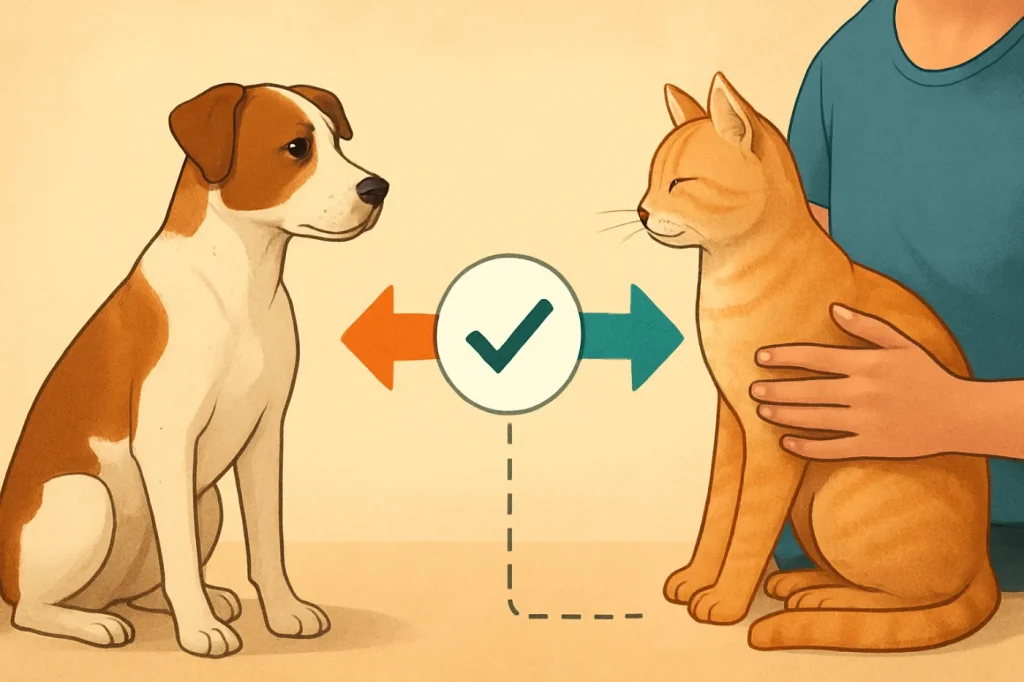
To choose a second pet that fits with your current dog or cat, match personalities, energy levels, and comfort with other animals before you fall in love with a face or breed. Study how your resident pet handles noise, change, and other animals, then look for a new dog or cat whose temperament, age, and activity level will feel like a compatible roommate, not an intruder.
Understanding the real goal when adding a second pet
Adding a second pet is not just about giving your current dog or cat a “friend.” The real goal is to create a stable, low-stress household where both animals can:
- Feel safe around each other
- Eat, sleep, and play without constant tension
- Have their own space and routines
- Share your attention without feeling threatened
Compatibility is about how two individual animals handle space, resources, and social interaction. That is why temperament and daily needs matter more than breed labels or appearance.
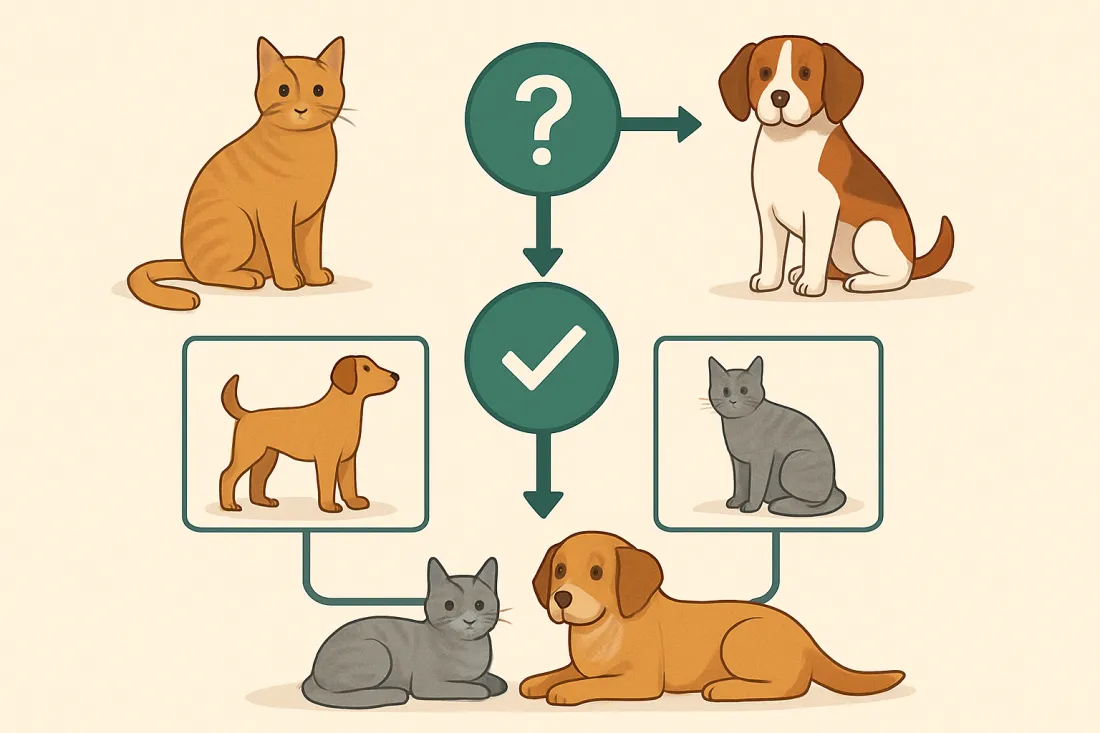
Why temperament matters more than breed when choosing a second pet
Breed tendencies can give broad clues (for example, some breeds are more energetic or more independent), but they never guarantee behavior. Two dogs from the same litter can have completely different comfort levels with cats, kids, or other dogs. The same is true for cats.
When choosing a second pet, focus on these temperament traits instead of breed stereotypes:
- Energy level: High-energy pets often overwhelm calm or anxious animals. A mellow senior cat may be miserable with a young, nonstop herding dog, regardless of breed.
- Social style: Some pets love rough-and-tumble play; others prefer parallel companionship (being near another animal but not touching). Mismatched play styles can lead to fights.
- Frustration tolerance: How easily does the animal get upset when blocked from something they want? Low tolerance can show up as snapping, swatting, or chasing.
- Resource guarding: Guarding food, toys, beds, or people makes multi-pet life much harder. You want at least one easygoing animal around resources.
- Recovery after stress: A pet that bounces back quickly from surprises is easier to integrate than one that stays on edge for hours.
Ask shelters or rescues about these traits and observe them yourself during meet-and-greets. A mixed-breed dog or cat with a calm, respectful temperament is usually a safer choice than a “perfect” breed with pushy or fearful behavior.
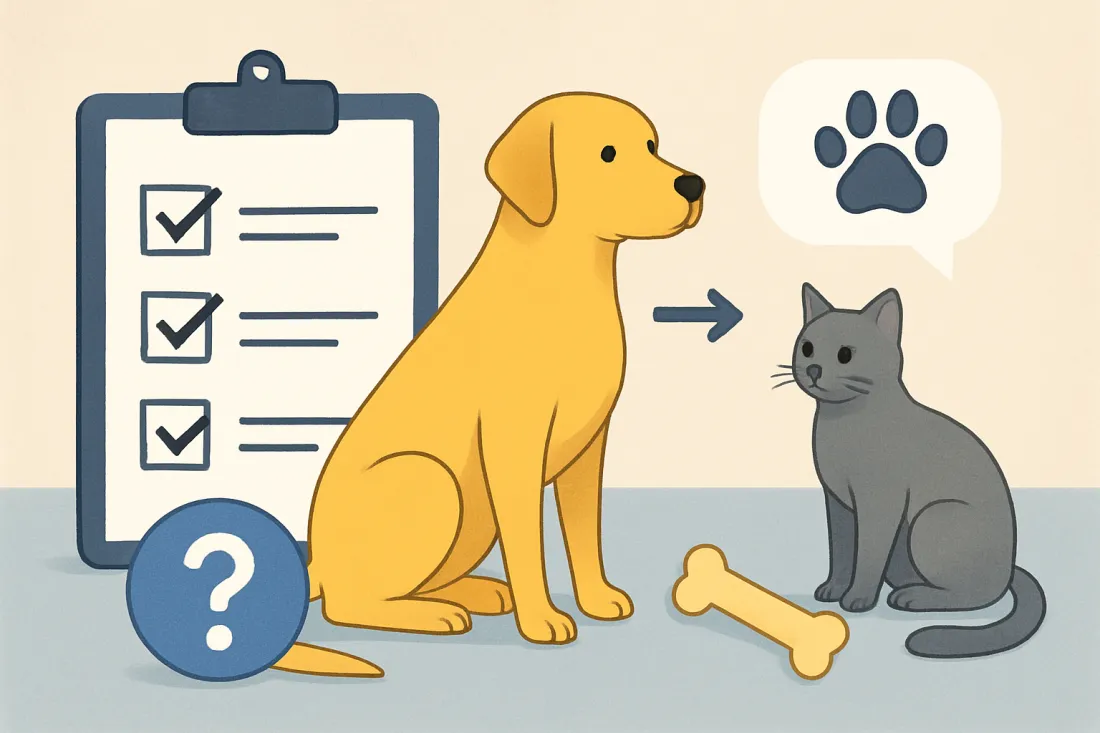
Reading your current pet’s personality and limits
Before you even look at a second pet, get honest about who your current dog or cat really is. Their needs and limits should drive your decision.
Questions to assess a resident dog
Watch your dog over several days and answer:
- How does my dog react to other dogs? Relaxed body, loose tail, and play bows suggest they may enjoy a canine friend. Stiff posture, staring, growling, or hiding suggest they may prefer to be an only dog.
- Has my dog lived with cats before? A dog with a safe, calm history around cats is a better candidate for a feline roommate than a dog that fixates and lunges at small animals.
- What is my dog’s play style? Gentle and bouncy, or rough and body-slamming? Rough players can scare shy dogs and most cats.
- Does my dog guard food, toys, or people? If yes, you will need strict management and training, and a very easygoing second pet.
- How does my dog handle change? Dogs that struggle when furniture moves or visitors arrive may find a new pet overwhelming.
Questions to assess a resident cat
Observe your cat in different situations:
- Has my cat lived with other cats or dogs? A cat that has peacefully shared space before is more likely to adapt again.
- How does my cat respond to visitors or new objects? Curious, confident cats usually adapt better than cats that hide for days.
- Does my cat guard food, litter boxes, or favorite spots? Guarding can show up as blocking, swatting, or growling when another animal approaches.
- What is my cat’s energy level? A playful young cat may be frustrated by a very elderly or sedentary companion.
- Are there any medical or behavior issues? Pain, chronic illness, or anxiety can lower tolerance for a new roommate.
If your current pet is highly anxious, aggressive, or medically fragile, talk with your veterinarian or a qualified behavior professional before committing to a second pet. In some homes, the kindest choice is to keep one pet and focus on their quality of life.
Choosing a compatible dog for a resident cat
Many cats and dogs can live together peacefully, but not every dog is cat-safe. When your first pet is a cat, your priority is finding a dog that will not chase, pin, or harass them.
Dog traits that usually work better with cats
- Low to moderate prey drive: The dog notices the cat but does not stalk, lunge, or fixate.
- Good history with cats: Ask if the dog has lived with cats or has been tested around them in a controlled setting.
- Calm indoor energy: A dog that can relax in the house is less likely to constantly pester a cat.
- Responds to cues: A dog that reliably responds to “leave it,” “come,” and “stay” is easier to manage around a cat.
- Body language around small animals: Soft eyes, loose body, and sniffing are better signs than stiff posture and intense staring.
Dog traits that can be risky for cats
- Strong chase instinct: Dogs that bolt after squirrels, birds, or moving toys may see a running cat as prey.
- Rough, physical play style: Body-slamming or grabbing can injure a cat even without intent to harm.
- High frustration when restrained: A dog that screams, thrashes, or bites the leash when held back from a cat is a red flag.
- History of aggression toward small animals: Take any report of harming or killing small animals seriously.
Practical steps when selecting a dog for your cat
- Ask for a “cat test.” Many shelters can safely test a dog’s reaction to a calm, dog-experienced cat through a barrier.
- Choose size and age thoughtfully. A large, boisterous adolescent dog can accidentally hurt a small or senior cat. Consider a calmer adult or smaller dog if your cat is fragile.
- Plan for slow introductions. Even a cat-friendly dog should start with baby gates, leashes, and separate safe rooms.
- Give your cat vertical escape routes. Cat trees, shelves, and high perches let your cat observe and retreat.
Choosing a compatible cat for a resident dog
When your first pet is a dog, your main concern is finding a cat that will not be terrified of normal dog behavior and can set boundaries safely.
Cat traits that usually work better with dogs
- Confident, not easily spooked: A cat that recovers quickly from noises and movement is less likely to panic.
- History with dogs: Ask if the cat has lived with or been fostered with dog-friendly dogs.
- Balanced assertiveness: A cat that can calmly stand their ground or give a warning swat (without escalating) often teaches dogs to respect space.
- Similar energy level to your dog: A playful dog may enjoy a young, active cat; a quiet senior dog may prefer a calm adult cat.
Cat traits that can be risky with dogs
- Extremely fearful or shut down: A cat that hides constantly may live in chronic stress around a dog.
- Very fragile health: Cats with serious medical issues may not tolerate even gentle dog curiosity.
- Severe aggression: A cat that launches at people or other animals can injure a dog’s eyes or face.
Practical steps when selecting a cat for your dog
- Confirm your dog’s readiness. Your dog should already have basic obedience and be able to relax around small animals at a distance.
- Ask for behavior notes. Shelters often know which cats prefer quiet homes and which enjoy more activity.
- Choose an age that fits. Very young kittens are fragile and may trigger chasing; many homes do better with a sturdy adult cat around dogs.
- Plan safe zones. Set up dog-free rooms with baby gates and high resting spots so the cat can control contact.
Best matches for senior or special-needs pets
Senior or special-needs pets can benefit from calm companionship, but they are also more vulnerable to stress and injury. Matching them carefully is essential.
When your resident pet is a senior dog
- Prefer calmer companions. Look for adult or senior pets with moderate to low energy.
- Avoid high-impact playmates. Young, boisterous dogs or very active kittens can knock over or overwhelm an older dog.
- Consider health limitations. Arthritis, vision loss, or hearing loss can make sudden contact startling or painful.
- Protect routines. Senior dogs often rely on predictable feeding, walking, and sleeping schedules; choose a second pet that can fit into that rhythm.
When your resident pet is a senior cat
- Choose quiet, respectful companions. Adult cats or calm dogs that do not constantly seek play are usually better.
- Provide extra escape options. Senior cats may not jump as well; add ramps or lower perches they can still reach.
- Watch for subtle stress signs. Changes in grooming, appetite, or litter box use can signal that the new pet is too much.
When either pet has special medical or behavioral needs
- Talk to your veterinarian first. Ask whether a second pet is likely to improve or worsen your current pet’s condition.
- Prioritize safety over companionship. If your pet has a history of serious aggression or is very fragile, it may be kinder not to add another animal.
- Plan for management. You may need gates, crates, separate feeding areas, or supervised-only contact.
Questions to ask shelters and rescues about temperament
Good shelters and rescues collect behavior information that can help you choose a compatible second pet. Use specific questions so you get useful details, not just “good with dogs/cats.”
Key questions about a potential second dog
- Has this dog lived with other dogs or cats in a home? How did that go?
- How does this dog react when another dog approaches their food or toys?
- What is this dog’s energy level like during the day?
- How does this dog handle new environments, noises, or visitors?
- Have you noticed any chasing or fixating on small animals?
- How does this dog respond to handling (grooming, vet-style exams, being moved off furniture)?
Key questions about a potential second cat
- Has this cat lived with other cats or dogs? What was their role (confident, shy, playful, avoidant)?
- How does this cat react to being approached while eating or using the litter box?
- Is this cat more playful and active, or calm and low-key?
- How does this cat respond to new people or changes in the environment?
- Have you seen any signs of fear or aggression toward other animals?
Whenever possible, ask to see the animal in different situations: in their kennel, in a quiet room, and walking past other animals. You are looking for patterns, not perfection.
Comparison table for matching a second pet to your current dog or cat
Use this table to think through which type of second pet might fit your current dog or cat. These are general patterns; individual personalities always matter more.
| Your resident pet type | Better second-pet match | Why it often works | Risks to watch for | Extra steps to improve compatibility |
|---|---|---|---|---|
| Young, high-energy dog | Confident adult dog with similar energy; sturdy, playful adult cat used to dogs | Can match play needs and burn energy together | Over-arousal, rough play, resource guarding | Structured play sessions, separate feeding, training on calm behavior |
| Calm adult dog | Mellow adult dog; relaxed adult cat comfortable with dogs | Similar routines and lower chaos at home | Jealousy over attention, subtle stress in quieter pet | One-on-one time with each pet, maintain original dog’s routines |
| Senior dog with mobility issues | Low-energy adult or senior dog; quiet adult cat | Less physical impact and fewer sudden movements | Accidental bumps, stress from playful behavior | Use gates, supervise interactions, provide no-pet zones for the senior |
| Confident, playful young cat | Another playful cat of similar age; calm, cat-experienced dog | Can share play while tolerating some chaos | Overstimulation, rough play turning into fights | Multiple vertical spaces, separate play sessions, watch for early tension |
| Shy or easily stressed cat | Very calm, respectful adult cat; quiet, low-prey-drive dog (or no second pet) | Reduces pressure on the shy cat | Chronic hiding, litter box issues, stress-related illness | Slow introductions, plenty of hiding spots, consider if adding a pet is truly necessary |
| Senior cat with health concerns | Gentle adult cat; calm, well-trained dog that ignores cats | Companionship without constant play demands | Accidental injury, stress from changes in routine | Frequent vet check-ins, protected resting areas, maintain feeding schedule |
Compatibility evaluation checklist before you commit
Use this structured checklist to decide whether a specific second pet is likely to be compatible with your current dog or cat. Aim for most answers to be in the “yes” column before you move forward.
Step 1: Confirm your resident pet’s readiness
- I have observed my current pet’s reactions to other animals (in person or at a distance).
- My pet does not show severe aggression toward other animals (or I have a professional plan to manage it).
- My pet’s health is stable according to our veterinarian.
- I can realistically manage separate spaces, feeding areas, and gradual introductions.
Step 2: Screen the potential second pet’s temperament
- The shelter or rescue has behavior notes or history with other animals.
- The animal’s energy level is similar to or slightly lower than my current pet’s.
- There are no reports of serious aggression toward other dogs, cats, or small animals.
- The animal recovers reasonably quickly after being startled or frustrated.
- The animal allows basic handling without extreme fear or aggression.
Step 3: Match specific needs in dog–cat or cat–dog households
If I have a resident cat and I am considering a dog:
- The dog has been safely tested around cats or small animals.
- The dog does not fixate, lunge, or bark uncontrollably at cats.
- The dog responds to basic cues such as “leave it” and “come.”
- The dog’s size and strength are appropriate for my cat’s age and health.
If I have a resident dog and I am considering a cat:
- My dog can remain calm or redirectable around small animals at a distance.
- The cat has a history of tolerating dogs or shows confident, curious behavior.
- The cat is physically sturdy enough to share space with a dog.
- The cat is not extremely fearful or aggressive toward other animals.
Step 4: Evaluate your household capacity
- I have enough time each day to give both pets individual attention.
- I can afford routine veterinary care, food, and supplies for two animals.
- My home has space for separate feeding areas and at least one safe room for each pet.
- All household members understand and agree to the introduction plan.
Step 5: Plan the introduction process
- I am prepared to introduce the pets slowly using scent swapping, barriers, and short, supervised sessions.
- I have baby gates, crates, or carriers ready to create safe zones.
- I know what early stress or aggression signs look like in both species (staring, stiff bodies, growling, hiding, loss of appetite).
- I have contact information for a veterinarian or behavior professional if problems arise.
Common mistakes when choosing a second pet
Avoid these frequent errors that lead to fights, returns, or long-term stress:
- Choosing based on looks or breed alone. A cute face or favorite breed does not guarantee compatibility with your current pet.
- Assuming your pet “needs a friend.” Some animals are happiest as only pets. Forcing a companion can lower their quality of life.
- Ignoring red flags during meet-and-greets. Staring, lunging, hiding, or growling are signals to slow down, not signs that they will “work it out.”
- Skipping separate spaces. Throwing pets together without barriers or safe zones can create lasting fear or aggression.
- Rushing the timeline. Many pets need days or weeks of gradual exposure before they can safely share space.
- Not planning for training and management. Even well-matched pets need guidance on sharing resources and your attention.
What to do next once you have decided to add a second pet
Once you understand your current pet’s needs and the traits you are looking for in a second pet, take these next steps:
- Talk to your veterinarian. Confirm your resident pet is healthy enough for the change and ask about any behavior or medical concerns.
- Contact shelters or rescues. Share detailed information about your current pet and your home so they can suggest suitable matches.
- Schedule controlled meet-and-greets. Use neutral or low-distraction spaces, and watch both animals’ body language closely.
- Prepare your home. Set up separate feeding stations, litter boxes, beds, and safe rooms before the new pet arrives.
- Create an introduction plan. Outline how you will use scent swapping, barriers, and short sessions over days or weeks.
- Monitor and adjust. After adoption, track both pets’ behavior, appetite, and routines. If problems persist, consult a professional early.
If you also have children or family members with allergies, you may find it helpful to read about choosing a family pet with allergies or asthma or choosing a pet based on children’s ages so the new pet fits your whole household, not just your current dog or cat. If your second pet will be a dog, a structured plan like a first 30 days with a rescue dog routine can also make the transition smoother.
FAQ about choosing a second pet compatible with your existing dog or cat
What should I understand first about compatibility when choosing a second pet?
Compatibility is less about species or breed and more about how two individual animals share space, resources, and your attention. You are looking for a second pet whose energy level, social style, and tolerance for stress fit your current pet’s personality. A good match means both animals can relax in the same home, not just tolerate each other under constant supervision.
What are the biggest mistakes people make when adding a second dog or cat?
Common mistakes include choosing a pet based on appearance, assuming every animal wants a live-in playmate, and dismissing early warning signs like staring, growling, or hiding. Rushing introductions and failing to provide separate resources (bowls, beds, litter boxes) also create unnecessary conflict. Slowing down and respecting your resident pet’s limits prevents many of these problems.
How can I tell if my current dog or cat actually wants another pet in the home?
You cannot ask directly, but you can read patterns. Pets that relax around other animals, show interest without tension, and recover quickly from brief interactions are more likely to enjoy a companion. Pets that growl, hiss, lunge, or hide for long periods when another animal is nearby are telling you that sharing space is stressful. If your pet is elderly, in pain, or already anxious, it is reasonable to decide that they are better off as an only pet.
What should I do next after reading about second-pet compatibility?
Start by observing your current pet for several days using the questions and checklist above. Then talk with your veterinarian about health or behavior concerns and what kind of companion, if any, might suit your pet. When you contact shelters or rescues, share what you have learned so they can suggest specific dogs or cats that match your situation. Finally, prepare your home and introduction plan before you bring a new animal through the door.
How long should I give my dog and new cat, or my cat and new dog, to adjust to each other?
Adjustment timelines vary widely. Some pairs relax within a few days, while others need several weeks of gradual exposure. A reasonable plan is to expect at least a couple of weeks of careful management, with separate spaces and short, supervised sessions. If you still see intense fear, aggression, or stress after that period, or if things are getting worse instead of better, consult your veterinarian or a behavior professional to reassess the match and your introduction plan.
Conclusion: compatibility is a daily choice, not a one-time decision
Choosing a second pet that fits with your existing dog or cat starts with honest observation of the animal you already love. When you match energy levels, social styles, and health needs—and back that up with slow introductions and clear boundaries—you give both pets the best chance at a peaceful, rewarding life together.
Take your time, ask detailed temperament questions, use the compatibility checklist, and be ready to adjust if the animals tell you the match is not right. Responsible pet ownership means putting their long-term comfort ahead of the impulse to add another cute face, so your home stays safe and calm for everyone who lives there.