Immediate steps when your dog pees on the carpet
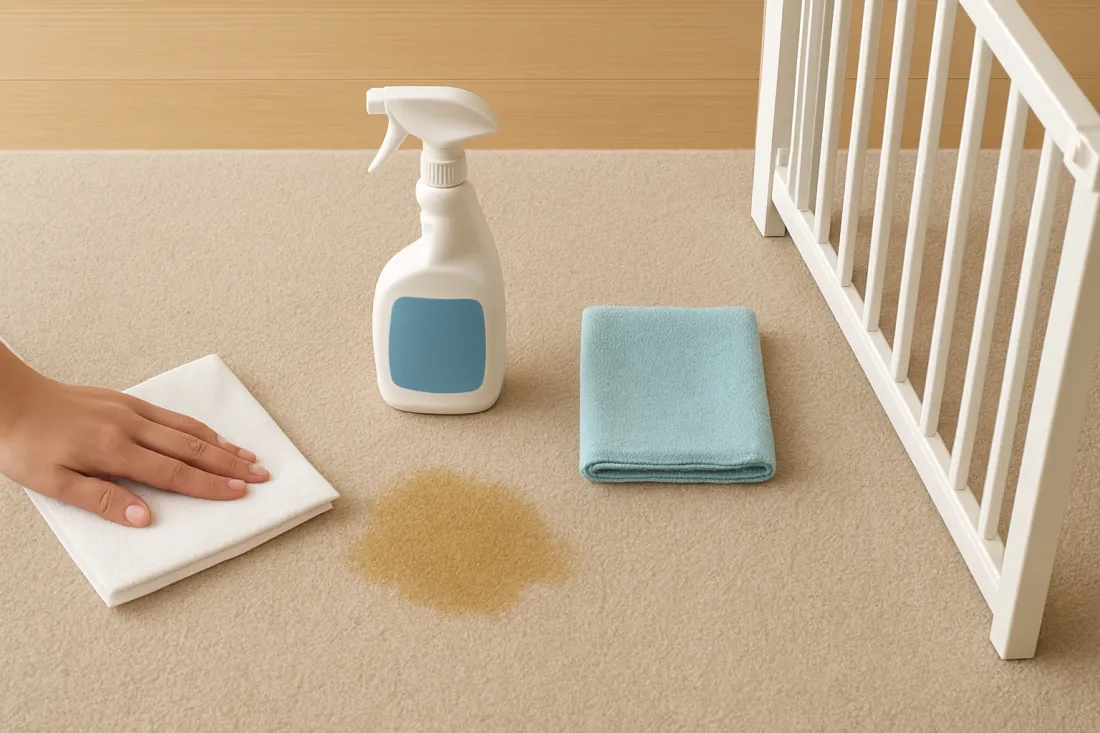
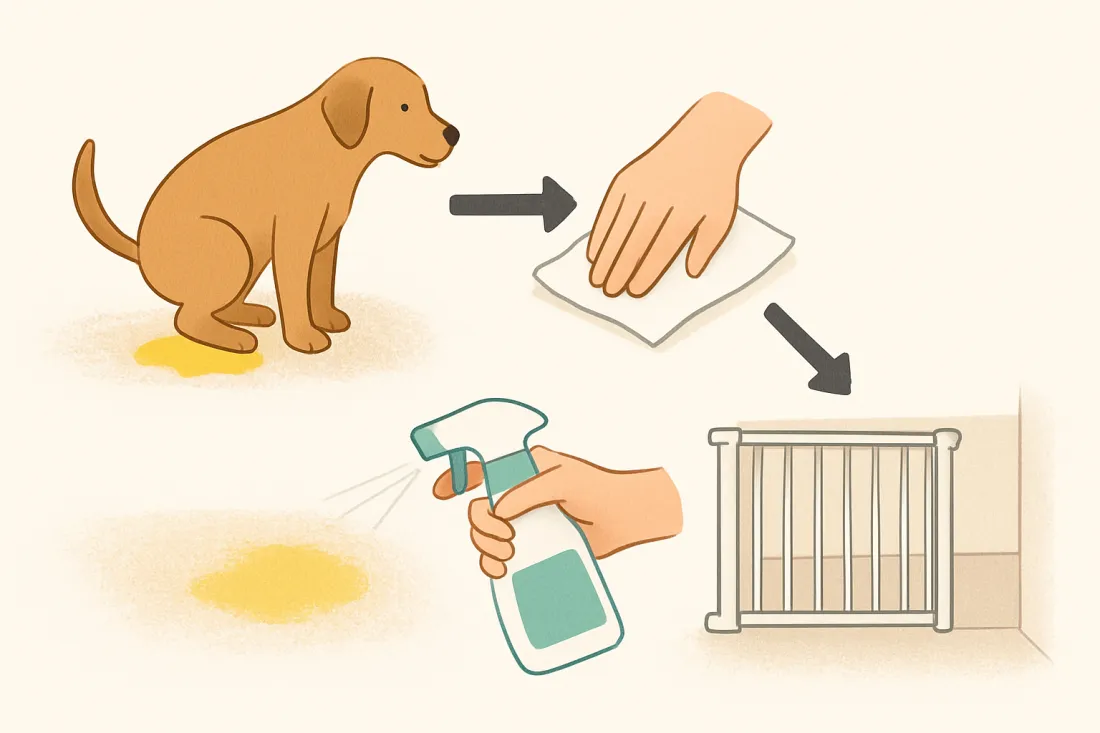
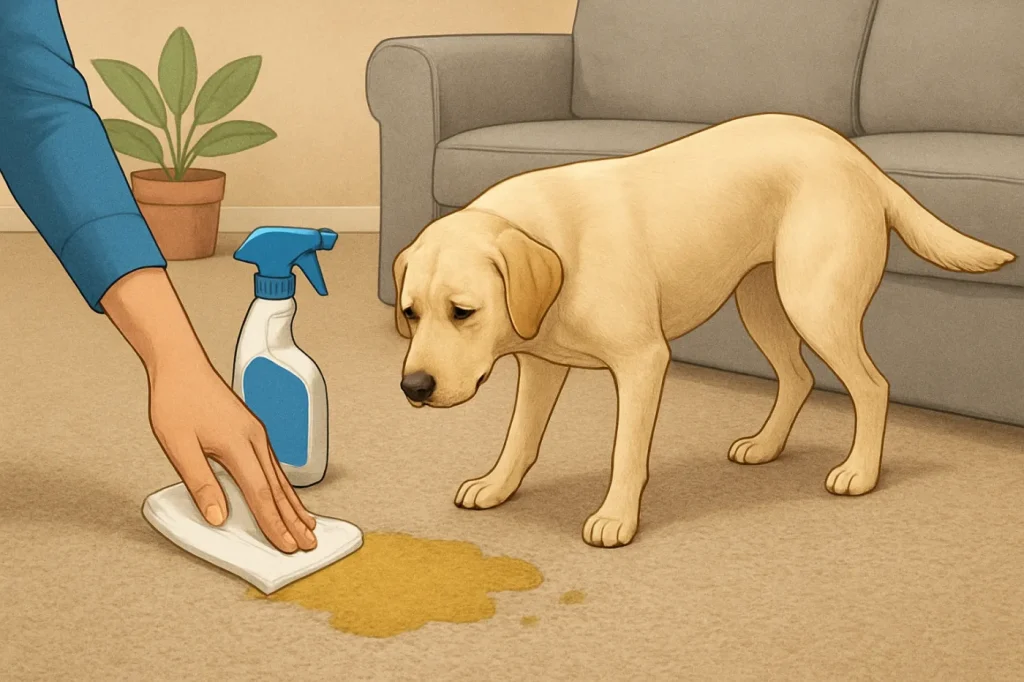
If your dog has just peed on the carpet, move them away from the spot, then: 1. Blot, don’t rub. Use paper towels or a clean cloth to press firmly and soak up as much urine as possible. 2. Apply a pet-safe cleaner. Use an enzymatic cleaner made for pet urine, following the label exactly. 3. Blot again and let it air-dry. Keep pets and kids off the area until it is fully dry. 4. Block access. Use a baby gate or closed door so your dog cannot return and re-mark the same spot. 5. Watch for patterns. If accidents repeat or your dog seems unwell, call your vet. The faster you act, the less likely the stain and odor will set into the carpet backing and padding.
Why dogs pee on carpet: accident, marking, or illness
Understanding why your dog peed on the carpet helps you fix the problem instead of just cleaning it up.
- Simple pet accidents
These are one-off or occasional mishaps, often because your dog:- Couldn’t hold it long enough
- Was left alone too long
- Got overexcited or scared
- Is still learning house training
Accidents are usually larger puddles, often near doors, sleeping areas, or where the dog was confined.
- Marking behavior
Marking is more about communication than emptying the bladder. Signs it may be marking:- Small amounts of urine in several spots
- Often on vertical surfaces (table legs, walls, furniture corners)
- Triggered by new pets, visitors, or changes at home
Neutered and spayed dogs can still mark, but it is especially common in intact males.
- Illness-related peeing
Health issues can cause sudden accidents in a previously house-trained dog. Warning signs include:- Frequent small puddles or dribbling
- Straining, licking the genital area, or signs of pain
- Increased thirst and urination
- Strong, unusual odor or blood in the urine
If you notice any of these, or if accidents start suddenly and keep happening, contact your vet promptly.
Step-by-step emergency response by surface type
Use this practical checklist right after any fresh pet accident (urine, vomit, diarrhea, or blood). Always test cleaners on a hidden area first.
Carpet and rugs
- Remove the pet and ventilate. Move your dog away, open windows, and turn on a fan if possible.
- Blot up liquid. Place folded paper towels or a white cloth over the wet area and press firmly. Stand on the towels if needed. Replace until they come up just damp.
- Pick up solids. For poop or vomit, use a paper towel or disposable scraper to lift solids straight up. Do not smear them into the fibers.
- Apply the right cleaner.
- For urine: Use an enzymatic pet urine cleaner. Saturate the area so it reaches the carpet backing where urine may have soaked.
- For vomit or diarrhea: Use a mild carpet-safe cleaner or a pet-safe enzymatic formula labeled for organic stains.
- For blood: Use cool water and a carpet-safe cleaner; avoid hot water.
- Gently work it in. Use a soft cloth or soft-bristled brush to lightly work the cleaner into the fibers. Do not scrub aggressively.
- Let it sit. Follow the label contact time (often several minutes) so the product can break down odor-causing residues.
- Blot out excess. Blot again with clean towels to remove moisture and cleaner.
- Rinse lightly if allowed. If the product label allows, mist with clean water and blot again to remove residue.
- Dry thoroughly. Place a dry towel over the spot, weigh it down with a heavy object, and leave for several hours. Replace with a dry towel if it becomes damp.
- Block access. Use a gate or closed door until the area is completely dry and odor-free to discourage re-marking.
Hardwood floors
- Act quickly. Urine can damage wood finishes if it sits.
- Blot, don’t wipe. Use paper towels to soak up urine without spreading it.
- Clean with a wood-safe product. Use a cleaner recommended for your type of hardwood that is safe for pets. Avoid soaking the floor with water.
- Dry the area. Wipe with a dry cloth until no moisture remains.
- Check gaps and edges. If urine seeped into seams or under baseboards, you may need to repeat cleaning or consult a flooring professional if odor persists.
Tile, vinyl, and other hard surfaces
- Blot or wipe up liquid. Use paper towels or a cloth to remove urine or other fluids.
- Clean with a mild floor cleaner. Use a pet-safe product suitable for your surface. Avoid mixing cleaners (for example, never mix bleach and ammonia-based products).
- Rinse if needed. Wipe with clean water if the product label recommends rinsing.
- Dry to prevent slips. Dry thoroughly so pets and people do not slip.
Upholstery (sofas, chairs, cushions)
- Check the care tag. Look for cleaning codes (like W, S, or WS) to know what types of cleaners are safe.
- Blot up moisture. Press with paper towels or a white cloth to remove as much liquid as possible.
- Treat the spot.
- For water-safe fabrics: Use a pet-safe enzymatic cleaner or upholstery cleaner, lightly applied.
- For solvent-only fabrics: Use a cleaner recommended for that fabric type; avoid water-based sprays.
- Work from the outside in. Dab around the edges of the stain first, then move inward to avoid spreading.
- Blot and air-dry. Remove excess moisture and allow to dry completely. Avoid direct heat that could set stains.
- Consider cushion inserts. If urine soaked through to the cushion, you may need to remove and treat or replace the insert to fully remove odor.
Mattresses and pet beds
- Blot deeply. Press thick towels into the mattress or bed to pull out as much liquid as possible.
- Apply an enzymatic cleaner. Use a product labeled safe for fabrics and mattresses, saturating the area so it reaches the depth of the stain.
- Allow long contact time. Mattresses are thick; give the cleaner time to work as directed on the label.
- Blot and air-dry thoroughly. Use fans and good ventilation. Mattresses may take a day or more to dry.
- Use a waterproof cover next time. Once clean and dry, add a waterproof mattress or bed protector to make future accidents easier to manage.
What to do vs what to avoid when cleaning dog pee
Do this
- Blot immediately to remove as much liquid as possible.
- Use pet-specific enzymatic cleaners for urine to break down odor-causing residues.
- Test any cleaner on a hidden spot first.
- Ventilate the room and keep pets away until surfaces are dry.
- Follow product labels exactly, including contact time and rinsing instructions.
- Watch for repeat accidents and health changes in your dog.
Avoid these common mistakes
- Do not rub or scrub hard. This pushes urine deeper into carpet and can damage fibers.
- Do not use hot water on protein-based stains. Hot water can set urine, vomit, and blood stains, making them harder to remove.
- Do not rely on regular household cleaners alone. Many do not break down the compounds that cause lingering pet odors.
- Do not use ammonia-based cleaners on urine spots. Urine naturally contains ammonia-like compounds; similar smells can encourage re-marking.
- Do not oversaturate wood floors. Excess water or cleaner can damage the finish and seep into seams.
- Do not ignore repeated accidents. Frequent peeing on carpet can signal a medical or behavioral issue that needs attention.
Quick reference table: different pet messes and how to respond
| Stain type | Typical look and risk | First response | Best cleaner type | Extra cautions |
|---|---|---|---|---|
| Urine | Yellowish stain, strong odor; can soak into padding, wood, and grout. | Blot immediately, avoid rubbing, keep area ventilated. | Enzymatic pet urine cleaner designed to break down odor-causing residues. | Avoid ammonia-based products; block access so the dog does not re-mark. |
| Vomit | Often acidic, may contain food dyes; can discolor fibers and finishes. | Lift solids gently, then blot liquid without spreading. | Mild carpet or upholstery cleaner; some pet-safe enzymatic cleaners also work. | Avoid scrubbing; test cleaners because dyes in vomit can stain easily. |
| Diarrhea | Loose, messy, strong odor; high risk of deep staining and bacteria. | Lift solids with a scraper or towel, working from outside in; blot remaining moisture. | Pet-safe enzymatic cleaner labeled for organic waste; follow with disinfecting step on hard surfaces. | Wear gloves; sanitize tools and hands afterward. |
| Blood | Dark red or brown spots; can bond strongly to fibers if heated. | Blot with cool water; never use hot water. | Cool water plus a carpet- or fabric-safe cleaner suitable for protein stains. | Work gently; repeated light treatments are safer than aggressive scrubbing. |
How to read pet cleaner labels: enzymatic, oxidizer, and disinfectant
Pet cleanup products often use different technologies. Knowing the basics helps you choose the right one for each mess.
- Enzymatic cleaners
- What they do: Use enzymes and helpful bacteria to break down organic residues like urine, feces, and vomit.
- Best for: Deep urine odor in carpets, upholstery, and mattresses; organic stains in general.
- Label clues: Words like “enzyme,” “bacteria-based,” “bio-enzymatic,” or “pet urine odor remover.”
- How to use: Saturate the area, allow the full contact time, and avoid using harsh chemicals before or after that could kill the enzymes.
- Oxidizing cleaners
- What they do: Use oxygen-based chemistry (often described as “oxygen power” or similar) to help break down and lighten stains.
- Best for: Tough stains and discoloration on colorfast fabrics and carpets.
- Label clues: Phrases like “oxygen,” “oxy,” or “stain remover” for organic stains.
- How to use: Follow dilution and contact-time instructions carefully; test on a hidden area to check for color changes.
- Disinfectants
- What they do: Reduce or kill germs on hard, non-porous surfaces.
- Best for: Tile, vinyl, sealed stone, and other hard surfaces after cleaning up diarrhea or vomit.
- Label clues: Terms like “disinfect,” “sanitize,” or “kills germs” along with directions for dwell time.
- How to use: Only on surfaces the label allows; keep pets and children away until the area is rinsed (if required) and fully dry.
If you are unsure which category a product fits into, read the “How it works” or “Active ingredients” section and match it to the descriptions above.
Comparison: DIY cleaning vs calling a professional
When your dog pees on the carpet, you can usually handle fresh accidents yourself. Sometimes, though, professional carpet cleaning is the better option.
| Situation | DIY cleaning is usually enough when… | Professional cleaner is worth it when… | Key risk if you choose the wrong option |
|---|---|---|---|
| Single fresh accident on carpet | The spot is small, you can treat it immediately, and there is no strong lingering odor after cleaning. | The carpet still smells after careful cleaning, or the accident soaked through to padding. | Odor may return in humid weather and encourage repeat accidents. |
| Repeated accidents in the same area | You have identified and fixed the cause (schedule, training, access) and odor is mild. | There is a strong, widespread urine smell, or multiple old stains across the room. | Deep contamination can remain under the surface, making full odor removal difficult later. |
| Delicate or expensive rugs | The rug label says water-based cleaners are safe, and colors do not bleed in a hidden test. | The rug is antique, silk, or labeled for special care only. | DIY attempts could cause permanent color loss or fiber damage. |
| Mattresses and upholstered furniture | The accident is small, and you can fully dry the area after cleaning. | Urine has soaked deeply, or odor remains even after several careful cleanings. | Hidden moisture can lead to persistent odor and possible mold growth. |
Who should choose which approach to dog pee on carpet
- DIY-focused pet owners are usually fine handling:
- Fresh, isolated accidents on carpets, hard floors, and washable rugs
- Minor stains on everyday sofas and pet beds
- Occasional puppy training mishaps when they can clean right away
- Pet owners who should consider professional help include those who:
- Notice a persistent urine smell in a room despite repeated cleaning
- Have large or multiple old stains that were never treated properly
- Own high-value rugs or delicate fabrics they are afraid to damage
- Have mobility or health issues that make thorough cleaning difficult
For ongoing accidents or signs of illness, a vet visit is just as important as cleaning the carpet. If you ever face a more serious emergency, such as poisoning or trauma, resources like guides on what to do if your vet is closed and your pet is having an emergency can help you plan ahead.
Pet accident response kit: structured checklist
Keeping a dedicated kit at home saves time and stress when accidents happen.
Essentials to store together
- Absorbent materials
- Roll of paper towels
- Old white cotton towels or cloths (colorless to avoid dye transfer)
- Cleaning products
- Pet-safe enzymatic cleaner for urine and organic stains
- Mild carpet or upholstery cleaner suitable for your main surfaces
- Hard-surface floor cleaner safe for your flooring type
- Disinfectant for hard, non-porous surfaces (for diarrhea or vomit)
- Tools and accessories
- Soft-bristled brush or old toothbrush for gentle agitation
- Plastic or silicone scraper for lifting solids
- Spray bottles for diluted cleaners (clearly labeled)
- Small flashlight to spot dried stains in corners and under furniture
- Protection and safety
- Disposable gloves
- Small trash bags for used towels and waste
- Mask if you are sensitive to odors or cleaning fumes
- Reference notes
- List of which products are safe for your carpet, rugs, and floors
- Basic steps for urine, vomit, diarrhea, and blood (you can copy the quick reference table in your own words)
- Your vet’s phone number and nearest emergency clinic details
Store the kit in an easy-to-reach place, not buried in a closet. The goal is to start blotting and treating the area within minutes.
Decision checklist: what to do after your dog pees on the carpet
Use this simple decision flow to choose your next steps.
- Is the accident fresh or dried?
- Fresh: Follow the surface-specific steps above immediately.
- Dried: Locate the stain (look, smell, or use a flashlight), then treat with an enzymatic cleaner, allowing extra contact time.
- Is this a one-time event or a pattern?
- One-time or rare: Review your dog’s schedule (water, meals, potty breaks) and adjust if needed.
- Frequent or increasing: Schedule a vet check to rule out medical causes and review house-training or marking behavior.
- Does any odor remain after cleaning and drying?
- No noticeable odor: Keep the area off-limits for a while and reward your dog for peeing in the right place.
- Yes, odor persists: Repeat enzymatic treatment. If smell remains after several careful attempts, consider professional cleaning.
- Is the surface delicate or high-value?
- No (standard carpet, tile, vinyl): DIY cleaning is usually appropriate.
- Yes (antique rug, specialty fabric): Contact a professional cleaner experienced with that material before experimenting.
- Is your dog showing any signs of illness?
- No, behavior and appetite are normal: Continue monitoring and reinforce good potty habits.
- Yes (lethargy, vomiting, diarrhea, pain, blood in urine or stool): Call your vet for guidance on next steps.
For more detailed cleaning instructions by stain and surface, you may also find it helpful to read how to clean dog and cat urine from carpet once you have handled the immediate mess.
When to call a professional cleaner or a vet
Signs you may need a professional cleaner
- There is a strong urine smell in the room even after multiple careful cleanings.
- Stains have soaked into carpet padding or subflooring.
- You see multiple old stains you never treated properly.
- The carpet is light-colored and shows visible yellowing or rings after drying.
- You have valuable rugs or upholstery you do not want to risk damaging.
Professional cleaners often have equipment that can flush and extract urine from deep layers of carpet and padding more effectively than home tools.
Signs you should contact your vet
- Your previously house-trained dog suddenly starts peeing on the carpet repeatedly.
- Your dog strains to urinate, seems uncomfortable, or licks the genital area excessively.
- You notice blood in the urine, very dark urine, or an unusually strong or foul smell.
- Your dog is drinking much more water than usual or needs to go out far more often.
- Accidents come with vomiting, diarrhea, or lethargy.
These can be signs of urinary tract infections, bladder issues, metabolic diseases, or other health problems that need professional diagnosis.
Frequently asked questions about what to do when your dog pees on the carpet
What should I understand first about what to do when my dog pees on the carpet?
The most important points are speed and method: move your dog away, blot up as much urine as possible without rubbing, use a pet-safe enzymatic cleaner to break down odor-causing residues, and let the area dry fully while keeping your dog away. Then look at why it happened—whether it was a simple accident, marking, or a possible health issue—so you can prevent repeat incidents.
What mistakes should I avoid when my dog has a pee accident on the carpet?
Avoid scrubbing the stain, using hot water on urine, relying only on general-purpose cleaners, or using ammonia-based products that smell similar to urine. Do not oversaturate wood floors or delicate rugs, and do not ignore repeated accidents or signs of illness in your dog. These mistakes can set stains, lock in odors, damage surfaces, and delay needed veterinary care.
After cleaning the dog pee from my carpet, what should I do next?
Once the area is clean and dry, block access to that spot for a while, supervise your dog more closely, and reward them generously for peeing in the correct place outdoors or on a designated pad. Review their schedule to ensure regular potty breaks, and set up a pet accident response kit so you are ready for future mishaps. If accidents continue or your dog seems unwell, schedule a vet visit to rule out medical causes.
If my dog pees on the carpet, will it just dry on its own or do I need to clean it?
Urine will eventually dry on its own, but it will leave behind odor-causing residues that can soak into carpet backing and padding. These residues can cause long-lasting smells and encourage your dog to pee in the same spot again. Cleaning promptly with blotting and an enzymatic cleaner is the best way to protect your carpet and reduce repeat accidents.
What actually kills the smell of dog urine in carpet?
The most effective option is usually an enzymatic cleaner formulated for pet urine. These products help break down the organic compounds that cause lingering odors instead of just covering them with fragrance. For deep or old stains, you may need multiple treatments or professional cleaning to fully remove the odor from carpet padding and subflooring.