
What responsible pet ownership means in the US
Responsible pet ownership in the United States means treating a dog or cat as a long-term family member and meeting its needs every day. In practice, it means:
- Providing daily physical care, mental stimulation, and companionship
- Following local rules on licensing, identification, and vaccinations
- Budgeting for food, vet care, training, and emergencies for the entire life of the pet
- Preventing your pet from harming or disturbing other people, animals, or property
- Planning for emergencies and for who will care for your pet if you cannot
If you are in the US and thinking about getting or rehoming a dog or cat, use the checklists and comparison table below as a practical filter. If you cannot honestly meet most items today, pause your plans and work on the gaps first.
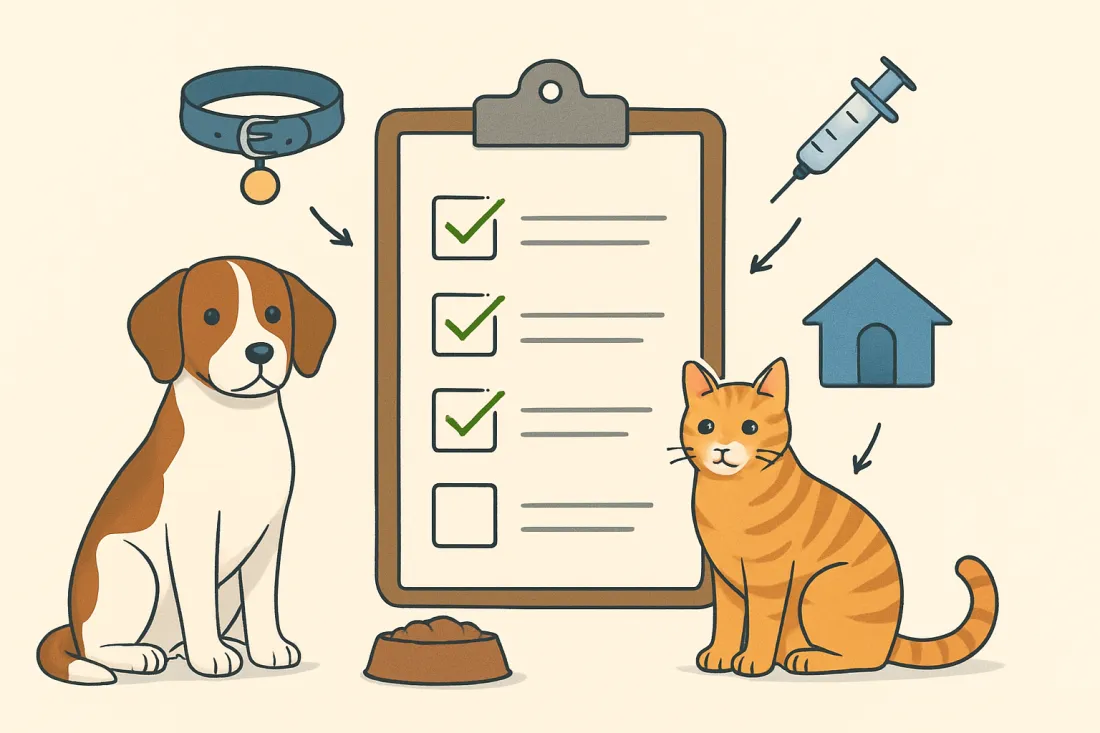
Quick-start responsible pet ownership checklist (USA)
Use this as a yes/no checklist. If you hit several “no” answers, you are not ready yet.
- Legal basics
- I know my city/county rules on pet licenses, leashes, and pet limits.
- I will keep rabies and core vaccines up to date as required locally.
- My pet will always have ID (tag on collar and/or microchip with current contact info).
- Daily care
- I can feed species-appropriate food on a regular schedule every day.
- I can provide fresh water 24/7.
- Dogs: I can provide several daily potty breaks and exercise walks.
- Cats: I can scoop litter boxes daily and keep at least one box per cat (plus one extra if possible).
- I can brush, clean ears, trim nails, and check for fleas/ticks regularly.
- Time and lifestyle
- I am home often enough to avoid leaving a dog alone for very long workdays without a plan (walker, daycare, neighbor).
- My current housing allows pets of the size and breed I am considering.
- I have a realistic plan for vacations, business trips, and holidays.
- Financial readiness
- I can afford ongoing food, litter, and basic supplies every month.
- I can budget for routine vet visits, vaccines, and parasite prevention.
- I have a plan for unexpected vet bills (savings, pet insurance, or credit).
- Training and behavior
- I am willing to invest time in basic training and socialization.
- I understand that behavior problems are usually solved with patience, not punishment or surrender.
- Long-term commitment
- I am prepared to care for this pet for its entire life, which can often mean well over 10 years for many dogs and cats.
- I have thought about who could care for my pet if I become seriously ill or die.
Legal responsibilities for pet owners in the US
Laws vary by state, county, and city, so you must check your local rules. Use the points below as a framework.
Licensing and registration
Many US cities and counties require dogs to be licensed; some require cat licenses too. To stay compliant:
- Check your city or county website for:
- Whether licenses are required for dogs, cats, or both
- The age when licensing starts (often within the first few months of life)
- Proof of rabies vaccination needed to get a license
- How often you must renew the license (for example, every 1–3 years depending on local rules)
- Keep the license tag on your pet’s collar or harness when off your property.
- Update the license if you move or change phone numbers.
Vaccinations and preventive care
In many parts of the US, rabies vaccination for dogs is legally required, and some areas require it for cats as well. Other vaccines are considered standard veterinary care even if not written into law.
- Ask a local veterinarian which vaccines are legally required where you live.
- Follow your vet’s schedule for core vaccines and boosters that match your pet’s age and health.
- Use parasite prevention (fleas, ticks, heartworms, intestinal worms) according to your vet’s advice and local risk.
- Keep written or digital records of all vaccines and treatments so you can share them with groomers, boarding facilities, or new vets if you move.
Identification: tags and microchips
Even indoor pets can slip out. Identification greatly improves the chance of getting them back.
- ID tags: Keep a collar with a tag that lists at least one phone number you actually answer.
- Microchip:
- Ask your vet or shelter to microchip your pet if it is not already chipped.
- Register the microchip with your current contact information through the chip company’s registry.
- Update the registration whenever you move or change numbers.
- Consider a backup ID like a QR tag or embroidered collar, especially for escape-prone pets.
Leash, nuisance, and safety rules
Most US communities have rules that aim to keep people and animals safe.
- Leash rules: Many cities require dogs to be on a leash in public areas unless in a designated off-leash zone.
- Containment: If you have a yard, you are usually expected to keep your dog securely contained (fence, tie-out, or supervised).
- Noise and nuisance: Excessive barking, roaming, or aggressive behavior can lead to complaints and fines.
- Waste pickup: Many areas require you to pick up dog waste in public spaces and dispose of it properly.
Because rules differ widely, always:
- Check your city and county animal control or local government website
- Ask your vet or local shelter about common local requirements
- Review your lease or homeowners association rules if you rent or live in a managed community
Daily care checklist: feeding, exercise, litter box, and grooming
Daily care is where responsible pet ownership shows up every single day.
Feeding and water
- Choose a complete, balanced diet appropriate for your pet’s species, age, and health (puppy/kitten, adult, senior).
- Feed on a consistent schedule; many dogs and cats do well with 2 meals per day spaced roughly 8–12 hours apart.
- Measure food to help avoid overfeeding and obesity.
- Provide fresh, clean water at all times; wash bowls regularly.
- Limit treats to a small portion of daily calories; avoid toxic foods like chocolate, onions, grapes, and alcohol.
Exercise and mental stimulation
Dogs
- Plan multiple daily potty breaks; many dogs need several outings per day.
- Provide daily walks or play sessions that match your dog’s energy level; some active dogs need well over 60 minutes of combined activity per day.
- Use leashes, harnesses, and secure yards to keep your dog safe.
- Add mental exercise: training sessions, puzzle toys, sniff walks, or safe chew items.
Cats
- Offer interactive play daily (wand toys, chase games) to mimic hunting.
- Provide vertical space (cat trees, shelves) and hiding spots.
- Use scratching posts or pads in several locations.
- Rotate toys to keep things interesting.
Litter box and bathroom needs
Cats
- General rule: at least one litter box per cat, plus one extra if space allows. For example, a home with 2 cats often benefits from 3 boxes.
- Place boxes in quiet, low-stress areas, not right next to loud appliances.
- Scoop at least once daily; fully change litter and wash the box regularly.
- Use a litter type your cat accepts; sudden changes can cause accidents.
Dogs
- Take dogs out regularly; do not expect them to “hold it” for very long workdays without a break.
- Pick up waste promptly in your yard and on walks.
- If you use potty pads or a designated indoor area, keep it clean and transition carefully if you later want outdoor-only habits.
Grooming and health checks
- Brush your pet’s coat as often as the breed requires to help prevent mats and reduce shedding.
- Check ears weekly for redness, odor, or discharge; clean gently if your vet recommends it.
- Trim nails regularly so they do not curl or cause pain.
- Brush teeth or use vet-approved dental products to help reduce dental disease risk.
- Check skin for lumps, bumps, fleas, or ticks during grooming.
- Schedule routine vet exams to catch problems early; many owners aim for at least one wellness visit per year.
Financial responsibilities and budgeting for a pet
Owning a dog or cat in the US is a real financial commitment. Costs vary widely by size, health, and location, so treat the points below as planning categories, not exact numbers. A simple way to think about it is that you are adding a recurring monthly bill plus occasional larger bills for as long as the pet lives.
Typical cost categories to plan for
- One-time or rare costs
- Adoption fee or purchase price
- Spay/neuter surgery (if not already done)
- Initial vaccines and microchip (if not included in adoption)
- Crate, carrier, bed, bowls, leash, collar, litter box, scratching posts
- Ongoing monthly costs
- Food and treats
- Litter and waste bags
- Routine medications (flea/tick, heartworm, etc.)
- Pet insurance premium, if you choose a policy
- Annual or periodic costs
- Wellness exams and vaccine boosters
- Teeth cleaning if recommended by your vet
- License renewals
- Grooming for certain breeds (professional grooming or tools for home grooming)
- Occasional or emergency costs
- Emergency vet visits for accidents or sudden illness
- Behavior consultations or training classes
- Boarding, pet sitting, or daycare when you travel
- Replacement of worn-out beds, toys, and gear
How to check your financial readiness
Use this simple process:
- List your current monthly expenses and income. Be honest about how much is left after rent or mortgage, utilities, food, transportation, and debt payments.
- Add a realistic estimate for pet food, litter, and routine care in your area. Ask local vets or shelters for typical ranges and assume that larger dogs usually cost more to feed than small cats.
- Decide whether you will buy pet insurance or rely on savings/credit for emergencies. Either way, plan for the possibility of a sudden, high vet bill at some point in the pet’s life.
- Set aside a small emergency fund specifically for pet care. Even a modest starting amount that you add to every month is better than nothing.
- Check your stress level. If adding these costs would regularly push you into debt or make you skip essentials, delay getting a pet until your budget improves.
Time and lifestyle commitments for dogs vs. cats
Different pets fit different lifestyles. Use the comparison table below to see what matches your reality and to make a clear decision before you adopt.
| Factor | Typical Dog Needs | Typical Cat Needs | What to ask yourself |
|---|---|---|---|
| Daily time at home | Multiple walks, play, and training sessions spread through the day; many dogs struggle if left alone for 10–12 hours regularly. | Shorter play sessions; often tolerate more alone time but still need daily interaction. | On a typical weekday, how many hours am I away from home, door to door? |
| Exercise level | From moderate to very high, depending on breed and age; some young, active dogs need long walks plus play. | Short bursts of play; indoor space and vertical climbing help meet activity needs. | Do I enjoy daily outdoor activity, even in rain, heat, or cold? |
| Space | Need safe indoor space and access to outdoor walks or yard; large dogs take more room. | Can thrive in apartments with enrichment and litter boxes, even in smaller spaces. | Is my home set up to safely contain and enrich this species and size? |
| Noise and neighbors | Barking can disturb neighbors if not managed; thin walls or shared hallways increase risk of complaints. | Usually quieter; may yowl or run at night but often less noticeable to neighbors. | How sensitive are my neighbors or landlord to noise, and how strict are building rules? |
| Travel flexibility | Often need boarding, daycare, or sitter for most trips, even short weekends away. | Can sometimes stay home with a daily sitter visit for short trips if healthy and confident. | How often do I travel, and for how many nights each trip? |
| Training time | Need consistent training and socialization, especially in the first 6–12 months. | Need litter training and basic manners; often less formal training but still need boundaries. | Am I willing to practice training several times per week and seek help if needed? |
If your lifestyle is already stretched thin, consider waiting, choosing a lower-maintenance pet, or fostering first to test the fit. If you are leaning toward a dog, a dedicated resource such as a first time dog owner checklist USA can help you go deeper on dog-specific needs.
Planning for emergencies and backup caregivers
Responsible ownership includes planning for the unexpected, from a flat tire that keeps you late to major disasters.
Short-term emergencies
These are situations like sudden illness, car accidents, or being stuck out of town overnight.
- Identify at least one local person (friend, neighbor, family) who can access your home and care for your pet on short notice.
- Give them a spare key or arrange access with building management.
- Write a simple care sheet with feeding instructions, vet contact, and any medications.
- Keep a small pet emergency kit: extra food, medications, copies of vaccine records, leash, carrier.
- Carry a wallet card or phone note stating you have pets at home and who to contact if you are in an emergency.
Disasters and evacuations
In many parts of the US, you may face hurricanes, wildfires, floods, or winter storms.
- Prepare a “go bag” for your pet with several days of food, water, medications, and a copy of medical records.
- Keep a sturdy carrier or crate ready for quick evacuation.
- Know which local shelters, hotels, or friends can take pets if you must leave home.
- Practice loading your pet into a carrier or car so it is less stressful during a real emergency.
Long-term planning if you cannot care for your pet
- Talk with trusted family or friends about being a long-term backup caregiver.
- Write down your wishes for your pet’s care and keep them with your important documents.
- Consider including pet care instructions in your broader life planning documents; consult a legal professional if you want formal arrangements.
Common mistakes in responsible pet ownership (and how to avoid them)
Understanding typical mistakes helps you avoid painful and expensive problems later.
- Impulsive adoption
- Mistake: Getting a pet because it is cute or on sale, without checking time, budget, or housing rules.
- Better: Use the quick-start checklist first, then wait a few days before making a final decision.
- Underestimating time needs
- Mistake: Assuming a dog will be fine alone all day with no walks or interaction.
- Better: Arrange midday breaks, dog walkers, daycare, or choose a pet that fits your schedule.
- Skipping training and socialization
- Mistake: Ignoring early behavior problems until they become serious.
- Better: Start basic training and socialization early; for dogs, structured guidance such as basic dog training rules for responsible owners can make the first months easier.
- Not planning for vet bills
- Mistake: Assuming pets are cheap and being surprised by emergency costs.
- Better: Ask local vets about typical cost ranges, consider pet insurance, and build a small emergency fund.
- Ignoring local rules
- Mistake: Letting dogs roam off-leash in areas that require leashes, or not licensing your pet.
- Better: Check city and county rules before problems arise.
- Assuming kids will do all the work
- Mistake: Expecting children to handle feeding, walking, and cleaning without adult backup.
- Better: Treat the pet as an adult responsibility first; involve kids as helpers, not primary caregivers.
- Rehoming at the first challenge
- Mistake: Giving up a pet due to fixable issues like house-training, scratching, or barking.
- Better: Talk to a vet, trainer, or behavior specialist; many problems improve with simple changes.
Step-by-step decision process before you get a dog or cat
Use this simple algorithm to decide whether you are ready and what kind of pet fits you.
- Check your housing and rules
- Confirm that pets are allowed where you live.
- Note any size, breed, or number limits.
- Review pet deposits or monthly pet fees if you rent.
- Audit your daily schedule
- Write down a typical weekday and weekend.
- Mark where pet care would fit: walks, feeding, play, cleaning.
- If there is no realistic space, reconsider timing or pet type.
- Review your budget
- Add estimated monthly pet costs to your current budget.
- Decide how you will handle emergencies (savings, insurance, or both).
- Choose species and energy level
- Match your activity level and space to a dog or cat that fits.
- Research typical traits of breeds or mixes you are considering.
- Plan support and backup
- Identify a vet you can reach easily.
- List local sitters, walkers, or boarding options.
- Ask at least one person to be your emergency backup caregiver.
- Prepare your home
- Pet-proof: remove toxic plants, secure trash, hide wires.
- Set up feeding, sleeping, and bathroom areas.
- Gather basic supplies before the pet arrives.
- Adopt thoughtfully
- Talk honestly with shelters, rescues, or breeders about your lifestyle.
- Ask about the pet’s history, health, and behavior.
- Be ready to say “not the right fit” and wait for a better match.
- Commit to the first 3 months
- Expect an adjustment period with accidents or anxiety.
- Stick to routines, training, and vet care.
- Reach out for help early if you see behavior or health concerns.
If you are specifically focused on dogs, you may also find it helpful to review a more detailed responsible pet ownership checklist for new dog owners once you have worked through the basics above.
Printable-style summary: responsible pet ownership checklist (USA)
Use this condensed list as a “printable” style summary you can copy into a note or document.
- Legal and ID
- Check local rules on licenses, leashes, and pet limits.
- Ask your vet which vaccines are required or strongly recommended in your area.
- License your pet if required and renew on time.
- Put an ID tag on your pet’s collar with a current phone number.
- Microchip your pet and register your contact information.
- Daily care
- Provide complete, balanced food on a regular schedule (often 2 meals per day).
- Keep fresh water available at all times.
- Dogs: plan multiple daily potty breaks and exercise.
- Cats: provide enough litter boxes and scoop daily.
- Brush coat, trim nails, and check ears and teeth regularly.
- Health and safety
- Schedule regular vet checkups, usually at least once a year.
- Use flea, tick, and heartworm prevention as advised locally.
- Pet-proof your home (plants, chemicals, wires, small objects).
- Time and lifestyle
- Confirm your housing allows the type and size of pet you want.
- Make a daily schedule that includes feeding, walks, play, and cleaning.
- Plan for vacations and work trips (sitter, boarding, or trusted friend).
- Money and planning
- Add pet costs to your monthly budget.
- Decide on pet insurance or a savings plan for emergencies.
- Build a small emergency fund for unexpected vet bills.
- Training and behavior
- Commit to basic training and socialization (especially for dogs).
- Learn early signs of stress or illness and when to call the vet.
- Backup and long-term care
- Choose at least one emergency caregiver and share instructions.
- Prepare a simple pet emergency kit and “go bag.”
- Think about who could care for your pet if you cannot in the future.
FAQ: Responsible pet ownership checklist USA
What should I understand before using a responsible pet ownership checklist in the USA?
Understand that the checklist is not just about buying supplies. It is a way to test whether your time, budget, housing, and long-term plans can support a living animal for many years. The list helps you see gaps in legal duties, daily care, and emergency planning so you can fix them before bringing a pet home.
What mistakes should I avoid when deciding to get a dog or cat?
Avoid rushing into adoption, assuming pets are cheap, expecting children to handle all care, or thinking you can ignore local rules. Skipping training, leaving pets alone for long days without a plan, and rehoming at the first challenge are also common mistakes. Slowing down, budgeting honestly, and planning support in advance will prevent many problems.
How do I know if I am financially ready for a pet?
You are more likely to be financially ready when you can add realistic monthly pet costs to your budget without sacrificing essentials like rent, food, or utilities, and when you have a plan for emergencies. Talk to a local vet or shelter about typical cost ranges in your area and build a small emergency fund or choose pet insurance before you adopt.
Is it easier to be a responsible owner of a cat than a dog?
Many people find cats easier because they usually need less direct time for walks and can be more independent. However, cats still need daily feeding, litter box care, play, vet visits, and attention. The better fit depends on your schedule, energy level, and preferences, not just on species.
What legal steps should I take right after getting a pet in the US?
Soon after bringing a pet home, schedule a vet visit to check health and vaccines, ask about local rabies and licensing rules, get a license if required, and set up ID: a tag with your phone number and a registered microchip. Also review your city and county animal control rules on leashes, noise, and pet limits, plus any rules in your lease or homeowners association.
What should I do next after working through this checklist?
Next, compare the checklist with your real life. If you see gaps in time, money, or housing, address those first. If everything lines up, start preparing your home, choose a local vet, and research breeds or individual animals that match your lifestyle. When you feel ready, work with a reputable shelter, rescue, or breeder to find a good match and be prepared to invest extra time in the first few months at home.