How to start teaching kids responsible pet ownership today
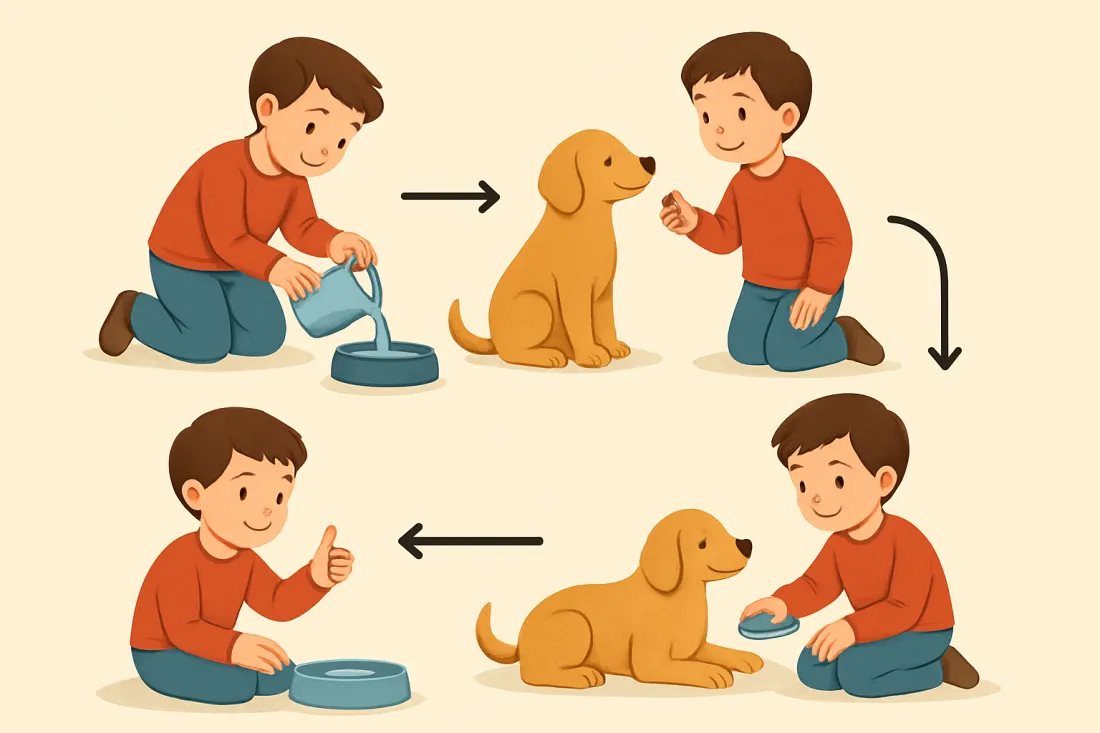
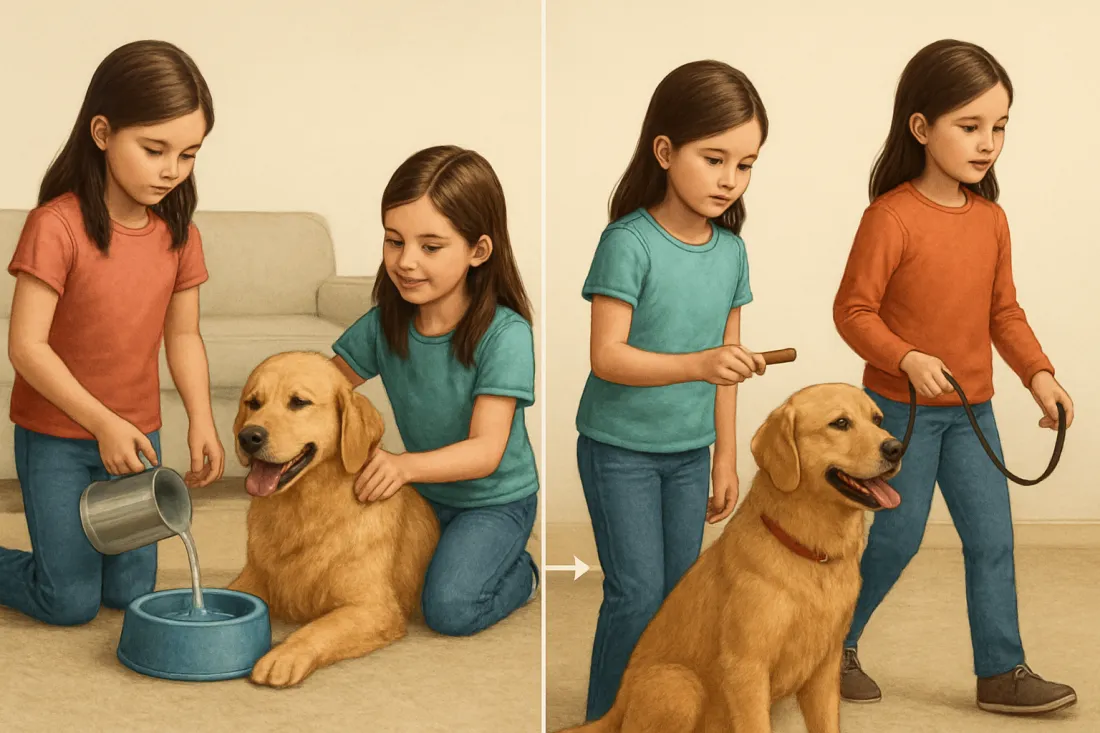
Responsible pet ownership for kids is about two things at the same time: 1. Keeping the pet safe, healthy, and stress‑free. 2. Letting children practice real responsibility in small, age‑appropriate steps. A practical way to begin is:
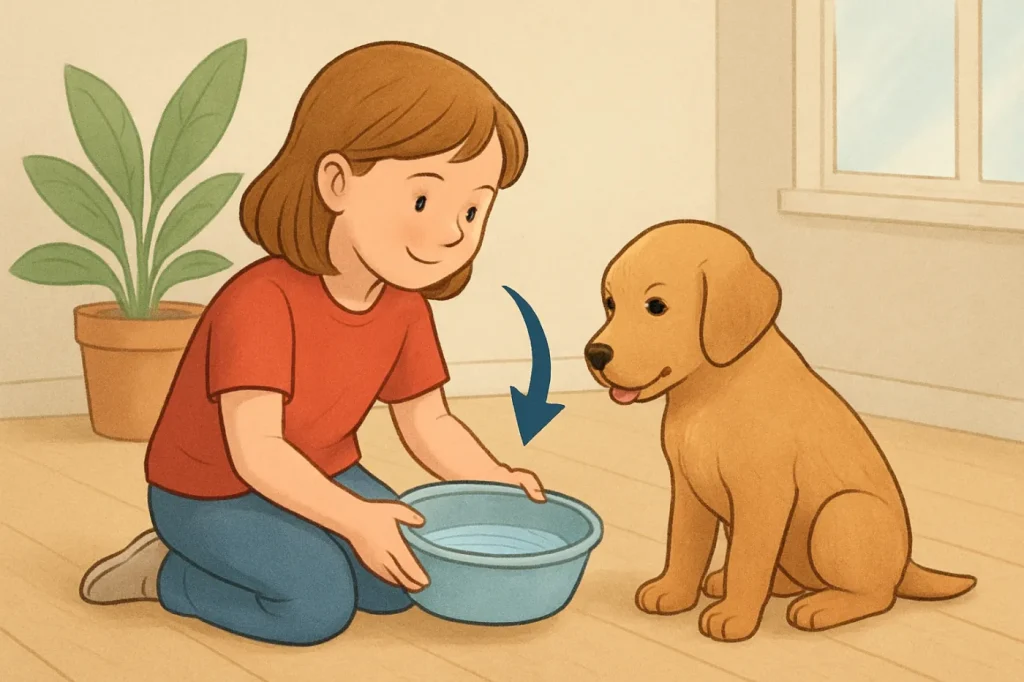
- Pick one simple daily task your child can do safely (for example, refilling the water bowl).
- Do it together for a week, explaining why it matters for the pet.
- Then let your child take the lead while you quietly supervise.
- Use praise and small rewards when they remember on their own.
From there, you can build a small routine: one daily task, one weekly task, and one “fun” task (play, training, or grooming) that your child helps with. This guide walks through what that looks like at different ages, how to keep everyone safe, and what to do if your child loses interest.
Why pet responsibility matters so much for kids
Teaching kids responsible pet ownership is not just about getting extra help. It shapes how they see animals, family, and themselves. Key benefits for children include:
- Empathy and kindness: Kids learn that pets have feelings, needs, and limits. They see that gentle behavior makes the pet feel safe.
- Consistency and routine: Feeding, walking, and cleaning up are not one‑time jobs. Kids experience what it means to show up every day.
- Natural consequences: When a water bowl is empty, the pet is thirsty. When toys are left out, they get chewed. Kids see how actions affect others.
- Confidence: Successfully caring for a pet (with adult backup) helps kids feel capable and trusted.
- Healthy boundaries: Learning when to leave a pet alone teaches respect for personal space—useful with people too.
A crucial mindset shift: the adult is always the primary owner. Kids can be helpers and partners, but adults stay responsible for the pet’s health, safety, and welfare.
Age‑by‑age breakdown of safe pet tasks for kids
Every child is different, so treat these as starting points. Move up or down based on your child’s maturity, your pet’s temperament, and your home.
Toddlers (about 2–3 years): learning to be gentle
Focus: supervised contact and simple, guided “help.” Safe tasks with close adult help:
- Gentle touch practice: Show “soft hands” on a stuffed animal first, then on the pet while you hold the child’s hand.
- Supervised treat giving: You hold the treat; your child opens their hand flat while you guide the pet to take it gently.
- Watching routines: Let them watch you scoop food, pour water, or brush the pet while you name each step.
- Simple commands: Help them say “sit” or “stay” while you handle the training.
Tasks to avoid at this age:
- Walking the dog, even with a leash and harness.
- Feeding or handling the pet alone.
- Any cleaning tasks involving waste or litter.
Preschoolers (about 4–5 years): little helpers in routines
Focus: simple, supervised jobs that feel important. Possible tasks (always supervised):
- Refilling water bowls with a small jug you pre‑fill.
- Helping measure food: You scoop; they pour into the bowl.
- Picking up pet toys at the end of the day.
- Helping brush the pet for a few minutes if the pet enjoys it.
- Joining short play sessions with safe toys (no tug‑of‑war with big dogs).
Still off‑limits:
- Handling pet waste or litter.
- Being alone with the pet in a closed room.
- Walking the dog without an adult holding the leash.
Early elementary (about 6–8 years): real responsibilities with backup
Focus: regular tasks they can mostly do themselves, with you checking. Good fit tasks:
- Daily water check: Morning and evening, they check and refill bowls.
- Feeding with a pre‑measured scoop: You set the amount; they handle the routine.
- Brushing and basic grooming for short sessions if the pet is calm.
- Helping clean up: Carrying sealed trash bags after you scoop litter or the yard.
- Joining walks: Holding a second leash or handle while an adult controls the main leash. For more on safe walking, see the US leash laws and responsible dog walking guide.
Still supervised:
- Any interaction with food bowls while the pet is eating.
- Handling waste or litter directly.
- Being the only person in charge of walks or outdoor time.
Older elementary (about 9–11 years): shared ownership habits
Focus: consistent follow‑through and planning ahead. Possible responsibilities:
- Independent feeding at set times, using a measuring cup and written instructions.
- Helping with litter box or yard cleanup using gloves and a scoop, with hygiene rules.
- Participating in training: Practicing basic commands, tricks, or leash manners with your supervision.
- Recording care: Marking a chart when tasks are done, helping track flea meds or grooming days.
- Helping plan pet supplies: Adding food or litter to the family shopping list when it runs low.
Still your job:
- Final health checks (weight, appetite changes, injuries).
- Vet visits and medication decisions.
- Any situation that could be risky (meeting unfamiliar dogs, handling fearful pets).
Teens (about 12+ years): near‑adult partners in care
Focus: independence, safety judgment, and long‑term thinking. Potential responsibilities:
- Regular walks if they can safely control the dog and follow local rules.
- Bathing and grooming for cooperative pets.
- Scheduling help: Adding reminders for flea prevention, grooming, or vet checkups (you still approve and attend).
- Helping with training plans or classes.
- Pet‑sitting within the home when adults are out briefly, if both pet and teen are ready.
Even with teens, adults should:
- Keep financial and medical decisions.
- Review safety rules for walks, visitors, and new situations.
- Check that daily needs are truly met, not just assumed.
Comparison table: which pet tasks fit which age group?
| Pet care task | Best age to start | Supervision level | Key risks to watch | When to move up responsibility |
|---|---|---|---|---|
| Refilling water bowl | 4–5 years | Direct at first, then nearby | Spills, heavy bowls, forgetting to check | When child remembers without prompts and can lift water safely |
| Feeding with pre‑measured scoop | 6–8 years | Nearby supervision | Overfeeding, underfeeding, pet guarding food | When child follows written amounts and waits for pet to sit calmly |
| Helping with litter or waste cleanup | 9–11 years | Close at first, then periodic checks | Hygiene, missed spots, rough handling of tools | When child uses gloves, washes hands, and completes job reliably |
| Short dog walks | 12+ years (with adult judgment) | Adult nearby at first | Dog pulling, traffic, other dogs, distractions | When teen shows strong leash control and follows safety rules |
| Basic brushing and grooming | 6–8 years | Adult in the room | Pulling fur, sensitive areas, pet discomfort | When child reads pet’s body language and stops if pet is stressed |
| Tracking tasks on a chart | 7–9 years | Adult reviews weekly | Marking tasks as done without doing them | When chart matches what you observe over time |
Structured checklist of daily and weekly pet tasks for kids
Use this checklist as a menu. Pick a few tasks that fit your child’s age and your pet.
Daily tasks kids can help with
- Water care
- Morning: Check if the bowl is full and clean.
- Evening: Rinse and refill with fresh water.
- Feeding routine
- Check the chart for feeding time.
- Measure food with the correct scoop.
- Ask the pet to sit or stay before placing the bowl down (older kids).
- Wait for an adult if the pet gets too excited or guards food.
- Exercise and play
- Choose a safe toy (no small pieces or frayed ropes).
- Play for 10–20 minutes, depending on pet and age.
- End play if the pet walks away, hides, or seems tired.
- Grooming moments
- Brush for a few minutes if the pet is relaxed.
- Check for tangles, dirt, or anything unusual to show an adult.
- Environment tidy‑up
- Put toys back in the pet basket.
- Pick up chews or bones from walkways.
Weekly tasks kids can help with
- Deep clean help
- Help wash food and water bowls.
- Help change bedding or blankets.
- Assist with vacuuming pet hair from a chosen room.
- Supply check
- Look at food and litter levels.
- Add needed items to the family shopping list.
- Training review
- Practice 2–3 commands or tricks.
- Celebrate progress with a family “pet skills show.”
- Health check‑in
- Notice if the pet is eating, drinking, and playing normally.
- Tell an adult about any changes (itching, limping, hiding, accidents).
Sample family pet care schedule with kid involvement
This example assumes a school‑age child and a dog or cat. Adjust times and tasks for your family.
Weekday routine
- 7:00 a.m. – Morning care
- Adult: Let dog out or clean litter box; quick health check.
- Child: Check and refill water; help measure breakfast.
- 7:30 a.m. – Quick connection
- Child: 5–10 minutes of gentle play or brushing.
- Adult: Supervise and step in if pet seems overstimulated.
- After school
- Child: Playtime or training game for 15–20 minutes.
- Adult: Join for part of the session; handle walks or outdoor time.
- 6:00 p.m. – Evening care
- Child: Help with dinner feeding; tidy toys afterward.
- Adult: Final litter or yard cleanup; check water again.
- Bedtime
- Child: Say goodnight, check that doors and gates to pet areas are closed.
- Adult: Confirm pet is settled safely.
Weekend add‑ons
- Deep clean block (30–45 minutes)
- Wash bowls, bedding, and favorite blankets.
- Vacuum or sweep pet areas together.
- Training or adventure time
- Visit a pet‑friendly park, practice leash skills, or learn a new trick.
- Let your child choose one special activity for the pet.
If you want a broader view of what adults must cover before assigning kid tasks, you can review a responsible pet ownership checklist USA and then layer children’s roles on top.
Guidelines for supervision and safety
Safety comes before responsibility. A few non‑negotiables help protect both kids and pets.
General supervision rules
- Never leave young children alone with pets. Even friendly animals can react unexpectedly to rough play, noise, or pain.
- Set “no go” zones. For example, kids do not touch the pet while it is eating, sleeping, or hiding.
- Teach body language basics. Show your child what relaxed, playful, and stressed look like for your pet (ears, tail, posture).
- Use tools, not hands, for messes. Scoops, gloves, and bags reduce health risks.
- Keep adult‑only tasks clear. Medication, nail trimming, and any painful or stressful care stays with adults.
House rules that protect everyone
Agree on a few simple rules and post them where kids can see. For example:
- “We use soft hands and quiet voices with pets.”
- “We leave pets alone when they are in their bed or crate.”
- “We never ride, pull, or climb on pets.”
- “We always ask an adult before giving treats or food.”
- “We wash hands after touching pets, food, or litter.”
For more ideas, you can adapt guidance from a list of house rules every responsible dog owner should have and translate them into kid‑friendly language.
How to explain pet needs in kid‑friendly language
Children are more likely to care when they understand the “why.” Use simple, concrete comparisons.
Kid‑friendly ways to describe basic needs
- Food: “Just like you need breakfast and dinner to have energy to play, our pet needs meals at the same times every day.”
- Water: “Imagine running around at recess with no water. That’s how our pet feels if the bowl is empty.”
- Sleep: “When you’re tired and someone jumps on your bed, you get cranky. Pets feel the same when we wake them up.”
- Bathroom breaks: “You feel uncomfortable if you have to hold it too long. Our pet can’t open the door, so we have to help.”
- Exercise: “If you sit all day, you feel wiggly. Walks and play help our pet use up that energy.”
- Space: “Sometimes you want alone time in your room. Pets also need a safe spot where no one bothers them.”
Explaining consequences without scaring kids
Instead of: “If you forget to feed the dog, it could die.” Try:
- “When we forget to feed the dog, he feels hungry and weak. Our job is to keep him strong and happy, so we use a chart to remember.”
- “If we pull the cat’s tail, she might scratch because she is scared, not because she is mean. We can help her feel safe by using gentle hands.”
Connect responsibilities to identity:
- “In our family, we take care of animals.”
- “You are someone our pet can trust. That’s a big job.”
Screen time vs. pet time: setting healthy boundaries
Modern family life often means screens compete with pets for attention. Clear rules help kids balance both.
Simple boundaries that work in most homes
- “Care before screens” rule: No games or shows until the pet’s basic needs (water, feeding, quick play) are done.
- Pet breaks from screens: Use pet care as a natural break from long screen sessions—5–10 minutes of play or a short walk.
- Shared screen time: Occasionally watch pet‑related videos or training clips together, then practice with your own pet.
- No screens during direct care: Put phones and tablets away while feeding, walking, or training to avoid mistakes and accidents.
Turning pet time into a privilege, not a chore
Instead of framing pet care as something that takes away from fun, link it to independence:
- “When you show you can take care of the dog without reminders, you can choose more of what we do with him on weekends.”
- “If you rush through feeding to get back to your game, we’ll pause the game and redo it together the right way.”
Positive reinforcement ideas for kids (not just pets)
Kids respond to the same training principles as pets: clear expectations, immediate feedback, and consistent rewards.
Everyday ways to reward responsible behavior
- Specific praise: “I noticed you checked the water bowl without me asking. That really helps our cat.”
- Responsibility charts: Let kids add a sticker or checkmark each time they complete a task.
- Small privileges: Extra bedtime story, choosing the weekend walk route, or picking a new toy for the pet after a streak of good care.
- Family recognition: A quick “pet helper of the week” shout‑out at dinner.
What to avoid when correcting mistakes
- Shaming: “You’re so lazy; you never feed the dog.” Instead, focus on the behavior: “The dog’s bowl was empty this morning. Let’s figure out how to remember tonight.”
- Huge punishments for small slips: Missing one task is a chance to learn, not a reason to remove all pet time.
- Doing everything yourself in silence: Quietly taking over teaches kids that if they ignore chores, adults will handle them.
Common mistakes when teaching kids pet responsibility
Avoiding a few typical pitfalls makes life easier for everyone.
- Expecting too much too soon. Giving a young child full responsibility for feeding or walking can be unsafe and frustrating. Start small and build up.
- Using the pet as punishment. “You didn’t do your chores, so you can’t say goodnight to the dog.” This can confuse kids and make pets feel like tools, not family.
- Inconsistent rules between adults. If one adult allows rough play and the other forbids it, kids and pets get mixed signals. Agree on clear rules.
- Ignoring the pet’s personality. A shy cat or nervous dog may not be a good match for very energetic, hands‑on kids without careful management.
- Blaming kids for adult responsibilities. If a vet visit is missed or training is skipped, that is on the adults, not the child.
What to do if a child loses interest in pet care
It is very common for kids to be excited at first and then drift away from pet chores. That does not mean you made a mistake getting a pet, but it does mean you need a plan.
Step‑by‑step approach when interest fades
- Check your expectations. Ask yourself if the tasks are age‑appropriate and clearly explained.
- Have a calm conversation. “I’ve noticed you haven’t been helping with the dog’s dinner lately. What’s making it hard?”
- Problem‑solve together.
- Too many tasks? Reduce to one or two key jobs.
- Bad timing? Move tasks away from favorite shows or activities.
- Feeling unconfident? Practice together again.
- Reset the routine. Create or update a simple chart and agree on when tasks happen.
- Use short‑term rewards. For example, after a week of consistent care, your child chooses a new toy or activity for the pet.
- Quietly cover gaps. If your child forgets, make sure the pet is still cared for, then revisit the plan later.
- Reassign tasks if needed. If a particular job is a constant battle, swap it for something your child enjoys more, like play or training.
If your child shows ongoing fear, anger, or roughness toward the pet, pause their responsibilities and focus on safety and empathy first. In some cases, talking with a pediatrician or child counselor can help.
When and how to adjust responsibilities as kids and pets age
Responsibilities should change over time. A good rule of thumb is to review roles whenever there is a big change.
Moments to review pet responsibilities
- Child’s birthday or new school year: Ask, “What new pet jobs are you ready for now?”
- New pet in the home: Reassign tasks so the older pet still gets attention.
- Pet aging or health changes: Older pets may need gentler play, more frequent bathroom breaks, or medication.
- Schedule changes: New sports, clubs, or jobs may require shifting who does what and when.
Signs your child is ready for more responsibility
- They complete current tasks without reminders most days.
- They notice and report changes in the pet’s behavior or health.
- They follow safety rules even when no one is watching closely.
- They show interest in learning more (training, grooming, pet behavior).
When you add a new responsibility, remove or lighten another chore so kids do not feel overloaded.
Decision checklist: choosing the right pet tasks for your child
Use this quick checklist to match tasks to your child and pet.
Child readiness checklist
- Can my child follow 2–3 step instructions without constant reminders?
- Does my child understand and respect “no” and “stop” when it comes to the pet?
- Can my child stay focused on a task for at least 5–10 minutes?
- Is my child comfortable around the pet, without roughness or fear?
- Does my child wash hands when asked after pet contact?
If you answered “no” to several questions, keep tasks very simple and always supervised.
Pet temperament checklist
- Is my pet generally calm around children?
- Does my pet show warning signs (growling, hissing, hiding) when touched in certain areas?
- Is my pet food‑protective or anxious around bowls and treats?
- Does my pet tolerate brushing and gentle handling?
If your pet is nervous or reactive, limit your child’s tasks to non‑contact jobs (filling water, helping with charts) until you can work on behavior with professional guidance.
Task selection checklist
For any task you consider assigning, ask:
- Can my child do this safely every time, not just once?
- What could go wrong, and how will we prevent it?
- How will we remind and track this task (chart, alarm, routine)?
- What backup plan ensures the pet is cared for if my child forgets?
What to understand before you finish reading
Teaching kids responsible pet ownership is a gradual process, not a one‑time talk. Kids learn best when:
- Tasks are small, clear, and matched to their age and personality.
- Adults stay the final safety net for the pet’s health and welfare.
- Responsibility is linked to empathy and pride, not fear or guilt.
- Routines are visible (charts, schedules) and reviewed regularly.
If you keep those principles in mind, your child and your pet are both more likely to thrive.
FAQ about teaching kids responsible pet ownership
What should parents understand first about teaching kids responsible pet ownership?
Parents should understand that a child can be a helper, but not the primary owner. Adults must stay responsible for the pet’s basic needs, safety, and medical care. Children can take on small, meaningful tasks—like checking water, helping feed, or playing gently—that grow over time as they show maturity. The goal is not to offload chores, but to teach empathy, consistency, and respect for living beings.
What mistakes should families avoid when involving kids in pet care?
Common mistakes include expecting young kids to manage major tasks alone, leaving children unsupervised with pets, using the pet as a punishment tool, and blaming kids for adult responsibilities such as vet visits or training. Another frequent error is ignoring the pet’s personality; a shy or anxious pet may need slower introductions and fewer hands‑on tasks. Avoid shaming kids when they forget; instead, reset routines and support them in doing better.
What should families do next after learning about kids and pet responsibility?
A practical next step is to choose one daily task and one weekly task your child can safely handle, then create a simple chart or schedule together. Walk through each task side by side for several days, explaining why it matters to the pet. Add clear house rules about how to treat the pet and where adults still take full charge. As your child succeeds, gradually add or adjust responsibilities while continuing to supervise and check that your pet’s needs are fully met.
How can parents tell if a pet care task is too advanced for their child?
If your child regularly forgets the task, seems anxious or rough with the pet, ignores safety rules, or rushes through just to get back to screens, the task is probably too advanced or poorly matched. Scale back to a simpler job, practice together again, or move the task to a different time of day. Watch your pet’s behavior too—if the pet looks stressed, hides, or reacts defensively during the task, adjust what your child is doing and increase adult involvement.
What if a child wants a pet mainly for fun and not for responsibility?
That is very normal. You can acknowledge that pets are fun while also explaining that they are living beings, not toys. Start by giving your child enjoyable responsibilities, like playtime or training games, and pair them with one small care task such as checking water. Make it clear that adults will always make sure the pet is safe and healthy, but that being part of the pet’s care is how your child shows love and earns more privileges with the animal.
Conclusion and practical next steps
To turn good intentions into daily habits:
- Pick one age‑appropriate task your child can start this week.
- Create a simple visual chart and place it where your child will see it.
- Practice the task together for several days, focusing on gentleness and safety.
- Use specific praise and small rewards when your child remembers on their own.
- Review responsibilities every few months as your child and pet grow.
If you are still planning for a new pet, consider reviewing a broader responsible pet ownership checklist for new dog owners so you know which tasks must stay with adults and which ones kids can safely share. With thoughtful planning, your child can build a lifelong habit of caring for animals with kindness and responsibility.