
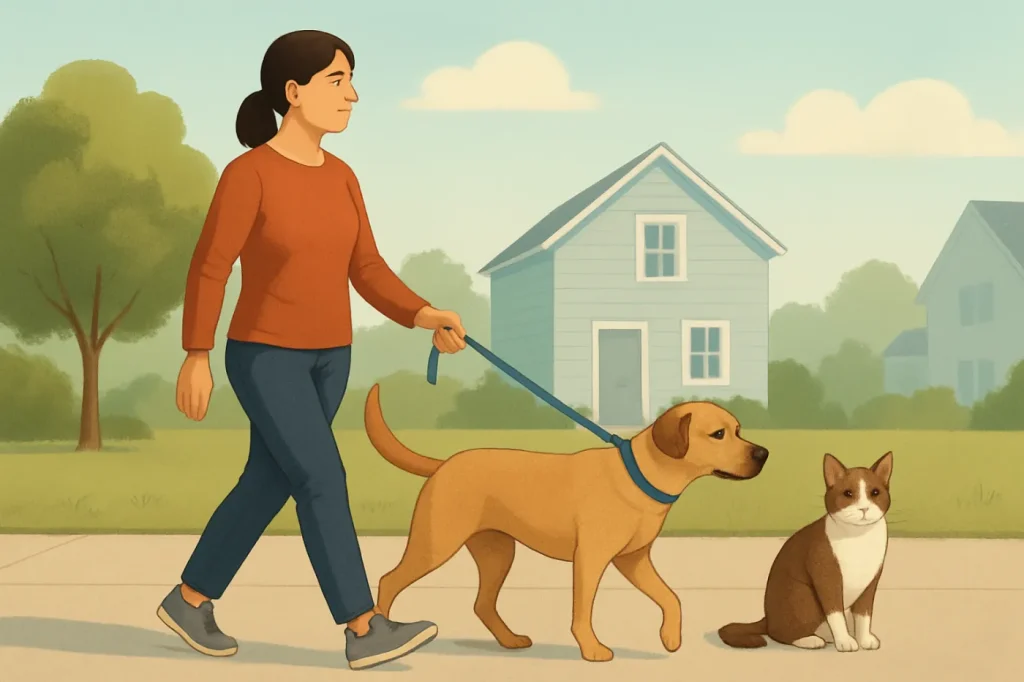
If you are a busy owner, a truly low maintenance pet is not a pet you can ignore. It is a pet whose needs fit into your real schedule and energy level without constant stress or guilt.
What “low maintenance” pets really look like for busy owners
For most busy people, “low maintenance” should mean:
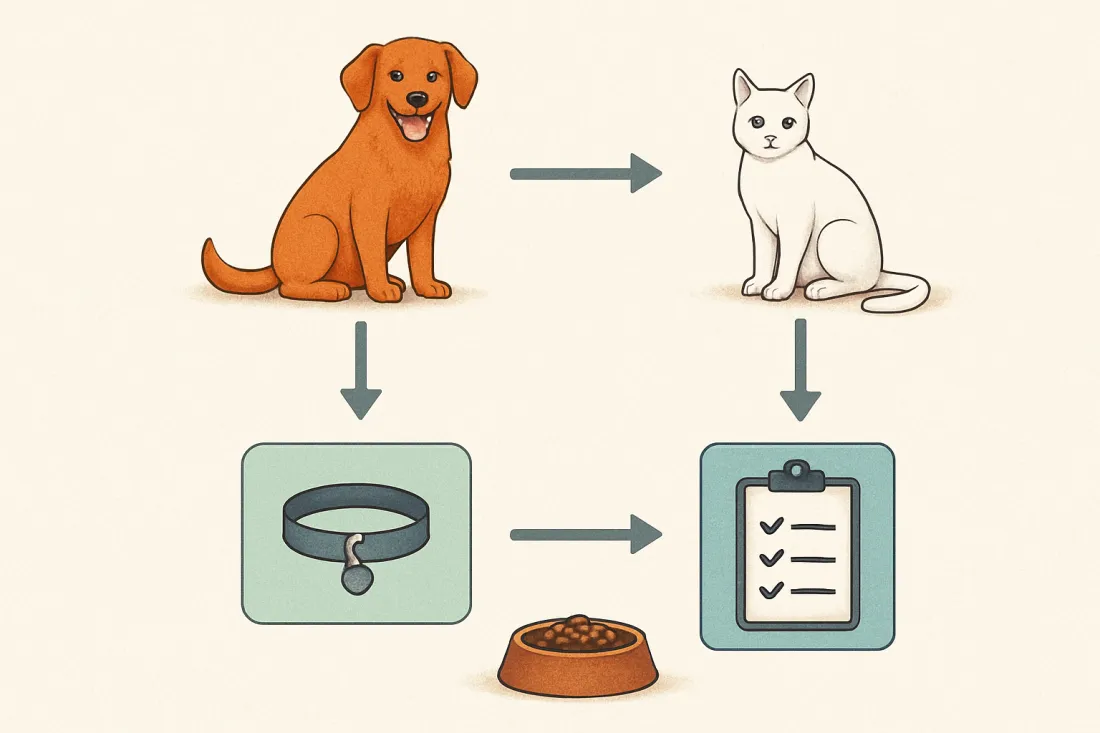
- Predictable, short daily routines that can fit around work or school.
- Lower grooming and training demands compared with high-energy or complex breeds.
- Reasonable vet and supply needs without constant emergencies or special care.
- Independent enough to handle alone time, but still needing daily interaction.
Even the easiest dog or cat still needs:
- Daily feeding and fresh water.
- Basic cleaning (litter box or poop pick-up).
- Some play, exercise, and mental stimulation.
- Routine vet care and preventive treatments.
If you cannot reliably give at least 1–2 focused hours spread through the day to a living animal, a dog or cat may not be the right choice right now. But if you can, there are lower-maintenance options and smart ways to make life easier.
How to define “low maintenance” realistically for your lifestyle
Before choosing a pet, define what “low maintenance” means in your specific situation. Use these practical criteria instead of vague labels.
1. Time: How many minutes per day can you reliably give?
Be honest about a typical weekday, not your best day. Consider:
- Morning: How many minutes between waking up and leaving?
- Midday: Can you come home or hire help? If not, how many hours will the pet be alone?
- Evening: How tired are you after work? How much time can you give before bed?
For many busy owners, a realistic daily commitment looks like:
- Dogs: Several short blocks of time across the day (potty breaks, walks, feeding, play).
- Cats: A few focused play sessions plus feeding and litter box care.
2. Energy: Do you want a couch buddy or a jogging partner?
Low maintenance usually means lower energy, not “no energy.” Ask yourself:
- Do you enjoy daily walks, or will they feel like a chore?
- Do you want a playful pet, or mostly a calm companion?
- Are you okay with bursts of zoomies in the evening?
Choosing a pet whose energy matches yours is one of the biggest predictors of whether they will feel “easy” or “too much.”
3. Space and noise tolerance
Apartment living, thin walls, or strict neighbors change what “low maintenance” means:
- Dogs: Barking, running space, and elevator or stair trips for every potty break.
- Cats: Litter box placement, scratching, and nighttime activity.
If you have limited space or noise tolerance, a calmer, quieter pet will feel much easier to live with.
4. Budget and planning for vet care
Lower-maintenance pets are often those with fewer predictable health or grooming needs. Still, any dog or cat can have unexpected vet bills. A realistic plan includes:
- Routine wellness visits and vaccines.
- Preventive treatments (like flea, tick, and parasite control).
- A buffer for unexpected annual vet bills for pets.
If your budget is very tight, choosing a pet with known chronic health issues or extreme physical traits is rarely “low maintenance.”
Lower-maintenance dog options and the tradeoffs
Dogs are rarely “low maintenance” in the absolute sense, but some are lower maintenance than others for busy owners. The key is matching size, energy, and temperament to your lifestyle.
Dog traits that tend to be lower maintenance
Instead of chasing a perfect breed, look for these traits in individual dogs:
- Adult or senior age: Puppies are high maintenance. Adults often have steadier energy and are house-trained.
- Moderate size: Very large dogs can be physically demanding; very small dogs can be fragile and anxious. Many busy owners do well with small-to-medium dogs.
- Calm, people-oriented temperament: A dog that enjoys relaxing near you and is not constantly seeking intense activity.
- Short to moderate coat: Less time and money on grooming than long, high-maintenance coats.
- Comfortable being alone for a few hours: With training, some dogs can relax while you are at work.
Dog situations that are usually not low maintenance
Be cautious if you are very busy and considering:
- High-energy working or herding breeds that were bred to run and think all day.
- Very young puppies that need constant supervision, potty breaks, and training.
- Dogs with known severe separation anxiety who struggle when left alone.
- Dogs with complex medical needs requiring frequent vet visits or medication schedules.
If you are interested in dogs but unsure about the daily reality, you may find it helpful to read a realistic daily dog care routine for busy owners before deciding.
Tradeoffs of choosing a “lower-maintenance” dog
Even a relatively easy dog comes with tradeoffs:
- Less exercise needs often mean a dog that can gain weight easily if overfed.
- Calmer temperament can sometimes mean a dog that is less enthusiastic about long hikes or intense play.
- Adult or senior dogs may be easier now but can develop age-related health issues sooner than a puppy.
- Rescue dogs can be wonderful, but may need time to adjust and decompress in a new home.
Low maintenance does not mean “no effort.” It means the effort fits your life and feels sustainable.
Lower-maintenance cat options and the tradeoffs
Cats are often seen as the classic low maintenance pet for busy owners, and they can be a good fit. But they are not self-sufficient decor. They still need daily care and attention.
Cat traits that tend to be lower maintenance
Look for cats that are:
- Adult, not tiny kittens: Kittens are energetic, into everything, and need more supervision.
- Short-haired: Less brushing and fewer hairballs than some long-haired cats.
- Confident but not overly needy: Comfortable spending time alone but still enjoying human company.
- Litter box reliable: Already using a box consistently in their previous home or foster.
- Healthy and vaccinated: With no known chronic conditions at adoption.
Cat situations that are usually not low maintenance
Think carefully before choosing:
- Very young kittens that need frequent feeding, play, and socialization.
- High-maintenance long-haired breeds that require daily brushing and regular grooming.
- Cats with ongoing medical issues that need special diets, medications, or frequent vet visits.
- Extremely shy or fearful cats that may hide constantly and need long, patient socialization.
If you are comparing cats and dogs, a guide on whether are cats good pets for busy people can help you decide which species fits your routine better.
Tradeoffs of choosing a “lower-maintenance” cat
Even relatively easy cats come with their own tradeoffs:
- Indoor-only cats are safer but rely entirely on you for enrichment and exercise.
- Independent cats may not be cuddly or interactive when you want company.
- Short-haired cats still shed and can trigger allergies.
- Litter boxes require daily scooping and regular deep cleaning to avoid odor and health issues.
Comparison table: Lower-maintenance dogs vs. cats for busy owners
Use this table to compare how a generally lower-maintenance dog and a generally lower-maintenance cat might fit into a busy lifestyle.
| Aspect | Lower-maintenance dog | Lower-maintenance cat | What to consider as a busy owner |
|---|---|---|---|
| Daily time blocks | Multiple short blocks: morning, after work, evening (walks, potty, play). | Fewer, more flexible blocks: feeding, litter scooping, short play sessions. | Dogs need more structured outdoor time; cats allow more schedule flexibility. |
| Alone time tolerance | Many can handle workday alone with training and breaks, but need human time daily. | Most adult cats handle full workdays alone if their needs are met. | If you travel or work long shifts, cats are often easier to manage. |
| Exercise needs | Daily walks and some play; even calm dogs need movement. | Short play sessions plus climbing and toys; less structured exercise. | If you dislike walking in bad weather, a cat may feel lower maintenance. |
| Grooming | Short-haired dogs need basic brushing and nail trims. | Short-haired cats often self-groom but still benefit from brushing and nail trims. | Long-haired breeds of either species increase grooming time and cost. |
| Space needs | Need room to move and a safe outdoor potty option. | Can thrive in smaller spaces with vertical climbing options. | Small apartments often suit cats better than active dogs. |
| Noise impact | Potential barking at noises, visitors, or other dogs. | Generally quiet, occasional meowing or nighttime activity. | Noise-sensitive neighbors may prefer cats or very quiet dogs. |
| Social interaction | Often crave more direct interaction and training. | Many enjoy company but on their own terms. | Consider how much hands-on time you want with your pet daily. |
Daily time commitment breakdown for busy owners
To understand what “low maintenance” really means, map out the daily tasks. These are typical ranges; your individual pet may need more or less.
Typical daily routine for a lower-maintenance dog
- Morning (20–40 minutes)
- Potty break.
- Short walk or play session.
- Feeding and water refresh.
- Midday (10–30 minutes, if possible)
- Potty break or walk (you, a family member, or a dog walker).
- Quick check-in and a few minutes of interaction.
- Evening (30–60 minutes)
- Walk or play session.
- Feeding and water refresh.
- Basic training or mental games.
- Other tasks (a few minutes each)
- Poop pick-up in yard or during walks.
- Quick brushing a few times per week.
- Checking for signs of illness or discomfort.
On top of this, expect regular time for vet visits, grooming appointments if needed, and occasional extra training.
Typical daily routine for a lower-maintenance cat
- Morning (10–20 minutes)
- Feeding and water refresh.
- Litter box scoop.
- Short play or petting session.
- Evening (15–30 minutes)
- Feeding.
- Litter box scoop if needed.
- Interactive play (wand toy, chase games).
- Other tasks
- Quick brushing a few times per week.
- Weekly check of nails, ears, and overall health.
- Periodic deep clean of litter box and surrounding area.
Even though the total time is often less than with dogs, cats still need daily engagement to stay healthy and behaviorally stable.
Red flags and common misconceptions about low maintenance pets
Many busy owners run into problems because of unrealistic expectations. Avoid these common traps.
Misconception 1: “Small dog = low maintenance”
Some small dogs are energetic, vocal, and anxious. A tiny, high-strung dog can be more work than a calm medium-sized dog. Focus on temperament and energy level, not just size.
Misconception 2: “Cats take care of themselves”
Cats still need:
- Daily feeding and fresh water.
- Clean litter boxes.
- Play and mental stimulation.
- Routine vet care and preventive treatments.
Ignoring these needs can lead to behavior problems (like inappropriate urination or scratching) and health issues.
Misconception 3: “Rescue pets are always damaged”
Many adult dogs and cats in shelters or rescues are there due to human circumstances, not because they are “problem animals.” In fact, an adult rescue with a known personality can be a very realistic low-maintenance choice because you can choose based on observed behavior rather than guesswork.
Misconception 4: “Low maintenance means no training”
Every dog and cat benefits from basic training and structure:
- Dogs need to learn house rules, leash manners, and basic cues.
- Cats need to learn where to scratch, where the litter box is, and how to interact with people.
Skipping this early work often creates more time-consuming problems later.
Red flags that a pet may not be low maintenance for you
- You feel pressured to adopt quickly without time to think or meet the pet properly.
- The pet’s known energy level or needs clearly exceed what you can provide.
- You are counting on a friend, roommate, or partner to do most of the care, but they are not fully committed.
- You are hoping the pet will “fix” loneliness, anxiety, or relationship issues on its own.
Responsible pet ownership means choosing a pet you can realistically care for over the long term, not just during an enthusiastic moment.
Structured checklist: Are you ready for a low maintenance dog or cat?
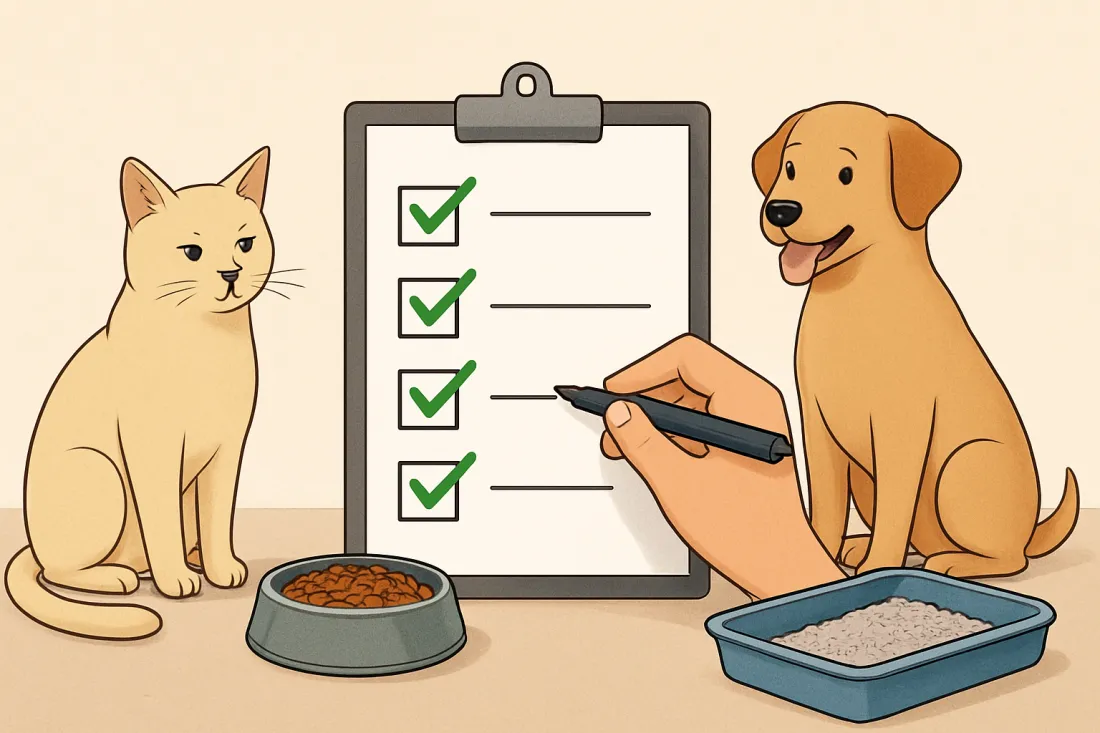
Use this checklist as a practical decision tool. If you cannot honestly check most of these boxes, it may be better to wait or consider alternatives like fostering.
Time and routine checklist
- I can commit to being home enough to provide daily care, not just on weekends.
- I can reliably give a dog at least several short time blocks each day, or a cat at least two focused sessions.
- My work schedule is stable enough that I can plan around feeding and care times.
- If I travel or work late, I have a plan for pet care (trusted person or paid help).
Home and lifestyle checklist
- My landlord or housing rules allow the type of pet I want.
- I have a safe place for a litter box or a reliable outdoor potty area.
- I am okay with some hair, occasional messes, and pet-related wear on furniture.
- Everyone in my household agrees to having a pet and understands the commitment.
Financial and health checklist
- I can budget for food, basic supplies, and routine vet care.
- I understand that unexpected vet bills can happen and have a plan to handle them.
- No one in the household has severe, unmanaged allergies to dogs or cats.
- I am willing to pay for preventive care to reduce avoidable health problems.
Pet choice checklist
- I have thought about whether a dog or cat truly fits my schedule better.
- I am focusing on temperament and energy level, not just looks or trends.
- I am open to adult or senior pets, not only puppies or kittens.
- I am prepared to invest time in basic training and bonding during the first months.
What to do next once you understand low maintenance pets
Once you have a realistic picture of what “low maintenance” means, take these next steps:
- Write down your actual weekly schedule, including commute, social time, and sleep. Mark where pet care realistically fits.
- Decide whether a dog or cat fits better based on your time, space, and energy. If you lean toward dogs, you may also want to explore the best dog breeds for busy professionals as a starting point for traits to look for.
- Visit local shelters or rescues and talk honestly about your lifestyle. Ask which animals they consider lower maintenance for busy homes.
- Meet several individual pets rather than deciding based on breed alone. Pay attention to how each animal behaves around you and in the shelter environment.
- Prepare your home with basic supplies (food, bowls, litter box or leash and harness, scratching posts or toys) before bringing a pet home.
- Plan the first week so you can be more available than usual to help your new pet settle in and learn the routine.
Choosing a pet that genuinely fits your lifestyle is one of the most important parts of responsible pet ownership. It protects your time, your budget, and—most importantly—the animal’s well-being.
FAQ about low maintenance pets for busy owners
What should busy owners understand before getting a “low maintenance” pet?
Busy owners should understand that “low maintenance” never means “no maintenance.” Even the easiest dog or cat needs daily care, attention, and money for food and vet visits. The key is choosing a pet whose needs match your actual routine, not your ideal one. That means being honest about how many hours you are away from home, how much energy you have after work, and how much you can budget for ongoing care. A pet that fits your life will feel much easier than a pet that constantly needs more than you can give.
What common mistakes do busy people make when choosing a low maintenance pet?
Common mistakes include choosing based on looks or trends instead of temperament, assuming small dogs or any cat will automatically be easy, underestimating the time needed for training and adjustment, and ignoring long-term costs like vet care. Another frequent mistake is adopting a very young puppy or kitten while working long hours, then feeling overwhelmed by their energy and supervision needs. Taking time to meet adult animals, asking about their behavior, and matching energy levels to your lifestyle can prevent many of these problems.
How can I tell if my schedule is too busy for a dog but okay for a cat?
Look at how often you are home and how flexible your time is. If you are away from home for long stretches with no chance of a midday break or dog walker, and you dislike going out in bad weather, a dog may feel like a constant rush. A cat can usually handle a full workday alone as long as you provide food, water, a clean litter box, and daily play when you are home. If you can only offer short, irregular bursts of attention, a cat is often the more realistic choice.
What should I do next if I am still unsure which low maintenance pet to choose?
If you are unsure, start by spending time with both dogs and cats through friends, family, or local shelters. Volunteer for short shifts to experience daily care tasks without a long-term commitment. Talk openly with shelter staff about your schedule and ask which animals they consider a good match for busy homes. You can also try fostering a pet for a limited time to see how pet care fits into your life. Taking these steps before adopting helps you make a decision that works for you and is fair to the animal.