
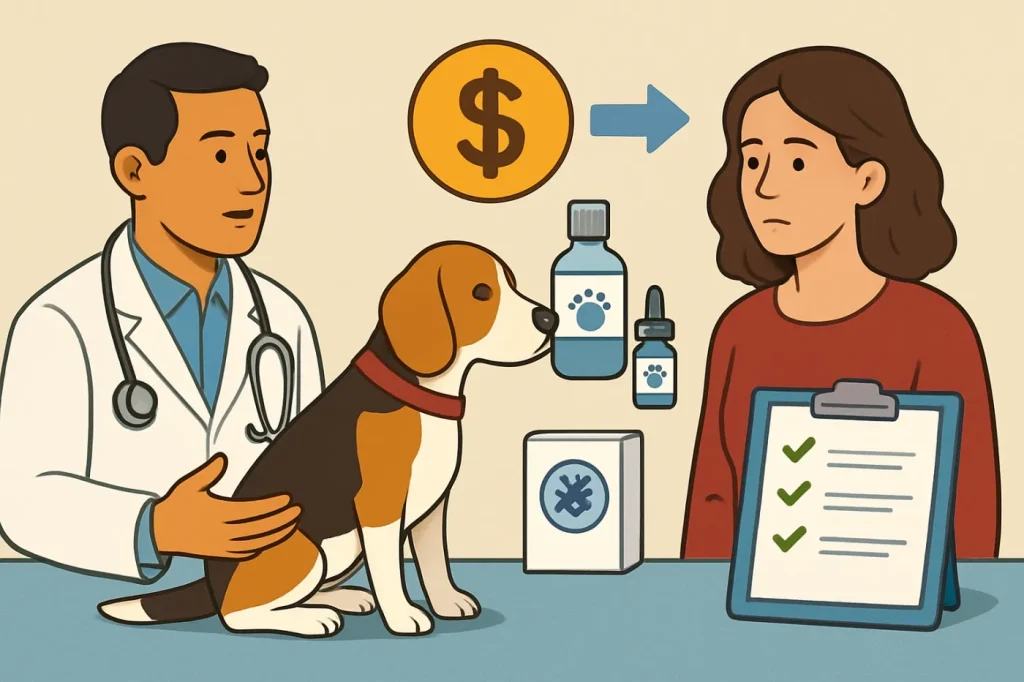
Cheap pet vaccinations and flea tick prevention can be safe and effective when you cut costs in the right places and never on medical quality. The safest ways to save money are:
- Using low-cost clinics and mobile units run by licensed veterinarians
- Prioritizing core vaccines and essential parasite prevention when your budget is tight
- Choosing budget-friendly, vet-approved flea, tick, and heartworm products instead of trendy or unregulated options
- Avoiding do-it-yourself injections and suspiciously cheap online medications
The goal is not just “cheap,” but affordable, safe, and consistent. Below is a practical comparison of your options, how to decide what your pet truly needs, and a tracking checklist so you do not waste money on missed doses or duplicate shots.
How to Balance Cost and Safety for Vaccines and Parasite Prevention
Most people searching for cheap pet vaccinations and flea tick prevention are trying to:
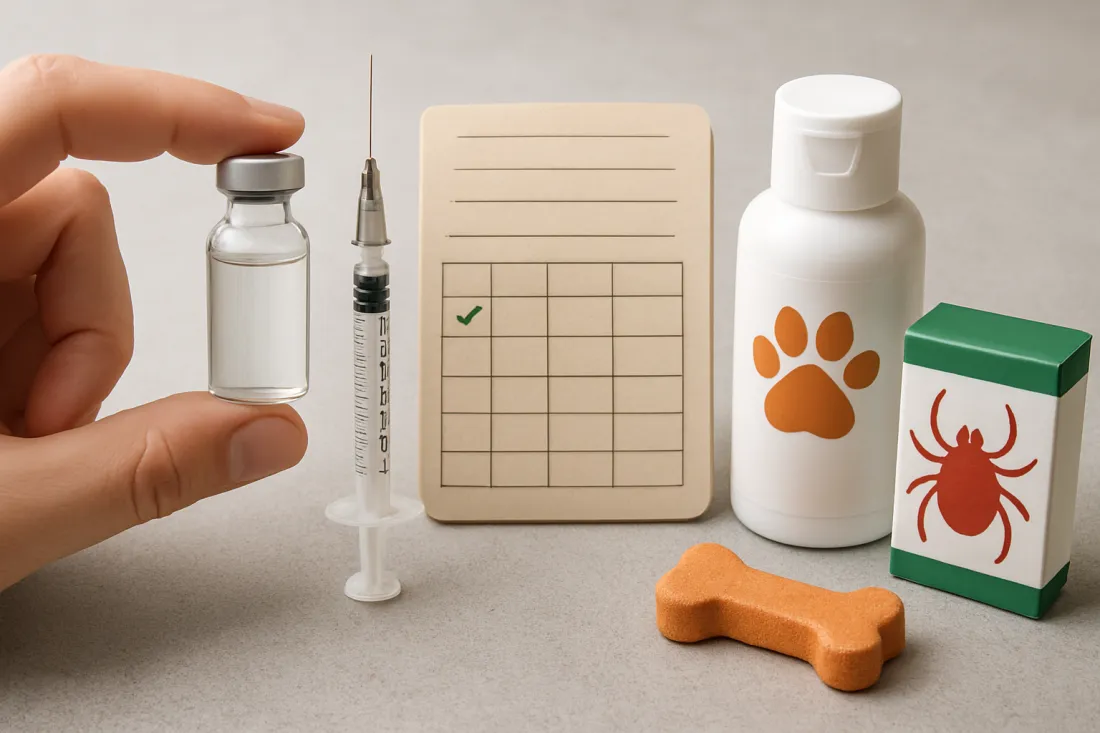
- Protect a dog or cat on a limited budget
- Catch up a newly adopted pet on shots and parasite control
- Lower ongoing costs for one or more pets without taking health risks
To do that safely, focus on three decision points:
- Medical priority – Which vaccines and preventives are essential for your pet’s age, lifestyle, and region.
- Source quality – Who is giving the shots and where the medications come from.
- Consistency over time – Whether you can realistically afford to keep up with the schedule all year.
Paying slightly more for a legitimate, vet-supervised option is usually far cheaper than treating a preventable disease or a heavy flea or tick infestation later.
Core vs Non-Core Vaccines: What You Can and Cannot Cut
Understanding the difference between core and non-core vaccines helps you decide what must stay in the budget and what can be discussed or delayed with a vet.

Core vaccines for dogs
- Rabies – Required in many parts of the United States and protects against a fatal disease that can spread to people.
- Distemper, parvovirus, and adenovirus (often combined as DHPP or DAPP) – Protect against highly contagious, sometimes deadly diseases, especially dangerous for puppies and unvaccinated dogs.
Non-core vaccines for dogs
- Bordetella (kennel cough) – Often required for boarding, grooming, daycare, or training classes.
- Leptospirosis – Considered based on local risk and your dog’s lifestyle (access to wildlife, puddles, or standing water).
- Lyme disease – Considered in areas with significant tick and Lyme risk and for dogs with frequent outdoor exposure.
- Canine influenza – Sometimes recommended in high-density dog environments or during local outbreaks.
Core vaccines for cats
- Rabies – Required or strongly recommended in many states, even for indoor cats, because bats and other wildlife can still pose a risk.
- FVRCP (feline viral rhinotracheitis, calicivirus, panleukopenia) – Protects against severe and contagious respiratory and gastrointestinal diseases.
Non-core vaccines for cats
- FeLV (feline leukemia virus) – Often recommended for kittens, outdoor cats, and multi-cat households where FeLV status is unknown.
- Other lifestyle-based vaccines – May be suggested depending on your region and whether your cat goes outdoors or lives with many other cats.
How to prioritize vaccines on a tight budget
- Do not skip core vaccines to save money. They prevent the most serious diseases and, in the case of rabies, are often tied to local rules and bite-reporting procedures.
- If you must choose, discuss non-core vaccines with a vet rather than cutting core ones. A vet can help you decide which non-core vaccines are truly needed for your pet’s lifestyle.
- Ask about bundled vaccine packages for puppies, kittens, or annual boosters, which can reduce the combined cost compared with paying for each shot separately.
- For newly adopted pets, ask the shelter or rescue which vaccines are already included so you do not pay twice for the same shot.
Safe Ways to Access Lower-Cost Vaccines and Checkups
You do not need to rely only on full-service veterinary hospitals to get safe vaccines. Across much of the United States, there are lower-cost options that still use licensed veterinarians and approved products.
Common safe low-cost vaccine options
- Low-cost vaccine clinics – Often held on weekends at community centers, pet supply stores, or shelters. Typically staffed by licensed vets and vet techs, offering basic exams, vaccines, and parasite prevention with shorter appointments.
- Mobile vaccine units – Vans or mobile clinics that visit neighborhoods or store parking lots on a schedule, providing vaccines and preventives at reduced prices.
- Humane societies and shelters – Many offer public vaccine days or low-cost wellness clinics to help keep community pets protected.
- Municipal or nonprofit clinics – Some cities and counties run public clinics focused on rabies shots, microchips, and basic vaccines at subsidized rates.
- Wellness clinics inside retail stores – Some large retail locations host recurring walk-in vet clinics that focus on vaccines and parasite prevention only, which can lower costs compared with full-service hospitals.
How to check that a low-cost clinic is safe
Before you go, confirm:
- A licensed veterinarian is on-site and supervising care.
- They use approved vaccines and parasite products that are labeled for your pet’s species, weight, and age.
- You receive a printed or digital record of all vaccines and medications given, with product names and dates.
- They ask about your pet’s age, weight, medical history, and current medications before giving anything.
- They are willing to answer basic questions about side effects, what to watch for, and when to come back.
If the provider cannot tell you which vet is responsible or what products they use, or if they refuse to give records, treat that as a warning sign.
Flea, Tick, and Heartworm Prevention Options by Price Tier
Parasite prevention is an ongoing cost, so the format and brand you choose can make a big difference over a year. You can often save money by choosing a simpler product or a longer supply, but you should not sacrifice safety or effectiveness.
| Option type | Typical format | Relative cost level | When it fits best | Main risks or trade-offs |
|---|---|---|---|---|
| Prescription oral flea & tick | Chewable tablet, usually monthly or every few months | $$–$$$ (moderate to higher) | Dogs and cats needing strong, reliable protection; households with children who prefer no residue on fur | Requires vet prescription; higher upfront cost; must give on schedule for full protection |
| Prescription topical flea & tick | Liquid applied to skin monthly | $$ (moderate) | Pets that will not take pills; owners comfortable with topical application | Temporary residue on fur; bathing or swimming too soon can reduce effectiveness |
| Over-the-counter topical flea & tick | Spot-on liquid from reputable brands | $–$$ (lower to moderate) | Budget-conscious owners who still want brand-name, regulated products | Some products only cover fleas, not ticks; must match species and weight exactly |
| Flea & tick collars (regulated brands) | Long-wear collar (often several months of protection) | $–$$ (cost spread over time) | Owners wanting long-duration protection with fewer applications | Some pets may have skin irritation; must fit correctly; quality varies by brand |
| Heartworm prevention (prescription) | Monthly chewable or topical | $$ (ongoing but essential) | Dogs and cats in heartworm areas (large parts of the U.S.); often combined with intestinal parasite control | Requires a negative heartworm test first; skipping doses can lead to infection that is far more expensive to treat |
| “Natural” or unregulated remedies | Homemade sprays, essential oils, unverified online products | Appears cheap upfront | Only after a detailed discussion with a vet and clear understanding of limitations | Often ineffective; some ingredients are toxic to pets; may delay real treatment and allow infestations to grow |
Choosing prevention by budget and risk level
- High flea/tick area, limited budget – Consider reputable over-the-counter topicals or a long-duration collar from a known brand, and ask a vet which options are both safe and cost-effective for your region.
- Heartworm area – Do not skip heartworm prevention to save money. Ask about generic prescription options and multi-month packs that reduce the per-month cost.
- Indoor-only cats – Still at some risk from fleas and heartworm (mosquitoes can come indoors). Ask your vet whether year-round or seasonal prevention is appropriate where you live.
- Multiple pets – Using the same type of preventive across pets of similar species and weight ranges can simplify tracking and sometimes make it easier to buy in larger, more economical quantities.
Full-Service Vet vs Low-Cost Clinic vs Risky Shortcuts
Use this comparison to see where you can safely save and where cutting corners becomes dangerous.
| Option | Medical safety level | Relative cost level | Best suited for | Main risks or limitations |
|---|---|---|---|---|
| Full-service veterinary hospital | High – full exam, history, and follow-up care | $$$ (highest) | Pets with medical issues, first puppy/kitten visits, complex cases, or when you need diagnostics | Higher upfront cost; may feel out of reach without budgeting or pet expense planning |
| Low-cost vaccine or mobile clinic | Moderate to high – when run by licensed vets using approved products | $–$$ (lower to moderate) | Generally healthy pets needing routine vaccines and parasite prevention | Shorter visits; limited ability to handle complex medical problems or in-depth diagnostics |
| Do-it-yourself vaccines from unverified sources | Low – risk of improper storage, dosing, or administration | Appears cheap | Situations where owners are tempted by cost but lack medical training | Vaccine failure, infection at injection site, reactions without support, and often no legally recognized record of vaccination |
| Unregulated online flea/tick or heartworm products | Unknown – risk of counterfeit or unsafe ingredients | Often advertised as very cheap | Owners attracted by deep discounts or “no prescription needed” claims | Allergic reactions, toxicity, or no protection at all; difficult to trace or resolve problems |
Who Should Choose Which Option?
Different households and pets have different needs. These scenarios can help you decide what mix of services makes sense for you.
Single healthy pet, tight budget
- Use a low-cost vaccine clinic or mobile unit for core vaccines and basic wellness checks.
- Ask the vet about affordable flea/tick and heartworm options that still provide solid protection.
- Buy multi-month supplies when you can safely store them and use them before they expire, to reduce the per-month cost.
- Plan ahead using a tool like a pet expense checklist for the year so vaccines and preventives do not become surprise bills.
Multiple pets in one household
- Ask about multi-pet discounts at clinics or wellness programs.
- Standardize on one or two types of preventives (per species and weight range) to simplify tracking.
- Use a shared prevention calendar or reminder app so no one misses doses.
- Review your overall pet budget and look for other areas to save, such as food or grooming, using guidance like saving money on pet care without sacrificing quality.
Newly adopted pet
- Before adoption, ask the shelter or rescue what vaccines, deworming, and tests are already included. If you are still deciding where to adopt, resources on where to adopt a pet near me can help you compare options.
- Schedule a baseline vet visit or low-cost clinic check to fill any gaps in vaccines and start parasite prevention.
- Ask for a simple written plan for the next 6–12 months so you can spread out costs instead of doing everything at once.
Pet with existing health issues
- Use a full-service vet for vaccine and parasite prevention decisions, even if you later buy some preventives through lower-cost channels.
- Some medical conditions or medications change which vaccines or products are safe, so you need personalized advice.
- Ask whether any vaccines should be spaced out or avoided, and whether certain flea, tick, or heartworm products are safer than others for your pet.
Typical Mistakes With Cheap Vaccinations and Flea Tick Prevention
Trying to save money is understandable, but these common mistakes can end up costing far more in the long run.
- Skipping core vaccines to save a small amount – This exposes your pet to serious diseases and can create problems if proof of rabies vaccination is requested after a bite or exposure incident.
- Using dog products on cats – Some dog flea and tick ingredients are highly toxic to cats, even in small amounts.
- Mixing multiple flea/tick products at once – Doubling up without vet guidance can lead to overdoses or adverse reactions.
- Buying from unverified online sellers – Counterfeit or improperly stored products may not work or may harm your pet.
- Stopping heartworm prevention too early – In many U.S. regions, mosquitoes are active for long parts of the year; stopping on your own can leave a gap in protection.
- Forgetting doses – Irregular use of flea, tick, or heartworm preventives reduces effectiveness and can allow infestations or infections to develop.
- Not weighing your pet regularly – Dosing is often based on weight; growing puppies and kittens may quickly outgrow their current dose range.
- Chasing the very cheapest option every time – Constantly switching products without vet input can lead to confusion, missed doses, or overlapping ingredients.
Dangers of Skipping Protection or Buying Unsafe Products Online
Trying to save money by skipping vaccines or parasite prevention can backfire badly. Some of the most expensive vet bills come from diseases and infestations that basic prevention could have reduced the risk of.
Risks of skipping vaccines
- Parvovirus in dogs – Can cause severe vomiting, diarrhea, and dehydration, often requiring intensive care.
- Distemper and panleukopenia – Can be fatal or cause long-term neurological or immune system issues.
- Rabies – Once symptoms appear, it is considered fatal and is a serious public health concern; lack of proof of vaccination can lead to strict measures if your pet bites someone or is exposed to wildlife.
Risks of skipping flea, tick, and heartworm prevention
- Fleas – Cause itching, skin infections, and can transmit tapeworms and other diseases; heavy infestations can lead to anemia, especially in small or young pets.
- Ticks – Can transmit serious illnesses such as Lyme disease and other tick-borne infections.
- Heartworms – Spread by mosquitoes; treatment, when possible, is lengthy, stressful for the pet, and far more expensive than prevention.
Risks of buying unsafe products online
- Counterfeit medications – May look like brand-name products but contain no active ingredient or the wrong dose.
- Unapproved ingredients – Some “cheap” or “natural” products contain substances that are toxic to dogs or cats.
- No professional guidance – Wrong dose, wrong species, or combining products can cause serious harm.
If a deal looks too good to be true, or the seller cannot confirm that products are approved for use in the United States for your pet’s species and weight, treat it as a warning sign.
Decision Checklist: Choosing Affordable Options Without Sacrificing Safety
Use this quick decision checklist whenever you are comparing cheap pet vaccinations and flea tick prevention options.
- Is a licensed veterinarian involved?
- Yes – Full-service clinic, low-cost clinic, or mobile unit with a named vet: generally safer if they use approved products.
- No – Seller cannot name a supervising vet or provide credentials: avoid.
- Are the products clearly labeled for your pet?
- Check the label for species, weight range, and age.
- Never use dog-only flea or tick products on cats.
- Does the provider take a brief medical history?
- Safe providers ask about age, health issues, medications, allergies, and previous reactions.
- If they are ready to give shots or medications without any questions, that is a concern.
- Will you get clear records and instructions?
- You should leave with vaccine certificates, product names, and next due dates.
- For preventives, you should know how often to give them, what side effects to watch for, and what to do if you miss a dose.
- What is the total cost over a year?
- Compare the per-month cost of different flea, tick, and heartworm options, not just the price at the register.
- Factor in the potential cost of treating disease or infestation if prevention is skipped or fails.
- Consider your broader pet budget so you can afford consistent prevention rather than starting and stopping.
Structured Checklist: Vaccine and Parasite Prevention Tracking Guide
Use this structured checklist to stay organized and avoid missed doses or duplicate vaccines. You can copy it into a notebook, spreadsheet, or reminder app.
Step 1 – Gather your pet’s current records
- Ask your vet, shelter, or previous owner for vaccine certificates and medical records.
- List each vaccine with the date given and any next due date noted.
- List current flea, tick, and heartworm products, including brand, dose, and schedule.
Step 2 – Confirm core vaccine status
- Check if your pet is up to date on rabies (look for the expiration date on the certificate).
- For dogs, confirm the last DHPP/DAPP shot; for cats, confirm the last FVRCP shot.
- If anything is missing or overdue, plan a visit to a full-service or low-cost clinic.
Step 3 – Map out non-core vaccines
- List any non-core vaccines your pet has received (for example, Bordetella, FeLV, Lyme, or canine influenza).
- Note where your pet lives and goes (boarding, daycare, outdoor access, travel to different regions).
- Ask a vet which non-core vaccines are still recommended and which can be spaced out or skipped based on current risk.
Step 4 – Set a parasite prevention schedule
- Write down the day of the month for flea/tick and heartworm doses (for example, “1st of every month”).
- Set phone reminders or calendar alerts for each dose.
- Keep a simple log: date given, product name, and any side effects noticed.
Step 5 – Plan your budget and refills
- Estimate how many vaccine visits your pet will likely need in the next 12 months (often one annual booster for adults, more frequent visits for puppies and kittens).
- Count how many monthly doses of flea, tick, and heartworm prevention you will need.
- Decide whether you can afford a multi-month purchase (for example, several doses at once) to lower the per-dose cost.
- Set a reminder one month before you run out to shop for refills or schedule a clinic visit.
Step 6 – Review annually
- Once a year, ask a vet whether your pet’s lifestyle, age, or health changes mean you should adjust vaccines or parasite prevention.
- Update your checklist with any new recommendations or product changes so you are not paying for unnecessary services.
What to Do Next After Comparing Your Options
To move from research to action, follow this simple process:
- List your pet’s details
- Species, age, and current weight
- Indoor vs outdoor lifestyle
- Travel, boarding, daycare, or grooming plans
- Any known health issues or medications
- Gather current records
- Collect vaccine certificates and any recent test results.
- Note the last flea, tick, and heartworm doses given.
- Find affordable, safe providers
- Search locally for low-cost vaccine clinics, mobile units, or nonprofit wellness clinics in your area.
- Call to confirm a licensed vet is present and ask which vaccines and preventives they offer.
- Prioritize spending
- Fund core vaccines and heartworm prevention first.
- Choose flea and tick products that balance cost and coverage for your region and your pet’s lifestyle.
- Set up your tracking system
- Use the structured checklist above to log vaccines and monthly preventives.
- Set reminders so you do not miss doses or booster dates.
FAQ: Cheap Pet Vaccinations and Flea Tick Prevention
How much does a flea and tick shot or preventive usually cost for dogs?
Costs vary widely by region, brand, and clinic type, and they change over time. Instead of focusing on a single number, compare the per-month cost of different options such as oral chews, topicals, or collars. Ask both full-service and low-cost clinics what they charge for the brands they carry, and remember that a product that seems slightly more expensive but lasts longer or covers more parasites may be cheaper over a full year than a very cheap product that does not work well.
How much are pet vaccines without insurance?
Many pet insurance plans do not cover routine vaccines, so most owners pay out of pocket. The total you pay depends on your location, whether you use a full-service hospital or a low-cost clinic, and how many vaccines your pet needs at one visit. To keep expenses manageable, ask about vaccine packages for puppies, kittens, or annual boosters, and compare quotes from at least one full-service clinic and one low-cost clinic in your area. Always confirm that a licensed vet is supervising and that you will receive proper vaccination records.
Can I save money by vaccinating my pet myself at home?
Some online sources sell vaccines for home use, but this approach carries significant risks. Vaccines must be stored, handled, and administered correctly to work, and improper technique can cause infections or reactions. Home-administered vaccines may also not be accepted as valid proof for licensing, boarding, or travel. In most cases, the safer and more reliable way to save money is to use a low-cost clinic or mobile unit instead of attempting do-it-yourself injections.
Can I vaccinate my pet myself if I carefully follow online instructions?
Even with detailed instructions, you cannot fully replace a vet’s training and ability to recognize problems before or after vaccination. You also lose the benefit of a physical exam, professional dosing decisions, and legally recognized documentation. Because of the potential for vaccine failure, complications, and invalid records, self-vaccination is generally not recommended. Community vaccine events, nonprofit clinics, and mobile services are designed to keep costs low while maintaining professional standards.
Is it safe to buy very cheap flea and tick products from online marketplaces?
Some online marketplaces include third-party sellers offering heavily discounted flea and tick products. These may be expired, improperly stored, or counterfeit. Packaging can look convincing, but the product inside may not match what is on the label. To stay safer, buy from trusted veterinary sources or pharmacies that use approved products and be cautious of deals that are far below typical prices for well-known brands.
Can I skip flea or tick prevention in winter to save money?
That depends on your local climate and your vet’s advice. In some colder regions, parasite activity drops for part of the year, while in many parts of the United States, fleas and ticks remain active for much or all of the year. Before stopping prevention, ask a local vet whether year-round protection is recommended in your area and how long the risk season typically lasts. Skipping protection during an active season can quickly lead to infestations that are more expensive to treat than prevention.