
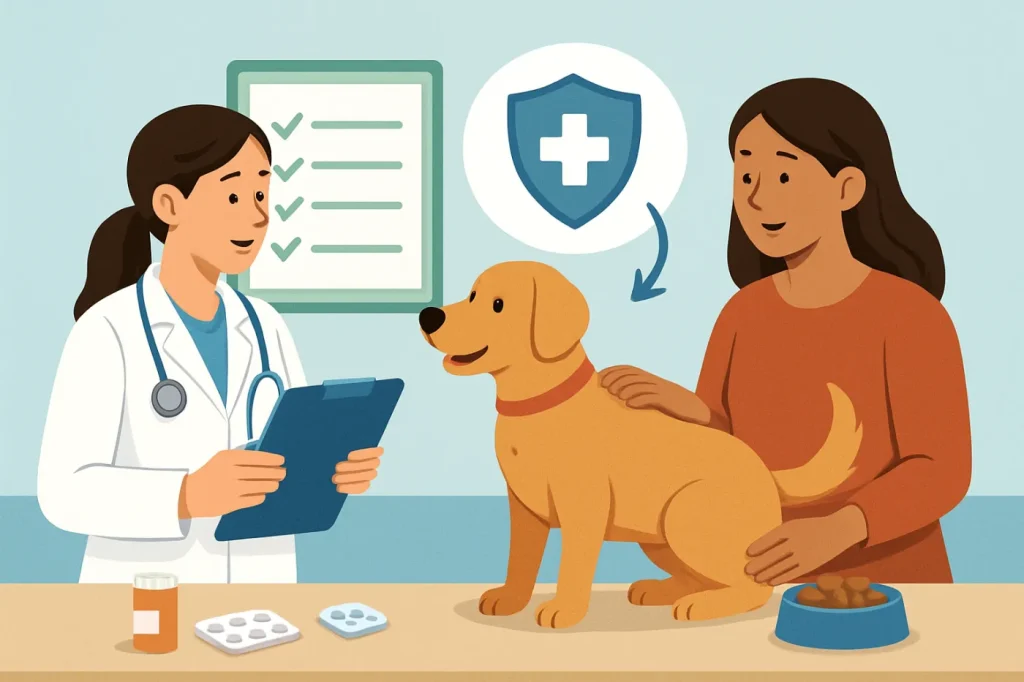
Preventive care for pets does not have to be fancy or expensive to work. A small set of well-timed basics—vaccines, parasite control, dental care, spay/neuter, and good daily habits—usually costs far less than treating emergencies or advanced disease later.
If money is tight, the goal is not “do everything.” The goal is “do the few things that give the biggest health and financial payoff, and time them wisely.”
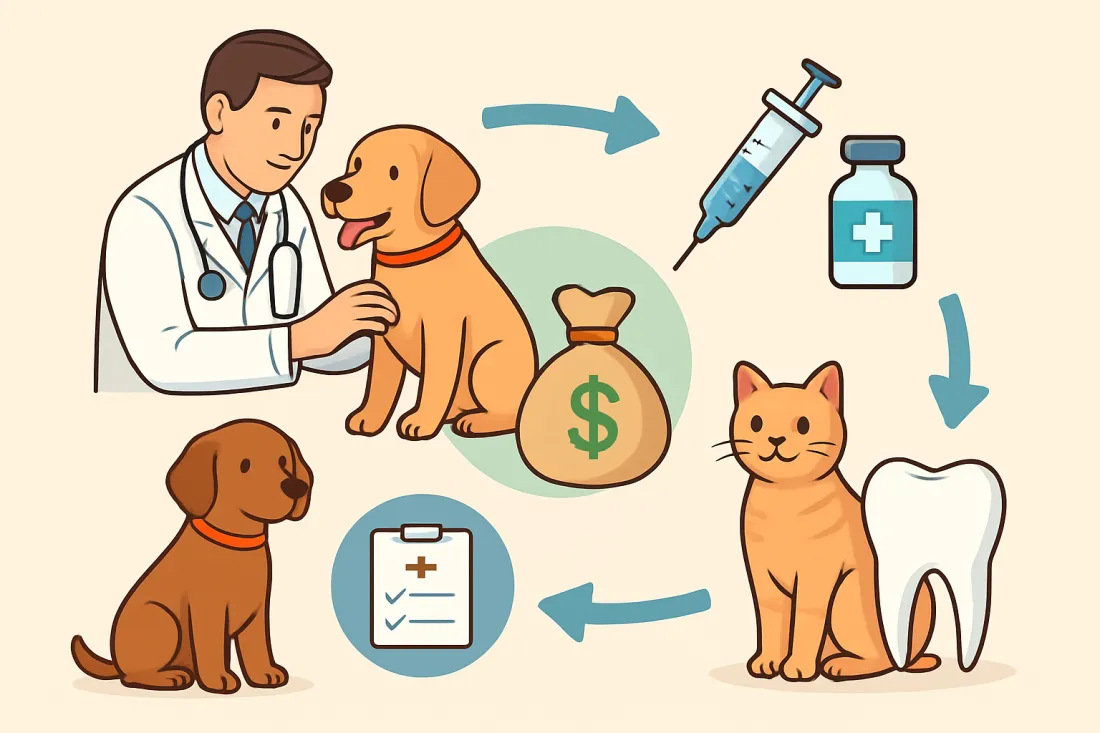
Key preventive steps that give the best payoff on a budget
For most dogs and cats in the United States, the highest-value preventive care items are:
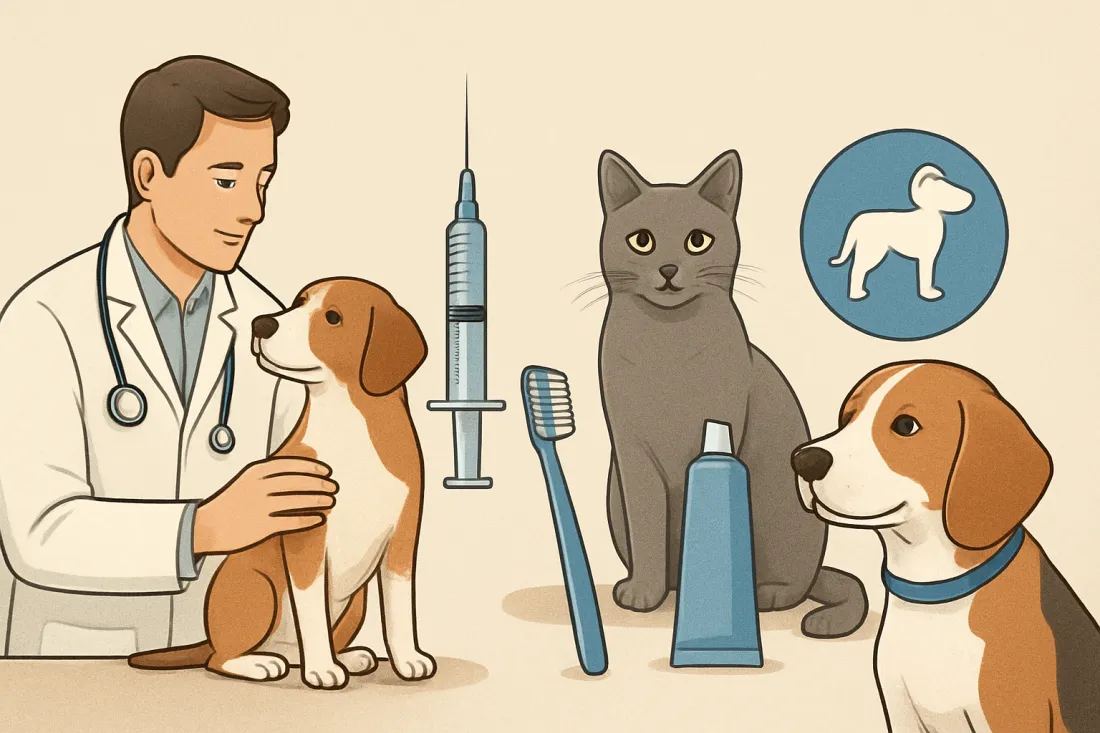
- Annual wellness exam
- Core vaccines (and a few non-core, depending on lifestyle)
- Year-round parasite prevention (fleas, ticks, heartworms, intestinal worms)
- Spay or neuter at an appropriate age
- Basic dental prevention (home care + periodic cleanings as recommended)
- Weight management, safe exercise, and a stable home environment
These steps are powerful because they either prevent very expensive problems (like parvo, heartworm disease, or severe dental disease) or catch issues early when treatment is simpler and cheaper.
If you also want ideas for stretching every dollar, you can combine this guide with resources on low cost preventive care for pets to find clinics and timing strategies that fit your budget.
Why preventive care usually saves money over time
Preventive care is like regular oil changes for a car: it costs something now, but it helps avoid breakdowns that are much more expensive. In pet healthcare, routine wellness care is often only a fraction of the cost of treating full-blown disease.
Common examples:
- Parvo vs vaccines: Treating a puppy with parvovirus can require hospitalization, IV fluids, and intensive care. Preventing parvo relies on a series of vaccines during puppyhood and timely boosters.
- Heartworm disease vs prevention: Heartworm treatment is complex and can involve months of restricted activity and multiple vet visits. Monthly prevention is designed to stop infection before it starts.
- Dental disease vs cleanings: Advanced dental disease can lead to extractions, infections, and even organ strain. Regular dental cleanings and home care slow or prevent this damage.
- Unplanned litters vs spay/neuter: Caring for an unexpected litter, plus potential complications like uterine infections, can be far more costly than a planned spay or neuter surgery.
Because exact prices vary by clinic and region, the best way to compare is to ask your vet for two ballpark estimates:
- “What does it typically cost to prevent this problem for a year?”
- “What does it typically cost to treat it if it goes badly?”
When the prevention side is clearly lower—and it often is—that item belongs high on your priority list.
Must-have preventive care items and how to keep them affordable
Below is a practical overview of the core preventive items for dogs and cats in the United States, with notes on how to keep each one as affordable as possible. Exact costs vary, so treat any numbers you hear locally as estimates, not fixed rules.
1. Annual wellness exam
Why it matters: A yearly checkup (or more often for seniors) lets your vet pick up early signs of problems—weight changes, heart murmurs, lumps, dental disease, arthritis, or behavior shifts—before they turn into emergencies.
How to save:
- Ask about wellness packages that bundle exam, vaccines, and basic tests.
- Look for community clinics or non-profits that offer low-cost exams on certain days.
- Schedule exams during vaccine clinics if your vet offers discounted visits with shots.
2. Vaccines (core and lifestyle-based)
Core vaccines protect against diseases that are widespread and serious. For dogs, these usually include distemper, parvovirus, and rabies. For cats, core vaccines typically cover panleukopenia, calicivirus, herpesvirus, and rabies.
Why they matter: Many of these diseases can be fatal or require intensive care. Vaccines are designed to reduce that risk dramatically.
How to save:
- Use low-cost vaccine clinics offered by shelters, humane societies, or mobile services.
- Ask your vet which non-core vaccines are truly necessary for your pet’s lifestyle (for example, boarding, hiking, or travel) and skip those that do not apply.
- Keep a vaccine record so you do not accidentally repeat shots or miss due dates.
3. Parasite prevention (fleas, ticks, heartworms, intestinal worms)
Why it matters: Parasites can cause skin infections, anemia, digestive problems, and serious diseases like Lyme disease or heartworm disease. Prevention is usually much easier and cheaper than treatment.
How to save:
- Ask your vet about combination products that cover multiple parasites in one dose.
- Buy larger packs if you can safely store them; some clinics offer better pricing per dose for 6–12 month supplies.
- Check if your vet offers rebates or loyalty programs from manufacturers.
- Do not use products intended for other species or weights—using the wrong product can cause emergencies that erase any savings.
4. Spay or neuter
Why it matters: Spaying and neutering helps prevent certain reproductive cancers and infections, reduces roaming and some behavior problems, and prevents unplanned litters.
How to save:
- Look for low-cost spay/neuter programs through shelters, rescue groups, or municipal clinics.
- Ask if your vet has seasonal specials or partnerships with local organizations.
- Plan the surgery at a time when you can also update vaccines or microchip, so you combine services in one visit.
5. Dental prevention
Why it matters: Dental disease is extremely common in pets and can lead to pain, tooth loss, and strain on the heart, liver, and kidneys. Preventive care slows plaque and tartar buildup.
How to save:
- Start home dental care early: pet-safe toothpaste, dental chews, or vet-approved dental diets.
- Ask your vet how often your specific pet truly needs professional cleanings based on breed, age, and current dental health.
- Combine dental cleanings with other procedures (like lump removals or minor surgeries) when anesthesia is already planned, if your vet agrees.
Comparison table: high-value preventive care vs skipping it
| Preventive step | What it helps prevent | Financial impact if done | Financial risk if skipped | When it is most critical |
|---|---|---|---|---|
| Core vaccines | Severe viral diseases (parvo, distemper, panleukopenia, rabies) | Predictable, usually once every 1–3 years after initial series | Emergency hospitalization, isolation, or euthanasia in worst cases | Puppies, kittens, and pets with unknown vaccine history |
| Heartworm prevention (dogs, some cats) | Heartworm infection and related heart/lung damage | Steady monthly cost that can be budgeted | Complex, multi-visit treatment and long recovery, or limited options for cats | Dogs in heartworm regions; outdoor cats where advised by a vet |
| Flea and tick control | Infestations, skin infections, some tick-borne diseases | Regular but manageable expense, often with multi-month discounts | Home treatments, possible allergic reactions, and tick disease testing/treatment | Pets with outdoor access or multi-pet households |
| Spay/neuter | Unplanned litters, some cancers, uterine infections, roaming | One-time cost; many areas offer subsidized options | Costs of pregnancy complications, caring for litters, or emergency surgery | Before first heat for many females; as advised by vet for males |
| Dental prevention | Advanced periodontal disease, tooth loss, oral pain | Regular home care plus occasional cleanings | Multiple extractions, infections, and chronic pain management | Small breeds, older pets, and pets with visible tartar or bad breath |
| Annual wellness exam | Late detection of chronic disease or tumors | Single visit that can bundle vaccines and tests | Emergency visits when disease is advanced and harder to treat | All pets, especially seniors or those with existing conditions |
Prioritizing preventive care when money is tight
When you cannot afford everything at once, you need a clear order of priority. The goal is to reduce the chance of a big, sudden bill that you absolutely cannot pay.
Step 1: Cover immediate, life-threatening risks
- Rabies vaccine (where required) and core vaccines for puppies and kittens.
- Heartworm prevention for dogs in areas where heartworm is present.
- Flea and tick control if your pet is already scratching, losing hair, or you see parasites.
If you can only do one thing this month, focus on the risk that could most quickly lead to an emergency or legal problem (for example, rabies requirements in your area).
Step 2: Plan spay/neuter and dental basics
- Book a low-cost spay/neuter appointment as soon as you can find a program with a payment structure you can manage.
- Start home dental care with brushing or chews, even if you cannot afford a professional cleaning yet.
Step 3: Add annual wellness exams and screening tests
- Once vaccines and parasite control are on track, schedule an annual exam.
- Ask your vet which screening tests (such as fecal checks, heartworm tests, or senior bloodwork) are most important for your pet’s age and risk factors.
Step 4: Build a simple pet health budget
To avoid being surprised each year, break expected preventive costs into monthly amounts:
- List the preventive items your vet recommends for the next 12 months.
- Ask for a rough total for the year (including exam, vaccines, preventives, and any planned procedures).
- Divide by 12 to get a monthly target to set aside in a separate savings envelope or account.
Even a modest monthly amount can make annual visits and medications feel much more manageable.
How to time and bundle services to save money
Good timing and bundling can make preventive care significantly more affordable without cutting corners on safety.
Use wellness exams as your anchor
Plan one main wellness visit each year and build around it:
- Before the visit: Make a list of questions, behavior changes, and any lumps or issues you have noticed.
- During the visit: Ask the vet to prioritize vaccines, tests, and medications into “must do now,” “can wait a few months,” and “optional.”
- After the visit: Put follow-up dates in your calendar so you can spread costs across the year.
Take advantage of vaccine and wellness clinics
Many communities offer special days with lower-cost vaccines and basic services. These can be a good fit if:
- Your pet is generally healthy and only needs routine shots or simple tests.
- You are comfortable with a shorter visit focused on specific services rather than a long conversation.
- You keep your own records so you can share them with your regular vet later.
Bundle procedures under one anesthesia when appropriate
If your pet needs a spay/neuter, dental cleaning, or minor lump removal, ask whether any of these can be safely combined in one procedure. This may reduce total costs for:
- Pre-anesthetic bloodwork
- Anesthesia time and monitoring
- Hospitalization or day-care fees
Your vet will decide what is safe to combine based on your pet’s age, health, and the length of each procedure.
Consider wellness plans and preventive care add-ons
Some veterinary practices and pet insurers offer wellness plans or preventive care add-ons. These typically spread the cost of routine care over the year and may include coverage for exams, vaccines, and dental cleanings up to a set limit.
Because offerings vary, compare carefully:
- List what your pet actually needs each year.
- Compare the plan’s annual cost to what you would pay out of pocket for the same services.
- Check for limits, waiting periods, and whether unused benefits expire.
At-home care that meaningfully reduces risk
Some of the most powerful preventive steps cost little or nothing and happen at home every day.
Weight management and exercise
Extra weight is one of the most common and costly health problems in pets. It increases the risk of arthritis, diabetes, breathing problems, and some cancers.
Affordable actions:
- Measure food with a standard measuring cup instead of guessing.
- Use your vet’s recommended daily calorie amount instead of the bag’s generic feeding chart.
- Replace some treats with kibble from the daily ration or low-calorie options like small pieces of carrot (for dogs that tolerate them).
- Build in daily play or walks that fit your pet’s age and health.
Home dental care
Even a few minutes a day can slow dental disease.
Affordable actions:
- Use pet-safe toothpaste and a soft brush or finger brush; never use human toothpaste.
- Offer vet-approved dental chews or toys that help reduce plaque.
- Ask your vet which products have evidence behind them; not all “dental” treats are equally effective.
Safe environment and routine
A stable, safe environment prevents many accidents and stress-related issues.
Affordable actions:
- Keep toxic foods and plants out of reach (such as chocolate, xylitol-containing products, lilies for cats, and certain medications).
- Use secure leashes, harnesses, and carriers to prevent escapes and injuries.
- Provide scratching posts, litter boxes, and hiding spots for cats to reduce stress and inappropriate elimination.
- Offer enrichment like puzzle feeders, training games, or simple DIY toys to keep minds active.
Structured checklist: annual preventive care plan for dogs and cats
Use this checklist as a starting point and adjust with your vet based on your pet’s age, breed, and health.
Annual preventive checklist for dogs
- Once a year (minimum):
- Comprehensive wellness exam
- Core vaccine boosters as due (distemper/parvo combination, rabies as required)
- Heartworm test (as recommended in your area)
- Fecal test for intestinal parasites
- Every month:
- Heartworm preventive (if advised for your region)
- Flea and tick preventive (year-round or seasonally, as advised)
- At home, weekly:
- Check weight and body shape visually and by feel
- Look at teeth and gums for redness, bad breath, or broken teeth
- Check ears for redness, odor, or discharge
- Run hands over body to feel for new lumps or sore spots
- At least once in a lifetime (timed with vet advice):
- Spay or neuter
- Microchip with up-to-date registration
Annual preventive checklist for cats
- Once a year (minimum):
- Comprehensive wellness exam (even for indoor-only cats)
- Core vaccine boosters as due (for example, panleukopenia combination and rabies where required)
- Fecal test for intestinal parasites
- Every month (as advised):
- Flea and tick preventive, especially for outdoor or multi-pet homes
- Heartworm preventive in areas where your vet recommends it for cats
- At home, weekly:
- Check weight and body shape; watch for sudden gain or loss
- Look at teeth and gums; note drooling, pawing at the mouth, or bad breath
- Monitor litter box habits for changes in urine or stool
- Watch for hairballs, coughing, or breathing changes
- At least once in a lifetime (timed with vet advice):
- Spay or neuter
- Microchip with up-to-date registration
When skipping or delaying preventive care becomes risky
Not every delay is dangerous, but some are. Understanding where the real risk lies helps you make safer trade-offs when money is tight.
High-risk to skip or delay
- Puppy and kitten vaccine series: Young animals are especially vulnerable to infectious diseases. Skipping or stretching their initial vaccine schedule can leave them unprotected when they need it most.
- Rabies vaccination where required: Beyond health risks, there can be legal consequences if your pet bites someone and is not current on rabies vaccination.
- Heartworm prevention in high-risk areas: Missing several months in a row can allow infection to establish, which is much harder and more expensive to treat.
- Spay in females with repeated heats: Each heat cycle can increase the risk of certain reproductive diseases; delaying spay long-term may raise both medical and financial risks.
Moderate risk to delay briefly (with vet guidance)
- Non-core vaccines (like some lifestyle-based vaccines) when exposure risk is low.
- Dental cleaning in a pet with mild tartar but no signs of pain or infection, if you increase home care and schedule the cleaning when finances allow.
- Some screening tests in young, healthy pets with no symptoms, if your vet agrees the risk is low.
Warning signs that waiting is no longer safe
Regardless of your preventive schedule, contact a vet promptly if you notice:
- Sudden loss of appetite or energy lasting more than a day or two
- Vomiting or diarrhea that is frequent, bloody, or accompanied by lethargy
- Difficulty breathing, persistent coughing, or collapse
- Straining to urinate, especially in male cats
- Severe pain, inability to stand, or obvious trauma
These situations can become emergencies quickly. If cost is a barrier, ask clinics about payment options, emergency funds, or local charities that may help in crisis situations.
Common mistakes that make preventive care more expensive
A few avoidable habits can quietly drive up your long-term costs.
- Buying random over-the-counter parasite products: Some low-cost products are less effective or unsafe for certain pets. Ineffective control can lead to infestations and extra vet visits.
- Stopping medications early to save money: Skipping doses of heartworm or flea prevention can allow parasites to return, undoing months of protection.
- Ignoring weight gain: Extra pounds often creep up slowly. Waiting until a pet is clearly overweight can mean more vet visits and diet food later.
- Skipping exams for indoor-only cats: Indoor cats still develop dental disease, kidney problems, and other conditions that are cheaper to manage when caught early.
- Not asking about lower-cost options: Many clinics have wellness plans, generic medications, or lower-cost alternatives, but they may not know you need them unless you ask.
Decision criteria: choosing affordable preventive options that fit your pet
When you have several options—different plans, products, or clinics—use these criteria to decide what makes sense.
- Medical fit: Does this option cover the diseases and parasites that actually matter where you live and for your pet’s lifestyle?
- Total yearly cost, not just monthly: A low monthly payment can still be expensive if the total annual cost is higher than paying directly for the same services.
- Flexibility: Can you adjust or cancel if your situation changes? Are there penalties for missing a payment?
- Transparency: Do you clearly understand what is covered, what is not, and any limits or caps?
- Quality of care: Are you comfortable with the clinic’s communication, handling of your pet, and willingness to explain options?
FAQ: affordable preventive care, pet insurance, and tough money choices
Is it worth it to add preventive care coverage to pet insurance?
Preventive care add-ons can be helpful if they match what your pet already needs and if the total yearly cost is similar to or lower than paying out of pocket. To decide:
- List the preventive services your pet will use in the next year (exams, vaccines, tests, dental cleaning).
- Ask your vet for a rough cost of those services.
- Compare that total to the annual cost of the preventive add-on, including any enrollment or service fees.
If the add-on mostly covers services you would buy anyway and the numbers are close, the plan may be worth it for budgeting and small savings. If it includes many items you do not need, you may be better off saving the same amount each month in a dedicated pet fund.
What happens if you cannot afford to treat your pet?
When a serious illness or injury happens and you cannot afford treatment, the situation is extremely stressful. Options depend on your area and the specific condition, but may include:
- Discussing lower-cost treatment plans or staged care with your vet.
- Asking about payment plans, third-party financing, or in-house credit policies if available.
- Contacting local shelters, rescues, or charitable funds that sometimes help with urgent medical cases.
- In some cases, considering humane euthanasia if your pet is suffering and no realistic treatment or funding option exists.
Building preventive care and a small emergency savings cushion over time reduces the chances of facing this kind of crisis, but it does not eliminate it completely. Honest communication with your vet about finances from the start helps them suggest realistic options.
What is the most affordable type of pet insurance for preventive care?
Plans that focus only on accidents and illnesses usually have lower premiums but do not cover routine preventive care. Plans that include wellness or preventive benefits tend to cost more but may reimburse part of your routine spending.
To find an affordable fit:
- Decide whether you mainly want protection from big, unexpected bills (accident/illness coverage) or help with routine costs (wellness coverage).
- Compare several policies side by side, looking at deductibles, reimbursement percentages, annual limits, and what counts as preventive care.
- Check whether preventive benefits are optional add-ons so you can skip them if you prefer to pay for routine care directly.
For many budget-conscious owners, a basic accident/illness policy plus a personal savings plan for preventive care is a practical compromise.
What is the best pet insurance setup for strong preventive care on a budget?
There is no single “best” setup for every household, but a balanced approach often looks like this:
- A simple accident/illness policy with terms you understand and can afford.
- A monthly savings habit dedicated to routine vet care and medications.
- A clear preventive plan with your vet so you know which vaccines, tests, and preventives are truly essential each year.
If you prefer predictable monthly payments and your vet offers a wellness plan that closely matches your pet’s needs, combining that plan with a separate accident/illness policy can also work well. The key is to avoid paying twice for the same services or buying coverage for things your pet is unlikely to use.
By focusing on high-impact preventive steps, timing them wisely, and using simple budgeting tools, you can protect your pet’s health and reduce the risk of overwhelming vet bills—even when money is tight.