Common household poisons for pets in US homes
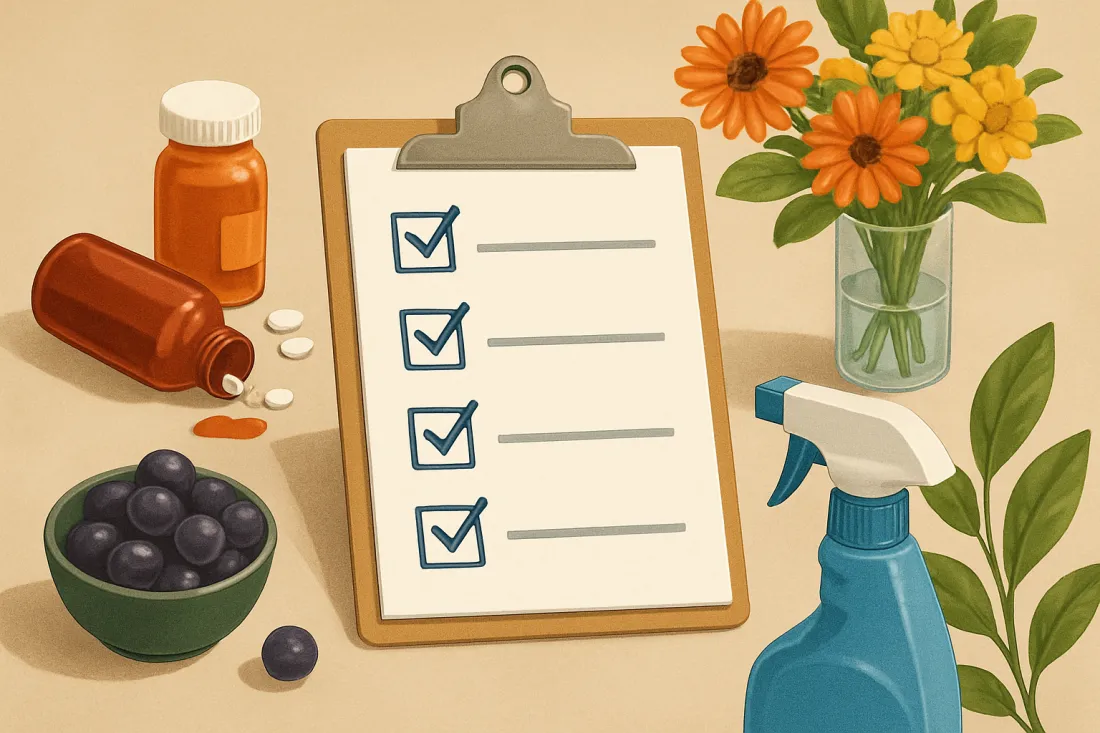
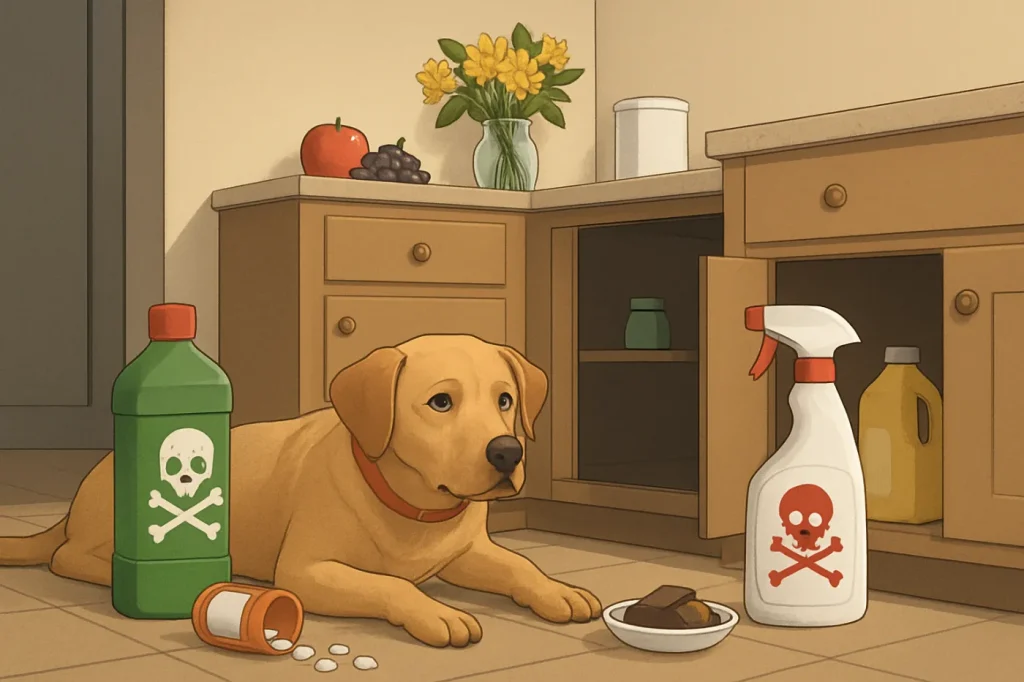
Many US homes contain enough everyday items to seriously harm a dog or cat: food on the counter, pills on a nightstand, a bouquet on the table, or a leaking bottle in the garage. To protect pets, focus on three actions:
- Know the biggest categories of toxins: foods, plants, medications, cleaners, pesticides, and automotive fluids.
- Physically block access: closed cabinets, lidded trash, high shelves, and pet-free rooms.
- Watch for early poisoning signs and be ready to call a vet or pet poison hotline immediately.
The goal is not to memorize every single toxic item, but to recognize patterns: anything with strong flavor, fragrance, or pharmacologic effect that affects humans can be dangerous for pets in much smaller amounts.
How poisoning risks show up in a typical US household
Poisoning risks often come from routine habits, not rare accidents. Common scenarios include:
- Snacking on the couch and leaving a bowl of grapes or chocolate within reach.
- Keeping daily medications on a low table or tossing dropped pills without finding them.
- Storing concentrated cleaners under the sink with a loose door or broken child lock.
- Using rodent bait in the garage or basement where a curious pet can reach it.
- Bringing home a new houseplant or bouquet without checking if it is pet-safe.
Thinking in zones makes it easier to manage risk:
- Kitchen and dining areas: human foods, trash, alcohol, coffee, and some supplements.
- Bathroom and bedroom: medications, cosmetics, essential oils, cleaners.
- Living room: houseplants, potpourri, candles, vape liquids, snacks.
- Laundry room: detergents, pods, fabric softeners, stain removers.
- Garage, shed, and yard: pesticides, fertilizers, antifreeze, fuels, paints.
If a pet can nose open a door, jump on a counter, or chew through a bag, treat that area as a potential toxin source.
Common toxic foods for dogs and cats in the United States
Many popular US foods are risky or outright dangerous for pets. The safest rule is to feed only pet-formulated food and approved treats, but it helps to know the biggest red flags.
High-risk human foods
These categories are widely recognized as dangerous for dogs and cats:
- Chocolate and cocoa products – Dark chocolate, baking chocolate, cocoa powder, and large amounts of milk chocolate can affect the heart and nervous system. Even small amounts can be risky for small dogs and cats.
- Grapes and raisins – Found in fresh fruit, trail mix, granola, baked goods, and some snack bars. Even a small handful can be dangerous for some dogs. Cats are less likely to eat them but are not safe either.
- Onions, garlic, chives, and leeks – Present in many US dishes (soups, stews, sauces, baby food, seasoning mixes). Raw, cooked, powdered, or dehydrated forms can damage red blood cells in dogs and cats.
- Alcohol – Beer, wine, cocktails, hard seltzers, and foods cooked with alcohol. Pets are much more sensitive to alcohol’s effects than humans.
- Xylitol and other sugar alcohols – Often found in sugar-free gum, candies, some peanut butters, baked goods, and oral care products. Xylitol can cause a dangerous drop in blood sugar in dogs.
- Caffeinated drinks and foods – Coffee grounds, brewed coffee, tea, energy drinks, soda, and some diet pills. Pets are more sensitive to caffeine than people.
- Nicotine products – Cigarettes, nicotine gum, lozenges, and e-liquids. Concentrated liquids are especially dangerous if chewed or spilled.
- Raw bread dough with yeast – Can expand in the stomach and produce alcohol.
- High-fat table scraps – Grease, bacon fat, skin from poultry, and very fatty meats can trigger digestive upset and may contribute to more serious conditions in some dogs.
Less obvious food risks in US kitchens
Some foods are not always deadly but can still cause harm or serious digestive upset:
- Salty snacks – Chips, pretzels, jerky, and heavily seasoned foods can contribute to excessive salt intake.
- Bones from cooked meat – Especially poultry and pork bones, which can splinter and damage the digestive tract.
- Artificial sweeteners besides xylitol – Some may cause digestive upset even if they are not as dangerous as xylitol.
- Dairy products – Many adult pets are lactose intolerant and may develop diarrhea or gas.
Practical food safety rules
- Keep all snacks and ingredients in closed cabinets or the refrigerator, not on counters.
- Use a lidded trash can or keep trash behind a closed door.
- Teach family and guests that “no people food” is the default for pets unless a vet has approved a specific item.
- Check labels for xylitol or other sugar alcohols before sharing any peanut butter or baked goods with dogs.
Dangerous houseplants and yard plants in the US
Plants are a frequent source of pet poisoning because they look harmless and are often placed within easy reach.
Common toxic houseplants
Many popular decorative plants sold in US garden centers and grocery stores can be dangerous if chewed:
- Lilies – Certain lilies are especially dangerous for cats; even small exposures can be serious. Pollen, leaves, and water from the vase can all be risky.
- Dieffenbachia and philodendron types – Often called “dumb cane” or sold as lush green houseplants. Their sap can irritate the mouth and digestive tract.
- Pothos and similar vining plants – Very common in apartments and offices; can cause oral and digestive irritation.
- Aloe vera – The gel is used by humans, but the plant itself can cause digestive upset in pets if chewed.
- Peace lily and other flowering houseplants – Often used as gifts or memorial plants; can cause oral irritation and other issues.
Yard and garden plants
In US yards and neighborhoods, these plants are common concerns:
- Azaleas and rhododendrons – Popular landscaping shrubs that can cause serious problems if ingested.
- Oleander – Grown in warmer regions; all parts of the plant are considered dangerous.
- Sago palm and similar cycads – Often used as ornamental plants outdoors or in pots; seeds and leaves are especially risky.
- Foxglove and some ornamental bulbs – Grown for their flowers; can affect the heart if eaten.
- Yew and certain evergreen shrubs – Used in hedges and foundation plantings; parts of the plant can be toxic.
Practical plant safety rules
- Before buying a plant or accepting a bouquet, search whether it is safe for dogs and cats.
- Keep any questionable plant in a room your pets cannot enter, or choose pet-safe alternatives instead.
- Do not let pets chew on yard plants, especially new ones you have not checked yet.
- When rehoming a pet or moving, review the new yard and houseplants for hazards.
Medications and supplements that are unsafe for pets
Many poisonings happen when pets chew pill bottles, eat dropped tablets, or are given human medications without veterinary guidance.
Human medications
Categories that often cause problems include:
- Pain relievers – Over-the-counter and prescription pain medications for humans can be dangerous for pets even at doses that seem small to people.
- Cold and flu remedies – Often contain multiple active ingredients (decongestants, pain relievers, antihistamines, cough suppressants) that can be harmful to pets.
- Antidepressants and anti-anxiety medications – Pets may chew through bottles or blister packs, leading to exposure.
- ADHD medications and other stimulants – Can cause agitation, heart problems, and other serious signs.
- Heart and blood pressure medications – Even a few tablets can be a problem for a small pet.
- Diabetes medications – Can cause dangerous drops in blood sugar if ingested.
Veterinary medications and supplements
Medications prescribed for pets can also cause harm if a pet eats more than prescribed or if another animal in the home gets into them.
- Keep all pet medications in labeled containers, out of reach, and give only as directed by a veterinarian.
- Do not share medications between pets unless a vet has specifically approved it.
- Store flavored chewable medications like treats in secure cabinets; many pets will seek them out.
Practical medication safety rules
- Store all medications and supplements in closed cabinets or drawers, not on countertops or nightstands.
- Use child-resistant containers and keep them fully closed.
- When a pill drops, pick it up immediately and check that none remain on the floor.
- Never give human medications to a pet without explicit veterinary guidance.
Cleaning products, pesticides, and automotive fluids
Household chemicals are often concentrated and can harm pets through licking, chewing, or walking through spills and then grooming themselves.
Cleaning products
Risks include:
- Concentrated floor and surface cleaners – Pets walk on wet floors and lick their paws.
- Bleach and disinfectants – Can irritate skin, eyes, and the digestive tract if licked.
- Toilet bowl cleaners and automatic tank tablets – Pets that drink from the toilet may be exposed.
- Laundry detergents and pods – Highly concentrated; pods can be punctured by teeth.
- Oven cleaners and drain openers – Often very caustic and dangerous on contact.
Pesticides and rodent products
Common sources include:
- Rodent baits – Blocks, pellets, or soft baits placed in garages, basements, or sheds. Pets may eat the bait directly or catch a poisoned rodent.
- Insect sprays and foggers – Pets can be exposed by walking on treated surfaces or licking treated fur.
- Ant and roach baits – Some are less dangerous than others, but ingestion can still cause problems.
- Flea and tick products not labeled for that species – Using a dog product on a cat, or using more than directed, can be dangerous.
Automotive and workshop fluids
In garages and driveways, these are common concerns:
- Antifreeze and coolant – Often has a sweet taste that can attract pets. Even small puddles from a leak can be dangerous.
- Windshield washer fluid – Can contain chemicals that are harmful if ingested.
- Gasoline, oils, and solvents – Can irritate skin and the digestive tract and may affect the nervous system.
- Paints, stains, and adhesives – Pets may walk through spills or chew containers.
Practical chemical safety rules
- Store all chemicals in closed cabinets or on high shelves in areas pets cannot access.
- Clean up spills immediately and keep pets out of the area until surfaces are dry.
- Follow label directions for use, ventilation, and re-entry times, and keep pets away during and after application.
- Use pet-safe pest control options when possible, and place any baits in areas completely inaccessible to pets.
Comparison table: common household poisons for pets and safer choices
| Risk category | Common toxic example | Typical exposure scenario | Safer alternative or habit | Key prevention step |
|---|---|---|---|---|
| Human foods | Chocolate, grapes, onions, xylitol gum | Snacks left on coffee table or kitchen counter | Pet-safe treats, plain pet food, safe fruits checked with a vet | Keep all people food off-limits and stored in closed cabinets or fridge |
| Houseplants | Lilies, dieffenbachia, pothos | Cat chewing leaves on windowsill; bouquet on dining table | Verified pet-safe plants or silk/artificial arrangements | Check plant safety before buying and keep risky plants in pet-free rooms |
| Medications | Pain relievers, antidepressants, cold meds | Pill bottle knocked off nightstand; dropped tablet not found | Pet-only medications prescribed by a vet | Store all meds in closed cabinets and pick up dropped pills immediately |
| Cleaning products | Bleach, floor cleaner, toilet tablets | Pet walks on wet floor or drinks from treated toilet | Pet-safe cleaners used as directed | Keep pets out of rooms while cleaning and until surfaces are dry |
| Pesticides and baits | Rodent bait blocks, insect sprays | Dog finds bait in garage; cat walks on treated surface | Mechanical traps in pet-inaccessible areas; targeted treatments | Place any baits where pets cannot reach and follow label instructions |
| Automotive fluids | Antifreeze, windshield washer fluid | Pet licks sweet-tasting puddle in driveway or garage | Prompt leak repair and careful fluid handling | Check for leaks regularly and block pet access to garages and driveways during work |
You share your home and yard with one or more pets and want a repeatable way to reduce poisoning risks from foods, plants, medications, and chemicals that are already present in a typical US household.
Start with a simple floor plan of your home (kitchen, living areas, bedrooms, bathrooms, laundry, garage, and yard). Assume your pet can access any area without a solid door or barrier, can reach surfaces up to their jumping height, and can open loose cabinet doors or trash lids.
Once a month, walk through each room with a small box or bag. In each space, remove or secure three types of items: (1) edible temptations (snacks, supplements, flavored meds), (2) chewable containers (pill bottles, detergent pods, bait boxes), and (3) open liquids or powders (cleaners, automotive fluids, fertilizers). Either move them into a closed, high cabinet, place them in a room your pet cannot enter, or replace them with a safer alternative. Note any leaks, damaged containers, or plants you are unsure about and schedule time within the next week to fix leaks, replace containers, or research plant safety.
After the sweep, crouch down to your pet’s eye level and scan each room. If you can still see any food, plant, pill, or chemical container within easy reach, treat it as unsecured and relocate it. Over the next month, track any new items that enter the home (gifts, online orders, new cleaners or plants) and add them to the next sweep. If you notice fewer “uh-oh” moments—like catching your pet in the trash or on the counter—you are successfully reducing everyday poisoning risks.
Skipping the monthly sweep or assuming that a single cleanup is enough increases the chance that new products, seasonal plants, or visiting guests will reintroduce hazards. If you ever suspect your pet has ingested something dangerous, do not rely solely on past sweeps; contact a veterinarian or pet poison hotline immediately for case-specific guidance.
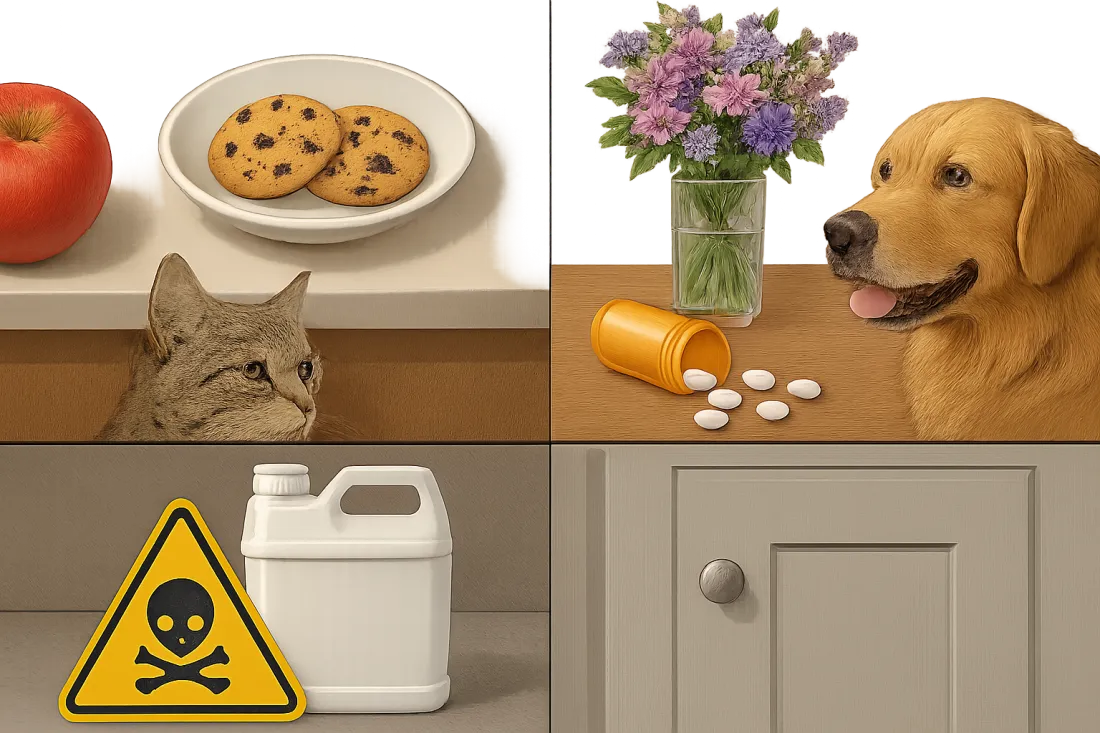
Structured checklist: monthly toxin sweep of home and yard
Use this checklist once a month or after major changes (moving, renovations, new baby, new pet, or new cleaning routine).
Kitchen and dining areas
- Check counters and tables for chocolate, grapes/raisins, baked goods, gum, or other snacks and store them in sealed containers or the refrigerator.
- Confirm that trash cans have tight-fitting lids or are kept behind a closed door.
- Inspect pantry shelves for open bags or boxes within pet reach; move them higher or into closed cabinets.
- Review any supplements or vitamins stored in the kitchen and move them into a closed cabinet.
- Look under the sink: ensure all cleaners are in closed containers and the cabinet door closes securely.
Living room and common areas
- Scan coffee tables and side tables for snacks, drinks, medications, or vape products.
- Check houseplants: confirm they are pet-safe or move them to pet-free rooms or higher locations.
- Secure potpourri, essential oil diffusers, and scented products where pets cannot knock them over or lick them.
- Look behind and under furniture for dropped pills, candies, or food pieces.
Bedrooms and bathrooms
- Remove pill bottles, blister packs, and loose tablets from nightstands and dressers; store them in drawers or cabinets.
- Check bathroom counters for medications, mouthwash, cosmetics, and hair products; store them out of reach.
- Ensure trash cans in bedrooms and bathrooms have lids or are kept in cabinets.
- Confirm that toilet lids are closed, especially if you use in-bowl or tank cleaning products.
Laundry room and utility spaces
- Store laundry detergent, pods, fabric softener, and stain removers on high shelves or in closed cabinets.
- Check for spilled powders or liquids on the floor and clean them up promptly.
- Keep ironing water, spray starch, and other products out of reach.
Garage, basement, and yard
- Inspect the garage floor and driveway for puddles of antifreeze or other automotive fluids; clean them and address leaks.
- Store antifreeze, windshield washer fluid, gasoline, oils, and solvents in closed cabinets or on high shelves.
- Check for rodent bait stations or loose bait; ensure they are in areas pets cannot access.
- Review fertilizers, weed killers, and insecticides; store them securely and follow label directions when using them.
- Walk the yard and garden to identify any new plants; research their safety for pets and remove or fence off risky ones.
Safe alternatives and storage practices
Reducing poisoning risk does not mean giving up a clean home or a nice yard. It means choosing safer products and storing them wisely.
Safer choices for cleaning and pest control
- Look for cleaning products labeled as suitable for homes with pets, and still follow directions carefully.
- Use spot treatments instead of whole-room sprays when possible, and keep pets away until surfaces are dry.
- Consider mechanical traps or physical barriers for pests in areas pets cannot reach, rather than loose baits.
- Work with a pest control professional who understands pet safety and can place products in secure locations.
Smarter storage habits
- Designate one or two “pet-free” storage zones in the home (for example, a closet with a solid door or a high pantry shelf) for all medications and chemicals.
- Use locking or latchable cabinets under sinks and in laundry rooms.
- Keep purses, backpacks, and gym bags—often containing gum, snacks, or medications—on hooks or shelves out of pet reach.
- Store houseplants on high shelves or in rooms where pets are not allowed if you are unsure about their safety.
Budgeting for prevention
Preventive steps like secure storage, safer products, and regular sweeps can reduce the chance of emergency vet visits, which can be costly. If you are planning your pet care budget, resources such as an unexpected annual vet bills for pets guide can help you think about how poisoning emergencies might affect overall costs.
Signs of poisoning in pets and when to call a vet or poison hotline
Poisoning signs vary depending on the substance, the amount, and the pet’s size and health. Some signs appear within minutes, while others may take hours.
Possible signs of poisoning
If you notice any of these after a possible exposure, contact a veterinarian or pet poison hotline promptly:
- Sudden vomiting or diarrhea, especially if repeated or severe.
- Drooling, pawing at the mouth, or signs of mouth pain.
- Weakness, collapse, or difficulty standing or walking.
- Tremors, twitching, seizures, or unusual movements.
- Very fast, very slow, or irregular heartbeat or breathing.
- Sudden behavior changes: agitation, confusion, extreme restlessness, or unusual quietness.
- Pale, yellow, or very red gums.
- Abdominal pain, bloating, or reluctance to move.
What to do if you suspect poisoning
- Stay calm and act quickly. Panic wastes time; focus on the next step.
- Remove access to the toxin. Take away the food, plant, or product and move your pet to a safe area.
- Collect information. Note what your pet was exposed to, how much might be missing, and when it happened. Bring packaging or a photo of the label if you go to the vet.
- Call a veterinarian or pet poison hotline immediately. Describe the substance, your pet’s weight, and any signs you see. Follow their instructions exactly.
- Do not induce vomiting or give home remedies unless a vet or poison expert specifically tells you to do so for that case.
Common mistakes owners make with household poisons
Avoid these frequent errors that increase risk:
- Assuming “natural” means safe. Many natural products, plants, and essential oils can still harm pets.
- Relying on training alone. Even well-trained pets can be tempted by strong smells or new objects.
- Leaving items out “just for a minute.” Pets can grab food or chew a pill bottle in seconds.
- Using products labeled for another species or weight. For example, applying a dog flea treatment to a cat or using more than the recommended dose.
- Not reading or following product labels. Skipping directions can lead to overuse or unsafe application around pets.
- Forgetting about visitors’ belongings. Guests may bring medications, gum, or snacks in bags that pets can access.
Decision criteria: how to judge if something is a poisoning risk
When you are unsure about a product, use these questions:
- Is it designed to affect biology? Anything meant to kill pests, change mood, relieve pain, or clean surfaces is likely potent and should be treated as a risk.
- Is it strongly flavored or scented? Sweet, salty, or aromatic items are more likely to attract pets.
- Is it concentrated? Pods, tablets, and concentrates often contain more active ingredients in a small amount.
- Could a small amount be a big dose for my pet? Remember that a dose that seems tiny to a human can be large for a small dog or cat.
- Can my pet realistically reach it? If the answer is yes, store it as if it were dangerous, even if you are not sure.
If you cannot confidently answer that something is safe, store it securely and check with a veterinarian or poison resource before allowing any exposure.
FAQ about common household poisons for pets
What should I understand first about common household poisons for pets?
The key idea is that many everyday items—foods, plants, medications, and cleaners—can harm pets at doses that seem small to humans. You do not need to memorize every toxic substance, but you do need to assume that anything strongly flavored, scented, or medicinal should be kept completely out of reach and never given without veterinary guidance.
Which everyday mistakes most often lead to pet poisoning at home?
Common mistakes include leaving snacks like chocolate or grapes on low tables, storing medications on nightstands, using rodent bait where pets can reach it, letting pets roam in garages with fluid leaks, and assuming that natural products or houseplants are automatically safe. Another frequent error is giving human medications to pets without checking with a veterinarian first.
What should I do next after learning about household poisons for pets?
Pick a specific time in the next 24 hours to do a focused toxin sweep of your kitchen, living areas, bathrooms, laundry room, garage, and yard. Use the checklist above to remove or secure obvious risks like human snacks, medications, cleaners, and baits. Then set a recurring reminder—monthly or at least seasonally—to repeat the sweep so that new products, plants, or habits do not quietly reintroduce hazards.
How can I fit pet toxin safety into a busy daily routine?
Build safety into habits you already have. Put medications away right after brushing your teeth, close trash cans when you clear dishes, and keep purses and backpacks on hooks by the door. If time is tight, focus on the highest-risk zones—kitchen, living room, and garage—once a week, and do a full-home sweep once a month. If you are deciding whether your schedule matches pet care needs overall, a guide such as are cats good pets for busy people can help you think through daily responsibilities, including safety checks.
Fridge-door reminder summary
For a quick reminder you can keep on the fridge or near your pet’s feeding area, focus on these points:
- Food: No chocolate, grapes/raisins, onions/garlic, alcohol, or sugar-free gum and candy for pets.
- Plants: Check every new plant or bouquet for pet safety before bringing it inside.
- Meds: All medications and supplements stay in closed cabinets—never on counters or nightstands.
- Cleaners and chemicals: Use as directed, keep pets out of the area until dry, and store in secure locations.
- Garage and yard: Watch for leaks, baits, and new plants; keep pets away from treated areas and puddles.
- If in doubt: Assume it is unsafe, keep it out of reach, and ask a veterinarian or pet poison hotline.
By combining awareness of common poisons with simple storage habits and a regular toxin sweep, you can significantly reduce the risk that everyday household items will harm your pets.