

For a typical healthy indoor cat in the US with basic vet care, many owners can expect yearly costs to land somewhere in the low-to-mid hundreds of dollars, but the real number varies a lot with lifestyle and health.
Based on common US estimates from major animal organizations and budgeting guides, a realistic annual cost range for one healthy indoor cat is often quoted at roughly the low hundreds of dollars per year for essentials, with higher totals once you factor in emergencies, pet sitting, or special diets. Some owners spend close to the low end by keeping things simple; others end up several times higher when they choose premium food, frequent grooming, or their cat develops medical issues.
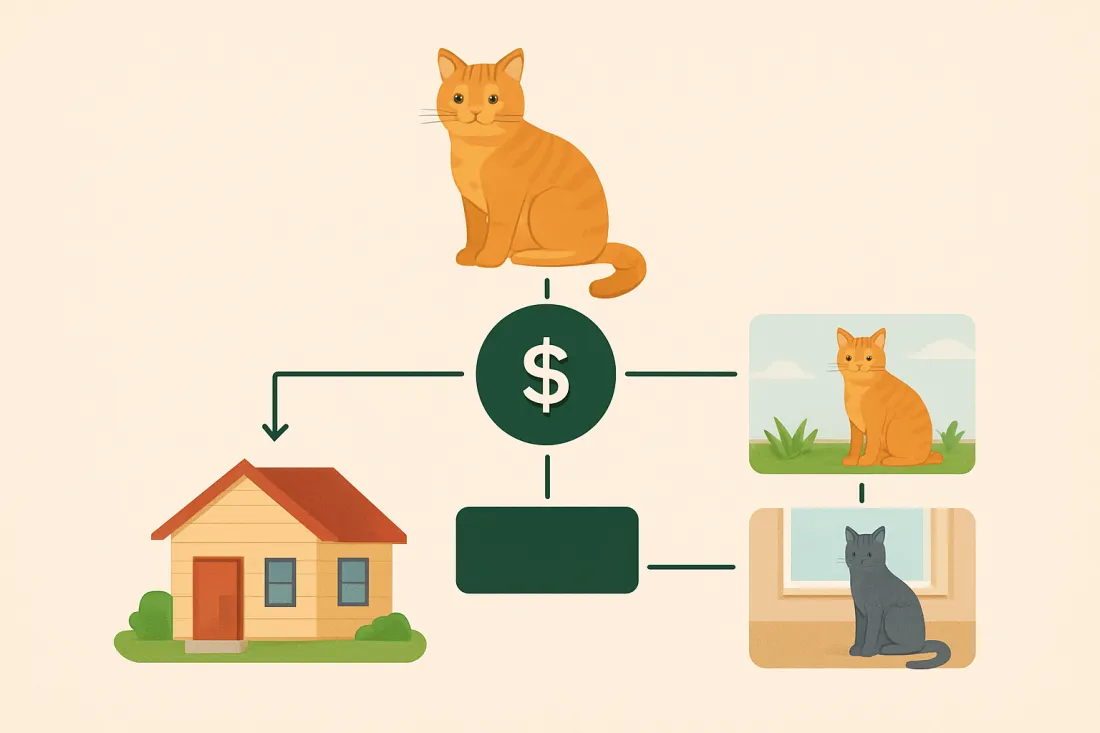
Instead of chasing one “magic” number, it is more useful to compare typical scenarios and then build a budget that fits your cat and your household. this guide walk through that comparison and give you a checklist to plug in your own numbers.
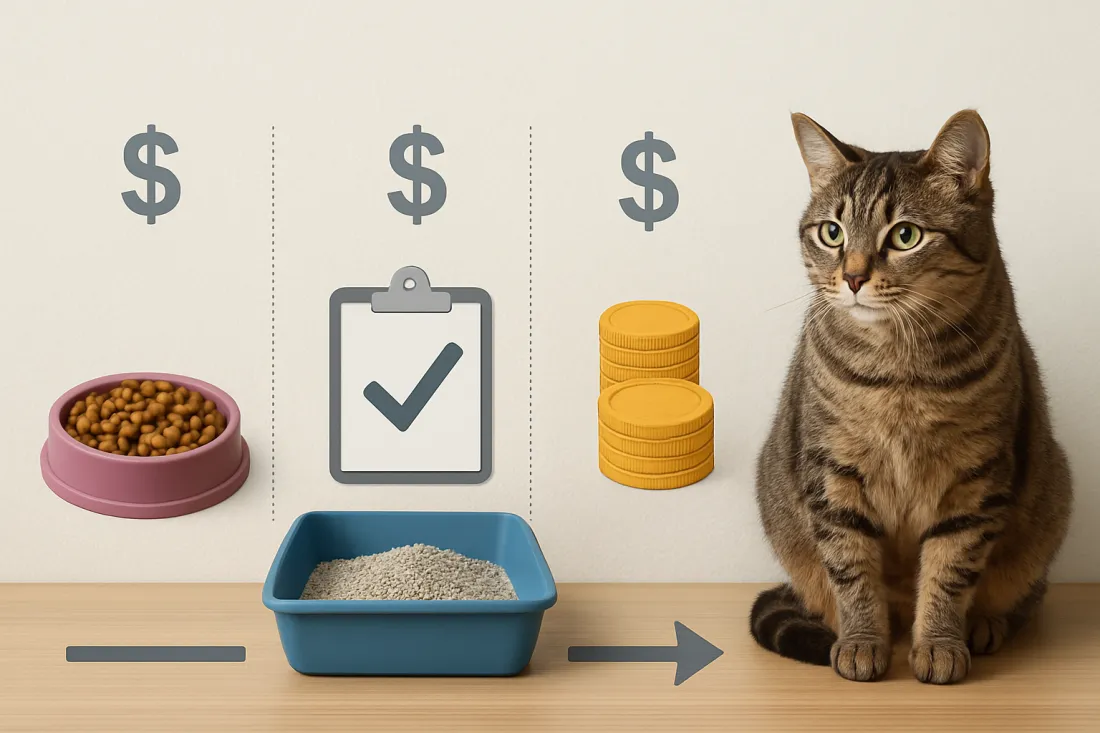
Key yearly cost scenarios for cat owners in the US
Most budgets fall into one of these broad patterns:
- Indoor-only, healthy adult cat – usually the lowest-risk, most predictable budget. You pay for food, litter, routine vet care, and basic supplies. Occasional surprises still happen.
- Indoor/outdoor cat – similar daily costs, but a higher chance of injuries, parasites, and emergency vet bills. The “average” year might look similar, but bad years can be much more expensive.
- Multi-cat home (two cats) – food and vet costs go up, but some expenses (litter, toys, cat trees) are shared. Per-cat cost can be a bit lower, but the total household budget is higher.
- Special situations – long-haired cats needing grooming, cats with chronic illnesses, or cats on prescription diets can add a steady extra layer of cost each year.
If you want a deeper dive into monthly numbers, you can also compare your plan with a detailed guide on how much does a cat really cost monthly and then multiply by 12 for a rough annual view.
What assumptions go into a “typical” yearly cat budget
When people quote annual cat costs, they are usually assuming something like this:

- Indoor-only or mostly indoor adult cat – not a kitten, not a senior with complex medical needs.
- Basic but responsible vet care – a wellness exam, core vaccines as recommended by your vet, and parasite prevention where needed.
- Mid-range food and litter – not the cheapest possible, not the most premium boutique brands.
- One-time setup costs already covered – carriers, litter boxes, and scratching posts were bought in the first year and are not fully repeated every year.
- No major emergencies that year – no surgeries, hospitalizations, or long ICU stays.
Your own number will shift up or down depending on how far you move away from these assumptions. A strictly indoor cat in a small apartment with no grooming needs is very different from a long-haired, outdoor-roaming cat with allergies.
Annual cost breakdown for a typical indoor cat
To build a realistic yearly budget, break costs into categories. You can then plug in your own estimates or receipts.
1. Food
Food is usually one of the biggest recurring costs. Your yearly total depends on:
- Size and age – kittens and very active cats eat more per pound than many adult indoor cats.
- Type of food – dry only, wet only, or a mix; regular vs specialty formulas.
- Brand and quality level – budget supermarket brands vs mid-range vs premium.
- Buying style – small bags and cans vs larger bulk purchases.
Many US owners find that food alone can easily add up to several hundred dollars per year, especially if they feed a mix of wet and dry food or choose higher-quality brands. If you already have a cat, a simple way to estimate is:
- Track what you spend on food for one month.
- Multiply by 12 for a rough yearly estimate.
- Add a buffer (for price changes, treats, and occasional brand switches).
2. Litter and litter box supplies
Litter costs depend on:
- Type of litter – clumping clay, crystal, wood pellets, paper, or specialty low-dust formulas.
- Number of cats and boxes – more cats and boxes mean more litter.
- How often you fully change the litter – some people stretch it longer, others replace more frequently for odor control.
- Whether you buy in bulk – larger bags or multi-packs can lower the per-pound cost.
Owners often report yearly litter costs ranging from the low hundreds of dollars for one cat using a common clumping litter, with multi-cat households spending more. Add in occasional litter box replacements, scoops, liners, and deodorizing products as needed.
3. Routine vet care
Routine veterinary care is where many first-time owners underestimate costs. A typical year of basic care for a healthy adult cat often includes:
- Annual wellness exam – physical exam, weight check, and discussion of behavior and diet.
- Vaccines as recommended – boosters for core vaccines and any lifestyle-related vaccines your vet suggests.
- Fecal test or basic screening – especially if your cat goes outside or you have young children at home.
- Dental check – sometimes with a recommendation for a professional cleaning in future years.
Costs vary widely by region and clinic. In some areas, a basic annual visit with vaccines might stay in the low hundreds of dollars; in others, it can be higher. To budget responsibly:
- Call one or two local vets and ask for a ballpark estimate for an annual wellness visit for a healthy adult cat.
- Ask what is typically included and what is extra (tests, vaccines, bloodwork).
- Use the higher quote as your planning number and add a small buffer.
4. Preventatives (fleas, ticks, worms, heartworm where relevant)
Depending on your region and your cat’s lifestyle, your vet may recommend:
- Monthly or seasonal flea and tick prevention.
- Deworming treatments, especially for outdoor cats or hunters.
- Heartworm prevention in areas where heartworm is a concern for cats.
These products are usually sold per dose, often monthly or every few months. Over a year, they can add a noticeable amount to your budget, especially for outdoor or indoor/outdoor cats. Ask your vet which products are necessary in your area and how many months per year they recommend using them.
5. Grooming and coat care
For many short-haired indoor cats, grooming costs are minimal. You might only need:
- A brush or grooming glove.
- Nail clippers or occasional nail trims at the vet.
- Occasional wipes or waterless shampoo for minor messes.
Long-haired cats, cats prone to matting, or cats that dislike being brushed at home may need professional grooming several times per year. Each session adds to your annual total, so long-haired breeds or mixes can have noticeably higher yearly grooming costs than short-haired cats.
6. Enrichment: toys, scratching posts, and replacements
Enrichment is not just a luxury; it helps prevent boredom, stress, and behavior problems. Annual enrichment costs might include:
- Replacement toys (wand toys, balls, puzzle feeders).
- Scratching posts or cardboard scratchers that wear out.
- Catnip, silvervine, or treats used for training and play.
- Occasional big-ticket items like a new cat tree or window perch.
Some owners spend very little here by rotating a small set of toys and making DIY options from cardboard boxes. Others enjoy regularly buying new enrichment items. Budget at least a modest yearly amount so you can replace worn-out items and keep your cat mentally and physically engaged.
7. Pet sitting, boarding, or travel
If you travel, you will likely need to pay for:
- Pet sitting – someone visiting your home once or twice a day.
- Boarding – your cat stays at a facility or with a sitter.
- Travel gear – carriers, harnesses, or hotel pet fees if your cat travels with you.
Costs depend on how often you travel and local rates. Some owners rarely leave town and spend almost nothing on this category; others travel several times a year and find that pet care during trips becomes a major part of their annual cat budget.
8. Emergency and “surprise” costs
Even with a healthy cat, it is wise to plan for unexpected expenses:
- Urgent vet visits for vomiting, injuries, or sudden illness.
- Diagnostics like X-rays, bloodwork, or ultrasounds.
- Short hospital stays or medications.
Some owners handle this with a dedicated emergency vet fund. If you want to explore how much to set aside and how to build that cushion, see a detailed guide on emergency vet fund how much per year.
Indoor-only vs indoor/outdoor cat budgets and risk costs
Daily costs for indoor-only and indoor/outdoor cats can look similar: they both eat, use litter (though some outdoor cats use it less), and need routine vet care. The big difference is risk and variability.
| Factor | Indoor-only cat | Indoor/outdoor cat |
|---|---|---|
| Food and litter | Predictable; full litter use, steady food intake. | Food similar; some cats use litter less, but not always enough to change the budget much. |
| Routine vet care | Annual exam and vaccines; parasite prevention as recommended. | Same basics, but vets often recommend more frequent parasite prevention and sometimes extra vaccines. |
| Injury and trauma risk | Lower risk of fights, cars, or predators; emergencies still possible but less common. | Higher risk of bites, scratches, abscesses, broken bones, and car accidents, which can lead to large, sudden vet bills. |
| Parasite exposure | Lower exposure; still possible via shoes, other pets, or screens. | Higher exposure to fleas, ticks, worms, and other parasites; more frequent treatments may be needed. |
| Wildlife and toxin exposure | Mostly limited to indoor hazards you control. | Exposure to poisons, plants, and wildlife; can lead to emergency care costs. |
| Budget predictability | Yearly costs are easier to predict; emergencies still happen but less often. | Average year may look similar, but “bad years” can be much more expensive due to injuries or illness. |
If you choose an indoor/outdoor lifestyle for your cat, it is especially important to:
- Budget more generously for emergency vet care.
- Stay current on vaccines and parasite prevention.
- Consider pet insurance or a larger emergency fund to handle sudden, high bills.
One cat vs two cats: how multi-cat homes change yearly costs
Adding a second cat increases your total yearly spending, but not every cost doubles. Some items are shared, while others scale almost one-to-one.
| Cost category | How it scales with two cats | Impact on per-cat cost |
|---|---|---|
| Food | Roughly doubles, though bulk buying can lower the per-pound price. | Per-cat food cost may be slightly lower if you buy larger bags or cases. |
| Litter | Increases significantly; more waste and more frequent box changes. | Per-cat litter cost can be similar or slightly lower if you buy in bulk. |
| Routine vet care | Each cat needs its own exam, vaccines, and tests. | Per-cat vet cost is usually the same; no big discount for two cats. |
| Preventatives | Each cat needs its own dose of flea, tick, or worm prevention. | Per-cat cost is the same; you simply buy more doses. |
| Enrichment (toys, trees) | Many items are shared; you may buy a few extra toys or another scratching post. | Per-cat enrichment cost can drop because they share big items like cat trees. |
| Pet sitting/boarding | Some sitters charge per visit plus a small extra fee per additional cat. | Per-cat cost is often lower than for a single cat, but total is higher. |
| Emergency fund | Two cats mean twice as many chances for illness or injury. | It is wise to increase your emergency fund to reflect two possible patients. |
Many people find that the per-cat cost in a two-cat household can be a bit lower for shared items, but the total yearly budget is still clearly higher. Before adopting a second cat, check that you can comfortably afford:
- Two sets of routine vet care and preventatives.
- Extra litter and food every month.
- A larger emergency cushion in case both cats need care in the same year.
If you are comparing the first-year costs of a kitten versus an adult cat, a focused breakdown on the first year cost of a kitten vs adult cat can help you plan that initial, higher-spend period separately from ongoing yearly costs.
Special situations that raise yearly cat costs
Some cats are simply more expensive to care for each year because of their coat type, health, or diet needs.
Long-haired cats and grooming-heavy breeds
Long-haired cats, or cats with dense or easily matted coats, can add several grooming-related costs:
- More frequent brushing tools and grooming supplies.
- Professional grooming sessions to remove mats, trim fur, or do sanitary clips.
- Occasional sedation grooming at a vet clinic if the cat cannot be safely groomed while awake.
These costs can turn grooming from a minor line item into a regular part of your yearly budget. If you are considering a long-haired breed, ask the breeder, shelter, or rescue what typical grooming needs look like for adult cats.
Cats with chronic illnesses
Cats with chronic conditions such as diabetes, kidney disease, hyperthyroidism, or allergies often require:
- Regular medications (pills, liquids, injections, or topical treatments).
- More frequent vet visits and bloodwork to monitor the condition.
- Occasional hospital stays during flare-ups or crises.
These ongoing costs can easily exceed the basic yearly budget for a healthy cat. If you are adopting a cat with known medical needs, ask the current caretaker or vet for a realistic description of:
- How often the cat needs to be seen.
- What medications are required and how long they are likely to continue.
- What a “typical” year of care looks like for that condition.
Prescription and specialty diets
Some cats need prescription or specialty diets for urinary issues, allergies, weight management, or sensitive stomachs. These diets are usually more expensive than standard food and may only be available through vets or specific retailers.
When budgeting for a cat on a prescription diet, consider:
- The price difference between the prescription food and what you would otherwise feed.
- Whether the cat needs wet, dry, or both forms of the prescription diet.
- How long your vet expects the cat to stay on that diet (often long-term or lifelong).
Decision guide: which yearly cost scenario fits your household?
Use the table below to see which description feels closest to your situation and how that affects your yearly budget planning.
| Scenario | When it fits | Budget characteristics | Key risks to plan for |
|---|---|---|---|
| Healthy indoor-only adult cat | You live in an apartment or house where the cat stays inside and has no major health issues. | Most predictable yearly costs; food, litter, and routine vet care dominate the budget. | Unexpected illnesses, dental procedures, and occasional injuries still possible. |
| Indoor/outdoor cat | You allow your cat outside regularly, supervised or unsupervised. | Daily costs similar to indoor-only, but you should budget more for emergencies and parasite prevention. | Higher chance of trauma, infections, and parasite-related vet visits. |
| Two healthy indoor cats | You want your cat to have a feline companion and can share space and resources. | Total yearly cost is higher, but some items (litter, toys, cat trees) are shared, slightly lowering per-cat cost. | Double the chance that at least one cat will need unexpected vet care in a given year. |
| Cat with chronic illness or special diet | Your cat has a diagnosed long-term condition or needs prescription food. | Yearly costs can be significantly higher due to medications, tests, and specialty food. | Flare-ups or complications can lead to sudden, large vet bills. |
Checklist: how to build a realistic annual budget for your cat
Use this structured checklist to turn general advice into a concrete yearly plan. You can do this for one cat or repeat it for each cat in your home.
- Clarify your cat’s profile
- Age: kitten, adult, or senior?
- Lifestyle: indoor-only, indoor with supervised outdoor time, or free-roaming?
- Coat type: short, medium, or long-haired?
- Health status: healthy, known chronic condition, or recovering from recent illness?
- List your recurring monthly costs
- Food (dry, wet, or both).
- Litter and litter box supplies.
- Any regular medications or supplements.
- Pet insurance premium, if you have a policy.
Estimate each item for one typical month, then multiply by 12 to get a yearly baseline.
- Add routine yearly costs
- Annual vet exam and vaccines.
- Fecal tests or basic screening as recommended.
- Dental cleaning if your vet expects one this year.
- Microchip registration updates or license fees if applicable in your area.
Call your vet for ballpark prices if you are unsure.
- Factor in preventatives
- Ask your vet which flea, tick, worm, or heartworm preventatives are needed.
- Note how many months per year you should use each product.
- Multiply the per-dose cost by the number of doses per year.
- Estimate enrichment and supplies
- Decide how often you plan to replace toys and scratchers.
- Plan for occasional big items (cat tree, carrier, water fountain) every few years and spread that cost across years.
- Include grooming tools or professional grooming if needed.
- Plan for travel-related costs
- Count how many trips you usually take per year.
- Decide whether you will use a sitter or boarding.
- Get local quotes and multiply by the number of days or visits.
- Set an emergency vet fund target
- Decide how much you want available for sudden vet bills (for example, enough to cover at least one emergency visit and basic diagnostics).
- Divide that target by 12 and treat it as a monthly “cat savings” line in your budget.
- Keep this money in a separate savings account so it is there when you need it.
- Review and adjust for your priorities
- If the total feels too high, look for safe ways to save (bulk litter, mid-range food, DIY toys) rather than skipping vet care.
- If you value convenience or premium products, adjust your budget upward to match your choices.
- Revisit your budget once a year
- Review last year’s actual spending.
- Update for any new health issues, diet changes, or lifestyle shifts.
- Adjust your emergency fund target if your vet suggests higher potential costs.
Responsible ways to save on yearly cat costs
It is possible to be budget-conscious without cutting corners on your cat’s health or welfare. Focus savings on areas that do not compromise care.
1. Buy food and litter smartly
- Buy in bulk when it makes sense and you have storage space, especially for litter and dry food.
- Watch for sales and loyalty programs at pet stores or vet clinics.
- Choose a good mid-range food that meets your vet’s standards instead of the most expensive brand by default.
- Avoid constantly switching foods just because something is on sale; sudden changes can cause digestive upset and vet visits.
2. Prioritize preventive vet care
- Keep up with annual exams and vaccines to catch problems early, when they are often cheaper and easier to treat.
- Use parasite prevention as recommended; treating a full-blown infestation or disease can be more expensive than prevention.
- Ask your vet which tests or vaccines are essential for your cat’s lifestyle and which are optional.
3. Maintain dental and weight health at home
- Work on weight management with portion control and playtime; obesity can lead to costly health issues.
- If your cat tolerates it, consider tooth brushing or dental treats approved by your vet to help slow dental disease.
- Address small issues (mild tartar, early gum changes) before they become major dental surgeries.
4. Use DIY and low-cost enrichment
- Rotate toys so they feel new instead of constantly buying more.
- Use cardboard boxes, paper bags, and DIY puzzle feeders as enrichment.
- Invest in a few durable, high-value toys rather than many flimsy ones.
5. Consider pet insurance carefully
Pet insurance can help with large, unexpected vet bills, but it is not a guaranteed money-saver for every owner. When deciding whether to include it in your yearly budget:
- Compare monthly premiums with what you could save on your own in an emergency fund.
- Read the coverage details – what conditions are covered, what is excluded, and how deductibles and co-pays work.
- Consider your cat’s age and breed; older cats and some breeds may have higher premiums or more exclusions.
- Think about your own risk tolerance and ability to pay a large bill out of pocket.
6. Avoid false savings that cost more later
Some common “savings” actually raise your long-term yearly costs:
- Skipping vet visits until a problem is severe can turn a small, manageable issue into an expensive emergency.
- Using very low-quality food may contribute to health issues over time.
- Ignoring dental health can lead to painful, costly dental disease.
- Letting cats roam unsupervised outdoors to “save on toys” can result in high emergency vet bills.
Common mistakes when estimating yearly cat costs
When people are surprised by how much their cat costs per year, it is often because of one or more of these mistakes:
- Only counting food and litter – and forgetting vet care, preventatives, and emergencies.
- Assuming every year will be a “good year” – with no injuries, no dental work, and no new diagnoses.
- Underestimating travel costs – especially if you take several trips and need a sitter or boarding.
- Not planning for aging – senior cats often need more frequent vet visits, medications, and tests.
- Ignoring multi-cat dynamics – more cats mean more chances for illness, even if some costs are shared.
A realistic yearly budget does not need to be perfect, but it should be generous enough that you are not constantly stressed about basic care or blindsided by common, predictable expenses.
FAQ about yearly cat costs and related myths
Is it cheaper to have a cat or a dog per year?
Many households find that, on average, cats cost less per year than medium or large dogs, mainly because cats usually eat less, often do not need professional grooming, and may have lower boarding or daycare costs. However, a cat with chronic illness or frequent emergencies can easily cost more than a healthy small dog. The best way to compare for your situation is to list out food, grooming, vet care, and emergency planning for the specific size and health of the dog or cat you are considering.
Can cats be left alone for 8 hours while I am at work?
Most healthy adult cats can handle a typical workday alone as long as their needs are met: fresh water, enough food (or a timed feeder), a clean litter box, and safe, enriched space. From a budget perspective, this usually does not add much to your yearly costs beyond perhaps a second litter box or extra toys. If you work very long shifts or travel overnight, you may need to budget for a pet sitter to check in, especially for kittens, seniors, or cats with medical needs.
What is the 3-3-3 rule for cats, and does it affect costs?
The “3-3-3 rule” is a rough guideline some people use for adopted pets: around three days to decompress, three weeks to start settling into a routine, and three months to feel fully at home. It is not a strict scientific rule, but it is a reminder that new cats need time to adjust. Financially, the first few months may include extra costs for vet checks, supplies, and possibly behavior support. After that adjustment period, your yearly budget usually becomes more predictable.
What is considered a cat’s worst enemy in terms of budget risk?
From a budgeting perspective, a cat’s “worst enemy” is often unplanned emergencies combined with no savings or insurance. Outdoor dangers, untreated dental disease, and unnoticed chronic conditions can all lead to sudden, high vet bills. You cannot remove all risk, but you can soften the impact by keeping up with preventive care, keeping your cat safely indoors or supervised, and maintaining an emergency fund or suitable insurance.
How can I tell if my yearly cat budget is realistic?
Compare your plan with your actual spending over the last 6–12 months. If you consistently spend more than you expected on food, litter, or vet care, adjust your budget upward. If you have not had any emergencies yet, consider what a single urgent vet visit might cost in your area and whether your emergency fund or insurance would cover it. A realistic budget is one that matches your real habits, your cat’s health, and local prices, with some cushion for the unexpected.