
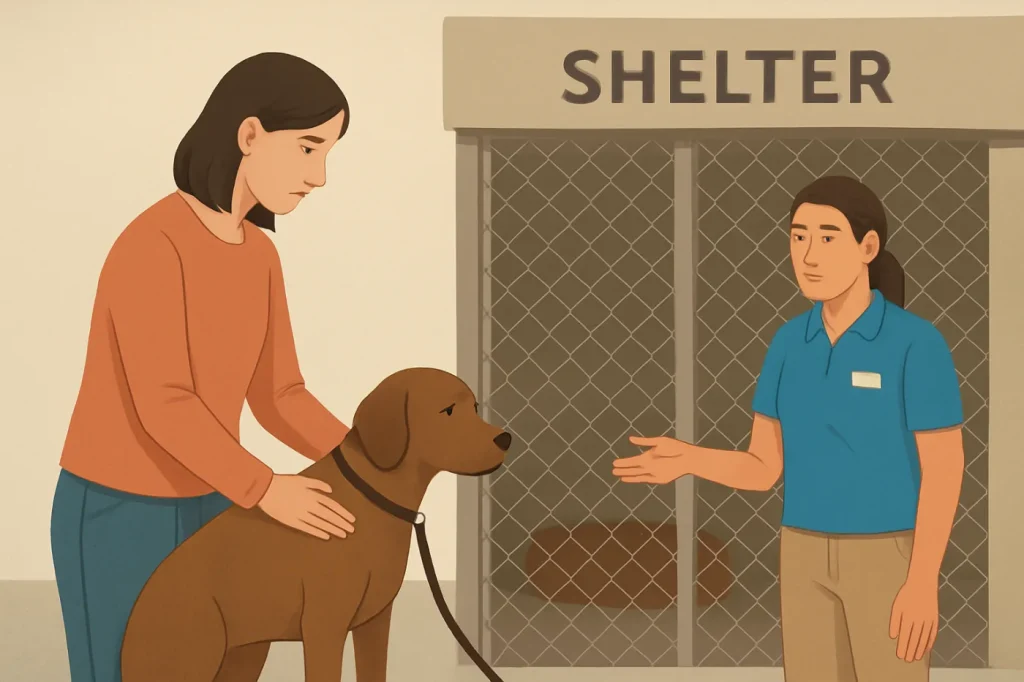
Surrendering a pet to a shelter in the US usually means you permanently give up legal ownership, the shelter takes full control over what happens next, and there is no guarantee your pet will be adopted or kept for a specific length of time. Staff will assess your pet’s health and behavior, decide whether they go up for adoption, to foster or rescue, or are euthanized, and those decisions are based on the animal’s condition and the shelter’s limited space and resources.
Understanding this reality helps you do three things: decide whether surrender is truly your only option, avoid mistakes that put your pet at risk, and, if surrender is unavoidable, prepare your pet and yourself as responsibly as possible.
Why people surrender pets to shelters in the US
Most guardians who surrender a pet are not uncaring; they are overwhelmed by circumstances. Seeing your own situation in these common reasons can clarify what you can and cannot change.
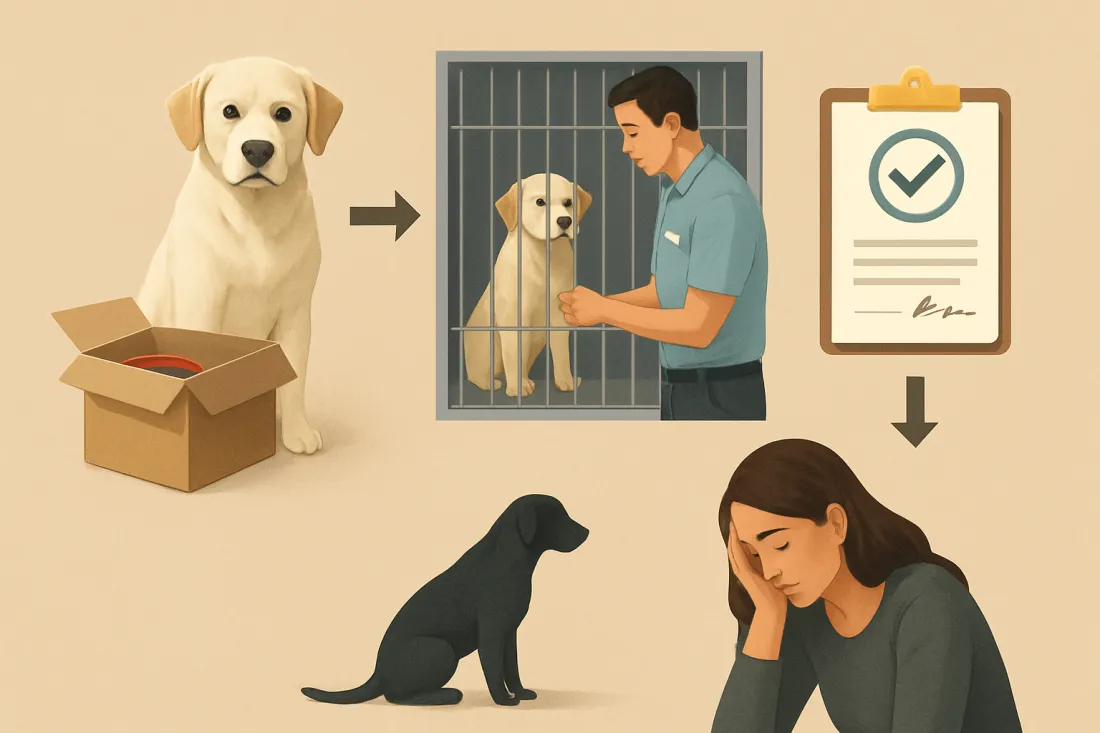
- Housing problems – “No pets” leases, breed or size restrictions, sudden moves, or homelessness. If you are facing a landlord conflict, it can help to look for guidance on what to do if my landlord says no pets before deciding surrender is your only option.
- Money and time pressures – Job loss, medical bills, or long work hours can make food, vet care, and attention feel impossible to provide consistently.
- Behavior issues – Aggression, separation anxiety, house-soiling, destructive chewing, or constant barking. Many behavior issues are stressful but can improve with training, management, and realistic expectations.
- Health problems (pet or human) – Chronic illness, disability, or allergies in the household, or serious medical needs for the pet that feel unmanageable.
- Major life changes – Divorce, new baby, military deployment, or the death or incapacity of the primary caregiver.
- Mismatched expectations – Underestimating the time, energy, or cost a pet requires, or choosing a pet whose needs do not fit your lifestyle (for example, a high-energy dog in a home with no time for exercise).
Your main reason matters because it shapes your options. A landlord rule might be negotiable; a dog with a serious bite history may not be safe to rehome privately and may require shelter or professional help.
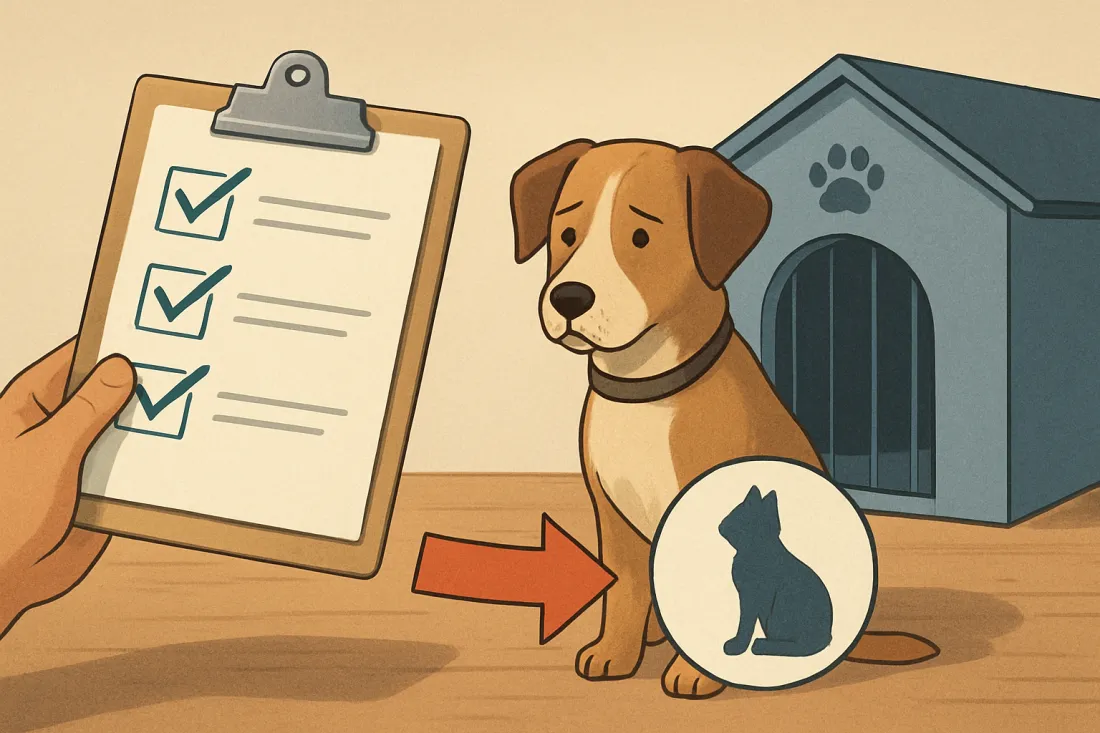
How the shelter intake process usually works in the US
Procedures differ between open-intake municipal shelters and limited-intake private rescues, but most follow a similar path. Expect the process to feel structured and sometimes rushed; staff are balancing many animals and limited resources.
1. First contact and scheduling
- Call or check the website first – Many shelters require an appointment for owner surrenders and may have a waiting list when they are full.
- Basic screening questions – You will likely be asked about your pet’s age, breed or mix, health, vaccination status, and behavior (including any bites or aggression).
- Eligibility and location rules – Some shelters only accept animals from certain cities or counties, or only certain species or sizes.
- Information about fees and policies – Staff can tell you whether there is a surrender fee, what paperwork you will sign, and whether there are any special conditions (for example, appointments only on certain days).
2. Arrival and basic assessment
- Check-in at the front desk – You provide your contact details and information about your pet. Staff may confirm that you are the legal owner.
- Quick health check – A staff member or vet tech may look for obvious illness, injuries, body condition, and vaccination needs.
- Initial behavior snapshot – Staff observe how your pet reacts to handling, strangers, and nearby animals. This helps them decide where to house your pet safely.
3. Medical and behavior evaluation
Over the next hours or days, many shelters complete more detailed evaluations, depending on their resources.
- Medical workup – Vaccinations, parasite control, spay/neuter if appropriate, and any urgent care they can provide within their budget and staffing.
- Behavior evaluation – Simple tests or observations to see how the pet handles touch, food, toys, and sometimes other animals. Results influence whether the pet is placed for adoption, transferred to rescue, or considered unsafe.
- Quarantine or isolation – New arrivals may be kept separate for a period to reduce disease spread, especially in crowded facilities.
4. Placement decisions
Based on health, behavior, and space, the shelter decides what happens next. Once you sign the surrender paperwork, these decisions belong to the shelter.
- Adoption floor – For animals considered healthy and behaviorally appropriate for typical adopters.
- Foster care – For young, stressed, recovering, or special-needs animals who may do better in a home environment.
- Rescue transfer – Some pets are moved to partner rescues that focus on certain breeds, medical needs, or behavior challenges.
- Holding for legal reasons – In some cases, animals are held for bite quarantines or investigations.
- Euthanasia – For animals who are suffering, severely ill, or considered unsafe to place, and sometimes when there is no space or feasible alternative in open-intake shelters.
Fees and paperwork when you surrender a pet
Surrendering a pet is a legal process. Expect to sign documents and possibly pay a fee. Exact details vary by shelter and city, so always ask in advance.
Typical paperwork you may be asked to sign
- Owner surrender form – States that you are the legal owner and are voluntarily giving up the animal.
- Transfer of ownership – Confirms that the shelter now has full legal control over the pet, including medical decisions and euthanasia if they deem it necessary.
- Behavior and history questionnaire – Asks about your pet’s routine, training, likes and dislikes, bite history, and how they behave with children, strangers, and other animals.
- Medical history release – Allows the shelter to contact your veterinarian for records, if needed.
How surrender fees usually work
Many US shelters charge a surrender fee to help cover intake costs such as vaccines, food, and basic care. Because amounts and rules vary widely and can change, it is safer to:
- Ask the shelter directly what the current surrender fee is for your type of pet.
- Ask if they offer reduced fees or payment plans in hardship situations.
- Check whether your city or county shelter has different policies than private rescues nearby.
Do not assume surrender is free, and do not let surprise fees push you into abandoning your pet elsewhere. If cost is the main barrier, ask about financial assistance or alternatives before finalizing surrender.
What happens to your pet after you surrender
After surrender, your pet’s path depends on their health, behavior, and the shelter’s capacity. There is no single outcome, but there are typical stages and possibilities.
1. Adjusting to the shelter environment
- Stress and confusion – Many pets are frightened, shut down, or overexcited at first. They may stop eating, vocalize constantly, or hide.
- Daily care – Staff and volunteers provide food, water, cleaning, and basic enrichment as resources allow.
- Ongoing behavior notes – How your pet behaves in the kennel and with staff is recorded and can affect adoption chances.
2. Adoption, rescue, or foster placement
For many pets, the next step is being made available for a new home.
- Adoption profile – Staff use your history form plus their observations to describe your pet’s personality, needs, and any restrictions (for example, “no small children”).
- Public exposure – Photos and bios may be posted on the shelter’s website, social media, or at adoption events.
- Foster homes – Some pets go to foster families to decompress, recover from illness, or learn basic manners before adoption.
- Rescue partners – Breed-specific or special-needs rescues may take over care and adoption efforts.
3. Length of stay and uncertainty
Some pets are adopted quickly; others wait much longer. Because actual timeframes depend on local demand, season, and the individual animal, you should:
- Ask the shelter what their typical length of stay is for animals similar to yours.
- Understand that there is rarely a guaranteed minimum time your pet will be kept available for adoption.
- Accept that once surrendered, you usually cannot control or track every step of your pet’s journey.
4. When euthanasia is considered
Shelters may decide to euthanize an animal when:
- The pet is suffering from serious illness or injury that cannot reasonably be treated within the shelter’s resources.
- The pet has a history of severe aggression or has failed behavior assessments in ways that make adoption unsafe.
- The shelter is at or beyond capacity and cannot safely house more animals, especially in open-intake facilities that must accept strays and emergencies.
Policies differ widely. Some organizations describe themselves as aiming not to euthanize healthy, adoptable animals, but they may still euthanize for severe medical or behavior reasons. Ask the shelter to explain their general approach so you understand the range of possible outcomes.
How surrender affects shelter capacity and euthanasia risk
Every surrendered pet uses space, staff time, and funding. In many US communities, shelters operate near or over capacity, especially during high-intake seasons such as summer.
- More surrenders mean harder choices – When kennels are full, staff must prioritize which animals to keep, which to move to rescue or foster, and which may be euthanized.
- Owner-surrendered pets can be vulnerable – In some shelters, animals with serious behavior or medical issues, or those surrendered with limited information, may be more likely to be euthanized when space is tight.
- Alternatives free up resources – When guardians find safe alternatives for pets who could be rehomed privately, it leaves more room and attention for animals who truly have nowhere else to go, such as strays or cruelty cases.
This does not mean you should never surrender a pet. In some situations—such as severe aggression or when you cannot meet basic care needs—surrender may be the most responsible option. Understanding the pressure shelters face can, however, motivate you to explore other solutions first when it is safe to do so.
Alternatives to surrender: practical checklist
Before you decide to surrender, walk through this checklist. Not every step will fit your situation, but even one workable option can change the outcome.
- Clarify the core problem
- Is the main issue housing, money, time, behavior, health, or a life change?
- Write down the single biggest obstacle you are facing with your pet.
- Housing-related issues
- Review your lease for exact pet rules; sometimes there is room for negotiation or exceptions.
- Ask your landlord if they would reconsider with a pet deposit, references, or proof of training.
- Search for pet-friendly housing options in your area, even if it means a smaller place or different neighborhood.
- Financial strain
- Call local shelters or vets to ask about low-cost clinics, vaccine days, or spay/neuter programs.
- Ask if there are community pet food banks or temporary assistance programs.
- Talk to your vet about lower-cost treatment plans or focusing on essential care.
- Behavior problems
- Schedule at least one session with a qualified trainer or behavior professional if it is safe to do so.
- Increase exercise and mental enrichment for dogs; add vertical space and hiding spots for cats.
- Use management tools (baby gates, crates, leashes, litter box changes) to reduce triggers and accidents.
- Time and energy limits
- Ask friends, family, or neighbors if they can help with walks, playtime, or temporary care.
- Explore dog walkers, doggy day care, or pet sitters if your budget allows.
- Adjust your pet’s routine to fit your schedule more realistically, even if it means shorter but more consistent interactions.
- Health or allergy issues
- Consult a doctor about allergy management options if appropriate.
- Ask your vet whether different grooming, diet, or cleaning routines could reduce symptoms.
- Responsible private rehoming
- Reach out to trusted friends, family, or coworkers before posting publicly.
- Use a written agreement that clearly states you are transferring ownership.
- Screen potential adopters with questions about their home, experience, and plans for the pet.
- Talk to the shelter early
- Call your local shelter to ask if they offer behavior help, temporary boarding, or rehoming support.
- Ask if they can list your pet on their website while you keep the pet at home until adopted.
If you work through this checklist and still cannot find a safe solution, surrender may be the least harmful option left. At that point, focus on preparing your pet and giving the shelter the best information possible.
Comparison: surrendering to a shelter vs. responsible private rehoming
When you cannot keep your pet, you often face two main paths. The table below compares them so you can see which fits your situation better.
| Option | When it may fit | Main benefits | Main risks or downsides | Key questions to ask yourself |
|---|---|---|---|---|
| Surrender to a shelter | You cannot safely keep the pet even short term (eviction, severe aggression, crisis), or you have exhausted realistic alternatives. | Structured intake; access to an adoption network, foster homes, and rescue partners; staff experienced with matching pets to homes. | Loss of control over outcomes; possible euthanasia; stress for the pet; may involve fees and waiting lists. | Is my situation truly urgent or unsafe? Have I asked the shelter about their policies and typical outcomes for pets like mine? |
| Responsible private rehoming | You can keep the pet safely while searching; the pet is generally healthy and safe with people and animals. | More control over choosing the new home; less time in a stressful shelter environment; ability to share detailed history directly with adopters. | Requires time and effort to screen people; risk of the pet ending up in an unsuitable home if you rush; can be emotionally difficult. | Do I have the time and emotional energy to screen adopters carefully? Can I be honest about the pet’s challenges? |
How to prepare your pet if surrender is unavoidable
If you have decided that surrender is the only realistic option, you can still make the transition less traumatic and improve your pet’s chances of a good outcome.
Step-by-step preparation checklist
- Gather medical and identification records
- Collect vaccination history, spay/neuter proof, microchip number, and any test results.
- Write down current medications and dosages.
- Write a detailed behavior and routine profile
- Daily schedule (feeding times, walks, litter box habits, usual sleep spots).
- What your pet loves (toys, games, treats, favorite people).
- What scares or upsets them (loud noises, certain handling, other animals).
- Any history of bites, scratches, or serious fights—be honest, even if it feels embarrassing.
- Prepare a comfort kit
- Bring a familiar blanket, bed, or toy if the shelter allows it.
- Provide a small bag of your pet’s current food to ease the diet transition.
- Plan the timing and transport
- Avoid the hottest or coldest parts of the day if your pet is sensitive.
- Use a secure carrier for cats and small animals, and a well-fitted collar or harness and leash for dogs.
- Choose a time when you are not rushed so you can complete paperwork calmly.
- Stay as calm as you can during drop-off
- Speak softly and move slowly; your pet will pick up on your stress.
- Say goodbye in a way that feels right to you, but avoid long, drawn-out scenes that increase anxiety for both of you.
- Clarify policies before you leave
- Ask whether you can call later to check if your pet has been adopted, understanding they may not share detailed information.
- Confirm that you understand you are giving up legal ownership and control over future decisions.
Common mistakes to avoid when you cannot keep your pet
In crisis, it is easy to make rushed choices that put your pet at risk. Avoid these common mistakes.
- Abandoning the pet – Leaving an animal outside a shelter after hours, in a park, or on the street is dangerous and often illegal. It exposes the pet to injury, illness, or being picked up by someone who may not have good intentions.
- Giving the pet away with no screening – Handing an animal to the first person who responds to an online ad, without questions or a basic agreement, can lead to neglect, repeated rehoming, or other harm.
- Hiding serious behavior or health issues – If you do not tell the shelter about aggression or medical problems, staff cannot protect adopters or plan appropriate care. This can lead to unsafe placements or the pet being returned in worse condition.
- Waiting until the situation is an emergency – Delaying until eviction, severe illness, or a bite incident leaves fewer options and increases the chance of a rushed surrender or euthanasia.
- Assuming the shelter is a guaranteed safe haven – Many people believe their pet will stay at the shelter until adopted. In reality, outcomes depend on space, resources, and the pet’s needs.
- Letting guilt paralyze you – Blaming yourself so much that you do nothing can make things worse. It is more helpful to act early, ask for help, and make the best decision you can with the information and resources you have.
Emotional impact of surrender and where to find support
Surrendering a pet can feel like grief, shame, and relief all at once. These reactions are common. Taking care of your own emotional health helps you move forward and stay engaged in responsible pet decisions in the future.
Feelings you might experience
- Guilt and self-blame – You may replay what you “should have done.” Many factors—housing, health, finances—are outside your control.
- Sadness and grief – Losing daily contact with an animal you love is a real loss, even if you believe surrender was necessary.
- Anger or defensiveness – You may feel judged by others or frustrated with systems that made keeping your pet hard.
- Relief – Especially if you were overwhelmed or unsafe, feeling relief does not mean you did not care.
Ways to cope and find support
- Talk to someone you trust – A friend, family member, or counselor who will listen without harsh judgment.
- Ask the shelter about resources – Some shelters can point you toward support groups, counseling services, or online communities for people coping with pet loss or difficult decisions.
- Write a letter to your pet – Even if you never send or share it, writing down what you loved about them and why you made your decision can help you process.
- Channel your feelings into future action – When you are ready, you might volunteer, foster, or support spay/neuter and education programs that prevent similar situations for others.
Practical next steps once you understand what happens
After you understand what happens when you surrender a pet to a shelter, the next step is to decide what to do in your specific situation and avoid preventable mistakes.
- If you are still unsure whether to surrender
- Work through the alternatives checklist and talk honestly with your household about what is realistic.
- Call your local shelter or rescue and ask what support they offer to help you keep your pet if possible.
- If private rehoming might be an option, look for guidance on how to responsibly rehome a dog in the US or similar resources for your type of pet.
- If you have decided surrender is necessary
- Contact the shelter to confirm their intake process, fees, and any waiting list.
- Gather medical records, identification, and a detailed behavior history.
- Use the preparation checklist to make the transition as gentle and informed as possible.
- If you have already surrendered a pet and are struggling emotionally
- Reach out to a trusted person or professional to talk about what you are feeling.
- Give yourself permission to grieve and to learn from the experience without endless self-punishment.
- When you are ready for another pet in the future, consider learning more about how to choose a reputable animal shelter or rescue and what to know before adopting, so you can set both you and your next pet up for success.
FAQ about what happens when you surrender a pet to a shelter
What should I understand about my pet’s future before I surrender them?
Before surrendering, understand that you are permanently giving up legal ownership and control over your pet’s future. The shelter will decide whether your pet is placed for adoption, transferred to rescue or foster, or euthanized, based on their health, behavior, and available space. There is usually no guarantee of adoption or a minimum time your pet will be kept. Knowing this helps you weigh whether there are safe alternatives you can try first.
What are the biggest mistakes to avoid when I cannot keep my pet?
Major mistakes include abandoning the pet instead of surrendering through proper channels, hiding serious behavior or health issues from the shelter, waiting until the situation is a crisis with no time to plan, and giving the pet away to strangers without any screening. These choices can put both the animal and people at risk. Acting early, asking for help, and being transparent with shelters or adopters are safer and more responsible approaches.
Can I visit or get my pet back after I surrender them to a US shelter?
In most US shelters, once you sign the surrender paperwork, you no longer have the right to visit or reclaim the animal as their owner. Some shelters may allow limited updates or visits in special circumstances, but many do not, because it can be stressful for the animal and confusing for adopters. If there is any chance you might want your pet back, talk to the shelter before signing and ask about their specific policies; do not assume you can change your mind later.
What should I do right after deciding that surrender might be necessary?
As soon as you think surrender might be on the horizon, contact your local shelter or rescue to ask about their process, waiting lists, and any support they offer to help you keep or rehome your pet. At the same time, start gathering medical records and writing a clear history of your pet’s behavior and routine. Working through a practical checklist of alternatives can either reveal a way to keep your pet safely or confirm that surrender is the least harmful option left, so you can move forward with more clarity and less panic.