
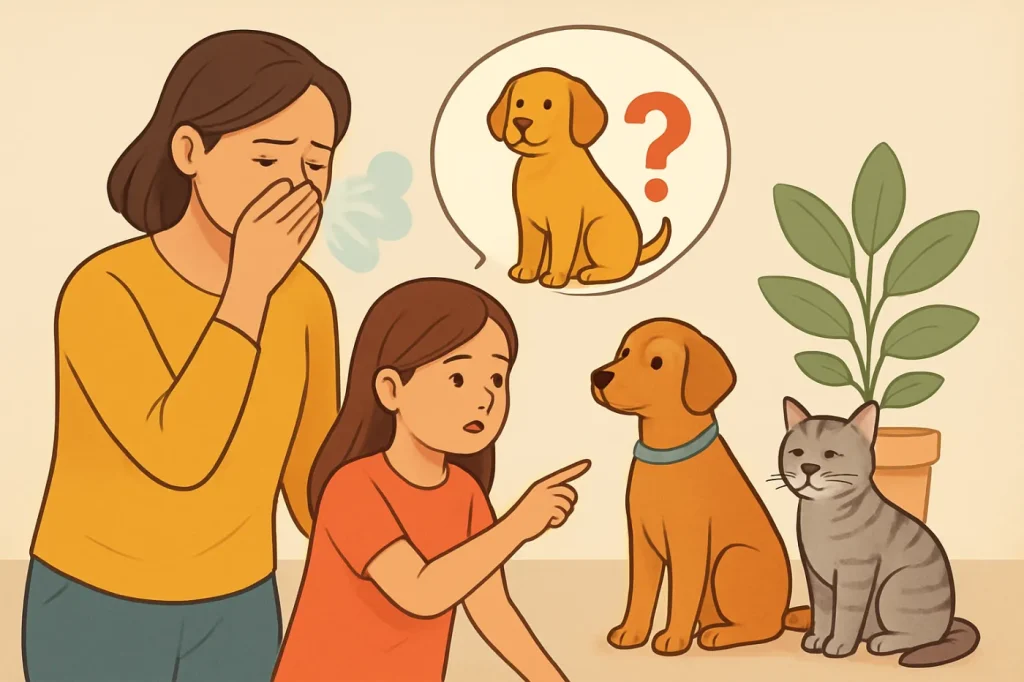
Choosing a family pet with allergies or asthma in the picture is possible, but it cannot be an impulse decision. The safest approach is to assume that any dog or cat can trigger symptoms, then work through a step-by-step plan: understand triggers, compare options, test reactions, and set up the home and medical plan before you adopt.
Key decisions when choosing a pet with allergies or asthma
Before you fall in love with a specific dog or cat, walk through these core decisions:
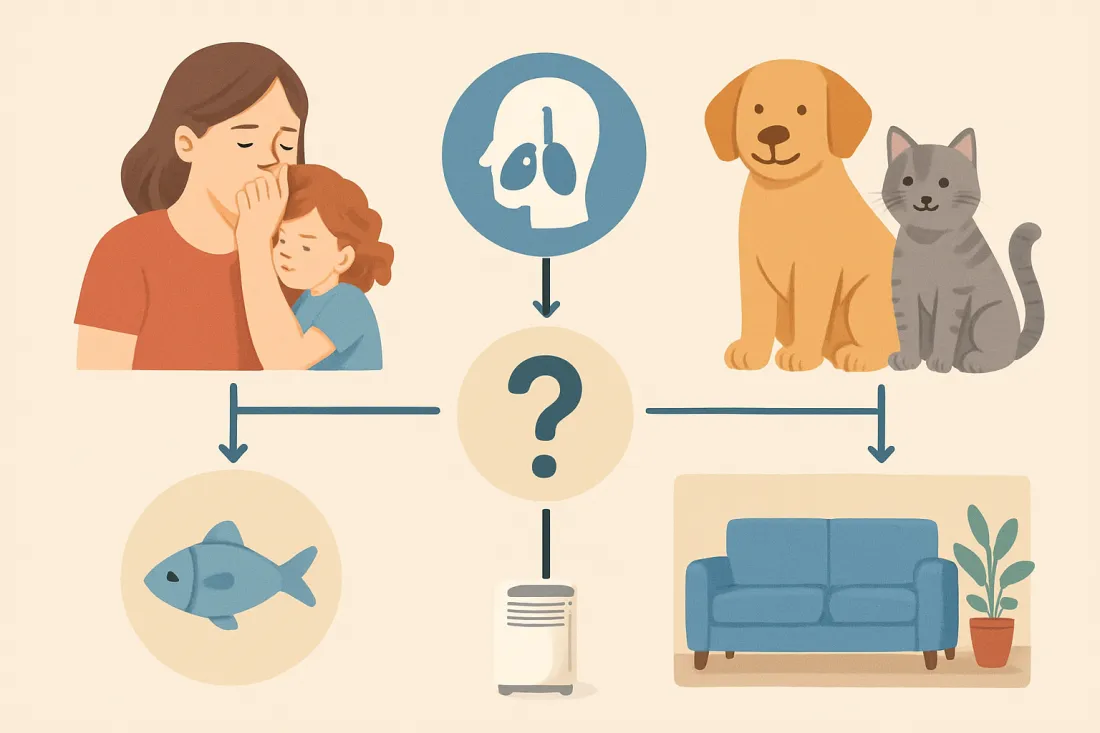
- Decide whose health comes first. If a child has asthma or significant allergies, their safety has to outweigh breed preferences or appearance.
- Clarify your risk tolerance. Are you prepared for daily medication, strict cleaning routines, and possible rehoming if symptoms become severe?
- Choose between dog, cat, or alternative pet. Some families do better with a dog than a cat (or vice versa), while others are safer with non-furry pets.
- Plan medical support in advance. Talk with a pediatrician or allergist about how stable your child’s condition must be before bringing a pet home.
- Commit to testing, not guessing. Controlled exposure and, when appropriate, allergy testing are more reliable than assuming a “hypoallergenic” label will protect your child.
Common pet-related allergy and asthma triggers
Understanding what actually causes symptoms helps you make better choices and set realistic expectations.
What people are usually allergic to
- Dander: Tiny flakes of skin from dogs and cats that carry allergenic proteins.
- Saliva: Allergen proteins in a pet’s saliva that end up on fur and surfaces when the animal grooms or licks.
- Urine: Proteins in dried urine can become airborne and trigger symptoms, especially in litter areas.
- Environmental hitchhikers: Pollen, dust, and mold spores that cling to fur and are carried into the home.
How these triggers affect children with asthma
In a child with asthma or allergic tendencies, exposure to pet allergens can:

- Increase coughing, wheezing, or chest tightness.
- Trigger nighttime symptoms that disturb sleep.
- Cause itchy, watery eyes or nasal congestion that make colds feel worse and last longer.
- In some children, contribute to more frequent use of rescue inhalers or need for oral medications.
Because every child’s threshold is different, you cannot assume that a mild reaction at a friend’s house will stay mild when the pet lives with you full-time.
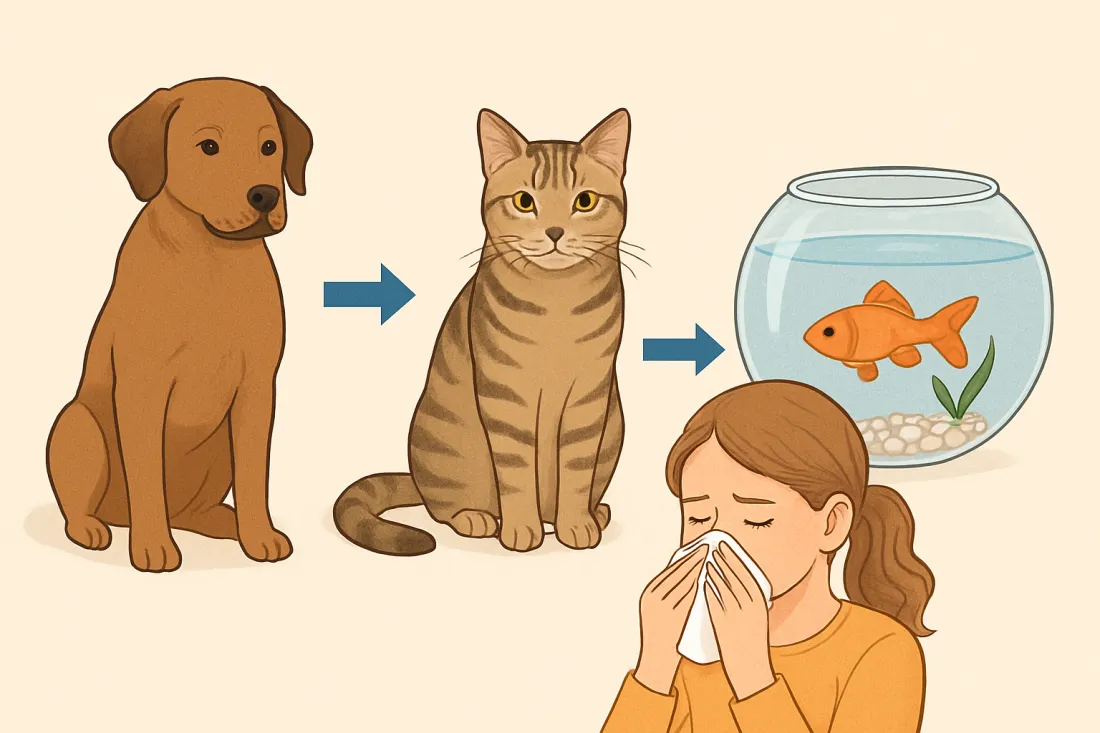
Dog vs cat allergens: what’s different and why it matters
Both dogs and cats can trigger allergies and asthma, but they do so in slightly different ways that may influence your choice.
| Factor | Dogs | Cats | What this means for your family |
|---|---|---|---|
| Typical allergen source | Proteins in dander, saliva, and urine | Proteins in dander, saliva, and urine (often very persistent) | Both species can trigger symptoms; no option is truly “allergy-free.” |
| How allergens spread | Often carried on fur and into outdoor spaces; bathing can temporarily reduce surface allergens | Sticky allergens that cling to fabrics, walls, and dust; can remain in a home long after the cat is gone | If you rent or move frequently, cat allergens may be harder to escape in shared housing. |
| Typical grooming behavior | Varies by breed and individual; some dogs drool or lick more than others | Cats groom themselves frequently, spreading saliva allergens onto fur | Heavy self-groomers may cause more issues for saliva-sensitive children. |
| Indoor vs outdoor time | Many dogs spend time outdoors, which can reduce indoor allergen buildup but bring in pollen | Most pet cats are indoors, so allergens concentrate inside the home | Indoor-only pets may require stricter cleaning routines and air filtration. |
| Behavior around children | Often more physically interactive, which can increase direct exposure but is easier to supervise | May choose their own space and climb onto soft furnishings and beds | Think about whether your child can reliably follow “no pet in bedroom” rules. |
Some families find that a well-groomed dog who spends time outdoors is easier to manage than a strictly indoor cat. Others discover the opposite. The only reliable way to know is to combine medical guidance with careful, repeated exposure in controlled settings.
Myths about “hypoallergenic” dog and cat breeds
Marketing around “hypoallergenic” pets can create false confidence. It is important to separate myths from what you can reasonably expect.
Myth 1: Hypoallergenic means allergy-free
No dog or cat is completely free of allergens. So-called hypoallergenic breeds may shed less fur or dander, but they still produce saliva and skin proteins that can trigger reactions. For a child with significant asthma or severe allergies, even a low-shedding pet can cause problems.
Myth 2: Hair length is the main issue
Allergies are triggered by proteins, not by the length of the hair itself. A short-haired cat or dog can cause just as many symptoms as a long-haired one. Long hair may trap more environmental allergens like pollen, while short hair can release dander more easily into the air when it sheds.
Myth 3: Designer crosses are automatically safer
Crossbreeds that are advertised as allergy-friendly can vary widely from one individual to another. One puppy in a litter may shed very little, while a sibling sheds heavily. Without direct exposure to the specific animal, you cannot assume that a particular cross will be safe for your child.
Myth 4: Bathing alone will solve allergy problems
Regular bathing and grooming can help reduce surface allergens, especially for dogs, but it does not remove the proteins that are constantly produced on the skin and in saliva. Overbathing can also dry out the animal’s skin, potentially increasing dander. Bathing is a helpful tool, not a cure.
Practical strategies to reduce allergy impact at home
If you decide to bring a dog or cat into a home with allergies or asthma, plan your environment and routines before adoption.
Set up low-allergen zones
- Make bedrooms pet-free. This is especially important for the child with allergies or asthma. Keep doors closed and use a baby gate if needed.
- Create a washable sleeping area for the pet. Choose beds with removable covers that can be washed in hot water.
- Limit soft furnishings in shared spaces. Rugs, heavy curtains, and fabric couches trap allergens; choose washable or wipeable surfaces where possible.
Improve air quality
- Use high-quality air filtration. Consider HEPA filters in central systems or standalone purifiers in the child’s bedroom and main living area. Check manufacturer guidance for filter changes.
- Ventilate regularly. When weather and local air quality allow, open windows to reduce indoor allergen buildup.
- Control humidity. Moderate indoor humidity can help limit dust mites and mold, which often worsen allergy symptoms alongside pet dander.
Adopt a cleaning routine you can actually maintain
- Vacuum frequently. Use a vacuum with a good filter and focus on carpets, rugs, and upholstery where dander collects.
- Wash bedding weekly. This includes both human and pet bedding, using the warmest water safe for the fabric.
- Wipe hard surfaces. Regularly dust and wipe floors, baseboards, and furniture where allergens settle.
- Groom the pet outside when possible. Brushing outdoors can keep more dander out of the house.
Teach children allergy-safe habits
- Encourage handwashing after playing with the pet.
- Discourage face-licking and close face-to-fur contact, especially near bedtime.
- Explain why the pet cannot sleep on the child’s pillow, even if they are very attached.
How to test allergy reactions before adopting
Testing reactions in a controlled way is one of the most important steps when choosing a family pet with allergies or asthma. It helps you understand your child’s sensitivity before you make a long-term commitment.
Step 1: Discuss testing options with a doctor
Start by asking your pediatrician or allergist which tests make sense for your child. They may suggest:
- Allergy testing that includes common dog and cat allergens.
- A review of your child’s asthma control and current medications.
- Guidance on how to safely try short-term exposure.
Step 2: Arrange repeated short visits with specific animals
Whenever possible, test your child’s reaction to the exact dog or cat you are considering, not just the breed. You can:
- Visit friends or relatives who have similar pets.
- Arrange multiple meet-and-greet sessions with a rescue or breeder.
- Spend time in the pet’s usual environment, not just outdoors.
Pay attention to symptoms during the visit and for the next 24 hours. Note any coughing, wheezing, nasal congestion, eye irritation, or skin reactions.
Step 3: Consider a short-term trial with clear rules
In some cases, and only with medical guidance, a short-term foster or trial stay can help you understand how your child responds to living with a pet. If you try this:
- Set a specific time frame (for example, a weekend or a week) agreed with the shelter or current owner.
- Put your cleaning and air-quality plan in place before the pet arrives.
- Track symptoms daily and share notes with your child’s doctor.
- Be emotionally prepared to return the pet if symptoms are significant.
Step 4: Reassess with your doctor
After testing, review what happened with your pediatrician or allergist. They can help you interpret mild vs concerning symptoms and decide whether it is reasonable to proceed, adjust medications, or avoid furry pets altogether.
Structured checklist: health questions to review before choosing a pet
Use this checklist as a structured conversation tool with your family and your child’s healthcare provider.
- About your child’s current health
- Has the child ever been diagnosed with asthma, eczema, or allergic rhinitis (hay fever)?
- How often do they currently need rescue inhalers or allergy medication?
- Have they ever needed urgent medical care for breathing problems?
- Are their symptoms stable, improving, or getting worse over time?
- About known triggers
- Has the child reacted to dogs, cats, or other animals in the past?
- Do they react more strongly in homes with carpets, multiple pets, or visible pet hair?
- Are there other strong triggers present in your home (dust, mold, smoke) that you can realistically reduce?
- About your home and lifestyle
- Can you keep the child’s bedroom strictly pet-free?
- Do you have time and budget for frequent cleaning and grooming?
- Is anyone in the household a smoker, or are there other air-quality challenges?
- Are there younger siblings who may not follow rules about handwashing and gentle handling?
- About pet options
- Have you considered whether a dog or cat is more realistic for your space and schedule?
- Are you open to lower-allergen alternatives (such as certain small pets) if your child reacts strongly to dogs or cats?
- Can you meet the specific animal several times before committing?
- About medical planning
- Has your pediatrician or allergist reviewed your plan to get a pet?
- Do you have an up-to-date asthma or allergy action plan in writing?
- Do you know what early warning signs mean you should change course or seek care?
Common mistakes families make when choosing a pet with allergies or asthma
Avoiding a few predictable mistakes can save your family stress and heartache.
- Relying on breed labels instead of medical advice. Assuming that a “hypoallergenic” label guarantees safety can lead to serious symptoms and difficult decisions later.
- Skipping pre-adoption testing. Meeting a pet once in an outdoor setting is not enough to understand how your child will react to daily, indoor exposure.
- Underestimating the work of allergy management. Extra cleaning, grooming, and medical follow-up take time and energy. If your schedule is already stretched, be honest about what you can maintain.
- Letting guilt drive the decision. Wanting a pet for your child is understandable, but feeling guilty about saying no can push you into a situation that is unsafe or unsustainable.
- Not having an exit plan. It is emotionally hard to think about rehoming a pet, but you need a plan in case your child’s health is affected more than expected.
When to talk to a pediatrician or allergist
Medical input is not just for emergencies. It should shape your decision from the start.
Before you choose a pet
- If your child has any history of asthma, wheezing, or significant allergies.
- If close relatives have strong pet allergies or asthma, even if your child has not yet shown symptoms.
- If you are considering a high-contact pet (like a dog that will sleep in the child’s room) or multiple pets.
During testing and trial periods
- If your child develops new or worsening symptoms after spending time with a dog or cat.
- If you are unsure whether a mild reaction is acceptable or a warning sign.
- If you need guidance on adjusting medications before or after adoption.
After bringing a pet home
- If your child’s asthma becomes harder to control, or they need rescue medication more often.
- If you notice nighttime coughing, reduced activity, or changes in mood that may be linked to breathing issues.
- If skin rashes, eye irritation, or nasal symptoms are persistent despite cleaning and basic measures.
In some situations, your doctor may recommend avoiding furry pets altogether or may suggest a different type of pet that is less likely to trigger symptoms.
Decision criteria: dog, cat, or alternative pet?
Use these criteria to narrow down what kind of pet, if any, is realistic for your family.
When a dog may be more suitable
- You have outdoor space or easy access to outdoor areas for exercise and grooming.
- You can commit to regular bathing and brushing routines.
- Your child’s doctor is comfortable with trial exposure to dogs, and early tests show manageable or no symptoms.
- You can keep the dog out of bedrooms and off certain furniture.
When a cat may be more suitable
- Your living space or schedule makes dog ownership unrealistic.
- Your child has tolerated time with cats better than with dogs in testing.
- You can manage strict cleaning around litter areas and keep the cat out of bedrooms.
- You are prepared for the possibility that cat allergens can linger in the home longer.
When to consider non-furry pets or waiting
- Your child’s asthma is not yet well controlled or has required urgent care.
- Allergy testing shows strong reactions to both dog and cat allergens.
- Even short, controlled exposure leads to significant symptoms.
- Your family cannot realistically maintain the cleaning and grooming routines needed to reduce allergens.
Step-by-step process for a safe, realistic decision
Putting everything together, here is a practical sequence to follow.
- Talk as a family about priorities. Agree that your child’s health comes first, even if that means delaying or changing the type of pet.
- Schedule a medical review. Meet with your pediatrician or allergist to discuss your child’s history, current control, and the idea of getting a pet.
- Clarify what is medically acceptable. Ask what level of symptoms, if any, would be considered acceptable and what would be a reason to avoid furry pets.
- Plan your home setup. Decide on pet-free zones, cleaning routines, and any air filtration you will use. Make changes before any trial exposure.
- Test exposure gradually. Arrange multiple visits with dogs or cats, ideally including the specific animal you are considering. Track symptoms carefully.
- Review test results with your doctor. Share your notes and ask for clear guidance on whether to proceed, adjust your plan, or reconsider.
- Choose the pet type and individual. If you move forward, choose based on temperament, lifestyle fit, and your child’s demonstrated tolerance—not just on breed labels.
- Adopt with a written plan. Have an asthma or allergy action plan, a cleaning schedule, and clear family rules about pet-free zones and handling.
- Monitor and adjust. In the first months, watch for changes in symptoms and stay in touch with your child’s doctor. Be prepared to make difficult decisions if health is affected.
FAQ: choosing a family pet with allergies or asthma
What is the most important thing to understand before choosing a pet when my child has asthma?
The key point is that any dog or cat can trigger asthma, even breeds marketed as hypoallergenic. Your decision should be based on your child’s current asthma control, medical guidance, and real-world exposure tests—not on breed promises or one brief visit. Plan for extra cleaning, clear pet-free zones, and a written asthma action plan before you bring a pet home.
How can I tell if my child’s reaction to a dog or cat is mild enough to live with?
Track symptoms during and after exposure: note coughing, wheezing, shortness of breath, nasal congestion, eye irritation, or skin rashes, and how long they last. Then review this information with your pediatrician or allergist. They can help you decide whether these reactions are manageable with routine care or a sign that living with that type of pet would be unsafe or unwise.
What common mistakes should we avoid when adopting a pet into an allergic household?
Families often skip medical consultation, trust “hypoallergenic” labels without testing, and underestimate the daily work of cleaning and grooming. Another frequent mistake is allowing pets into bedrooms, which increases nighttime symptoms. Finally, many families adopt without a clear plan for what they will do if the child’s health worsens, making any later rehoming even more painful.
What should we do next if we are still unsure about getting a dog or cat?
Start by scheduling a visit with your child’s pediatrician or allergist and bring a written list of questions and observations about past reactions to animals. In parallel, begin arranging short, supervised visits with dogs or cats in controlled environments and track any symptoms. Use those experiences, plus your doctor’s guidance, to decide whether to proceed with adoption, consider a different type of pet, or wait until your child’s condition is more stable.
Conclusion: making a safe, realistic decision for your family
Choosing a family pet with allergies or asthma involved is less about finding a magic “hypoallergenic” breed and more about honest planning. Understand the triggers, test carefully, involve your child’s doctor, and set up your home and routines before you commit. If you decide that a dog or cat is not the right choice right now, that is still responsible pet ownership—protecting your child’s health and avoiding a situation where a beloved animal might need to be rehomed later.
When you are ready to focus on specific species, you can dive deeper into topics like choosing a cat when someone in the family has allergies or planning the first 30 days with a rescue dog routine so that your new pet’s arrival is as safe and smooth as possible for everyone.