
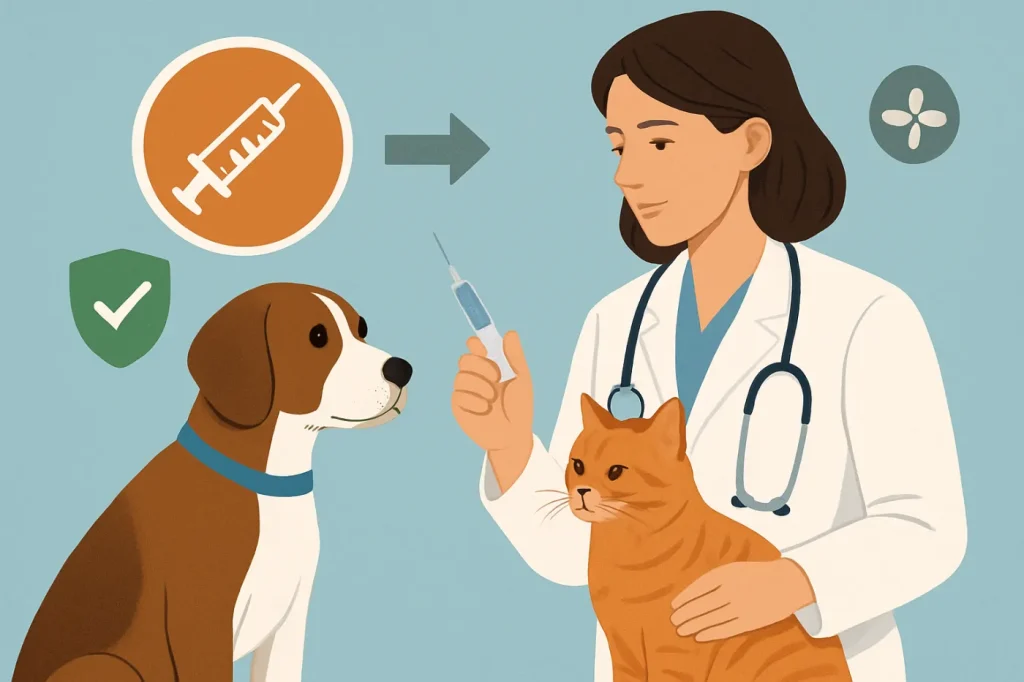
Before adding another pet to your household, make sure both your current animals and the new arrival are protected against preventable diseases and parasites. That means up-to-date core vaccines, parasite control for every pet, and a short quarantine and health check period so you are not accidentally bringing in illness that can spread through your home.
Key health and vaccination requirements before adding another pet
For most multi-pet homes in the United States, be prepared to meet these basic health requirements before a new dog or cat joins your household:
- Core vaccines current for all pets (dogs: distemper/parvo combination and rabies as advised by your vet; cats: panleukopenia/respiratory combination and rabies where required or recommended).
- Parasite prevention in place for fleas, ticks, heartworm (for dogs and some cats), and intestinal worms for both resident pets and the newcomer.
- Recent veterinary exam for existing pets if they are seniors, have chronic issues, or have lapsed vaccines or preventives.
- Planned quarantine or separation period for the new pet until a veterinarian has reviewed their records and any obvious illness has been ruled out.
- Testing where appropriate (for example, common infectious diseases in cats or dogs when recommended by your veterinarian based on age, history, and local risk).
- Written records of vaccines, deworming, and any medications for every pet in the home so your vet can see the full picture.
The exact schedule, products, and tests should be confirmed with your veterinarian, because age, health status, and local disease risks vary. Use the guidance below as a practical framework to prepare questions and decisions before you bring another animal home.
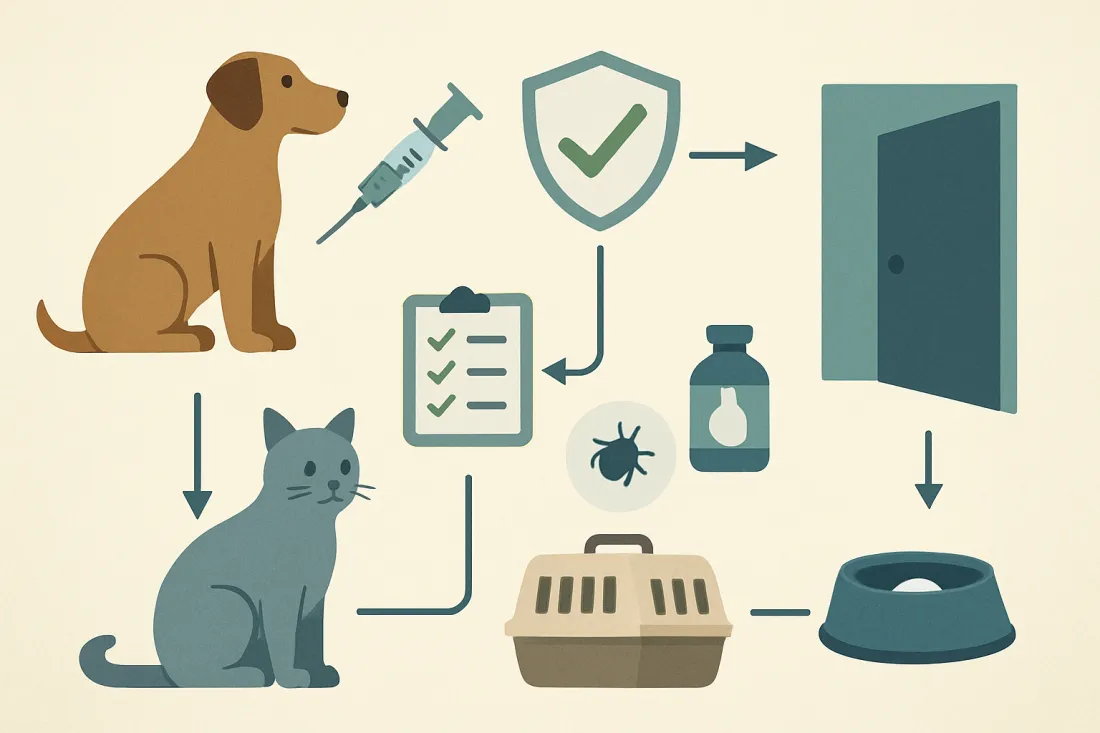
How your household situation changes health requirements
The right level of preparation depends on your current pets, the type of new pet, and where it is coming from. Before you commit, walk through these conditions:
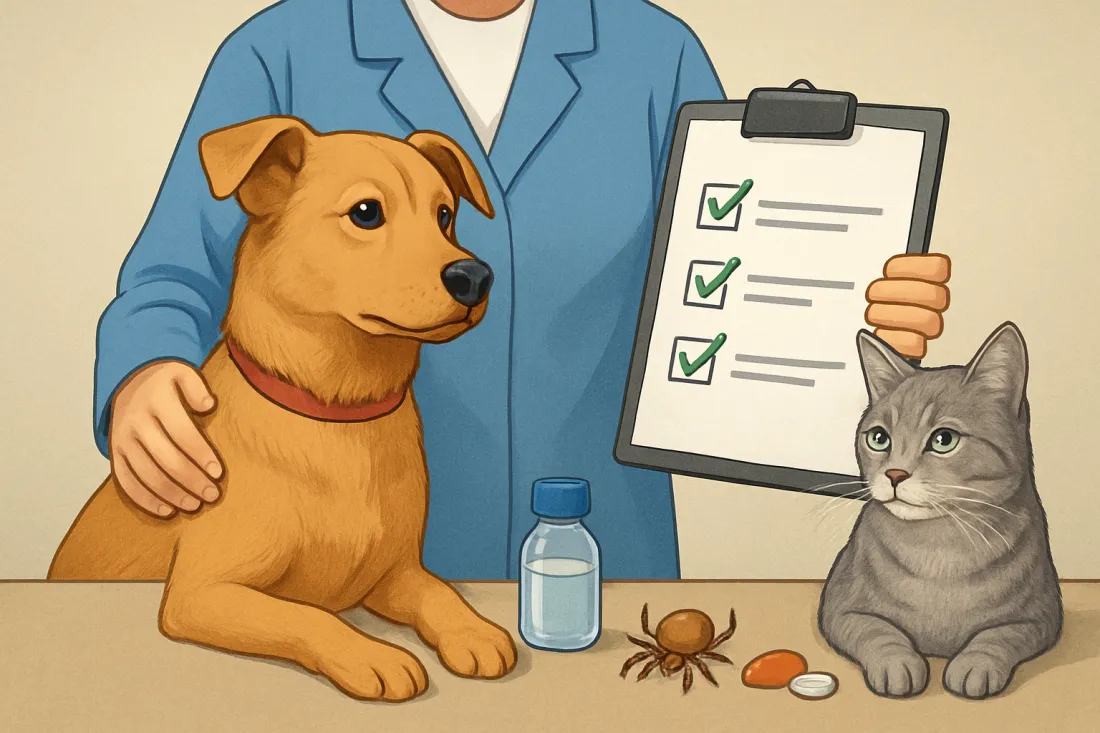
- Species mix: Dogs and cats share some parasites but have different core vaccines and disease risks. Plan separately for dog vaccines and cat vaccines, even in the same home.
- Age of existing pets: Puppies, kittens, and seniors are more vulnerable to disease and stress. They may need stricter quarantine, slower introductions, and closer monitoring.
- Health status: Pets with chronic illness or weakened immune systems are at higher risk from new infections. Your vet may recommend extra testing, longer quarantine, or delaying adoption.
- Source of the new pet: A pet from a well-run shelter or rescue often comes with basic vaccines and deworming started. A pet from a private rehoming, backyard breeder, or found as a stray may have unknown history and need more thorough screening.
- Indoor vs. outdoor access: Pets that go outdoors, visit dog parks, attend daycare, or live in multi-unit buildings are more exposed to disease and parasites, so prevention becomes even more important.
If you are still deciding whether your household is ready overall, a broader planning guide such as a what to do before adopting a pet checklist can help you evaluate time, space, and budget alongside health needs.
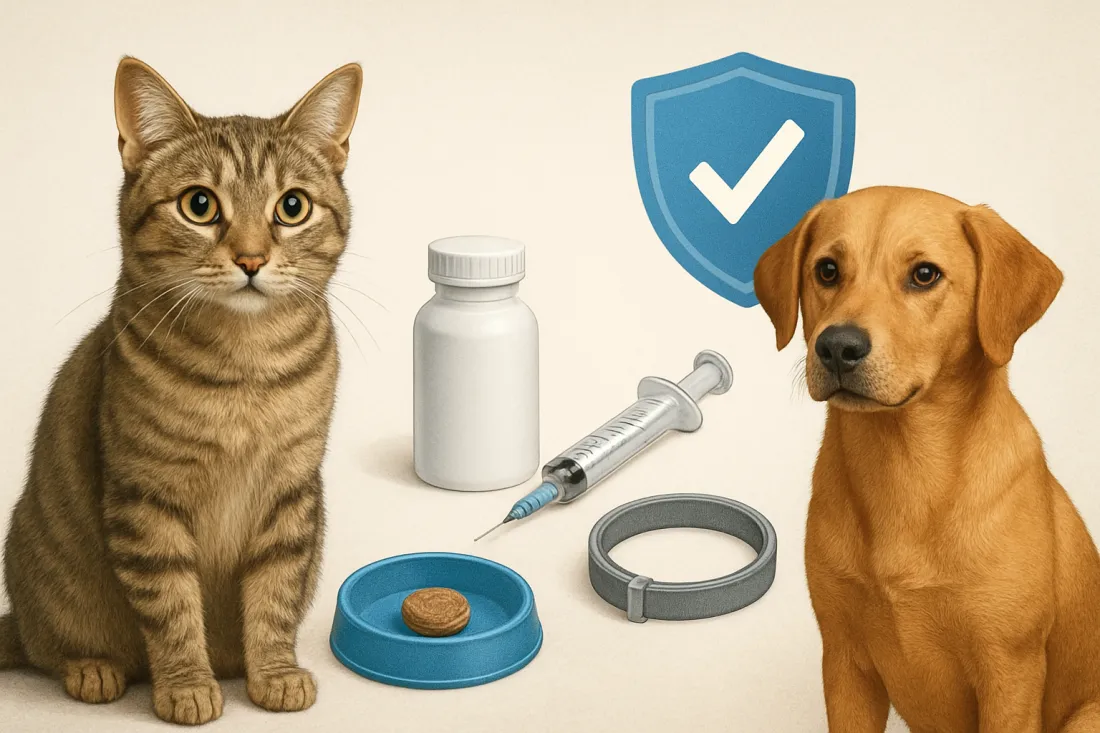
Core vaccines for dogs and cats in multi-pet homes
Core vaccines are widely recommended for almost all pets because the diseases are common and potentially severe. When you are adding another pet, the goal is for both the newcomer and your existing animals to be current on their core vaccines before they share space.
Core vaccines for dogs in multi-dog or mixed homes
Discuss these core vaccines with your veterinarian for every dog in the household:
- Distemper, parvovirus, and adenovirus combination (often part of a multi-way shot). This helps protect against parvo, which can be life-threatening, especially to puppies and unvaccinated dogs.
- Rabies, as required by your state or local laws and recommended by your vet.
Depending on your dog’s lifestyle and local risk, your vet may also recommend non-core vaccines (for example, for certain respiratory infections). These can be especially relevant if the new dog has been in a shelter, boarding, daycare, or other group setting.
Core vaccines for cats in multi-cat or mixed homes
For cats, core vaccines typically include:
- Panleukopenia, calicivirus, and herpesvirus combination (often called an FVRCP-type vaccine). Panleukopenia is similar to parvo in dogs and can be very serious, especially in kittens.
- Rabies where required or recommended by your veterinarian based on local risk and regulations.
In multi-cat homes, your vet may also discuss vaccines for certain viral infections, especially if cats go outdoors, attend boarding, or live in a high-density environment.
Timing considerations before the new pet arrives
- Puppies and kittens usually need a series of vaccines several weeks apart. A single early shot does not mean they are fully protected. Ask your vet what level of contact is safe at each stage.
- Adult pets that are overdue may need boosters before they are considered protected again. Plan enough time before adoption to schedule these.
- Newly adopted pets often receive at least one round of vaccines before you bring them home. Ask for dates and product names so your vet can plan the next steps.
Parasite prevention basics for multi-pet households
Fleas, ticks, and worms can spread quickly when you add another pet, especially if one animal arrives already infested. A basic parasite prevention plan protects both your new pet and the animals you already have.
Fleas and ticks
- Use vet-recommended preventives for every dog and cat in the home, not just the new arrival. Many products are given monthly or on another regular schedule; your vet can suggest options that fit your pets’ ages and weights.
- Start prevention before or at arrival for the new pet, if your vet confirms it is safe for their age and weight.
- Check for signs of infestation such as scratching, visible fleas, flea dirt (black specks), or ticks attached to the skin, especially in the first weeks after adoption.
- Clean the environment (bedding, soft furnishings, vacuuming carpets and upholstery) if you see any evidence of fleas to reduce reinfestation.
Intestinal worms and heartworm
- Deworming is commonly started by shelters or breeders, but it often needs to be repeated. Ask what has already been done and when.
- Stool checks (fecal exams) may be recommended by your vet, especially if the new pet has diarrhea, weight loss, or a dull coat.
- Routine preventives for heartworm and intestinal parasites are often combined in a single product for dogs and sometimes for cats. Your vet can suggest options suitable for all pets in the home.
- Outdoor exposure (mosquitoes, wildlife, contaminated soil) can increase parasite risk. Discuss your local environment with your veterinarian.
External parasites beyond fleas and ticks
Depending on your region and housing, your vet may also watch for mites or other parasites. If one pet develops ear scratching, hair loss, or skin irritation after a new pet arrives, schedule a checkup promptly so treatment can start before it spreads.
Quarantine and health screening for new pets
A short, planned quarantine period helps you catch illness early and protect your resident pets. It also gives the newcomer time to decompress in a quieter space, which can reduce stress-related illness.
How long to separate the new pet
The ideal length depends on your vet’s advice and the pet’s background, but many households aim for at least a brief separation while:
- Your vet reviews vaccine and medical records.
- Any obvious signs of illness (coughing, sneezing, diarrhea, vomiting) are monitored.
- Parasite treatment has had time to start working.
For some higher-risk situations (for example, a new cat from a crowded environment joining older or medically fragile cats), your vet may suggest a longer separation and specific testing before full contact.
What to include in a health screening
When you first bring the new pet home, plan to:
- Schedule a veterinary exam as soon as practical, ideally within the first week.
- Bring all available records including vaccines, deworming, spay/neuter information, and any test results.
- Discuss testing for common infectious diseases that are relevant to your species and region.
- Ask about behavior and stress, since stress can lower immunity and make illness more likely in the first weeks.
Practical quarantine setup at home
- Use a separate room or gated area for the new pet with its own food and water bowls, litter box (for cats), and bedding.
- Wash your hands between handling pets, especially if one is sneezing, coughing, or has diarrhea.
- Do not share grooming tools, toys, or litter scoops between pets until your vet is comfortable with full integration.
- Introduce scent and sight gradually (for example, swapping bedding or using baby gates) while you wait for health clearance.
Preventing spread of common diseases (parvo, panleukopenia, URI)
Some of the most concerning diseases in multi-pet homes are highly contagious and can be severe, especially for young or unvaccinated animals. You cannot eliminate all risk, but you can reduce it significantly with planning.
Parvovirus in dogs
- Risk factors: Unvaccinated or partially vaccinated puppies, crowded environments, and contaminated environments such as shared yards or dog parks.
- Prevention steps: Keep puppies on their vaccine schedule, avoid high-risk areas until your vet says they are protected, and be cautious about bringing in dogs with unknown vaccine history.
- At home: If a dog in your home has had parvo in the past, discuss environmental disinfection and waiting periods with your vet before adding another dog.
Panleukopenia in cats
- Risk factors: Unvaccinated cats and kittens, especially from crowded or outdoor environments.
- Prevention steps: Ensure all cats are current on their core vaccine that covers panleukopenia, and follow quarantine and hygiene measures when a new cat arrives.
- At home: If you have had a cat with panleukopenia in the household, ask your vet about environmental cleaning and how long to wait before adopting again.
Upper respiratory infections (URI), especially in cats
- Risk factors: Shelter environments, stress, and close contact between cats, particularly in small spaces.
- Prevention steps: Vaccination helps reduce severity, but does not always prevent infection entirely. Quarantine, good ventilation, and minimizing stress are also important.
- At home: Watch for sneezing, nasal or eye discharge, and decreased appetite in both new and resident cats after adoption, and contact your vet if you see these signs.
When existing pets should see the vet before adoption
It is easy to focus on the new pet and forget that your current animals may need a health check too. A pre-adoption visit for resident pets is especially important when:
- Vaccines are overdue or uncertain. Your vet can update core vaccines and advise on timing before the new pet arrives.
- Your pet is a senior. Older animals may be less tolerant of stress and more vulnerable to illness. A checkup can identify issues that might be worsened by the change.
- There is a history of chronic disease such as respiratory problems, immune issues, or digestive conditions. Your vet may recommend extra precautions or even advise against adding another pet right now.
- Behavior concerns exist (anxiety, aggression, or resource guarding). While this is not strictly medical, your vet can refer you to behavior support so introductions are safer.
- Parasite prevention is inconsistent. A visit is a good time to choose a parasite control plan that works for all pets in the home.
If you are adopting through an organization that requires a home visit or has specific health criteria, resources on home visit requirements for dog adoption can help you understand what they may look for beyond vaccines.
Comparison table: health preparation for different multi-pet scenarios
Use this table to compare how your preparation might change depending on the type of new pet and your existing household.
| Household scenario | Key health priorities | Higher-risk mistakes | Best next step |
|---|---|---|---|
| Adult dog joining a vaccinated adult dog | Confirm both dogs are current on core vaccines and parasite prevention; plan gradual introductions and separate feeding at first. | Skipping a vet review of the new dog’s records; allowing immediate nose-to-nose contact without quarantine. | Book a vet visit for the new dog within the first week and keep dogs separated except for controlled meetings. |
| Puppy joining adult dogs | Protect the puppy while its vaccine series is in progress; ensure adult dogs are fully vaccinated and on preventives. | Taking the puppy to dog parks too early; letting adult dogs share bowls and toys before your vet approves. | Ask your vet what contact is safe at each vaccine stage and use baby gates or pens to manage interactions. |
| Adult cat joining vaccinated indoor cats | Confirm core vaccines; consider testing for common feline infections as advised by your vet; use a separate room at first. | Letting cats share litter boxes immediately; ignoring mild sneezing or eye discharge in the new cat. | Set up a dedicated room for the new cat and schedule a vet exam and any recommended tests. |
| Kitten joining older or medically fragile cats | Strict quarantine; careful vaccine planning; close monitoring for respiratory or digestive signs. | Rushing introductions; allowing shared grooming or close contact before health clearance. | Discuss risks with your vet before adoption and be prepared for a longer separation period. |
| First pet from unknown background (stray or informal rehoming) | Full health exam, vaccines started, parasite control, and testing as recommended. | Assuming a healthy appearance means no disease; delaying the first vet visit. | Arrange a vet appointment as soon as possible after bringing the pet home and keep them separate from other animals. |
Common mistakes to avoid when adding another pet
Many health problems in multi-pet homes come from avoidable oversights. Watch out for these typical mistakes:
- Skipping quarantine because the new pet “looks healthy.” Some infections are contagious before obvious signs appear.
- Relying on verbal vaccine claims without written records. Always ask for dates and product names, or plan to restart vaccines with your vet’s guidance.
- Assuming indoor pets do not need parasite prevention. Fleas, ticks, and worms can still enter the home on clothing, shoes, or other animals.
- Introducing food and water sharing too early. Shared bowls can spread some infections and make it harder to monitor who is eating and drinking normally.
- Ignoring mild signs of illness such as soft stool, sneezing, or decreased appetite in the first weeks. Early contact with your vet can prevent bigger problems.
- Underestimating stress. Stress from a new housemate can weaken immunity. Provide hiding spots, quiet time, and gradual introductions.
Health clearance checklist for multi-pet homes
Use this structured checklist to prepare your household before another pet arrives. You can bring it to your veterinarian to confirm each point.
Step 1: Review existing pets’ status
- Confirm each pet’s last core vaccine date and ask your vet if a booster is due before adoption.
- List current parasite preventives (product types and schedule) for each pet.
- Note any chronic health conditions or medications your pets are on.
- Schedule a pre-adoption checkup if vaccines are overdue, your pet is a senior, or has ongoing health issues.
Step 2: Gather information about the new pet
- Ask for written medical records including vaccines, deworming, and test results.
- Find out the pet’s approximate age, origin, and housing history (shelter, foster, breeder, outdoor, etc.).
- Ask whether the pet has shown any recent signs of illness such as coughing, sneezing, vomiting, or diarrhea.
- Confirm whether the pet is spayed or neutered or if that is planned.
Step 3: Plan quarantine and environment
- Choose a separate room or area for the new pet with its own bowls, bedding, and (for cats) litter box.
- Decide how you will rotate time and attention between pets during the separation period.
- Prepare cleaning supplies for litter, accidents, and routine disinfection.
- Set up safe barriers (baby gates, crates, carriers) for gradual visual introductions.
Step 4: Coordinate with your veterinarian
- Book a new pet exam within the first week of adoption, or sooner if advised.
- Ask which tests or additional vaccines are recommended based on your region and household.
- Confirm a parasite prevention plan that covers all pets and is safe for their ages and weights.
- Discuss any special risks (previous serious illness in the home, immune-compromised pets, or very young animals).
Step 5: Monitor after introduction
- Track each pet’s appetite, energy, and bathroom habits for the first few weeks.
- Watch for respiratory signs (sneezing, coughing, nasal discharge) or digestive issues (vomiting, diarrhea).
- Check for scratching, hair loss, or visible parasites on skin and coat.
- Contact your vet promptly if you notice changes, especially in young, senior, or medically fragile pets.
Decision criteria: are you ready to add another pet now?
Before you finalize adoption, pause and review these decision points:
- All resident pets are up to date on core vaccines or have a clear plan to get there before close contact.
- You can afford initial and ongoing veterinary care, including exams, vaccines, and preventives for every pet.
- You have space for quarantine and gradual introductions without crowding or constant conflict.
- You have time to monitor health, manage separate feeding, and attend vet appointments. If you are unsure, guidance on time requirements for dog and cat adoption can help you plan.
- Your vet is on board with your plan and has no major concerns about your current pets’ ability to handle a new housemate.
If several of these points are not yet true, consider delaying adoption until you can address them. A short wait now can prevent stressful and expensive health problems later.
FAQ about health and vaccination requirements before adding another pet
What should I understand about vaccines before bringing a new pet into a home with existing animals?
Understand that vaccines work on a schedule and may require multiple doses, especially for puppies and kittens. Your existing pets should be current on their core vaccines before close contact with a newcomer, and the new pet’s vaccine history should be documented and reviewed by your veterinarian. Some vaccines reduce disease severity rather than preventing infection entirely, so you still need quarantine, hygiene, and monitoring in the first weeks.
What health-related mistakes should I avoid when adding a second or third pet?
Avoid skipping quarantine because the new pet looks healthy, accepting verbal vaccine claims without written records, assuming indoor-only animals do not need parasite prevention, and ignoring mild signs of illness during the adjustment period. Another frequent error is focusing only on the new pet’s health while overlooking overdue vaccines or unmanaged conditions in existing pets. Being proactive about these issues greatly reduces the chance of disease spreading through your household.
What should I do next if I am planning to adopt another pet soon?
First, gather your current pets’ medical records and schedule a vet appointment if vaccines or checkups are overdue. Second, contact the shelter, rescue, or current owner of the pet you are considering and request written health records. Third, set up a separate space in your home for quarantine and gradual introductions. Finally, book a new pet exam with your veterinarian timed for shortly after adoption so you can confirm vaccines, parasite prevention, and any needed tests.
Conclusion: building a healthy multi-pet home
Adding another pet is a big step for your household and for the animals you already love. By focusing on core vaccines, parasite prevention, quarantine, and honest communication with your veterinarian, you create a safer environment where all pets can thrive. Use the checklist and decision points above to prepare, ask questions, and adjust your timeline if needed. A thoughtful approach to health and vaccination requirements now sets the foundation for a peaceful, long-term multi-pet family.