
How to tell what pet is right for your lifestyle
Choosing a pet is less about which animal looks cutest and more about whether their needs fit your real, everyday life. The right match usually comes down to five things: 1. How much time you reliably have 2. Your home environment 3. Your activity level 4. Your budget and tolerance for mess/noise 5. The kind of relationship you want with a pet If you’re honest about those, you can quickly narrow down what type of dog or cat (or whether you should wait) is right for you.
Why honest self-assessment matters before getting a pet
A dog or cat will depend on you every day for years. When lifestyle and pet needs don’t match, common outcomes are: – Constant stress for you (chewed furniture, accidents, barking, scratched doors) – Bored, anxious, or overweight pets – Rehoming or surrendering the pet to a shelter Self-assessment matters because: – It prevents choosing based on looks or trends alone – It helps you say “no” to pets that are wonderful but wrong for you – It gives shelters and rescues clear information so they can suggest good matches Think of it as planning for a long-term relationship, not a weekend project.
Time and availability: how many hours can you really give?
Time is usually the biggest deal-breaker. Be brutally realistic about a normal weekday, not your best day. Ask yourself: – How many hours are you away from home most weekdays? – How often do you travel overnight or for weekends? – Do you work from home or on-site? – How much time can you commit daily to walking, playing, and training? General guidance for dogs – Puppies: Need very frequent potty breaks, training, and supervision. Long workdays away from home usually do not mix well with puppies unless you have reliable help. – Young active dogs: Need daily exercise and mental stimulation. Long days alone can lead to destructive behavior or excessive barking. – Adult, lower-energy dogs: Often cope better with a workday alone if they get a solid walk and interaction before and after. General guidance for cats – Most adult cats: Usually tolerate a standard workday alone if they have food, water, litter, and enrichment. – Kittens: Need more supervision, play, and safe spaces, but still typically require less hands-on time than puppies. Time red flags If any of these are true, be cautious about high-energy or very social dogs: – You’re away 10–12 hours most days with no dog walker or support – You travel frequently and cannot bring a pet – Your schedule changes unpredictably and you cannot commit to daily routines In those cases, an adult cat or waiting until life is more stable may be kinder to both you and the animal.
Home environment: matching pets to your space and household
Your home affects what kind of pet will be comfortable and safe. Consider: – Do you live in an apartment, townhouse, or detached house? – Is there a yard or nearby safe walking area? – Are there children in the home? What ages? – Do you have roommates or other pets? – Are there landlord or HOA pet rules (size, breed, number of pets)? Apartment or small space – Usually better suited to cats or small-to-medium, lower-energy dogs – Thin walls may make barking a serious issue – Elevators and shared hallways mean more leashes and management House with yard – Helpful for potty breaks and play, but not a substitute for walks and interaction – May be more comfortable for larger dogs or multiple pets Kids and other pets – Young children: Look for patient, tolerant, and sturdy pets; avoid very fragile or easily overwhelmed animals. – Existing pets: Consider whether they enjoy other animals or prefer being the only pet. Home environment red flags – Strict pet size or breed limits you cannot negotiate – Roommates who strongly dislike pets or have allergies – No safe outdoor area nearby for dog walks If your housing is uncertain or temporary, it may be better to foster or wait before adopting.
Activity level and hobbies: do you want a running buddy or a couch companion?
Your energy level should roughly match your pet’s. Ask yourself: – How many days a week do you exercise, and for how long? – Do you enjoy outdoor activities in all seasons, or mostly stay indoors? – Do you want a pet to motivate you to be more active, or to relax with you? If you’re very active – Consider dogs that enjoy longer walks, hikes, or runs – Look for a temperament that likes training and games If you’re moderately active – Many adult dogs with medium energy or playful cats can be a good fit – Think in terms of daily walks plus some playtime If you’re low activity or have mobility limits – Lower-energy adult dogs or calm adult cats may be ideal – Avoid high-energy, working-type dogs that need intense exercise A mismatch here often leads to frustration: an under-exercised dog may bark, dig, or chew; a very playful cat may pester you constantly if you prefer quiet.
Budget and tolerance for mess and noise
Pets bring joy, but also ongoing costs and household impact. Budget considerations Plan for: – Food and litter – Routine vet care and vaccinations – Emergency vet visits – Grooming (for some dog breeds and long-haired cats) – Pet insurance or savings for unexpected costs Larger dogs generally eat more and may have higher routine costs than smaller dogs or cats. Long-haired pets may need more grooming, which can add up over time. Mess and noise tolerance Ask yourself: – Are you okay with fur on furniture and clothes? – How do you feel about occasional accidents or hairballs? – Can you handle barking, meowing, or zoomies at inconvenient times? If you are very sensitive to noise or clutter, consider: – Quieter, lower-energy dogs – Adult cats that are already litter-trained and calmer – Short-haired pets if shedding bothers you less than long hair
Lifestyle profiles and matching pet temperaments
Use these common lifestyle profiles to quickly see what might fit you. Many people fall between categories; that’s normal.
| Lifestyle profile | Typical day | Better-suited pet types | Usually poor matches |
|---|---|---|---|
| Homebody | Spends lots of time at home, enjoys quiet evenings, limited travel. | Affectionate adult cats, lower-energy adult dogs, shy or reserved pets that like a calm home. | Very independent pets that dislike handling, extremely high-energy dogs needing constant adventure. |
| Weekend warrior | Works weekdays, active on weekends with hikes, parks, or trips. | Medium-energy dogs that enjoy walks and weekend adventures, playful cats that handle some alone time. | Very high-energy working-type dogs that need intense daily exercise, extremely clingy pets that struggle with weekday alone time. |
| Busy professional | Long work hours, occasional travel, social evenings out. | Independent adult cats, bonded pair of cats for company, calm adult dogs if you can afford walkers or daycare. | Puppies, high-energy young dogs, pets with separation anxiety or special medical needs. |
| Family with kids | Multiple people at home, school and activity schedules, lively household. | Patient, kid-tolerant dogs or cats, sturdy medium-sized pets, adult animals with known history around children. | Very fragile or tiny pets with high injury risk, easily startled or aggressive animals, pets that dislike noise and chaos. |
| Roommates or shared housing | Several adults sharing space, varying schedules, possible visitors. | Social, adaptable cats or dogs comfortable with multiple people, pets that are okay with some noise and change. | Very territorial pets, animals with a history of resource guarding or fear of strangers. |
Use this table as a starting point, then refine based on your specific time, home, and budget.
Structured lifestyle self-assessment checklist
Work through this checklist and note your answers. Bring them with you when you talk to a shelter or rescue.
- Time at home
- On a typical weekday, I am away from home for: less than 6 hours / 6–9 hours / more than 9 hours.
- I can reliably spend this much focused time with a pet daily (walks, play, training): 30 minutes / 1 hour / 2+ hours.
- My schedule is: very predictable / somewhat predictable / constantly changing.
- Travel and social life
- I travel overnight: rarely / a few times a year / monthly or more.
- Evenings out (dinners, events) per week: 0–1 / 2–3 / 4+.
- I have reliable pet care help (friends, family, sitters): yes / sometimes / no.
- Home setup
- Type of home: apartment / townhouse / house with yard.
- Pet rules: size limits / breed limits / pet deposit / none / not sure (need to check).
- Other residents: young kids / teens / adults / elderly / other pets (specify species and temperament).
- Nearby safe walking or play areas: yes, easy access / limited / none.
- Activity level
- Most days I move or exercise for: under 20 minutes / 20–45 minutes / 45+ minutes.
- Preferred activities: couch and reading / short walks / long walks / runs / hikes and outdoor sports.
- I want a pet to: mostly relax with me / join me on moderate outings / be a serious exercise partner.
- Budget and household tolerance
- Monthly budget for pet care (food, litter, routine vet, basic supplies): low / moderate / flexible (decide your own ranges).
- I am okay with: some fur on furniture / frequent vacuuming / strict no-fur-on-furniture rules.
- Noise tolerance: very low / moderate / high.
- Willingness to clean up accidents or hairballs: low / moderate / high.
- Relationship expectations
- I want a pet that is: very cuddly / sometimes cuddly / mostly independent.
- I am interested in: training and teaching tricks / basic manners only / minimal training.
- My ideal pet will: follow me everywhere / hang out nearby / do its own thing most of the time.
When you’re done, look for patterns. For example: – Long days away + low noise tolerance + apartment: often points toward an adult cat or two. – Predictable schedule + house with yard + moderate activity: often fits a medium-energy adult dog. – Unpredictable schedule + frequent travel + tight budget: may mean waiting, fostering, or choosing a very low-maintenance pet.
Common mistakes when choosing a pet for your lifestyle
Avoid these frequent pitfalls:
- Choosing by looks or social media trends
A dog or cat can be adorable and still be a terrible fit for your life. Focus on temperament and needs, not just appearance. - Underestimating time for puppies and kittens
Puppies especially need house training, socialization, and constant supervision. Kittens also need play, safe spaces, and gradual introductions. If you barely have time for yourself, a baby animal may not be right now. - Ignoring landlord or housing rules
Adopting first and checking rules later can lead to heartbreaking rehoming. Always confirm pet policies before bringing an animal home. - Overestimating how active you’ll become
Hoping a high-energy dog will “force” you to exercise can backfire. Choose a pet that fits your current, realistic activity level, not your ideal future self. - Forgetting about long-term changes
Think about upcoming life events: moves, job changes, new babies, or school. While you cannot predict everything, be honest about major changes you already see coming. - Not budgeting for vet care
Routine and emergency vet visits are part of responsible pet ownership. Plan how you’ll handle unexpected costs before you adopt.
Decision guide: matching your answers to pet types
Use this as a quick reference to connect your self-assessment to general pet options.
- If you are away 9+ hours most days and have limited help
- Often better: adult cats, possibly a bonded pair for company.
- Be cautious with: puppies, high-energy dogs, or pets with separation anxiety.
- If you have a predictable schedule and enjoy daily walks
- Often better: medium-energy adult dogs that enjoy walks and play but can relax at home.
- Also consider: playful cats if you prefer indoor companions.
- If you live in a small apartment with thin walls
- Often better: cats, small or quiet dog breeds, older dogs that bark less.
- Be cautious with: very vocal or high-energy dogs that may disturb neighbors.
- If you have young children
- Often better: adult pets with known, kid-friendly histories.
- Be cautious with: very fragile small pets or animals that are easily startled.
- If your budget is tight
- Often better: smaller pets that eat less, adult animals with no known special medical needs.
- Plan to: compare local vet costs, ask shelters about typical expenses, and consider pet insurance or a savings plan.
If you want more detail on family-focused choices, you can also read what kind of pet is right for my family for additional examples.
What to bring and how to prepare for a shelter or rescue visit
Once you’ve done your self-assessment, the next step is meeting real animals. A little preparation makes those visits much more productive. Bring with you – Your written self-assessment (notes from the checklist above) – Proof of housing situation if needed (lease, landlord contact, or written pet policy) – Photo ID and any documents the shelter asks for in advance – Questions list for staff or volunteers – Photos or videos of your home (optional) to show where the pet will live For a deeper readiness review, you can also use the guidance in what to do before adopting a pet checklist. Key questions to ask about each dog or cat – What is their typical energy level like day to day? – How do they handle being alone? – What do you know about their history with kids, other pets, or strangers? – Do they have any medical or behavioral needs I should plan for? – What kind of home do you think they would do best in? How to behave during the visit – Take your time; don’t feel pressured to decide immediately. – Observe the animal’s body language: relaxed, curious, nervous, or overwhelmed. – Ask to see how they walk on a leash (for dogs) or interact in a quiet room. – Be honest about your lifestyle with staff; they are there to help you find a good match. If you’re considering a shelter dog or cat specifically, you may find it helpful to read how to choose the right shelter dog or cat before you go.
What to do next after reading this guide
Turn your ideas into action with these steps:
- Complete the lifestyle self-assessment checklist and write down your answers.
- Highlight your non-negotiables (for example: must be okay alone 8 hours, must be good with kids, low noise).
- Talk with everyone in your household and agree on responsibilities and limits.
- Check your housing rules and budget so there are no surprises.
- Contact local shelters or rescues and share your lifestyle summary when you inquire.
- Visit with an open mind, focusing on temperament and fit rather than a specific look.
- Be willing to walk away and wait for the right match instead of forcing a poor fit.
Responsible pet ownership starts before you adopt. The more honestly you match a pet to your lifestyle, the more likely you are to build a happy, long-term bond.
FAQ: choosing the right pet for your lifestyle
What should I understand first about what pet is right for my lifestyle?
The most important thing to understand is that your daily routine and limits matter more than your ideal image of pet ownership. Start with how much time you are home, how active you truly are, your home rules, and your budget. Then look for a dog or cat whose energy level, independence, and social needs fit inside those boundaries. A pet that matches your real life, even if it is not the exact breed or color you imagined, will almost always lead to a happier relationship.
What are the biggest mistakes people make when picking a pet for their lifestyle?
Common mistakes include choosing based on looks or trends, underestimating the time puppies and kittens need, ignoring housing rules, and assuming they will suddenly become much more active to keep up with a high-energy dog. Another frequent error is not planning for ongoing vet and care costs. Avoiding these mistakes means being honest about your habits, checking your lease or housing policies, and talking openly with shelter staff about your limits before you adopt.
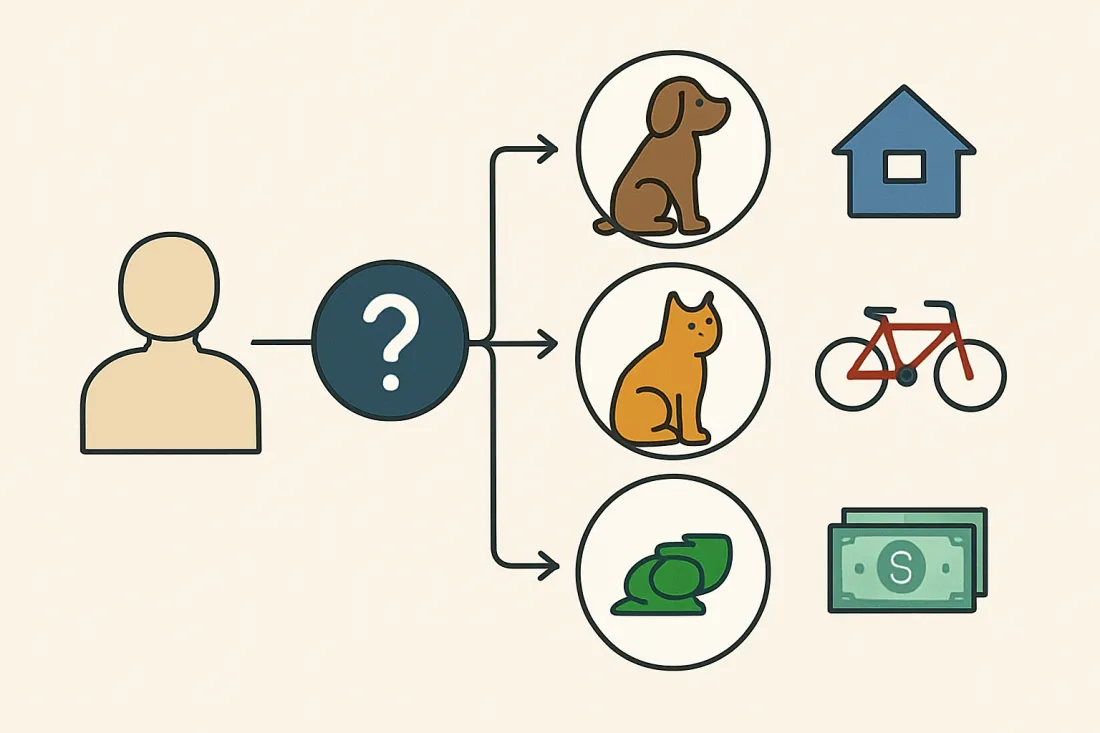
How can I quickly narrow down whether a dog or a cat is better for me?
If you are away from home for long stretches, prefer a quieter household, and want a companion that is more independent, an adult cat or pair of cats often fits better. If you have time for daily walks, enjoy training and outdoor activities, and want a more hands-on, interactive relationship, a dog may be a better match. Your schedule, noise tolerance, and desire for structured exercise are usually the fastest ways to decide between the two.

What should I do next after deciding what kind of pet fits my lifestyle?
Once you have a clear picture of your lifestyle and the type of pet that fits it, write down your key criteria and share them with local shelters or rescues. Confirm your housing rules and budget, then schedule visits to meet animals that match your needs. During each visit, ask about the pet’s energy level, history with kids or other pets, and how they handle being alone. Take your time, and be prepared to wait for a pet that truly fits instead of rushing into the first option you see.