Safe ways to save money on vet bills, in one view
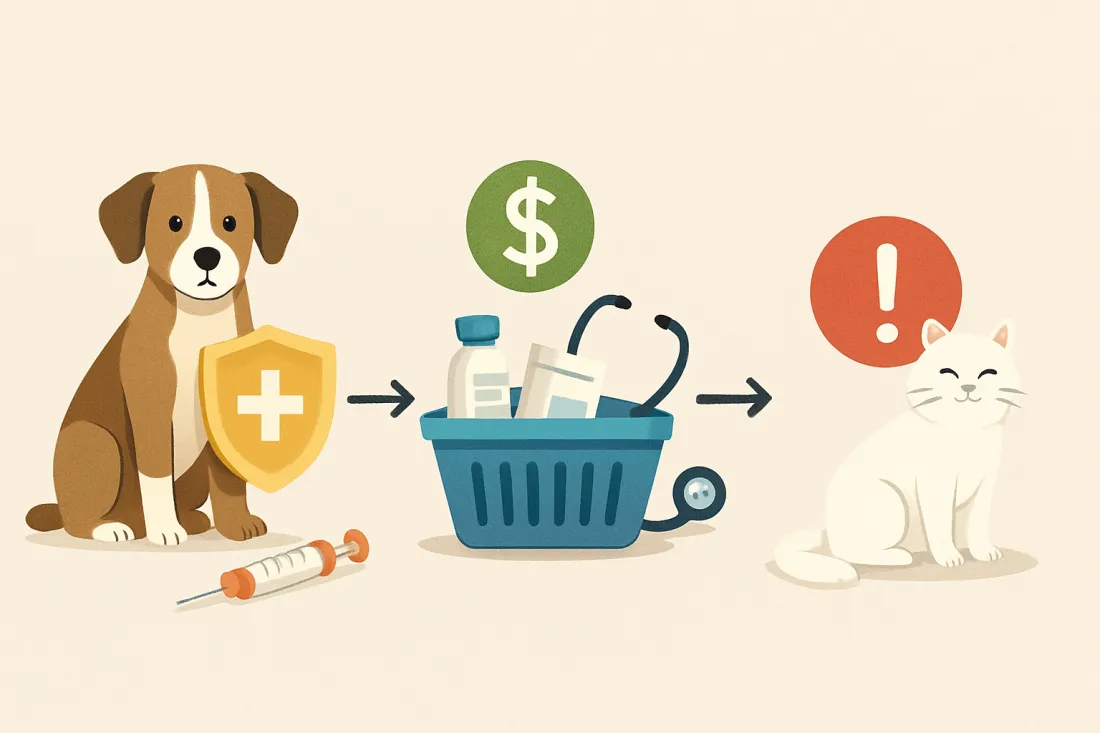
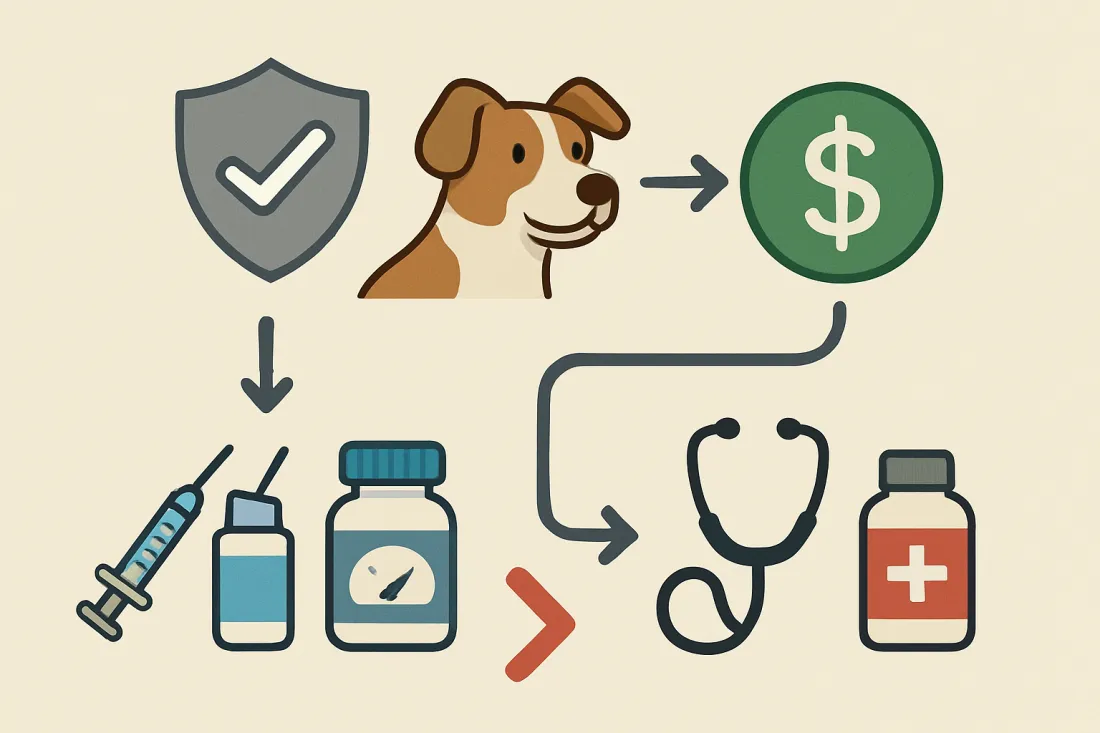
You can lower vet costs safely by doing three things consistently:
- Prevent problems early with vaccines, parasite control, and weight management.
- Shop smart for care you already need (compare clinics, ask about generics, use telehealth when appropriate).
- Avoid risky shortcuts (skipping exams, using human meds, or DIY treatments) that often lead to bigger, more expensive emergencies.
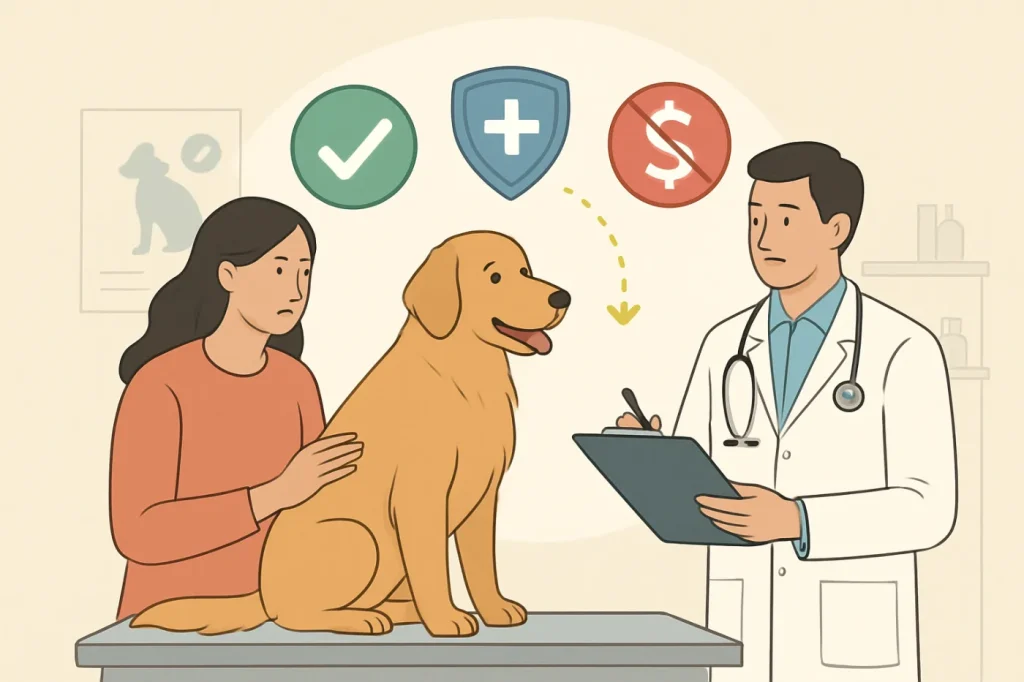
The goal is not “cheap care at any cost,” but the best care you can reasonably afford, without putting your pet at risk.
Why “cheap” vet care can become very expensive later
Trying to save money by cutting corners often backfires. Understanding how that happens helps you decide where you can safely save and where you should not.
Skipping preventive care leads to bigger bills
It can be tempting to delay vaccines, parasite prevention, or dental cleanings to “save for emergencies.” The problem: many emergencies are exactly what preventive care is designed to avoid. Examples of how skipping prevention can cost more later:
- Vaccines: Skipping core vaccines can increase the risk of serious infections that may require hospitalization, intensive care, or even isolation protocols, all of which are far more expensive than a routine vaccine visit.
- Parasite prevention: Flea, tick, and heartworm preventives cost money each month, but treating a heavy infestation, tick‑borne disease, or heartworm infection can mean multiple visits, lab work, and long treatment courses.
- Dental care: Ignoring dental disease can lead to painful infections, tooth extractions, and even systemic illness. A planned dental cleaning is usually far less costly than emergency treatment for an abscessed tooth.
Delaying exams until a crisis
Many conditions are cheaper to treat when caught early. If you wait until your pet is obviously very sick, your vet may need:
- More extensive diagnostics (imaging, multiple lab panels).
- Hospitalization or intensive monitoring.
- Stronger, more expensive medications or procedures.
A routine exam fee can feel like “extra,” but it often replaces a much larger emergency bill later.
Chasing the lowest price without checking quality
Choosing a clinic only because it is the cheapest can also backfire. If care is rushed, communication is poor, or follow‑up is lacking, you might:
- Need repeat visits to fix unresolved problems.
- Pay for duplicated tests because records are incomplete or not shared.
- Lose trust and switch clinics, paying new‑client exam fees again.
Saving safely means balancing cost with competence, communication, and continuity of care.
Low-cost clinics, vaccine clinics, and spay/neuter programs in the US
There are many legitimate ways to access lower‑cost veterinary services in the United States without sacrificing safety.
Types of lower-cost veterinary options
- Nonprofit or community clinics: Often run by animal welfare organizations or charities. They may offer basic exams, vaccines, spay/neuter, and simple treatments at reduced fees for everyone or for qualifying income levels.
- Vaccine and wellness clinics: These focus on vaccines, parasite prevention, and simple wellness services. They usually do not handle complex illnesses or emergencies but can be a safe, affordable way to keep up with routine care.
- Spay/neuter programs: Many areas have subsidized or low‑cost spay/neuter services through shelters, rescue groups, or mobile clinics. These programs typically use licensed veterinarians and standard anesthetic protocols.
- Veterinary school teaching hospitals: Some university hospitals offer reduced‑cost care for certain procedures or clinical trials. Care is supervised by licensed vets and specialists.
How to check that a low-cost option is safe
Before booking with a low‑cost provider, do a quick safety check:
- Confirm they use licensed veterinarians and technicians. Ask directly: “Will my pet be seen and treated by a licensed veterinarian?”
- Ask what services are included. For example, a low‑cost spay might include surgery and basic pain control but not pre‑anesthetic bloodwork or an IV catheter. Knowing this helps you compare fairly.
- Check how they handle complications. Ask: “If there is a complication during or after surgery, where will my pet be treated and who is responsible for that care?”
- Look at their scope of practice. Vaccine clinics are great for healthy pets needing routine shots, but not for pets with chronic disease or complex symptoms.
If anything feels unclear or rushed, it is reasonable to ask more questions or choose a different provider.
How to compare vet clinic prices without sacrificing quality
Comparing clinics is not just about the lowest number. You want the best value: solid medical care, clear communication, and predictable costs.
What to compare between clinics
Focus on a few key categories:
- Exam fees: Ask for the cost of a standard wellness exam and a sick visit exam.
- Core services: Vaccines, spay/neuter, dental cleaning, and common diagnostics (like basic bloodwork).
- Package options: Wellness plans, vaccine bundles, or dental packages that may spread costs out.
- Payment flexibility: Whether they accept payment plans, third‑party financing, or pet insurance claims.
- Communication style: How clearly they explain options, risks, and costs before treatment.
Questions to ask when calling clinics
When you call for estimates, you can say:
- “I am comparing clinics. Could you share your typical exam fee and an approximate range for a routine vaccine visit for a healthy adult dog/cat?”
- “Do you offer written treatment plans with itemized costs before you proceed?”
- “Are there wellness plans or membership programs that help spread out preventive care costs?”
- “How do you handle after‑hours emergencies? Do you refer to an emergency hospital?”
You are not asking for a guaranteed quote, just a realistic range and a sense of how transparent they are.
Comparison table: clinic types and when they fit
| Clinic type | Best for | Cost profile | Main advantages | Key limitations / risks |
|---|---|---|---|---|
| Full-service private clinic | Ongoing care, diagnostics, chronic conditions, most surgeries | Moderate to higher per visit, but can be cost‑effective over time with continuity | Complete records, consistent vet, broad services, tailored plans | May feel expensive upfront; prices vary widely; may not offer income‑based discounts |
| Nonprofit / community clinic | Basic exams, vaccines, minor illnesses, spay/neuter | Lower fees, sometimes sliding scale or income‑based | Accessible pricing, mission‑driven, can cover essential care | Limited services; may have longer wait times; less continuity with the same vet |
| Vaccine / wellness clinic | Healthy pets needing vaccines, microchips, parasite prevention | Low cost per service, streamlined visits | Fast, affordable preventive care, convenient locations/hours | Not designed for sick pets or complex cases; minimal diagnostics |
| Emergency hospital | Life‑threatening emergencies, after‑hours crises | Highest cost per visit due to staffing, equipment, and 24/7 availability | Immediate access to advanced care, intensive monitoring | Not for routine care; costs can escalate quickly in serious cases |
Use this table to decide which setting is appropriate for each need. For example, you might use a vaccine clinic for routine shots but keep a full‑service clinic for exams, illnesses, and follow‑up.
Safe ways to save: generics, telehealth, wellness packages, and more
There are several legitimate ways to reduce costs while keeping medical standards high.
Ask about generic medications and alternatives
Many veterinary medications have generic versions or alternative drugs in the same class that may cost less. How to approach this safely:
- Ask: “Is there a generic or lower‑cost alternative that would be equally effective and safe for my pet?”
- Use the same active ingredient, dose, and form your vet prescribes; do not substitute on your own.
- Discuss whether a different dosing schedule, formulation, or combination product could reduce cost without reducing effectiveness.
If your vet writes a prescription, you may be able to fill it at a reputable pharmacy. Always confirm the exact product and dose with your vet before switching sources.
Use telehealth and nurse triage appropriately
Telehealth can sometimes save you a trip, especially for:
- Follow‑up questions after a recent visit.
- Behavior or training concerns.
- Medication refills when your pet is stable and recently examined.
- Deciding whether a symptom needs an in‑person visit or emergency care.
Limitations:
- Telehealth cannot replace a physical exam for new, serious, or rapidly worsening problems.
- In many cases, vets are legally required to have an existing veterinarian‑client‑patient relationship before diagnosing or prescribing.
Telehealth is best used as a supplement, not a full replacement, for hands‑on care.
Consider wellness plans and packages
Some clinics offer wellness plans or membership programs that bundle preventive services into a monthly fee. These may include:
- Annual exams and booster vaccines.
- Routine bloodwork or screening tests.
- Discounts on additional services or products.
Wellness plans can help by:
- Spreading costs out over the year instead of large one‑time bills.
- Encouraging you to keep up with preventive visits, which can catch problems earlier.
Before enrolling, ask:
- “What exactly is included and what is not?”
- “Is there a minimum contract length or cancellation fee?”
- “Does this plan fit my pet’s age, lifestyle, and current health?”
Plan ahead for big procedures
For predictable big‑ticket items like spay/neuter, dental cleanings, or planned surgeries:
- Ask for an itemized estimate well in advance.
- Discuss options such as staging procedures (for example, addressing the most urgent dental issues first).
- Set aside a small amount regularly into a dedicated pet fund.
- Ask whether scheduling during certain times (for example, slower seasons) affects availability or pricing.
If your pet has a chronic illness, a guide like budgeting for chronic illness vet bills can help you plan for ongoing costs.
Unsafe cost-cutting to avoid completely
Some ways of “saving” money are dangerous and often end up costing far more.
Using human medications without veterinary guidance
Many human drugs are unsafe or even deadly for pets, even in small amounts. Dosing is different, and some ingredients that are harmless to humans are toxic to animals. Avoid:
- Giving over‑the‑counter pain relievers or cold medicines without explicit veterinary instructions.
- Using leftover human antibiotics or sharing medications between pets.
- Crushing or splitting tablets to “approximate” a dose without vet approval.
Always call a vet or a pet poison hotline before giving any human medication.
DIY surgery or invasive procedures
Trying to perform your own procedures to avoid vet fees is extremely risky. This includes:
- Attempting to remove lumps, growths, or embedded objects yourself.
- Trying to lance abscesses or drain wounds without proper training and sterile equipment.
- Attempting home dental scaling under no or improvised sedation.
These actions can cause severe pain, infection, uncontrolled bleeding, or life‑threatening complications, and they often lead to emergency vet visits that are far more expensive than proper care would have been.
Skipping exams and diagnostics entirely
Refusing all diagnostics or exams to save money can be dangerous. While it is reasonable to prioritize the most useful tests when funds are limited, skipping everything leaves your vet guessing. Safer approach:
- Tell your vet your budget upfront.
- Ask which one or two tests will give the most critical information.
- Discuss “stepwise” plans: start with the basics, then add more if needed.
Buying random products online without vet input
Online marketplaces may sell counterfeit, expired, or inappropriate medications and preventives. Even legitimate products can be misused if they are the wrong dose, species, or formulation. Safer approach:
- Ask your vet to approve any online pharmacy you plan to use.
- Use prescriptions exactly as written.
- Be cautious of deals that seem far below typical price ranges; verify authenticity.
Structured checklist: cost-saving questions to ask any vet clinic
Use this checklist before and during visits to keep costs under control without compromising safety.
Before choosing or visiting a clinic
- What are your exam fees for wellness visits and sick visits?
- Do you provide written, itemized estimates before treatment?
- Do you offer wellness plans, vaccine bundles, or dental packages?
- Are there any discounts (multi‑pet, senior, rescue, or loyalty programs)?
- How do you handle after‑hours emergencies and what should I expect cost‑wise?
- Do you work with pet insurance or third‑party payment options?
During a preventive visit
- Which vaccines are truly essential for my pet’s lifestyle, and which are optional?
- What parasite prevention do you recommend, and are there lower‑cost but still effective options?
- Are there early signs of dental disease or weight issues we can address now to avoid bigger problems later?
- How often does my pet realistically need wellness exams based on age and health?
When your pet is sick or needs a procedure
- What is the most likely diagnosis, and what are the top two or three possibilities?
- Which tests are most important to start with, given my budget?
- Are there treatment options at different cost levels, and what are the pros and cons of each?
- Is there a safe generic or alternative medication that could reduce cost?
- What can be done today, and what can safely wait a few days or weeks?
- What signs should make me call you or go to an emergency hospital right away?
Ongoing cost management
- Can we schedule rechecks and refills in a way that minimizes visit fees?
- Are there lifestyle changes (diet, exercise, home environment) that could reduce future medical costs?
- Would telehealth follow‑ups be appropriate for some of our future check‑ins?
You can keep this checklist on your phone and refer to it during calls or visits so you do not forget key questions.
How to build a long-term relationship with a vet to manage costs
A strong, ongoing relationship with one primary clinic is one of the most powerful ways to keep costs predictable and reasonable.
Be open about your budget from the start
Many pet owners feel embarrassed to talk about money, but vets expect it. Saying something like, “I want to do what is best for my pet, but I have a limit of about [your range] for today. Can we prioritize?” gives your vet a clear framework. Benefits of being upfront:
- Your vet can design a stepwise plan instead of recommending everything at once.
- You are less likely to feel pressured or surprised by the bill.
- Trust grows when both sides are honest about constraints.
Stick with one main clinic when possible
Using multiple clinics for routine care can fragment records and make it harder to track trends over time. Staying with one primary clinic helps you:
- Build a complete medical history that can reveal patterns (for example, gradual weight gain or recurring lab changes).
- Get more tailored recommendations based on your pet’s long‑term data.
- Sometimes access loyalty discounts or more flexible payment arrangements.
You can still use specialized services (like a low‑cost vaccine clinic) occasionally, but make sure your main vet receives records.
Use preventive care as a planning tool
During wellness visits, ask your vet to look ahead:
- “What health issues are most likely for my pet’s breed, age, and lifestyle?”
- “What tests or screenings should I budget for in the next 12–24 months?”
- “Are there things I can do at home to reduce the risk of those problems?”
This turns each visit into a planning session, not just a snapshot.
Communicate early when problems appear
Do not wait until a minor issue becomes an emergency. If you notice a new symptom, contact your vet promptly and explain both the symptom and your financial limits. Early communication can:
- Allow simpler, cheaper interventions before a condition worsens.
- Give you time to move money, apply for assistance, or adjust your budget.
- Help your vet schedule you at a time when they can give more attention to cost‑saving options.
Common mistakes people make when trying to save on vet bills
Understanding typical missteps can help you avoid them.
- Focusing only on today’s bill: Choosing the cheapest immediate option without considering long‑term consequences, like skipping dental care that will almost certainly be needed later.
- Ignoring weight and diet: Overfeeding and poor‑quality diets can contribute to obesity and related diseases. Investing in appropriate nutrition can reduce future medical costs.
- Not asking questions: Many owners leave without understanding what is urgent, what is optional, and what can wait. Asking for clarification can reveal safe ways to stage care.
- Assuming vets will be offended by budget limits: Most vets prefer an honest conversation so they can prioritize and avoid misunderstandings.
- Skipping grooming and basic home care: Neglecting nail trims, coat care, or ear cleaning can lead to injuries or infections that require vet treatment. Learning to save money on pet grooming safely can prevent some of these issues.
- Waiting too long to seek help for chronic issues: Conditions like arthritis, skin disease, or dental problems are easier and cheaper to manage when addressed early.
Practical next steps after reading
To turn these ideas into action, you can:
- Review your pet’s current care: Are vaccines up to date? Is your pet on parasite prevention? When was the last wellness exam?
- Call your current or prospective clinic: Ask about exam fees, wellness plans, and payment options. Use the checklist questions to guide the conversation.
- Set up a simple pet budget: Estimate yearly costs for food, preventive care, and a small emergency fund. If your pet has ongoing health needs, a resource like how to afford vet bills for dogs and cats can help you refine your plan.
- Learn basic home care skills: Nail trims, toothbrushing, and weight monitoring can prevent some vet visits or make them less intensive.
- Schedule a wellness visit if overdue: Use it to discuss long‑term planning, likely future costs, and ways to keep your pet healthy and your budget manageable.
FAQ: Saving money on vet bills safely
What is the single most important thing to understand about saving on vet bills safely?
The key idea is that prevention and early intervention almost always cost less than crisis care. Keeping up with vaccines, parasite control, weight management, and regular exams reduces the chance of expensive emergencies. When problems do arise, contacting your vet early and being honest about your budget lets them design a stepwise plan that balances medical needs with what you can afford.
What are the biggest mistakes people make when trying to cut vet costs?
Common mistakes include skipping preventive care, using human medications without veterinary guidance, delaying visits until a pet is obviously very sick, and choosing clinics based only on the lowest price without checking quality. These shortcuts can lead to complications, emergency visits, and higher overall costs. A safer approach is to prioritize essential care, ask about lower‑cost but medically sound options, and work with a vet who is willing to discuss trade‑offs openly.
How can I compare vet clinics without compromising my pet’s safety?
Start by calling a few clinics and asking about exam fees, typical costs for routine services, wellness plans, and payment options. Pay close attention to how clearly they explain what is included and how they handle estimates. Ask whether they provide written treatment plans and how they communicate about options at different price levels. A clinic that is transparent, respectful of your budget, and willing to answer questions is more likely to help you save safely than one that simply quotes the lowest number.
What should I do right now if I am worried about future vet bills?
Begin by reviewing your pet’s current health status and upcoming needs, such as vaccines, dental care, or spay/neuter. Call your vet to discuss a 6–12 month plan and ask for rough cost ranges so you can budget. Set up a small, dedicated pet fund and consider whether wellness plans, pet insurance, or other tools fit your situation. Finally, learn basic home care skills and keep your pet at a healthy weight; these everyday habits can significantly reduce the likelihood of costly medical problems later on.