Wellness plans vs pet insurance for vet costs: how to choose for your budget
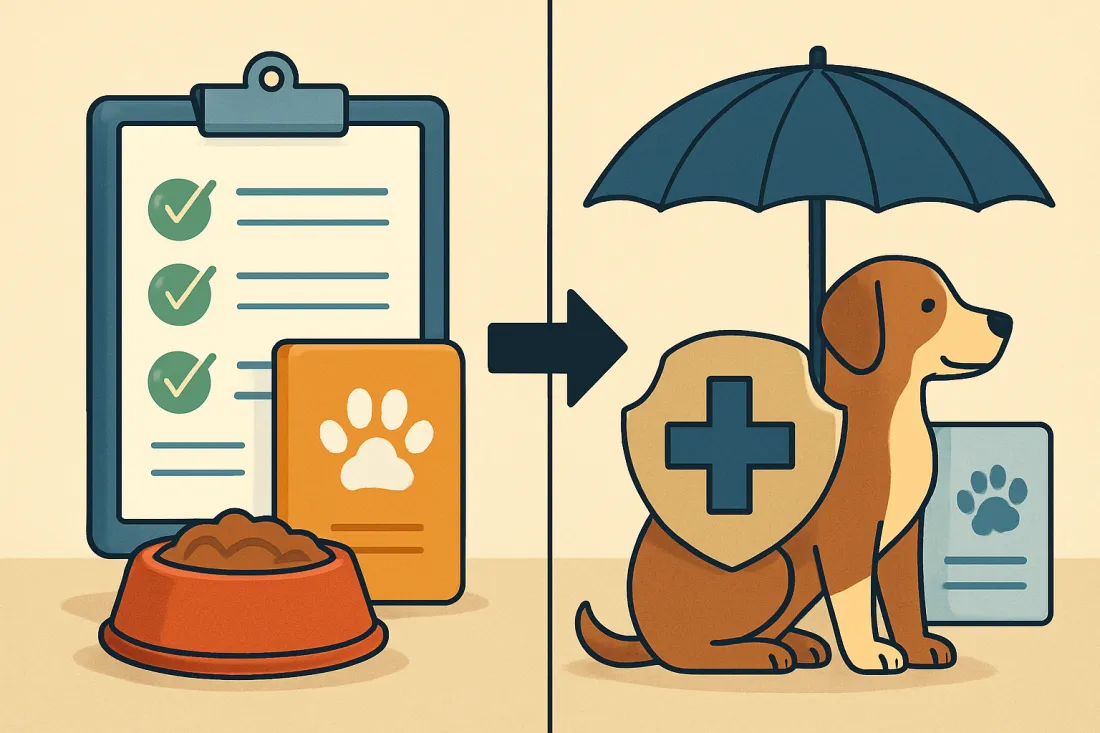
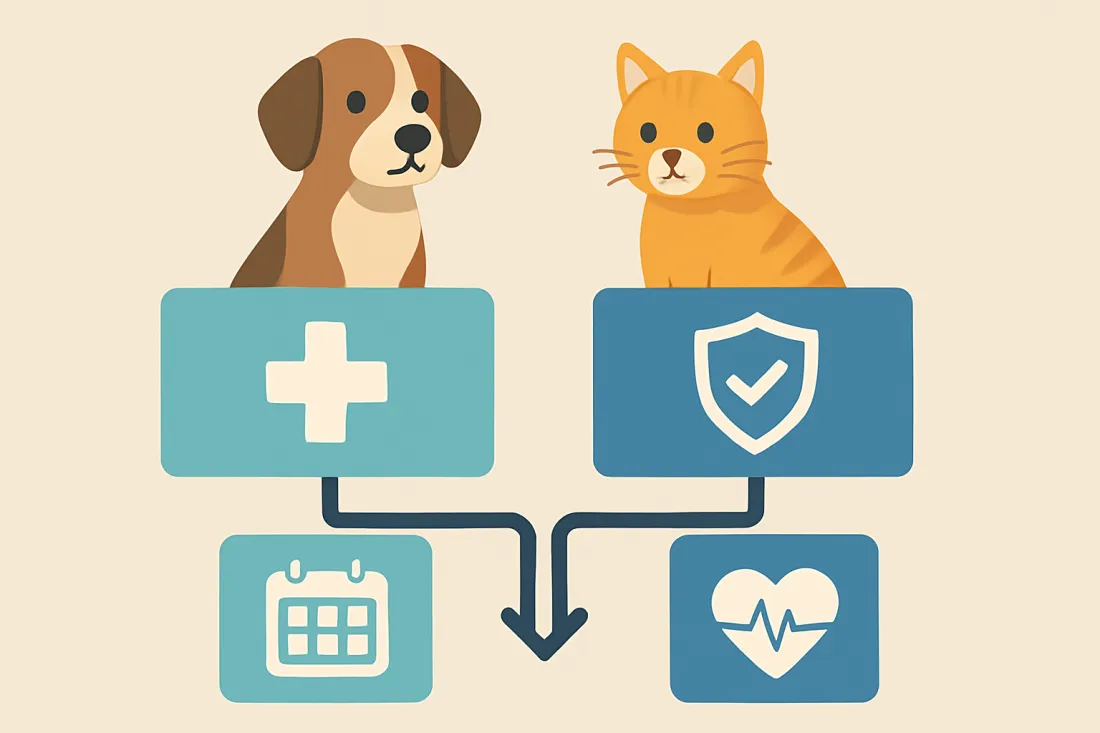
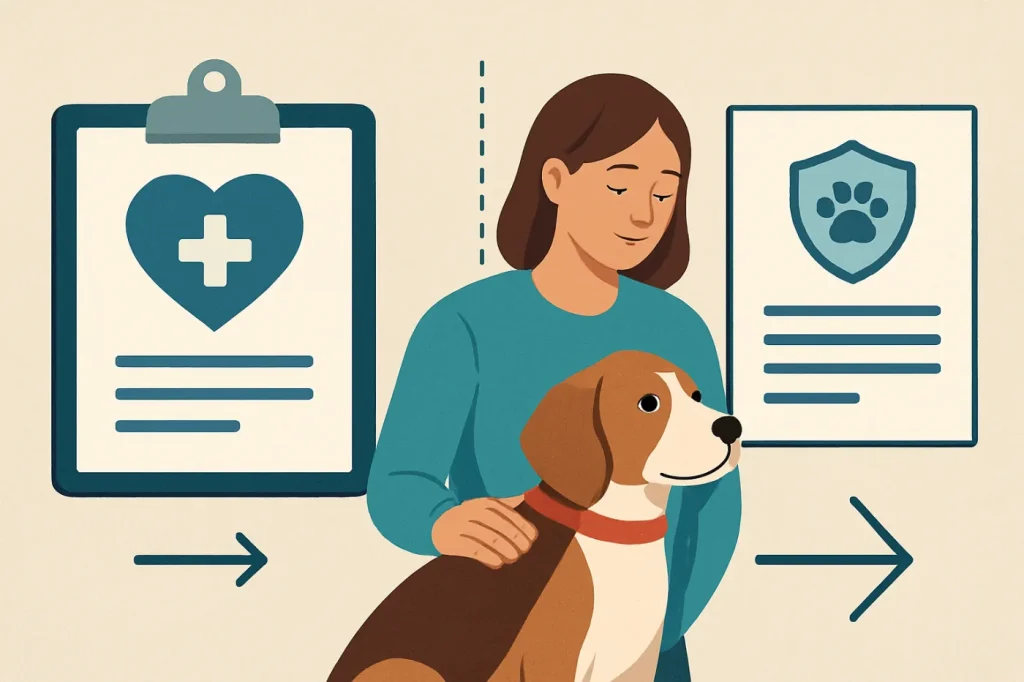
If your main goal is to keep vet bills manageable, think of wellness plans and pet insurance as two different tools for different types of costs:
- Wellness plans help you budget for routine, expected care like checkups, vaccines, and basic tests.
- Pet insurance helps protect you from unexpected, high vet bills like accidents, illnesses, and surgeries.
Most protection for your wallet usually comes from having accident/illness insurance first, because one serious emergency can cost far more than years of routine care. A wellness plan can then be added if it fits your budget and you want help staying on top of preventive visits. If you can only choose one right now:
- Pick pet insurance if a big surprise bill could force you to delay or decline treatment.
- Pick a wellness plan if your pet is generally healthy, you can handle emergencies from savings or credit, and your main struggle is keeping up with routine care.
Once you finish comparing these options, you can also explore how to afford vet bills for dogs and cats for more ideas to lower costs overall.
What wellness plans and pet insurance really cover (and what they usually exclude)
Understanding coverage is the single most important step. Many pet owners sign up assuming “everything at the vet” is included and only discover the gaps when a big bill appears.
Wellness plans: prepaid routine care, not emergencies
A wellness plan is usually a membership or package sold by a vet clinic or a company that partners with clinics. You pay a fixed monthly or annual fee in exchange for a bundle of preventive services. Commonly included in wellness plans (details vary by provider):
- Annual or semiannual wellness exams
- Core vaccinations and boosters
- Routine lab work such as fecal tests or basic bloodwork
- Flea, tick, and heartworm prevention (often a set number of doses)
- Nail trims or basic grooming add-ons at some clinics
- Spay/neuter or dental cleaning in higher-tier plans
Typically not covered by wellness plans:
- Emergency visits and hospitalization
- Surgeries for accidents or illnesses
- Chronic disease treatment (for example, diabetes, kidney disease, allergies)
- Advanced diagnostics such as ultrasound, CT, or MRI unless specifically listed
- Specialist visits (cardiology, oncology, dermatology) unless included in writing
You can think of a wellness plan as a prepaid maintenance package. It spreads predictable costs over the year and may give a small discount. It usually does not protect you from large, unexpected vet bills.
Pet insurance: accidents and illnesses, not basic checkups
Pet insurance is closer to human health insurance. You pay a monthly premium to an insurance company. When your pet gets sick or injured, you submit a claim and may be reimbursed for covered costs after deductibles and copays. Commonly covered by accident/illness pet insurance policies (varies by insurer and plan):
- Accidents such as broken bones, swallowed objects, wounds, or toxic ingestions
- Illnesses such as infections, cancer, organ disease, allergies, or arthritis
- Diagnostics such as X-rays, bloodwork, ultrasound, and sometimes advanced imaging
- Treatments such as surgery, hospitalization, medications, and some rehab or physical therapy
- Some hereditary or congenital conditions if they are not pre-existing and the plan allows them
Typically not covered by standard pet insurance:
- Pre-existing conditions (anything showing signs before coverage starts or during waiting periods)
- Routine wellness care like vaccines, flea meds, nail trims, or routine dental cleanings unless you add a wellness option
- Cosmetic or elective procedures such as declawing or non-medically necessary surgeries
- Breeding-related costs unless you buy special coverage
Some insurers sell add-on wellness riders that reimburse a set amount for preventive care. These behave like a mini wellness plan attached to your insurance policy.
Side-by-side comparison: wellness plans vs pet insurance
Use this table to see how the two options differ across the decisions that actually affect your wallet.
| Decision point | Wellness plan | Pet insurance (accident/illness) |
|---|---|---|
| Main job | Prepay and organize routine, predictable vet care. | Limit the damage from large, unpredictable vet bills. |
| Typical coverage | Exams, vaccines, basic tests, parasite prevention, sometimes spay/neuter or dental. | Emergency care, surgery, hospitalization, diagnostics, medications for covered conditions. |
| Biggest gaps | Emergencies, surgeries, chronic disease treatment, specialists. | Pre-existing conditions, routine wellness care (without a rider), cosmetic procedures. |
| How you pay | Fixed monthly or annual fee, often with a 12‑month contract. | Monthly premium plus deductible and copay when you claim. |
| How you “win” financially | By using most or all included services each year. | By having coverage when a major accident or illness happens, even if you rarely claim. |
| Clinic choice | Often tied to one clinic or chain; limited ability to switch mid‑contract. | Usually valid at any licensed vet; you can use different clinics and specialists. |
| Best fit for | Healthy pets needing regular preventive care; owners who like predictable monthly costs. | Owners who would struggle with a large surprise bill and want a safety net. |
| Main risk if you rely on it alone | Facing unaffordable bills if your pet has an emergency or serious illness. | Skipping preventive care because it feels expensive, which can let problems build up. |
Cost patterns: how each option tends to affect your vet budget
Exact prices depend on your pet, location, and provider. Instead of guessing dollar amounts, focus on how costs behave over time with each option.
Scenario 1: Healthy young dog with only routine care this year
Imagine a healthy 2‑year‑old dog who only needs exams, vaccines, parasite prevention, and maybe a dental cleaning.
- With a wellness plan only
You pay a predictable monthly fee. Most or all routine care is included or discounted. You rarely face surprise vet bills unless something unusual happens. You get the most value if you use every included service. - With pet insurance only
You pay a monthly premium, but routine care is mostly out of pocket. If nothing serious happens, you may feel like you “paid for nothing,” even though you had protection if an emergency occurred. - With both
Your monthly costs are higher, but routine care is largely prepaid and you still have protection if something big happens. This can feel comfortable if your budget can handle the combined cost.
Scenario 2: Indoor cat with an unexpected emergency surgery
Now imagine an indoor cat who suddenly needs emergency surgery and hospitalization.
- With a wellness plan only
The emergency visit, surgery, and hospital stay are usually not included. You might receive a small member discount, but you still pay most of the bill yourself. - With pet insurance only
After your deductible and copay, the insurer may reimburse a significant share of eligible costs, up to your policy limits and subject to exclusions. This can turn a bill that would be overwhelming into something you can manage over time. - With both
The wellness plan still mainly helps with routine care. The insurance is what makes the emergency bill more manageable.
Scenario 3: Senior dog with a chronic illness
Consider an older dog who develops a chronic condition such as arthritis or heart disease.
- If you bought insurance when the dog was young
The condition may be covered as long as it was not pre‑existing and your policy includes that type of illness. Ongoing meds, checkups, and some tests related to the condition may be reimbursable, which can add up over years. - If you only have a wellness plan
Routine checkups may be included, but the bulk of chronic disease treatment is usually on you. Costs can climb steadily as the condition progresses. - If you try to buy insurance after diagnosis
The condition is usually considered pre‑existing and excluded from coverage. Insurance might still help with unrelated future problems, but not with the illness you already know about.
These patterns are why many owners choose to start insurance while pets are young and healthy, then adjust wellness coverage or savings as routine needs change.
Who benefits most from wellness plans vs pet insurance
Different pets and families benefit from different tools. Use these profiles to see where you fit.
When a wellness plan tends to fit better
A wellness plan may be a good match when:
- Your pet is young and generally healthy with no major medical issues so far.
- You are disciplined about preventive care and want to make sure vaccines, tests, and parasite prevention never get skipped.
- You prefer predictable monthly costs over occasional larger bills for routine visits.
- You use the same vet clinic regularly and are happy to stay with them for at least a year.
- You can handle a large emergency bill from savings, credit, or other resources if something serious happens.
When pet insurance tends to fit better
Pet insurance may be the better first step when:
- You would struggle to pay a large, sudden vet bill without going into debt or delaying care.
- You want the option to pursue advanced treatment such as specialists, surgery, or hospitalization if your pet needs it.
- Your pet’s breed is prone to expensive conditions such as joint issues, heart disease, or certain cancers.
- You value flexibility to use different vets, emergency hospitals, or specialists.
- You are getting a new puppy or kitten and want to lock in coverage before any problems appear.
When combining both makes sense
You might choose both a wellness plan and pet insurance if:
- You want to budget routine care and also protect against big surprises.
- Your pet needs frequent preventive services (for example, regular lab work or injections) that are included in a wellness plan.
- You are okay with a higher monthly cost in exchange for more stable, predictable vet spending.
Structured checklist: compare two plans side by side
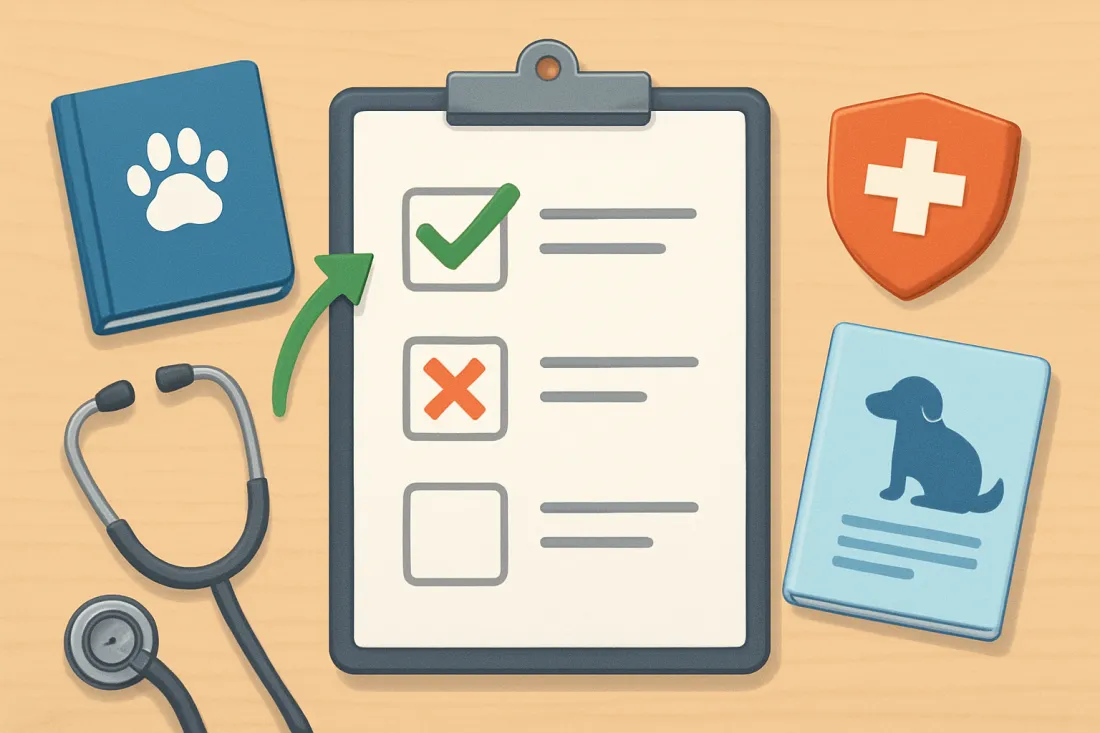
Use this checklist as a step‑by‑step process to compare a wellness plan and a pet insurance policy, or to compare two options of the same type. You can copy these prompts into a notebook or notes app and fill them in with real plan details.
Step 1: Clarify your pet and your risk level
Write down:
- Pet’s age, species, and breed (for example, 3‑year‑old mixed‑breed dog, indoor-only cat).
- Known health issues or medications (allergies, past injuries, chronic conditions).
- Any previous major illnesses or injuries that might count as pre‑existing.
- How much you could realistically pay today if an emergency happened (even a rough range).
Step 2: List what each option actually covers
For each plan you are considering, fill in the details. Wellness plan A
- Number of wellness exams per year included:
- Vaccines included (which ones and how many boosters):
- Lab tests included (fecal, heartworm, basic bloodwork, others):
- Parasite prevention included (type, quantity, months of coverage):
- Any dental cleaning, spay/neuter, or extra services included:
- Any discounts on other services (for example, percentage off sick visits):
- Confirm: Does this plan cover emergencies or illness treatment at all? If yes, how?
Pet insurance policy B
- Accidents covered (and any notable exclusions):
- Illnesses covered (including hereditary or chronic conditions, if allowed):
- Annual coverage limit and any per‑incident limits:
- Reimbursement percentage (for example, 70%, 80%, 90%) and deductible (per year or per condition):
- Waiting periods for accidents and illnesses:
- Pre‑existing condition rules (how they define and handle them):
- Optional wellness add‑on available? If yes, what does it include and how much extra does it cost?
Step 3: Compare how you would use each plan over a year
Ask yourself for each option:
- How many of the included services will my pet actually use?
- If you rarely go to the vet, a wellness plan may go underused.
- If you keep up with every recommended visit, you are more likely to get full value.
- What kinds of emergencies or illnesses are realistic for my pet?
- Consider breed tendencies, age, and lifestyle (indoor vs outdoor, hiking, daycare, etc.).
- Think about your environment (traffic, wildlife, toxins, other animals).
- Would a single serious event break my budget?
- If yes, prioritize insurance coverage.
- If no, a wellness plan plus a savings cushion might be enough.
Step 4: Check contract details and flexibility
For each plan, confirm in writing or on the official brochure:
- Contract length: Is it a 12‑month commitment? Are there cancellation fees or penalties?
- Where you can use it: One clinic only, a chain of clinics, or any licensed vet?
- How claims work for insurance: reimbursement time, required documents, and whether any direct pay options exist.
- How prices may change: Can premiums or fees increase as your pet ages or after you file claims?
Step 5: Make a decision you can live with for at least a year
Use these decision criteria:
- If you cannot cover a large emergency from savings, lean toward pet insurance first, then add wellness or savings for routine care if the budget allows.
- If you can handle emergencies but struggle to keep up with routine care, a wellness plan or a strict monthly savings habit for preventive visits may be enough.
- If your pet is already sick or senior, focus on what is still insurable and what exclusions apply before committing. Ask insurers directly how they would treat your pet’s existing issues.
- If you are unsure, consider insurance with a moderate deductible and build a small emergency fund alongside it so you are not relying on one tool alone.
Common mistakes and hidden limitations to avoid
Avoiding a few frequent errors can save you money and frustration.
Mistakes with wellness plans
- Signing up and then not using the services
If you skip exams or vaccines that are included, you are effectively paying extra for nothing. Put reminders on your calendar and schedule visits early in the plan year. - Assuming emergencies are covered
Many owners are surprised to learn that their wellness plan does not pay for emergency surgery or hospitalization. Ask directly: “If my pet needs emergency surgery, what would this plan pay for?” and get the answer in writing if possible. - Locking into a long contract at a clinic you do not love
If the plan is tied to one clinic, make sure you are comfortable with their care, hours, and location. Changing vets mid‑contract can be expensive or impossible. - Ignoring limits on visits or tests
Some plans cap the number of visits, vaccines, or tests. If your pet needs more than the included amount, you pay extra at regular prices.
Mistakes with pet insurance
- Waiting until your pet is already sick
Most insurers will not cover conditions that started before enrollment or during waiting periods. Buying coverage early gives you more protection later. - Choosing a deductible you will never reach
A high deductible can lower premiums, but if you never meet it, you may not see much reimbursement. Balance affordability with realistic claim amounts for your pet. - Not reading exclusions and waiting periods
Policies can exclude certain breeds, conditions, or procedures. Always read the sample policy and ask questions before you buy. - Assuming the vet bills the insurer directly
Many pet insurance policies work on reimbursement: you pay the vet, then submit a claim. Make sure you are prepared for that cash‑flow pattern.
Mistakes when comparing both options
- Comparing only monthly cost, not risk coverage
A low monthly fee is not a bargain if it leaves you exposed to the kind of bill that would truly hurt your finances. - Paying twice for the same wellness benefits
If you buy a wellness plan and a wellness rider on insurance, you may pay twice for similar preventive coverage. Check for overlap and choose the most efficient combination. - Assuming one solution fits every pet in the household
You might insure a high‑risk dog and use only a wellness plan or savings for a low‑risk indoor cat. Customize by pet instead of copying the same setup for all of them.
Alternatives if neither wellness plans nor pet insurance feels affordable
If your budget is tight, you still have options to manage vet costs responsibly.
1. Build a dedicated pet emergency fund
Open a separate savings bucket (even a simple labeled account) and set up an automatic transfer each month. Even modest, steady contributions can make a difference when an emergency hits. Tips:
- Treat the transfer like a non‑negotiable bill.
- Keep the fund for pet care only so it is there when you need it.
- Rebuild the fund after you use it, even if it takes time.
2. Ask your vet about in‑house payment options
Some clinics offer:
- Payment plans for larger procedures
- Clinic‑specific wellness bundles that are cheaper or simpler than full plans
- Discounts for paying in full for certain preventive packages
Always ask what is available before assuming you have to pay everything at once.
3. Use transparent budgeting for routine care
Estimate your pet’s likely annual routine costs (exams, vaccines, parasite prevention, and basic tests). Then divide by 12 and set aside that amount monthly, like a DIY wellness plan. For help estimating, you can also look at resources such as guides on annual vet costs for dogs and cats in the US and adjust for your local clinic’s prices.
4. Look into local support options
Depending on where you live, there may be:
- Low‑cost vaccine or spay/neuter clinics
- Nonprofit organizations that help with specific procedures or conditions
- Community funds connected to certain vet hospitals
Availability and rules vary, so check what exists in your area and what documentation is required.
FAQ: wellness plans vs pet insurance for vet costs
What is the most important thing to understand about wellness plans vs pet insurance for vet bills?
The key point is that wellness plans and pet insurance pay for different types of vet costs. Wellness plans mainly cover routine, predictable care like exams, vaccines, and parasite prevention. Pet insurance mainly covers unexpected, higher‑cost events like accidents, illnesses, and surgeries. Neither one is automatically better for every family; the right choice depends on whether you are more worried about staying on top of preventive care or about being able to afford a major emergency.
What common mistakes should I avoid when choosing between a wellness plan and pet insurance?
Three big pitfalls to avoid are:
- Assuming a wellness plan covers emergencies without checking the details.
- Waiting to buy insurance until after your pet gets sick, which often leaves that condition excluded as pre‑existing.
- Choosing based only on monthly price instead of thinking through which risks you can and cannot afford to handle yourself.
Reading the fine print, asking direct questions, and using a written comparison checklist can help you sidestep these mistakes.
How should I decide what to do next after comparing wellness plans and pet insurance?
After you understand the differences, take these steps:
- Write down your pet’s age, health history, and any breed risks.
- Decide how much you can realistically pay out of pocket for both routine care and a sudden emergency.
- Gather details from at least two wellness plans and two insurance policies you are considering and fill out the comparison checklist above.
- Choose the combination that covers your biggest financial worry first (for most people, that is emergencies), then add wellness coverage or savings as your budget allows.
- Set a reminder to review your choice every year, especially as your pet ages or your finances change.
If you want more ways to stretch your vet budget beyond plans and insurance, you can also explore whether pet insurance is worth it for dogs and cats to refine your decision.