
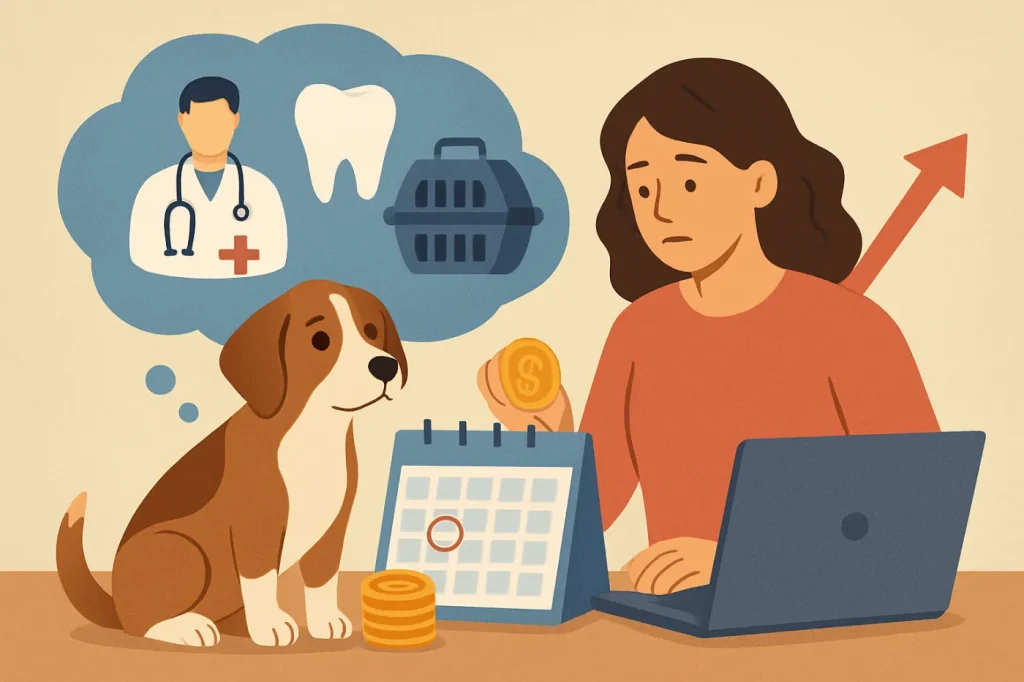
Owning a pet in the United States costs more than food, toys, and routine vet visits. The biggest financial shocks usually come from expenses people did not plan for: emergency vet care, sudden behavior issues, or a move that requires extra pet fees. The most practical way to avoid money stress is to treat these as expected yearly risks and build them into your budget from day one.
This guide walks through the most common “surprise” pet costs, how often they tend to pop up, and how to turn them into a clear annual buffer you can actually stick to.
Key unexpected pet expenses that should be in a yearly budget
Most pet owners are ready for food and basic vaccines. The expenses that catch people off guard usually fall into these groups:
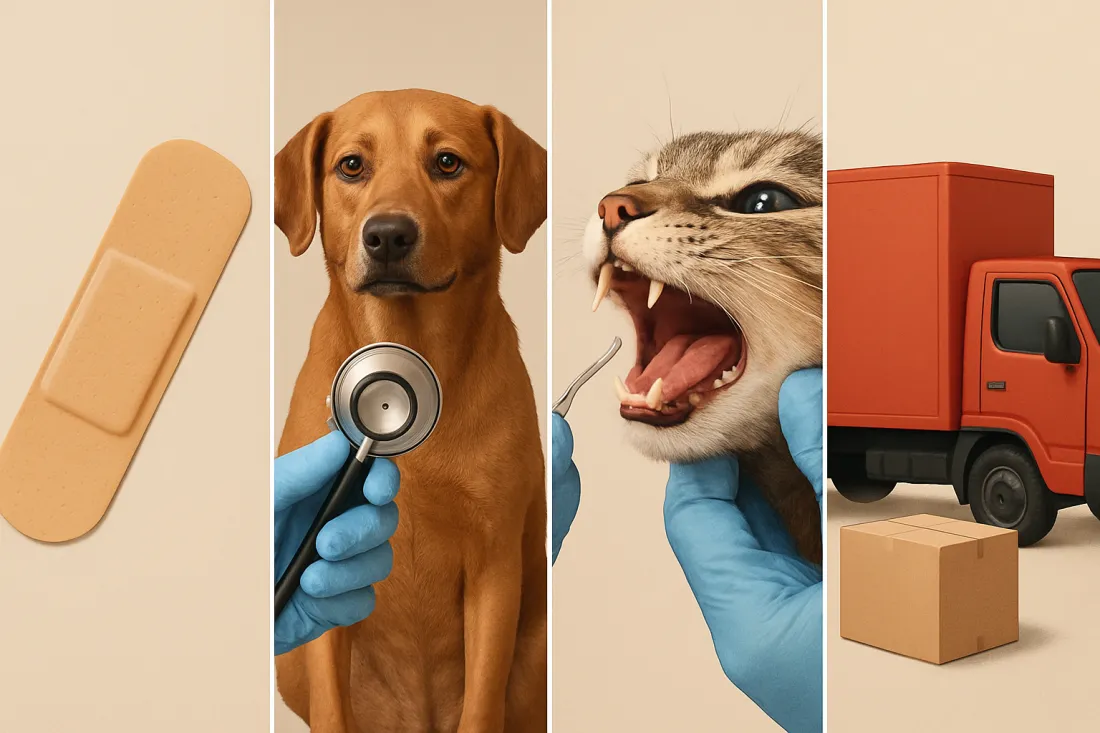
- Emergency or urgent vet care (injuries, sudden illness, after-hours visits)
- Dental procedures (cleanings, extractions)
- Chronic or long-term medical issues (allergies, arthritis, diabetes, skin problems)
- Diagnostics (X-rays, bloodwork, ultrasound when something is wrong)
- Unplanned medications (pain meds, antibiotics, allergy meds)
- Specialized food (prescription diets for kidney, urinary, allergy, or weight issues)
- Behavior and training help (professional trainer, behaviorist, extra gear)
- Boarding, pet sitting, or last-minute travel costs (emergencies, funerals, work trips)
- Damage and deposits (chewed furniture, carpet cleaning, pet deposits when moving)
- Grooming surprises (severe matting, medical grooming, unexpected shaving)
- End-of-life care (euthanasia, cremation, memorial choices)
- Lost pet costs (replacing tags, updating microchips, emergency boarding if found after-hours)
You will not face every one of these every year, but over a pet’s lifetime several are very likely. Treating them as part of responsible pet ownership makes your budget more realistic and your decisions less stressful.
Comparison table: common unexpected pet expenses and how often they hit
Use this table as a planning tool, not as exact pricing. Actual costs vary widely by city, clinic, and pet size. Think in terms of relative size and likelihood when you build your buffer.
| Expense type | Typical size of bill (relative) | How often it tends to occur | How to plan for it in a yearly budget |
|---|---|---|---|
| Emergency or urgent vet visit | Medium to very high (can be one of the biggest single bills) | 0–1 times per year for many pets, but higher risk for seniors, escape artists, or pets with chronic issues | Set aside a dedicated emergency vet fund; aim for enough to cover at least one urgent visit and basic treatment |
| Dental cleaning and extractions | Medium to high, especially if extractions or X-rays are needed | Often every 1–3 years, more often for small dogs and some cats | Divide an estimated dental cost by the number of years between cleanings and save that amount each year |
| Diagnostics (X-rays, bloodwork, ultrasound) | Low to high depending on how many tests are needed | Occasional; often tied to illness, injury, or pre-surgery checks | Include diagnostics in your emergency vet fund rather than treating them separately |
| Chronic condition management | Ongoing low to medium monthly costs that add up yearly | Can be every month once a condition is diagnosed | Once diagnosed, add the monthly cost of meds and checkups into your regular monthly pet budget |
| Prescription or special diet food | Low to medium increase over regular food | Daily, often long-term | Estimate the price difference between regular and special food and multiply by 12 months to add to your annual plan |
| Behavior or training support | Medium; a package of sessions can add up | Occasional; often in the first 1–2 years or after a new issue appears | Plan a one-time training fund for the first year and a smaller buffer for refreshers or new issues later |
| Boarding, pet sitting, or last-minute travel | Low to medium per day, but adds up over a trip | 0–2 times per year for many families, more if you travel often | Estimate how many nights of care you might need and multiply by a local daily rate range you research yourself |
| Damage, deposits, and cleaning | Low to medium; can be high if replacing furniture or paying landlord fees | Occasional; more common in the first year or after a move | Keep a small “oops” fund for damage and set aside money for pet deposits or extra cleaning when you sign a new lease |
| Grooming emergencies (matting, medical grooming) | Low to medium; higher if severe matting or sedation is needed | Occasional; more likely if regular grooming is skipped | Budget for regular grooming to prevent emergencies and keep a small buffer for occasional extra visits |
| End-of-life care | Medium to high depending on services chosen | Once per pet, usually in senior years | Start a small long-term fund once your pet becomes a senior so you are prepared when the time comes |
If you want a deeper breakdown of ongoing monthly costs for cats specifically, you can also look at a focused guide on the monthly cost of owning a cat in the US.
How often do unexpected pet expenses really happen?
Because every pet and household is different, it helps to think in probabilities and patterns rather than exact predictions. Here are realistic frequency estimates to use when planning:
- Emergency vet visits: Many pets may go a year or more without one, but over a lifetime it is common to have at least a few. Young, active dogs and outdoor cats tend to have a higher risk of accidents or eating something they should not.
- Dental procedures: Some pets need a professional cleaning roughly every 1–3 years. Small dogs and certain breeds are prone to dental disease and may need more frequent care.
- Chronic conditions: As pets age, the chance of developing arthritis, kidney disease, allergies, or endocrine issues increases. Once a condition appears, it usually means ongoing costs for the rest of the pet’s life.
- Behavior issues: Puppies, adolescent dogs, and newly adopted pets often need more training support in the first 6–18 months. Stressful changes (a move, a new baby, another pet) can trigger new behavior problems later.
- Boarding or pet sitting: If you travel for work or family, assume at least one trip per year where you cannot bring your pet. Even if you usually rely on friends, plan for a paid option in case they are not available.
- Damage and deposits: Chewing, scratching, and accidents are most common in the first year or two, but can happen anytime. Moving to a new rental often means new pet fees or deposits.
- End-of-life costs: This is a one-time expense, but it can be emotionally and financially intense. Planning ahead reduces the chance of making rushed decisions based only on money.
Instead of asking “Will this happen?” assume that some of these will happen over the next few years and spread the cost out in your annual plan.
How to build a yearly buffer for unexpected pet expenses
The goal is not to predict every bill perfectly. The goal is to create a flexible safety net that covers most surprises without wrecking your budget.
Step-by-step algorithm to build your annual pet risk buffer
- List your pet’s risk factors
Write down your pet’s species, age, size, breed tendencies, lifestyle, and known health issues. For example:- Young, high-energy dog that hikes and goes to dog parks
- Indoor-only senior cat with kidney issues
- Apartment dog that stays mostly indoors
These details change how likely certain expenses are.
- Identify your top 5–7 risk categories
From the earlier list, circle the ones that fit your pet. A young, active dog might have high risk for emergency vet visits, training, and damage. A senior cat might have higher risk for chronic care, diagnostics, and end-of-life costs. - Decide on an emergency vet target
Instead of guessing a dollar amount, think in tiers:- Basic tier: Enough to cover a same-day urgent exam and simple treatment.
- Comfort tier: Enough for an exam plus some diagnostics like bloodwork or X-rays.
- Robust tier: Enough for an exam, diagnostics, and at least one overnight stay or procedure.
Choose the tier that matches your comfort level and local vet costs (you can call a nearby clinic to ask for typical ranges).
- Spread big, rare costs over several years
For things like dental cleanings or end-of-life care, estimate a rough range, then divide by the number of years you expect between events. For example, if you expect a dental cleaning every 2 years, you would save roughly half of that cost each year. - Add a travel and boarding estimate
Think about your own life: Do you usually travel at least once a year without your pet? If yes, estimate how many nights of care you might need and multiply by a local daily rate you research yourself. Add that to your annual buffer. - Include a small “oops” fund
Set aside a modest amount for damage, lost gear, or unexpected grooming. This does not need to be huge, but it prevents small surprises from derailing your month. - Convert the total into a monthly amount
Add up your emergency target, dental share, travel estimate, and oops fund to get a yearly total. Divide by 12 to get a monthly savings goal. Treat this like a non-negotiable bill and move it into a separate savings account or envelope. - Review once a year
Recalculate after big life changes: a move, a new diagnosis, a new baby, or a change in income. Adjust your buffer up or down as needed.
Prioritizing which pet risks to plan for first
If your budget is tight, you cannot fully fund every possible risk right away. Use these decision criteria to prioritize:
1. Focus on high-impact, high-likelihood events
- Emergency vet care is usually the top priority. Even one visit can be a major bill, and it often cannot be delayed.
- Chronic conditions come next once they appear, because they create ongoing monthly costs.
- Dental care is easy to ignore but can become urgent and painful if delayed too long.
2. Consider your own support network
- If you have reliable family or friends who can pet sit, you may be able to budget less for boarding and more for medical risks.
- If you live alone or travel often for work, boarding and pet sitting deserve a bigger slice of your buffer.
3. Weigh your tolerance for risk vs. monthly savings
- If you are comfortable with some financial risk, you might choose a smaller emergency fund and rely more on credit or payment plans if something big happens.
- If you hate debt or have unstable income, a larger cash buffer will feel safer, even if it takes time to build.
4. Factor in pet insurance if you have it
Pet insurance can change how you structure your buffer, but it does not remove the need for savings. Policies often reimburse a percentage of eligible costs after you pay the vet, and they usually exclude routine care and some pre-existing conditions. If you are considering a policy and want to understand how it fits into your budget, a detailed guide on whether is pet insurance worth it in the US can help you compare options.
Even with insurance, you still need to budget for:
- Deductibles and co-pays
- Excluded treatments or conditions
- Routine care, grooming, and behavior help
- Boarding, deposits, and end-of-life choices
Realistic scenarios: how unexpected pet costs show up in everyday life
These scenarios are simplified, but they show how surprise costs often cluster together rather than arriving one at a time.
Scenario 1: The young dog with a sudden injury
A one-year-old dog swallows part of a toy and starts vomiting. The owner goes to an urgent vet clinic. The visit includes:
- Emergency exam
- X-rays to check for blockage
- Fluids and anti-nausea medication
- Possible overnight monitoring
Even without surgery, this can be one of the larger single bills a pet owner faces. If surgery is needed, the cost can climb quickly. A pre-funded emergency buffer means the owner can focus on medical decisions instead of scrambling for money.
Scenario 2: The indoor cat with dental disease
An otherwise healthy indoor cat starts dropping food and has bad breath. A routine checkup reveals dental disease. The vet recommends a professional cleaning under anesthesia, with possible extractions and dental X-rays.
The owner might have expected only basic vaccines that year, but now faces a larger one-time bill. If they have been setting aside a portion of an estimated dental cost every year, the impact is much easier to handle.
Scenario 3: The anxious dog after a move
A dog that was previously calm starts barking, chewing, and having accidents after the family moves to a new apartment. The landlord charges a pet deposit and warns about noise complaints. The owner now has to pay for:
- Pet deposit or extra monthly pet rent
- Professional training or behavior consults
- Replacement of damaged items or extra cleaning
None of these were on the owner’s radar when they first got the dog, but they are common after big life changes. A flexible “oops and behavior” fund can cover these without dipping into rent or groceries.
Scenario 4: The senior pet’s final months
A senior pet develops a serious illness. Over several months, the owner pays for diagnostics, medications, and follow-up visits. Eventually, they must decide on end-of-life care, including euthanasia and aftercare options.
These costs are emotionally heavy and can be financially significant. Owners who start a small senior pet fund early in their pet’s later years often feel more prepared to choose the care and memorial options that feel right to them.
Template: simple annual risk buffer for pet expenses
Use this template as a starting point and adjust the categories and amounts based on your pet, your local costs, and your comfort with risk.
1. Core categories for your annual buffer
- Emergency vet fund
Target: enough for at least one urgent visit and basic treatment.
Action: call a local clinic to ask for a typical range for an emergency exam and common tests, then choose a target within that range. - Dental and major procedures fund
Target: a share of a future dental cleaning or similar procedure.
Action: estimate a rough cost range for a cleaning in your area and divide by the number of years between expected cleanings. - Chronic care and meds fund
Target: only needed once a chronic condition appears.
Action: once diagnosed, calculate the monthly cost of meds and extra checkups and add that to your regular monthly pet budget. - Travel and boarding fund
Target: one typical trip per year where your pet needs care.
Action: estimate nights away × a local daily rate range you research yourself. - Behavior and training fund
Target: especially important in the first 1–2 years with a dog or a newly adopted pet.
Action: plan for at least one package of group classes or a few private sessions, based on local quotes. - Damage, deposits, and grooming surprises fund
Target: a modest cushion for accidents, chewed items, or extra grooming.
Action: choose an amount that would comfortably cover one or two minor mishaps. - End-of-life fund
Target: a one-time amount for euthanasia and aftercare when your pet becomes a senior.
Action: once your pet reaches senior age, start setting aside a small amount each month toward this fund.
2. Turn the template into your monthly savings plan
- Write down a rough target for each category that applies to your pet.
- Add them together to get a total yearly buffer goal.
- Divide by 12 to get a monthly savings target.
- Set up an automatic transfer into a separate savings account labeled for your pet.
- Track what you use the fund for and adjust next year’s targets based on real experience.
Common mistakes when budgeting for pet expenses
A few predictable mistakes make pet costs feel more “unexpected” than they need to be:
- Only budgeting for food and vaccines. This leaves you exposed to the most expensive parts of pet ownership: emergencies, dental work, and chronic care.
- Assuming an indoor pet will never have an emergency. Indoor cats and small dogs can still develop urinary blockages, dental disease, or sudden illnesses that require urgent care.
- Ignoring dental health until it is an emergency. Skipping routine dental checks can turn a manageable cleaning into a painful, urgent, and more expensive problem.
- Underestimating behavior issues. Many first-time owners assume love and basic obedience are enough. Anxiety, reactivity, or aggression often require professional help.
- Relying entirely on credit cards. Credit can bridge a gap, but interest makes emergencies more expensive over time. A cash buffer reduces the long-term cost.
- Not updating the budget as the pet ages. Senior pets usually need more frequent vet visits, diagnostics, and medications. A budget that worked for a two-year-old dog will not fit a twelve-year-old dog.
- Skipping preventive care to “save money.” Delaying vaccines, parasite prevention, or routine checkups can lead to bigger, more expensive problems later. A structured annual vet care schedule for dogs and cats USA helps you plan routine costs so they do not feel like surprises.
Practical checklist: are you ready for unexpected pet expenses this year?
- Have you listed your pet’s age, lifestyle, and known health issues?
- Have you identified at least 5 likely risk categories for your specific pet?
- Have you called a local vet to ask for typical ranges for an emergency exam and a dental cleaning?
- Have you chosen an emergency fund tier (basic, comfort, or robust) that fits your situation?
- Have you estimated how many nights of pet care you might need if you travel this year?
- Have you set a yearly target for your pet buffer and converted it into a monthly savings amount?
- Is your pet fund kept separate from your general checking account so you are less tempted to spend it?
- Do you review your pet budget at least once a year or after major life changes?
FAQ about budgeting for unexpected pet expenses
How can I cover unexpected vet bills without derailing my finances?
The most reliable approach is to combine a dedicated emergency savings fund with a plan for how you would handle a truly large bill. Start by setting a realistic emergency vet target based on local clinic ranges and save toward it monthly. At the same time, think through backup options such as a low-interest credit line, a payment plan with your vet, or pet insurance that reimburses a portion of eligible costs. Having both savings and a backup plan reduces the chance that you will have to choose between your pet’s care and your essential bills.
What should I consider as the annual expenses of a pet beyond the basics?
Beyond food, routine vaccines, and basic supplies, a realistic annual estimate should include a share of future dental work, a contribution to an emergency vet fund, potential boarding or pet sitting for at least one trip, a modest amount for damage or replacement items, and extra vet visits or medications if your pet has or develops a chronic condition. Spreading these costs across the year turns big, rare bills into manageable monthly savings.
What is the 90/10 rule for dogs in terms of budgeting and treats?
Many owners use a “90/10” idea as a simple guideline: roughly 90 percent of a dog’s daily calories should come from balanced dog food, and no more than about 10 percent from treats. While this is more about nutrition than budgeting, it does affect costs. High-quality treats can be expensive, and overfeeding treats can lead to weight gain and future medical bills. Sticking to a modest treat budget helps both your dog’s health and your wallet.
How do I start budgeting for pet expenses if my income is limited?
Begin small and focus on the highest-impact risks. First, make sure you can cover routine care like core vaccines and parasite prevention, because skipping them can lead to bigger problems. Next, aim for a modest emergency fund that could at least pay for an urgent exam and basic treatment. Even a small monthly transfer into a separate savings account builds over time. As your situation improves, increase the amount and add categories like dental care, training, and boarding. The key is consistency, not perfection.
Does pet insurance replace the need for an emergency savings fund?
Pet insurance can reduce the size of the bill you ultimately bear, but it usually does not eliminate the need for savings. Most policies reimburse you after you pay the vet, and they often have deductibles, co-pays, and exclusions. You still need enough cash or credit to pay the clinic up front, plus savings for routine care and any treatments your policy does not cover. Think of insurance as one tool in your plan, not a complete replacement for a financial buffer.
Conclusion: treat “unexpected” pet costs as part of responsible ownership
Unexpected pet expenses feel scary when they are not in the budget, but most of them are predictable in the big picture: emergencies, dental work, chronic conditions, behavior support, and life changes like moves or travel. When you treat these as normal parts of pet ownership and build a yearly buffer around them, you protect both your pet and your finances.
Start with a simple plan: identify your pet’s biggest risks, set a realistic emergency fund target, spread rare big costs over several years, and convert everything into a monthly savings habit. Review your plan once a year and adjust as your pet and your life change. That steady, proactive approach is one of the clearest signs of truly responsible pet ownership.