
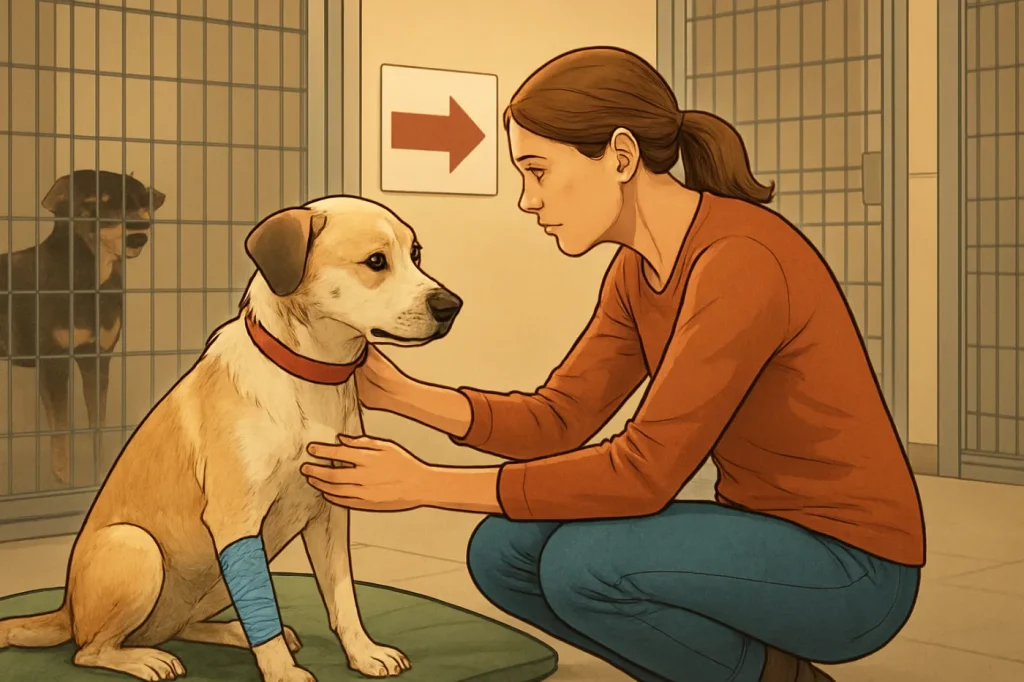
Should you adopt a special needs shelter dog?
Adopting a special needs shelter dog can be deeply rewarding, but it is not the easiest path. It is a good idea when you:
- Have stable time, housing, and income for extra care
- Are willing to learn, work with professionals, and go slowly
- Can accept that progress may be uneven and that the dog may never be “perfect”
It may not be responsible if you:
- Are already stretched thin by work, family, or finances
- Expect a “ready-made” easy dog or fast results
- Cannot safely manage the dog’s likely behavior in your home (for example, kids plus a dog with a bite history)
The rest of this guide walks through what “special needs” really means, common medical and behavior issues in U.S. shelters, questions to ask, the real commitments involved, and a structured checklist to help you decide.
What “special needs” means in shelter dogs
“Special needs” is a broad label. In shelters and rescues, it usually covers two main areas:
- Behavioral needs – the dog’s emotions, reactions, and learned habits
- Medical needs – health conditions, disabilities, or ongoing treatment
Many dogs have both. Understanding the type of need matters more than the label.
Behavioral special needs
Behavioral needs can range from mild to serious. Common examples include:
- Fear and anxiety – nervous around strangers, noises, new places
- Reactivity – barking, lunging, or growling at dogs, people, or vehicles
- Separation anxiety – distress when left alone, vocalizing, house soiling, or destruction
- Resource guarding – growling or snapping when someone approaches food, toys, or resting spots
- History of bites – may need strict management and professional guidance
These dogs often need structured training, predictable routines, and patient exposure to the world.
Medical special needs
Medical needs can be temporary or lifelong. Examples include:
- Chronic illnesses – such as allergies, endocrine issues, or digestive problems that need ongoing management
- Infectious diseases under treatment – for example, heartworm or certain tick-borne illnesses
- Physical disabilities – missing limbs, partial paralysis, deafness, blindness
- Age-related conditions – arthritis, cognitive decline, or organ disease in senior dogs
These dogs may need regular vet visits, medication, special diets, or mobility support.
Common behavioral issues in shelter dogs and what they mean for you
Shelter life is stressful. Even dogs without a long history of problems can show behavior issues in that environment. Here are some of the most common and what they mean for daily life.
Fear and general anxiety
What it looks like:
- Cowering, hiding, trembling
- Refusing to walk on leash or enter certain spaces
- Startling at sounds, sudden movements, or new people
What it means for you:
- You may need to move slowly, avoid busy places at first, and protect the dog from overwhelming situations.
- Progress is often measured in tiny steps: eating near you, walking one more house down the street, accepting gentle handling.
- Visitors, kids’ activities, or loud homes can be challenging at the beginning.
Reactivity toward dogs, people, or triggers
What it looks like:
- Barking, lunging, growling, or spinning at the end of the leash
- Over-focusing on other dogs, bikes, or cars and not responding to you
What it means for you:
- Walks may need to be at quieter times or in low-traffic areas.
- You will likely need structured training and management (distance from triggers, use of equipment like front-clip harnesses, and reward-based training).
- Dog parks and crowded events are usually not a good idea.
Separation anxiety and difficulty being left alone
What it looks like:
- Whining, barking, or howling when you leave
- Scratching at doors, chewing door frames, or trying to escape crates
- House soiling when alone despite being house-trained
What it means for you:
- You may need to build up alone time gradually, starting with minutes, not hours.
- Working long shifts away from home can be hard without dog walkers, daycare, or help from family.
- Neighbors in apartments may complain about noise if the issue is not managed.
Resource guarding and handling sensitivity
What it looks like:
- Growling, stiffening, or snapping when someone approaches food, toys, or resting spots
- Discomfort with grooming, touching paws, or being picked up
What it means for you:
- Homes with very young children may not be a safe match for a dog with guarding issues.
- You will need to follow a training plan to change the dog’s feelings about people near their resources.
- Management (feeding in a separate area, putting high-value items away) becomes part of daily life.
Why behavior issues can improve after adoption
Many shelter dogs relax and improve once they are in a stable home with predictable routines. However:
- Some issues only show up after the dog settles in and feels safe enough to express them.
- Others are long-term patterns that need ongoing management, not a “fix.”
Plan for both possibilities: hopeful improvement and the need for steady work.
Common medical conditions in U.S. shelter dogs
Medical needs vary widely. Shelters often treat urgent problems before adoption, but some conditions require ongoing care at home.
Heartworm disease
Heartworm is a serious condition spread by mosquitoes. In many parts of the United States, shelters see dogs who:
- Are currently being treated for heartworm
- Have completed treatment and need ongoing monitoring and prevention
What it means for you:
- Strict activity restriction during treatment (often weeks to months of limited exercise).
- Regular vet visits and prescription prevention for life.
- Budgeting for treatment and follow-up care; ask the shelter and vet what costs to expect in your area.
Chronic illnesses
Shelter dogs may have chronic conditions such as:
- Allergies that cause skin or ear problems
- Endocrine issues that require daily medication
- Digestive problems that need special diets
What it means for you:
- Ongoing medication, prescription diets, or regular lab work.
- Monitoring for flare-ups and staying in touch with your vet.
- Planning for long-term costs and time for appointments.
Physical disabilities and mobility issues
Examples include:
- Missing limbs or partial paralysis
- Blindness or deafness
- Arthritis or joint problems, especially in larger or older dogs
What it means for you:
- Adapting your home (ramps, non-slip rugs, blocked-off stairs).
- Learning new ways to communicate (hand signals for deaf dogs, consistent layouts for blind dogs).
- Possibly lifting or supporting the dog, especially with stairs or cars.
Senior dogs and end-of-life care
Senior dogs in shelters often have multiple mild-to-moderate conditions. Adopting them can mean:
- Shorter time together but a big impact on their comfort and happiness.
- More frequent vet visits and monitoring.
- Planning emotionally and financially for end-of-life decisions.
Comparison: special needs shelter dog vs lower-needs shelter dog
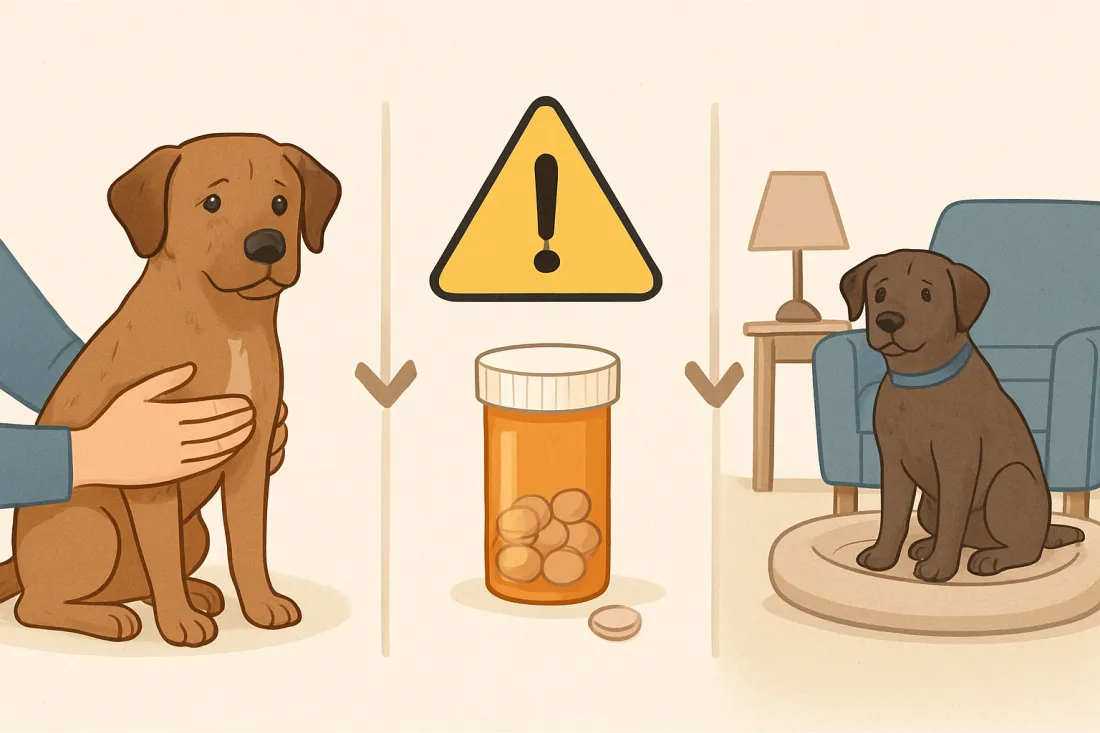
The table below compares typical expectations. Every dog is an individual, but these patterns can help you decide what fits your life.
| Factor | Special needs shelter dog | Lower-needs shelter dog |
|---|---|---|
| Behavior support | Likely needs structured training, management, and possibly a behavior professional | Basic manners training; may adapt more quickly with routine practice |
| Medical care | Ongoing treatment, medication, or monitoring for a known condition | Routine preventive care and occasional acute issues |
| Daily time commitment | Extra time for training, medication, and careful exercise or rest | Regular walks, play, and brief training sessions |
| Financial planning | Budget for higher or more frequent vet costs and possible specialist visits | Budget mainly for food, routine vet care, and standard supplies |
| Flexibility needed | May limit travel, social events, or housing options (for example, breed or size restrictions plus behavior needs) | Generally easier to include in a wider range of lifestyles |
| Emotional impact | Can be deeply meaningful but also emotionally intense and sometimes stressful | Still rewarding, often with fewer crises or tough decisions |
Questions to ask the shelter and vet before adopting
Going in with clear questions helps you understand what you are taking on. Use this as a starting list.
Behavior questions for the shelter or rescue
- What specific behaviors have you observed? Ask for concrete examples, not just labels like “reactive” or “shy.”
- In what situations does the dog do well? Calm with women, nervous with men, fine with quiet dogs, etc.
- Has the dog lived in a home before? If yes, what did previous caretakers report?
- How does the dog react to:
- Other dogs (on leash and off)
- Cats and small animals
- Children of different ages
- Handling (grooming, vet exams)
- Has the dog ever bitten or seriously injured a person or another animal? If so, what were the circumstances?
- Has any training or behavior work already been done? Can they share notes or a plan?
Medical questions for the shelter or rescue
- What diagnoses does the dog currently have? Ask for copies of medical records.
- What treatment is the dog receiving now? Medication names, doses, and how long treatment is expected to continue.
- Are there any follow-up tests or procedures already scheduled or recommended?
- Does the dog have any activity restrictions? For example, limited exercise during heartworm treatment.
- What signs would mean I need to see a vet urgently?
Questions to discuss with a veterinarian
If possible, ask to speak with the shelter’s vet or schedule a pre-adoption consult with your own vet using the dog’s records.
- What is the likely long-term outlook for this condition? Is it stable, progressive, or unpredictable?
- What kind of ongoing care will this dog need? Medication, diet, monitoring, rechecks, or specialist visits.
- What are the realistic cost ranges in this area? Ask for ballpark ranges, not exact quotes, and plan for higher-than-expected expenses.
- Are there any activities or environments that would be unsafe for this dog?
- What should I watch for at home that would mean the condition is getting worse?
For help evaluating shelters and rescues in general, you can also read how to choose a reputable animal shelter or rescue.
Time, training, and financial commitments to expect
Every dog is different, but you can expect higher commitments in three areas: time, training, and money.
Time commitments
Plan for:
- Daily care – feeding, walks, bathroom breaks, grooming, and medication if needed.
- Training and behavior work – short, regular sessions (often several times a day) plus management during walks and visitors.
- Appointments – vet visits, trainer or behaviorist sessions, and possibly physical therapy or other services.
Ask yourself:
- How many hours am I away from home most days?
- Can I realistically add extra training and care on top of my current responsibilities?
- Do I have backup help if I get sick or my schedule changes?
Training and behavior support
Most special needs dogs benefit from professional help. Look for:
- Reward-based trainers or behaviorists who focus on humane, science-based methods.
- Experience with your dog’s specific issues (for example, reactivity, separation anxiety, or fear).
- Willingness to coach you so you can continue the work between sessions.
You can also explore resources that discuss behavior challenges in shelter dogs, such as guides on whether shelter dogs are more likely to have behavior problems.
Financial planning
Special needs dogs often cost more over time than lower-needs dogs. Consider:
- Routine care – vaccines, exams, preventives, and dental care.
- Condition-specific costs – medication, prescription diets, lab work, or imaging.
- Professional support – trainers, behaviorists, or rehabilitation services.
- Emergency buffer – savings or access to credit for unexpected issues.
Instead of focusing on exact numbers, think in terms of ranges and your comfort level:
- Could you handle several vet visits in a short period if the condition flares?
- Can you adjust your budget if medication costs rise?
- Do you have a plan if you lose income or face a major expense in another area of life?
When adopting a special needs dog is a good fit vs when it may not be
There is no single “right” type of person, but certain situations make success more likely.
Signs it may be a good fit
You might be well-suited to a special needs shelter dog if you:
- Have relatively stable work hours or flexibility to be home more.
- Enjoy learning about dog behavior and are open to following a training plan.
- Are patient with slow progress and can celebrate small wins.
- Have some financial cushion for extra vet care and support.
- Live in housing that allows dogs of this size and type and does not have strict restrictions that could be a problem later.
- Have household members who agree on rules and are willing to follow safety and management plans.
Signs it may not be the right time
It may be better to adopt a lower-needs dog or wait if you:
- Work long shifts away from home with no flexibility or backup help.
- Are dealing with major life changes (moving, new baby, serious illness, or financial instability).
- Have very young children and limited ability to supervise interactions.
- Feel uncomfortable around dogs with a history of aggression or serious medical needs.
- Are hoping the dog will quickly fit into a busy, social lifestyle with frequent travel or events.
Choosing a dog whose needs match your current life is responsible, not selfish.
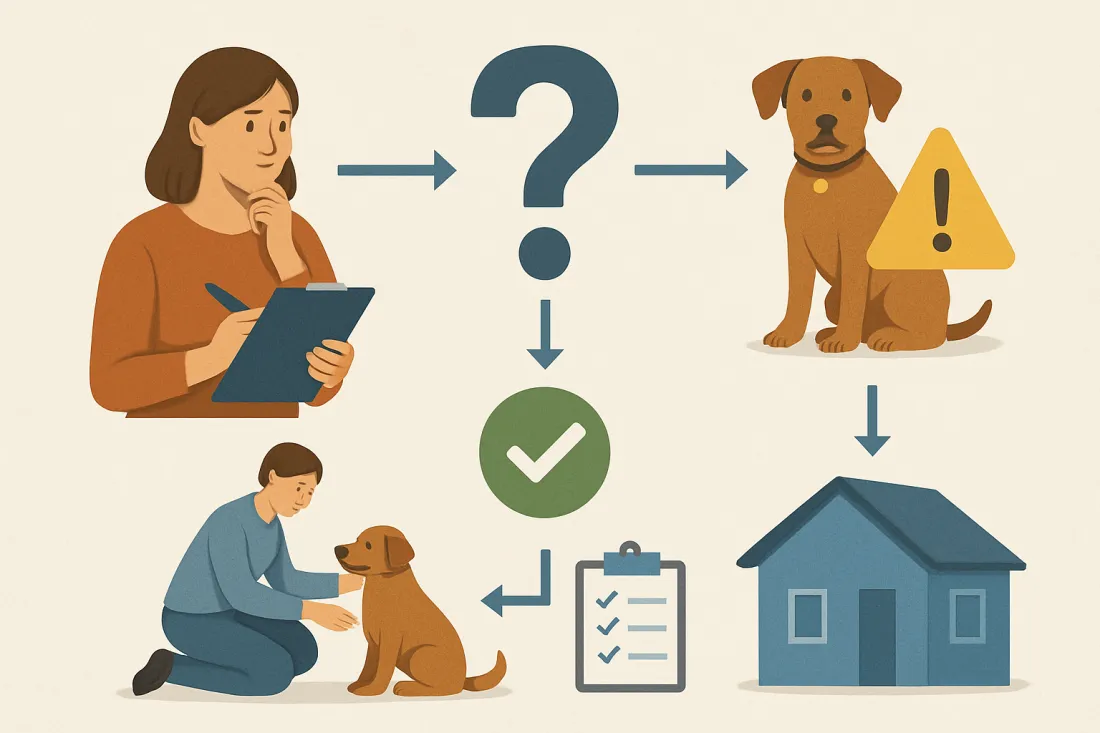
Structured checklist: can you realistically support a special needs shelter dog?
Use this checklist as a decision tool. If you answer “no” to several key items, consider a lower-needs dog or waiting until your situation changes.
1. Lifestyle and time
- I can provide at least two to three daily blocks of focused time for walks, training, and care.
- My work or school schedule allows me to be home often enough for this specific dog’s needs (for example, limited alone time for separation anxiety).
- I have a plan for the dog when I travel or work late (trusted sitter, family, or professional service).
2. Home environment and safety
- My housing allows dogs of this size and type, and I have checked any breed or weight restrictions.
- My yard, if I have one, can be made secure, or I am prepared to manage the dog safely on leash.
- Everyone in my household understands the dog’s needs and agrees to follow safety rules (for example, no bothering the dog while eating, doors and gates closed).
- If there are children or other pets, I have discussed with the shelter whether this specific dog is a safe match.
3. Financial readiness
- I can cover routine vet care, food, and supplies without constant stress.
- I am prepared for higher-than-average vet costs due to this dog’s condition.
- I have some form of backup for emergencies (savings, access to credit, or a realistic plan for financial aid if available).
4. Emotional and practical expectations
- I understand that this dog may never be a dog park dog, off-leash hiking dog, or social butterfly, and I am okay with that.
- I am ready for setbacks and understand that progress is not always linear.
- I am willing to seek professional help instead of trying to handle serious issues alone.
- I have thought about how I will cope emotionally if the dog’s condition worsens or if end-of-life decisions come sooner than I hope.
5. Support network
- I know at least one local vet I trust or am willing to find one quickly.
- I am open to working with a trainer or behavior professional if needed.
- I have at least one person in my life who can help with the dog in a pinch, or I am prepared to pay for help.
If you feel confident about most of these points, you are more likely to be a good match for a special needs shelter dog.
Resources and support options for special needs dogs
You do not have to do everything alone. Look for support in these areas.
Training and behavior support
- Local trainers and behaviorists – search for professionals who use reward-based methods and have experience with your dog’s specific issues.
- Group classes – basic manners or specialized classes (for example, reactive dog classes) can provide structure and controlled practice.
- Online coaching – some professionals offer remote sessions, which can be helpful if local options are limited.
Veterinary and medical support
- Primary care vet – your main partner for ongoing care, monitoring, and referrals.
- Specialists – depending on the condition, your vet may recommend a specialist for more complex cases.
- Rehabilitation and physical therapy – for mobility issues, arthritis, or recovery from injury.
Financial aid and practical help
Availability of financial aid programs varies by location. Options to explore include:
- Local shelters and rescues – some have funds or partnerships to help with specific conditions or procedures.
- Community programs – low-cost clinics, vaccine events, or spay/neuter programs may reduce routine costs.
- Payment plans or credit options – some vet clinics offer payment plans or accept third-party payment services; ask your vet what is available.
Always confirm current options directly with local organizations and clinics, as programs can change.
Common mistakes to avoid when adopting a special needs shelter dog
Being aware of typical pitfalls can help you avoid heartache for both you and the dog.
- Underestimating the commitment – assuming love alone will solve serious behavior or medical issues without planning for time, training, and costs.
- Ignoring red flags – dismissing bite history, severe anxiety, or complex medical needs because you feel sorry for the dog.
- Skipping professional help – waiting too long to involve a trainer, behaviorist, or vet when problems appear.
- Expecting a “perfect” turnaround – becoming frustrated when the dog does not quickly become calm, social, or fully healthy.
- Inconsistent rules at home – family members using different methods or allowing behaviors that others are trying to change.
- Not planning for the long term – focusing only on the first weeks and not on how the dog’s needs will fit your life over years.
If you realize after adoption that you truly cannot meet the dog’s needs, contact the shelter or rescue as early as possible. They may be able to help with resources, training support, or, if necessary, rehoming options. For context on what can happen when a pet is returned, you can read about what happens when you surrender a pet to a shelter.
Decision checklist: what to do next
Once you have thought through your situation, use this simple process to move forward.
- Clarify your limits
- Decide what you can and cannot handle (for example, no dogs with a history of serious bites, or no conditions requiring frequent hospitalization).
- Write down your time, housing, and financial boundaries.
- Talk openly with shelters or rescues
- Share your limits and ask them to suggest dogs who might fit.
- Be honest about your experience level and home environment.
- Meet potential dogs more than once if possible
- See the dog in different settings (quiet room, outdoor area, short walk).
- Ask to see how staff handle the dog and try some basic interactions yourself.
- Review medical and behavior information carefully
- Request copies of records and behavior notes.
- Discuss them with a vet or trainer if you are unsure what they mean.
- Make a first-month plan
- Set up a vet appointment soon after adoption.
- Plan a quiet settling-in period with simple routines and limited new experiences.
- Schedule any needed training or behavior support.
- Decide with both your head and your heart
- Ask yourself: “Can I meet this dog’s needs for their whole life, not just while it feels exciting and new?”
- If the answer is yes and you feel a connection, you may be ready.
FAQ about adopting a special needs shelter dog
What should I understand before adopting a special needs shelter dog?
You should understand that you are committing to a dog who may need more time, structure, and money than average. Some behaviors or medical issues can improve with care, but others will need lifelong management. Progress is often slow and uneven. You are choosing to be this dog’s safety net, which can be incredibly meaningful but also emotionally demanding.
What are the biggest mistakes people make with special needs shelter dogs?
Common mistakes include underestimating the level of commitment, assuming love alone will fix serious problems, and ignoring clear information from shelters about behavior or medical risks. People also sometimes wait too long to get professional help or feel ashamed to ask for support. Being realistic, asking detailed questions, and building a support team early can prevent many of these issues.
How do I know if I should adopt a special needs dog or a lower-needs dog instead?
Look honestly at your time, finances, and stress level. If you have stable routines, some financial cushion, and interest in training and learning, a special needs dog may be a good fit. If you are already overwhelmed, have unpredictable hours, or feel anxious about medical or behavior challenges, a lower-needs dog is likely a better choice. Matching the dog’s needs to your current life is an important part of responsible pet ownership.
What should I do next if I am still unsure about adopting a special needs shelter dog?
Next steps can include talking with shelter staff about specific dogs, scheduling a conversation with a vet using sample medical records, or consulting a trainer about the kinds of behavior issues you might face. You can also volunteer or foster for a shelter or rescue to gain hands-on experience. After that, revisit the checklist in this guide and see whether your answers have changed.