Realistic pet costs for families with children in the US
For most US families, a typical dog often runs into the low-thousands of dollars per year and a typical cat into the mid-hundreds per year, once you add food, routine vet care, and basic supplies. Some evidence-based snapshots suggest that many owners spend around a few hundred dollars per year on pets on average, while more detailed breakdowns put a typical dog around roughly the low four figures annually and a cat around the mid-hundreds. Those are averages. A family with children is likely to sit toward the higher end because of: – extra wear and tear on toys and gear – more training needs – higher risk of emergency vet visits from accidents – boarding or pet sitting during kid-focused travel The financially safe way to think about a family pet is: – Have enough cash for the first-year setup (often several hundred dollars or more, even for a small pet). – Be ready for ongoing monthly costs that feel like an extra utility bill. – Keep a separate emergency buffer for vet care, or use pet insurance thoughtfully. this guide walk through first-year vs annual costs, adoption vs breeder, kid-specific extras, insurance, and sample monthly budgets, then end with a decision checklist.
Dog vs cat costs in families with kids: key comparison points
When you compare dogs and cats for a household with children, the main cost drivers are:
- Size and species – Large dogs eat more and often have higher medical and boarding costs than small dogs or cats.
- Lifestyle – Active families who travel or use daycare/boarding will spend more than homebodies.
- Health and age – Puppies and kittens need more vet visits and supplies at first; seniors often need more medical care later.
- Training and behavior – Dogs usually require more formal training than cats, especially in homes with kids.
- Where you live – Urban and high-cost-of-living areas tend to have more expensive vets, groomers, and sitters.
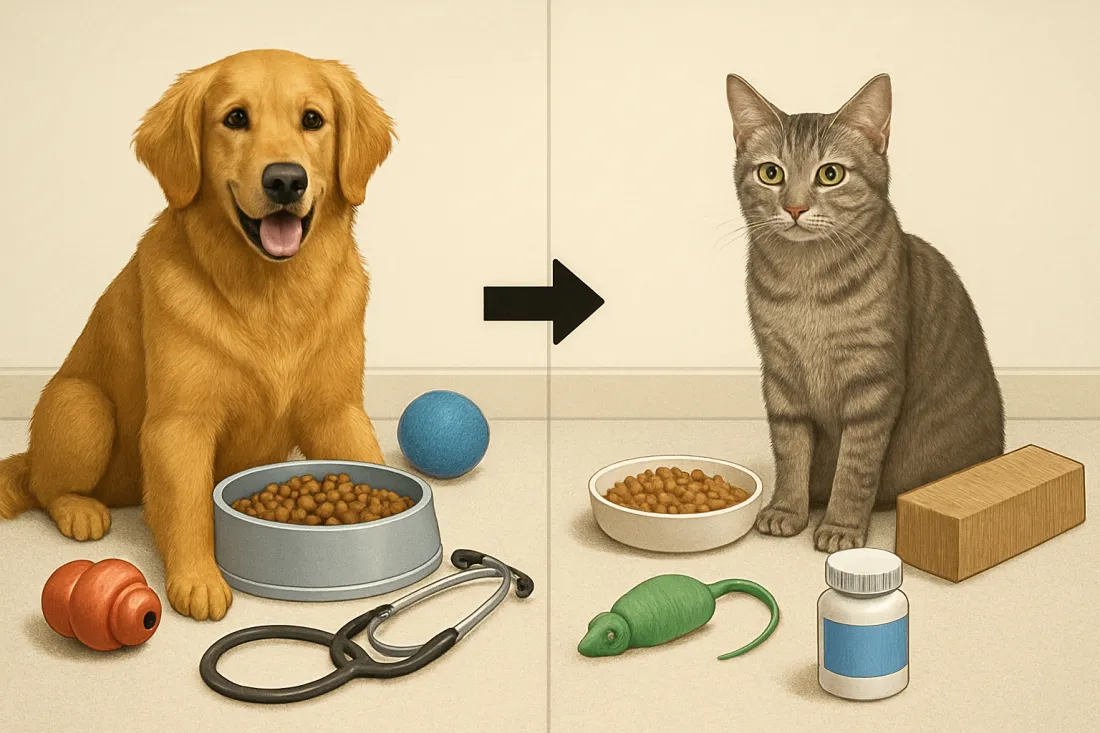
Below is a comparison table to help you see how typical dog and cat costs stack up for a family with children.
| Cost area | Family dog (typical range) | Family cat (typical range) | How kids change the cost picture |
|---|---|---|---|
| First-year setup | Higher: more vaccines, spay/neuter, crate, leash, training, larger bed | Moderate: vaccines, spay/neuter, litter box, carrier, scratching post | Kids may push for more toys and accessories; expect extra replacements. |
| Food | Higher, especially for medium/large breeds | Lower; cats eat less overall | Children may overfeed or spill food, slightly increasing waste. |
| Routine vet care | Often in the low four figures per year for many owners when you include visits, preventives, and basics | Often in the mid-hundreds per year for many owners | More handling by kids can mean more minor injuries or checkups. |
| Grooming | Can be significant for long-haired or curly-coated breeds | Usually low; many cats self-groom | Kids may want fancy grooming or bows; budget for occasional extras. |
| Training / behavior | Common to pay for classes or private sessions | Usually minimal; may need behavior help for scratching or litter issues | Training is especially important to keep interactions safe and calm. |
| Boarding / pet sitting | Moderate to high, especially for vacations and holidays | Lower; cats can sometimes be checked on less frequently | Family trips and kids’ travel events increase boarding and sitting needs. |
| Damage / replacements | Chewed shoes, toys, furniture are common | Scratched furniture, torn screens, broken decor | Kids may leave items out, increasing the chance of damage. |
Use this table as a starting point, then adjust for your own situation: apartment vs house, one child vs several, and whether adults work from home or commute.
Typical first-year and annual costs for dogs and cats in the US
Evidence from consumer cost breakdowns suggests that:
- Many dog owners see yearly costs land around roughly the low four figures when they include food, routine vet care, and basic supplies.
- Many cat owners see yearly costs around the mid-hundreds for similar basics.
- Some broad averages across all pet types and households cluster around a few hundred dollars per year, but families with dogs and kids often spend more than that average.
Because exact prices vary widely by region and pet, treat any number as a planning anchor, not a guarantee. The safest approach is to:
- Call one or two local vets and ask for a new-dog or new-cat estimate (vaccines, spay/neuter, first-year visits).
- Price food for the size and brand you’re likely to buy at your local store or online retailer.
- Get a quote from a local groomer if you’re considering a breed that needs regular grooming.
- Ask a local boarding kennel or sitter for a per-night estimate for your species and size of pet.
To help you think in categories, here is a qualitative breakdown of first-year vs ongoing costs.
First-year costs for a family dog
Expect the first year with a dog to be your most expensive, because you are paying for both medical start-up and gear. Typical categories include:
- Adoption or purchase fee – Varies widely; see the adoption vs breeder section below.
- Initial vet care – Exams, vaccines, parasite testing and preventives, and spay/neuter if not already done.
- Basic supplies – Crate, bed, bowls, leash, collar, harness, ID tags, poop bags, brush, nail clippers.
- Training – Group puppy classes or basic obedience, especially important with children.
- Microchipping and licensing – One-time or infrequent fees, depending on your local rules.
- Starter toys and chews – Durable toys, puzzle feeders, and safe chews to keep the dog busy.
For a family with kids, training and durable gear are not optional luxuries; they are part of keeping everyone safe and reducing stress.
Annual ongoing costs for a family dog
After the first year, you still have a steady stream of expenses:
- Food – Larger dogs will noticeably increase your grocery bill; smaller dogs less so.
- Routine vet care – Annual or semiannual exams, vaccines, heartworm and flea/tick preventives, dental cleanings as recommended.
- Grooming – For some breeds, professional grooming every few months; for others, mostly DIY brushing and nail trims.
- Training refreshers – Occasional classes or private sessions if behavior issues crop up, especially as kids grow and routines change.
- Boarding or pet sitting – Vacations, work trips, and kids’ travel events all add to this line item.
- Replacement supplies – Worn-out leashes, destroyed toys, new beds, and extra cleaning products.
First-year costs for a family cat
Cats are usually less expensive than dogs, but the first year still adds up:
- Adoption or purchase fee
- Initial vet care – Exams, vaccines, parasite control, and spay/neuter if needed.
- Basic supplies – Litter box, scoop, litter mat, carrier, scratching post, bed, bowls, brush.
- Starter toys – Wands, balls, tunnels, and puzzle feeders.
- Microchipping – Strongly recommended, especially for indoor-outdoor cats.
Annual ongoing costs for a family cat
Ongoing cat costs are usually more modest but still need a dedicated budget:
- Food – Wet, dry, or a mix, depending on your vet’s advice and your cat’s health.
- Litter – A recurring monthly cost that adds up over the year.
- Routine vet care – Exams, vaccines, parasite preventives, and dental care as recommended.
- Boarding or pet sitting – Less frequent than dogs for many families, but still needed for longer trips.
- Replacement supplies – New scratching posts, toys, and occasional furniture protection.
Extra pet costs that are common in homes with kids
Families with children often face pet expenses that child-free households can more easily avoid.
More frequent replacement of toys and gear
Kids and pets are both hard on stuff. Common extra costs include:
- Toys – Dogs may shred plush toys faster when kids play tug or fetch more often. Cats may destroy feather toys quickly when kids encourage intense play.
- Beds and blankets – Roughhousing, spills, and accidents can mean more frequent washing and replacement.
- Leashes and collars – Children may accidentally drag or misuse gear, leading to fraying or breakage.
- Bowls and litter boxes – Plastic items can crack or become scratched and unhygienic.
Training and behavior support
A dog in a family with kids often needs more structured training to prevent jumping, mouthing, guarding toys, or resource conflicts. Extra costs can include:
- Group classes – Puppy kindergarten, basic obedience, or family-dog classes where children learn how to interact safely.
- Private sessions – For specific issues like fear of children, leash reactivity, or guarding food and toys.
- Online courses or books – Helpful but still part of the budget.
For cats, you might invest in:
- Additional scratching posts and shelves – To give the cat safe escape routes from kids.
- Behavior consultations – If the cat starts avoiding the litter box or becomes aggressive when handled by children.
Boarding, pet sitting, and kid-focused travel
Children’s schedules often mean more travel:
- Family vacations where pets cannot come.
- Trips to visit relatives with allergies or no-pet rules.
- Kids’ sports tournaments or camps that take the whole family away.
Each of these can mean paying for:
- Boarding kennels or catteries
- Professional pet sitters
- Trusted neighbors or relatives who may still need a thank-you gift or payment
If you are wondering whether a daily rate like $50 for pet sitting is reasonable, the answer depends heavily on your region, the number of visits per day, and what is included (walks, medication, overnight stays). The safest approach is to:
- Get quotes from at least two local sitters or services.
- Compare what is included in each quote (visit length, walks, updates, medication).
- Check reviews and references before choosing based on price alone.
Accidental damage and medical emergencies
Kids sometimes leave doors, gates, or snack containers open. That can lead to:
- Chewed or swallowed toys that require vet visits.
- Falls or injuries from rough play or dropped items.
- Escape attempts if a door or gate is left open.
These incidents can turn into significant vet bills. Building a small emergency fund or choosing pet insurance (see below) is especially important in a busy household.
Adoption vs buying from a breeder: cost differences for families
The way you acquire your pet has a big impact on first-year costs.
Adopting from a shelter or rescue
Typical financial characteristics of adoption include:
- Lower upfront fee – Adoption fees are often designed to be accessible while covering some medical care.
- Included vet work – Many shelters include spay/neuter, basic vaccines, and sometimes microchipping in the fee.
- Unknown background – You may not know the pet’s full medical or behavioral history, which can lead to surprises later.
- Mixed breeds – Mixed-breed dogs and cats can sometimes have fewer breed-specific health issues, but there are no guarantees.
For families with children, adoption can be an excellent choice, especially if you:
- Work with staff to find a pet that has been tested with kids.
- Are open to an adult animal that already has some training.
- Budget a little extra for a behavior consult or training if needed.
If you are considering a shelter dog and have young children, you may also find it helpful to read guidance on how to safely adopt a shelter dog with young children.
Buying from a breeder
Buying from a breeder usually means:
- Higher upfront cost – Especially for popular or rare breeds.
- Predictable traits – You have a better idea of adult size, coat type, and general temperament tendencies.
- Health screening – Responsible breeders often screen for certain genetic conditions, which may reduce (but not eliminate) some future medical risks.
- Limited included vet work – Puppies and kittens from breeders may come with initial vaccines but usually still need full vet work and spay/neuter later.
For families with children, a reputable breeder can help match you with a temperament suited to busy households. However, the higher purchase price plus ongoing costs can be a strain if your budget is already tight.
Financial trade-offs to consider
When choosing between adoption and a breeder, think about:
- Upfront vs long-term costs – A higher purchase price does not guarantee lower vet bills later.
- Behavioral fit – A well-matched adult rescue dog may need less training than a high-energy purebred puppy.
- Your risk tolerance – If surprise medical costs would be a major hardship, prioritize health screening and consider pet insurance.
How pet insurance works and when it may help families
Pet insurance is designed to help with unexpected veterinary costs, not everyday expenses like food or routine vaccines.
Basic structure of pet insurance
Most pet insurance policies in the US work roughly like this:
- You pay a monthly or annual premium.
- You choose a deductible (the amount you pay out of pocket before coverage kicks in).
- You choose a reimbursement level (for example, the insurer might reimburse a percentage of eligible costs after the deductible).
- You usually pay the vet first, then submit a claim for reimbursement.
Common coverage types include:
- Accident-only – Covers injuries from accidents, like broken bones or swallowed objects.
- Accident and illness – Adds coverage for many illnesses, such as infections or chronic diseases.
- Wellness add-ons – Optional coverage for routine care like vaccines and annual exams.
When pet insurance can be especially useful for families
Pet insurance may be worth serious consideration if:
- You do not have a large emergency fund for vet bills.
- Your kids are young and the household is busy, increasing the risk of accidents.
- You are choosing a breed known for certain expensive health conditions.
- You want predictable monthly costs rather than the risk of a large, sudden bill.
On the other hand, you might skip or limit insurance if:
- You have strong savings and are comfortable self-insuring.
- You prefer to set aside a dedicated pet emergency fund instead of paying premiums.
- You are adopting an older pet where some conditions may already be excluded as pre-existing.
Before buying a policy, always:
- Read the exclusions carefully (pre-existing conditions, breed-specific issues, age limits).
- Ask how premiums may change as your pet ages.
- Compare at least two providers for coverage details and claim processes.
Sample monthly budget scenarios for different pet types and sizes
Because exact dollar amounts vary by region and brand, use these scenarios as planning frameworks rather than precise quotes. Adjust each line using local prices.
Scenario 1: Small mixed-breed dog in a suburban family with two kids
Monthly categories to plan for:
- Food – Small dogs eat modest amounts; check local prices for a quality brand.
- Routine vet care (averaged monthly) – Take your expected annual cost for exams, vaccines, and preventives and divide by 12.
- Grooming (averaged monthly) – If the dog needs grooming every few months, divide the total yearly grooming cost by 12.
- Training (averaged over the first year) – Spread the cost of a basic obedience course across 12 months.
- Toys and supplies – Budget for a couple of new toys or replacements each month.
- Boarding/pet sitting (averaged) – Estimate how many nights per year you will travel and divide the total cost by 12.
- Pet insurance or emergency fund – Either the monthly premium or a set amount you transfer into savings.
Scenario 2: Large active dog in a busy urban family
Expect higher monthly costs in these areas:
- Food – Large dogs can significantly increase your grocery bill.
- Daycare or dog walking – If adults work long hours, you may need weekday walks or daycare.
- Grooming – Some large breeds need professional grooming several times a year.
- Boarding – Urban boarding facilities can be more expensive, especially during holidays.
- Training – Strong, energetic dogs in crowded environments often benefit from more extensive training.
Scenario 3: Indoor cat in a family with one child
Monthly categories might look like:
- Food – Wet and/or dry food based on your vet’s advice.
- Litter – A recurring cost that can be estimated by tracking how long a bag or box lasts.
- Routine vet care (averaged) – Annual exams and vaccines divided by 12.
- Toys and enrichment – New toys, scratching posts, or puzzle feeders every few months.
- Boarding/pet sitting (averaged) – Less frequent than for dogs, but still worth planning for.
- Pet insurance or emergency fund – Especially important if you cannot easily absorb a sudden vet bill.
Scenario 4: Two cats in a larger family
Two cats can share some resources but double others:
- Food – Roughly double, though some bulk savings may apply.
- Litter – More boxes and more frequent changes.
- Vet care – Exams and vaccines for each cat.
- Boarding/pet sitting – Slightly higher than for one cat, but often not double.
- Toys and enrichment – Some toys can be shared, but you may need duplicates to avoid conflict.
To refine these scenarios, you can also look at a detailed breakdown of costs in resources like a cat ownership costs breakdown USA or an annual vet costs for dogs and cats in the US guide.
Checklist: must-have vs nice-to-have pet expenses for families
Use this structured checklist to decide what belongs in your core budget and what can wait.
Must-have expenses (non-negotiable for welfare and safety)
- Quality food appropriate for species, age, and health, as recommended by your vet.
- Fresh water and clean bowls.
- Routine veterinary care – Exams, core vaccines, parasite prevention, and dental care as advised.
- Spay/neuter unless your vet has a specific medical reason to delay or avoid it.
- Identification – Collar with tag and, ideally, a microchip.
- Basic supplies – Leash, collar/harness, crate or carrier, bed, litter box and litter for cats, poop bags for dogs.
- Safe environment – Fencing or secure containment, child-proofing to prevent access to toxins or hazards.
- Basic training and socialization for dogs, especially around children.
- Emergency fund or insurance plan so you can afford urgent vet care.
Nice-to-have expenses (helpful but can be adjusted)
- Professional grooming for low-maintenance coats (DIY may be fine if you learn proper techniques).
- Pet daycare for dogs that can cope with being home alone for reasonable periods.
- Premium treats and specialty toys beyond a basic set of enrichment items.
- Designer beds, collars, and outfits that are more about style than function.
- Subscription boxes for toys or treats.
- Advanced training sports or classes (agility, scent work) once basic manners are solid.
How to use this checklist
- Start by pricing the must-have items locally; this is your baseline budget.
- Add only the nice-to-have items that fit comfortably above that baseline.
- Revisit the list each year as your kids and pet age and your schedule changes.
False economies to avoid: saving money without harming pet welfare
Trying to save money on a family budget is normal, but some shortcuts end up costing more or harming the pet.
Skipping preventive vet care
Avoid:
- Skipping vaccines to save on exam fees.
- Delaying parasite prevention (fleas, ticks, heartworm) until there is a visible problem.
- Ignoring dental care until teeth are visibly damaged.
Why it backfires:
- Preventable diseases and infestations can lead to much higher treatment costs.
- Dental disease can cause pain and serious health issues that are more expensive to treat than to prevent.
Better approach:
- Ask your vet to prioritize which vaccines and tests are essential.
- Schedule routine care during slower months for your budget.
- Use reminders or a calendar to avoid missing preventive doses.
Buying the cheapest possible food
Avoid:
- Choosing food only by the lowest price per bag without checking ingredients or your vet’s advice.
- Frequently switching foods based solely on sales, which can upset digestion.
Why it backfires:
- Poor-quality diets can contribute to obesity, skin issues, and digestive problems.
- Medical issues from inadequate nutrition can be costly to treat.
Better approach:
- Ask your vet for budget-friendly brands that still meet nutritional standards.
- Buy in larger bags or during sales once you know a food works for your pet.
Skipping training for dogs in homes with kids
Avoid:
- Assuming the dog will “grow out of” jumping, mouthing, or guarding behavior.
- Letting kids roughhouse with the dog without clear rules.
Why it backfires:
- Untrained dogs are more likely to knock kids over, nip, or develop serious behavior issues.
- Behavior problems can lead to property damage, injuries, or even rehoming.
Better approach:
- Invest early in basic training; it often costs less than repairing damage or managing a serious behavior problem.
- Teach children age-appropriate rules for interacting with the pet.
Choosing a pet that does not fit your lifestyle
Avoid:
- Selecting a high-energy or high-maintenance breed because it looks cute, without considering daily time and cost.
- Underestimating how much travel, sports, and school activities limit your time for walks and training.
Why it backfires:
- Mismatched pets often need extra services (daycare, walkers, trainers) to cope.
- Stress for both pet and family can lead to more accidents and vet visits.
Better approach:
- Be honest about how many hours per day you can dedicate to exercise and training.
- Consider adult or senior pets, or lower-energy breeds, if your schedule is tight.
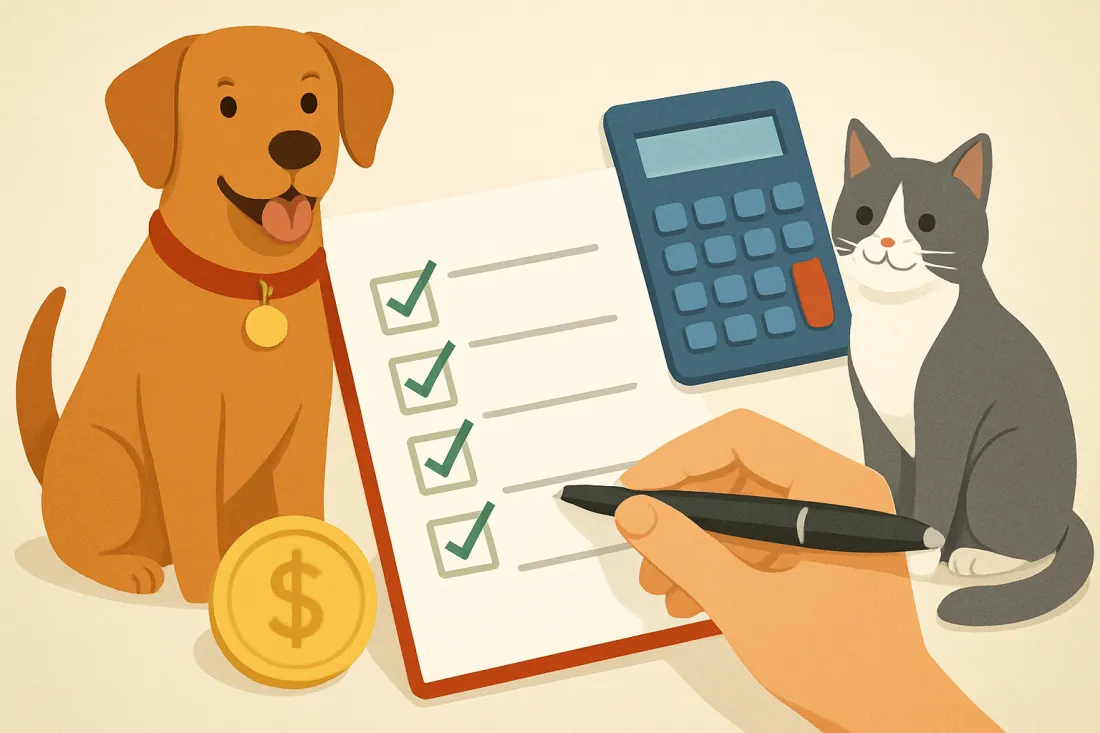
Decision checklist: are you financially ready for a family pet?
Use this step-by-step checklist before committing to a dog or cat.
- List your must-have pet costs
- Call a local vet for new-pet estimates.
- Price food, litter (for cats), and basic supplies at local stores.
- Estimate boarding or pet sitting for at least one trip per year.
- Build a monthly pet budget
- Convert annual vet, grooming, and travel costs into monthly amounts.
- Add food, litter, toys, and a small emergency or insurance line.
- Compare the total to your current monthly surplus.
- Stress-test your budget
- Ask: “If we had a large unexpected vet bill, how would we pay it?”
- Decide whether to rely on savings, pet insurance, or a mix.
- Match the pet to your lifestyle
- Choose species, size, and age based on your time, space, and travel habits.
- Be realistic about how much daily care children can truly provide.
- Plan for the first year
- Set aside a one-time “setup fund” for adoption or purchase, initial vet work, and gear.
- Schedule training (for dogs) and child–pet safety lessons early.
- Review with the whole family
- Explain to children that a pet is a long-term commitment, not a toy.
- Assign age-appropriate tasks and discuss what happens if someone forgets.
If you can comfortably cover the first-year setup, the ongoing monthly budget, and a plan for emergencies, you are in a strong position to welcome a pet into your family.
FAQ about pet costs and family life with dogs and cats
What is the 3-3-3 rule for pets, and does it affect costs?
The “3-3-3 rule” is a popular guideline for how long it takes many adopted dogs to settle in:
- 3 days to decompress from the shelter or previous home.
- 3 weeks to start learning the household routine.
- 3 months to feel fully comfortable and show their true personality.
Financially, this matters because you may see extra costs in those early weeks and months:
- More training sessions as you learn what your dog finds stressful.
- Additional gear (baby gates, crates, puzzle toys) to manage behavior.
- Possibly a vet visit or two to address issues that appear once the dog relaxes.
Building a cushion for the first three months helps you respond calmly instead of feeling pressured to cut corners.
Why does my dog pull away when my child pets him, and could that lead to extra costs?
A dog that pulls away when being petted by a child may be:
- Overstimulated or tired.
- Uncomfortable with the way the child is touching (too rough, hugging, or leaning over).
- Experiencing pain in a specific area.
From a cost perspective, this behavior is a warning sign worth addressing early:
- If pain is involved, a vet exam is important to prevent worsening medical issues.
- If it is fear or discomfort, a trainer or behaviorist can help prevent bites or conflicts, which are far more expensive and stressful to handle later.
Teaching children to pet gently, avoid hugging or climbing on the dog, and respect signs of discomfort can reduce both risk and future costs.
Is $50 a day good for pet sitting for a family dog or cat?
Whether a daily rate like $50 is reasonable depends on:
- Your local cost of living.
- How many visits per day are included and how long each visit lasts.
- Whether the sitter provides walks, playtime, medication, or overnight stays.
- How many pets you have and their special needs.
In some areas, $50 might cover multiple visits and be considered a fair or even low rate; in others, it might cover only a single visit. To judge fairly:
- Collect at least two or three quotes from local sitters or boarding facilities.
- Compare what each rate includes, not just the headline price.
- Balance cost with reliability, experience, and reviews, especially when children are emotionally attached to the pet.
Why is losing a family dog or cat so hard, and does that relate to financial decisions?
Losing a pet is often deeply painful because pets become part of the family routine and children’s emotional world. Financial decisions can intersect with this in several ways:
- End-of-life care (palliative treatment, pain management, or euthanasia) can involve difficult choices about what you can afford.
- Having some savings or insurance can give you more options for comfort-focused care.
- Planning ahead for end-of-life costs can reduce the stress of making decisions under financial pressure.
While no budget can remove the grief of losing a pet, being financially prepared can help you focus on your pet’s comfort and your family’s emotional needs rather than scrambling to cover unexpected bills.