
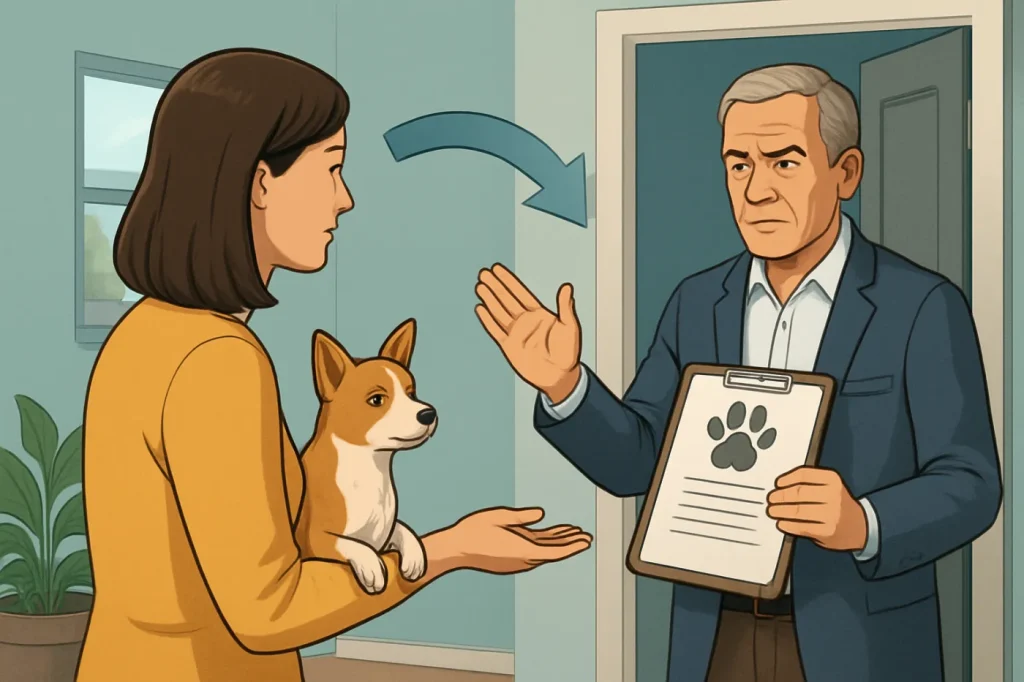
To get landlord approval for a pet, treat it like a small negotiation: understand your lease, address your landlord’s real concerns, present your pet as a low‑risk “tenant,” and get any permission in writing with a clear pet addendum. Going around the rules or hiding a pet can backfire badly, so the safest path is to ask early, come prepared, and be flexible about conditions like deposits, fees, or pet rules.
When You Can Realistically Get Landlord Approval for a Pet
Before you start persuading, check whether your situation is one where approval is actually realistic. You’ll save time and avoid conflict.
1. Read your current lease carefully
- Look for a pet clause: It may say “no pets,” “pets allowed with written consent,” or list specific limits (size, number, species).
- Check for fees and deposits: Some leases mention a pet deposit, monthly pet rent, or cleaning fee if pets are allowed.
- Note any exceptions: Sometimes fish, small caged animals, or service animals are treated differently.
If your lease says pets are allowed with landlord consent, you’re negotiating from a stronger position than if it says “no pets of any kind.” In both cases, you can still ask, but your expectations should be different.
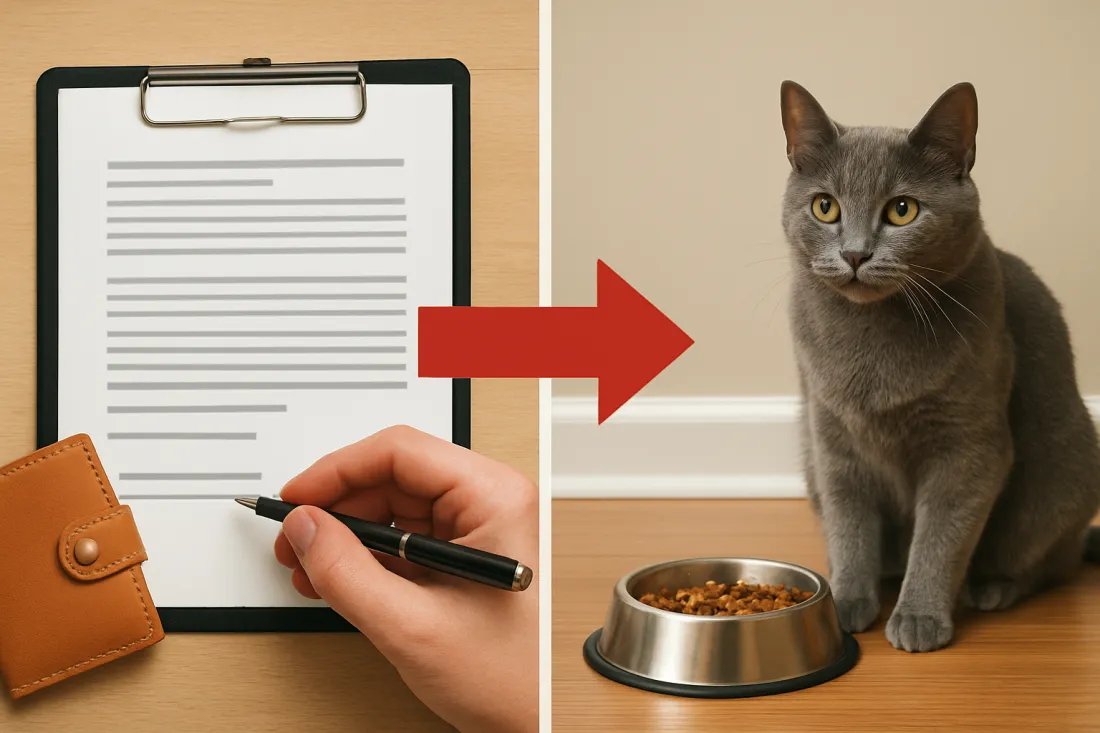
2. Understand your landlord’s starting point
Landlords generally fall into a few categories:
- Pet-friendly but cautious: Open to pets, but want proof you’re responsible and the pet is well behaved.
- Case-by-case: No clear policy; they decide based on the tenant, property, and specific animal.
- Strict no-pet policy: They may be bound by building rules, insurance, or personal preference.
You have the best chance with the first two. With a strict no-pet policy, you can still ask respectfully, but be prepared for a firm “no” and decide whether to stay without a pet or move when your lease ends. If you’re in that situation, it may help to read about what to do if my landlord says no pets so you can plan your next steps.
3. Know the difference between pets and assistance animals
In the US, service dogs and certain emotional support animals can have different legal protections than regular pets. The rules are specific and can change, so if you think your animal might qualify, check current federal and local guidance or talk to a qualified professional before assuming anything. Do not label a regular pet as an assistance animal just to get around a no-pet rule; that can create serious legal problems.
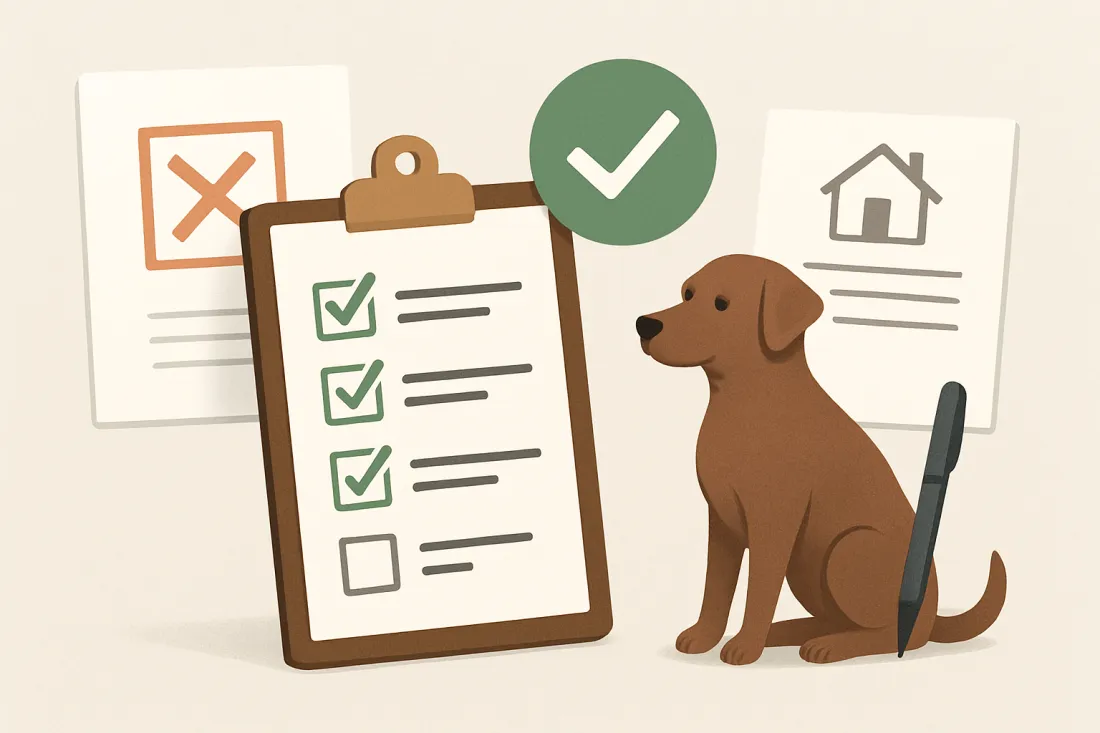
What Landlords Worry About When You Ask for a Pet
To get a “yes,” you need to speak directly to the risks your landlord is quietly calculating. Most concerns fall into a few buckets:
Property damage
- Scratched floors, chewed trim, damaged doors and blinds.
- Stains and lingering odors in carpets and upholstery.
- Claw marks on walls or window sills from cats.
How to address it: Offer a reasonable pet deposit if allowed in your state, agree to professional cleaning at move-out, and show that your pet is house-trained and supervised.
Noise and nuisance
- Dogs barking when left alone.
- Cats yowling or running at night in upstairs units.
- Complaints from neighbors about constant noise.
How to address it: Explain your routine (e.g., dog daycare, dog walker, working from home), and show any training classes or references that demonstrate your pet is quiet and manageable.
Safety and liability
- Fear of bites or scratches to neighbors, guests, or maintenance workers.
- Worries about certain breeds or large dogs.
- Insurance concerns if the property policy has restrictions.
How to address it: Provide vaccination records, proof of licensing where required, and any behavior or obedience training certificates. Be honest about your pet’s temperament.
Cleanliness and pests
- Fleas, ticks, or other pests brought in by animals.
- Litter box odors or pet waste left in common areas.
- Allergy concerns for future tenants.
How to address it: Show that your pet is on flea prevention, describe your cleaning routine, and agree to keep shared spaces spotless.
Rule consistency and building culture
- Fear that allowing one pet means everyone will demand the same.
- Concerns about upsetting other tenants who chose the building because of a no-pet rule.
How to address it: Offer to sign a specific pet addendum that applies only to you and your animal, and acknowledge that the landlord can keep their overall policy unchanged.
How to Build a Strong Pet Resume
A pet resume is a short, organized way to show your landlord that your dog or cat is low risk. It turns “I promise my pet is good” into something more concrete.
What to include in a pet resume
- Basic details: Name, species, breed or mix, age, weight, and how long you’ve had the pet.
- Health and vet records: Up-to-date vaccinations, spay/neuter status, flea and tick prevention, microchip information.
- Training and behavior: Obedience classes, crate training, litter box reliability, how your pet behaves when left alone.
- Daily routine: Walk schedule, playtime, how long the pet is typically alone, and what you do to keep them calm and exercised.
- References: Short notes or contact info from previous landlords, neighbors, or pet sitters who can vouch for your pet’s behavior.
- Photos: A couple of clear, friendly photos can make your pet feel more real and less scary.
Optional extras that can help
- Proof of renter’s insurance that covers pet-related liability, if available from your insurer.
- Behavior plan for common concerns, like how you handle barking, scratching, or separation anxiety.
- Written house rules you follow with your pet (no pets on furniture, no unsupervised balcony time, etc.).
Comparison Table: Different Ways to Ask for Pet Approval
There are several ways to approach your landlord. You can combine them, but it helps to understand the strengths and risks of each.
| Approach | When it fits best | What to emphasize | Main risks or downsides |
|---|---|---|---|
| Casual in-person or phone conversation | Small landlord, you already have a good relationship, and the lease allows pets with consent | Your reliability as a tenant, your pet resume, willingness to follow rules | Easy to forget details; no written record unless you follow up in writing |
| Formal email request | Larger property managers, or when you want a clear written trail | Organized information, attached pet resume, proposed conditions (deposit, rules) | Less personal; tone can be misread if not written carefully |
| Printed letter with attachments | Traditional landlords or when you want to show extra effort | Professionalism, complete documentation, seriousness about responsibility | Slower back-and-forth; you still need a signed addendum later |
| Ask during lease renewal negotiation | You’re a long-term, on-time tenant and your lease is ending soon | Your good payment history, low complaint record, willingness to sign a pet addendum | Landlord may raise rent or add fees as part of the new lease |
| Wait and move to a pet-friendly unit | Landlord is firmly against pets in your current unit or building | Flexibility, long-term fit, avoiding conflict | Time, moving costs, and possible higher rent for pet-friendly housing |
Sample Talking Points When You Ask for a Pet
Many people feel awkward starting the conversation. These talking points can be adapted to your style and situation.
Opening the conversation
- “I’ve really enjoyed living here and want to stay long term. I’d like to ask about getting a [small dog/indoor cat] and see what would make you comfortable with that.”
- “I know the lease says pets need written approval. I’d like to share some information about my pet and discuss whether we can make that work.”
Addressing specific concerns
- On damage: “I’m happy to pay a reasonable pet deposit if that’s allowed and to pay for professional cleaning when I move out.”
- On noise: “I work from home most days, so my dog isn’t left alone for long. If I’m out, I use a dog walker so he’s not barking from boredom.”
- On cleanliness: “My cat is strictly indoors, fully litter-box trained, and I scoop the box daily. I also plan to use a covered litter box with odor control.”
- On safety: “My dog is up to date on all vaccinations, licensed, and has completed a basic obedience class. I can share the certificates if you’d like.”
Offering solutions
- “If you’re open to it, I can send you a short pet resume with vet records and references from my previous landlord.”
- “Would a written pet addendum with clear rules and a deposit make you more comfortable?”
- “If you’d like, we could try this on a trial basis for a few months with the understanding that if there are serious issues, we’ll revisit the agreement.”
Closing respectfully
- “I really appreciate you considering this. I understand you have to think about the property and other tenants, so I’m open to reasonable conditions.”
- “Thank you for taking the time to review my request. Whatever you decide, I wanted to ask the right way rather than surprise you.”
Negotiating a Fair Pet Addendum
If your landlord is open to the idea, the next step is usually a pet addendum to your lease. This is where you protect yourself from misunderstandings and surprise fees.
Key points a pet addendum should cover
- Pet description: Species, breed, name, age, and sometimes a photo or microchip number.
- Number and type of pets allowed: So you both know whether you can add another animal later.
- Where the pet is allowed: Inside only, on balconies, in yards, and any rules for common areas.
- Noise and behavior rules: Expectations around barking, supervision, and interactions with neighbors.
- Cleaning and damage: Who pays for what, and how damage will be assessed.
- Deposits and fees: Any pet deposit, pet rent, or one-time fees, and whether deposits are refundable.
- Insurance requirements: If your landlord wants you to carry renter’s insurance with liability coverage.
- What happens if rules are broken: Warnings, timelines to fix issues, and when the landlord could require pet removal under the lease.
Reasonable things you can ask for
- Clear limits on charges: For example, that the pet deposit is separate from your security deposit and how each can be used.
- Fair notice: A requirement that the landlord gives written notice and a chance to fix problems before taking serious action.
- Defined cleaning expectations: Such as professional carpet cleaning at move-out instead of vague “extra cleaning fees.”
What to avoid agreeing to
- Open-ended language that lets the landlord charge unlimited “pet-related” fees without explanation.
- Rules you know you cannot realistically follow (for example, “pet must never be left alone” if you work outside the home).
- Anything that conflicts with your main lease unless both documents are updated consistently.
If you want more detail on how a pet addendum typically works, you can read about a pet addendum for renters with dogs or cats and then tailor the ideas to your own lease.
What You Must Get in Writing Before Bringing a Pet Home
Verbal permission is not enough. People forget, staff change, and memories differ. Protect yourself with clear written proof.
Essential written items
- Landlord’s written approval: An email, letter, or signed form that clearly says you are allowed to keep a specific pet.
- Updated lease or pet addendum: Signed by both you and the landlord, with the date and details of the pet and any fees.
- Record of payments: Receipts for any pet deposit, pet rent, or fees, labeled clearly as pet-related.
- Any special agreements: For example, permission to install a baby gate, use a specific outdoor area, or have a trial period.
How to confirm the agreement
- Reply to any verbal “yes” with a short email summarizing what you both agreed to and ask them to confirm.
- Keep copies of all emails, letters, and signed documents in a safe place.
- If your landlord uses an online portal, upload or save copies there if the system allows it.
Structured Checklist Before Bringing a Pet Home
Use this checklist to make sure you’ve covered the key steps before your dog or cat sets paw in the rental.
- Lease and policy checks
- I have read my current lease and understand the pet clause.
- I have checked any building or HOA rules that might affect pets.
- I understand whether my landlord is pet-friendly, case-by-case, or strict no-pet.
- Pet documentation ready
- My pet is up to date on vaccinations.
- My pet is spayed/neutered or I know how to explain my plan if not.
- I have flea/tick prevention in place if recommended by my vet.
- I have a simple pet resume with health records and any training certificates.
- I have at least one reference who can vouch for my pet’s behavior, if available.
- Conversation and negotiation
- I have chosen how to ask (in person, phone, email, or letter).
- I have prepared talking points that address damage, noise, safety, and cleanliness.
- I am clear about what I can offer (deposit, pet rent, cleaning, trial period).
- Written approval and paperwork
- I have written approval from my landlord that mentions my specific pet.
- I have a signed pet addendum or updated lease with pet details and rules.
- I have receipts for any pet deposit, pet rent, or fees.
- Home preparation
- I have set up a safe area for my pet (crate, bed, or quiet room).
- I have scratching posts, toys, or chews to reduce damage to the property.
- I have a plan for walks, litter box placement, and waste disposal.
- I have a backup plan for pet care if I’m away longer than usual.
- Ongoing communication
- I know how to reach my landlord quickly if issues come up.
- I’m prepared to respond promptly if neighbors or the landlord raise concerns.
Common Mistakes That Can Cost You Your Pet or Your Lease
Many pet problems with landlords come from avoidable missteps. Being aware of them helps you stay out of trouble.
1. Sneaking in a pet without permission
This is one of the biggest mistakes. If your landlord finds out, they may:
- Demand that you remove the pet immediately.
- Charge fees or claim you violated the lease.
- Refuse to renew your lease or, in serious cases, start eviction proceedings.
Even if you later ask for permission, starting from a place of broken trust makes approval much harder.
2. Assuming verbal approval is enough
Landlords and property managers change. Without written proof, a new manager could say you’re violating the lease. Always get permission and any conditions in writing.
3. Downplaying your pet’s size, breed, or behavior
If you misrepresent your pet and the truth comes out after a complaint or incident, your landlord may feel misled and be less willing to work with you. Be honest from the start, even if it feels like it might hurt your chances.
4. Ignoring early complaints
If a neighbor mentions barking or odors, treat it as an early warning. Address it quickly—adjust your routine, invest in training, or improve cleaning—before it becomes a formal complaint to the landlord.
5. Not planning for emergencies
Life happens: long workdays, illness, or travel. Without a backup plan (trusted friend, sitter, daycare), your pet may become noisy or destructive, which directly affects your landlord’s property and patience.
Decision Criteria: When to Stay, Negotiate, or Move
Sometimes, even after your best effort, your landlord still says no. Then you have to decide what matters more right now: staying in that unit or having a pet.
Questions to ask yourself
- How important is this specific rental? Is it uniquely affordable, close to work, or otherwise hard to replace?
- How urgent is getting a pet? Are you planning to adopt soon, or is this a long-term wish?
- Is your landlord’s “no” absolute or flexible? Did they leave room for future discussion, or is the answer clearly final?
- What are your local options? Are there enough pet-friendly rentals in your area within your budget?
Possible paths forward
- Stay and wait: If the rental is a great fit and your landlord is firm, you might decide to delay getting a pet until you move.
- Stay and keep negotiating: If the landlord seems open but cautious, you can revisit the conversation later with more proof, like training certificates or updated references.
- Plan a move to a pet-friendly place: If having a pet is a priority, start researching pet-friendly rentals early so you can move when your lease ends. It can help to understand what does pet friendly apartment really mean so you know what to expect.
FAQ: Asking Your Landlord for Pet Permission
How do I make my landlord more likely to allow a pet?
Show that you are a low-risk, responsible pet owner. Start by paying rent on time and keeping your unit in good condition so you already have a positive track record. Then present a clear request with a pet resume, vet records, and any training certificates. Address common concerns directly—offer a reasonable pet deposit if allowed, agree to specific cleaning at move-out, and explain your plan to prevent noise and damage. Being flexible about conditions and showing you understand the landlord’s position can make approval more likely.
What happens if I don’t tell my landlord I have a pet?
If your lease requires approval or bans pets and you bring one in secretly, you are likely violating the lease. If the landlord finds out, they may require you to remove the pet, charge fees allowed under the lease, or refuse to renew your lease. In more serious situations, they could start the process to end your tenancy. It can also damage your rental references for future housing. Being upfront and getting written permission is much safer than hoping the landlord never notices.
Can I ask my landlord specifically for a cat if the lease says no pets?
Yes, you can always ask respectfully, even if the lease says no pets. Explain that you understand the rule but hope they might consider an exception for a specific indoor cat. Emphasize that the cat will be spayed or neutered, fully litter-box trained, and kept indoors. Offer to sign a pet addendum and pay a reasonable deposit if allowed. Be prepared for a “no,” though—some landlords are bound by building rules or insurance and truly cannot make exceptions.
How should I ask for permission to have a dog in an apartment?
Prepare before you ask. Make sure your dog is vaccinated, licensed where required, and has basic training. Put together a pet resume with vet records and any obedience certificates. Then contact your landlord with a clear, polite request that describes your dog’s size, age, temperament, and daily routine. Explain how you’ll manage exercise, bathroom breaks, and barking. Offer solutions like a pet deposit, dog walker, or daycare if you’re away for long hours. Ask for written approval and a pet addendum if they agree.
What if my landlord says no pets and won’t reconsider?
If your landlord has a firm no-pet policy and will not reconsider even after you present your case, you have to decide whether to stay without a pet or plan a move when your lease ends. Avoid sneaking in a pet, since that can put your housing at risk. Instead, start researching pet-friendly rentals early, compare options, and budget for any extra costs or deposits so you can move to a place that fits both you and your future pet.