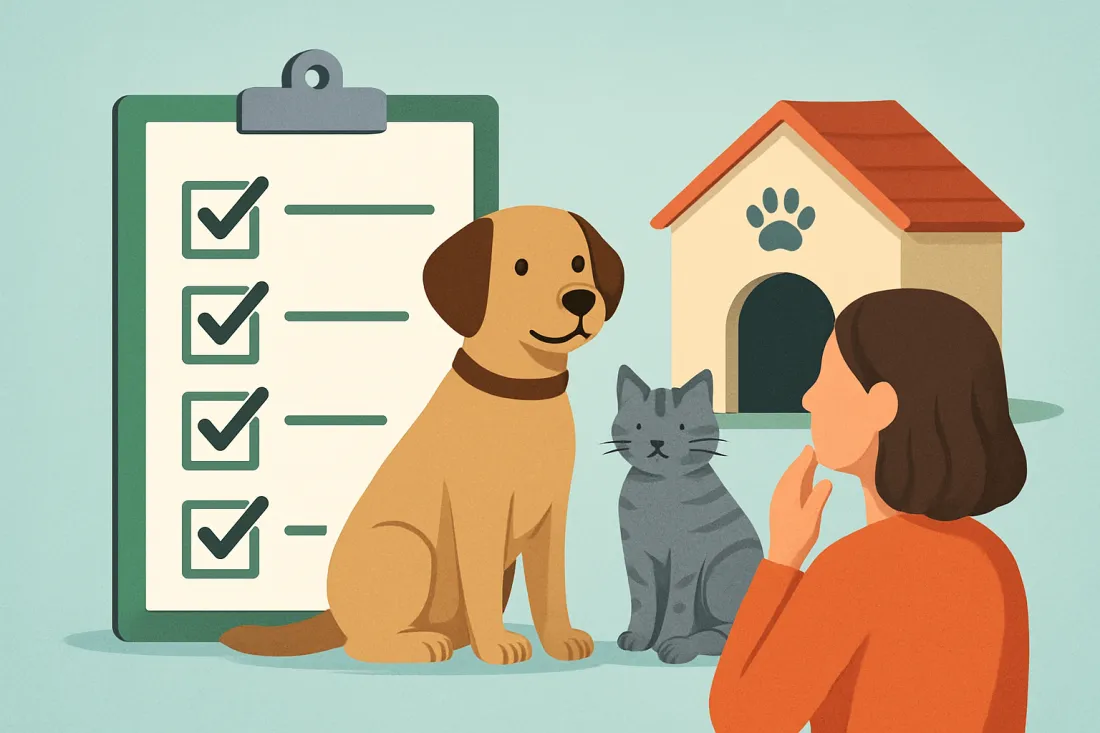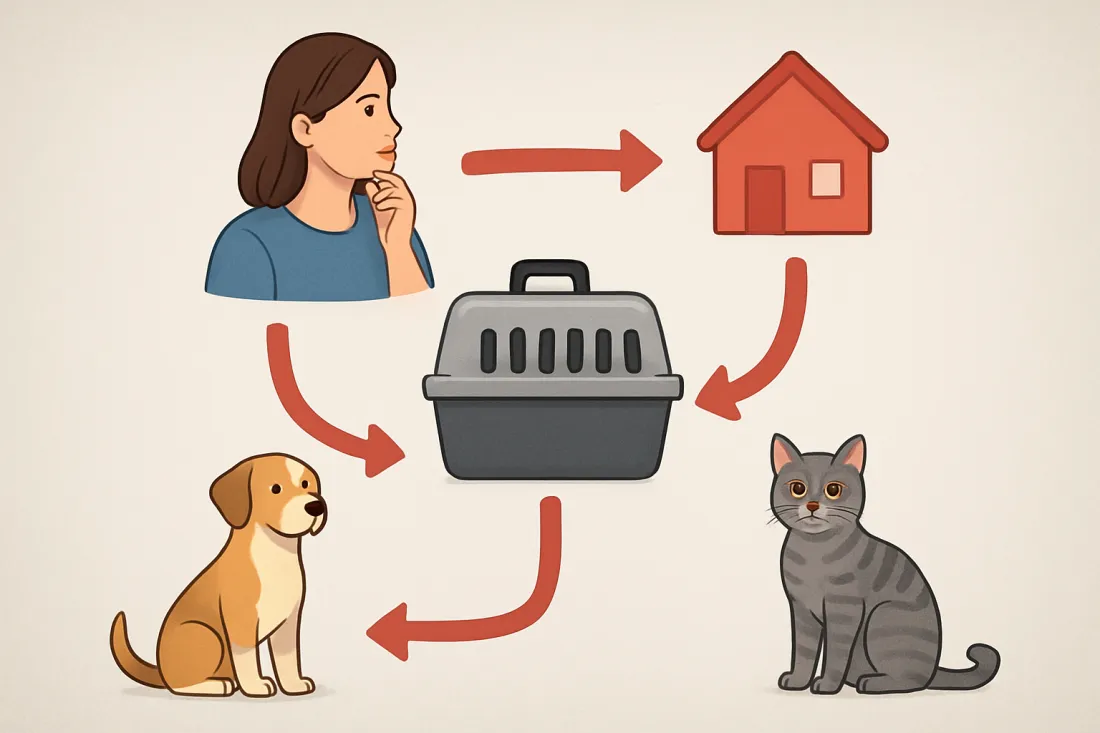
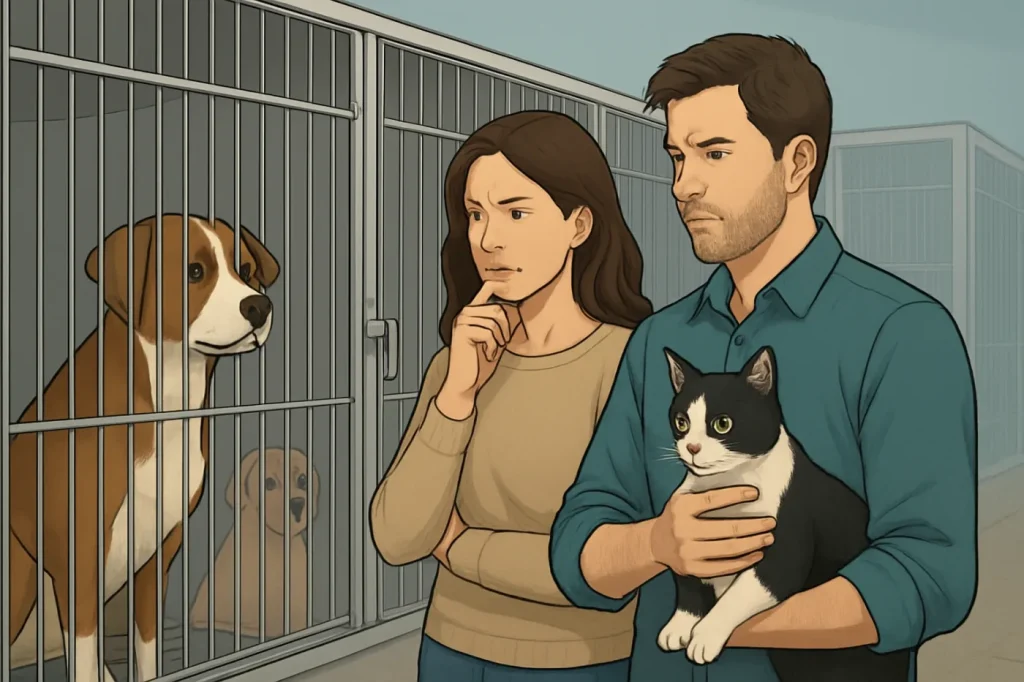
Can first-time pet owners adopt from shelters at all?
Yes. In the United States, first-time dog and cat owners can usually adopt from shelters and rescues. Most organizations do not require previous pet ownership. What they care about much more than experience is:
- Whether you understand the commitment (time, money, lifestyle changes)
- How stable your housing and schedule are
- Whether the specific animal you want is a good match for your situation
- How you plan to handle training, vet care, and emergencies
Some rescues are stricter than others, and a few may prefer experienced owners for certain animals (for example, a large reactive dog or a medical special-needs cat). That is about the animal’s safety and welfare, not about punishing first-time owners. If you are willing to be honest, flexible about which pet you adopt, and prepared to learn, being a first-time owner is rarely a deal-breaker.
Myths vs reality about first-time owners and shelter adoption
Many people talk themselves out of adopting before they even apply. Clearing up a few myths helps you see what shelters actually expect.
Myth 1: “Shelters never approve first-time owners”
Reality: Many shelters and rescues are happy to place animals with first-time owners. A thoughtful novice with realistic expectations can be easier to work with than someone who thinks they “know it all.” You may be:
- Steered toward easier, more adaptable animals (for example, an adult cat instead of a high-drive working-breed puppy)
- Asked more questions about your plans for training and daily care
- Encouraged to attend a basic training class or read specific resources
None of that means you are being rejected; it means they are trying to set you and the animal up for success.
Myth 2: “If I rent, I can’t adopt”
Reality: Many renters adopt successfully. Shelters simply need to know:
- Your landlord allows pets (sometimes with size or breed limits)
- You understand any pet deposits or monthly pet fees
- You have a plan if you move or your lease changes
Most organizations will ask for landlord contact information or a copy of your lease. This is to avoid situations where an animal is returned because housing falls through.
Myth 3: “If I work full-time, I’ll be denied”
Reality: Plenty of adopters work full-time. What matters is how you manage the pet’s needs:
- Dogs need regular potty breaks, exercise, and company
- Cats need daily interaction, play, and enrichment even if they are more independent
If you work long shifts, shelters may ask about:
- Dog walkers, pet sitters, or doggy day care
- Whether another adult in the home has a different schedule
- Whether you can come home at lunch, at least at first
If you can describe a realistic routine, full-time work is usually not a barrier.
Myth 4: “If I don’t have a yard, I can’t adopt a dog”
Reality: Many happy dogs live in apartments. A fenced yard is convenient but not mandatory in many places. Shelters will look at:
- How often you plan to walk the dog
- Where you will exercise them safely (parks, trails, quiet streets)
- Whether you understand leash laws and local rules
Some very high-energy or escape-prone dogs may require a fenced yard, but that is about that specific dog, not all dogs.
Myth 5: “If one shelter says no, I’ll never be able to adopt”
Reality: Different organizations have different policies and comfort levels. One may say no to a particular match, while another suggests a better fit. If you are declined:
- Ask politely what concerned them
- Decide whether you can realistically address those issues
- Consider other shelters or rescues with a more flexible approach
You can also compare options like adopting from a shelter versus rehoming directly from a previous owner; for that decision, see adopt from shelter vs rehome a pet from current owner.
What shelters look for instead of past pet experience
When you apply, adoption counselors are trying to answer one core question: “Is this person prepared to be a responsible pet owner for this specific animal?” They usually focus on four big areas.
1. Stability and environment
Shelters often ask about:
- Housing type – apartment, house, shared housing, etc.
- Length of time at current address – frequent moves can be a concern
- Pet policies – written permission if you rent
- Household members – adults, kids, roommates, elderly relatives
They are not judging your income bracket or neighborhood. They want to know the pet will not be uprooted again in a few months.
2. Time and lifestyle fit
They will look at your daily and weekly schedule:
- How many hours you are away from home most days
- How often you travel and what happens to the pet when you do
- Whether your energy level matches the animal’s needs
Example: A high-energy herding-breed dog may not be a good fit if you dislike exercise and prefer quiet evenings on the couch. A calm adult cat might be perfect.
3. Financial readiness
Shelters know that pets come with ongoing costs. They may ask how you plan to cover:
- Routine vet care (exams, vaccines, parasite prevention)
- Food, litter, and basic supplies
- Unexpected issues like illness or injury
They are not asking for bank statements. They want to see that you have thought about these expenses and have a realistic plan (budgeting, savings, pet insurance, or support from a partner or family).
4. Support network and willingness to learn
For first-time owners, this is especially important. Shelters like to hear that you:
- Know where you will go for training or behavior help if needed
- Have friends or family who can help in emergencies
- Are open to advice about feeding, training, and enrichment
A first-time owner who says, “I’ve researched basic training and I’m planning to take a class” often looks more prepared than someone with years of experience who refuses guidance.
Common application questions and how to answer thoughtfully
Most shelters and rescues use some version of an application form plus a conversation or home visit. Here are typical questions and how to approach them.
“Why do you want to adopt a pet now?”
What they are checking:
- Whether this is an impulse decision or a well-considered choice
- Whether your expectations match reality
Helpful answer elements:
- Specific reasons (companionship, wanting to help a homeless animal, enjoying walking or hiking with a dog, etc.)
- Evidence you have thought about the work involved (training, shedding, vet visits)
- Why your timing is good (stable housing, predictable schedule)
Less helpful: “Because my kids begged me yesterday” or “I saw a cute video and decided I want one.”
“Describe your typical weekday and weekend”
What they are checking:
- How long the pet will be alone
- When feeding, walks, and playtime will happen
- Whether the animal you chose can handle that routine
Be honest and specific. For example:
- “I leave for work at 8 a.m. and return around 5:30 p.m. I can walk a dog before work and again in the evening, and I plan to hire a dog walker at lunchtime on weekdays.”
- “I work from home three days a week, so the dog would have company most days.”
If your schedule is tight, explain any support you will use (partner, roommate, neighbor, dog walker, pet sitter).
“Where will the pet stay when you are not home?”
What they are checking:
- Safety (no access to hazards, escape routes, or dangerous items)
- Whether you understand crate training or safe confinement for dogs
- Whether cats will have safe indoor spaces and escape-proof windows
Thoughtful answers might include:
- “A dog will stay in a crate or puppy-proofed room with water, safe chew toys, and a comfortable bed.”
- “An indoor cat will have access to the living room and bedroom, with scratching posts and hiding spots.”
“How will you handle training and behavior issues?”
What they are checking:
- Whether you expect a “perfect” animal from day one
- Whether you are willing to invest time in training
- Whether you will seek help instead of giving up
Strong answers often mention:
- Positive reinforcement training (rewarding good behavior)
- Attending a basic obedience class for dogs
- Contacting the shelter or a trainer if problems arise
Avoid answers like “I’ll just yell at them” or “If they misbehave, I’ll return them.” Those are major red flags.
“What will you do with the pet if you move, have a baby, or your life changes?”
What they are checking:
- Whether you see the pet as a long-term commitment
- Whether you have thought about big life changes
A thoughtful answer might be:
- “I understand this is a long-term commitment. If I move, I will look for pet-friendly housing. If I have a baby, I’ll work with a trainer to help the dog adjust safely.”
Red flags that worry adoption counselors and how to address them
Shelters are trying to avoid repeat trauma for animals who have already been abandoned or surrendered. Certain patterns make them cautious. Being aware of these helps you prepare.
1. Unrealistic expectations about behavior
Examples of red flags:
- Expecting a dog to be fully house-trained, non-destructive, and calm from day one
- Expecting a cat to be instantly cuddly and never scratch or hide
- Wanting a “guard dog” but not planning to train or socialize them
How to address:
- Acknowledge that adjustment takes time (see the 3-3-3 rule below)
- Show you understand that some accidents, barking, or hiding are normal at first
- Explain your plan for gentle training and socialization
2. Impulse decisions and pressure from others
Red flags:
- Adopting as a surprise gift for someone who has not met the animal
- Applying because of a trend or social media video
- Not involving all household members in the decision
How to address:
- Make sure every adult in the home meets and agrees on the pet
- Be ready to explain how long you have been thinking about adoption
- If you were inspired by a story or video, pair that with concrete planning you have done
3. History of frequent pet rehoming or returns
Red flags:
- Multiple pets rehomed in a short period
- Returning animals for reasons that might repeat (for example, “shed too much,” “too active”)
How to address:
- Be honest about what happened in the past
- Explain what has changed (housing, schedule, understanding of breed needs)
- Show what you will do differently this time
4. Safety concerns
Red flags:
- Unsecured pools, balconies, or yards with escape routes
- Plans to keep a social dog isolated outdoors all day
- Allowing cats outdoors in areas where it is clearly unsafe
How to address:
- Describe specific safety measures you will put in place (fencing repairs, balcony netting, secure gates)
- Explain where the pet will sleep and spend most of their time
- Ask the counselor for suggestions; being open to changes is a good sign
5. Harsh training methods or punishment focus
Red flags:
- Talking about shock collars, hitting, or yelling as a first resort
- Expecting instant obedience without training
How to address:
- Emphasize positive reinforcement and patience
- Mention any trainers, classes, or resources you plan to use
- If your views have changed, say so and explain what you have learned
Comparison: first-time vs experienced adopters in screening
| Screening aspect | First-time adopter | Experienced adopter | What counselors actually care about |
|---|---|---|---|
| Pet care knowledge | Learning from research, classes, and shelter guidance | Draws on past pets and routines | Willingness to learn, ask questions, and follow humane advice |
| Housing situation | Might be in first apartment or early career housing | Often has longer housing history and references | Current stability, landlord permission, and safe indoor space |
| Schedule and lifestyle | Still figuring out how a pet fits the routine | May already have a pet-friendly routine | Realistic plan for alone time, exercise, and enrichment |
| Expectations of behavior | Sometimes idealized; may expect a “perfect” pet | Often more realistic, but can be overconfident | Understanding that training and adjustment take weeks to months |
| Support network | Relies on friends, family, and professionals for guidance | May have established vet, sitter, and trainer relationships | At least one reliable backup for care and a chosen vet clinic |
| Flexibility about the pet | Often open to counselor suggestions and different matches | Sometimes fixed on a specific breed or look | Choosing an animal whose needs truly match the home |
The key point: being first-time versus experienced matters less than being prepared, realistic, and open to guidance.
Structured checklist: first-time owner preparation before applying
Use this step-by-step checklist to get ready for adoption and make your application stronger.
Step 1: Clarify your “why” and your limits
- Write down why you want a dog or cat (companionship, activity partner, helping a rescue animal).
- Decide what you cannot handle (very high energy, heavy shedding, strong prey drive, medical special needs, etc.).
- Think about size, age, and temperament that would realistically fit your home.
- Consider whether a dog or cat fits better; if you are unsure, you can explore a broader guide such as should I adopt a dog or buy from a breeder to clarify your priorities around adoption in general.
Step 2: Review your housing and get written permission if needed
- Confirm pet rules with your landlord or property manager.
- Ask about any breed, size, or species restrictions.
- Request written confirmation (lease clause, email, or letter).
- Check for pet deposits or monthly pet rent so you can budget.
Step 3: Map out a daily and weekly routine
- Decide what time you will feed, walk, and play with the pet on workdays.
- Plan how long the pet will be alone most days.
- Identify backup help (partner, roommate, neighbor, dog walker, pet sitter).
- Think about weekends and travel: where will the pet stay if you go away?
Step 4: Estimate ongoing costs and set a basic budget
Because exact prices vary widely by location and pet size, do a local check:
- Call or check websites for at least two local vets to see typical costs for exams and vaccines.
- Price out food, litter, and basic supplies at a nearby store or online.
- Decide whether you will use pet insurance or set aside savings for emergencies.
- Make sure these costs fit into your monthly budget with some cushion.
Step 5: Choose a vet and training or behavior resources
- Ask friends, family, or neighbors which vets they use and why.
- Pick a vet clinic you are likely to use and note their phone number and hours.
- Look up at least one positive reinforcement dog trainer or cat behavior resource in your area.
- Bookmark or save reputable online resources for training and behavior.
Step 6: Prepare your home
- Decide where the pet will sleep, eat, and use the litter box (for cats).
- Remove or secure hazards: toxic plants, loose cords, small objects, cleaning chemicals.
- Check windows, screens, balconies, and fences for escape risks.
- Plan a safe confinement area for the first weeks (crate, playpen, or pet-proofed room).
For a more detailed supply list, you can also review the first time dog owner checklist USA if you are leaning toward a dog.
Step 7: Talk with everyone in your household
- Agree on house rules (where the pet can go, furniture rules, feeding rules).
- Assign responsibilities (who feeds, who walks, who cleans the litter box).
- Make sure no one has severe allergies or fears that would make life difficult.
- Plan how to introduce the pet to children or existing animals safely.
Step 8: Gather information for the application
- Landlord or property manager contact details (if you rent).
- Contact information for your chosen vet (if you already have one).
- References if the rescue requests them (friends, neighbors, coworkers who know you well).
- Work schedule details and any proof of flexible work arrangements if relevant.
Step 9: Be flexible about the specific pet
- Make a list of “must-haves” and “nice-to-haves” for your future pet.
- Be open to counselor suggestions about animals that fit your lifestyle better than your first choice.
- Remember that the goal is a long-term match, not just a particular look or breed.
When a shelter might recommend fostering or volunteering first
Sometimes, even if you are enthusiastic, a counselor may recommend fostering or volunteering before adopting. This is not a rejection of you as a person; it is often a way to help you gain experience and confidence. Common situations where this happens:
- Very limited pet experience and a challenging animal – For example, wanting a large, strong dog with known behavior issues when you have never owned a dog.
- Uncertain housing or upcoming big life changes – If you expect to move soon or are unsure about your job situation.
- Household disagreement – If not everyone in the home is on board yet.
- Concerns about time or energy – If your schedule is extremely demanding and you are not sure how a pet will fit.
How fostering or volunteering helps you:
- You experience daily care, training, and adjustment without a permanent commitment.
- You learn what kind of personality and energy level fits you best.
- You build a relationship with the organization, which can strengthen a future adoption application.
If a shelter suggests this, you can ask:
- “What kind of foster animals would you consider a good match for my situation?”
- “What would you want to see change before recommending a permanent adoption?”
How hard is it to adopt a dog or cat from a shelter?
The difficulty level varies by organization and by animal. Factors that can make adoption feel easier include:
- Choosing an adult dog or cat with an easygoing temperament
- Being flexible about breed, color, and exact age
- Working with open-admission shelters that use straightforward applications
Factors that can make adoption more involved include:
- Applying for very popular breeds or small dogs that get many applications
- Wanting an animal with known behavior or medical issues
- Working with small rescues that use home visits and detailed interviews
For most first-time adopters who are prepared and honest, the process is manageable: fill out an application, talk with staff or volunteers, meet suitable animals, and complete paperwork once a match is found. If you are still deciding whether to adopt at all or are torn between species, you might find it helpful to explore a broader decision guide such as a “dog or cat” comparison; a resource like a should-I-adopt quiz can clarify which type of pet fits your lifestyle.
Understanding the 3-3-3 rule for pet adoption
Many shelters and trainers use the “3-3-3 rule” as a simple way to describe how long it can take a newly adopted pet to settle in. It is not a strict scientific rule, but it gives realistic expectations.
- First 3 days – The pet may be overwhelmed, shut down, or overexcited. Dogs might pace, pant, or have accidents. Cats might hide under furniture, refuse food at first, or come out only at night.
- First 3 weeks – The pet starts to learn your routine. You begin to see more of their true personality. Some behavior issues may appear now (for example, barking, chewing, or testing boundaries) as they feel safer.
- First 3 months – Many pets feel much more at home. They understand the household rules, bond with family members, and settle into a stable routine. Training and trust continue to build.
Knowing this helps you answer application questions realistically and reassures counselors that you will not give up if the first week is bumpy.
Decision checklist: are you ready to apply as a first-time adopter?
Use this decision checklist before you submit an application. If you can honestly say “yes” to most of these, you are likely ready.
- Have I thought about living with this pet for many years, not just the next few months?
- Do I have stable housing that allows pets, with written confirmation if I rent?
- Have I mapped out a realistic daily routine for feeding, exercise, and play?
- Do I have a basic budget for food, supplies, and vet care, plus a plan for emergencies?
- Have I chosen a vet clinic I am likely to use?
- Do I know at least one trainer or behavior resource I can turn to if needed?
- Have I talked with everyone in my household and agreed on responsibilities?
- Am I open to the counselor’s advice about which animal is the best fit?
- Do I understand that the first days and weeks may be messy and stressful, and am I prepared to stick with it?
If you answered “no” to several items, focus on those areas first. You do not need to be perfect, but you do need a realistic plan.
FAQ about first-time owners adopting from shelters
What is the 3-3-3 rule for pet adoption, and how should a first-time owner use it?
The 3-3-3 rule is a guideline that says many adopted pets need roughly 3 days to decompress, 3 weeks to start learning the routine, and 3 months to feel truly at home. As a first-time owner, use it to set expectations:
- Plan to take things slow in the first few days: keep visitors limited, stick to a simple routine, and give the pet a quiet safe space.
- Expect some behavior changes around the 3-week mark as the pet relaxes and shows more personality.
- Commit to at least 3 months of consistent care and training before judging whether the match is working, unless there is a serious safety issue.
Mentioning this understanding in your application or conversation can reassure counselors that you are prepared for the adjustment period.
How hard is it for a first-time owner to adopt a dog from a shelter compared with a cat?
In many areas, adopting a dog involves more questions about schedule, exercise, and training, because dogs usually need more hands-on time and outdoor activity. Cats are often seen as lower maintenance, so the focus may be more on indoor safety, litter box placement, and how they will fit with other pets. For a first-time owner:
- Adopting a dog may require a clearer plan for walks, training classes, and daytime care if you work long hours.
- Adopting a cat may be somewhat simpler logistically, but you still need to think about enrichment, scratching posts, and safe hiding spots.
Neither is automatically harder if you choose an animal whose needs match your lifestyle and you can explain that match to the shelter.
What are red flags when adopting a dog from a shelter as a first-time owner?
Common red flags for adoption counselors include:
- Wanting a very high-energy or behaviorally challenging dog without a realistic training plan
- Expecting a perfectly trained dog with no accidents or adjustment period
- Not having landlord permission if you rent
- Talking about harsh punishment-based training methods
- Seeing the dog as temporary or easily replaceable if life changes
You can reduce concerns by being honest, showing you have thought through these issues, and being open to a different dog if the one you chose is not a good fit.
What is the earliest age you can adopt a dog or cat from a shelter?
The minimum age for adoption varies by organization and by state or local rules. Many shelters prefer to adopt out puppies and kittens only after they are old enough to be safely weaned, vaccinated, and spayed or neutered according to their policies. In practice, that often means you will see young animals listed as adoptable once they reach the age that fits that shelter’s vet and care guidelines. As a first-time owner, it is worth asking the shelter:
- What age range they recommend for your situation (puppy or kitten versus adolescent or adult)
- What vet care has already been done and what still needs to be scheduled
Often, an adult dog or cat is easier for a first-time adopter than a very young puppy or kitten, because their personality and energy level are more predictable and they may already have some training.
Can a first-time owner be denied by one shelter and accepted by another?
Yes. Different shelters and rescues have different policies, resources, and risk tolerance. One organization might be cautious about placing a certain type of dog with a first-time owner, while another has more support in place (such as training partners or foster histories) and feels comfortable with the match. If you are declined:
- Ask politely what specific concerns they had.
- Decide whether you can reasonably address those concerns.
- Consider applying elsewhere with a clearer plan or a different type of animal.
A “no” from one shelter does not mean you will never be able to adopt; it is feedback about that particular situation and match.