
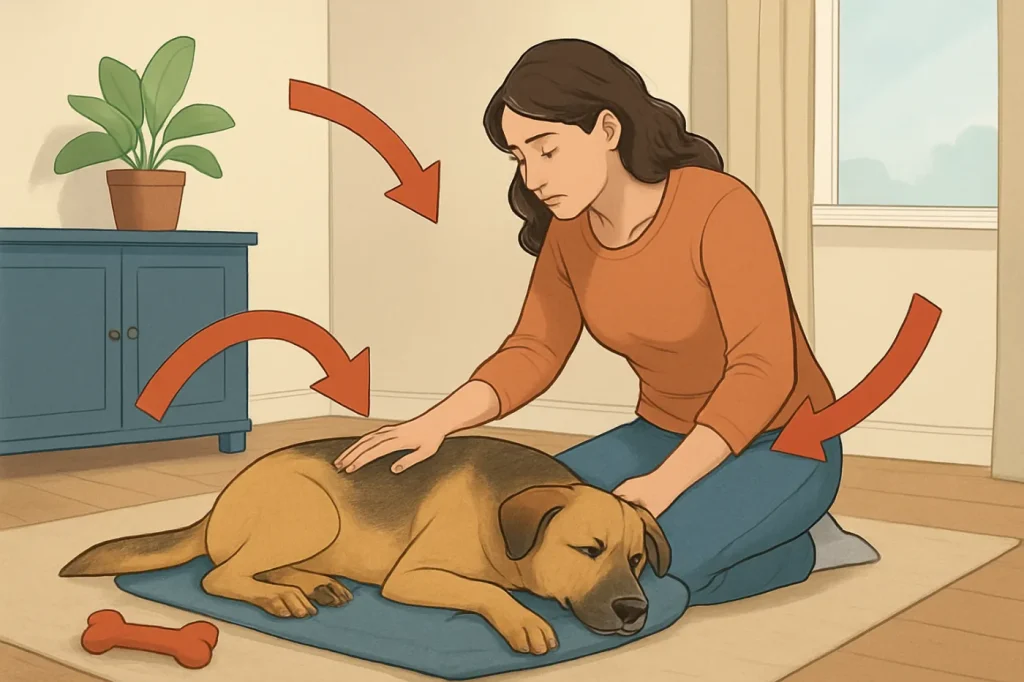
Bringing home a rescue dog is exciting and emotional, but the first week is rarely “perfect.” Many new adopters worry they are doing something wrong when their dog seems shut down, overexcited, or confused. In reality, most of this is normal adjustment.
During the first week with a rescue dog, expect three big themes:
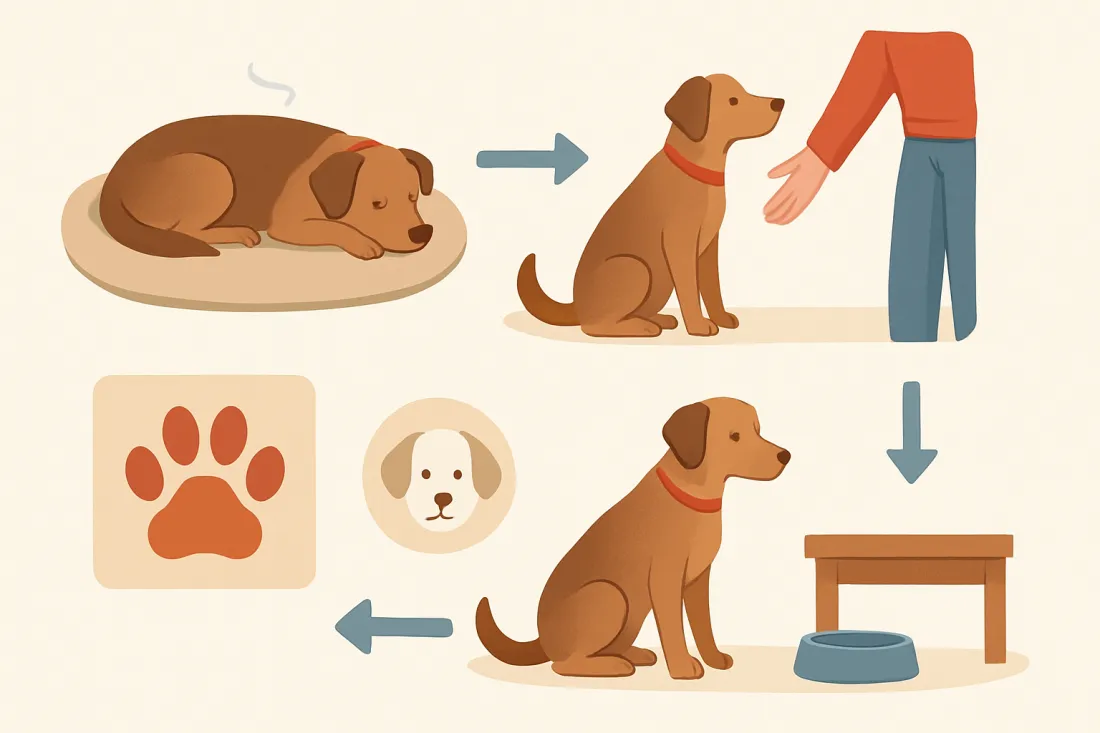
- Stress and decompression – your dog may sleep a lot, pace, pant, or seem unsure.
- Testing and learning – they do not yet know your rules, routine, or what is safe.
- Slow bonding – trust builds over days and weeks, not hours.
Your main job is not to “fix” everything immediately, but to provide calm structure, predictable routine, and gentle guidance.
Key things to expect in the first week with a rescue dog
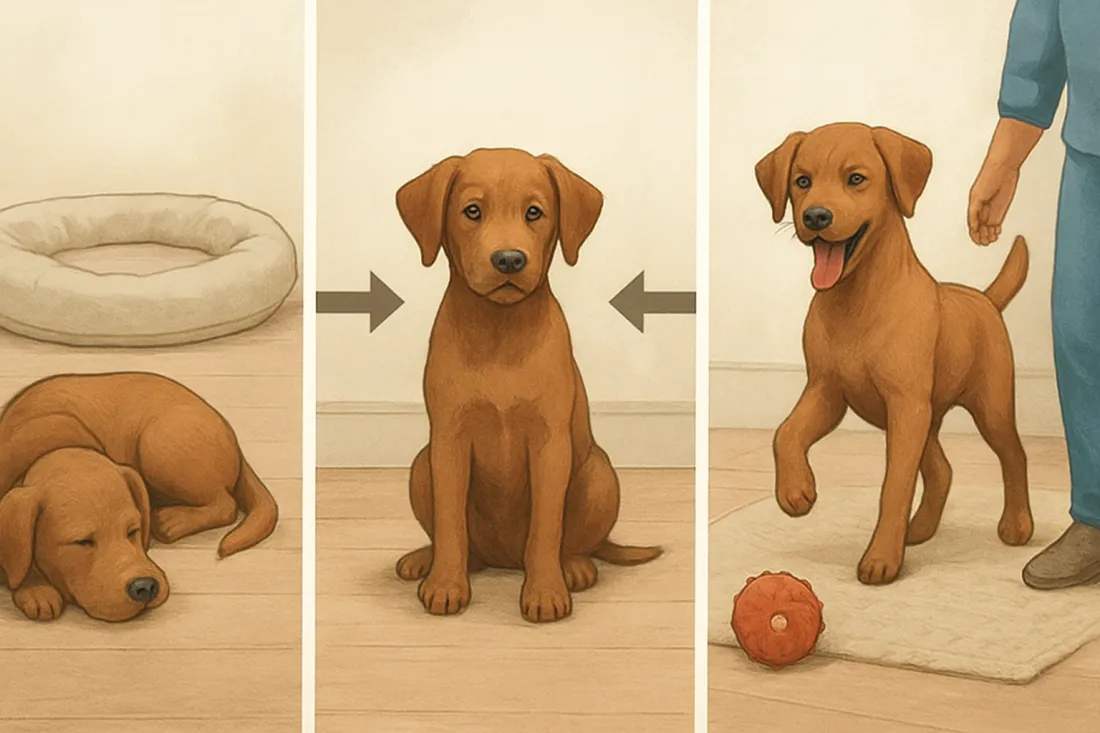
Most rescue dogs go through similar patterns in the first days at home. Knowing what is typical helps you stay calm and respond responsibly.
- Overwhelm and shutdown – some dogs seem very quiet, clingy, or sleepy. Others pace, whine, or startle at sounds. Both are common stress responses.
- House training setbacks – even previously trained dogs may have accidents while they learn where and when to go in your home.
- Uncertain appetite – some dogs eat very little at first; others inhale food quickly. Mild changes are common as long as they are drinking and not vomiting repeatedly.
- Clinginess or avoidance – your dog may follow you everywhere or hide in another room. Either can be normal while they figure out who you are.
- Leash and handling issues – pulling, freezing, or refusing to walk are common until they learn your walking style and neighborhood.
- Sleep changes – many rescue dogs sleep more than expected in the first week as their body and brain recover from shelter stress.
Think of week one as a decompression period. Your goal is to keep things simple, safe, and predictable, not to expose your dog to every new person, place, and activity right away.
Day-by-day expectations for the first week
Every dog is different, but this rough timeline shows what many adopters experience. Use it as a guide, not a strict schedule.
Day 1: Arrival and decompression
What to expect
- Dog may be very tired, hyper-alert, or switch between the two.
- Lots of sniffing, pacing, and exploring the home.
- Possible panting, drooling, or mild shaking from stress.
- Not interested in food right away, or gulping food quickly.
- Unsure where to rest; may follow you or choose a corner and stay there.
How to respond
- Keep the day quiet: no big parties, no long outings, no dog park.
- Show them their water, bed/crate, and potty area calmly.
- Offer a simple meal; remove leftovers after 15–20 minutes and try again at the next mealtime.
- Use a leash indoors if needed to guide them gently and prevent bolting through doors.
- Let them rest; do not force cuddles or play.
Days 2–3: Learning the basics of your routine
What to expect
- Dog starts to predict when you wake up, feed, and go outside.
- First signs of their real personality: playful, goofy, independent, or cautious.
- Possible first accidents in the house as they adjust.
- Testing boundaries: jumping on furniture, counter surfing, or ignoring cues.
- Some mild whining or barking when you leave the room or house.
How to respond
- Stick to consistent wake, walk, and meal times.
- Take them out to potty frequently: after waking, after eating, after play, and every few hours.
- Reward desired behaviors with treats and praise (four paws on the floor, calm sitting, toileting outside).
- Redirect unwanted behavior instead of scolding: give a chew toy, move them off counters, block off rooms.
- Practice very short, low-stress separations (e.g., step out of the room for a minute, then return calmly).
Days 4–5: Confidence and “testing” phase
What to expect
- Dog may seem more confident and energetic.
- More curiosity about everything: trash cans, shoes, kids’ toys, counters.
- Possible increase in barking at noises, people outside, or other animals.
- Leash pulling or zig-zagging on walks as they explore.
- Some dogs start to guard toys, food, or resting spots if they feel insecure.
How to respond
- Keep using the same rules and cues every time; do not change them day to day.
- Supervise closely indoors; use baby gates or a crate when you cannot watch.
- Reward calm behavior when triggers appear (e.g., a car passing, a neighbor walking by).
- Keep walks shorter and more focused rather than long, chaotic adventures.
- If you notice early signs of guarding (stiff body, growling when approached at food or toys), give them space and contact a positive reinforcement trainer for guidance.
Days 6–7: Settling into a pattern
What to expect
- Dog starts to anticipate your routine and may seem more relaxed.
- Fewer accidents if you have been consistent with potty breaks.
- More engagement: bringing toys, seeking petting, or choosing to rest near you.
- Some dogs show delayed stress: new fears, clinginess, or restlessness can appear after the initial “honeymoon.”
How to respond
- Maintain the routine that is working; do not rush to change everything at once.
- Start simple training sessions (sit, stay, come, leash manners) for a few minutes at a time.
- Gradually introduce new experiences: a short car ride, a calm friend visiting, or a quiet park.
- Watch for ongoing issues (no eating, severe fear, aggression) and plan to discuss them with your vet or a trainer.
If you want a more extended plan beyond week one, you can later follow a first 30 days with a rescue dog routine to keep building on your progress.
Common behavior issues in week one and calm responses
Many first-week problems feel alarming but are manageable with patience and structure. Below are typical issues and practical responses.
House training accidents
What you might see
- Peeing or pooping indoors, even right after a walk.
- Sniffing and circling, then going in the wrong place.
How to respond
- Take your dog out on leash to the same potty spot regularly and wait quietly.
- Reward immediately after they finish outside with a treat and praise.
- Indoors, supervise or confine to a small area when you cannot watch.
- Clean accidents with an enzymatic cleaner to remove odor.
- Avoid punishment; it makes dogs hide accidents instead of learning.
If you want more detail on avoiding common toilet-training errors, see guidance like house training mistakes to avoid with dogs and cats once your first week is underway.
Separation distress and clinginess
What you might see
- Dog follows you from room to room.
- Whining, barking, or scratching when you leave.
- Difficulty settling when alone, even for a few minutes.
How to respond
- Practice very short separations: step out of sight for a few seconds, then return calmly.
- Give a safe chew or food puzzle when you leave the room.
- Ignore mild whining if they are otherwise safe; reward quiet moments with your return.
- Do not make a big fuss when leaving or returning; keep greetings low-key.
- If distress is intense (destructive behavior, self-injury, constant howling), plan to consult a vet or behavior professional.
Fearfulness and startle responses
What you might see
- Flinching at sudden movements or sounds.
- Hiding behind furniture or under tables.
- Refusing to walk past certain objects or areas.
How to respond
- Allow the dog to choose distance; do not drag them toward scary things.
- Pair mild versions of the scary thing with treats and calm praise.
- Provide a safe retreat space (crate, bed in a quiet corner) where they are never bothered.
- Keep visitors and children calm and gentle; no grabbing, hugging, or crowding.
Overexcitement and jumping
What you might see
- Jumping up on people, mouthing hands, or zooming around the house.
- Barking and pulling on leash when seeing other dogs or people.
How to respond
- Teach an alternative behavior like “sit” for greetings and reward it heavily.
- Turn away and ignore jumping; give attention only when all four paws are on the floor.
- Keep greetings short and calm; ask visitors to follow the same rules.
- On walks, create distance from triggers and reward your dog for looking at you.
Resource guarding (food, toys, resting spots)
What you might see
- Stiffening, growling, or snapping when you approach their bowl, chew, or bed.
- Hovering over items and watching you closely.
How to respond
- Do not grab items from your dog or tease them by taking things away.
- Trade up: offer a higher-value treat in exchange for the item, then give the item back when safe.
- Feed in a quiet area away from other pets and people.
- Contact a qualified trainer or behaviorist early; guarding can escalate if mishandled.
Establishing a simple, predictable routine in week one
Routine is one of the most powerful tools you have. It tells your dog, “You are safe; this is what happens next.” A basic daily structure might include:
- Morning – potty break, breakfast, short walk, quiet time.
- Midday – potty break, brief play or training, rest.
- Late afternoon – potty break, walk, calm indoor time.
- Evening – dinner, short play or training, final potty break, bedtime.
Keep wake-up, meal, and bedtime roughly the same each day. If your schedule varies, anchor at least two or three key events (for example, breakfast, a mid-evening walk, and bedtime) to consistent times.
Comparison: Overwhelming first week vs. calm, structured first week
The way you organize the first week can either increase your dog’s stress or help them settle. Use this comparison to choose calmer options.
| Approach | Typical choices in week one | Likely impact on your rescue dog | Better alternative |
|---|---|---|---|
| Overwhelming schedule | Multiple outings, visitors, and new places in the first few days. | Higher stress, more barking, accidents, and shutdown or overexcitement. | Limit to short walks and essential errands; introduce new people and places gradually. |
| Inconsistent rules | Sometimes allowed on furniture, sometimes scolded; different cues from each family member. | Confusion, slower learning, and more “misbehavior.” | Agree on simple house rules and cues before adoption; everyone uses the same words and boundaries. |
| Free access everywhere | Dog can roam the whole house unsupervised from day one. | More chewing, accidents, and difficulty house training. | Use baby gates, doors, or a crate to limit space until they learn where to go and what to chew. |
| High expectations | Expecting perfect manners, instant bonding, and no accidents. | Frustration, harsh corrections, and damaged trust. | Expect mistakes; treat week one as a learning period for both of you. |
| Calm, structured approach | Simple routine, limited new experiences, gentle training. | Dog relaxes faster, learns rules, and starts to trust you. | Keep this approach through the first month, then build on it. |
Bonding activities that are safe in the first week
Bonding does not require big adventures. In the first week, focus on low-pressure ways to show your dog that you are safe and predictable.
- Hand-feeding a few bites of meals or treats to build positive associations with your presence.
- Calm parallel time – sit nearby while you read or watch TV, letting the dog choose whether to lie closer or farther away.
- Gentle petting sessions – if the dog seeks contact, pet chest or shoulders, avoiding looming over their head at first.
- Short training games – 3–5 minute sessions teaching “sit,” “touch” (nose to hand), or “come,” using treats and praise.
- Sniff walks – slow walks where the dog can sniff and explore on a loose leash, which helps reduce stress.
- Food puzzles or stuffed toys – let them work for part of their meal, which can calm and occupy them.
Bonding is about trust, not control. Let your dog set the pace for physical closeness and play intensity.
Structured first-week checklist for rescue dog owners
Use this checklist to stay organized and avoid missing important steps during the first week.
Before or on adoption day
- Confirm what food your dog has been eating and get a small supply of the same brand to avoid sudden diet changes.
- Prepare a safe space: bed or crate, water bowl, and a quiet corner away from heavy traffic.
- Decide house rules with your household (furniture, bedroom access, feeding locations).
- Dog-proof key areas: remove chewable items, secure trash, and block unsafe spaces.
- Have a properly fitted collar or harness with ID tag and a sturdy leash.
Daily tasks in the first week
- Keep a consistent schedule for meals, walks, and potty breaks.
- Track eating, drinking, and bathroom habits so you notice changes.
- Limit visitors and new environments to what is truly necessary.
- Practice at least one short training session (3–5 minutes) each day.
- Provide at least one calm bonding activity daily (sniff walk, hand-feeding, gentle petting).
- Supervise or confine when you cannot watch to prevent accidents and chewing.
Health and safety checks
- Schedule a vet check within the first week or two to review vaccines, parasite prevention, and any existing conditions.
- Monitor for signs of illness: repeated vomiting, diarrhea, coughing, difficulty breathing, or refusal to eat for more than a day.
- Confirm microchip registration details are up to date with your contact information.
- Plan safe transport and secure the dog in the car with a harness, crate, or barrier.
Emotional and behavior checks
- Note what seems to scare or stress your dog (noises, objects, people) and avoid overwhelming them with those triggers.
- Watch for early signs of guarding, intense fear, or aggression and record when they happen.
- Decide whether you need help from a trainer and start researching positive reinforcement professionals in your area.
When to call the vet or the shelter in the first week
Some issues can wait for a scheduled appointment; others need faster attention. When in doubt, call your vet or the shelter where you adopted the dog and describe what you are seeing.
Call a vet promptly if you notice
- Serious appetite changes – your dog refuses all food for more than a day, especially if they are also low on energy.
- Repeated vomiting or diarrhea – more than a couple of episodes, blood in stool or vomit, or signs of pain.
- Breathing problems – persistent coughing, wheezing, or labored breathing.
- Injury or sudden lameness – difficulty standing, walking, or obvious wounds.
- Extreme lethargy – barely responsive, unwilling to move, or collapsing.
Contact the shelter or rescue if you notice
- Behavior that feels unsafe – repeated attempts to bite, intense guarding, or aggression toward people or other pets.
- Information gaps – missing medical records, unclear vaccination status, or questions about medications they provided.
- Concerns about fit – if you feel overwhelmed or unsure whether you can meet the dog’s needs, ask about support options, training referrals, or post-adoption counseling.
Many shelters and rescues want to help you succeed; they may offer advice, training resources, or follow-up support.
Typical mistakes to avoid in the first week with a rescue dog
Being aware of common mistakes helps you make better decisions from day one.
- Doing too much too soon – dog parks, busy events, and long trips can overwhelm a dog who is still adjusting.
- Changing everything at once – sudden food changes, new collars, and different routines can upset their stomach and stress levels.
- Using punishment for normal adjustment behaviors – yelling or harsh corrections for accidents, chewing, or fear responses can damage trust.
- Ignoring early warning signs – dismissing growling, hiding, or refusal to eat as “stubbornness” instead of stress or fear.
- Inconsistent boundaries – allowing behaviors sometimes and not others makes learning slower and more frustrating.
- Expecting instant love – pushing for cuddles or constant interaction can make a nervous dog more uncomfortable.
Decision criteria: how to pace your dog’s first week
Use these questions to decide how fast to introduce new experiences and expectations:
- How is my dog’s stress level? If they are panting, pacing, or hiding often, slow down and simplify the environment.
- Is my dog eating, drinking, and toileting reasonably normally? If not, call a vet for guidance before adding more changes.
- Does my dog seek contact or space? If they approach you, offer gentle interaction; if they move away, give them room.
- Can my dog settle indoors? If they cannot relax, reduce stimulation (fewer visitors, quieter TV, shorter walks) and add more rest time.
- Do I feel in control of the situation? If you feel unsafe or overwhelmed, reach out early to the shelter, vet, or a trainer.
What to do after the first week
Once you have survived week one, you can start planning the next steps in responsible pet ownership:
- Continue building your routine into a full 30-day plan, gradually adding training, socialization, and new environments.
- Work on one or two key skills (recall, loose-leash walking, calm greetings) instead of trying to teach everything at once.
- Schedule any follow-up vet visits or training sessions you identified during week one.
- Review what went well and what was hard, and adjust your home setup and routine accordingly.
FAQ about the first week with a rescue dog
What is the most important thing to understand about the first week with a rescue dog?
The first week is about decompression and safety, not perfection. Your rescue dog is processing a huge change: new people, smells, rules, and spaces. Behaviors like extra sleeping, mild clinginess, or temporary house training issues are usually part of adjustment, not signs that you adopted the “wrong” dog. Focus on calm routine, gentle guidance, and realistic expectations rather than trying to fix every behavior immediately.
What are the biggest mistakes new rescue dog owners make in the first week?
Common mistakes include overwhelming the dog with visitors and outings, changing food and routine too quickly, punishing normal stress behaviors, and expecting instant bonding. Another frequent error is giving the dog full freedom in the house right away, which leads to accidents and chewing. A better approach is to keep the first week simple, supervise closely, use gates or a crate, and reward the behaviors you want to see more of.
How can I tell if my rescue dog’s behavior in the first week is normal stress or a serious problem?
Normal stress usually looks like mild appetite changes, extra sleeping, some pacing, or temporary fearfulness that slowly improves as the week goes on. Serious problems tend to be intense or escalating: repeated attempts to bite, severe guarding, constant howling when left alone, or signs of illness such as ongoing vomiting, diarrhea, or difficulty breathing. If you are unsure, call your vet or the shelter, describe what you see, and ask whether they recommend an exam or behavior support.
What should I do next after I get through the first week with my rescue dog?
After week one, build on the foundation you created. Keep your routine consistent, expand training to include basic cues and leash manners, and slowly introduce new people and places at a pace your dog can handle. Schedule any needed vet follow-ups and consider working with a positive reinforcement trainer if you have behavior questions. Planning the first month as a whole, not just the first week, helps your rescue dog become a stable, well-adjusted family member.