
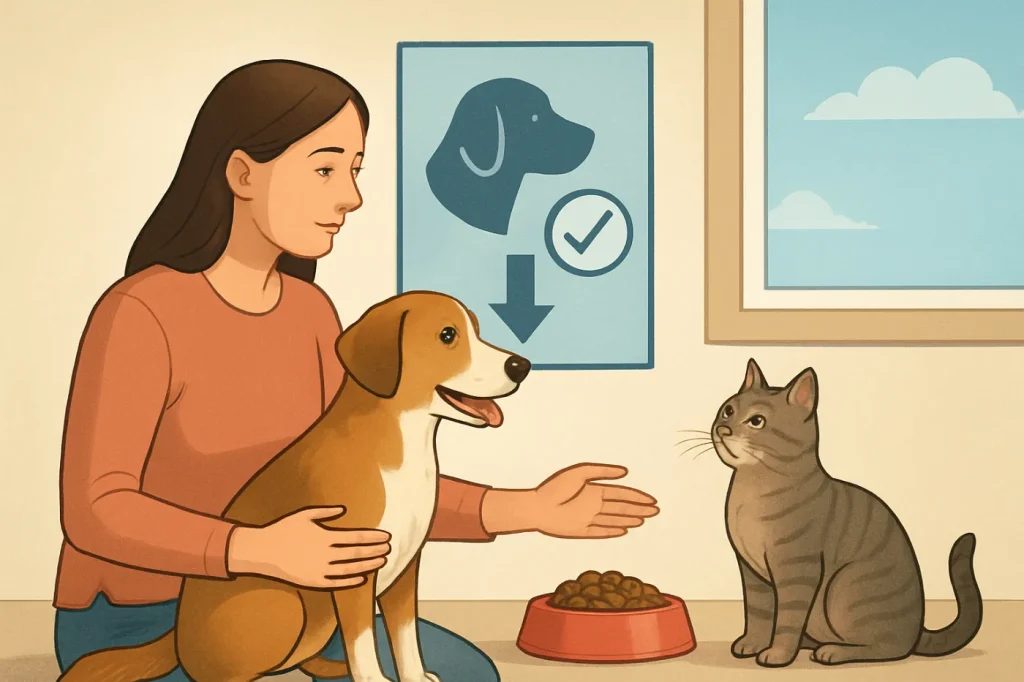
Choosing a shelter dog or cat is exciting, but it is also a long-term commitment. The “right” pet is not the cutest one you see first. It is the animal whose energy, temperament, and needs truly fit your home, schedule, and experience level.
Use this guide as a practical decision tool so you walk into the shelter with a plan and walk out with a pet you can realistically care for and enjoy for years.
Start with a clear picture of your lifestyle and limits
Before you visit any shelter, get brutally honest about your daily life. This step matters more than anything you will do at the shelter itself.
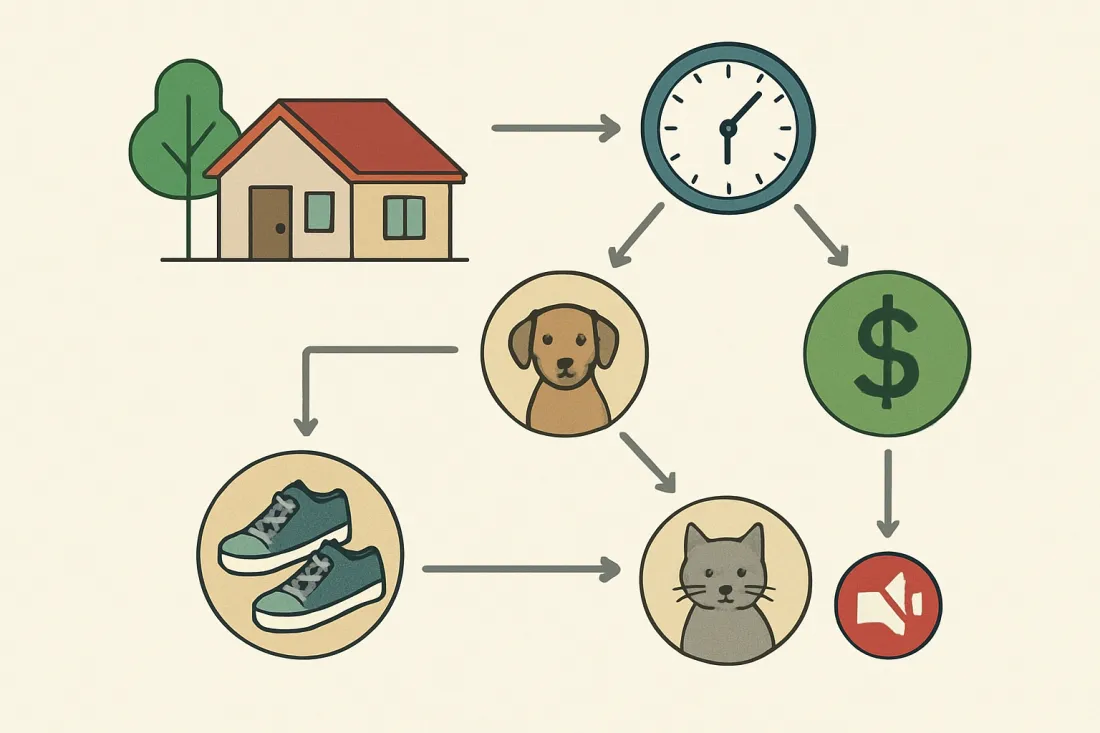
- Time at home: How many hours per day will the pet be alone?
- Activity level: How much do you actually walk, hike, or play each week?
- Budget: Can you afford food, routine vet care, and occasional emergencies?
- Noise tolerance: Are you okay with barking, meowing, zoomies, and accidents while training?
- Future plans: Any moves, babies, roommates, or job changes likely in the next 1–3 years?
Write down your non‑negotiables, such as:
- “No pets over 40 pounds in my apartment.”
- “Must be okay with respectful kids under 6.”
- “I can do two 20‑minute walks per day, not more.”
- “I want a cuddly pet, not a very independent one.”
Bring this list to the shelter and use it as your filter. It is much easier to say no to a mismatched pet when you have your own rules in front of you.
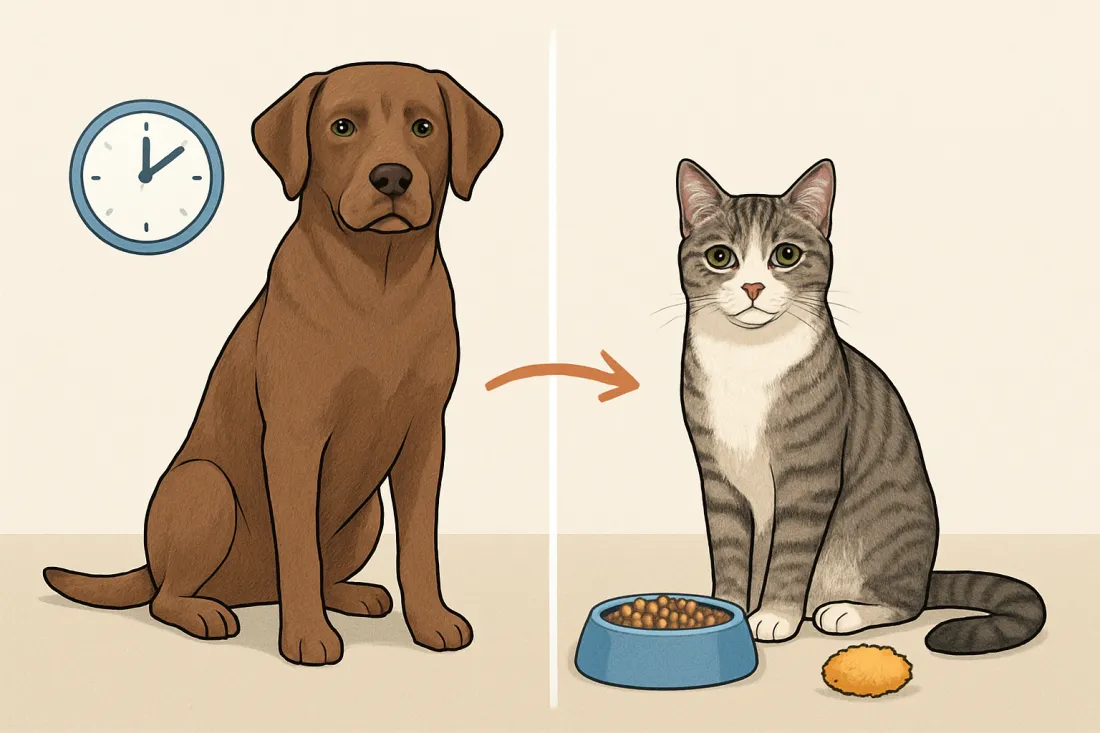
Dog or cat: which species fits your home better?
Both dogs and cats can be wonderful shelter pets, but they fit different lifestyles. If you are still deciding, a deeper dive like the should I adopt a dog or cat quiz can help you think through your preferences. Use the comparison below as a quick reality check.
| Factor | Dog from a shelter | Cat from a shelter |
|---|---|---|
| Daily time commitment | Multiple walks, training, play, and potty breaks; harder if you are gone long hours | Litter box care, play, feeding; often easier for people with long workdays |
| Space needs | Medium–large dogs do best with more space and outdoor access; small dogs can adapt to apartments with enough walks | Most cats adapt well to apartments; vertical space (cat trees, shelves) matters more than floor space |
| Exercise level | From couch potato to athlete; high‑energy breeds need structured exercise and mental work | Short daily play sessions and environmental enrichment usually enough |
| Noise impact | Barking can bother neighbors or landlords; training helps but takes time | Generally quieter; some vocal cats meow a lot, but volume is lower than barking |
| Training needs | Leash manners, house‑training, basic cues; ongoing work, especially with young or active dogs | Litter box habits, scratching rules, gentle handling; usually less formal training |
| Travel and flexibility | More planning for boarding, pet sitters, or dog‑friendly travel | Often easier to leave at home with a trusted sitter visiting daily |
| Typical bond style | Often very people‑focused, enjoy close interaction and activities | Range from very cuddly to independent; affection often on their terms |
If you want a companion for hikes, runs, or outdoor adventures, a dog is more likely to fit. If you want a lower‑maintenance companion who is okay when you work long hours, a cat may be a better match.
Age and energy level guide for shelter dogs and cats
Age and energy level matter more than breed label. Two dogs of the same breed can have totally different needs, but age and current energy give you a clearer picture of day‑to‑day life.
Typical life stages and what they mean
- Young puppies and kittens (under 6–8 months): Adorable, but a lot of work. Expect frequent potty breaks, chewing or scratching, training, and supervision. Not ideal if everyone in the home works long hours.
- Adolescents (about 6 months to 2 years): Often the most energetic and challenging stage, especially for dogs. They may test boundaries, jump, pull on leash, or be mouthy. Great if you want an active companion and can commit to training.
- Adults (about 2–7 years, depending on species and size): Energy levels are more predictable. Many are already house‑trained and past the wildest phase. This is a sweet spot for many first‑time owners.
- Seniors (roughly 7+ years, earlier for giant‑breed dogs): Often calmer, enjoy naps and gentle walks or play. They may have health needs, but they can be wonderful for quieter homes.
Matching energy level to your reality
When you meet a dog or cat, ask staff to describe their energy level in everyday terms, such as:
- “Needs several long walks or runs daily and lots of mental games.”
- “Enjoys a couple of play sessions, then naps most of the day.”
- “Very mellow, happy with short walks or gentle play.”
Then compare that to what you can actually provide, not what you wish you could provide on your best day.
- If you enjoy long hikes and runs several times a week, a high‑energy young dog might be a great fit.
- If you prefer evenings on the couch and short walks, look for a moderate or low‑energy adult or senior dog, or a laid‑back cat.
- If your home is busy with kids and visitors, look for a pet who enjoys activity and is not easily overwhelmed.
- If your home is quiet, a shy or reserved pet may feel safer and blossom over time.
Behavior signs to watch for when you meet shelter pets
Shelters are stressful places, so you are not seeing a pet at their best. Still, you can learn a lot from body language and how they recover from stress.
Positive signs in dogs
- Approaches you with a loose, wiggly body and soft eyes.
- Sniffs calmly and may lean into gentle petting.
- Recovers fairly quickly after a loud noise or sudden movement.
- Walks on leash with interest in surroundings but not constant lunging.
- Can take treats gently and focus on you for a few seconds at a time.
Red‑flag or “needs experienced home” signs in dogs
- Very stiff body, hard stare, or growling when approached.
- Snapping, lunging, or showing teeth when people or other dogs pass.
- Extreme fear: frozen in place, trying desperately to escape, or unable to take treats.
- Out‑of‑control jumping and mouthing that staff say is hard to manage even for them.
These signs do not mean the dog is “bad,” but they may indicate that the dog needs a very experienced, committed home and possibly professional training support.
Positive signs in cats
- Approaches the front of the kennel to sniff or rub against the bars.
- Relaxed body, tail not puffed, ears mostly forward or neutral.
- Enjoys gentle petting, purrs, or kneads.
- Shows curiosity about toys or wand play.
Red‑flag or “needs special handling” signs in cats
- Hissing, growling, swatting, or lunging when you or staff approach.
- Completely shut down: hiding, not eating in the shelter, not responding to gentle interaction.
- Overstimulation: enjoys petting for a moment, then suddenly bites or swats hard.
Again, these cats are not “bad,” but they may need a quiet, patient home or an adopter with experience reading feline body language.
Key questions to ask shelter staff and volunteers
Staff and volunteers know the animals far better than you can from a short visit. Use their knowledge. Here are practical questions that reveal what life with this pet will really be like.
History and background
- “Do you know why this dog/cat was surrendered or found?”
- “Has this pet lived with children, other dogs, cats, or small animals before?”
- “How long has this pet been at the shelter, and how have they changed since arriving?”
Health and care needs
- “What medical history do you have? Any ongoing conditions or medications?”
- “Are vaccines, spay/neuter, and microchip up to date, or will I need to schedule that soon?”
- “Any special diet, allergies, or past injuries I should know about?”
Behavior and training
- “How does this dog behave on leash and around other dogs?”
- “Is this dog house‑trained or crate‑trained? Any accidents here?”
- “How does this cat use the litter box? Any issues with marking or accidents?”
- “Have you noticed resource guarding around food, toys, or people?”
- “What kind of play does this pet enjoy? Any toys or games they especially like?”
Daily routine and stress handling
- “What is this pet’s current daily routine here?”
- “How does this pet handle loud noises, strangers, or handling at the vet?”
- “Have you seen this pet around kids or in busy areas? How did they react?”
Fit with your home
- “Based on what you know, do you think this pet would do well in a home like mine?”
- “Is there anything about this pet that might surprise a first‑time owner?”
- “If this pet is not the best fit, is there another dog or cat here you would recommend for my situation?”
If you are also comparing shelters or rescues, guidance on how to choose a reputable animal shelter or rescue can help you feel more confident about where you adopt from.
Family and housing considerations you cannot ignore
Your home environment can make or break a successful adoption. Think through these factors before you fall in love with a particular pet.
Kids in the home
- Very young children (under 6): Look for calm, tolerant pets with a history of being gentle with kids. Avoid very fragile, tiny dogs or cats and very mouthy, jumpy adolescent dogs.
- Older children and teens: They can help with care, but assume adults are ultimately responsible. Involve kids in meeting the pet and teach them how to interact respectfully.
- Household rules: Decide in advance: no pulling tails or ears, no hugging tightly, no disturbing pets while eating or sleeping.
Other pets
- Ask if the shelter can do a dog‑to‑dog meet and greet in a neutral area.
- For cats, ask about their reaction to other cats and whether they have been tested around dogs.
- Be honest about your current pets’ personalities. A shy resident cat may not enjoy a high‑energy kitten; a reactive dog may struggle with another dog in the home.
Housing rules and space
- Check your lease or homeowners association rules for pet limits, size or breed restrictions, and pet deposits.
- Consider stairs, yard access, and nearby walking areas for dogs.
- For cats, plan where litter boxes, scratching posts, and safe hiding spots will go.
Work schedule and support system
- If you work long shifts, a young puppy is likely a poor fit unless you have reliable help for midday breaks.
- Adult cats or older dogs often cope better with longer alone time, as long as their needs are met before and after work.
- Think about backup: friends, family, or pet sitters who can help if you are sick or traveling.
Structured checklist: are you choosing the right shelter dog or cat?
Use this checklist before you sign any adoption papers. If you cannot honestly check most of these boxes, consider a different pet or wait until your situation changes.
1. Lifestyle and expectations
- I know how many hours per day the pet will be alone and I am comfortable with that.
- I have decided whether a dog or cat fits my schedule and energy level better.
- I am realistic about grooming, training, and exercise time each week.
- I have a plan for vacations, moves, or major life changes with this pet.
2. Home and family fit
- My landlord or housing rules allow this type and size of pet.
- Everyone in the household agrees on getting a pet and understands the commitment.
- The pet’s size and energy level make sense for my space (apartment, house, yard).
- The pet’s temperament seems compatible with my kids, roommates, and visitors.
- I have a plan to introduce the new pet to any existing pets safely and slowly.
3. Health and finances
- I have asked about the pet’s medical history and any known conditions.
- I understand what routine vet care this pet will need in the next year.
- I have room in my budget for food, supplies, and vet visits.
- I know where the nearest vet and emergency clinic are located.
4. Behavior and training
- I have seen the pet interact with people and, if relevant, other animals.
- I asked staff about any behavior concerns (fear, reactivity, guarding, litter box issues).
- I am comfortable with the pet’s current training level and what work remains.
- I am prepared to use positive, patient training methods and seek help if needed.
5. Gut feeling and long‑term view
- I can picture daily life with this pet on an ordinary weekday, not just on fun days.
- I feel excited and a little nervous, but not pressured or rushed.
- If this exact pet is not available tomorrow, I would still want a similar type of pet.
- I am ready to commit to this pet for their entire life span, not just while it is convenient.
Common mistakes to avoid when choosing a shelter pet
Many adoption problems come from the same predictable mistakes. Avoiding them will save you and the pet a lot of stress.
Choosing by looks or breed label alone
It is tempting to pick the cutest dog or the fluffiest cat, or to chase a trendy breed mix. But looks do not tell you about energy level, temperament, or health. Breed labels in shelters are often guesses, especially for mixed‑breed dogs.
Instead, focus on:
- How the pet behaves around you and staff.
- Energy level and play style.
- How they handle noise, new people, and handling.
- What staff have observed over time.
Underestimating time and training needs
Many returns happen because adopters did not realize how much work a young or high‑energy pet would be. Puppies, adolescent dogs, and very active cats need structure, training, and mental stimulation. Without it, they can become destructive or frustrated.
Be honest about how much time and patience you have for training and exercise, especially in the first few months.
Ignoring red flags because you feel sorry for the pet
Feeling compassion is good, but adopting out of guilt can lead to a poor match. If staff warn you that a pet has serious behavior issues that do not fit your experience level, listen. You can still help that pet by sharing their profile or donating, while choosing a pet that is safer for your situation.
Rushing the decision
It is okay to visit multiple times, ask more questions, or sleep on the decision. A pet is a long‑term commitment. A reputable shelter will respect that you want to be sure.
Not planning for the adjustment period
Even the best‑matched pet will need time to settle in. Expect a transition period of days to months, with possible accidents, anxiety, or testing of boundaries. Plan ahead for a quiet space, a consistent routine, and patience while your new pet learns that they are safe.
Step‑by‑step process for choosing the right shelter dog or cat
Use this as a simple algorithm from “thinking about it” to “bringing the right pet home.”
- Clarify your lifestyle and limits. Write down your schedule, space, budget, and non‑negotiables.
- Decide dog, cat, or either. Use your lifestyle notes and, if helpful, tools like the should‑I‑get‑a‑dog‑or‑cat style quizzes to lean one way.
- Research and choose a shelter or rescue. Look for transparent policies, clean facilities, and supportive staff. Resources on how to choose a reputable animal shelter or rescue can guide you.
- Browse available pets online. Filter by size, age, and basic needs that match your list. Make a shortlist of a few candidates.
- Visit and meet pets calmly. Avoid deciding in the first five minutes. Spend time observing body language and asking staff questions.
- Take the pet to a quieter area if possible. Many shelters allow meet‑and‑greets in a yard or room where you can see more natural behavior.
- Ask targeted questions. Use the question lists above to learn about history, health, and behavior.
- Compare what you see to your checklist. Does this pet’s energy, size, and temperament fit your real life, not your ideal life?
- Sleep on it if you are unsure. If the shelter allows holds, consider taking a night to think and talk with your household.
- Prepare your home. Before adoption day, set up food, water, litter box or potty area, bed, and safe spaces.
- Adopt with a plan for the first weeks. Schedule a vet check, plan time off or lighter days if possible, and set a simple routine for feeding, walks, and play.
- Give the pet time to adjust. Expect an adjustment period and use positive reinforcement to build trust and good habits.
What to do next after you choose your shelter pet
Once you have found a dog or cat that seems like a good match, think about the first days and weeks at home.
- Schedule a vet visit soon after adoption to establish care, review vaccines, and discuss any health questions.
- Set up a safe space where the pet can retreat, such as a crate for a dog or a quiet room with hiding spots for a cat.
- Stick to a routine for feeding, walks, play, and quiet time so the pet can predict what happens next.
- Introduce slowly to kids, visitors, and other pets. Keep early interactions short and positive.
- Plan for training and enrichment: basic cues for dogs, litter box and scratching rules for cats, and daily mental stimulation for both.
- Know your support options: local trainers, behavior consultants, or your vet if you run into challenges.
If you are still weighing whether to adopt from a shelter or look for a pet directly from a current owner, you may also want to compare options like whether to adopt from shelter vs rehome a pet from current owner so you can choose the path that fits your situation best.
FAQ about choosing the right shelter dog or cat
What is the single most important thing to understand before choosing a shelter dog or cat?
The most important thing is that a good match is about fit, not pity or looks. You are choosing a long‑term family member, so the pet’s energy level, temperament, and needs must align with your real daily life. A dog or cat who is calm and confident in your kind of environment is far more likely to thrive than a pet whose needs are far beyond what you can provide, even if that pet tugs at your heart.
How can I tell if a specific shelter pet is right for my household?
Picture an ordinary weekday in your home and mentally drop that pet into it. If you can realistically meet their exercise, play, and companionship needs on a typical day, that is a good sign. Confirm by asking staff about the pet’s behavior with kids, other animals, and alone time, and by using a checklist like the one above to compare your lifestyle with what the pet needs. If you feel you would constantly be stretching to keep up, look for a lower‑maintenance match.
What are the biggest mistakes people make when picking a shelter dog or cat?
Common mistakes include choosing based on looks or a guessed breed, underestimating time and training needs, ignoring red‑flag behaviors because they feel sorry for the pet, and rushing the decision without involving everyone in the household. Many returns to shelters happen because the pet’s energy level or behavior needs were a poor fit for the adopter’s lifestyle, not because the pet was “bad.”
What should I do right after reading this if I am serious about adopting?
First, write down your lifestyle details and non‑negotiables: work hours, space, budget, kids, and other pets. Decide whether a dog or cat is more realistic for you. Next, research reputable shelters or rescues in your area and start browsing their available pets with your list in hand. When you visit, bring your questions, take your time meeting animals, and be willing to walk away if the fit is not right yet. The goal is not to adopt fast, but to adopt well.
Is it better for first‑time owners to choose an adult shelter pet instead of a puppy or kitten?
Many first‑time owners do better with an adult pet because energy level and personality are more predictable, and basic training or litter box habits are often already in place. Puppies and kittens can be wonderful, but they require intensive time, supervision, and training, which can overwhelm someone new to pet ownership or someone with a very busy schedule. An adult dog or cat with a temperament that matches your home can be an easier and equally rewarding start.
Summary: choosing a shelter pet you can truly commit to
The right shelter dog or cat is the one whose needs match your real life, not your ideal life. Start by understanding your schedule, space, and limits. Decide whether a dog or cat fits that reality better. At the shelter, focus on age, energy level, and temperament, not just looks or breed labels. Ask staff detailed questions, watch body language, and use a checklist to compare what the pet needs with what you can give.
When you choose with your head and your heart, you give a shelter pet not just a home, but the right home—one where both of you can thrive for years to come.