
Responsible pet ownership for a first-time dog owner in the U.S. means turning good intentions into specific daily habits, legal steps, and long-term planning. You are responsible for your dog’s safety, health, behavior, and impact on your neighbors for their entire life, which can easily span many years. The checklist and routines below show exactly what to set up before your dog comes home and what to do every day, week, and year to be a truly responsible owner.
Quick-start responsible pet ownership checklist for new dog owners
Use this as a fast overview. Most items can be started in under 10–20 minutes each. Then read the later sections for details and examples.
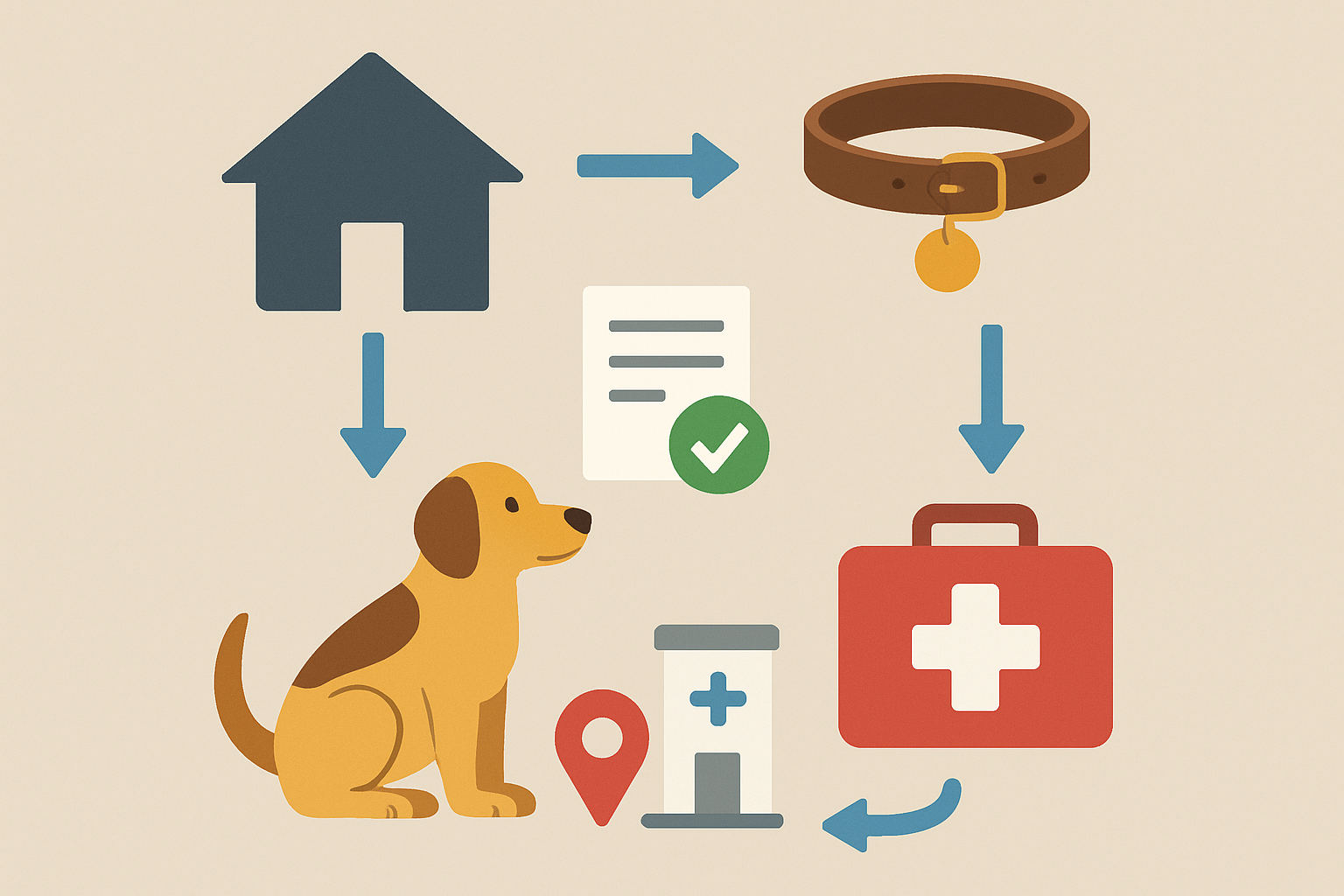
- Before your dog comes home
- Confirm pets are allowed in your housing and note any breed/size limits or pet deposits.
- Choose a local veterinarian within a reasonable drive from home and set up a first appointment.
- Check local rules on dog licenses, leash requirements, noise, and waste cleanup.
- Buy basics: food, bowls, collar with ID tag, leash, crate/bed, poop bags, a few toys, and simple grooming tools.
- Dog-proof your home: secure trash, cords, toxic foods and plants, medications, and cleaning products.
- Plan a realistic monthly budget and start setting aside money for emergencies.
- First week with your dog
- Get a dog license if required in your area and attach the tag to your dog’s collar.
- Confirm vaccination status and schedule any needed shots or wellness exams.
- Start a simple daily routine: regular feeding times, potty breaks, walks, and sleep.
- Begin basic training: name recognition, potty training, sit, and coming when called indoors.
- Introduce your dog slowly to family members and a few calm visitors.
- Daily responsibilities
- Provide fresh water all day and feed an appropriate diet on a schedule.
- Give enough physical exercise and mental enrichment for your dog’s age and energy level.
- Take your dog out for regular bathroom breaks and clean up waste every time.
- Use a leash where required and supervise off-leash time in safe, legal areas only.
- Check your dog’s body and behavior for any signs of illness or pain.
- Ongoing care
- Schedule routine wellness exams with your vet and follow recommended vaccination and parasite prevention plans. For more detail, you can review the annual vet care schedule for dogs and cats USA and then confirm specifics with your own veterinarian.
- Maintain flea, tick, and heartworm prevention as advised by your vet.
- Keep up with grooming: brushing, nail trims, ear checks, and dental care.
- Continue training and socialization throughout your dog’s life.
- Review your budget and emergency plan at least once a year.
Legal responsibilities for new dog owners in the U.S.
Responsible pet ownership includes following local rules that protect your dog, other people, and other animals. These rules vary by state, county, and city, so always confirm details with your local animal control or city website.
Licensing and identification
- Dog license: Many U.S. cities and counties require dogs over a certain age to be licensed. The license usually needs to be renewed on a regular schedule and often requires proof of current rabies vaccination.
- ID tag: Even if a license is not required, it is responsible to keep an ID tag on your dog’s collar with at least a phone number. This greatly increases the chance of getting your dog back if they get lost.
- Microchip: A microchip is a small permanent ID placed under the skin by a vet. It is not a GPS, but shelters and clinics can scan it to contact you. If you choose to microchip, make sure your contact information is registered and kept up to date.
Vaccinations and health-related rules
- Rabies vaccination: Many U.S. jurisdictions require dogs to be vaccinated against rabies and to keep that vaccination current. The exact schedule and proof requirements vary, so confirm with your vet and local authorities.
- Proof of vaccines: Boarding facilities, groomers, training classes, and dog parks may require proof of certain vaccines. Ask in advance so you can plan vet visits accordingly.
Leash, noise, and nuisance rules
- Leash rules: Many areas have leash requirements in public spaces, with some designated off-leash areas. Check posted signs and local ordinances. Even where off-leash is allowed, you are still responsible for keeping your dog under control.
- Noise and barking: Some communities have rules about excessive barking or noise, especially at night. A responsible owner works on training, enrichment, and management to prevent chronic barking that disturbs neighbors.
- Waste cleanup: Many places require you to pick up your dog’s waste in public areas. Always carry bags and dispose of waste in appropriate trash containers.
If you are unsure about any requirement, a practical step is to search your city or county name plus “dog license” or “animal control” and confirm current rules, or call your local animal services office.
Daily care routine for responsible dog ownership
A predictable daily routine helps your dog feel secure and makes responsible care easier to manage. The exact schedule depends on your dog’s age, size, and health, but the core elements are similar.
Feeding and water
- Fresh water: Make sure your dog has access to clean water throughout the day. Check and refill bowls several times daily, especially in hot weather.
- Feeding schedule: Many healthy adult dogs do well with 2 meals per day at consistent times. Puppies often need more frequent meals than adult dogs. Ask your vet for guidance on how often and how much to feed based on your dog’s age, weight, and condition.
- Food quality: Choose a complete and balanced dog food appropriate for your dog’s life stage (puppy, adult, senior). If you are considering home-cooked or raw diets, discuss this with your vet to avoid nutritional gaps.
- Treats: Use treats mainly for training and rewards. Too many treats can lead to weight gain, so keep them to a small portion of your dog’s daily intake and adjust meal sizes if needed.
Exercise and mental enrichment
Responsible pet ownership means meeting both physical and mental needs. The amount of exercise varies widely by breed and individual dog, so use your dog’s behavior as feedback and ask your vet for guidance.
- Walks: Many adult dogs benefit from at least 2 short walks per day, while young puppies often do better with several short walks and play sessions instead of one long outing.
- Play: Include interactive play such as fetch, tug, or gentle games indoors. Adjust intensity for your dog’s age and health.
- Mental work: Use puzzle toys, training sessions, scent games (like hiding treats around a room), or simple problem-solving toys to keep your dog’s mind active.
- Rest: Dogs also need plenty of sleep and quiet time. Many dogs sleep for more than half of each 24‑hour day, so provide a safe, comfortable place where your dog can relax undisturbed.
Bathroom breaks and house training
- Regular potty breaks: Puppies often need to go out very frequently, including after waking, after eating or drinking, and after play. Adult dogs typically need several opportunities per day to go out.
- Consistent spot and cue: Taking your dog to the same area and using a consistent phrase can help them learn faster.
- Rewarding success: Praise and reward your dog immediately after they go in the right place. This helps them understand what you want.
- Supervision indoors: Until your dog is reliable, supervise them indoors or use a crate or gated area to prevent accidents and chewing.
Grooming and basic hygiene
- Brushing: Regular brushing helps reduce shedding and lets you check for skin issues, lumps, or parasites. The needed frequency depends on coat type; some short-haired dogs may need brushing about once a week, while long-haired dogs may need it more often.
- Nail care: Nails that are too long can cause discomfort or injury. Learn to trim nails safely or schedule regular trims with a groomer or vet.
- Ear checks: Look for redness, odor, or discharge. Clean ears only with products and methods recommended by your vet.
- Dental care: Daily or frequent tooth brushing with dog-safe toothpaste is ideal. Dental chews and vet-recommended products can help, but they do not replace brushing.
Health care, vaccines, and vet schedule for new dog owners
Regular veterinary care is a core part of responsible pet ownership. Your vet will tailor a plan to your dog, but you can think in terms of three main categories: wellness visits, vaccines, and parasite prevention.
Wellness visits
- Initial exam: Schedule a vet visit soon after bringing your dog home, even if they seem healthy. This helps establish a baseline and lets you ask questions.
- Routine checkups: Many dogs benefit from at least one wellness exam per year. Puppies, seniors, and dogs with health issues may need more frequent visits. Your vet will advise based on your dog’s needs.
- Weight and body condition: At each visit, ask about your dog’s weight and body condition score. This helps you adjust diet and exercise to support a healthy body condition.
Vaccination planning
Vaccines help protect your dog from serious diseases. The exact schedule and which vaccines are recommended depend on your dog’s age, lifestyle, and local disease risks.
- Puppy series: Young puppies typically receive a series of vaccines over several visits. If you adopt a puppy, bring any records you have so your vet can plan the remaining shots.
- Adult boosters: Adult dogs usually need periodic booster shots. Your vet will explain which vaccines are due and when.
- Lifestyle vaccines: Some vaccines are recommended based on lifestyle, such as frequent boarding, hiking, or exposure to other dogs. Discuss your dog’s activities with your vet.
For a more detailed overview of timing and types of vaccines, you can also review the dog vaccination schedule USA and then confirm specifics with your own veterinarian.
Parasite prevention
- Fleas and ticks: Many dogs benefit from regular flea and tick prevention, especially in areas where these parasites are common. Your vet can recommend products and how often to use them.
- Heartworm: In many parts of the U.S., heartworm prevention is important. Your vet will advise on testing and prevention options suitable for your region.
- Intestinal parasites: Dogs can pick up worms and other parasites from soil, wildlife, or other animals. Your vet may recommend periodic fecal tests and deworming when needed.
Monitoring your dog’s health at home
Between vet visits, you are the first line of defense. Responsible pet ownership includes watching for changes and acting early.
- Notice changes in appetite, thirst, energy, or bathroom habits.
- Check for limping, stiffness, or reluctance to jump or climb stairs.
- Look for vomiting, diarrhea, coughing, sneezing, or breathing changes.
- Pay attention to behavior changes such as hiding, irritability, or clinginess.
If something seems off, call your vet and describe the signs, how long they have been happening, and any recent changes in food, environment, or activity.
Training and socialization basics for a well-adjusted dog
Training and socialization are not optional extras; they are part of responsible pet ownership. They keep your dog safer, make daily life easier, and reduce the risk of behavior problems that can lead to rehoming.
Core skills every dog should learn
- Name recognition: Your dog should reliably look at you when you say their name. Practice by saying the name and rewarding eye contact.
- Come when called: Start indoors or in a fenced area. Use a happy voice, reward generously, and never punish your dog after they come to you.
- Sit and stay: These help with manners at doors, during meals, and around visitors.
- Loose-leash walking: Teach your dog to walk without pulling by rewarding them for staying near you and stopping when they pull.
- Leave it and drop it: These cues can prevent your dog from grabbing unsafe items or help them release something they already have.
House rules and consistency
- Decide in advance where your dog is allowed (on furniture or not, which rooms are off-limits).
- Use the same words and rules across all family members to avoid confusing your dog.
- Reward behaviors you like (calm lying down, quiet sitting) instead of only reacting to unwanted behavior.
Socialization for puppies and adults
- Puppies: Gradually expose your puppy to different people, surfaces, sounds, and safe, vaccinated dogs in a positive way. Avoid overwhelming them; watch for signs of fear and go at their pace.
- Adult dogs: Even older dogs benefit from careful, positive exposure to new situations. Move slowly and pair new experiences with treats and praise.
- Classes: Group training classes can help with socialization and give you guidance. Check that any class you choose uses humane, reward-based methods.
Home setup and safety preparation for your new dog
Preparing your home before your dog arrives helps prevent accidents and stress for both of you.
Dog-proofing your space
- Secure trash cans with lids or place them in cabinets.
- Store medications, cleaning products, and chemicals out of reach.
- Remove or secure toxic plants and keep unsafe foods (like chocolate, certain sweeteners, and alcohol) away from your dog.
- Hide or cover electrical cords and chargers where possible.
- Use baby gates to block off unsafe areas such as stairs or workspaces.
Creating safe zones
- Crate or pen: Many dogs feel secure with a crate or exercise pen where they can rest. Introduce it gradually with treats and never use it as punishment.
- Bed and resting spots: Provide a comfortable bed in a quiet area. Some dogs like more than one resting spot in different rooms.
- Outdoor safety: If you have a yard, check fences and gates for gaps or weak spots. Do not leave your dog outside unsupervised for long periods, especially in extreme weather.
Essential supplies checklist
- Food and water bowls that are easy to clean.
- Collar or harness that fits properly and does not slip off.
- Leash for walks and a longer line for training in safe areas.
- ID tag with your current phone number.
- Crate or bed, blankets, and a few safe chew toys.
- Poop bags and a designated storage spot near your leash.
- Basic grooming tools: brush, comb, dog-safe shampoo, nail clippers or grinder.
For a more detailed item-by-item list focused on first-time owners, you can also review the first time dog owner checklist USA and adapt it to your home and lifestyle.
Budgeting and emergency planning for responsible pet ownership
Being a responsible dog owner in the U.S. includes planning for both routine costs and unexpected expenses. Instead of trying to predict exact amounts, focus on categories and how you will handle surprises.
Typical cost categories to plan for
- Initial setup: Adoption or purchase fees, first vet exam, vaccines, spay/neuter if not already done, microchip, and basic supplies.
- Ongoing monthly costs: Food, treats, waste bags, routine medications or preventives, and possibly grooming.
- Annual or periodic costs: Wellness exams, booster vaccines, license renewals, and dental cleanings as recommended by your vet.
- Optional services: Training classes, dog walking, daycare, or boarding when you travel.
- Unexpected expenses: Emergency vet visits, injuries, sudden illnesses, or behavior consultations.
Building an emergency plan
- Emergency fund: Set aside savings specifically for pet emergencies. Even a modest amount built up over time can make a difference.
- Payment options: Ask your vet which payment methods they accept and whether they work with any third-party financing options, so you are not surprised in a crisis.
- Pet insurance: If you are considering insurance, compare policies carefully and read what is covered and excluded. Choose based on your budget and risk tolerance.
- Backup caregiver: Identify at least one person who can care for your dog temporarily if you are hospitalized or unable to return home.
- Emergency kit: Keep a small kit with basic first-aid supplies, your dog’s medical records, and any daily medications in an easy-to-grab spot.
Comparison table of daily, weekly, and yearly responsibilities
This table summarizes how often key responsibilities typically come up. Always adjust based on your dog’s age, health, and your vet’s advice.
| Responsibility | Daily | Weekly | Yearly / As advised |
|---|---|---|---|
| Feeding and fresh water | Scheduled meals and water checks | Wash food and water bowls | Review diet with vet during wellness visit |
| Exercise and mental enrichment | Walks, play, and training sessions | Plan new games or routes to prevent boredom | Adjust routine as dog ages or health changes |
| Bathroom breaks and cleanup | Multiple potty breaks and waste pickup | Deep clean common potty areas if needed | Review house-training if issues appear |
| Grooming and hygiene | Quick body check, wipe paws if needed | Brushing, nail check, ear check | Professional grooming or deeper care as needed |
| Training and socialization | Short practice sessions and calm exposures | Longer training sessions or classes | Refresh skills and address new behavior issues |
| Vet care and prevention | Monitor for signs of illness | Check medication supplies and refill if needed | Wellness exams, vaccines, and parasite testing as advised |
| Licensing and identification | Check collar and ID tag are on and readable | Confirm microchip tag or info is still attached | Renew license and update microchip details if needed |
| Budget and emergency planning | Track major expenses | Review upcoming costs (meds, food, grooming) | Review insurance, savings, and emergency contacts |
Step-by-step process for becoming a responsible first-time dog owner
Use this simple sequence to move from “thinking about a dog” to “confident, responsible owner.”
- Check your situation
- Confirm pets are allowed where you live and note any restrictions.
- Consider your work schedule, travel habits, and energy level.
- Decide who in the household will handle feeding, walks, and vet visits.
- Choose the right dog for your lifestyle
- Think about size, energy level, grooming needs, and temperament.
- Talk with shelters, rescues, or breeders about what you can realistically provide.
- Set up your home and budget
- Dog-proof your home and yard.
- Buy essential supplies and set up a safe resting area.
- Outline a monthly budget and start an emergency fund.
- Find your veterinary team
- Choose a local vet and schedule an initial appointment.
- Ask about vaccines, parasite prevention, and recommended visit frequency.
- Bring your dog home calmly
- Keep the first day low-key with limited visitors.
- Show your dog where to sleep, eat, and go to the bathroom.
- Start your daily routine right away.
- Begin training and socialization
- Teach name recognition, potty training, and basic cues.
- Introduce new people and environments gradually and positively.
- Maintain health and legal responsibilities
- Keep vaccines, license, and parasite prevention up to date.
- Schedule wellness exams as advised by your vet.
- Review and adjust over time
- As your dog ages, adjust exercise, diet, and vet care.
- Revisit your budget and emergency plan at least once a year.
Common mistakes new dog owners should avoid
Knowing what often goes wrong helps you avoid preventable problems.
- Choosing a dog based only on looks: A dog that looks cute may have energy or grooming needs that do not fit your lifestyle. Research typical traits and talk honestly with adoption counselors or breeders.
- Underestimating time and training needs: Puppies and many young dogs need frequent potty breaks, training, and supervision. Plan for this before bringing a dog home.
- Skipping early vet visits: Waiting until a problem appears can make issues harder and more expensive to treat. An early checkup sets you up for success.
- Inconsistent rules: Allowing a behavior sometimes and correcting it other times confuses your dog. Decide on rules and stick to them.
- Relying on punishment: Harsh methods can damage trust and worsen behavior. Focus on rewarding what you want and managing the environment to prevent mistakes.
- Ignoring subtle health changes: Small changes in appetite, energy, or bathroom habits can be early signs of trouble. When in doubt, call your vet.
- Not planning for absences: Dogs left alone too long without a plan can develop anxiety or destructive habits. Arrange for a dog walker, friend, or daycare if needed.
- Forgetting ID and microchip updates: If you move or change phone numbers, update your dog’s tag and microchip registration so you can be contacted if they are lost.
Printable responsible pet ownership checklist reminder
To make daily responsible pet ownership easier, create a simple printable checklist and place it on your fridge or near your dog’s supplies. Include:
- Daily tasks: feeding times, walks, play, grooming checks, medication if needed.
- Weekly tasks: brushing, nail checks, training goals, supply checks.
- Monthly or yearly tasks: vet visits, license renewal reminders, budget review.
You can adapt the quick-start checklist and the comparison table above into a one-page list that fits your household. Encourage all family members to use it so everyone knows what needs to be done and when.
FAQ for new dog owners about responsible pet ownership
How often should I take my new dog to the vet?
Most dogs benefit from an initial exam soon after adoption, followed by a series of visits for vaccines and checkups during puppyhood or the first months. After that, many healthy adult dogs see the vet about once a year, while seniors or dogs with health issues may need more frequent visits. Your vet will recommend a schedule based on your dog’s age and health.
What is the most important part of responsible pet ownership for a new dog owner?
The most important part is consistency: consistent daily care, training, and follow-through on vet recommendations. A predictable routine, clear rules, and regular health care create a safe, stable life for your dog.
How much time per day does a dog usually need?
The time needed varies widely by dog, but you should expect to spend meaningful time every day on feeding, walks, play, training, and companionship. High-energy dogs and puppies generally need more active time and supervision than calm adult dogs. If you are away from home for long hours, plan for help with midday breaks and exercise.
When should I start training my new dog?
Start training as soon as your dog comes home. Begin with simple skills like name recognition, potty training, and basic cues in a quiet environment. Short, frequent sessions are more effective than long, occasional ones, and training should continue throughout your dog’s life.
What should I do if I feel overwhelmed as a new dog owner?
Feeling overwhelmed is common. Break responsibilities into small daily tasks, use a written checklist, and ask for help. Your vet, local trainers, and experienced dog owners can offer guidance. If specific behaviors are causing stress, consider working with a qualified, reward-based trainer or behavior professional.
What should I do next after learning this checklist?
Next, review your current setup and routine against the checklists and table above. Note any gaps, such as missing supplies, unclear rules, or overdue vet visits, and address them one by one. Then, keep your own printed checklist visible so responsible pet ownership becomes a natural part of your daily life.