
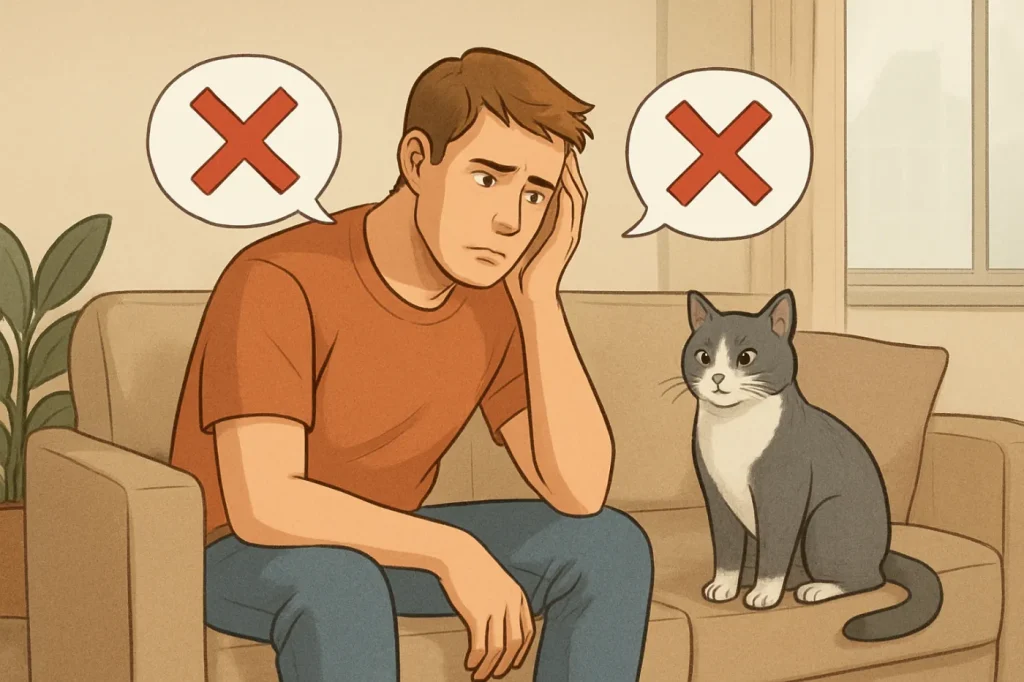
Thinking about adopting a cat but feeling a little unsure? That hesitation is healthy. A cat can live 12–18 years or more, so this is closer to a long-term relationship than a casual hobby.
This guide walks through concrete signs you are not ready for a cat right now, what would need to change, and what you can do instead while you prepare. The goal is not to shame you, but to help you avoid guilt, rehoming, and stress for both you and the cat.
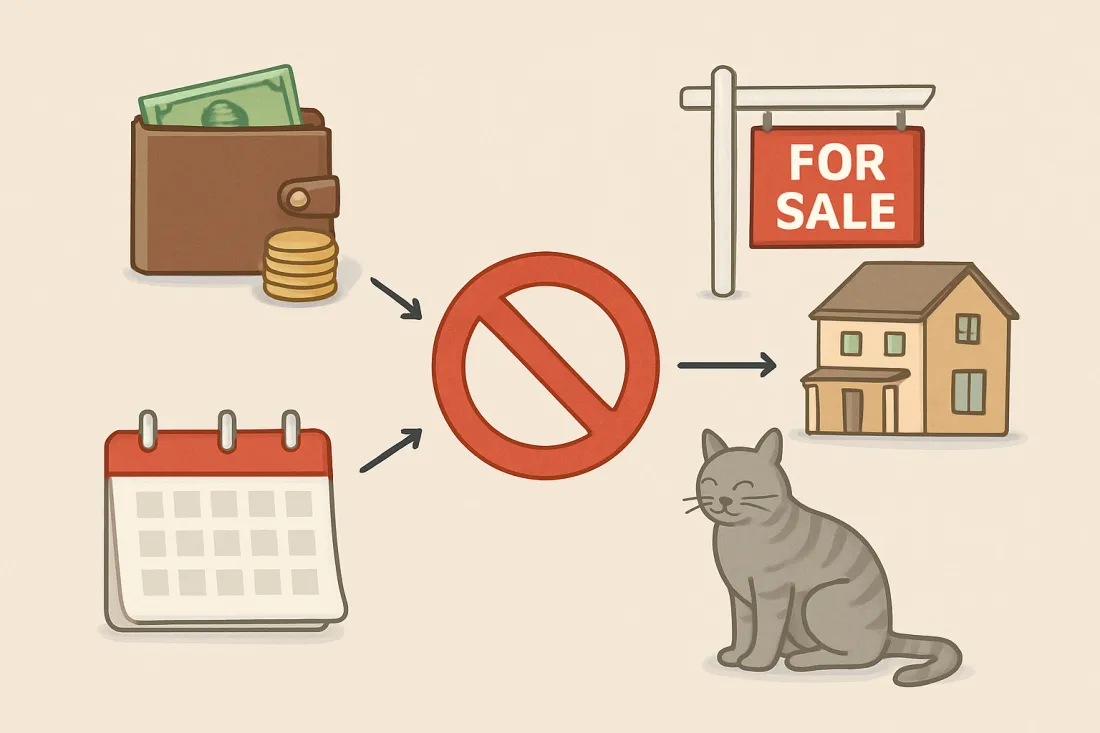
Quick reality check: are you ready for a cat today?
Use this short checklist as a first filter. If you answer “no” or “not really” to several of these, you are probably not ready to adopt a cat yet:
- You can reliably afford food, litter, and basic vet care every month without skipping bills.
- Your housing allows pets, and you are not at serious risk of moving to a no-pets place soon.
- You are home enough to notice when a cat is sick, stressed, or getting into trouble.
- You have a plan for who cares for the cat during vacations, work trips, or emergencies.
- You are okay with fur, scratched items, occasional accidents, and some mess.
- You are emotionally ready for a long-term commitment, not just excited about cute kitten photos.
- You are willing to learn about cat behavior and adjust your routines.
If that list feels overwhelming, keep reading. The next sections break down specific warning signs and what they look like in real life.

Warning signs you are not ready for a cat (with real-life examples)
These are common patterns that often lead to regret, guilt, or rehoming. If several of them sound like you, it is a strong sign to wait.

1. You are drawn to kittens but not to adult cats
If your mental picture of “getting a cat” is only tiny kittens in costumes, you may be in love with the idea of a baby animal, not with the reality of a cat for the next decade.
Red flags:
- You say things like “I only want a kitten, not an adult cat.”
- You lose interest when you see photos of fully grown cats.
- You are more excited about social media photos than daily care.
Why this matters: Kittens grow up fast—within about a year they are adult-sized, but they still need care, play, and attention. If you are not okay with a full-grown cat who may not stay tiny or “Instagram-perfect,” you are not ready yet.
2. Your budget is already stretched to the limit
If you are living paycheck to paycheck, adding a pet can turn small surprises into crises.
Red flags:
- You sometimes delay paying bills or rely on credit cards for basics.
- You do not have any savings for unexpected expenses.
- You are hoping routine vet care will somehow be “cheap” or optional.
Why this matters: Even a healthy cat needs regular food, litter, and vet checks. Illness or injury can mean sudden, significant costs. If an unexpected vet visit would mean skipping rent or groceries, it is safer to wait.
3. You are rarely home or work extremely long hours
Cats are more independent than dogs, but they are not self-maintaining decor. They need daily interaction, feeding, litter box cleaning, and basic supervision.
Red flags:
- You are away from home 12–14 hours most days.
- You frequently travel overnight or for days at a time without a consistent pet sitter.
- You imagine leaving a cat alone all weekend with “extra food” and no check-ins.
Why this matters: Long stretches alone can lead to stress, boredom, and behavior issues. You also might miss early signs of illness, which in cats can be subtle but serious.
4. You are in the middle of major life upheaval
Big changes drain time, money, and emotional energy. Adding a new pet on top of that can be too much.
Red flags:
- You are about to move, start a demanding new job, or have a baby.
- You are going through a breakup, divorce, or serious health issue.
- You are hoping a cat will “fix” your loneliness or stress.
Why this matters: Cats feel stress too. Constant changes in environment, routine, or your mood can make it hard for them to settle. You also may not have the bandwidth to help a nervous new cat adjust.
5. Your housing situation is unstable or not pet-friendly
Housing is one of the most common reasons pets are surrendered to shelters.
Red flags:
- Your lease does not clearly allow cats, or you are hoping the landlord “won’t notice.”
- You expect to move within a year and are not sure if future housing will allow pets.
- Roommates or family members are unsure or opposed to having a cat.
Why this matters: If you have to move suddenly or a landlord enforces a no-pet rule, the cat may end up rehomed or in a shelter. That is stressful and sometimes traumatic for the animal.
6. You cannot tolerate mess, fur, or damage
Even well-cared-for cats shed, scratch, and occasionally have accidents.
Red flags:
- You are very particular about furniture staying pristine.
- You get angry at the idea of fur on clothes or bedding.
- You expect a cat to never scratch, jump on counters, or knock things over.
Why this matters: Scratching and shedding are normal cat behaviors. You can manage them with scratching posts, grooming, and training, but you cannot eliminate them. If small messes feel like a big deal, daily life with a cat may be frustrating for you and stressful for the cat.
7. You are not willing to adjust your home or routines
Living with a cat means small but real changes to your space and habits.
Red flags:
- You do not want litter boxes, scratching posts, or cat trees “cluttering” your space.
- You are unwilling to keep toxic plants, chemicals, or small objects out of reach.
- You expect the cat to instantly fit your current routine with zero adjustments.
Why this matters: Safety and enrichment require some rearranging. If you are not open to that, the cat’s quality of life and safety will suffer. For a sense of what changes are typical, you can look at guides like a how to pet proof an apartment for a cat checklist.
8. You expect a cat to be an emotional cure-all
Cats can be wonderful companions, but they are not therapy tools or guaranteed mood boosters.
Red flags:
- You are hoping a cat will “fix” depression, anxiety, or loneliness on its own.
- You feel you will be devastated or angry if the cat is shy, independent, or not cuddly.
- You see the cat mainly as a comfort object, not as an animal with needs.
Why this matters: Some cats are affectionate; others are more reserved. If your expectations are too high, you may feel disappointed or resentful, which is unfair to the cat and hard on you.
9. You have allergies and have not tested them properly
Cat allergies can range from mild sneezing to serious breathing issues.
Red flags:
- You already react to other people’s cats but hope “I’ll get used to it.”
- You have asthma or other respiratory issues and have not talked to a doctor.
- You plan to rely on medication daily just to live with a cat.
Why this matters: Severe allergies can make life miserable and sometimes unsafe. Many cats are surrendered because someone in the home cannot physically tolerate them.
10. You are not ready for a 10+ year commitment
Adopting a cat is more like adding a family member than buying a gadget.
Red flags:
- You think of a cat as a “trial pet” before something else.
- You are unsure where you want to live or what your life will look like in a few years, and you are not willing to plan around a pet.
- You are comfortable with the idea of rehoming if things get inconvenient.
Why this matters: Cats form bonds and routines. Being moved around repeatedly can be stressful and destabilizing.
11. You dislike or fear normal cat behavior
Some people simply do not enjoy the way cats behave, and that is okay—but it is a sign not to adopt one.
Red flags:
- You are scared of claws, teeth, or sudden movements.
- You find pouncing, zoomies, or nighttime activity annoying or frightening.
- You expect a cat to behave like a small dog.
Why this matters: Cats communicate and play differently from dogs. If their normal behavior stresses you out, both of you will be unhappy.
12. You are not interested in learning about cat care
Responsible pet ownership means being curious and willing to learn.
Red flags:
- You feel that “it’s just a cat, how hard can it be?”
- You do not want to read about nutrition, litter box care, or behavior.
- You plan to wing it and only go to the vet if something looks very wrong.
Why this matters: Many health and behavior problems can be prevented or caught early with basic knowledge and routine care. If you are not willing to learn, the cat may suffer avoidable issues.
13. You struggle with follow-through on daily responsibilities
Cats need consistent care, even when you are tired, busy, or not in the mood.
Red flags:
- You often forget daily tasks like taking out the trash or doing dishes.
- You have trouble sticking to routines, even when you intend to.
- You are drawn to the idea of a cat but dread the thought of daily chores.
Why this matters: Skipping litter box cleaning, grooming, or playtime can lead to health problems and behavior issues. If daily consistency is very hard for you right now, it may be better to wait.
Time and space requirements for a cat: what “ready” actually looks like
Being ready is not about being perfect. It is about having enough time, space, and stability to meet a cat’s basic needs most days.
How much time does a cat realistically need?
Exact minutes vary by cat, but you can use these rough ranges as a planning tool, not as strict rules:
- Feeding: 5–10 minutes, 2 times per day.
- Litter box care: 5–10 minutes per day for scooping; a more thorough clean weekly.
- Play and interaction: Often 10–20 minutes, 1–3 times per day, especially for younger or active cats.
- Grooming and checks: A few minutes several times a week to brush (if needed) and check eyes, ears, and nails.
On an average day, you might spend 30–60 minutes total on direct care and interaction, plus small bits of time throughout the day noticing how your cat is doing.
What kind of space does a cat need?
Cats can live happily in small apartments if their needs are met, but there are minimums to consider:
- Safe resting spots: At least one quiet, secure place where the cat can retreat and not be disturbed.
- Vertical space: Shelves, cat trees, or window perches to climb and observe.
- Litter boxes: At least one box per cat, plus one extra in multi-cat homes, placed in low-traffic but accessible areas.
- Scratching options: Sturdy posts or pads in the areas the cat is likely to use.
If you cannot find space for a litter box that is not in a cramped corner or right next to loud appliances, or you cannot place scratching posts where the cat naturally wants to scratch, your space may not be ready yet.
Financial readiness: can you afford a cat long term?
Costs vary widely by location, vet clinic, and the cat’s health, so you should check local prices. Instead of exact numbers, use these categories to think through your budget.
| Cost type | What it includes | Signs you are not ready | What to check or plan |
|---|---|---|---|
| Initial setup | Carrier, litter box, litter, food and water bowls, scratching post, bed, basic toys, first vet visit | You would need to put these on a credit card you are already struggling to pay off. | List needed items and check local prices so you know the rough total before adopting. |
| Ongoing monthly costs | Food, litter, routine flea/tick or parasite prevention (if recommended by your vet), occasional toys or replacements | Adding even a modest monthly amount would mean skipping bills or essentials. | Estimate a monthly pet line in your budget and see if it fits without cutting essentials. |
| Routine vet care | Wellness exams, vaccines as recommended, dental checks, spay/neuter if not already done | You have no way to cover a routine vet visit without borrowing money. | Call local clinics to ask for typical ranges for a basic exam so you can plan. |
| Unexpected medical costs | Illness, injury, diagnostics, possible surgery or hospitalization | An emergency bill would immediately put you in serious financial trouble. | Consider setting aside a small emergency fund over time or looking into options like pet insurance or savings plans. |
If you cannot comfortably handle the ongoing and routine costs, it is more responsible to wait and prepare than to adopt and hope nothing goes wrong.
Emotional readiness: mindset checks before you adopt
Emotional readiness is harder to measure than money or time, but it is just as important.
Key emotional questions to ask yourself
- Am I okay with imperfection? Cats may scratch, hide, or ignore you sometimes. If that would feel like rejection, you may need to adjust expectations.
- Can I handle stress without taking it out on the cat? There will be frustrating moments. You should feel confident you will not yell at or punish the cat harshly.
- Do I see the cat as a family member, not a toy? If you mainly want entertainment, you might be happier with pet-sitting, volunteering, or visiting cat cafés.
- Am I ready for grief later? Pets age faster than humans. You do not need to dwell on it, but you should understand that caring for a cat includes the end of life someday.
The 3-3-3 adjustment idea for cats
People sometimes talk about a “3-3-3 rule” for adopted pets: roughly 3 days to decompress, 3 weeks to start learning the routine, and 3 months to really settle in. Cats are individuals, so these numbers are not strict, but the idea is useful:
- First days: The cat may hide, refuse food at first, or avoid contact.
- First weeks: You start to see more of their personality, but there may be accidents or testing of boundaries.
- First months: Routines form, but some shy or anxious cats take longer.
If you expect instant affection and perfect behavior from day one, you are likely to feel disappointed. Emotional readiness means being patient through this adjustment period.
Practical checklist: are you ready, not ready, or “almost there”?
Use this checklist as a decision tool. If you check mostly “no” in the first column, it is a sign to wait.
- Stable housing
- My current home clearly allows cats in writing.
- Everyone I live with agrees to having a cat.
- Time and routine
- I can reliably be home at least once or twice a day to feed, scoop, and interact.
- I can commit 30–60 minutes most days to direct care and play.
- Budget
- I can add a pet line to my monthly budget without skipping essentials.
- I have a plan for routine vet visits and at least a small emergency cushion over time.
- Home setup
- I have space for at least one litter box in a low-traffic, accessible area.
- I am willing to add scratching posts, a bed, and some vertical space.
- Mindset
- I want a cat as a long-term companion, not a temporary distraction.
- I accept that there will be fur, mess, and some damage over the years.
- I am ready to learn about cat care and behavior.
- Backup plans
- I have at least one person or service I could ask to care for the cat during trips.
- I have thought about what happens to the cat if my life changes (moving, new job, etc.).
If several of these points feel impossible right now, that is a clear sign you are not ready yet—and that is okay. You can work toward readiness over time.
Common mistakes people make when they are not ready
Recognizing these patterns can help you avoid them.
- Impulse adoption: Falling in love with a cat at a shelter or online and adopting the same day without checking housing, budget, or long-term plans.
- Underestimating daily care: Assuming cats are “low maintenance” and then feeling overwhelmed by litter, shedding, and vet visits.
- Ignoring housemates’ concerns: Bringing home a cat when roommates or family are unsure, leading to conflict and sometimes rehoming.
- Skipping pet-proofing: Leaving toxic plants, cords, or small objects accessible, which can lead to injuries or emergency vet visits.
- Expecting a specific personality: Wanting a cat that is always cuddly or always calm, and feeling disappointed when the real cat is different.
What to do instead of adopting a cat right now
If you see clear signs you are not ready, you can still enjoy animals and prepare for a future pet.
1. Spend time with cats without adopting
- Volunteer at a shelter or rescue: Help with cleaning, feeding, or socializing cats. You will learn a lot about real-life care.
- Pet-sit for friends or family: Offer to care for their cats while they are away. This gives you a taste of daily responsibilities.
- Visit cat cafés or friends’ homes: Spend time around cats to see how you react to fur, behavior, and possible allergies.
2. Work on your budget and routine
- Create a trial “pet budget” line and set that amount aside each month as if you already had a cat. If it is easy to maintain for several months, you are closer to ready.
- Practice a simple daily routine similar to a daily care routine for indoor cats—set times for chores, even if you do not have a pet yet.
- Use the money you set aside to build a small future pet emergency fund.
3. Prepare your home gradually
- Declutter areas where a cat might climb or hide.
- Identify safe spots for a litter box, scratching posts, and a bed.
- Start removing or securing hazards like cords, small objects, or toxic plants.
4. Learn more about pet ownership decisions
If you are still deciding between different pets or wondering whether a cat fits your lifestyle, tools like a should I adopt a dog or cat quiz can help you think through your preferences and constraints.
Low-commitment pet options while you get ready
If you want animal companionship but are not ready for a full-time cat, consider options with lower commitment or more flexibility.
- Fostering for a rescue: Short-term care for a cat or kitten until they are adopted. This still requires responsibility but is time-limited and often supported by the rescue.
- Pet-sitting or dog walking: Paid or volunteer work that lets you spend time with animals without long-term commitment.
- Small pets with shorter lifespans: Some small animals may require less space or have different care needs, but always research thoroughly before adopting any pet.
- Virtual or distance interaction: Watching wildlife cams, following animal shelters online, or supporting rescues financially if you cannot have a pet at home.
These options let you enjoy animals, learn about care, and test your readiness without committing to a decade or more of responsibility.
FAQ about deciding if you are ready for a cat
How do I know if I am ready to get a cat?
You are likely ready if you have stable, pet-friendly housing; room in your budget for ongoing and unexpected costs; time for daily care and interaction; a realistic understanding of cat behavior; and a long-term mindset. If you can imagine caring for the same cat through moves, job changes, and life events, that is a strong sign of readiness.
What is the 3-3-3 rule for cats?
The “3-3-3 rule” is a rough idea used for adopted pets: around 3 days to decompress, 3 weeks to start learning the routine, and 3 months to feel more fully settled. Cats are individuals, so some adjust faster or slower, but the concept reminds you to be patient and not expect instant perfection.
What color cat is least desired?
Preferences for cat colors can vary by person and region. Some shelters notice that certain colors, such as black cats, may be adopted more slowly than others, but this is not universal. Color should be one of the least important factors in your decision; temperament, health, and how well the cat fits your lifestyle matter far more.
What is “I love you” in cat language?
Cats do not use words, but they show affection in other ways. Common signs include slow blinking while looking at you, choosing to sit or sleep near you, gentle head bumps, purring when relaxed around you, and following you from room to room. You can “say” a gentle version of “I love you” back by slow blinking, speaking softly, and respecting their boundaries.
Can I get a cat if I am out of the house most of the day?
It depends how long you are gone and how consistent your schedule is. Many people who work full time still have cats, but they make sure to provide food, fresh water, clean litter, safe enrichment, and quality interaction when they are home. If you are gone for very long stretches or travel frequently without reliable pet care, it may be better to wait.
What if I already adopted a cat and now feel I was not ready?
Feeling overwhelmed does not automatically mean you are a bad owner. Reach out to the shelter, a vet, or a behavior professional for support. Adjust your expectations, ask for help with costs or care if needed, and see whether changes in routine or environment improve things. If you truly cannot provide a safe, stable home, contact the shelter or rescue you adopted from to discuss responsible options rather than abandoning the cat.
Taking time to honestly assess your readiness is an act of responsible pet ownership. If you are not ready for a cat today, you can still prepare, learn, and enjoy animals in other ways until the timing is right—for you and for the future cat who will depend on you.