
Wondering, “Am I really ready to adopt a dog?” is already a good sign. But good intentions are not enough to prevent heartbreak and surrender later.
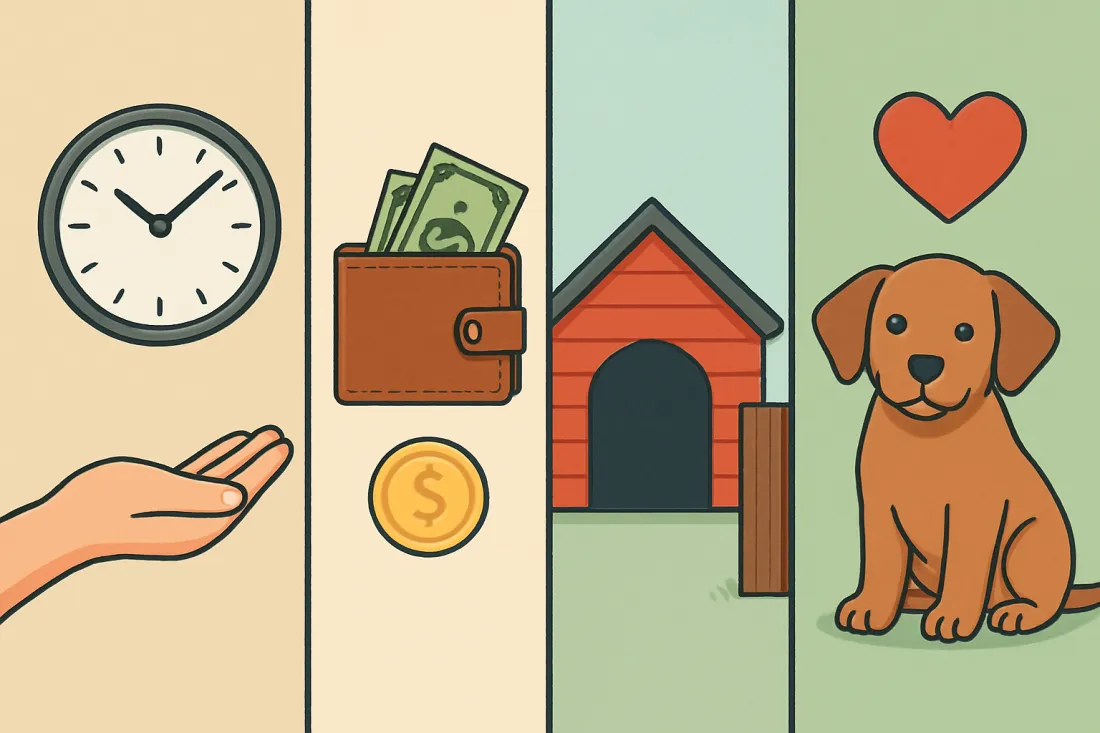
If you can consistently offer time every day, a stable budget every month, a dog-friendly home, and emotional commitment for 10–15 years, you are on the right track. If any of those areas are shaky, it is safer to pause, adjust your situation, or choose a lower-commitment way to enjoy dogs for now.
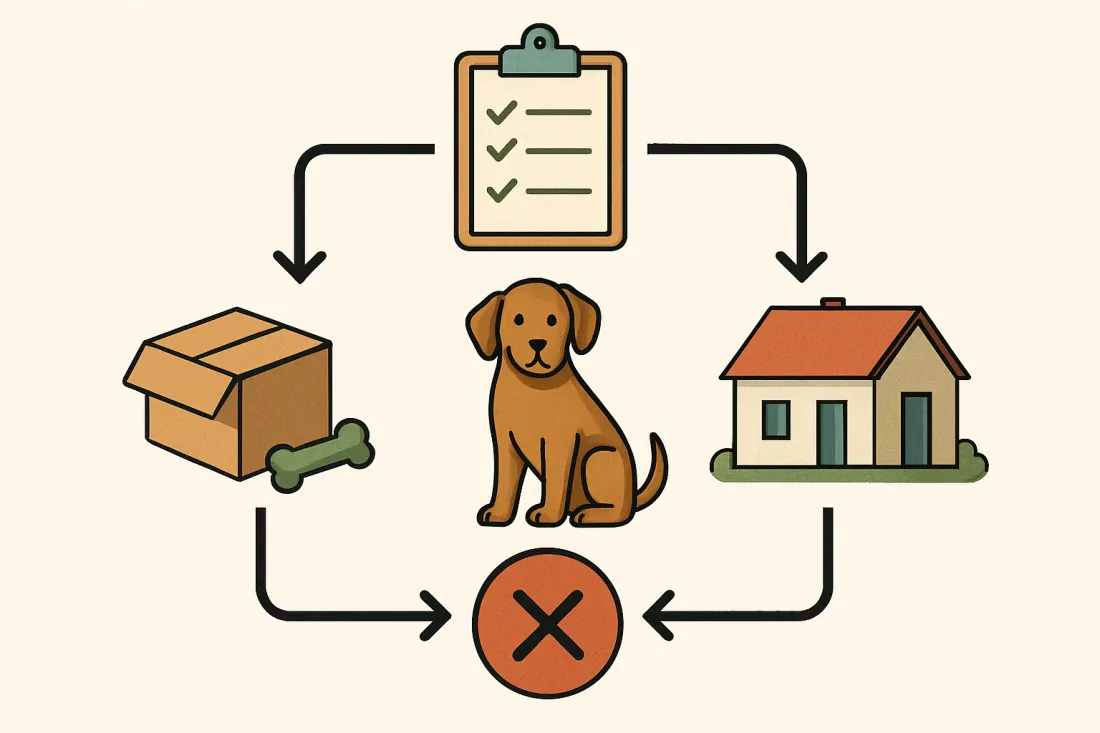
This guide walks you through the key decisions and trade-offs so you can make a clear, honest call—without a gimmicky quiz. If you prefer a structured test afterward, you can also use the am I ready to adopt a dog quiz as a follow-up check.
Why readiness matters so much for preventing surrender
Many dogs are surrendered not because they are “bad,” but because their humans were not realistically prepared. Common reasons include:
- Underestimating time needs (walks, training, cleaning, vet visits)
- Unexpected costs (emergency vet bills, grooming, pet deposits)
- Housing conflicts (landlord bans, breed/size limits, moving)
- Life changes (new baby, job loss, breakup, health issues)
Thinking through these areas now helps you:
- Avoid putting a dog through the stress of bonding and then losing their home
- Protect your own finances and mental health
- Choose the right type of dog (or decide to wait) instead of forcing a poor match
Use this guide as a reality check. If you find several weak spots, that is not failure—it is a sign to prepare more before adopting.
Time commitment: Do you have enough hours every week?
Dogs need daily, consistent time with you. This is not just “being in the same room,” but active care, exercise, and interaction.
Typical weekly time needs by dog type
These are rough ranges to help you think through your schedule. Actual needs vary by age, health, and personality.
| Dog type | Daily exercise & play | Training & mental work | Basic care & cleaning | Approx. weekly total |
|---|---|---|---|---|
| Puppy (under 1 year) | 1.5–3 hours (several short sessions) | 20–40 minutes | 30–45 minutes | ~15–25 hours/week |
| Adult, low–medium energy | 45–90 minutes | 10–20 minutes | 20–30 minutes | ~8–14 hours/week |
| Adult, high energy / working breed | 1.5–2.5 hours | 20–30 minutes | 20–30 minutes | ~14–21 hours/week |
| Senior dog | 20–60 minutes (gentle) | 5–15 minutes | 20–40 minutes (may include extra cleaning) | ~6–12 hours/week |
On top of that, add time for:
- Vet visits (a few hours several times a year, more if health issues)
- Grooming (at home or appointments)
- Travel planning (arranging pet sitters or boarding)
Time readiness checks
- Work schedule: Are you away from home more than 9–10 hours most days? If yes, you will need reliable help (dog walker, daycare, neighbor) or a different timing for adoption.
- Daily routine: Can you realistically commit at least 1–2 hours every single day for walks, play, and training, even when you are tired or busy?
- Weekends and evenings: Are these already packed with activities that cannot include a dog (late-night shifts, frequent travel, long events)?
- Future changes: Are you expecting major life changes soon (new baby, big exam year, relocation, starting a business)? Those can sharply reduce your available time.
If you struggle to find where those hours would fit, it is safer to delay adoption or consider a lower-energy adult dog later rather than a puppy now.
Financial readiness: Can you handle dog costs every month?
Owning a dog in the United States is a long-term financial commitment. Costs vary widely by size, health, and lifestyle, but you should expect ongoing monthly expenses plus occasional large bills.
Sample monthly budget ranges
These are broad example ranges to help you think through your budget. Actual numbers depend on your area, dog size, and choices.
- Food: Small dogs generally cost less to feed than large breeds. Higher-quality food usually costs more but may support better health.
- Routine vet care: Annual exams, vaccines, and preventives can be averaged into a monthly amount.
- Grooming: Short-haired dogs may only need basic supplies; long-haired or curly-coated breeds may need regular professional grooming.
- Supplies: Toys, poop bags, cleaning products, and replacement gear add up over time.
- Insurance or emergency fund: You will need a plan for unexpected vet bills, which can be significant.
Instead of focusing on exact dollar figures, ask yourself:
- Can I comfortably add a new recurring expense category to my budget for the next 10–15 years?
- Do I have savings or a credit option for emergencies, or will a single large vet bill put me in serious financial trouble?
- Can I afford pet deposits or pet rent if my housing requires them?
- Am I prepared for higher costs if the dog develops a chronic condition or needs special food?
Financial red flags
- You are currently struggling to cover rent, utilities, or debt payments.
- You have no emergency savings and no realistic plan for unexpected vet bills.
- You are counting on “cheap” care from a friend or family member who has not clearly agreed to it.
- You are hoping to skip routine vet care to save money.
If any of these apply, it is kinder to wait, stabilize your finances, and build a small pet emergency fund before adopting.
Housing and landlord rules: Is your home truly dog-ready?
In the United States, housing rules can make or break a dog adoption. Even if you personally love dogs, your landlord, HOA, or city may have restrictions.
Key housing checks before adopting
- Lease and landlord permission:
- Is your current lease explicitly pet-friendly, and does it allow dogs?
- Are there size, breed, or number limits?
- Are there extra fees, deposits, or monthly pet rent?
- Future housing plans:
- Are you likely to move in the next 1–2 years?
- Is it easy to find dog-friendly rentals in your area and price range?
- Space and layout:
- Is there enough room for a dog bed, crate (if you plan to use one), and play space?
- Do you have safe access to outdoor areas for potty breaks and walks?
- Neighbors and noise:
- Are your walls thin, or do you live in a building where barking could quickly cause complaints?
- Are there building rules about quiet hours that might be affected by a vocal dog?
- Household members:
- Is everyone in the home genuinely on board with getting a dog?
- Does anyone have allergies or fears around dogs?
Before adopting, read your lease carefully and talk to your landlord or property manager. Get permission and conditions in writing, not just a verbal “sure.”
Emotional readiness and long-term commitment (10–15 years)
Dogs are not short-term projects. Many live 10–15 years or more. During that time, your life will change—but your dog will still depend on you.
Questions about your long-term commitment
- Can you imagine caring for the same dog through your 20s, 30s, 40s, or beyond, depending on your current age?
- How do you usually handle frustration and stress? Dogs will have accidents, chew things, bark, and make mistakes.
- Are you prepared to adjust your social life, travel, and hobbies to include or work around your dog?
- Are you ready to care for a dog as they age, which may include mobility issues, incontinence, or frequent vet visits?
- Do you see a dog as a family member, not a disposable accessory?
Emotional readiness also means being honest about your expectations. If you want a perfectly behaved dog immediately, or you expect a dog to “fix” loneliness or mental health struggles on its own, you may be setting both of you up for disappointment.
Structured yes/no checklist: Are you ready to adopt a dog?
Use this checklist as a self-honesty tool. If you answer “no” or “not sure” to several questions, it is a sign to pause and prepare more before adopting.
Time and lifestyle
- Can I consistently spend at least 1–2 hours every day on walks, play, and training? (Yes/No)
- Can I arrange for someone to let the dog out if I am away from home for more than 9–10 hours? (Yes/No)
- Am I willing to adjust my social life, hobbies, and travel plans to include or work around a dog? (Yes/No)
- Do I have a stable daily routine that can include regular feeding and potty times? (Yes/No)
Money and planning
- Can I add ongoing dog expenses to my budget without skipping essentials like rent or groceries? (Yes/No)
- Do I have some savings or a realistic plan for emergency vet bills? (Yes/No)
- Am I prepared for extra costs like pet deposits, pet rent, or boarding when I travel? (Yes/No)
- If my income dropped, would I still prioritize my dog’s basic care? (Yes/No)
Home and environment
- Is my current housing dog-friendly according to my lease or property rules? (Yes/No)
- Is everyone I live with genuinely okay with getting a dog? (Yes/No)
- Do I have a safe way to take the dog outside multiple times a day? (Yes/No)
- Am I prepared to manage barking, shedding, and occasional messes without resentment? (Yes/No)
Emotional and long-term commitment
- Can I realistically commit to caring for a dog for 10–15 years, even if my life changes? (Yes/No)
- Am I ready to invest time in training instead of blaming the dog for not knowing the rules? (Yes/No)
- Do I understand that dogs have needs and feelings, and I will not give up on them when things get hard? (Yes/No)
- Am I prepared for the emotional weight of eventually saying goodbye at the end of their life? (Yes/No)
How to interpret your answers:
- Mostly “Yes” (with clear plans): You may be ready, especially if you choose a dog whose energy and needs match your lifestyle.
- Several “No” or “Not sure” in one area: Focus on fixing that area before adopting (e.g., budget, housing, schedule).
- Many “No” across multiple areas: Adoption is likely not a good idea right now. Consider alternatives like fostering or volunteering.
Comparison: When adoption fits vs. when to wait
Use this table to compare your situation with typical “ready” and “not yet” scenarios.
| Area | Signs adoption may fit now | Signs you should wait | Next step if you are in the middle |
|---|---|---|---|
| Time | Predictable schedule, at least 1–2 free hours daily; can come home at lunch or arrange help. | Unpredictable shifts, gone 10–12 hours most days, often too exhausted for walks or play. | Test your routine for a month as if you already had a dog: schedule “walk time” and see if it is sustainable. |
| Finances | Stable income, room in budget for ongoing pet costs, some emergency savings. | Struggling with current bills, no savings, hoping dog costs will somehow “work out.” | Track your spending for 2–3 months and build a small emergency fund before adopting. |
| Housing | Written permission for dogs, no major restrictions that conflict with your preferred dog type. | No pets allowed, or strict limits that do not match the dog you want. | Talk to your landlord, explore dog-friendly housing options, or adjust your expectations on size/breed. |
| Emotional readiness | Realistic expectations, patience for training, willing to adjust lifestyle. | Expecting a “perfect” dog, low tolerance for mess or noise, easily overwhelmed by stress. | Spend time with dogs through friends or volunteering to understand daily realities before adopting. |
| Long-term plans | No major planned disruptions, or clear plan to keep the dog through them. | Big changes coming (moving, long travel, intense study) with no plan for the dog. | Wait until after the big change, or make a concrete care plan that everyone involved agrees to. |
Common mistakes people make when deciding to adopt a dog
Avoiding these mistakes can save you and a future dog a lot of stress.
1. Choosing with the heart only, not the calendar and budget
Falling in love with a cute face is easy. Forgetting that puppies need multiple potty breaks, training sessions, and supervision every day is even easier. Always match your choice of dog (age, size, energy) to your actual schedule and finances, not your ideal version of yourself.
2. Underestimating training and behavior work
Many first-time owners assume a dog will “just know” how to behave. In reality, you will need to teach basic manners, house rules, and social skills. Without that, even a sweet dog can develop problem behaviors that lead to frustration and surrender.
3. Ignoring housing rules or hoping for exceptions
Adopting a dog and then discovering your building does not allow that size or breed can end in heartbreak. Never assume you will get an exception or easily find a new place that fits both your budget and your dog.
4. Expecting a dog to fix emotional struggles on its own
Dogs can bring comfort and joy, but they also add responsibility and stress. If you are currently overwhelmed, lonely, or dealing with mental health challenges, adding a dog may help in some ways and strain you in others. It is important to have human support and, if needed, professional help alongside pet companionship.
5. Not planning for the dog’s whole life
People sometimes adopt based on their current situation only. But over 10–15 years, you might move, change jobs, start a family, or face health issues. While you cannot predict everything, you can commit to including your dog in your long-term planning instead of treating them as temporary.
Red-flag scenarios where you should delay adoption
If any of these describe you right now, it is usually best to wait before adopting a dog:
- Very unstable housing: You are between places, couch-surfing, or unsure where you will live in the next year.
- Major life transition: You are about to start an intense program, move across the country, or work extremely long hours with no support system.
- Serious financial strain: You are behind on essential bills, facing possible eviction, or have no way to cover an emergency expense.
- Household conflict: People you live with strongly disagree about getting a dog, or someone has significant allergies or fear.
- Impulse-only motivation: You want a dog mainly because you saw a cute video, feel pressured by friends or a partner, or want to keep up with trends.
- Unresolved safety concerns: You have young children and no plan for safe dog–kid interactions, or you feel you might lose your temper with a dog.
Delaying adoption in these situations is not a failure. It is responsible pet ownership and a sign that you care about the dog’s welfare as much as your own.
Alternative ways to enjoy dogs if you are not ready yet
If your self-check suggests you are not ready to adopt, you can still have dogs in your life in lower-commitment ways while you prepare.
- Fostering for a shelter or rescue: Shorter-term care with support from the organization. You still need time and stability, but usually for weeks or months rather than years.
- Volunteering at a shelter: Walk dogs, help with enrichment, or assist at events without taking full financial and long-term responsibility.
- Dog sitting or walking for friends and neighbors: Gain hands-on experience and see how dog care fits your routine.
- Attending training classes as an observer: Learn about dog behavior and training before you adopt.
- Planning mode: Use the time to adjust your budget, build an emergency fund, and research breeds or mixes that fit your lifestyle.
These options let you test your readiness in real life and build skills so that when you do adopt, you and your future dog start from a stronger place.
Step-by-step process to decide your next move
- Do the yes/no checklist honestly. Do not answer based on who you wish you were—answer based on your actual week and budget.
- Identify your weakest area. Is it time, money, housing, or emotional readiness?
- Make a 3–6 month plan to improve that area.
- Time: Adjust your schedule, test “dog hours,” or reduce other commitments.
- Money: Track spending, cut non-essentials, and build a small emergency fund.
- Housing: Clarify rules, explore dog-friendly options, or plan a future move.
- Emotional: Talk with people you trust, learn more about dog behavior, and consider support for your own stress or mental health.
- Get real-world exposure to dogs. Volunteer, foster, or help a friend with their dog to see what daily care feels like.
- Reassess after your trial period. Repeat the checklist. If your answers have shifted toward “yes” and your life feels stable, start looking for a dog whose needs match your reality.
- Use a structured quiz as a final check. When you feel ready, tools like the am I ready to adopt a dog quiz can help you double-check your thinking before you commit.
FAQ about deciding if you are ready to adopt a dog
What should I understand about an “am I ready to adopt a dog” guide that does not use a formal quiz?
A readiness guide without a formal quiz is meant to push you toward honest reflection instead of chasing a score. The key is not whether you get a “pass” or “fail,” but whether you can clearly see your time, money, housing, and emotional capacity. If you use the questions and checklists to picture your real daily life with a dog, you are using the guide correctly.
What are the biggest mistakes to avoid before adopting a dog?
The biggest mistakes are adopting on impulse, ignoring housing or landlord rules, underestimating time and training needs, and assuming a dog will automatically fix emotional struggles. Another common mistake is choosing a dog whose energy level does not match your lifestyle—for example, a high-energy working breed for someone who prefers quiet evenings on the couch.
How do I know what to do next after reading a readiness guide like this?
First, complete the yes/no checklist and note where you answered “no” or “not sure.” Next, decide whether you are in a “ready,” “almost ready,” or “not yet” category. If you feel ready, start researching dogs that fit your lifestyle and consider using a structured tool like the am I ready to adopt a dog quiz as a final check. If you are almost ready or not yet, choose one or two concrete steps—such as adjusting your budget or clarifying housing rules—and set a timeline to revisit the decision.
Is it more responsible to adopt a puppy or an adult dog as a first-time owner?
For many first-time owners, an adult dog with a known temperament and some basic training can be easier than a puppy. Puppies require more time for potty training, supervision, and socialization. An adult dog from a reputable shelter or rescue may already be house-trained and can be matched to your energy level and experience. The responsible choice is the dog whose needs best fit your actual lifestyle, not just your idea of a “perfect” pet.
What if I want a dog but my partner or roommate is unsure?
If someone you live with is hesitant, it is important to slow down. A dog will affect everyone in the home—noise, mess, schedules, and finances. Have an open conversation about concerns, responsibilities, and boundaries. If you cannot reach genuine agreement, it is usually better to wait or explore alternatives like volunteering or dog sitting rather than bringing a dog into a tense environment.