
Key ways to prevent outdoor accidents with dogs and cats
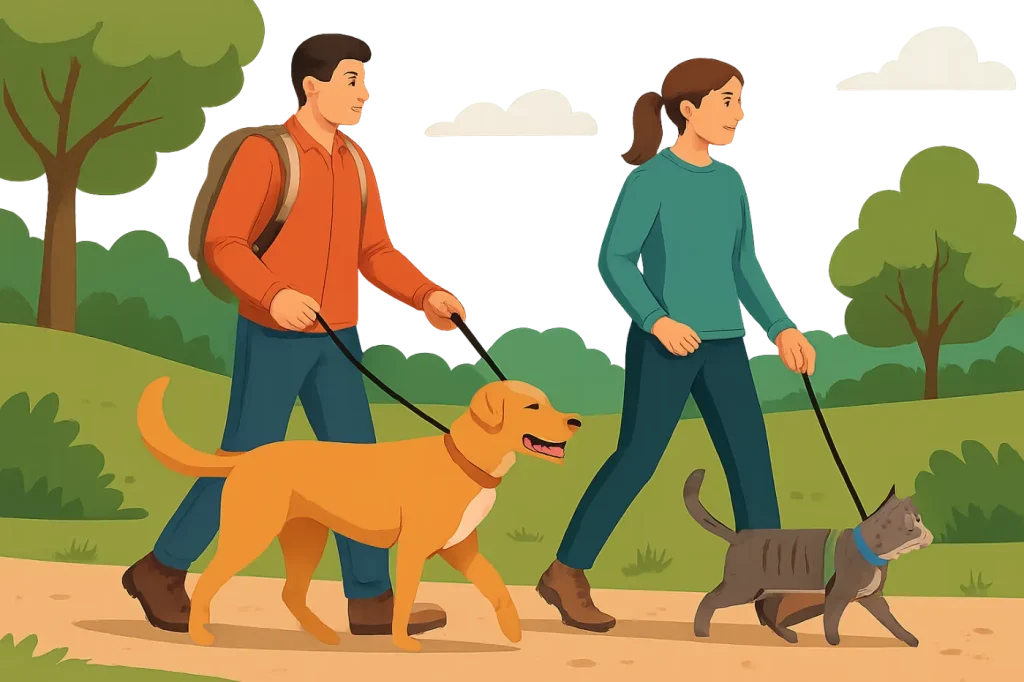
To prevent most outdoor and travel accidents with dogs and cats in the United States, build four habits into every walk, hike, yard break, or car trip:
- Secure control: use a well-fitted collar or harness, a sturdy leash, and safe carriers or crates in cars so your pet cannot bolt or be thrown.
- Scan the environment: check for traffic, heat or ice, wildlife, and other hazards before you step out and keep scanning as you go.
- Prepare health and gear: keep ID tags and microchips current, use parasite prevention, and carry basic supplies like water and waste bags.
- Watch body language: know early signs of distress so you can stop, cool or warm your pet, or seek help before a problem becomes an emergency.
Everything that follows turns these habits into concrete steps for walks, hikes, yard time, and car travel with both dogs and cats.
Outdoor and travel risks for dogs and cats in the US
Most outdoor accidents come from a mix of environment, equipment, and supervision. Understanding the main risk types helps you plan safer outings.
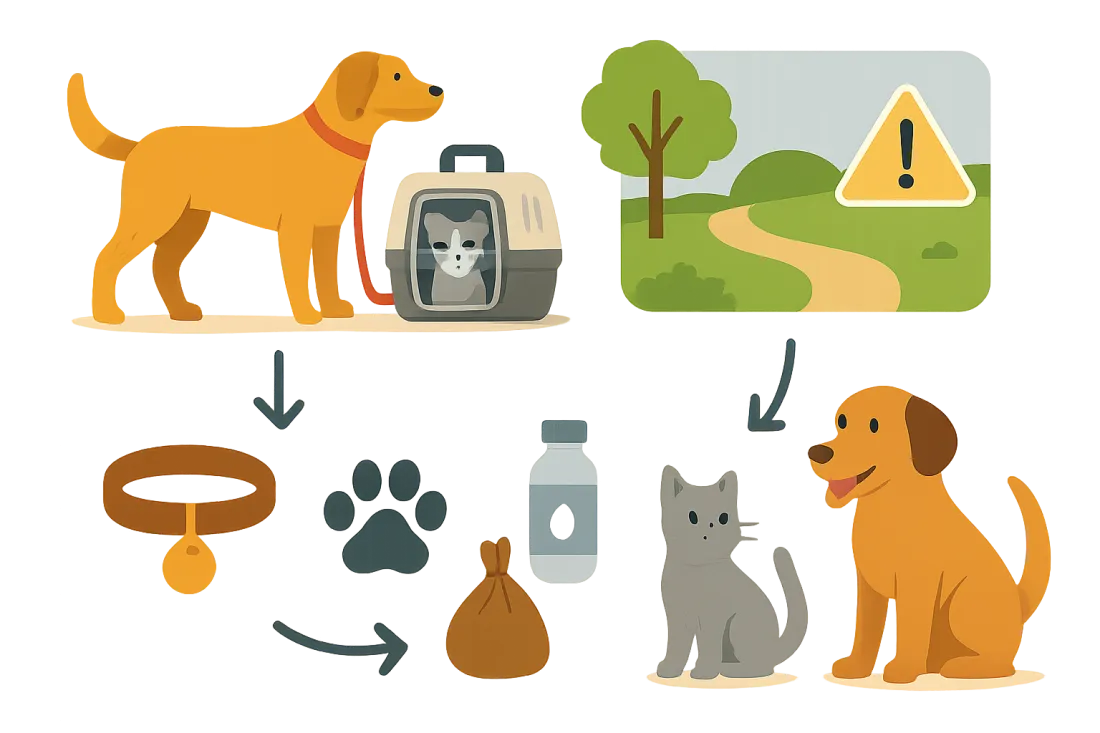
Traffic and urban hazards
- Vehicles and bikes: sudden lunges into the street, slipping out of collars, or off-leash running can lead to collisions with cars, trucks, or cyclists.
- Sidewalk obstacles: broken glass, sharp metal, and trash can cut paws or cause stomach problems if eaten.
- Driveways and parking lots: backing vehicles, low visibility, and distracted drivers make these areas especially risky for small pets.
- Open doors and gates: a startled pet can bolt from a house, yard, or car into traffic in seconds if there is no barrier or leash.
Heat, cold, and weather extremes
- Heat stress and heatstroke: dogs and cats can overheat quickly in hot, humid weather, especially during intense exercise or in parked cars.
- Paw burns: asphalt, sand, and metal surfaces can become hot enough to burn paw pads during warm months.
- Cold exposure: wind, wet fur, and low temperatures can lead to hypothermia or frostbite, especially in small, short-haired, or elderly pets.
- Storms and loud weather: thunder, lightning, and high winds can spook pets into bolting or hiding in unsafe places.
Wildlife and regional outdoor hazards
- Predators: coyotes and large birds of prey may target small dogs and cats, especially at dawn and dusk.
- Snakes: venomous snakes are a risk in many parts of the US when pets sniff in tall grass, rocks, or woodpiles.
- Insects and parasites: ticks, fleas, and mosquitoes can transmit disease; bee or wasp stings can trigger allergic reactions.
- Plants and water: some plants are toxic if chewed, and stagnant or contaminated water can cause stomach upset or worse.
Travel and car-related risks
- Loose pets in vehicles: unrestrained dogs and cats can be injured in sudden stops or crashes and can distract the driver.
- Airbags: front-seat airbags can injure small pets during a collision.
- Pickup truck beds: riding loose in an open bed risks falls, debris injuries, and exposure to weather.
- Escapes at rest stops: a frightened pet can bolt from a car door or carrier in unfamiliar surroundings.
Safe leash walking and harness use for dogs and cats
Good equipment and handling prevent many outdoor accidents before they start. The goal is secure control without pain or panic.
Choosing safe collars and harnesses
- For dogs:
- Use a flat collar or a well-fitted front-clip harness for everyday walks.
- A practical rule is that you should be able to fit about two fingers between the collar or harness and your dog’s neck or chest; tighter can cause discomfort, looser can allow escape.
- Avoid relying on choke or prong collars as your main walking tool; they can cause neck injuries if a dog lunges.
- For cats:
- Use a cat-specific harness (often H- or vest-style) designed to reduce the chance of backing out.
- Pair it with a breakaway collar for ID only; the collar should release if it gets snagged on branches or fences.
Leash safety basics
- Choose a standard 4–6 foot leash for most walks; it offers control without too much slack.
- Use retractable leashes only in open, low-traffic areas if you use them at all; they can cause rope burns, tangles, and sudden jerks.
- Hold the leash with your hand through the loop and a firm grip, not just fingers.
- Keep the leash short near roads, driveways, and parking lots so your pet cannot dart into traffic.
Handling techniques that prevent accidents
- Teach a stop cue: practice “wait” or “stop” at every curb so your dog learns to pause before crossing.
- Walk on the inside: keep your dog between you and buildings or grass, not between you and the road.
- Watch for triggers: if your pet reacts strongly to bikes, skateboards, or other dogs, cross the street early or create distance.
- For cats on leash: start in a fenced yard or quiet area, keep sessions short, and never drag a cat that freezes or panics.
For more help with indoor manners that support safer exits and entries, you can also review basic house rules for dogs and cats.
Car safety for dogs and cats: crates, seat belts, and pickups
Safe car travel is a major part of preventing outdoor and travel accidents. The aim is to keep pets from becoming projectiles, distractions, or escape risks.
Best ways to restrain pets in cars
- Crates and carriers:
- Use a sturdy crate or carrier that is large enough for your pet to stand, turn, and lie down comfortably.
- Place it on the back seat or cargo area, secured with a seat belt or straps so it cannot slide.
- Harness seat belts for dogs:
- Choose a car harness designed to attach to the vehicle’s seat belt system.
- Clip the harness to a fixed seat belt attachment, not to a collar, to reduce the chance of neck injuries.
- Barriers:
- In SUVs or wagons, a secure barrier can keep a crated or harnessed dog from jumping into the front seat.
Airbags and seating position
- Keep pets in the back seat whenever possible to reduce the risk from front airbags.
- If a small dog or cat must ride in front, use a properly secured carrier and move the seat back as far as possible, following your vehicle manual’s guidance.
Special risks for pickup trucks
- Avoid letting dogs ride loose in open truck beds; they can fall, jump, or be hit by debris.
- Do not tie a dog by the neck in a truck bed; sudden stops or jumps can be extremely dangerous.
- Safer options include a secured crate in the cab or covered bed, or a harnessed dog riding in the back seat.
Preventing escapes at rest stops and parking lots
- Leash before opening doors: clip the leash to your dog’s harness or collar before you open the car door.
- For cats: move the carrier onto your lap or the floor with doors closed, attach a harness and leash, then open the carrier.
- Use double barriers: open only one door at a time, and avoid letting pets exit on the traffic side.
Weather-related risks: heatstroke, cold, and paw burns
Weather is one of the most common and preventable sources of outdoor accidents. A few checks before you leave can spare your pet a lot of stress.
Preventing heatstroke in dogs and cats
- Avoid the hottest hours: plan walks for early morning or later evening during hot months.
- Test the pavement: place the back of your hand on the pavement for several seconds; if it is too hot to keep it there comfortably, it is likely too hot for paws.
- Limit intense exercise: shorten runs, hikes, and fetch sessions in heat and humidity.
- Provide shade and water: offer frequent water breaks and rest in shaded areas.
- Never leave pets in parked cars: even with windows cracked, temperatures can rise quickly and become dangerous.
Protecting paws from burns and injury
- Use grass, dirt paths, or shaded routes when surfaces are hot.
- Consider dog booties for very hot or rough terrain if your dog tolerates them.
- Check paws after walks for redness, cracks, or lodged debris like thorns or glass.
Cold weather and hypothermia risks
- Shorten walks in very cold, windy, or wet conditions, especially for small, thin-coated, elderly, or sick pets.
- Use pet sweaters or coats for dogs and cats that shiver or resist going outside.
- Watch for ice melt products on sidewalks; some can irritate paws or be harmful if licked off.
- Dry your pet thoroughly after walks in snow or rain to reduce chill.
Regional US hazards: snakes, coyotes, and ticks
Different US regions have different outdoor risks. A local veterinarian can tell you which hazards are most common where you live or travel, but these themes are widespread.
Snakes and other ground hazards
- Keep dogs on short leashes when hiking in tall grass, rocky areas, or near water where snakes may hide.
- Discourage pets from sniffing in holes, under rocks, or in woodpiles.
- Stay on marked trails and avoid stepping over logs or rocks without seeing the other side.
- If you suspect a snake bite, keep your pet as still as possible and contact a veterinarian or emergency clinic immediately.
Coyotes and other predators
- Supervise small dogs and cats outdoors, especially at dawn, dusk, and nighttime.
- Avoid letting cats roam freely in areas known for coyotes or large birds of prey.
- Use leashes and fenced yards rather than tie-outs, which can limit escape options.
- Do not leave food outside; it can attract wildlife closer to your home.
Ticks, fleas, and biting insects
- Talk with your veterinarian about a flea and tick prevention plan suitable for your region.
- After hikes or time in tall grass, check your pet’s body carefully, including ears, armpits, groin, and between toes.
- Remove ticks promptly using a tick removal tool or fine-tipped tweezers, following your vet’s guidance.
- Watch for signs of allergic reactions to stings, such as facial swelling or sudden hives, and contact a vet if they appear.
If you notice ongoing skin irritation or itching after outdoor time, you can review common signs of allergies in dogs and cats and discuss them with your veterinarian.
Pre-walk and pre-trip safety checklist
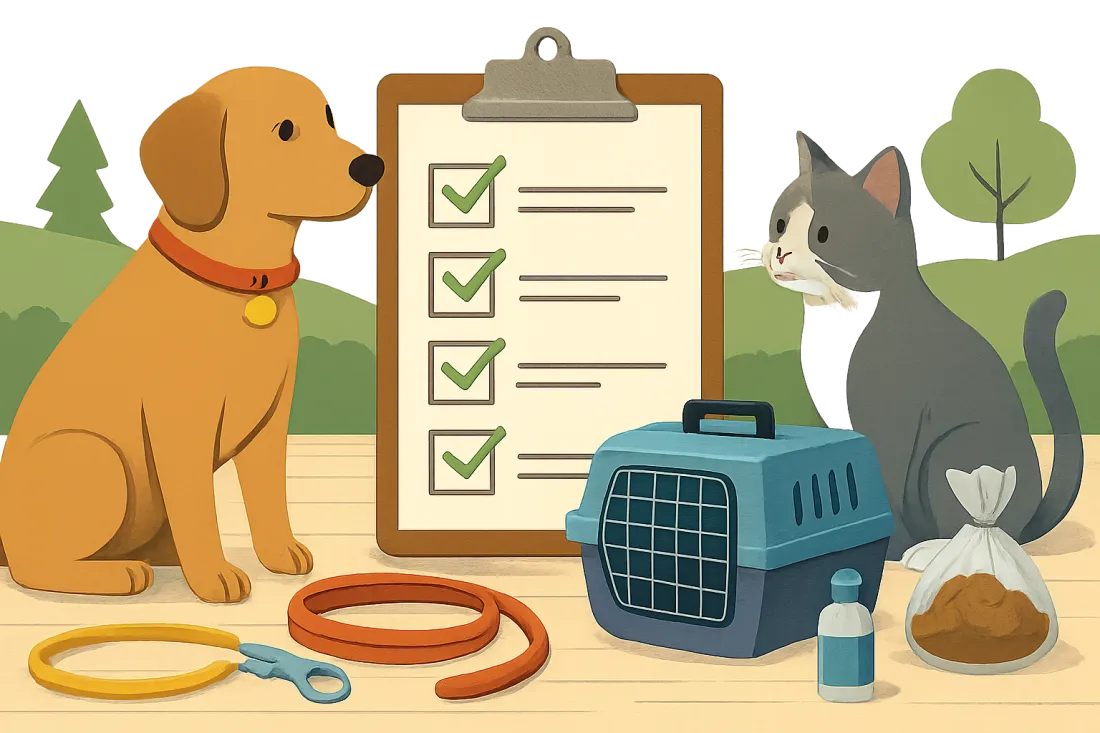
Use this practical checklist before every walk or trip to reduce the chance of accidents. Over time it becomes a quick routine.
You are about to take your dog or cat outside for a walk, hike, or car trip in the United States and want to reduce the risk of traffic incidents, weather-related problems, escapes, or wildlife encounters.
Before leaving, you have access to your pet’s collar or harness, leash, ID tags, carrier or crate, basic supplies like water and waste bags, and you can quickly check the weather and surroundings.
Follow this routine: (1) Check that the collar or harness fits snugly and is not damaged; (2) Confirm that ID tags are attached and readable and that your contact details are current; (3) Clip on a secure leash or close the carrier door and test the latch; (4) Look at the weather and ground conditions and adjust your plan—shorten the outing in heat, cold, or storms; (5) Pack essentials such as water, waste bags, and any needed medications; (6) Before opening your front door or car door, make sure your pet is already leashed or crated so they cannot bolt.
You know the procedure worked when you can tug gently on the collar, harness, leash, and carrier without anything slipping or opening, your pet’s ID is visible, and you have what you need in hand so you are not tempted to take risks like off-leash shortcuts or skipping water breaks during the outing.
If you skip these checks, your pet is more likely to slip out of gear, run into traffic, overheat or get too cold without you noticing early, or become lost without clear identification, which can turn a simple walk or drive into an emergency.
Structured checklist: before every walk
- Gear fit: collar or harness snug, no frayed straps or broken clips.
- ID and microchip: tag with current phone number on, microchip details kept up to date with the registry.
- Leash: strong, clip working, appropriate length for the environment.
- Weather scan: temperature, humidity, storms, or ice checked; route adjusted if needed.
- Surroundings: look outside for loose dogs, wildlife, or construction before stepping out.
- Supplies: waste bags, water for longer walks, and any needed treats or medications.
Structured checklist: before car trips
- Restraint: crate, carrier, or harness seat belt ready and in good condition.
- Placement: plan for your pet to ride in the back seat or secured cargo area, away from active airbags.
- Ventilation: windows or climate control set so your pet will not overheat or get chilled.
- Rest stops: decide where you will stop and how you will leash or handle your pet safely.
- Emergency info: keep your veterinarian’s contact and a nearby emergency clinic number accessible.
Quick-reference table: signs of distress on walks or trips
Use this table to recognize early warning signs that something is wrong and what to do next.
| Sign of distress | Possible cause | Immediate action on a walk | Immediate action during car travel |
|---|---|---|---|
| Excessive panting, drooling, slowing down, bright red or very pale gums | Overheating, heat stress, overexertion | Move to shade, offer cool (not ice-cold) water, stop exercise, and monitor closely. Contact a vet if symptoms persist or worsen. | Stop in a safe place, move pet to shade or air-conditioned area, offer water, and avoid further heat exposure. Seek veterinary help if no quick improvement. |
| Shivering, lifting paws, reluctance to walk, cold ears | Cold exposure, wet fur, icy surfaces | Return home or to a warm place, dry your pet, consider a coat or booties next time, and shorten future walks in similar weather. | Increase car temperature gradually, wrap in a blanket or towel, and dry any wet fur. Limit time outside the vehicle. |
| Sudden limping, yelping, licking at paw or leg | Paw injury, foreign object, sprain, sting | Stop immediately, inspect paws and legs, remove visible debris if safe, and avoid forcing your pet to continue walking. Contact a vet if limping continues. | Pull over safely, check the affected area, and keep your pet resting. Arrange a vet visit if pain or limping does not resolve quickly. |
| Vomiting, diarrhea, or sudden lethargy | Motion sickness, heat stress, dietary indiscretion, illness | End the walk, offer water in small amounts, and monitor. If symptoms are severe or prolonged, call your veterinarian. | Stop the car when safe, clean your pet, offer small sips of water, and consider shortening the trip. Contact a vet if symptoms are intense or ongoing. |
| Restlessness, whining, wide eyes, trying to hide or escape | Anxiety, fear of noises, motion stress | Move away from the trigger (traffic, loud noises), speak calmly, and avoid punishment. Consider shorter, quieter walks while you work on training. | Reduce noise if possible, keep driving smooth, and speak calmly. For frequent anxiety, discuss travel training or calming options with your vet. |
Common mistakes that lead to outdoor accidents
Avoiding a few frequent errors can dramatically lower your risk.
Letting dogs or cats roam off-leash too soon
- Allowing off-leash freedom before your dog has a reliable recall or in unfenced areas near roads, wildlife, or other dogs increases the chance of accidents.
- Letting cats roam freely outdoors exposes them to traffic, predators, and disease; consider supervised outdoor time or secure enclosures instead.
Using poor-fitting or worn-out gear
- Old collars, harnesses, or leashes with weak clips or frayed material can break at the worst moment.
- Loose harnesses allow pets to back out and run; overly tight gear can cause chafing or breathing issues.
Underestimating weather and surface conditions
- Assuming your pet can handle any temperature because they “seem fine” can lead to heatstroke or hypothermia.
- Ignoring hot pavement or icy sidewalks can cause painful paw injuries.
Letting pets ride unrestrained in cars
- Allowing dogs to ride with their heads out the window or loose in the car increases the risk of eye injuries, falls, and driver distraction.
- Holding a cat on your lap or letting them roam the car can lead to sudden escapes or interference with pedals and steering.
Skipping routine preventive care
- Delaying vaccines, parasite prevention, or wellness checks can make outdoor exposures more dangerous.
- For a broader health-prevention plan, you can review an annual vet care schedule for dogs and cats USA and discuss it with your veterinarian.
Decision criteria: how to choose safe activities and routes
Use these questions to decide whether a specific walk, hike, or trip is appropriate for your dog or cat on a given day.
Is this outing right for my pet’s age and health?
- Puppies and kittens: need shorter, controlled outings and may not be fully vaccinated yet; avoid high-risk areas like dog parks until your vet confirms it is safe.
- Senior pets: may need slower, shorter walks and more frequent rest stops.
- Pets with chronic conditions: heart, breathing, joint, or other issues may limit safe exercise; ask your vet for specific guidance.
Is the environment appropriate today?
- Check the temperature and humidity and adjust the length and intensity of the outing.
- Consider time of day: early morning and evening are often safer in hot climates; midday may be better in very cold areas.
- Think about traffic, noise, and crowds if your pet is nervous or reactive.
Do I have enough control and visibility?
- Choose well-lit routes at night and use reflective gear for you and your pet.
- If you cannot safely control your pet around a specific trigger (for example, busy roads or other dogs), pick a quieter route while you work on training.
- For hikes, stick to marked trails where you can see ahead and avoid steep drops or unstable ground.
FAQ: preventing outdoor accidents with dogs and cats
What should I focus on first to prevent outdoor accidents with my dog or cat?
Start with reliable physical control. That means a well-fitted collar or harness, a sturdy leash or secure carrier, and managing doors, gates, and car openings so your pet cannot bolt. Once control is consistent, layer in weather checks, route choices, and training to reduce risk even further.
What mistakes do owners often make that increase the risk of outdoor accidents?
Common mistakes include letting pets roam off-leash near roads or wildlife before recall is solid, using worn or loose gear that pets can slip out of, underestimating heat or cold, and allowing pets to ride unrestrained in cars. Skipping preventive vet care and parasite control also makes outdoor time riskier.
How can I tell if my dog or cat is getting too hot on a walk or hike?
Watch for changes from your pet’s normal behavior: heavier or faster panting, slowing down, seeking shade, bright red or very pale gums, drooling, or seeming unsteady. If you notice these signs, stop activity immediately, move to shade, offer cool water, and monitor closely. If your pet does not improve quickly or worsens, contact a veterinarian or emergency clinic.
What should I do next after learning about outdoor accident prevention?
Choose one or two immediate upgrades: check your pet’s collar, harness, leash, and carrier for fit and damage, and replace anything questionable. Then create a simple pre-walk and pre-trip checklist you can follow every time. Finally, schedule a conversation with your veterinarian about regional hazards, parasite prevention, and any health limits your pet may have so you can tailor outdoor activities to their needs.
Routine safety habits to adopt long term
Preventing outdoor accidents with dogs and cats is less about one-time fixes and more about consistent habits:
- Use secure, well-fitted gear and replace it when worn.
- Keep ID tags and microchip information up to date.
- Follow a regular preventive care schedule with your veterinarian to support safe outdoor time.
- Check weather and ground conditions before every outing and adjust plans as needed.
- Supervise pets outdoors, especially near roads, wildlife areas, and unfamiliar places.
- Watch your pet’s body language and respond early to signs of distress.
With these routines in place, outdoor adventures and travel with your dog or cat can be safer, more relaxed, and more enjoyable for both of you.