
US leash laws vs dog owner responsibilities: what you actually need to do
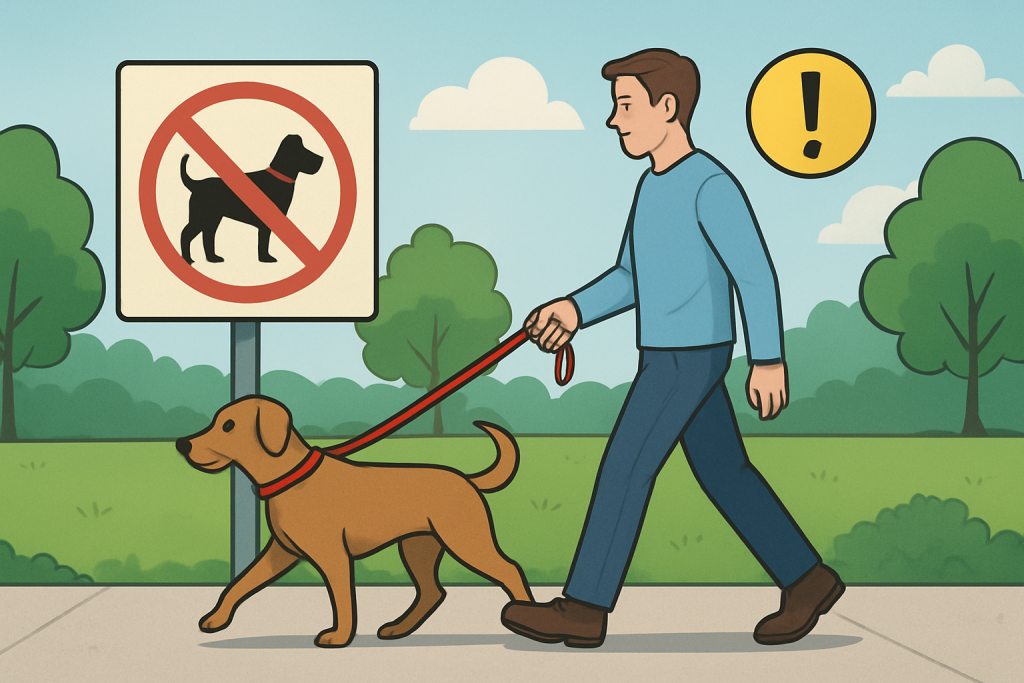
In the United States there is no single nationwide leash law. Instead, rules are set locally by states, counties, and cities, and sometimes by private property owners (like apartment complexes or shopping centers). In plain language, you are usually expected to:
- Keep your dog physically restrained or under close control in public spaces.
- Prevent your dog from running loose off your property.
- Stop your dog from threatening, chasing, or injuring people, pets, or wildlife.
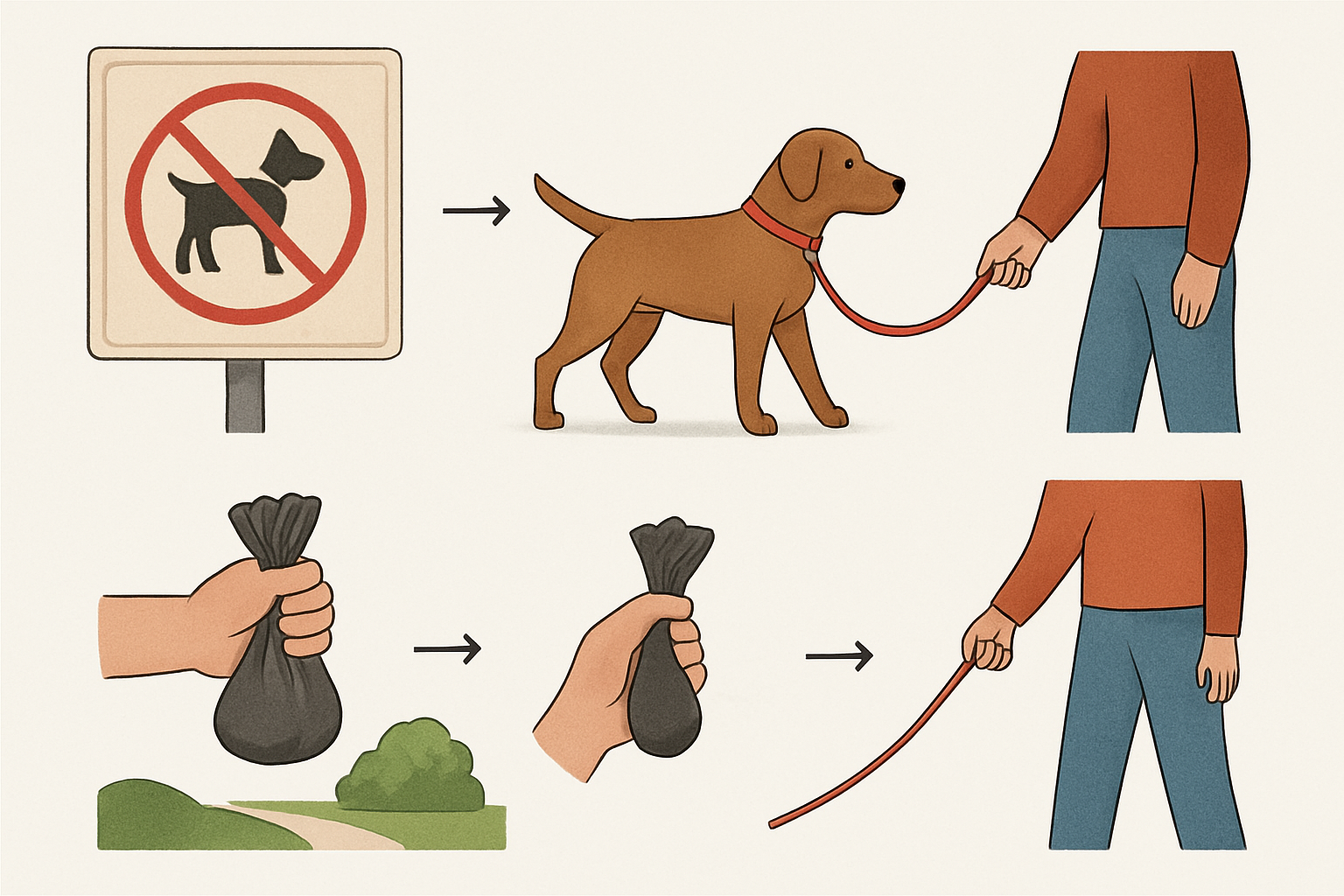
- Clean up after your dog and follow posted rules in parks, trails, and housing communities.
Many places require a leash in public areas, while some allow off‑leash dogs if they are under voice control or in designated off‑leash zones. A few states focus more on the idea that dogs must be “under control” and not “running at large” rather than specifying a leash in every situation.
Because rules vary, the safest default is:
- Use a leash in any public place unless you are in a clearly marked off‑leash area or a private, fully fenced space with permission.
- Assume you are legally and financially responsible if your dog causes damage or injury, whether leashed or not.
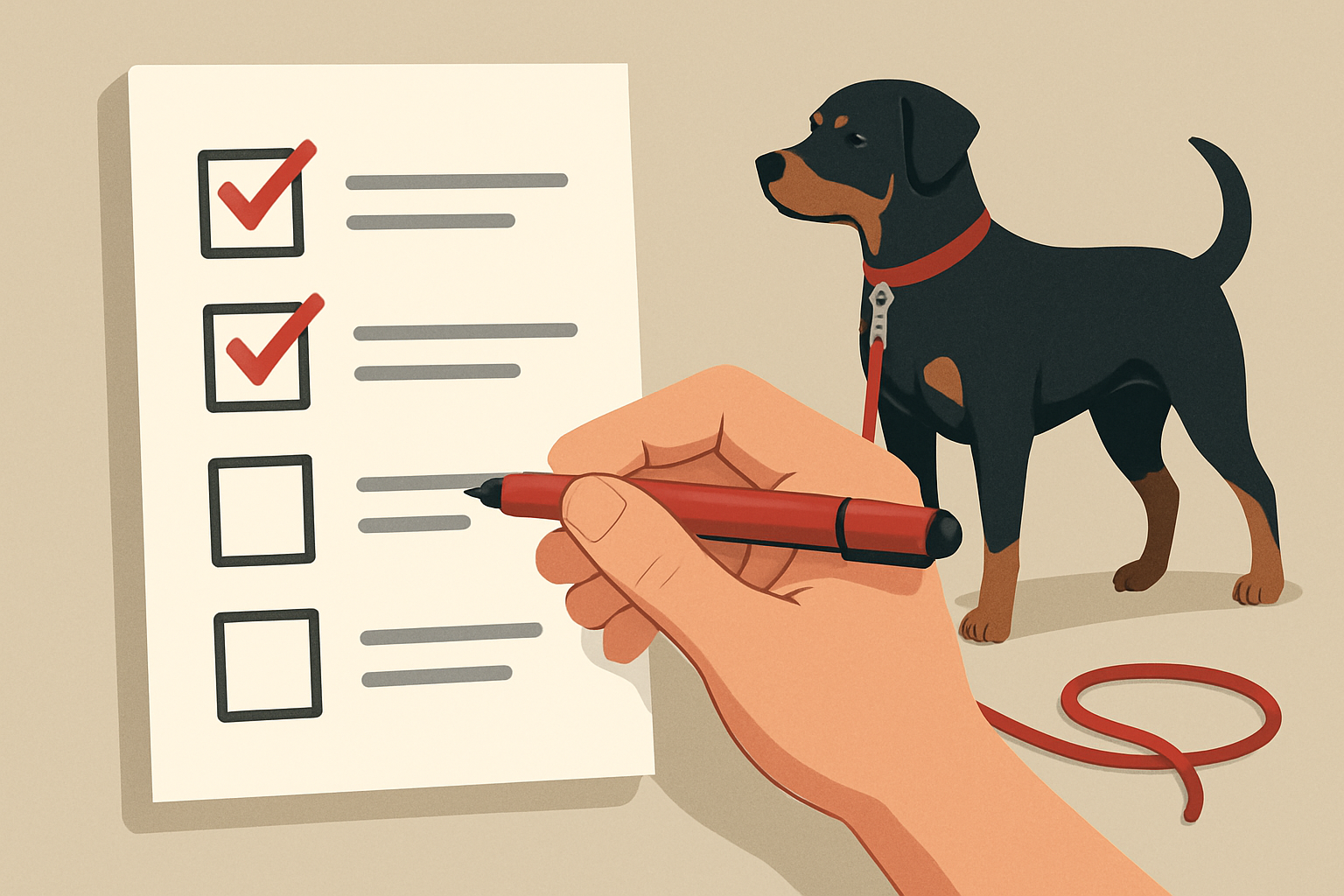
If you are a new dog owner, it can help to pair this guidance with a broader resource like a first time dog owner checklist USA so you do not miss other basic responsibilities like vaccinations and ID tags.
How US leash rules differ: state vs county vs city vs private property
Leash and control rules are layered. You may be subject to several sets of rules at once:
- State-level rules often define ideas like “running at large,” dangerous dogs, and basic owner liability. Some states emphasize that dogs must be under control when off their owner’s property rather than always on a leash.
- County rules can add requirements in unincorporated areas (outside city limits), such as mandatory leashes on county roads or in county parks.
- City or town ordinances usually give the most specific leash requirements for sidewalks, neighborhoods, and city parks. Many cities require leashes in public spaces and may limit leash length. For example, some cities cap leash length around 6 feet in busy areas so dogs stay close to their handlers.
- Private property rules (apartment complexes, HOAs, shopping centers, workplaces) can require leashes, restrict breeds or sizes, and set rules for common areas. These are usually enforced through leases, community rules, or trespass policies.
Because these layers stack, you must follow whichever rule is strictest in your exact location.
Example patterns you may see in the US:
- A state may say dogs cannot run at large, while a city inside that state adds a rule that dogs must be leashed on all public sidewalks and in parks.
- Another state may allow off‑leash dogs if they are under the owner’s control, but a particular county park within that state may still require leashes on all trails.
- Some cities specify that leashes must not exceed a certain length in busy areas, while allowing longer lines in open fields or designated dog runs.
Because these patterns differ, never assume that what is allowed in one town or park automatically applies in the next.
Leash vs off‑leash: comparison of common US rules and responsibilities
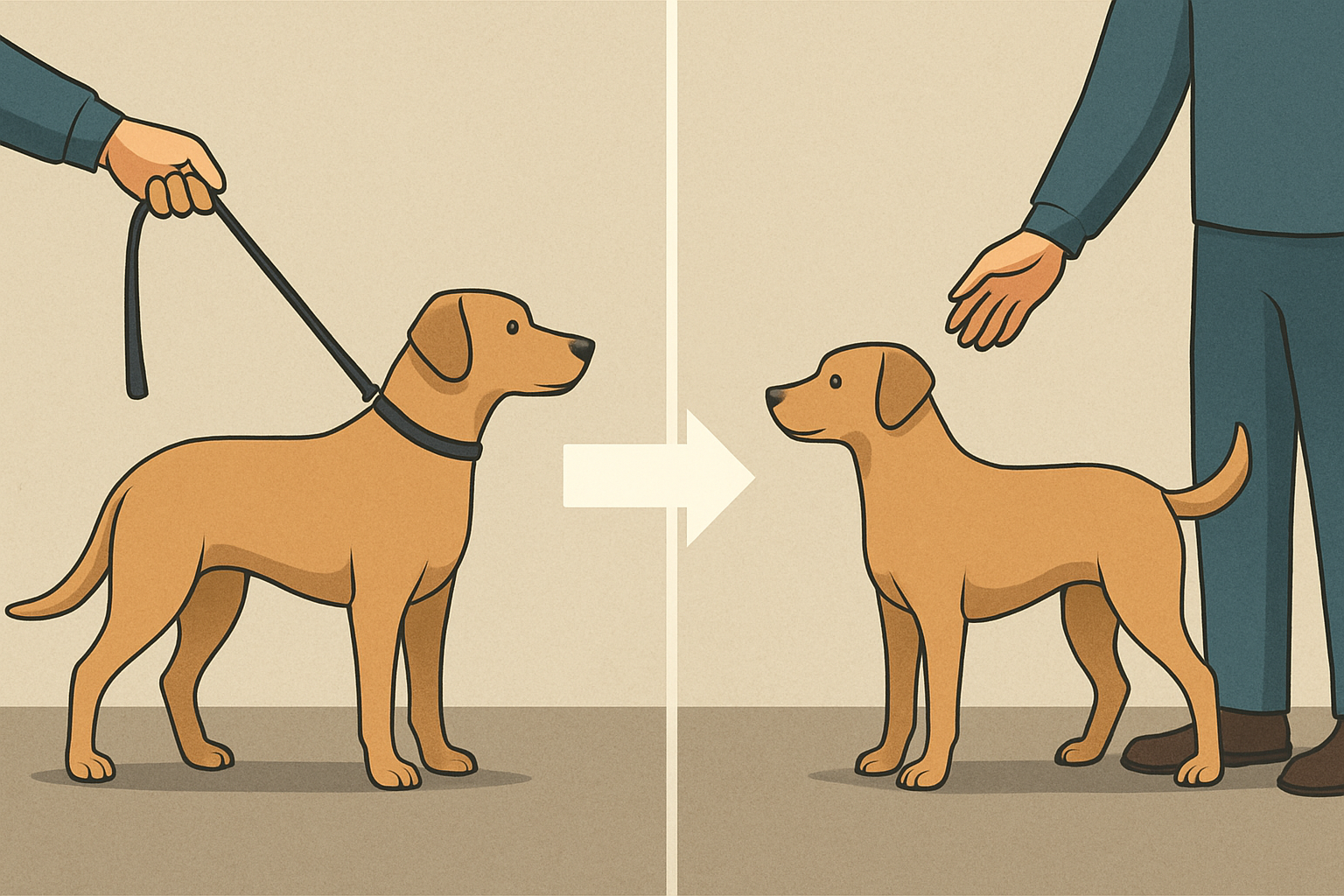
The overview below compares typical expectations when your dog is leashed, off‑leash but under control, or running at large. Treat it as a practical guide and always confirm the rules where you live.
| Situation | Typical legal expectation | Owner responsibilities | Risks if you get it wrong |
|---|---|---|---|
| Leashed in public (sidewalks, streets) | Commonly required by city or county rules, especially in busy areas. | Use a secure collar or harness; keep the leash around 4–6 feet so your dog cannot lunge into traffic or toward people; obey crosswalks and signals. | Fewer legal issues if something happens, but you can still be liable for bites, tripping hazards, or property damage. |
| Leashed in parks and shared outdoor spaces | Often required unless in a signed off‑leash area or dog run. | Watch for posted signs; keep your dog away from playgrounds or sports fields if rules say so; yield space to others who seem nervous. | Tickets or fines for violating park rules; complaints from other users; possible removal from the park. |
| Off‑leash in designated dog parks | Usually allowed within fenced areas that are clearly marked for off‑leash use. | Keep a leash with you; supervise closely; intervene early if play gets rough; follow posted size or time rules (for example, small‑dog hours). | Dog fights or injuries; you may be responsible for vet bills or damages if your dog starts a conflict. |
| Off‑leash on trails or open spaces | Rules vary widely: some trails require leashes; others allow off‑leash under voice control. | Confirm rules before you go; ensure a rock‑solid recall; keep your dog from chasing wildlife, livestock, or other trail users. | Fines for violating trail rules; conflicts with hikers, cyclists, or horseback riders; injuries from wildlife or terrain. |
| Running at large in neighborhoods | Commonly prohibited; many places say dogs must not roam off their owner’s property. | Secure fences and gates; supervise outdoor time; use ID tags and microchips in case of escape. | Impoundment by animal control; fines; liability for bites, car accidents, or damaged property. |
| On your own property (unfenced) | Some areas still require control to prevent your dog from entering roads or neighboring yards. | Use long lines, tie‑outs with caution, or stay outside supervising; train boundaries and recall. | Complaints from neighbors; potential citations if your dog regularly leaves your property. |
How to find your local leash and licensing laws in the US
Because rules are local, you need to check them for your exact city, county, and state. Use this step‑by‑step process:
- Identify your jurisdiction
- Confirm whether you live inside city limits or in an unincorporated county area.
- Note your state, county, and city/town names.
- Search official local sources
- Look for your city or county’s official website and search for terms like “animal control,” “dog leash,” “running at large,” or “pet ordinances.”
- Check the parks and recreation section for specific rules about leashes in parks and on trails.
- Call or email animal control
- Ask directly: “What are the leash requirements for dogs in my neighborhood and in local parks?”
- Clarify whether there are different rules for day vs night, or for certain seasons or wildlife areas.
- Check housing and community rules
- Review your lease, HOA handbook, or community guidelines for pet policies.
- Look for rules about leashes in hallways, elevators, courtyards, and shared yards.
- Confirm licensing and vaccination requirements
- Many areas require dogs to be licensed and vaccinated against rabies; check your local animal services for details.
- Ask how to display proof (tags, paperwork) when out in public.
- Save the information
- Bookmark the relevant pages or keep a short note on your phone with key rules (for example, “City sidewalks: leash required; City Park A: leash required; Dog Park B: off‑leash inside fence only”).
If you are organizing your broader responsibilities as a new owner, a resource like a responsible pet ownership checklist for new dog owners can help you track licensing, ID, training, and vet care alongside leash rules.
Real‑world leash scenarios: parks, sidewalks, apartments, and trails
Leash rules feel abstract until you are in a specific situation. Here is how they usually play out in everyday US settings.
Sidewalks and neighborhood streets
On public sidewalks and streets, many cities expect dogs to be leashed and under control.
Practical tips:
- Keep the leash short enough that your dog cannot step into the road or approach strangers without your permission. A working range of about 3–6 feet is usually easier to manage than a very long line in these areas.
- Teach a basic “heel” or “walk with me” cue so your dog does not zigzag or wrap the leash around others.
- Cross the street or step aside if someone looks uncomfortable, is using a mobility aid, or is walking a reactive dog.
- At night, use reflective gear for both you and your dog so drivers can see you from a reasonable distance.
City and neighborhood parks
Parks often have posted rules at entrances. Some allow off‑leash play in specific fenced areas; many require leashes everywhere else.
Practical tips:
- Read signs before unclipping the leash. Rules can change between different sections of the same park.
- Keep your dog away from playgrounds, splash pads, and sports fields if rules or common sense suggest it.
- Always carry several waste bags and dispose of them in trash cans, not on the ground or in storm drains.
- If your dog is excitable, choose quieter times of day to avoid overwhelming them and others.
Apartment complexes and condos
Many multi‑unit buildings have strict leash and pet rules for hallways, elevators, and shared outdoor spaces.
Practical tips:
- Assume your dog must be leashed any time you leave your unit, even just to reach your car or mailbox.
- Keep the leash short in elevators and stairwells to prevent jumping on neighbors or blocking exits.
- Use side entrances or less busy routes if your dog is nervous or reactive.
- Be extra careful with noise and barking in shared walls and courtyards; this is a common source of complaints.
If you live in a small space, it may help to review guidance like apartment pet rules for dogs so you can balance exercise needs with building policies.
Trails, nature preserves, and beaches
Rules on trails and natural areas vary widely. Some places prioritize wildlife and require leashes at all times; others allow off‑leash dogs under strict control.
Practical tips:
- Check the trailhead or park website before your visit; rules can differ even between nearby trails.
- Keep your dog close when passing other hikers, cyclists, or horses. Step off the trail if needed.
- Prevent your dog from chasing wildlife, entering water sources that are off‑limits, or disturbing nesting areas.
- On beaches, watch for seasonal rules that change during bird nesting or tourist seasons.
Etiquette when walking dogs around people, kids, and other pets
Following the law is the minimum. Good etiquette prevents conflicts and keeps everyone safer.
Around adults:
- Do not assume strangers want to greet your dog. Ask, “Is it okay if my dog says hi?” and respect a “no.”
- Keep your dog on the side away from traffic when walking on narrow sidewalks.
- Avoid letting your dog sniff people’s bags, strollers, or picnic setups.
Around children:
- Never allow off‑leash interactions with kids you do not know.
- Teach children to ask before petting and to avoid hugging or grabbing the dog.
- Watch for signs of stress in your dog (lip licking, yawning, turning away) and end the interaction early.
Around other dogs:
- Ask the other owner before allowing dogs to greet: “Is your dog friendly with others?”
- Keep greetings brief and on loose leashes to avoid tension and tangling.
- Do not let your off‑leash dog rush up to a leashed dog; this is a common cause of fights and complaints.
In crowded or tight spaces:
- Shorten the leash and keep your dog at your side when passing people in doorways, narrow sidewalks, or store aisles.
- Avoid using retractable leashes in busy areas; they can create tripping hazards and are hard to control quickly.
Consequences of ignoring leash laws and control rules
Choosing to ignore leash or control rules can have serious consequences, even if your dog is usually friendly.
Possible legal and financial outcomes:
- Citations or fines from animal control or park rangers for having a dog off‑leash where it is not allowed or for allowing a dog to run at large.
- Impoundment if your dog is picked up roaming without you. You may have to pay fees to reclaim your dog and show proof of vaccinations or licensing.
- Liability for injuries or damage if your dog bites someone, knocks a person over, or damages property. In many places, owners are responsible for damages caused by their dogs.
- Restrictions on your dog if there are repeated incidents, such as requirements for muzzles, secure confinement, or higher insurance coverage.
Safety and relationship consequences:
- Injury to your dog from cars, aggressive animals, wildlife, or hazards they encounter while roaming.
- Injury to others if your dog startles a cyclist, chases a runner, or gets into a fight with another dog.
- Strained relationships with neighbors due to barking, property damage, or fear of your dog.
- Loss of access if parks or trails tighten rules because of repeated problems with off‑leash dogs.
Even a single incident can be enough to trigger complaints or legal action, so it is worth taking leash rules seriously.
Safe use of leashes, harnesses, and long lines
Using the right equipment—and using it correctly—makes it easier to follow leash rules and keep your dog safe.
Choosing a leash
- Standard fixed leashes of moderate length are usually the safest choice for sidewalks, busy parks, and building hallways. Many owners find a range of about 4–6 feet gives enough freedom without losing control.
- Retractable leashes can create tripping hazards and give too much freedom in crowded areas. Reserve them, if at all, for open spaces where rules allow and where you can see clearly ahead.
- Short traffic handles or double‑handle leashes can help keep your dog close in tight spaces or near traffic.
Collars vs harnesses
- Flat collars are common for ID tags and light leash walking. Make sure you can fit about two fingers under the collar but it cannot slip over the dog’s head.
- Front‑clip harnesses can give more control for strong pullers and reduce pressure on the neck.
- Back‑clip harnesses are comfortable for many dogs but can encourage pulling if not paired with training.
- Avoid leaving training tools like slip leads or head halters on unsupervised dogs, as they can catch on objects.
Using long lines safely
Long lines (longer leashes) can be useful for training recall or giving your dog more freedom in open spaces where rules allow.
- Use long lines only where you have plenty of room and good visibility.
- Keep the line out of bike paths, roads, and other people’s way.
- Wear gloves if needed to help prevent rope burns when handling long lines.
- Practice calling your dog back and reeling in the line before you need it in an emergency.
Basic safety checks before every walk
- Check that the collar or harness fits snugly and is not damaged.
- Clip the leash to a secure ring and tug gently to confirm it is attached.
- Make sure ID tags are readable and securely fastened.
- Bring waste bags, water for longer walks, and a backup leash if you are going far from home.
Who should choose strict leashing vs controlled off‑leash time
Different dogs and environments call for different choices, even when rules technically allow options.
Strict leashing is usually best when:
- Your dog is still learning basic obedience or recall.
- You are in a dense urban area with traffic, crowds, or many other dogs.
- Your dog is reactive, anxious, or easily overstimulated.
- You are walking near children’s play areas, outdoor dining, or events.
Controlled off‑leash time may be appropriate when:
- You are in a clearly designated off‑leash area or fenced dog park.
- Your dog has a reliable recall and responds quickly to your cues.
- You can see ahead and around you, and there are no posted leash requirements.
- You are prepared to leash up immediately if other people, dogs, or wildlife appear.
If you are unsure, err on the side of using a leash. You can always give your dog more freedom later once you are confident about both the rules and your dog’s behavior.
Decision checklist: are you walking legally and responsibly today?
Use this quick checklist before each outing to reduce the risk of fines, conflicts, or accidents.
- Know the rules for where you are going
- Have you checked whether leashes are required on this route, in this park, or on this trail?
- Do you know any special rules (time‑of‑day restrictions, wildlife protection areas, or seasonal changes)?
- Check your dog’s ID and health
- Is your dog wearing a collar with current ID tags?
- Is your dog up to date on core vaccinations recommended by your veterinarian?
- Inspect your equipment
- Is the leash in good condition, with no fraying or broken clips?
- Does the collar or harness fit securely without rubbing or slipping?
- Assess your dog’s behavior today
- Is your dog calm enough to handle the environment you are planning (busy street vs quiet trail)?
- If your dog is extra energetic or anxious, can you choose a quieter route or a fenced area instead?
- Plan for other people and animals
- Are you prepared to shorten the leash and step aside when passing others?
- Do you have a plan if you encounter off‑leash dogs (for example, calmly moving away, avoiding tension on the leash)?
- Pack essentials
- Waste bags (bring more than one).
- Water and a bowl for longer walks or hot weather.
- Treats for training and distraction if needed.
Common mistakes US dog owners make with leash laws
Avoid these frequent errors that lead to complaints, fines, or unsafe situations.
- Assuming “friendly” means “no leash needed.” Even friendly dogs can knock people over, chase wildlife, or scare children. Friendliness does not replace legal requirements.
- Letting dogs roam “just in front of the house.” Many areas treat this as running at large, especially if the dog can reach sidewalks or roads.
- Ignoring posted park or trail signs. Rules can change between different areas of the same park; missing a sign is not usually a defense if you are cited.
- Using long or retractable leashes in crowded spaces. These can cause tripping, tangling, and sudden conflicts when dogs reach others before owners can react.
- Allowing off‑leash greetings with leashed dogs. The leashed dog may feel trapped and react defensively, leading to fights and complaints.
- Not updating ID tags or microchip information. If your dog gets loose, outdated information makes it harder for animal control or neighbors to return them.
Brief FAQ on US leash laws, service dogs, and neighbor issues
Does the US have leash laws?
The United States does not have a single nationwide leash law. Instead, states, counties, cities, and even individual parks set their own rules. Many local governments require dogs to be leashed in public areas or at least under the owner’s control and not running at large. Always check your local ordinances and park rules.
Is there a law that dogs have to be on a leash?
In many US cities and towns, local rules require dogs to be on a leash in public spaces like sidewalks and parks. Some areas focus instead on the idea that dogs must be under control and not allowed to roam freely. Because this varies, you should confirm the rules where you live and where you plan to walk.
What are my responsibilities as a dog owner in public?
Common expectations include:
- Keeping your dog leashed or under close control as required.
- Preventing your dog from threatening or injuring people, pets, or wildlife.
- Cleaning up your dog’s waste.
- Following posted rules in parks, trails, and housing communities.
- Ensuring your dog has proper identification and any required licensing or vaccinations.
How should I handle a neighbor who does not leash their dog?
Try this step‑by‑step approach:
- Document the pattern (dates, approximate times, and what happens) without confronting the dog or owner in the moment.
- Have a calm conversation if you feel safe doing so. Explain specific concerns (for example, kids being scared, dogs approaching your yard) rather than making general accusations.
- Review local rules so you know what is actually required in your area.
- Contact animal control or your HOA/landlord if the problem continues and you believe rules are being violated. Provide clear information about what is happening.
- Protect your own dog by keeping them leashed, avoiding known problem times or routes, and carrying treats or noise makers to help redirect your dog if approached.
Do service dogs have to be on a leash?
Service dogs are generally expected to be harnessed, leashed, or tethered while working, unless those devices interfere with the dog’s work or the person’s disability. When a leash or harness is not used, the handler is still expected to keep the dog under control through voice, signals, or other effective means. Emotional support animals and pets do not have the same public access rights as service dogs and are usually subject to standard leash rules.
Can I be held responsible if my leashed dog bites someone?
In many places, yes. Using a leash does not automatically remove your responsibility if your dog injures someone or another animal. Local rules and circumstances matter, so it is important to manage your dog’s behavior, avoid risky situations, and seek training help if your dog shows signs of aggression or fear.
Owner responsibility checklist for walks and public spaces
Use this final checklist to keep your walks safe, legal, and considerate:
- Before leaving home
- I know the leash rules for where I am going today.
- My dog is wearing a secure collar or harness with current ID.
- My leash and equipment are in good condition.
- I have enough waste bags and, if needed, water and treats.
- During the walk
- I keep my dog close in busy areas and shorten the leash when passing others.
- I do not allow my dog to approach people or dogs without permission.
- I pick up and properly dispose of all waste.
- I watch my dog’s body language and remove them from situations that cause stress or overexcitement.
- After the walk
- I check my dog for injuries, burrs, or ticks, especially after trails or tall grass.
- I note any incidents or close calls and adjust future routes or training plans.
- I plan regular vet visits and training sessions to keep my dog healthy and well‑behaved. A resource like an annual vet care schedule for dogs and cats USA can help me stay organized.
Responsible leash use is a core part of safe, legal dog ownership in the US. By understanding your local rules, choosing the right equipment, and following simple etiquette, you protect your dog, your neighbors, and yourself from avoidable problems.