
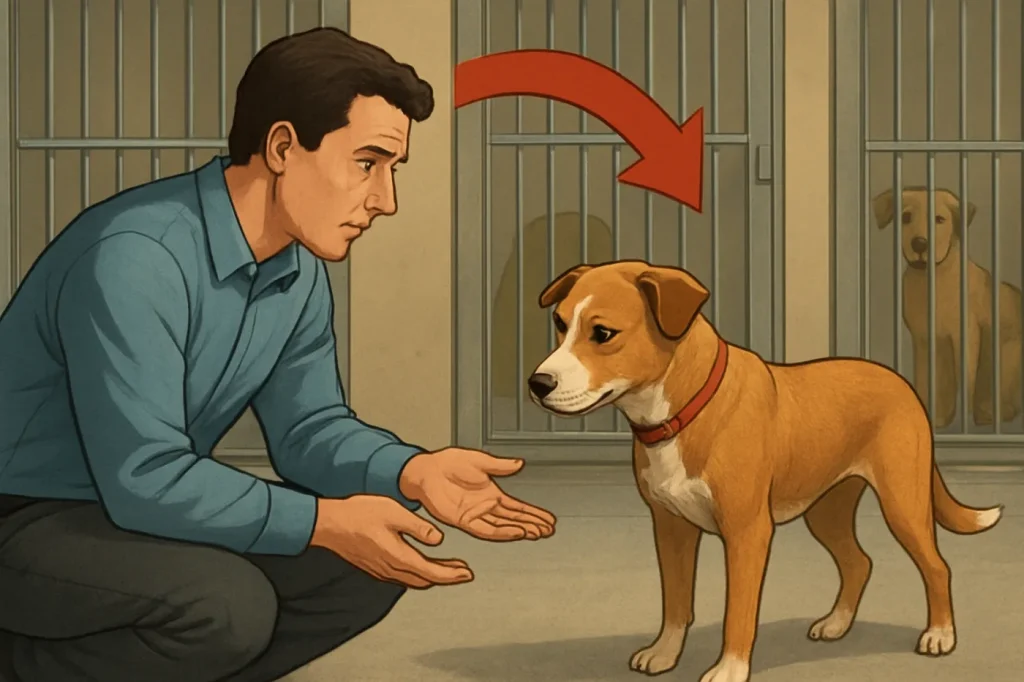
Many people worry that shelter dogs are “damaged” or more likely to have serious behavior problems than dogs from breeders or private homes. That fear keeps a lot of great dogs from ever getting adopted.
The reality is more nuanced:
- Some shelter dogs do have behavior challenges that need work.
- Many end up in shelters for reasons that have nothing to do with behavior.
- Any dog, from any source, can develop behavior problems if their needs are not met.
The key is not to ask, “Are shelter dogs bad?” but, “How do I understand this specific dog’s behavior and make a good match?”
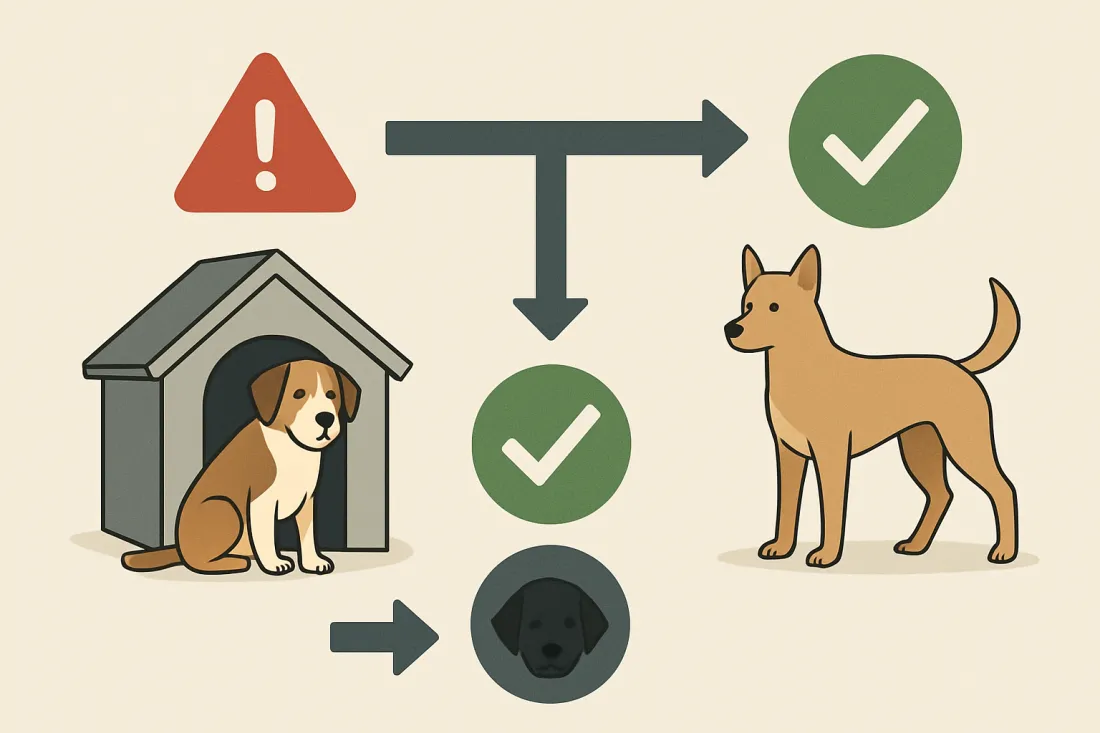
How Shelter Dogs Really Compare to Non-Shelter Dogs
There is no universal rule that “shelter dogs are worse.” What changes is how much you know about the dog’s past and how carefully you evaluate the fit.
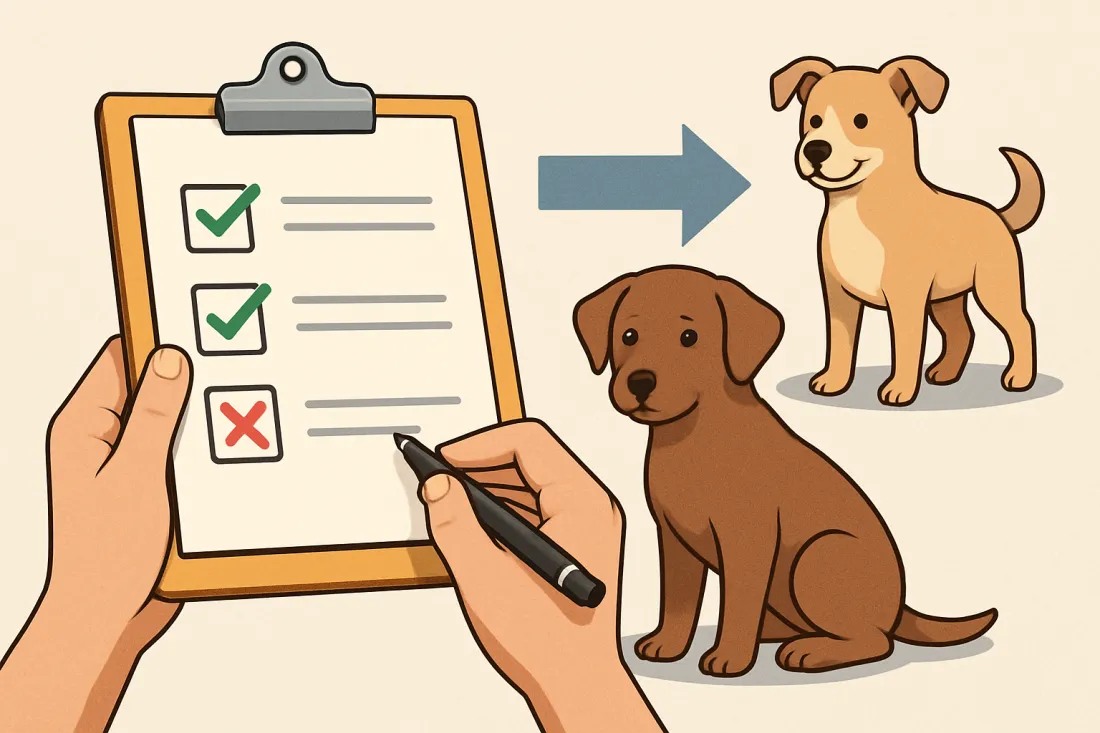
Think in terms of risk profile instead of stereotypes:
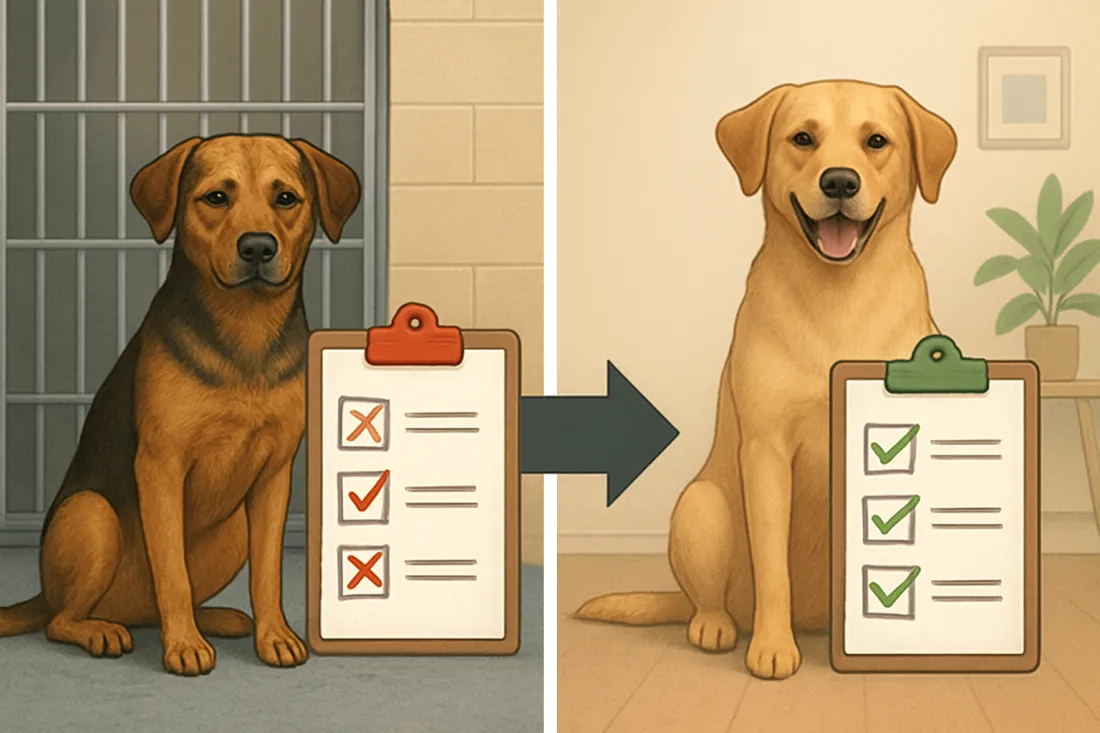
- Known history vs. unknown history: A dog surrendered with full background information is different from a stray with no history.
- Stress level: Shelters are noisy and unfamiliar, which can temporarily worsen or mask behavior.
- Support after adoption: Clear guidance and training support matter more than where the dog came from.
Some dogs in shelters are there because of behavior issues. Others are there due to life changes: illness, housing problems, divorce, financial stress, or a death in the family. Responsible pet ownership means looking at the individual dog, not the label “shelter dog.”
Myths vs Facts About Shelter Dogs and Behavior
These common beliefs shape how people see shelter dogs. Understanding what is myth and what is more realistic helps you make a calmer, smarter decision.
Myth 1: “If the dog was any good, the first owner would have kept them.”
Reality: Dogs are surrendered for many reasons that have nothing to do with behavior. Common examples include:
- Owner moving to housing that does not allow dogs
- Medical issues or disability making care difficult
- New baby or family changes that overwhelm the household
- Financial hardship (food, vet care, grooming)
>
These dogs can be well socialized, house trained, and friendly. The problem was the situation, not the dog.
Myth 2: “Shelter dogs are all abused and will never trust people.”
Reality: Some shelter dogs have experienced neglect or rough handling, but many have had loving homes. Even dogs with hard pasts can learn to trust again with patience, predictable routines, and kind handling. Expect that some may be:
- Shy or cautious at first
- Startled by sudden movements or loud noises
- Unsure about certain types of people (for example, men with hats, children, or strangers at the door)
This does not automatically mean they are dangerous; it means they need gradual, positive experiences.
Myth 3: “Shelter staff hide behavior problems to get dogs adopted.”
Reality: Reputable shelters want successful adoptions. Returns are stressful for the dog and the staff. Many shelters:
- Use behavior assessments and foster notes to understand each dog
- Disclose known issues like resource guarding, reactivity, or separation distress
- Recommend training or specific types of homes (no small children, fenced yard, experienced owner)
However, shelters cannot predict every behavior in every future situation. Some issues only appear once the dog is relaxed in a home.
Myth 4: “A puppy from a breeder is a blank slate with no behavior risks.”
Reality: Genetics, early socialization, and training all shape behavior. A puppy from any source can grow into a dog with fear, aggression, or anxiety if:
- They are not socialized to people, dogs, and environments during key early weeks
- They are punished harshly or inconsistently
- Their exercise and mental needs are not met
Choosing a dog from a shelter or a breeder does not remove your responsibility to train, supervise, and advocate for the dog.
How Shelters Assess Dog Behavior Before Adoption
Most U.S. shelters use a mix of tools to understand a dog’s behavior. The exact process varies, but you will often see some combination of:
1. Intake Interviews and History
When a dog is surrendered, staff usually ask the previous owner detailed questions, such as:
- How does the dog behave with adults, children, and strangers?
- Has the dog ever bitten or snapped? What were the circumstances?
- Is the dog house trained or crate trained?
- How does the dog react to other dogs or cats?
- Any known fears (thunder, fireworks, car rides, grooming)?
This history is often more valuable than a one-time test because it reflects real-life behavior over months or years.
2. Medical and Pain Checks
Pain and illness can cause or worsen behavior problems. Many shelters:
- Do a basic veterinary exam at intake
- Note signs of pain, stiffness, or discomfort
- Flag dogs that may act grumpy or defensive because they do not feel well
Sometimes, behavior improves dramatically once pain is treated.
3. Behavior Observations in the Shelter
Staff and volunteers watch how the dog behaves in different situations, for example:
- Does the dog rush the front of the kennel barking, or hang back quietly?
- How do they react when a stranger approaches the kennel?
- Can they settle after excitement, or do they stay frantic?
- How do they handle handling: being leashed, touched, or examined?
These observations are often recorded in notes you can ask to see or have explained.
4. Structured Behavior Assessments
Some shelters use more formal assessments. These might include:
- Handling tests (touching paws, ears, tail)
- Food and toy tests (checking for guarding behavior)
- Meeting a friendly “test dog” at a distance
- Exposure to novel objects (umbrella opening, noisy items)
These tests are not perfect predictors of future behavior, but they can highlight clear red flags or special needs.
5. Foster Home Reports
Dogs placed in foster homes often come with the best behavior information because they are seen in a normal household. Foster caregivers may report on:
- House training and crate habits
- Energy level and exercise needs
- Alone-time behavior (calm, whining, destructive, howling)
- Reactions to visitors, delivery drivers, and neighbors
- Compatibility with children, other dogs, or cats
If a dog has foster notes, read them carefully. They are often more accurate than what you see during a brief shelter visit.
Behavior Red Flags to Watch for When Meeting a Shelter Dog
When you visit a shelter, you will see dogs at their most stressed. Some behaviors are normal under the circumstances; others suggest you should slow down and gather more information.
Stress Behaviors That Are Often Temporary
These signs can be caused by the shelter environment and may improve at home with routine and gentle handling:
- Pacing or circling in the kennel
- Excessive barking in a noisy room
- Jumping up for attention
- Pulling hard on leash from excitement
- Shaking, panting, or drooling when first taken out
- Hiding at the back of the kennel but warming up slowly outside
These dogs may still be good candidates for many homes, especially if you are willing to work on training and confidence.
Red Flags That Need Careful Discussion
These behaviors do not automatically rule out adoption, but they do mean you should ask detailed questions and consider your experience level and household:
- Growling or snapping when touched in non-painful areas
- Stiff body, hard stare, and freezing when approached
- Guarding food or toys with growls, lunges, or bites
- Intense reactivity to other dogs (lunging, screaming, unable to disengage)
- History of biting that broke skin, especially without clear provocation
- Extreme fear that does not improve at all during your visit (unable to take treats, trying to escape, shut down)
For these dogs, you will want to know exactly what the shelter has observed, what management they recommend, and whether they suggest an experienced or adult-only home.
Green Flags: Positive Behavior Signs
Also look for behaviors that suggest a good foundation:
- Dog checks in with you and can focus briefly, even in a busy area
- Recovers fairly quickly after being startled
- Takes treats gently and responds to simple cues (sit, come)
- Enjoys gentle petting and leans in for more
- Walks better after a few minutes of initial pulling
No dog is perfect, but these signs suggest the dog is able to learn and connect with people.
Key Questions to Ask Shelter Staff About Behavior
Do not be shy about asking detailed questions. Responsible pet ownership starts with honest information. Here are practical questions that help you understand behavior risks and daily life with the dog.
Questions About History
- “Do you know why this dog was surrendered or picked up?”
- “How long has this dog been in the shelter or foster care?”
- “Do you have any notes from the previous owner or foster about behavior at home?”
- “Has this dog lived with children, other dogs, or cats before?”
Questions About Behavior in the Shelter
- “How does this dog handle being in the kennel? Do they settle or stay stressed?”
- “What have you noticed on walks or during playtime?”
- “Have you seen any signs of fear, guarding, or aggression? In what situations?”
- “Does this dog seem more shy, more energetic, or pretty easygoing?”
Questions About Training and Daily Life
- “Is this dog house trained or crate trained, as far as you know?”
- “What kind of exercise does this dog seem to need to stay calm?”
- “Does this dog know any basic cues like sit, down, or come?”
- “How does this dog handle being left alone here or in foster care?”
Questions About Fit and Support
- “What kind of home do you think this dog would do best in?”
- “Are there any situations you would avoid for this dog (small kids, busy apartment, dog parks)?”
- “Do you offer post-adoption support or training referrals if behavior issues come up?”
- “Has this dog been returned from a previous adoption? If so, why?”
If you are adopting a cat instead of a dog, you may find it helpful to read more about what to know before adopting a cat from a shelter so you can compare species needs and behavior expectations.
Comparison Table: Shelter Dogs vs Non-Shelter Dogs by Behavior Risk
Use this table to compare typical behavior considerations for shelter dogs and dogs from other sources. Remember, these are general patterns, not guarantees.
| Source | What you usually know about behavior | Typical behavior risks | When this option fits best | Key questions to ask or check |
|---|---|---|---|---|
| Shelter dog with known history | Owner or foster notes about home life, interactions, and routines | Stress-related behaviors in shelter; possible issues already identified (reactivity, guarding, separation distress) | Families who want an adult dog with a fairly clear picture of temperament | Ask why the dog was surrendered, how they behaved in the previous home, and what management is recommended |
| Shelter dog with unknown history (stray) | Only shelter observations and behavior assessments | Unseen behavior in home settings; surprises may appear after adoption | Adopters comfortable with some uncertainty and willing to work with a trainer if needed | Ask what staff have seen in different contexts and whether a foster trial is possible |
| Rescue dog from foster-based group | Detailed foster reports about behavior in a household | Behavior may change with new people or environment, but many patterns are known | People who want to know daily habits (alone time, house training, energy level) | Ask for specifics: how long alone, reactions to visitors, other pets, and neighborhood noises |
| Puppy from breeder or private home | Temperament of parents and early environment, but future behavior is not fixed | Under-socialization, fear, or pushy behavior if training and exposure are lacking | Owners ready to invest heavily in socialization, training, and structure from day one | Ask about socialization experiences so far and plan a socialization and training schedule |
| Adult dog rehomed directly from previous owner | Firsthand description of behavior in that specific home | Owner may under-report issues; behavior may change in a new setting | People who can meet the dog several times and see them in the current home | Ask for honest bite history, triggers, and daily routines; request vet and training records |
Common Mistakes People Make When Judging Shelter Dog Behavior
A lot of disappointment and returns happen because of avoidable mistakes. Being aware of them helps you choose more calmly and fairly.
Mistake 1: Judging a Dog Only by Kennel Behavior
Dogs may bark, spin, or cower in a kennel but act very differently outside. Always ask to:
- Meet the dog in a quieter room or outdoor area
- Take a short walk with staff or a volunteer
- See how the dog behaves after 10–15 minutes of decompression
Mistake 2: Ignoring Energy Level and Lifestyle Match
Many behavior “problems” are really mismatches between dog and lifestyle. For example:
- High-energy dog placed with a low-activity family becomes destructive or hyper
- Shy dog placed in a busy, noisy household becomes overwhelmed and snappy
Be honest about your daily routine, exercise habits, and tolerance for training time.
Mistake 3: Not Asking About Bite History or Guarding
Some adopters feel awkward asking directly about aggression. You should always ask:
- “Has this dog ever bitten or tried to bite? What happened?”
- “Have you seen any guarding of food, toys, or resting spots?”
Knowing this upfront lets you decide if you have the skills and environment to manage it.
Mistake 4: Expecting a “Perfect” Dog on Day One
Even the best-matched dog needs time to adjust. Common short-term issues include:
- Accidents in the house while learning the new routine
- Whining or pacing at night
- Clinginess or mild separation distress
- Testing boundaries (jumping on furniture, counter surfing)
These are normal adjustment behaviors, not proof that the dog is “bad.” Setting basic house rules for dogs and cats from day one helps prevent many of these from becoming long-term habits.
Mistake 5: Skipping Training Because the Dog Is “Already an Adult”
Adult dogs can learn just as well as puppies. Skipping training often leads to:
- Pulling on leash becoming worse over time
- Jumping on guests turning into knocking people over
- Mild guarding escalating if not managed
Plan on basic training and clear house rules for any new dog, regardless of age or source.
Decision Checklist: How to Evaluate a Shelter Dog Before Adopting
Use this structured checklist as a step-by-step process to decide whether a specific shelter dog is a good fit for your household.
Step 1: Clarify Your Own Situation
- Who lives in your home (adults, kids, elderly family members, roommates)?
- Do you have other pets? What are their personalities like?
- How many hours per day will the dog be alone?
- What is your realistic daily time for walks, play, and training?
- Are you comfortable managing a dog with special behavior needs, or do you need an easier first dog?
Step 2: Pre-Screen Dogs Online or by Phone
- Filter for size, age, and basic needs that match your home (for example, “good with kids,” “no cats,” “low energy”).
- Read behavior notes carefully; highlight any mentions of fear, guarding, or reactivity to discuss further.
- Call or email to ask if the dog has a known bite history or serious behavior flags.
Step 3: Meet the Dog Calmly and Observe
- Watch how the dog behaves in the kennel: frantic, quiet, shy, or friendly.
- Ask to take the dog to a quieter area or yard.
- Notice how quickly the dog can take treats, respond to their name, or offer a sit.
- Check for signs of extreme fear or aggression (freezing, hard stare, lunging).
Step 4: Ask Targeted Behavior Questions
- “What have you seen with this dog around other dogs?”
- “How does this dog react to handling, grooming, or vet-type exams?”
- “Have you noticed any guarding of food, toys, or people?”
- “What kind of home do you think would be too stressful for this dog?”
Step 5: Match the Dog to Your Household
- If you have kids: Is the dog recommended for homes with children? How has the dog behaved around kids so far?
- If you have other pets: Has the dog been dog-tested or cat-tested? What were the results?
- If you live in an apartment: How noisy is the dog? Can they settle indoors after exercise?
- If you work long hours: How does the dog handle alone time? Can you arrange midday breaks or daycare if needed?
Step 6: Plan for the First 3–4 Weeks
- Set up a safe space (crate or quiet room) where the dog can rest.
- Decide on house rules (furniture, feeding, sleeping areas) before the dog comes home.
- Schedule a vet visit for a health check and to discuss any behavior concerns.
- Research local positive-reinforcement trainers in case you need help.
- Limit big social events and visitors until the dog has settled into a routine.
If you want more ideas for setting expectations and structure, you can also review house rules every responsible dog owner should have and adapt them to your new dog.
Trade-Offs and Risks: Choosing a Shelter Dog vs Other Options
Every way of getting a dog involves trade-offs. Understanding them helps you decide what level of uncertainty and responsibility you are comfortable with.
Shelter Dog Pros and Behavior Considerations
- Pros: Often temperament-tested; adult personality more visible; staff can guide you to a good match; you give a dog a second chance.
- Risks: Unknown or incomplete history; stress may hide or exaggerate behaviors; some issues may appear only after adoption.
- Best for: People willing to ask questions, follow guidance, and invest in training and adjustment time.
Puppy Pros and Behavior Considerations
- Pros: You shape behavior from the start; no existing bad habits; easier to socialize to your lifestyle.
- Risks: High time investment; risk of under-socialization; behavior problems can still develop if needs are not met.
- Best for: Households with time, patience, and energy for intensive training and supervision.
Adult Dog from Private Rehome Pros and Behavior Considerations
- Pros: You can see the dog in their current home; direct information from the owner.
- Risks: Owner may minimize or omit issues; no shelter support if problems arise.
- Best for: People comfortable asking direct questions and evaluating behavior themselves.
What to Do After Reading: Next Practical Steps
Once you understand that shelter dogs are not automatically more likely to have behavior problems, the next steps are about preparation and responsible choices:
- Decide what behavior challenges you are and are not ready to handle (for example, mild shyness vs. serious bite history).
- Visit local shelters or browse their websites with your checklist in hand.
- Talk openly with staff about your lifestyle, experience, and concerns.
- Plan for training, structure, and patience during the first weeks at home.
- If you are unsure, consider fostering first to learn what type of dog fits you best.
FAQ About Shelter Dogs and Behavior Problems
Are shelter dogs more likely to have serious behavior problems than other dogs?
Not automatically. Some shelter dogs do have serious issues, but many are in the shelter for reasons unrelated to behavior. Dogs from breeders or private homes can also develop behavior problems if their needs are not met. The real difference is how much you know about the dog’s past and how carefully you evaluate the match. Focus on the specific dog’s history, shelter observations, and your ability to meet their needs rather than assuming all shelter dogs are risky.
What should I understand about behavior assessments in shelters?
Shelter behavior assessments are tools, not guarantees. They help staff spot clear red flags and make basic recommendations, but they cannot predict every future situation. Stress can make a dog look worse than they are, or hide issues that only appear once the dog relaxes at home. Treat assessments as one piece of information alongside history, foster notes, and your own observations during visits.
What mistakes should I avoid when choosing a shelter dog?
Avoid judging a dog only by how they act in the kennel, ignoring energy level and lifestyle match, skipping questions about bite history or guarding, and expecting perfect behavior from day one. Another common mistake is assuming an adult dog does not need training. Plan on teaching house rules, providing structure, and giving the dog several weeks to adjust before deciding whether they truly fit your home.
How can I reduce the risk of behavior problems after adopting a shelter dog?
Start with a realistic match: choose a dog whose energy level and known behavior fit your household. Set clear routines from the first day, including feeding times, potty breaks, and sleeping areas. Supervise closely around children and other pets while everyone gets used to each other. Use positive reinforcement training to teach basic cues and manners, and seek help from a qualified trainer early if you see worrying signs like escalating fear, guarding, or reactivity.
What should I do next if I am still nervous about adopting from a shelter?
If you are unsure, talk to shelter staff about your concerns and ask them to suggest dogs that tend to be easier for first-time adopters. You can also volunteer to walk dogs or foster short term to gain experience reading dog body language and handling different personalities. The more time you spend around dogs in a structured way, the more confident you will feel about recognizing which behaviors you are comfortable managing and which are beyond your current comfort level.
Can responsible pet ownership really change a shelter dog’s behavior?
Responsible pet ownership—meeting a dog’s physical, mental, and emotional needs—can make a huge difference. Many behavior issues improve when a dog has predictable routines, enough exercise, gentle training, and clear boundaries. While some serious issues may require professional help and long-term management, a large number of shelter dogs simply need stability and guidance to become calm, well-mannered companions.
Understanding shelter pets and their behavior is part of making thoughtful, humane choices. With honest questions, realistic expectations, and a clear plan for training and structure, you can adopt from a shelter with confidence instead of fear.