
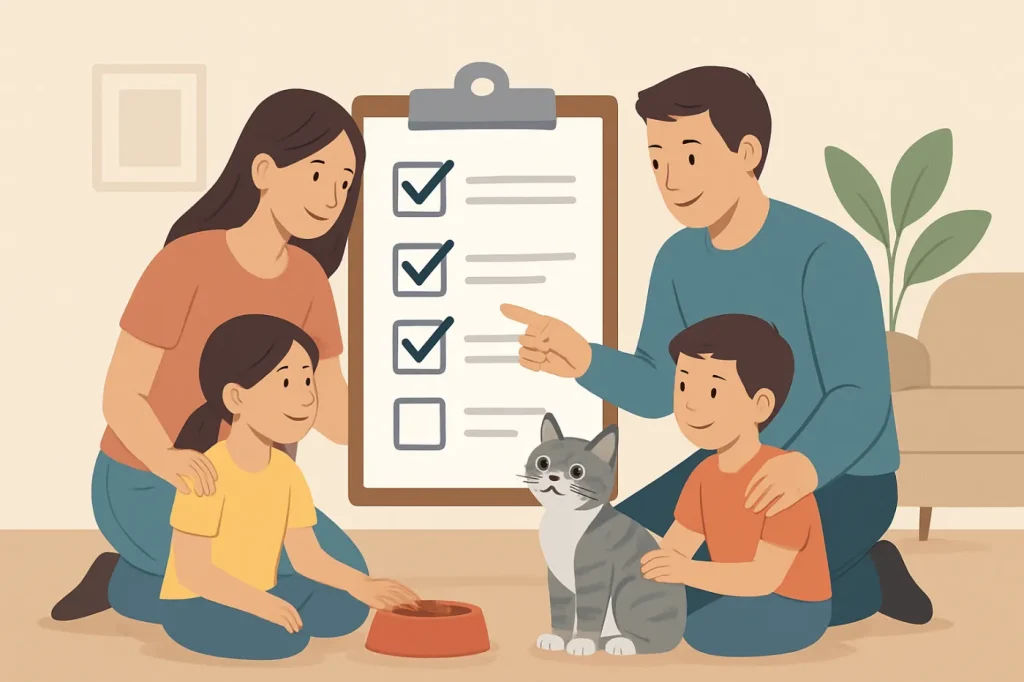
Adopting a cat as a family is a long-term commitment, not a weekend project. Before anyone falls in love at the shelter, your household needs to agree on the decision, prepare your home, and gather the right supplies so the cat and your kids stay safe and happy.
This family cat adoption checklist walks you through what to decide, prepare, and buy step by step so you can adopt responsibly and avoid stressful surprises.
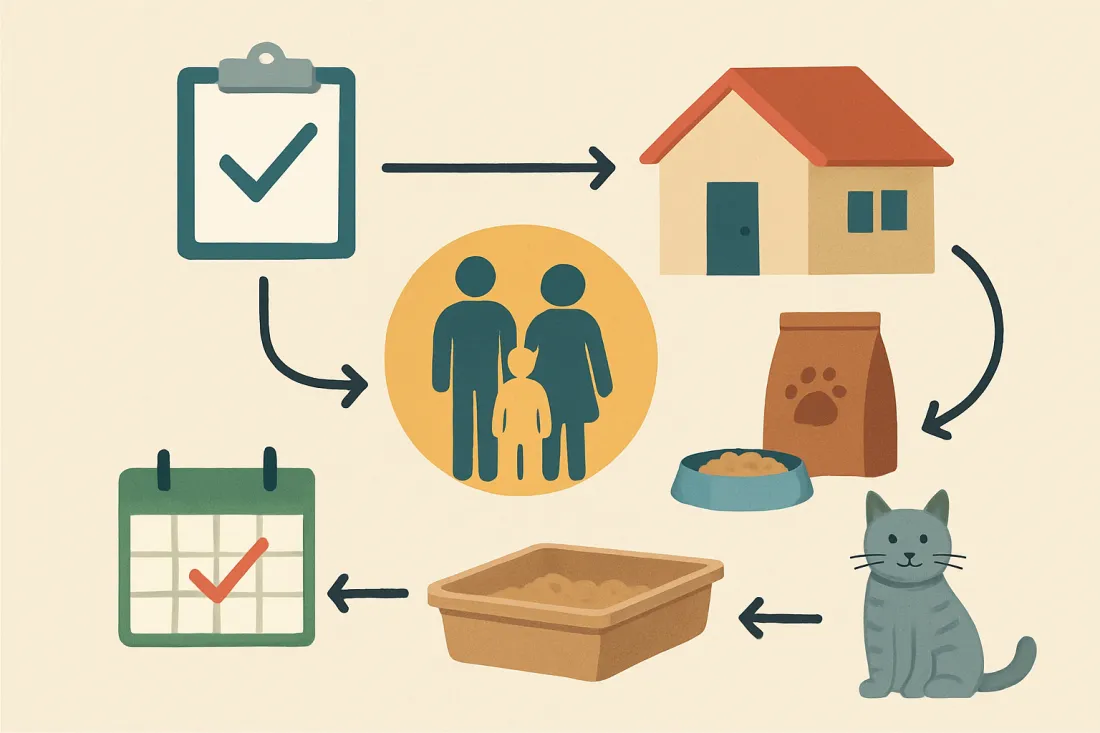
Key decisions to make before adopting a family cat
Work through these decisions together as a family before you visit a shelter or rescue. Treat them as your first readiness filter.
1. Commitment and lifestyle questions
- Time horizon: Are you prepared for roughly a decade or more of daily care, vet visits, and expenses? If anyone is unsure, pause and revisit later.
- Daily routine: Who is home mornings and evenings to feed, scoop the litter box, and play? If your family is out most of the day and late into the evening, consider whether a cat will get enough interaction.
- Travel habits: How often do you travel, and who will care for the cat then (trusted friend, sitter, boarding)? Decide this in advance instead of hoping it will “work out.”
- Noise and activity level: Is your home calm, or are there frequent loud arguments, parties, or renovations? Some cats cope well; others get stressed easily. Think about whether you can offer quiet spaces.
2. Family health and safety checks
- Allergies: Has every family member spent time around cats recently? If not, arrange a visit with a friend’s cat or a shelter to see if anyone reacts before you adopt.
- Children’s ages and behavior: Very young children need close supervision with any pet. Ask honestly: can your kids follow “gentle touch” rules and respect a cat’s space?
- Other pets: Do you already have dogs, cats, or small animals? Think about whether they have a history of aggression or high prey drive. If yes, talk with a vet or behavior professional before adopting.
3. Budget and financial readiness
Even without exact numbers, you should plan for three types of costs:
- Initial costs: Adoption fee, basic supplies, first vet check, and any needed vaccinations or procedures.
- Ongoing costs: Food, litter, routine vet care, and occasional replacements (scratching posts, toys, beds).
- Emergency cushion: A financial buffer for unexpected illness or injury. If you have no room in your budget at all, consider waiting until you do.
If you want help mapping out yearly costs, you can compare cat expenses with other pets using a pet expense checklist for the year.
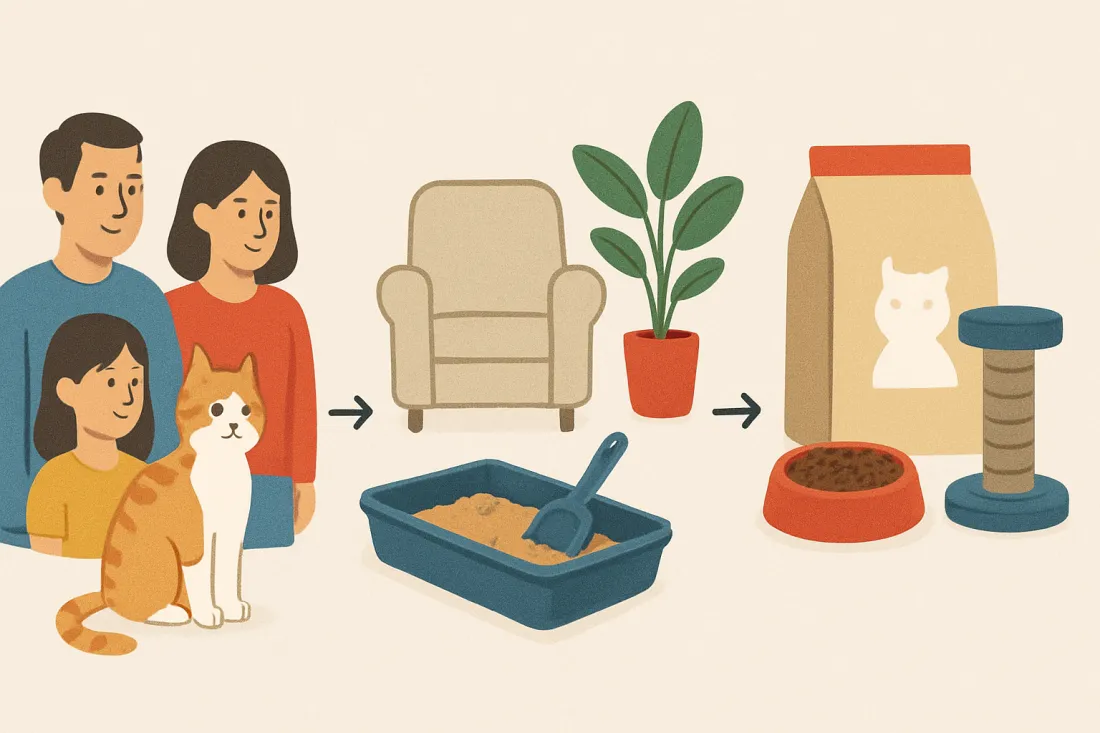
4. Type of cat that fits your family
Instead of focusing on looks, think about temperament and needs:
- Kitten vs. adult: Kittens are playful and fragile and need more supervision and training. Adult cats often have known personalities and may be calmer with children.
- Energy level: High-energy cats need more playtime and enrichment. A quieter family may prefer a more relaxed cat.
- Indoor-only vs. indoor/outdoor: Many rescues prefer or require cats to be indoor-only for safety. Decide what you can realistically provide and confirm the rescue’s policy.
- Special needs: Some cats have medical or behavioral needs. Only agree if you fully understand and accept the extra care involved.
Family readiness questions to discuss together
Use these questions as a mini family meeting checklist. If you cannot answer “yes” to most of them, you may need more time before adopting.
- Does every adult in the home agree to adopting a cat, not just tolerate it?
- Have you talked with your kids about what cats like and dislike (no tail pulling, no chasing, no waking a sleeping cat)?
- Is at least one adult willing to be the ultimate backup for feeding, litter, and vet care if children forget or lose interest?
- Do you have a quiet room where a new cat can stay for the first days or weeks while adjusting?
- Are you prepared to keep the cat even if your life changes (new baby, move, job change, relationship change)?
- Have you checked your lease or HOA rules to confirm cats are allowed and whether there are limits or deposits?
- Are you comfortable with some fur on furniture, occasional scratched items, and the need to cat-proof your home?
If several answers are “no” or “I do not know,” consider starting with broader guidance such as a responsible pet ownership checklist USA before you commit.
Preparing your home for a new family cat
Home preparation is about two things: keeping the cat safe and protecting your family’s space and belongings. Work through these steps before adoption day.
1. Choose the cat’s safe room
Pick a quiet, low-traffic room where the cat will spend the first days or weeks:
- Choose a room with a door that closes securely.
- Place food, water, litter box, bed, and hiding spots in this room.
- Remove fragile items and anything that could fall if climbed on.
- Add a hiding place such as a covered bed, box, or carrier with a blanket.
2. Cat-proof hazards
Walk through your home at “cat level” and look for risks:
- Cords and strings: Secure blind cords, tie up loose strings, and store yarn and ribbons out of reach.
- Small objects: Pick up hair ties, rubber bands, small toys, and anything that could be swallowed.
- Plants: Check whether your houseplants are safe for cats using a trusted pet-safety resource. Remove or place toxic plants in rooms the cat cannot access.
- Chemicals and medications: Store cleaning products, medicines, and pesticides in closed cabinets.
- Trash cans: Use cans with lids in bathrooms and kitchens so the cat cannot access harmful items.
- Windows and balconies: Ensure screens are secure and windows cannot be pushed open by a curious cat.
- Appliances: Get in the habit of checking washers, dryers, and dishwashers before closing them.
3. Protect furniture and family spaces
- Add scratching posts or pads near sofas and chairs so the cat has legal scratching options.
- Use washable throws or blankets on favorite seating areas at first.
- Decide which rooms are off-limits and install baby gates or keep doors closed.
- Set up a litter box area that is easy to clean but not in the middle of family traffic.
- Plan where the cat will eat so bowls are not constantly bumped or stepped on.
Essential supplies checklist for a family cat
Gather core supplies before adoption day so your new cat can settle in calmly. You can always add extras later.
- Carrier: A secure, hard-sided or sturdy soft carrier for transport to and from the shelter and vet.
- Food and water bowls: Non-tip, easy-to-clean bowls (ceramic, stainless steel, or sturdy plastic).
- Cat food: Ask the shelter what the cat is currently eating and start with the same food to reduce stomach upset. You can transition later if needed.
- Litter box: At least one box per cat, and consider an extra if your home is large or multi-level.
- Cat litter: Start with a simple, unscented litter unless you know the cat’s preference.
- Scooper and trash bags: For daily cleaning of the litter box.
- Bed and blankets: A soft bed plus a few washable blankets or towels.
- Scratching posts or pads: Aim for at least one vertical and one horizontal option.
- Toys: A mix of wand toys, balls, and small soft toys. Avoid loose strings without supervision.
- Grooming tools: A brush or comb suitable for the cat’s coat type and nail clippers if you plan to trim nails at home.
- ID tag and collar (if using): Breakaway collar with your phone number, especially if the cat might slip outside.
- Cleaning supplies: Pet-safe cleaner for accidents and a lint roller for fur on clothes and furniture.
Optional but helpful:
- Cat tree or shelves for climbing and perching.
- Calming diffuser or spray (ask your vet or shelter for recommendations).
- Food puzzle toys for mental stimulation.
Kitten vs. adult cat for families: comparison table
Use this table to decide whether a kitten or an adult cat is a better fit for your family’s lifestyle and expectations.
| Option | When it fits a family | Main challenges | What to prepare for |
|---|---|---|---|
| Kitten (under 1 year) | Families who want a very playful pet, have time for training and supervision, and are comfortable with a more active, sometimes chaotic home. | Very high energy, fragile body, may scratch and bite during play, needs litter training and guidance on where to scratch and climb. | Extra play sessions every day, close supervision with children, more frequent vet visits early on, and patience with accidents and mischief. |
| Young adult (about 1–5 years) | Families who want a playful but more predictable cat with an established personality and some training already in place. | May need time to adjust to children and other pets; habits from a previous home might not match your rules. | Gradual introductions, clear family rules from day one, and willingness to work with existing habits (for example, scratching preferences). |
| Older adult (around 6+ years) | Families who prefer a calmer companion, can monitor health closely, and value a more relaxed, cuddly cat. | Possible health issues sooner, may be less tolerant of rough handling or constant noise. | Regular vet checkups, gentle handling from kids, and a quieter safe space where the cat can retreat when overwhelmed. |
Family rules and responsibilities for cat care
Clear rules prevent misunderstandings and keep both kids and cats safe. Decide these before adoption and write them down where everyone can see them.
1. Respecting the cat’s space
- No picking up the cat without an adult’s permission until everyone knows how to do it safely.
- No disturbing the cat while eating, using the litter box, or sleeping.
- No chasing, shouting at, or cornering the cat.
- Always let the cat come to you for petting instead of grabbing.
- Teach kids what “I have had enough” looks like: tail flicking, ears back, growling, or walking away.
2. Daily and weekly chores
Assign responsibilities by name, not “someone.” An adult should always be the backup.
- Feeding: Who feeds in the morning and evening? Where is the feeding chart kept?
- Litter box: Who scoops daily and who does a full litter change and cleaning each week?
- Playtime: Who is responsible for at least one interactive play session each day?
- Grooming: Who brushes the cat and how often, depending on coat type?
- Supply checks: Who checks food and litter levels and tells an adult when to restock?
3. House rules involving doors and windows
- Agree on which doors and windows must stay closed or screened.
- Teach children to check for the cat before opening exterior doors.
- Decide whether the cat is allowed in bedrooms, on kitchen counters, or on specific furniture, and be consistent.
- Plan what happens if the cat slips outside: who calls, who searches, and which neighbors to notify.
Health and safety preparation before adoption
Good health habits start the moment your cat comes home. Plan these steps ahead of time.
1. Choose a veterinarian
- Ask friends, neighbors, or local pet owners for recommendations.
- Confirm the clinic’s hours, emergency procedures, and whether they are accepting new clients.
- Schedule a wellness exam within the first week or two after adoption if the shelter does not provide one.
2. Plan vaccinations, spay/neuter, and ID
- Ask the shelter for medical records and what vaccines or procedures are already done.
- Discuss with your vet which vaccines are recommended for your cat’s lifestyle.
- Consider microchipping if not already done and keep your contact information updated.
- Decide whether your cat will wear a breakaway collar with an ID tag in addition to a microchip.
3. Safety with children and other pets
- Supervise all early interactions between children and the new cat.
- Introduce other pets slowly, starting with scent swapping and short, controlled meetings.
- Provide escape routes and high perches so the cat can retreat when overwhelmed.
- Teach kids what to do if the cat scratches or bites: calmly step away, wash the area, and tell an adult.
Adoption day plan for your family cat
A calm, organized adoption day helps your new cat feel secure and helps kids understand that this is a serious commitment, not a toy pickup.
Before you leave for the shelter
- Set up the safe room completely: litter box, food, water, bed, hiding spots, and toys.
- Place the carrier in the car with a soft towel or blanket inside.
- Review behavior expectations with children: quiet voices, gentle movements, and no grabbing.
- Bring a photo ID and any paperwork the shelter requested.
- Confirm who will sign the adoption contract and who will drive home so one adult can focus on the cat.
At the shelter or rescue
- Ask staff about the cat’s history, personality, health, and any known quirks.
- Confirm what food the cat is currently eating and any medications.
- Review and sign adoption paperwork only after you understand all conditions.
- Place the cat in the carrier yourself or let staff do it; keep the carrier closed until you are home in the safe room.
First hours at home
- Carry the carrier straight to the safe room and close the door.
- Open the carrier and let the cat come out when ready; do not pull the cat out.
- Limit visitors and noise. Let the cat explore the room at its own pace.
- Offer food and water, but do not worry if the cat does not eat much the first day due to stress.
- Allow short, calm visits from family members one or two at a time.
- Show kids how to sit on the floor and let the cat approach instead of reaching into hiding spots.
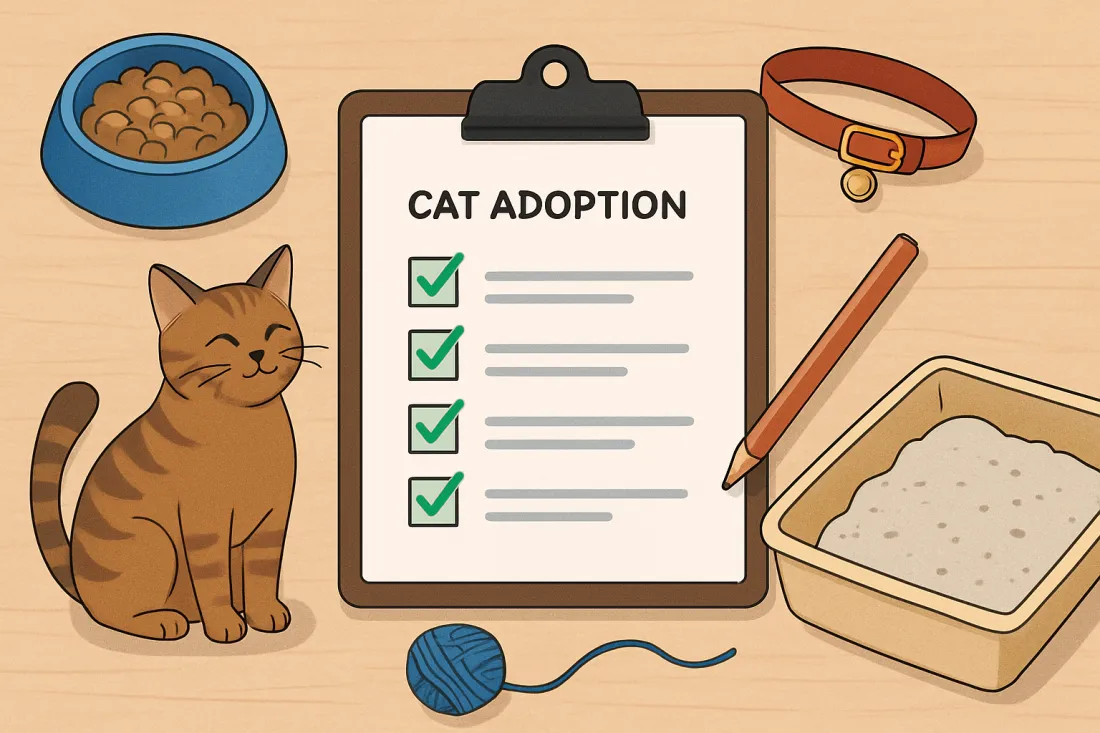
Structured family cat adoption checklist
Use this structured checklist as your step-by-step guide. You can copy it into your planner or notes app and tick items off as you go.
A. Decide if your family is ready
- All adults agree to adopting a cat.
- Children understand basic “gentle with cats” rules.
- No one has unmanaged cat allergies, or you have a realistic plan if symptoms are mild.
- You have a realistic idea of time and attention you can give daily.
- You have a budget for initial and ongoing cat care.
- Your housing allows cats and any deposits or rules are clear.
- You have a plan for who will care for the cat during vacations or emergencies.
B. Prepare your home
- A quiet safe room is chosen and cleared.
- Hazardous items (cords, small objects, chemicals) are secured.
- Toxic or risky plants are removed from cat areas.
- Windows and screens are checked and secure.
- Litter box location is chosen and easy to access.
- Family agrees on off-limits rooms and furniture.
- Kids know they must keep doors and windows closed unless an adult says otherwise.
C. Buy or gather supplies
- Carrier ready for transport.
- Food and water bowls set up.
- Starter supply of cat food (matching shelter food if possible).
- Litter box, litter, and scooper in place.
- Bed and blankets prepared in the safe room.
- Scratching posts or pads near key furniture.
- A few safe toys available.
- Basic grooming tools (brush or comb) on hand.
- Pet-safe cleaner and trash bags ready for accidents.
- Optional: collar and ID tag, calming diffuser, cat tree.
D. Set family rules and roles
- Rules for handling and respecting the cat’s space are agreed.
- Feeding schedule and responsible person are decided.
- Litter box cleaning schedule and backup person are decided.
- Daily playtime responsibility is assigned.
- Rules for doors, windows, and outdoor access are clear.
- Plan for what to do if the cat hides, scratches, or has an accident is discussed with kids.
E. Health and safety setup
- A veterinarian is chosen and contact details saved.
- Plan for first vet visit is made.
- You understand what vaccines and procedures the cat already has.
- Plan for ID (collar tag and/or microchip) is in place.
- Introduction plan for other pets is discussed.
- Basic first-aid items for minor pet issues are stored where adults can access them.
F. Adoption day and first week
- Safe room is fully set up before pickup.
- Children are reminded of adoption day behavior rules.
- Shelter questions are prepared (health, behavior, food, history).
- Cat is transported home in a secure carrier.
- Cat is released only in the safe room and allowed to explore slowly.
- First vet visit is scheduled within the agreed time frame.
- Family keeps noise and visitors low during the first few days.
- Rules and routines are reviewed at the end of the first week and adjusted if needed.
Common mistakes families make when adopting a cat
Avoid these frequent pitfalls to make adoption smoother for everyone.
- Choosing only by appearance: Picking the “cutest” cat without considering temperament or energy level can lead to mismatches with young kids or busy households.
- Skipping the family discussion: Surprising the family with a cat can backfire if someone is scared, allergic, or strongly opposed.
- Underestimating long-term costs: Focusing only on the adoption fee and first bag of food, without planning for ongoing vet care and supplies.
- Not cat-proofing first: Bringing a cat into a home full of hazards like loose cords, toxic plants, and open windows.
- Overwhelming the cat on day one: Letting everyone crowd, hold, and pass the cat around instead of giving it a quiet room and time to adjust.
- Leaving kids unsupervised: Assuming children will always be gentle without adult guidance, which can lead to scratches, bites, or fear on both sides.
- Rushing introductions with other pets: Putting the new cat face-to-face with resident pets immediately, increasing stress and conflict.
- Inconsistent rules: Allowing the cat on counters sometimes and scolding other times, which confuses both the cat and children.
- Ignoring early behavior changes: Dismissing sudden hiding, aggression, or litter box issues instead of checking for stress or health problems with a vet.
What to do after you complete the family cat adoption checklist
Once you have worked through the checklist and feel confident about your decision, your next steps are:
- Contact local shelters or rescues and share what kind of cat fits your family’s lifestyle.
- Prepare questions about each cat’s history, health, and behavior before you visit.
- Plan your budget and, if helpful, compare it with other pet options using tools like a first time dog owner checklist USA if you are still deciding between species.
- Schedule your first vet appointment as soon as you know your adoption date.
- Review your family rules regularly during the first month and adjust as you learn more about your cat’s personality.
Taking time to prepare does not make adoption less exciting. It makes it far more likely that your new cat will become a stable, loved member of the family for many years.
FAQ about family cat adoption checklists
What should families understand about a cat adoption checklist before they adopt?
A family cat adoption checklist is not just a shopping list; it is a decision-making tool. It helps you confirm that everyone in the home agrees to the commitment, that your space is safe and suitable, and that you have a realistic plan for time, money, and responsibilities. Working through the checklist honestly can reveal whether you are ready now, need more preparation, or should wait until your circumstances are more stable.
What mistakes should families avoid when using a cat adoption checklist?
Common mistakes include treating the checklist as a formality instead of a serious self-check, skipping the conversations with kids and other adults in the home, and focusing only on supplies while ignoring long-term responsibilities. Another mistake is rushing through the steps just to bring a cat home quickly. If you find yourself checking boxes without really thinking about them, slow down and revisit each section carefully.
What should a family do next after finishing their cat adoption checklist?
After you have completed your checklist and everyone still feels confident, start contacting shelters or rescues that match your values. Share details about your home, children, other pets, and the type of cat you think will fit best. Ask staff to suggest cats whose personalities match your answers. Then, plan your adoption day and first-week routine, including a vet visit, so you can focus on helping your new cat settle in calmly and safely.
How can parents involve children in the family cat adoption process safely?
Parents can involve children by letting them help choose supplies, decorate the cat’s safe room, and pick age-appropriate chores like refilling water or helping with playtime. Before adoption, practice gentle petting on a stuffed animal and role-play what to do if the cat walks away or hides. During the first weeks, always supervise interactions and praise children when they follow the family rules so safe behavior becomes a habit.
How does a family cat adoption checklist support responsible pet ownership?
A structured checklist turns the idea of responsible pet ownership into concrete actions: confirming long-term commitment, setting a budget, preparing the home, assigning daily tasks, and planning for health care. Instead of relying on good intentions alone, you use the checklist to build routines and boundaries that protect both the cat and the people in the home. That preparation makes it more likely that the adoption will be successful and that the cat will remain a loved family member for many years.