First vet visit prep: what you actually need to do
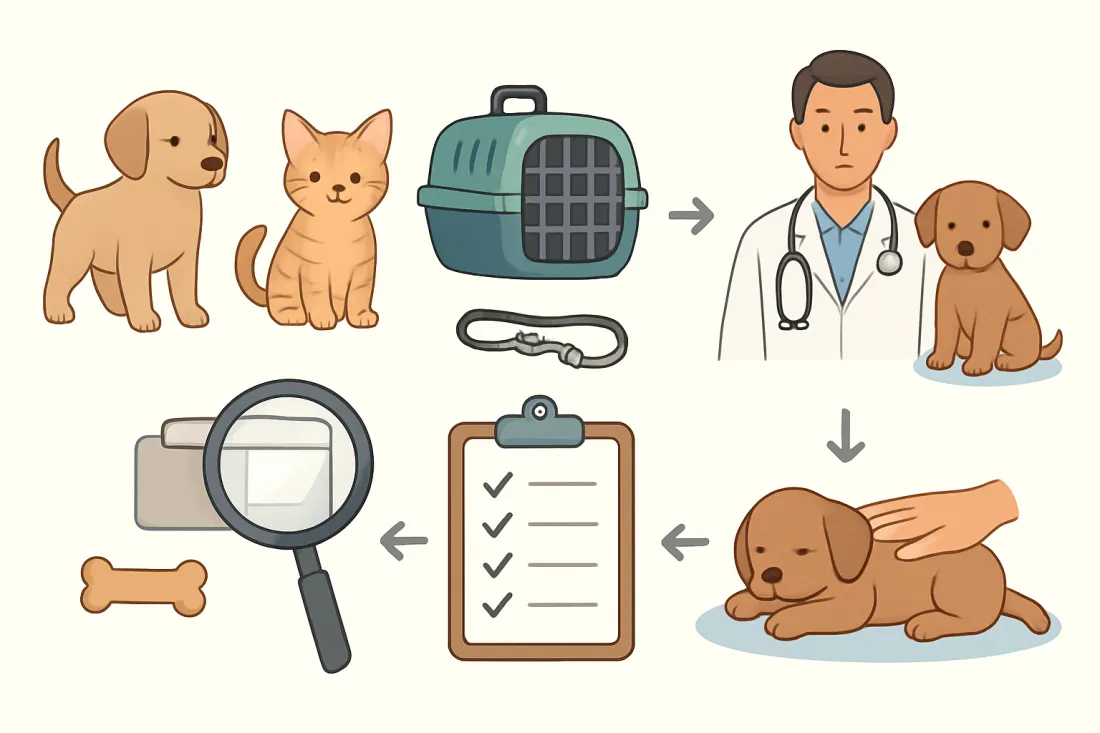
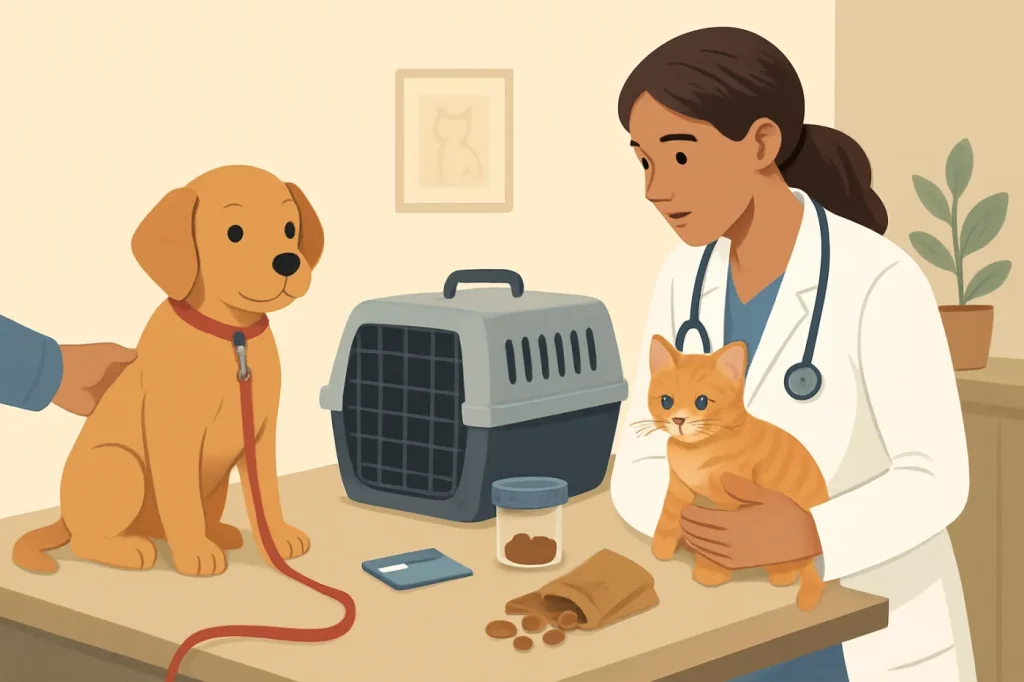
For a puppy or kitten’s first vet visit in the US, you should be ready in three ways:
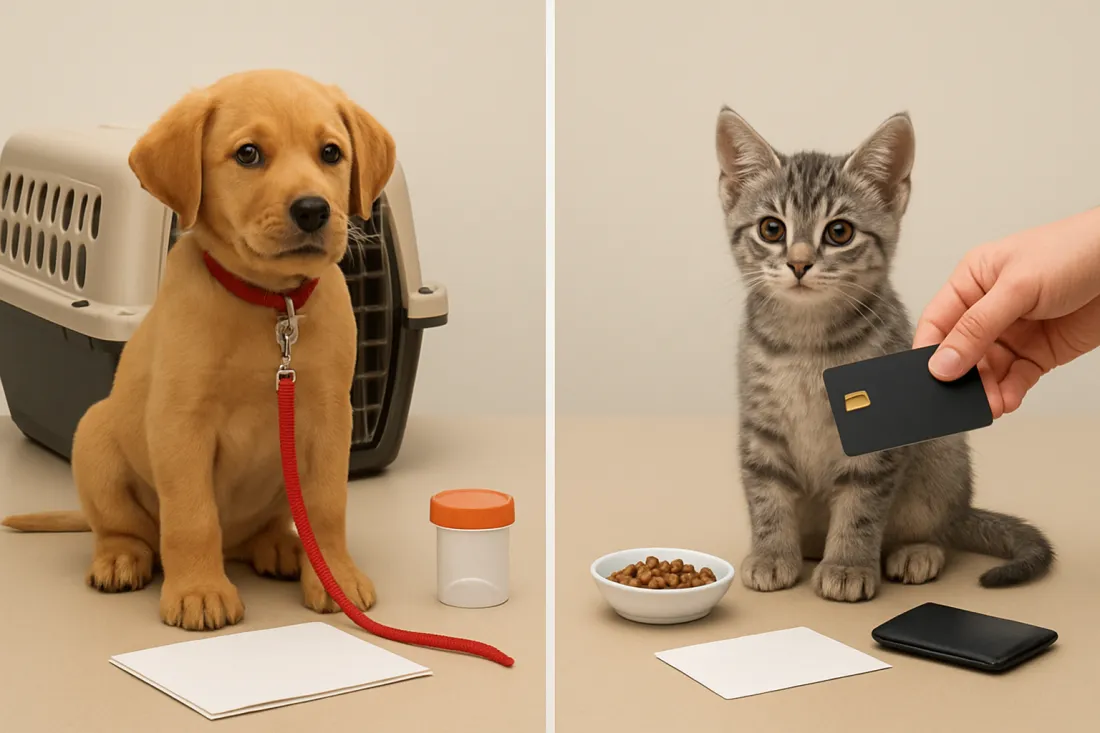
- Have the right basics with you: carrier or leash, any records, a fresh stool sample, payment method, and high-value treats.
- Know the key questions to ask: vaccines, deworming, flea/tick and heartworm prevention, feeding schedule, spay/neuter timing, and behavior training.
- Expect a full nose-to-tail exam plus a starter plan for vaccines, parasite prevention, and follow-up visits.
this guide walk through when to book, what to bring, what will happen, how to keep your pet calm, and what to do after you get home.
When to schedule the first vet visit in the US
For most US pet owners, timing depends on how and when you got your puppy or kitten.
Typical timing by situation
- New puppy from a breeder: book a visit within 3–7 days of bringing them home, even if they “seem fine.”
- New kitten from a breeder or home: also aim for within the first week.
- Adoption from a shelter or rescue: many organizations require or strongly recommend a vet visit within 7–14 days. If they gave you a free exam voucher, check the expiration date and book early.
- Very young puppies or kittens (under 8 weeks): call a vet as soon as you know you’re getting them. The clinic may want to see them within a few days to check weight gain and early health.
- Pet with any worrying signs (lethargy, diarrhea, coughing, sneezing, not eating, trouble breathing): do not wait for a “routine” first visit. Tell the clinic it is an urgent sick visit.
How to choose a vet clinic
Use these decision points when picking a vet in your area:
- Location and hours: close enough for emergencies, with hours that match your schedule (evenings or weekends if you work standard hours).
- Species experience: confirm they see dogs and cats, and ask if they are comfortable with young puppies/kittens.
- Communication style: during your first phone call, notice whether staff are patient with questions and explain things clearly.
- Emergency plan: ask which emergency hospital they recommend after hours.
- Budget fit: ask for typical ranges for puppy/kitten exams and vaccines so you can plan. For deeper budgeting, you can compare their answers with a broader guide on the first year cost of owning a puppy or kitten.
Checklist: documents and items to bring to the first vet visit
Use this practical checklist the day before and the day of your appointment.
Paperwork and information
- Any medical or vaccine records from the breeder, shelter, rescue, or previous owner (even if it is just a handwritten note).
- Adoption or purchase paperwork with microchip number, if available.
- List of questions and concerns (behavior, feeding, bathroom habits, anything that seems “off”).
- List of what your pet eats: brand and type of food, treats, supplements, anything you have already given.
- Medication list if your pet has already received any dewormers, flea/tick products, or other meds.
Things to bring for your puppy or kitten
- Secure carrier for kittens and small puppies, or a well-fitted collar/harness and leash for larger puppies.
- Absorbent pad or towel inside the carrier in case of accidents.
- High-value treats your pet already likes (small, soft pieces).
- Favorite toy or small blanket that smells like home.
- Fresh stool sample (about a teaspoon) in a clean, sealed bag or container, collected the same day if possible.
- Photo or video of any odd behavior (limping, coughing, strange breathing, seizures) if it does not happen all the time.
Things to bring for yourself
- Photo ID and payment method accepted by the clinic.
- Pet insurance details, if you already enrolled.
- Phone with notes app or a notebook to write down instructions and medication names.
Quick pre-visit checklist
- Appointment time, clinic address, and parking details confirmed.
- Carrier or leash ready and labeled with your phone number.
- Records, adoption papers, and question list in your bag.
- Fresh stool sample collected and refrigerated if needed until you leave.
- Treats, toy/blanket, and poop bags packed.
- You know who will hold the pet and who will take notes during the visit.
What to expect during the first vet visit
Most first visits for puppies and kittens in the US follow a similar pattern.
1. Check-in and history
The receptionist or technician will usually:
- Confirm your contact information and your pet’s name, age, and sex.
- Weigh your pet and sometimes take a temperature.
- Ask about where you got your pet, any previous vaccines, and current diet.
- Ask about bathroom habits, energy level, coughing, sneezing, vomiting, or diarrhea.
2. Physical exam
The vet will perform a nose-to-tail exam, typically including:
- Eyes, ears, nose, and mouth (including baby teeth and gums).
- Heart and lungs with a stethoscope.
- Abdomen (feeling for pain or unusual lumps).
- Skin and coat for fleas, ticks, or rashes.
- Joints and overall body condition.
- For males, checking testicles; for females, checking development and any discharge.
They may also look for signs of common issues in young pets, such as parasites, mild infections, or congenital problems.
3. Vaccines and parasite control overview
Based on age, lifestyle, and previous records, the vet will recommend:
- Core vaccines (common serious diseases that most pets should be protected against).
- Non-core vaccines (based on lifestyle, such as outdoor exposure or boarding plans).
- Deworming and a plan for ongoing parasite control.
- Flea, tick, and heartworm prevention appropriate for your region and your pet’s age and weight.
4. Tests that are commonly offered
Exact tests vary by clinic and region, but many US vets discuss:
- Fecal test for intestinal parasites (using the stool sample you brought).
- FeLV/FIV test for kittens (screening for feline leukemia virus and feline immunodeficiency virus).
- Heartworm test for older puppies or dogs, depending on age and local risk.
- Baseline bloodwork for pets with concerning signs or certain breeds, at the vet’s discretion.
5. Behavior, training, and lifestyle guidance
Expect questions and advice about:
- House-training or litter box training.
- Socialization with people and other animals.
- Chewing, scratching, nipping, or rough play.
- Safe toys and enrichment.
- Crate training for puppies or safe confinement for kittens.
Vaccines and tests: puppy vs kitten comparison
The table below compares what is typically discussed for puppies and kittens at early visits. Exact timing and choices depend on age, health, and local disease risk, so your vet may adjust this plan.
| Item | Puppy (typical early plan) | Kitten (typical early plan) | What to ask your vet |
|---|---|---|---|
| Core vaccine series | Combination vaccine (often called “DA2PP” or similar) given as a series of shots several weeks apart while the puppy is young. | Combination vaccine (often called “FVRCP” or similar) given as a series of shots several weeks apart while the kitten is young. | “How many shots are in the series, and when are they due?” |
| Rabies vaccine | Given once the puppy is old enough, then boosted later as required by local rules. | Given once the kitten is old enough, then boosted later as required by local rules. | “When will my pet get rabies vaccine, and when is the next booster due?” |
| Non-core vaccines | May include vaccines for diseases spread by other dogs or the environment, depending on lifestyle (for example, boarding or hiking). | May include vaccines for diseases spread between cats or through outdoor exposure, depending on lifestyle (for example, outdoor cats). | “Based on our lifestyle, which optional vaccines do you recommend and why?” |
| Fecal test | Commonly recommended to check for intestinal worms and other parasites. | Commonly recommended to check for intestinal worms and other parasites. | “How often should we repeat fecal tests?” |
| Virus screening | Not always needed for healthy young puppies, unless there is a specific concern. | Often recommended for FeLV/FIV to understand long-term health risks and household safety. | “Do you recommend virus testing for my pet, and what would a positive result mean?” |
| Heartworm prevention | Usually started early in life, especially in areas where mosquitoes are common. | Also discussed for kittens, though recommendations can vary by region and clinic. | “When should we start heartworm prevention, and how often will my pet need it?” |
Use this table as a conversation guide, not a fixed schedule. Your vet will tailor the plan to your pet.
Key questions to ask the vet at the first visit
Going in with a written list helps you leave with clear answers instead of confusion.
Health and vaccines
- “Is my puppy/kitten healthy overall? Anything you are worried about?”
- “What vaccines did my pet get today, and what side effects should I watch for?”
- “What is the full vaccine schedule from now until adulthood? Can you write down the dates?”
- “Do you recommend any optional vaccines for our lifestyle? Why or why not?”
Parasite prevention
- “What are the most common parasites in our area? How do we prevent them?”
- “Which flea, tick, and heartworm preventives do you recommend for my pet’s age and weight? How often are they given?”
- “How long should we continue deworming, and how often should we bring stool samples?”
Feeding and growth
- “Is my pet’s current food appropriate for their age and size? If not, what should we switch to?”
- “How much and how often should I feed my puppy/kitten? Can you give me a daily amount in cups or grams?”
- “What treats are safe, and how many can I give per day?”
- “What is a healthy weight range for my pet, and how can I monitor it at home?”
Behavior, training, and lifestyle
- “What are the most important socialization steps in the next month?”
- “When is it safe to take my puppy to parks or my kitten outdoors? What should be done first?”
- “How do I handle nipping, scratching, or rough play? Any red flags I should watch for?”
- “Do you recommend any local trainers, puppy classes, or behavior resources?”
Spay/neuter and long-term care
- “When do you recommend spaying or neutering my pet? What are the pros and cons of different ages?”
- “What does a typical yearly care plan look like after the first year? Exams, vaccines, tests?”
- “What emergency signs should make me call you or an emergency clinic right away?”
Cost expectations and budgeting for the first visit
Exact prices vary widely across the US and even between clinics in the same city. Instead of memorizing numbers, focus on what can affect the bill and how to plan.
What usually appears on a first-visit invoice
You can ask the clinic for typical ranges for each of these line items:
- New patient exam fee (sometimes higher than a regular exam).
- Core vaccines (often more than one vaccine at the first visit).
- Fecal test for parasites.
- Deworming medication if parasites are suspected or as a routine preventive.
- Flea/tick and heartworm prevention (sometimes sold as single doses, sometimes as multi-month packs).
- Optional tests (for example, FeLV/FIV for kittens, or additional bloodwork if the vet has concerns).
If you want to understand how this fits into your overall budget, it can help to read a broader breakdown of the first year cost of a puppy or detailed kitten first year expenses.
How to avoid surprise bills
- Ask for an estimate before services: it is reasonable to say, “Can you give me an estimate for today’s visit before we start?”
- Clarify what is optional: ask, “Which items are essential today, and which could safely wait a few weeks if needed?”
- Ask about wellness plans: some clinics offer packages that spread out costs for vaccines and exams over time.
- Confirm payment options: ask which payment methods they accept and whether they work with any third-party payment plans.
How to reduce stress for your puppy or kitten
A calm first visit makes future vet trips easier. Young animals can be overwhelmed by new sights, sounds, and smells, so a little preparation goes a long way.
Before you leave home
- Get them used to the carrier or leash: leave the carrier open with a blanket and treats inside for a few days before the visit. For puppies, practice walking on the leash indoors.
- Plan a light meal: many vets suggest feeding a normal but not oversized meal a few hours before the visit to reduce carsickness and allow for treat rewards.
- Schedule wisely: if possible, choose a time when your pet is usually calmer (for example, not right after a big play session or late at night).
- Stay calm yourself: pets often pick up on your emotions. Speak softly and move slowly.
During the car ride
- Secure the carrier with a seat belt or place it on the floor behind a seat so it does not slide.
- For puppies, use a harness and seat belt attachment or a secured crate rather than letting them roam.
- Keep the car quiet: moderate temperature, low music, and no loud voices.
- Offer a familiar blanket or toy for comfort.
At the clinic
- Keep kittens in the carrier until you are in an exam room to prevent escapes and reduce stress from other animals.
- Keep puppies on a short leash and away from unknown dogs.
- Use treats generously for calm behavior, sitting, or allowing handling.
- Advocate for your pet: if they seem very fearful, tell the staff. Many clinics can adjust handling or use extra time to go slower.
After vaccines
Most pets handle vaccines well, but mild side effects can occur. Ask your vet what is normal, and generally watch for:
- Mild sleepiness or reduced activity for a day.
- Slight tenderness at the injection site.
- Very mild, short-term decrease in appetite.
If you see severe swelling, trouble breathing, repeated vomiting, or collapse, contact a vet or emergency clinic immediately.
Common mistakes to avoid at the first vet visit
Being aware of typical pitfalls helps you get more value from the appointment and keeps your pet safer.
- Waiting too long to schedule: delaying the first visit can mean missed vaccines and parasite control during a high-risk period.
- Forgetting records or stool sample: without them, the vet may not know what has already been done or may need to repeat tests later.
- Not asking about costs up front: this can lead to stress at checkout and rushed decisions.
- Letting your pet roam in the waiting room: this increases the risk of fights, disease exposure, or escape.
- Skipping questions because you feel embarrassed: vets are used to all kinds of questions. If you are unsure about anything, ask.
- Ignoring mild signs at home: “small” issues like soft stool, sneezing, or occasional limping can be important clues. Mention them.
- Not writing down instructions: it is easy to forget medication schedules or follow-up dates once you get home.
After the visit: follow-up actions and next steps
Your job is not done when you walk out of the clinic. A few simple steps help you use the visit fully.
Right after you get home
- Let your pet rest: give them a quiet space away from rough play, especially after vaccines.
- Monitor for side effects: follow the vet’s guidance on what is normal and when to call.
- Review your notes and paperwork: confirm the next appointment date and any medication instructions.
- Set reminders on your phone for follow-up vaccines, parasite prevention doses, and rechecks.
Ongoing home care
- Follow the feeding plan you discussed, and track your pet’s weight or body shape over time.
- Start or continue training (house-training, litter box habits, basic cues for puppies, gentle handling for kittens).
- Keep socializing in safe ways that match your pet’s vaccine status and your vet’s advice.
- Store vet records in one place (physical folder or digital photos) so you can share them with groomers, trainers, or future vets.
Simple follow-up checklist
- Next vaccine appointment booked and in your calendar.
- Parasite prevention schedule written down (dates and products).
- Feeding and treat plan adjusted based on vet advice.
- Training and socialization goals set for the next 2–4 weeks.
- Emergency clinic information saved in your phone.
FAQ about preparing for a puppy or kitten’s first vet visit
What is the single most important thing to understand before a first vet visit for a puppy or kitten?
The most important point is that the first visit is not just about shots; it is about building a long-term health plan. Go in expecting a full exam, a vaccine and parasite schedule, and a chance to ask questions about behavior, feeding, and daily care. If you treat it as a planning session for your pet’s first year, you will leave with a clear roadmap instead of just a receipt.
What common mistakes should new US pet owners avoid when preparing for the first vet visit?
New owners often wait too long to schedule, forget to bring records or a stool sample, and assume the vet will automatically cover every topic. Another frequent mistake is letting puppies or kittens interact with unknown animals in the waiting room, which can be risky before vaccines are complete. Avoid these by booking within the first week, packing a simple checklist, and going in with written questions about vaccines, parasites, feeding, and behavior.
What should I do next after reading about first vet visit prep?
Your next steps are to choose a local vet clinic, book an appointment within the recommended timeframe, and prepare your checklist of items and questions. Gather any records, arrange safe transport (carrier or leash), and plan your budget for the visit. After the appointment, set reminders for follow-up vaccines and prevention so you stay on track with the plan you and your vet created.
Should I bathe my puppy or kitten before the first vet visit?
A light bath is not required unless your pet is very dirty or has an odor that bothers you. Many vets prefer that very young animals are not over-bathed, as it can dry out their skin. If you do bathe them, use a product labeled as safe for puppies or kittens and make sure they are fully dry and warm before traveling. If you are unsure, you can wait and ask the vet which grooming routine is best for your pet.
Can I bring children to my puppy or kitten’s first vet appointment?
You can, but it helps to plan. Young children may be excited or nervous, and the visit involves medical procedures and detailed conversations. If possible, bring another adult to supervise children while you focus on the vet’s instructions. Explain ahead of time that the vet’s office is a calm place and that the puppy or kitten may be a little scared and needs gentle voices and slow movements.