
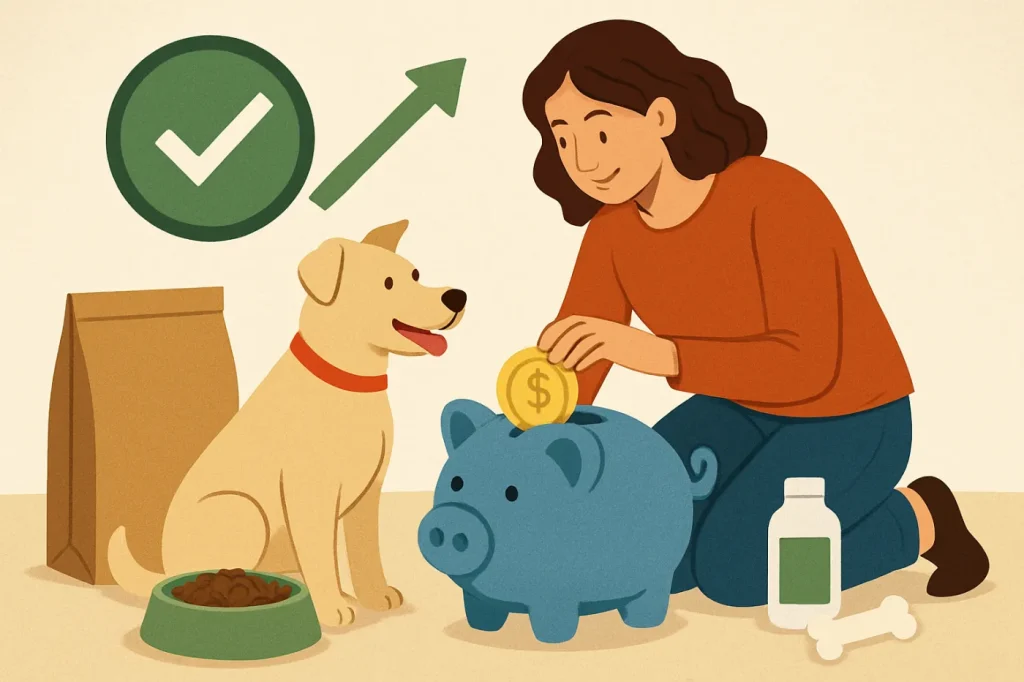
Saving money on pet care without sacrificing quality means protecting the essentials and trimming everything else. Keep your dog or cat’s core health needs non‑negotiable, then lower costs by planning ahead, using community resources, and doing safe DIY where it truly makes sense.
Budget pet care vs. cheap pet care: what responsible savings look like
Responsible pet ownership on a budget is not about spending the least possible; it is about spending in the right places. A few practical benchmarks help frame what “responsible” usually looks like for dogs and cats in the United States:
- Most healthy adult pets need at least one routine vet visit per year for a checkup and vaccines, and many vets recommend twice‑yearly exams for seniors.
- Many dogs and outdoor cats benefit from year‑round parasite prevention, while some indoor pets may only need it during the highest‑risk 4–6 months in your region—your vet can help you decide.
- Dry pet food typically stays fresh for about 4–6 weeks after opening if stored correctly; buying more than your pet can eat in that time can waste money.
- Even a small emergency fund of $10–$25 per month set aside for vet care can make an unexpected visit far less stressful over time.
These are not strict rules, but they show the difference between cutting every corner and making thoughtful trade‑offs that still protect your pet’s health.
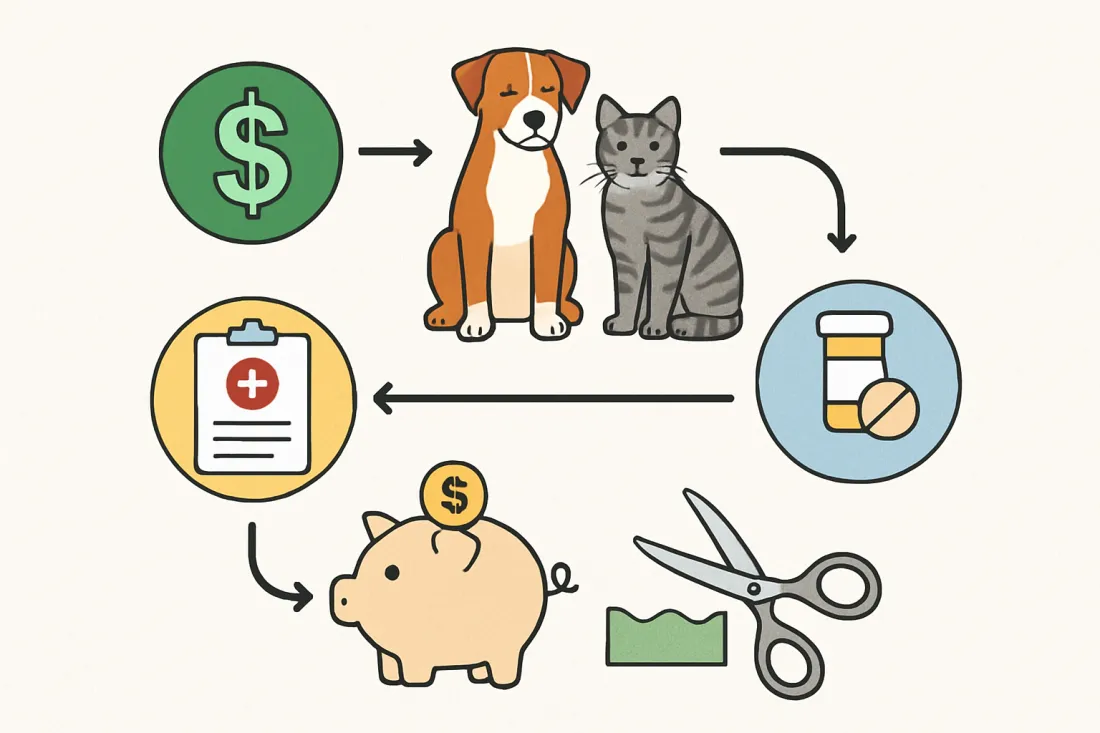
Where you should not cut corners on pet care costs
Some expenses are the foundation of humane, safe care. Skipping them can cause suffering and much higher costs later.
Core veterinary care and pain relief
- Initial puppy/kitten exams and vaccines – Young animals are more vulnerable to infectious disease. Early exams also catch birth defects, parasites, and congenital issues sooner.
- Essential boosters and rabies shots – Your vet will recommend a schedule based on your pet’s age and risk. These visits are also a chance to check growth, teeth, and behavior.
- Pain relief and urgent care – Breathing trouble, repeated vomiting or diarrhea, collapse, or obvious pain are emergencies. Delaying care to “see if it goes away” can turn a treatable problem into a crisis.
Spay/neuter when recommended
Spaying or neutering helps prevent accidental litters and can reduce certain health and behavior risks. If full‑price surgery is hard to afford, look for low‑cost community programs rather than skipping it altogether.
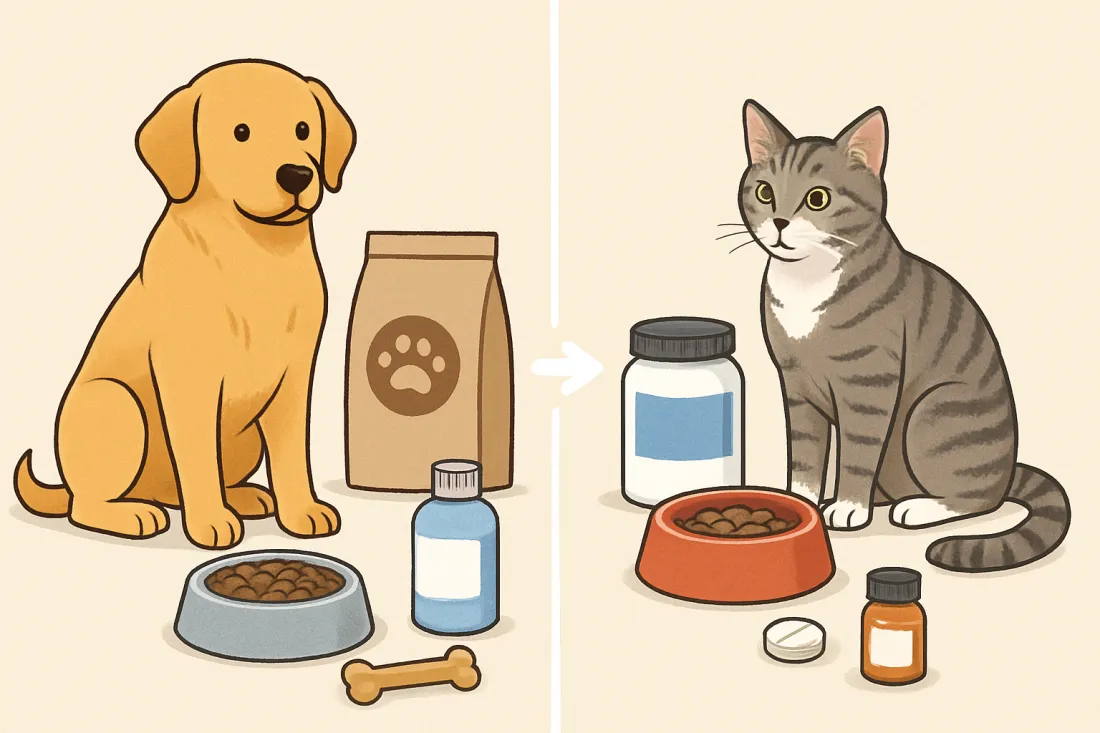
Safe, complete nutrition
Your pet needs a complete and balanced diet appropriate for their life stage. Extreme cost‑cutting—such as feeding mostly table scraps or very low‑quality food—can lead to obesity, digestive problems, and nutrient deficiencies that later require medical treatment.
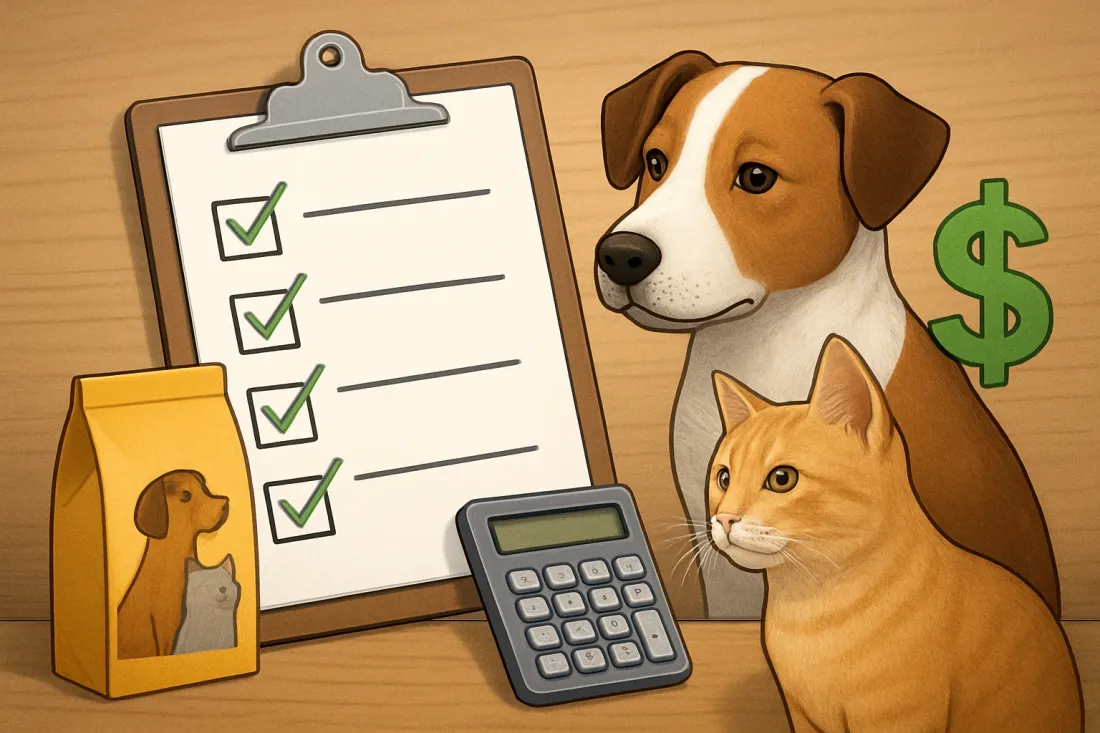
Parasite control during risk periods
Fleas, ticks, and intestinal parasites can cause intense itching, anemia, skin infections, and in some regions, serious diseases. Work with a vet to choose an affordable but effective option instead of stopping protection entirely.
Basic comfort, safety, and mental health
- Clean water available at all times
- Shelter from heat, cold, and bad weather
- A safe place to rest and sleep
- Regular interaction, play, and mental stimulation
Cutting back on these basics can lead to stress, behavior problems, and health issues that are more expensive to fix than to prevent.
Where you can safely look for savings
Once the essentials are protected, you can look for savings in how you meet those needs.
- Shopping smarter for food, litter, and supplies
- Using low‑cost vaccine or spay/neuter clinics when appropriate
- Doing some grooming and basic training at home
- Choosing durable supplies instead of frequent cheap replacements
- Using preventive care habits to reduce the chance of big vet bills later
If you want a structured view of health priorities by age, it can help to review a pet preventive care schedule USA and then apply the money‑saving ideas below around those needs.
Safe ways to save on food, litter, and supplies
Food and daily supplies are predictable expenses, which makes them one of the easiest places to trim costs without sacrificing quality.
Food: lowering the bill while protecting nutrition
- Ask your vet for a budget‑friendly brand
Instead of guessing by price or marketing, ask which lower‑cost brands still meet your pet’s needs (age, size, health issues). Vets often know which options are decent quality without premium pricing. - Buy the right bag size
Larger bags often have a lower cost per pound, but only if your pet can finish them within about 4–6 weeks. Store dry food in an airtight container in a cool, dry place to keep it fresh. - Measure meals
Use a measuring cup instead of free‑pouring. Even being off by a quarter cup twice a day can add up to several extra cups per week, wasting food and increasing the risk of obesity. - Limit treats and extras
Use small, healthy treats and count them as part of daily calories. Many pets are just as happy with a few kibbles from their regular food as with special snacks. - Skip unproven add‑ons
Unless your vet recommends a specific supplement or topper, you can usually skip powders, broths, and “miracle” products that add cost without clear benefit.
Litter and cleaning supplies
- Test more affordable litter types
Some cats do well on less expensive clumping or non‑clumping litters. Try small bags first to check your cat’s acceptance and odor control before committing to a bulk purchase. - Use reusable tools
Invest once in a sturdy scoop, washable litter mat, and reusable cloths instead of disposable accessories. - Make simple cleaning solutions
For many messes, a basic mix of water and a pet‑safe cleaner or diluted mild detergent is enough. Always confirm products are safe for use around pets.
Toys, beds, and other gear
- Choose durable over decorative
A sturdy leash, collar, or harness that lasts years is cheaper than replacing flimsy gear often. For strong chewers, look for toys designed for heavy chewing and rotate them to keep interest high. - DIY enrichment
Use cardboard boxes, paper bags (handles removed), or homemade food puzzles to keep pets mentally engaged. Always supervise at first to be sure your pet does not swallow parts. - Wash and repair before replacing
Many beds, blankets, and soft toys can be washed and mended instead of thrown away. Regular washing also helps control odors and allergens.
Preventive care vs. waiting for problems: which really saves money
Preventive care can feel like an extra cost, but it often reduces the chance of large, unpredictable bills later. The key is to prioritize the most important preventive steps for your dog or cat.
How preventive care protects both health and budget
- Early detection is usually cheaper than crisis care
Finding dental disease, weight gain, or early arthritis at a routine visit allows for simple changes—diet, home care, basic medication—instead of emergency surgery or advanced treatment later. - Vaccines help avoid serious illness
Core vaccines protect against diseases that can require hospitalization. The cost of a vaccine series is typically far lower than the cost of treating a severe infection. - Parasite prevention avoids cascading problems
Fleas and ticks can lead to skin infections and, in some regions, serious diseases. Intestinal parasites can cause weight loss and digestive issues. Preventing these is usually more affordable than treating complications. - Weight management reduces long‑term medical costs
Keeping your pet at a healthy weight lowers the risk of joint problems and chronic illnesses that require ongoing medication and monitoring.
If you want help planning which checkups and vaccines to prioritize each year, you can review an annual vet care schedule for dogs and cats USA and then talk with your vet about which items are most important for your pet’s age and lifestyle.
Comparison table: preventive care vs. waiting for problems
| Area of care | Preventive approach | Waiting for problems | Budget impact over time |
|---|---|---|---|
| Vaccines | Regular core vaccines and boosters as advised | Skip vaccines until illness appears | Preventive: predictable, smaller costs; Waiting: risk of large emergency bills for serious disease |
| Dental health | Daily or regular tooth brushing, dental chews, vet checks | Ignore plaque until teeth are loose or infected | Preventive: modest cost for supplies and occasional cleanings; Waiting: higher cost for extractions and infection treatment |
| Weight control | Measured feeding, appropriate diet, regular exercise | Overfeeding, frequent high‑calorie treats | Preventive: steady food costs; Waiting: potential long‑term medication and special diets |
| Parasites | Seasonal or year‑round prevention based on local risk | Treat infestations only when obvious | Preventive: regular, planned expense; Waiting: possible repeated treatments and treatment of complications |
| Behavior | Early training and socialization | Address behavior only after it becomes severe | Preventive: time investment and basic training costs; Waiting: potential property damage, rehoming costs, or need for intensive behavior work |
Using low‑cost clinics, vaccine days, and spay/neuter programs
In many parts of the United States, there are options to reduce the cost of basic veterinary services without lowering quality. The key is to understand what these clinics do well and when a full‑service vet is still necessary.
When low‑cost clinics are a good fit
- Routine vaccines for healthy pets
Community vaccine clinics and mobile services often provide core shots at reduced fees. They are usually best for pets that are otherwise healthy and just need standard preventive care. - Spay/neuter surgery
Many shelters and nonprofit organizations offer spay/neuter at lower cost to help control pet overpopulation. These programs typically focus on safe, efficient surgery for healthy animals. - Basic testing and microchipping
Some events include simple tests and microchipping at reduced cost, which can be a budget‑friendly way to add important protections.
When you still need a full‑service veterinarian
- Your pet has ongoing medical conditions, such as chronic skin issues or heart problems.
- Your pet is a senior, very young, or has recently been ill.
- You notice behavior changes, appetite loss, vomiting, diarrhea, coughing, or difficulty breathing.
- You need diagnostic work such as imaging, detailed bloodwork, or complex surgery.
How to use low‑cost options wisely
- Confirm the clinic is run by licensed professionals.
- Ask what services are included and what follow‑up is available.
- Keep your own records of vaccines, test results, and procedures so your regular vet has a complete history.
- Use low‑cost clinics for straightforward preventive care, and maintain a relationship with a full‑service vet for everything else.
DIY vs. professional grooming and training costs
Grooming and training are two areas where you can often save money with DIY efforts, but only if you stay within what is safe and realistic for your skills and your pet’s needs.
Grooming: when to DIY and when to pay a pro
| Grooming task | DIY is usually fine when… | Professional groomer is safer when… | Budget‑smart tip |
|---|---|---|---|
| Brushing | Your pet tolerates handling and has a simple or medium‑length coat | Your pet has a very thick, matted, or long coat that tangles easily | Brush several times a week to reduce how often you need full grooming appointments |
| Bathing | You have a area with good footing and pet‑safe shampoo | Your pet is very large, fearful, or has skin conditions needing special products | Use lukewarm water and rinse thoroughly to avoid skin irritation and extra vet visits |
| Nail trimming | Your pet is calm and you can see where the nail quick is | Your pet struggles, bites, or has black nails that make it hard to see the quick | Ask a vet or groomer to show you the technique; use treats and go slowly |
| Haircuts | Your pet has a simple trim need and you are comfortable with clippers | Your pet has a complex breed cut or severe matting close to the skin | Even if you use a groomer, regular brushing at home can shorten appointments and reduce cost |
Training: balancing DIY and professional help
- Good candidates for DIY training
- Basic cues: sit, down, stay, come, leave it
- Loose‑leash walking
- Crate training and house training
Use reward‑based methods, short sessions, and consistency. Many owners can succeed with books, videos, and practice.
- When professional training is worth the cost
- Aggression toward people or other animals
- Severe fear, anxiety, or separation distress
- Resource guarding (growling over food, toys, or spaces)
- Reactivity that makes walks unsafe
These issues can worsen if handled incorrectly. A qualified trainer or behavior professional can prevent bigger problems and potential liability later.
- Ways to reduce training costs
- Choose small‑group classes instead of private sessions for basic skills.
- Practice daily at home to get the most from each paid session.
- Ask your vet for recommendations to avoid wasting money on ineffective methods.
If you are balancing training time with a busy schedule, it may help to review a daily dog care routine for working owners so you can fit practice into your day without extra stress.
Comparison: cutting costs wisely vs. cutting the wrong corners
The goal is not to choose between “spend a lot” and “spend nothing,” but to decide where each dollar does the most good. The table below compares two common approaches.
| Area | Smart, budget‑friendly approach | Risky cost‑cutting approach | Likely outcome |
|---|---|---|---|
| Vet care | Annual wellness exam, vaccines prioritized by risk, use of low‑cost clinics for simple services | Skipping all vet visits unless there is a crisis | Smart: earlier detection and smaller, planned bills; Risky: sudden large bills and fewer treatment options |
| Food | Vet‑approved, mid‑range food, measured portions, limited treats | Cheapest food available, frequent table scraps, free‑feeding | Smart: stable weight and fewer diet‑related issues; Risky: obesity, digestive problems, and higher long‑term costs |
| Grooming | Regular brushing at home, occasional professional help when needed | No brushing, rare or emergency grooming visits when matting is severe | Smart: shorter, cheaper grooming visits; Risky: painful matting and more expensive corrective grooming |
| Behavior | Short daily training sessions, early help for concerning behaviors | Ignoring issues until they cause damage or safety concerns | Smart: manageable behavior and lower risk of rehoming; Risky: property damage, stress, and higher training costs later |
Common money‑saving mistakes that backfire
Some attempts to save money on pet care end up costing more in the long run or harming the pet. Avoid these common pitfalls:
- Skipping vet visits entirely
Waiting until a pet is very sick often leads to higher bills and fewer treatment options. Even if you cannot afford every recommended test, a basic exam can catch problems earlier. - Using home remedies or human medications without guidance
Many human drugs and common household products are unsafe for pets. Always check with a vet before giving any medication or using a home remedy. - Buying the cheapest food without checking quality
Very low‑quality diets may not meet your pet’s nutritional needs. Over time, this can contribute to health issues that are more expensive than a slightly better food. - Ignoring behavior problems
Chewing, scratching, or house‑soiling can damage your home and strain your relationship with your pet. Early training and enrichment are usually cheaper than repairing damage or rehoming. - Choosing pets that do not fit your lifestyle or budget
Some breeds and species have higher grooming, training, or medical needs. Before adopting, honestly assess whether you can meet those needs over the pet’s lifetime. If you are still deciding, a guide such as am I ready to adopt a dog self-assessment guide without self-assessment guide can help you think through long‑term costs.
Structured checklist: money‑saving actions to try
Use this checklist to review your current pet care routine and find realistic ways to save money without sacrificing quality. You do not need to do everything at once—start with the easiest wins.
Veterinary and preventive care
- Schedule a routine wellness exam if your pet has not had one in the last 12 months.
- Ask your vet which vaccines and tests are essential for your pet’s age and lifestyle, and which can be spaced out or skipped safely.
- Discuss lower‑cost but effective parasite prevention options and whether your pet needs them year‑round or only during peak seasons.
- Ask about payment plans or wellness packages if large bills are a concern.
- Look for reputable low‑cost vaccine or spay/neuter clinics in your area and confirm what they include.
Food and daily supplies
- Measure your pet’s food with a consistent scoop or cup to avoid overfeeding.
- Review your current food with your vet and ask if there is a more affordable but still appropriate brand.
- Compare cost per pound on different bag sizes and brands, and choose the largest size your pet can finish within about 4–6 weeks.
- Track how long a bag of food or litter lasts to plan your monthly budget more accurately.
- Set a monthly limit for treats and toys to reduce impulse purchases.
Grooming and home care
- Brush your dog or cat several times a week to reduce shedding and matting.
- Ask a vet or groomer to demonstrate safe nail‑trimming techniques, then practice slowly at home.
- Wash pet bedding regularly instead of replacing it when it smells.
- Use simple, pet‑safe cleaning products for everyday messes instead of multiple specialized cleaners.
Training and enrichment
- Set aside 5–10 minutes a day for basic training or interactive play.
- Rotate existing toys instead of buying new ones frequently.
- Create simple DIY enrichment—such as cardboard puzzle feeders or hide‑and‑seek games—using safe household items.
- If behavior issues are serious, get a professional opinion early instead of waiting for them to escalate.
Planning and mindset
- Create a simple monthly pet budget that includes food, litter, and a small amount set aside for vet care.
- Start an emergency fund for unexpected vet visits, even if you can only add a small amount each month.
- Review your pet’s needs once or twice a year as they age or your situation changes, and adjust your budget accordingly.
What to do next to care for your pet and your budget
Saving money on pet care without sacrificing quality is an ongoing process, not a one‑time fix. Focus on three steps:
- Protect the essentials
Commit to core health needs: appropriate food, basic preventive care, and a safe living environment. These are the foundation of responsible pet ownership. - Choose smart savings
Use low‑cost clinics for routine services when appropriate, shop thoughtfully for supplies, and do safe DIY grooming and training where you can. - Plan ahead
Set a simple budget, build a small emergency cushion, and keep learning about your pet’s needs. Adjust as your pet ages or your finances change.
With a clear sense of where you can and cannot cut costs, you can keep your dog or cat healthy and comfortable while still respecting your financial limits.
FAQ: saving money on pet care without sacrificing quality
What should I understand first about saving money on pet care without sacrificing quality?
The key idea is that “affordable” care still covers your pet’s basic health and welfare. That usually means at least one wellness exam per year, a complete diet, and appropriate parasite control, even if you use low‑cost clinics or budget‑friendly brands. You save money by changing how and where you buy services and supplies, and by doing safe DIY tasks—not by skipping essential care altogether.
What money‑saving mistakes do pet owners commonly make with dogs and cats?
Common mistakes include skipping routine vet visits, choosing food only by the lowest price, using human medications without veterinary guidance, and ignoring early behavior or health changes. These choices may seem to save money in the moment but often lead to emergencies, chronic conditions, or damaged relationships with the pet that are more expensive and stressful to address.
How can I tell if a low‑cost clinic is a safe option for my pet?
Check that the clinic is staffed by licensed professionals, ask exactly which services are included, and find out how they handle complications or follow‑up questions. Low‑cost clinics are usually best for straightforward preventive care in otherwise healthy pets. For ongoing illnesses, complex surgeries, or confusing symptoms, a full‑service veterinarian is the safer choice.
What should I do next after learning these budget‑friendly pet care strategies?
Start by reviewing your current spending on food, supplies, and vet care for your dog or cat. Choose one or two realistic changes—such as measuring food, scheduling a wellness exam, or learning basic grooming—to try this month. Then, create a simple plan for the next 6–12 months that includes preventive care, a small emergency fund, and a few cost‑saving habits you can maintain over time.
Can I still be a responsible pet owner in the United States if my budget is tight?
Yes, as long as you are honest about what you can provide and you prioritize your pet’s basic health and welfare. Use community resources, low‑cost clinics where appropriate, and DIY options that are safe for your pet. If you are considering adding a new pet while on a tight budget, take time to assess your readiness and long‑term responsibilities before you commit so you do not end up overwhelmed by costs later.