
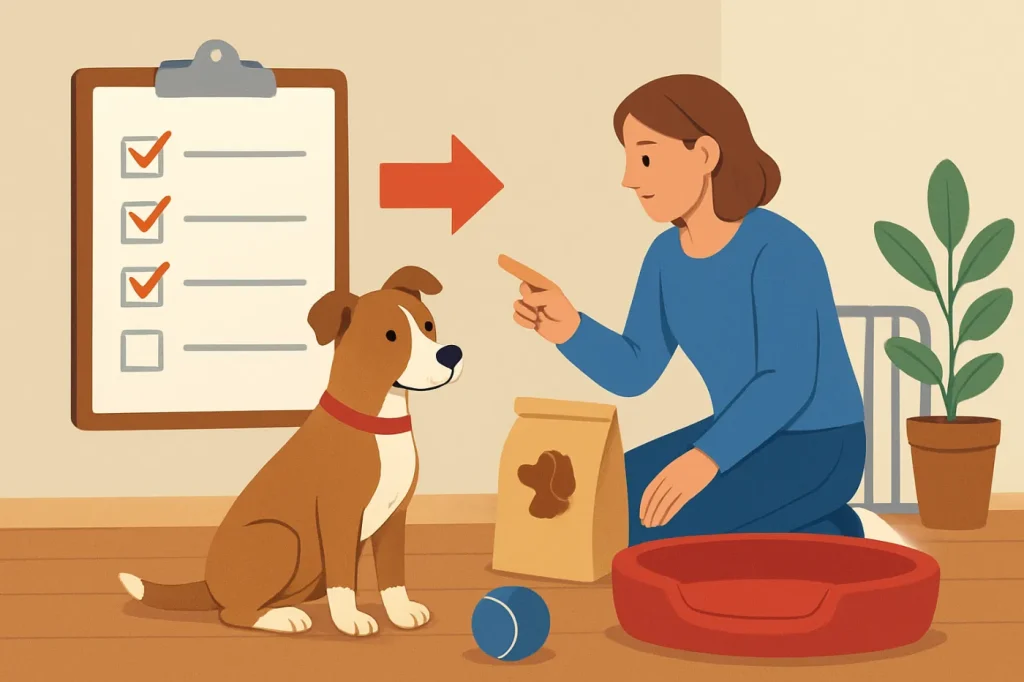
Preparing properly before you adopt a rescue dog makes the first days calmer for both of you. You do not need to be perfect, but you do need a plan, a safe home setup, and a realistic budget.
Here is the practical overview of how to prepare to adopt a rescue dog from a U.S. shelter or rescue:
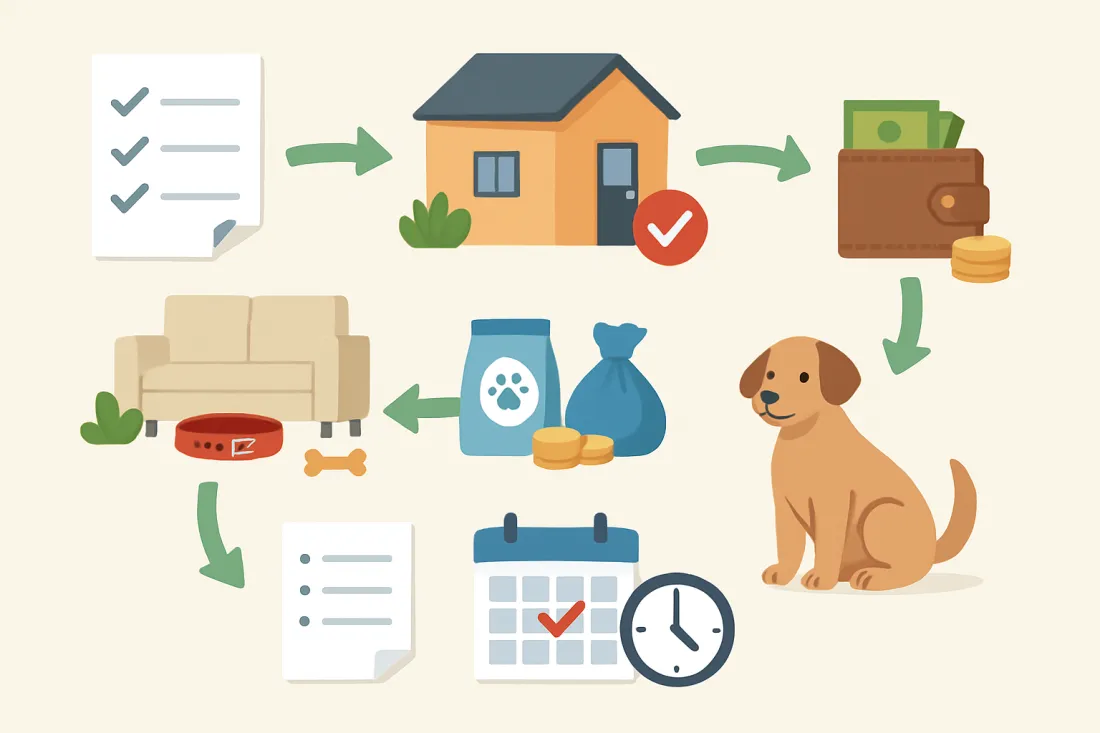
- Check if your lifestyle, housing, and finances are ready for a dog for the long term.
- Dog‑proof your home and yard so the dog cannot escape or get hurt.
- Buy only the essential supplies first; add extras later once you know the dog better.
- Plan your monthly and emergency budget for food, vet care, and pet care help.
- Prepare a list of questions to ask the shelter or rescue before you sign anything.
- Block off time for the first 48 hours so you can focus on helping your dog settle in.
- Use the 3‑3‑3 rule mindset: 3 days to decompress, 3 weeks to learn routine, 3 months to truly settle.
this guide walk through each step with checklists, examples, and common mistakes to avoid.
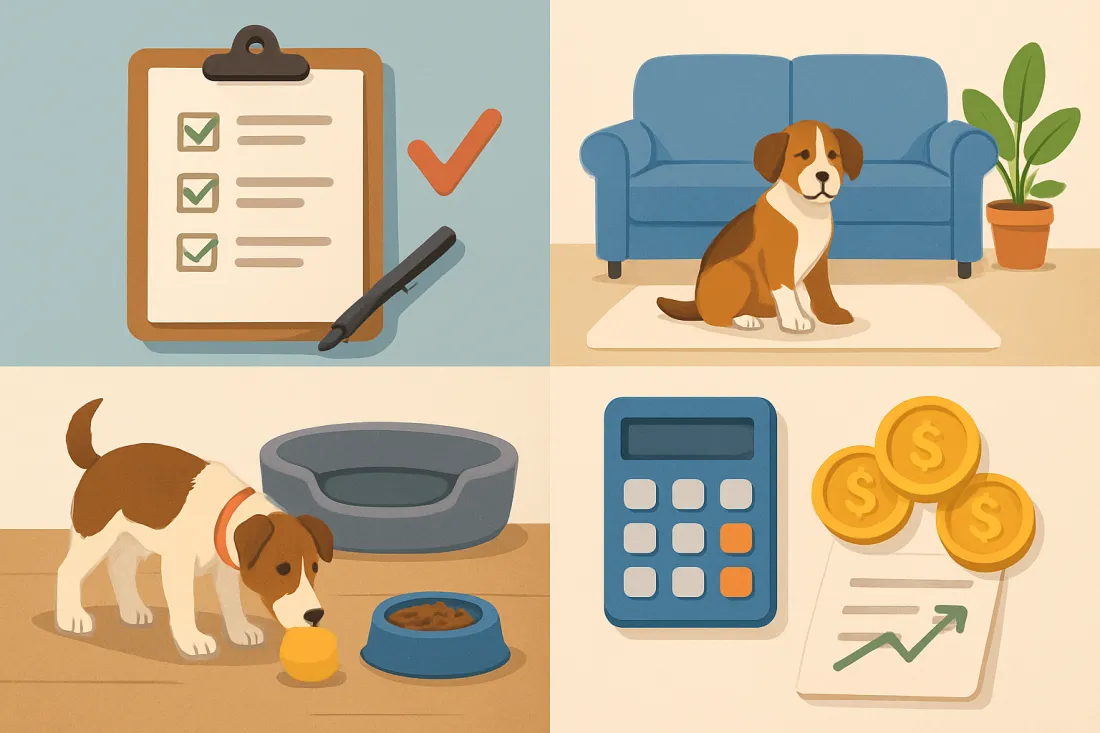
Check your real readiness before adopting a rescue dog
Before you fall in love with a photo, check whether a rescue dog actually fits your life right now. This is about long‑term responsible pet ownership, not just the first cute week.
Quick self‑assessment checklist
Use this as a reality check. If you answer “no” or “not sure” to several items, pause and reassess before adopting.
- Time
- Can you give a dog several short walks and potty breaks every day, including weekends and holidays?
- Can someone check on the dog if you are away from home for more than about a typical workday?
- Are you willing to spend time on training and mental enrichment, not just feeding and quick walks?
- Housing
- Does your lease or HOA allow dogs, and are there any breed, size, or number limits?
- Is there a safe place for potty breaks (yard, nearby green space, or dog‑friendly area)?
- Are you okay with dog hair, muddy paws, and some wear and tear on your home?
- Finances
- Can you afford adoption fees, basic supplies, and routine vet care?
- Can you handle surprise vet bills by saving, insurance, or a backup plan?
- Lifestyle
- Are you planning big life changes soon (moving, new baby, long travel, job change)?
- Do you have support (family, friends, pet sitters) if you get sick or travel?
- Are you ready to adjust your social life and schedule around a dog’s needs?
- Emotional readiness
- Are you prepared for accidents, barking, or behavior issues without giving up?
- Can you commit to patient, consistent training instead of punishment?
If you want a deeper gut‑check, you can use tools like an am I ready to adopt a dog quiz to think through your situation more honestly.
Decide what kind of rescue dog actually fits your life
“Rescue dog” can mean a tiny senior lap dog, a high‑energy herding mix, or a shy dog recovering from a rough past. Matching the dog to your reality is more important than choosing by looks.
Key decision criteria
- Energy level: High‑energy dogs need more exercise and mental work; low‑energy dogs may be easier for busy or less active owners.
- Size: Larger dogs usually cost more to feed and may be restricted by landlords; small dogs are easier to transport but can be fragile.
- Age: Puppies need intense training and supervision; adult and senior dogs may be calmer but can have health needs.
- Experience level: First‑time owners usually do better with stable, people‑friendly dogs rather than very fearful or reactive dogs.
- Household: Kids, other pets, and elderly family members all affect what temperament is safe and realistic.
Comparison table: which rescue dog fits which lifestyle
| Dog type | Best for | Challenges | What to double‑check with the rescue |
|---|---|---|---|
| Young, high‑energy adult (about 1–3 years) | Active people who enjoy long walks, runs, or hikes; homes that like training games | Can be mouthy, jumpy, or destructive without enough exercise and structure | How they behave on leash, around other dogs, and when left alone; any history of escaping |
| Calmer adult (roughly 3–7 years) | First‑time owners, families, people with regular but not extreme activity levels | May come with learned habits (pulling on leash, begging, mild anxiety) | House‑training status, how they handle visitors, grooming needs, any known fears |
| Senior dog (often 7+ years) | People who want a companion for shorter walks and lots of couch time | Higher chance of medical needs and shorter remaining lifespan | Current health issues, medications, mobility, and what follow‑up vet care is recommended |
| Shy or fearful dog | Patient, experienced owners in calm homes without young kids | May take months to trust; can be flight risks or shut down under stress | What situations scare them, how they react when scared, what progress they have made in foster |
| Confident, social dog | Busy households, people who host guests, or want a dog‑friendly social life | May be over‑excited, jump on people, or struggle to settle without training | How they behave at events, around kids, and with other animals; any resource guarding |
Being honest about your energy, schedule, and experience will help you and the rescue choose a dog that can actually thrive with you.
Make your home and yard safe for a rescue dog
Many rescue dogs are stressed and curious on arrival. They may chew, bolt through doors, or explore every corner. A home safety checklist reduces the risk of accidents or escapes.
Home safety checklist
Walk through each room and your yard with this list before adoption day.
- Doors and exits
- Install baby gates if you need to block stairs or certain rooms.
- Check that doors and screens latch securely; repair any that do not close properly.
- Plan a “double door” routine when entering and exiting so the dog cannot bolt straight outside.
- Hazardous items
- Move medications, cleaning products, and chemicals to high cabinets or locked storage.
- Secure trash cans with lids or place them behind a closed door.
- Keep small objects (batteries, kids’ toys, hair ties) out of reach to prevent choking.
- Electrical and breakables
- Use cord covers or tuck wires behind furniture to reduce chewing risk.
- Move fragile decor from low tables and shelves where a wagging tail could knock them off.
- Food and plants
- Store human food in cabinets or the fridge; do not leave food on counters.
- Check whether any houseplants are toxic to dogs and relocate or remove them if needed.
- Yard and outdoor areas
- Inspect fences for gaps, loose boards, or low spots where a dog could squeeze under.
- Secure gates with latches; consider adding a lock if people come and go often.
- Remove or fence off hazards like open pools, sharp tools, or lawn products that could be harmful if licked or eaten.
- Safe space
- Choose a quiet corner for the dog’s bed or crate, away from heavy foot traffic.
- Decide where food and water bowls will stay so the dog has a predictable spot.
If you live in an apartment and expect house‑training challenges, it can help to read focused guidance such as house training a rescue dog in an apartment before adoption day.
Rescue dog supplies: what to buy now and what can wait
You do not need to buy every cute accessory before your dog comes home. Focus on essentials first, then add extras once you know your dog’s size, preferences, and behavior.
Priority shopping list (buy before adoption day)
- Crate or exercise pen sized so the dog can stand up, turn around, and lie down comfortably.
- Bed or crate mat that fits inside the crate or designated sleep area.
- Food and water bowls, preferably non‑tip and easy to clean.
- Leash (standard 4–6 ft, not a retractable for the first weeks).
- Collar and/or harness with secure buckles; plan to adjust once you know exact size.
- ID tag with your phone number; update microchip details as soon as possible.
- Dog food that matches what the shelter or foster is currently feeding, or transition slowly if changing.
- Basic treats for training and building positive associations.
- Poop bags and a small holder for walks.
- Two or three safe chew toys (for example, rubber chews or sturdy plush toys).
- Enzyme cleaner for accidents on carpets or soft surfaces.
Nice‑to‑have items (can buy after the first week)
- Grooming tools suited to your dog’s coat (brush, comb, nail clippers or grinder).
- Slow‑feeder bowl or puzzle toys if your dog eats too fast or needs more mental work.
- Baby gates for extra room management if needed.
- Car restraint (seat belt harness or secured crate) if you travel often with your dog.
- Weather‑appropriate gear like a coat or booties if you live in extreme climates.
Common buying mistakes
- Buying a crate that is far too big or too small; oversized crates can slow house‑training, while tiny crates are uncomfortable.
- Starting with a retractable leash, which can be hard to control with a nervous or untrained dog.
- Spending a lot on fancy beds or toys before you know whether your dog is a heavy chewer.
- Switching food abruptly, which can cause stomach upset; plan a gradual transition instead.
Plan a realistic adoption budget
Adopting a dog is usually less expensive than buying from a breeder, but the ongoing costs are similar. You do not need exact numbers in advance, but you do need a clear picture of the categories you will pay for.
One‑time or first‑month costs to expect
- Adoption fee (varies by shelter or rescue and sometimes by age or size of the dog).
- Initial supplies (crate, bed, bowls, leash, collar, toys, cleaning products).
- First vet visit with a local veterinarian to review vaccines, microchip, and general health.
- Spay/neuter if not already done, or follow‑up care if surgery was recent.
- Training support if you choose a group class or private trainer.
To estimate these, check current prices in your area or ask the rescue what typical adopters spend in the first month.
Ongoing monthly and yearly costs
- Food, which depends on dog size and diet type.
- Routine vet care such as wellness exams, vaccines recommended by your vet, and parasite prevention.
- Grooming if your dog needs professional grooming (for example, long or curly coats).
- Pet sitting, boarding, or dog walking if you travel or work long hours.
- Replacement supplies like toys, chews, and leashes as they wear out.
Because surprise vet bills can be stressful, many owners either set aside savings for emergencies or look into pet insurance options. Before committing, compare what is covered and ask your vet what level of coverage makes sense for your dog’s age and health.
Questions to ask the shelter or rescue before you adopt
Good rescues want a strong match and will welcome thoughtful questions. Use this list as a starting point and add anything specific to your situation.
Background and behavior
- What do you know about this dog’s history (stray, owner surrender, previous homes)?
- How does the dog behave around strangers, kids, and other dogs? Any issues with cats or small animals?
- Has the dog shown any aggression, resource guarding, or bite incidents? What were the circumstances?
- How does the dog handle being left alone? Any signs of separation anxiety or destructive behavior?
- Is the dog house‑trained or crate‑trained? How many accidents do they typically have now?
- How does the dog walk on leash? Any reactivity to people, bikes, or other dogs?
Health and care
- What vaccinations has the dog received, and when were they last updated?
- Is the dog spayed or neutered? If not, what is the plan and timing?
- Is the dog microchipped, and how do I transfer the registration to my name?
- Are there any known medical conditions, allergies, or medications?
- What food is the dog currently eating, and how much per day?
Training and daily routine
- What commands does the dog know (sit, stay, come, etc.)?
- What is the dog’s current daily schedule for meals, walks, and sleep?
- What kind of exercise does the dog need to stay calm and happy?
- Has the dog lived in a home environment or only in a shelter setting?
Adoption support and policies
- What support do you offer after adoption (advice, training resources, trial period)?
- What is your policy if the adoption truly does not work out?
- Are there any requirements or restrictions I should know about (fence, no small kids, etc.)?
Red flags to watch for when adopting
Every dog has quirks, and no rescue is perfect, but be cautious if you notice:
- Very little information about the dog’s behavior, even if they have been in care for a while.
- Staff or volunteers avoiding your questions about aggression, bites, or serious health issues.
- Pressure to adopt quickly without time to think, meet the dog properly, or introduce existing pets.
- No clear adoption contract or explanation of what is included (vaccines, spay/neuter, microchip).
If something feels off, it is okay to slow down, ask for more information, or consider a different dog or organization.
Plan the first 48 hours with your rescue dog
The first two days set the tone. Your main goals are safety, calm, and predictable routines, not instant bonding or big adventures.
Where should a rescue dog sleep the first night?
Most dogs feel safer if they can sleep near you but in their own secure spot. Common options:
- A crate next to your bed, with a soft bed and a blanket over part of the crate to make it cozy.
- A dog bed in your bedroom or just outside your door if the dog is not used to crates.
- For very anxious dogs, a crate or bed in a quiet room where you can still check on them frequently.
Whichever you choose, be consistent for at least the first several nights so the dog learns where “bedtime” happens.
First 48‑hour plan
Use this simple structure for day 1 and day 2:
- Arrival
- Take the dog straight to the designated potty area before going inside.
- Keep greetings calm and low‑key; avoid loud voices and crowding around the dog.
- Walk the dog on leash through the main areas of your home so they can sniff and explore slowly.
- Introduce the safe space
- Show the dog their crate or bed and place a few treats there.
- Let them go in and out freely; do not force them to stay inside at first.
- Food and water
- Offer water right away and a small meal later, using the same food the rescue used.
- Keep mealtimes calm and in the same spot each time.
- Short, gentle walks
- Do several short potty walks instead of one long, overwhelming outing.
- Stick close to home so the dog can learn the immediate area.
- Quiet time
- Limit visitors and avoid taking the dog to busy places, dog parks, or pet stores in the first 48 hours.
- Let the dog rest; stress and new environments are exhausting.
- Start a simple routine
- Feed at the same times each day.
- Use the same door for potty breaks and the same cue words (“outside,” “potty”).
- Begin basic manners like sitting before going out or before meals.
For a more detailed longer‑term plan, you can later follow a structured first 30 days with a rescue dog routine once the first couple of days go smoothly.
Use the 3‑3‑3 rule as a mindset for settling in
The “3‑3‑3 rule” is a helpful way to remember that adjustment takes time:
- First 3 days: Many dogs feel overwhelmed, shut down, or extra hyper. They may sleep a lot, pace, pant, or have accidents.
- First 3 weeks: The dog starts to learn your routine and show more of their real personality, including some behavior challenges.
- First 3 months: With consistent structure and kindness, most dogs feel much more secure and bonded.
This is not a strict schedule, but it reminds you to be patient and not panic if the first days are bumpy.
Common mistakes when preparing for a rescue dog
Avoiding a few typical errors can make your adoption smoother.
- Choosing by looks alone: A cute photo does not show energy level, anxiety, or compatibility with your home.
- Underestimating time and training: Even “easy” dogs need structure, boundaries, and practice to learn your rules.
- Overwhelming the dog with activity: Big welcome parties, dog park trips, or long outings in the first week can increase stress.
- Inconsistent rules: Letting the dog on the couch one day and scolding them the next is confusing; decide house rules in advance.
- Skipping the vet check: Even if the rescue has done basic vetting, a visit with your own vet soon after adoption helps catch issues early.
- Ignoring your own doubts: If your schedule, budget, or housing is shaky, it is better to wait than to adopt before you are ready.
Printable‑style pre‑adoption checklist
Use this condensed checklist as your final pre‑adoption run‑through. You can copy it into your notes app or print it and tick items off.
- Readiness
- I have checked my lease/HOA and confirmed dogs are allowed.
- I have thought through my schedule for walks, feeding, and training.
- I have a basic plan for covering routine and emergency vet costs.
- Dog match
- I know what energy level and size fit my lifestyle.
- I have discussed any kids, other pets, or special needs in my home with the rescue.
- Home setup
- Hazardous items, cords, and trash are secured or moved.
- Fences, doors, and gates are checked and close securely.
- I have chosen a quiet spot for the dog’s bed or crate.
- I know where food and water bowls will stay.
- Supplies ready
- Crate or pen and bed/mat.
- Food and water bowls.
- Leash, collar/harness, and ID tag.
- Dog food that matches or transitions from the rescue’s food.
- Poop bags, a few toys, and an enzyme cleaner.
- Information from the rescue
- I know the dog’s current routine (meals, walks, sleep).
- I have vaccination, microchip, and medical information.
- I understand any behavior concerns and what has helped so far.
- I have a copy of the adoption contract and contact info for post‑adoption support.
- First 48 hours
- I have cleared my schedule as much as possible.
- I have planned calm, short walks and no big social events.
- I know where the dog will sleep the first night.
- I am prepared to follow a simple, consistent routine.
FAQ about preparing to adopt a rescue dog
What is the 3‑3‑3 rule for adopting a rescue dog?
The 3‑3‑3 rule is a guideline that reminds you adjustment takes time. In the first 3 days, many dogs feel overwhelmed and may act shut down or extra hyper. Over the first 3 weeks, they start to learn your routine and show more of their real personality, including some behavior challenges. By around 3 months, with consistent structure and kindness, most dogs feel much more secure and bonded. It is not a strict timeline, but it helps you stay patient and avoid rushing the process.
What is usually the hardest part of adopting a rescue dog?
For many new owners, the hardest part is the first few weeks when the early “honeymoon period” ends and real behavior issues show up. A dog that seemed calm in the shelter may start testing boundaries, having accidents, or reacting to noises or visitors once they feel safer. This can be discouraging if you expected instant perfection. Planning ahead for training, sticking to a routine, and reminding yourself of the 3‑3‑3 rule can make this phase easier to handle.
Where should an adopted dog sleep on the first night?
Most rescue dogs settle best when they sleep near you but in their own safe spot. A common setup is a crate or dog bed in your bedroom so the dog can hear and smell you without sharing the bed right away. This helps reduce anxiety and lets you notice if they need a late‑night potty break. Whatever you choose, keep it consistent for at least several nights so the dog learns that this is their sleeping place.
What are red flags when adopting a dog from a shelter or rescue?
Be cautious if the organization cannot or will not answer basic questions about the dog’s behavior and health, especially around aggression or serious medical issues. Other red flags include pressure to adopt immediately without time to think, no clear adoption contract, or very limited information about a dog that has been in their care for a while. A responsible group will be honest about challenges and help you decide if the dog is a good fit for your home.
How can I prepare kids for a new rescue dog?
Before adoption day, explain that the dog may be scared and needs gentle, quiet behavior. Set clear rules such as no hugging, no grabbing toys or food from the dog, and letting the dog come to them instead of chasing. Show kids how to pet the dog softly on the chest or side, and supervise all early interactions. Involve them in simple tasks like helping fill the water bowl or placing treats in the dog’s bed so they can build a positive relationship without overwhelming the dog.