
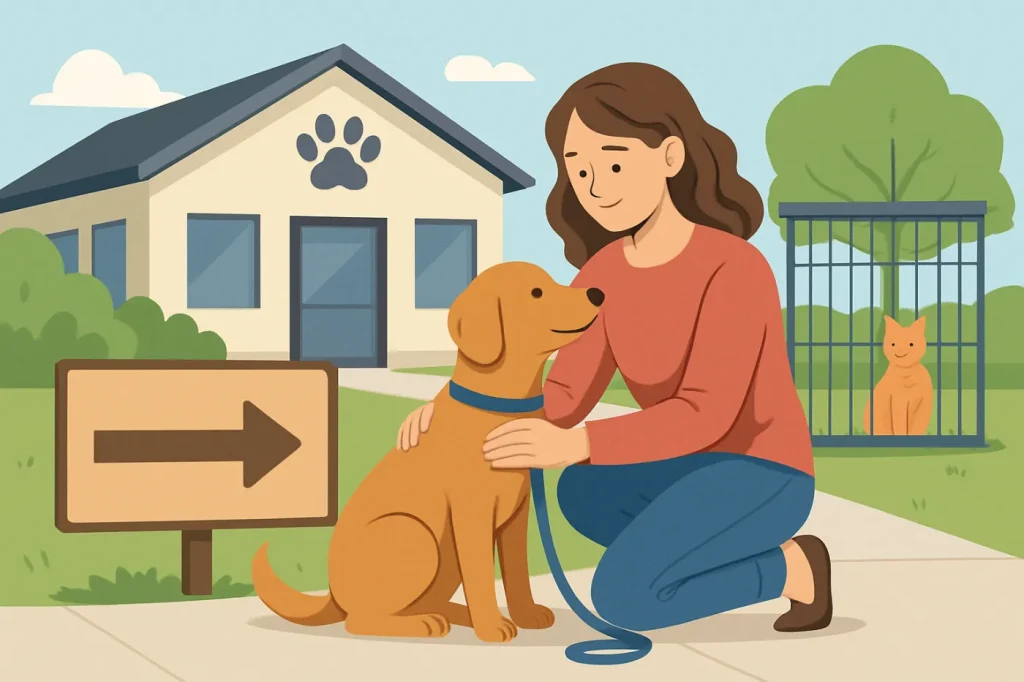
If you are searching “where to adopt a pet near me” in the United States, the safest, most responsible places are usually:
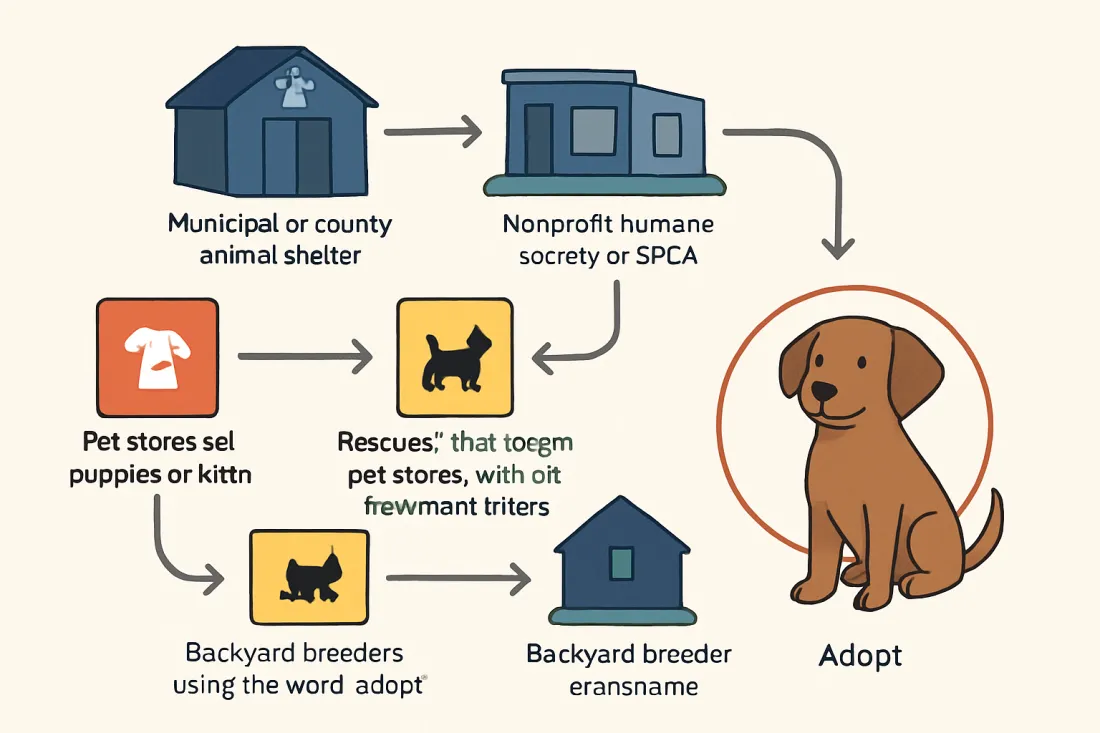
- Municipal or county animal shelters
- Nonprofit humane societies and SPCAs
- Reputable foster-based rescue groups
- Occasionally, supervised rehoming from a current owner through a shelter or rescue
The places to treat with caution are:
- Pet stores selling puppies or kittens from unknown sources
- “Rescues” that feel like pet stores, with constant litters and little screening
- Backyard breeders using the word “adopt” in ads but offering no transparency
Below is a practical guide to understanding your options, checking whether an organization is reputable, and avoiding common mistakes before you bring a dog or cat home.
Main Types of Pet Adoption Options in the U.S. and How They Differ
Most people searching “where to adopt a pet near me” will run into the same broad types of organizations. Knowing how they work helps you choose the safest and most ethical option for your situation.
1. Municipal or County Animal Shelters
These are government-run facilities funded by local taxes and sometimes donations. They usually take in stray, lost, or surrendered animals from a specific city or county.
Typical traits:
- Often open-intake: they must accept most animals brought to them
- Can be crowded, with a wide range of breeds, ages, and behavior histories
- Staffed by a mix of employees and volunteers
Pros:
- You are directly helping animals in your local community
- Adoption fees are often lower than private rescues
- Many pets are already spayed/neutered, vaccinated, and microchipped
- Good choice if you are open-minded about breed and age
Cons:
- Less detailed background information on many animals
- Busy environment can be stressful for pets, making behavior harder to read
- Some shelters have limited space and time, which can affect how long animals stay available
2. Humane Societies and SPCAs
Humane societies and SPCAs (Societies for the Prevention of Cruelty to Animals) are usually independent nonprofits. Some operate shelters; others run foster networks, spay/neuter programs, and cruelty investigations.
Typical traits:
- Mission-driven focus on animal welfare and community education
- Often have structured behavior and medical screening
- May have both dogs and cats, plus small animals
Pros:
- Often provide counseling to help match you with the right pet
- Clear adoption policies and contracts
- Post-adoption support, training resources, or behavior helplines
Cons:
- Adoption fees can be higher than municipal shelters (to help cover care)
- More structured application process; not always same-day adoptions
- Popular dogs or cats may have waiting lists
3. Foster-Based Rescue Groups
These are nonprofit organizations that place animals in volunteer foster homes instead of a central shelter building. Many focus on specific breeds, sizes, or special needs.
Typical traits:
- Animals live in homes, so you get real-world behavior information
- Volunteers often know the pet’s habits, likes, and dislikes in detail
- May pull animals from overcrowded shelters or neglect situations
Pros:
- Foster families can honestly describe how the pet behaves in a home
- Often more flexible about meeting locations and times
- Good option if you want a specific type of dog or cat
Cons:
- Smaller groups can vary widely in professionalism and transparency
- Limited number of animals available at any given time
- Applications can be strict about fencing, work hours, or experience
4. Direct Rehoming From a Current Owner
Sometimes people need to rehome a pet due to life changes. Some shelters and rescues run “courtesy listings” or supervised rehoming programs to keep animals out of the shelter system.
Typical traits:
- Pet stays with the current owner until adopted
- Organization may help with screening and paperwork
- More detailed history from someone who has lived with the pet
Pros:
- Pet avoids the stress of entering a shelter
- You can ask the current owner about day-to-day behavior
- Sometimes faster if you and the owner are a good match
Cons:
- Less standardized screening if not overseen by a reputable group
- Medical records and vaccinations may be incomplete
- Risk of informal “rehoming fees” that feel like sales rather than adoption
Comparison Table: Which Adoption Option Fits You Best
| Option | Best for people who | What you usually get | Key risks or trade-offs |
|---|---|---|---|
| Municipal / county shelter | Are flexible on breed/age and want to help local strays | Lower fees, many mixed-breed dogs and adult cats, basic vetting | Less history on animals, busy environment, may feel rushed to choose |
| Humane society / SPCA | Want guidance, clear policies, and education support | Structured counseling, behavior notes, post-adoption resources | More paperwork, higher fees, popular pets adopted quickly |
| Foster-based rescue | Prefer pets tested in a home and sometimes specific breeds | Detailed behavior info, foster feedback, often strong vetting | Quality varies by group, stricter applications, fewer animals |
| Supervised owner rehoming | Want full history from current owner and to avoid shelter stress | Direct insight into routines, likes, and challenges | Inconsistent vet care, risk of informal sales if not overseen |
How to Search Online for Reputable Shelters and Rescues Near You
Most people start with a search engine or social media. To keep that search safe and focused on ethical options, use a few simple filters.
Step 1: Use Specific Search Phrases
Instead of only typing “where to adopt a pet near me,” try combinations like:
- “animal shelter [your city or county]”
- “humane society near [your ZIP code]”
- “dog rescue [your state]” or “cat rescue [your state]”
- “SPCA [your region]”
Then cross-check results with:
- Local government websites listing municipal shelters
- Nonprofit directories that list registered charities
- National adoption listing platforms that aggregate shelter and rescue pets
These broader directories are not guarantees of quality, but they help you avoid purely commercial pet sales sites.
Step 2: Check the Organization’s Website or Social Profiles
Before you fall in love with a photo, look for signs that the group is structured and transparent:
- Clear mission statement: They explain their goals and who they serve.
- Adoption process page: You can see how to apply, what they screen for, and what fees cover.
- Contact details: A physical address (or service area), email, and phone number.
- Board or leadership info: Many nonprofits list board members or staff.
- Recent activity: Updated posts, events, or adoptable pets within the last few weeks.
Step 3: Look for Nonprofit and Community Signals
Many ethical rescues and shelters in the U.S. are registered nonprofits. You can:
- Look for a nonprofit status mention on their site (for example, that they are a charitable organization)
- Search the organization’s name plus words like “reviews,” “complaints,” or “scam”
- Check local community groups or vet clinics for feedback on the organization
Nonprofit status alone does not guarantee good practices, but it is one piece of the puzzle.
Step 4: Narrow Down by Fit, Not Just by Cute Photos
Once you have a short list of reputable organizations, think about what kind of pet fits your life. If you are still unsure, tools like a should I adopt a dog or cat quiz or an am I ready to adopt a dog quiz can help you clarify your expectations before you visit.
Structured Checklist: How to Evaluate an Adoption Organization
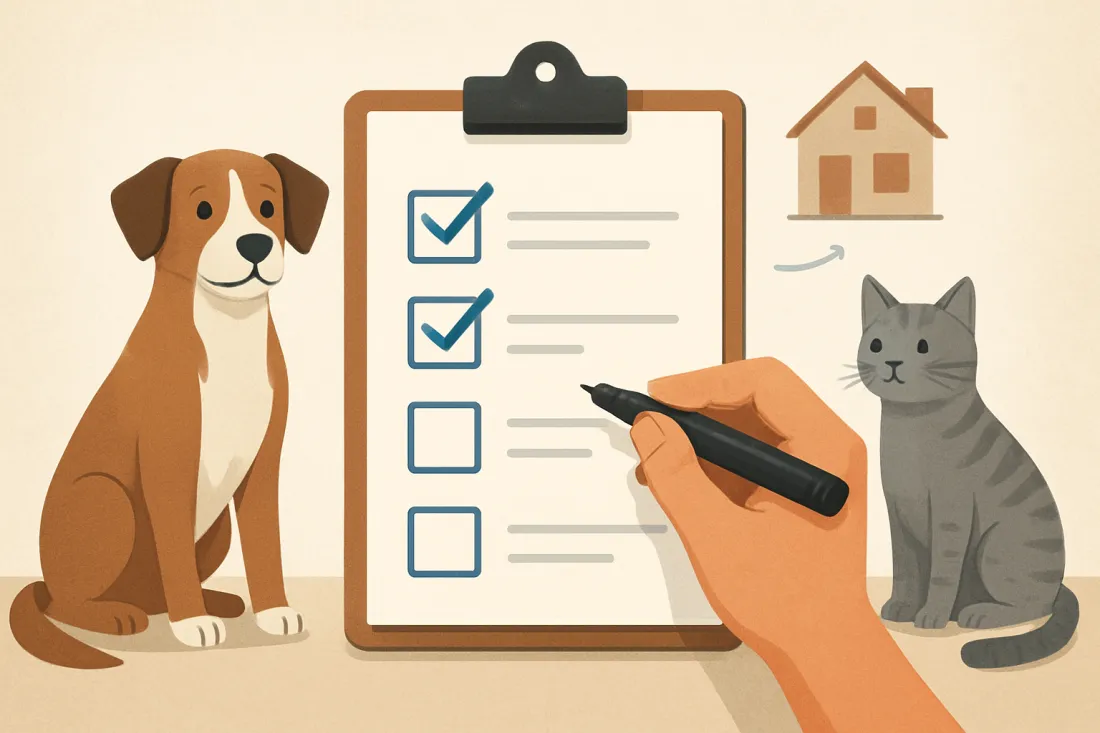
Use this checklist before you commit to adopting from any shelter, humane society, or rescue. You do not need every box checked, but the more “yes” answers you have, the safer the choice usually is.
- Transparency
- They clearly state where their animals come from (local strays, owner surrenders, transfers from other shelters).
- They are open about medical or behavior issues and do not downplay serious concerns.
- They allow you to see or meet the animals in a reasonable way (in person or via foster meet-and-greet).
- Professionalism
- They have a written adoption process and application.
- They use an adoption contract that outlines your responsibilities.
- They provide a receipt or documentation for any fees.
- Animal Care Standards
- Animals appear clean, with access to water and appropriate shelter.
- Dogs and cats are not overcrowded in small cages or crates for long periods.
- They can explain their vaccination, spay/neuter, and parasite control practices.
- Behavior and Matching
- They ask you questions about your lifestyle, schedule, and experience.
- They are willing to say “this pet is not a good match” if needed.
- They provide behavior notes or foster feedback, not just a cute description.
- Post-Adoption Support
- They offer guidance if you run into behavior or adjustment issues.
- They have a clear return policy if the adoption truly does not work out.
- They may provide or recommend training and education resources.
- Reputation
- Local vets, trainers, or community members recognize the organization.
- Online reviews mention good communication and honest information.
- There are no consistent reports of sick animals, hidden fees, or aggressive sales tactics.
Questions to Ask a Shelter or Rescue Before You Adopt
Even at a reputable organization, you need to ask direct questions. This protects both you and the animal.
Questions About the Organization
- How do you get most of your animals (strays, owner surrenders, transfers, cruelty cases)?
- What does your adoption fee include (spay/neuter, vaccinations, microchip, testing)?
- What is your return policy if the adoption does not work out?
- Do you offer any post-adoption support or training resources?
Questions About a Specific Dog or Cat
- What do you know about this pet’s history?
- Has this pet lived with children, other dogs, or cats before?
- Have you noticed any fear, aggression, or anxiety triggers?
- What is this pet’s energy level like day-to-day?
- What medical care has this pet received while with you?
- Are there any ongoing medical or behavior issues I should plan for?
Questions About Expectations and Support
- How long should I expect the adjustment period to be?
- What are common challenges adopters face with pets from your organization?
- Do you have recommended trainers, behaviorists, or vets in the area?
Warning Signs of Irresponsible Rescues or Backyard Breeders
Not every place advertising “adopt a pet near me” is acting in the animal’s best interest. Watch for these red flags.
Red Flags in “Rescues” or Shelters
- Constant supply of puppies or designer mixes with no clear explanation of where they come from.
- No spay/neuter requirement and no plan to prevent more litters.
- Pressure tactics such as “this dog has to leave today” or “someone else is here with cash.”
- No application or screening; they will hand over an animal to anyone who pays.
- Refusal to answer questions about medical care, behavior, or origins.
- Dirty, overcrowded conditions with strong odors and obviously stressed animals.
- Unwillingness to let you see where animals are housed without a good reason.
Red Flags in Backyard Breeders Disguised as “Adoption”
- They advertise “adoption” but always have multiple litters available.
- They will meet only in parking lots or public places and will not show you the home environment.
- They cannot or will not show vet records for the parents or the puppies/kittens.
- They use phrases like “rare color” or “teacup” as selling points rather than focusing on health and temperament.
- They discourage questions and focus mainly on payment and deposits.
If you see several of these signs, it is safer to walk away and continue your search with a different organization.
What Paperwork to Expect When You Adopt
Responsible shelters and rescues in the U.S. use paperwork to protect both you and the animal. While details vary, you can usually expect several key documents.
1. Adoption Application
Completed before approval. It may ask about:
- Your housing situation (renting vs. owning, type of home)
- Household members and other pets
- Work schedule and how long the pet will be alone
- Past pet experience and how you handle training or behavior issues
A thoughtful application is a good sign; it means they care about long-term matches.
2. Adoption Contract
Signed when you take the pet home. It often includes:
- Agreement to provide food, shelter, and veterinary care
- Agreement to keep the pet as an indoor companion (especially for cats and small dogs)
- Requirement to return the pet to the organization if you cannot keep them
- Rules about not selling, giving away, or breeding the pet
- Permission for the organization to check in after adoption
3. Medical Records
You should receive copies or summaries of:
- Vaccinations given and any due dates for boosters
- Spay/neuter status and surgery records, or a voucher if surgery is scheduled later
- Test results for common diseases (for example, heartworm tests in dogs, or viral tests in cats when available)
- Any medications the pet is currently taking and dosing instructions
4. Identification and Microchip Information
Many organizations:
- Provide a collar and ID tag with the pet’s new name and your contact details
- Implant a microchip and give you the chip number and registration instructions
Make sure you update the microchip registration with your current contact information as soon as possible.
Common Mistakes When Choosing Where to Adopt
Even well-intentioned adopters can run into problems. Avoid these frequent missteps.
1. Choosing Only by Appearance
Falling in love with a photo is normal, but it can lead to mismatches. A high-energy herding dog may look adorable but be miserable in a low-activity apartment home. Always ask about temperament, energy level, and daily needs.
2. Ignoring Red Flags Because You Feel Sorry for the Animal
Wanting to “rescue” a dog or cat from a bad situation is understandable, but paying irresponsible sellers can keep the cycle going. It is often more ethical to support organizations that prevent suffering long-term, even if that means walking away from a heartbreaking situation.
3. Skipping Questions About Medical and Behavior History
Some adopters are afraid that asking tough questions will make them seem picky. In reality, responsible organizations appreciate honest conversations. Knowing about anxiety, reactivity, or chronic medical issues ahead of time helps you prepare and reduces the chance of a return.
4. Underestimating Time and Lifestyle Changes
Adopting a pet affects your daily routine, travel plans, and budget. Before you even search “where to adopt a pet near me,” it is worth doing a self-check on your readiness. If you are focused on dogs, an am I ready to adopt a dog quiz can highlight blind spots around time, training, and long-term commitment.
5. Not Planning for Local Rules and Safety
Responsible pet ownership includes following local rules, such as leash requirements and licensing. After adoption, learn about US leash laws and responsible dog walking in your area so you can keep your new dog safe and avoid fines or conflicts.
Practical Next Steps After Reading
To move from searching “where to adopt a pet near me” to bringing home the right dog or cat, follow this simple process:
- Clarify your ideal pet profile. Decide on age range, size, energy level, and whether the pet must be good with kids or other animals.
- Make a list of 3–5 local organizations. Include at least one municipal shelter, one humane society or SPCA, and one reputable rescue.
- Run each organization through the evaluation checklist. Cross off any with serious red flags.
- Contact your top choices. Ask your prepared questions about their process and specific pets.
- Schedule visits or meet-and-greets. Take notes on each pet’s behavior and how staff or volunteers communicate with you.
- Review paperwork before signing. Make sure you understand the contract, fees, and medical records.
- Prepare your home. Set up a safe space, supplies, and a plan for the first week before the pet arrives.
Taking these steps may add a little time to your search, but they increase the chances that your new pet will be a safe, happy, and long-term family member.
FAQ: Responsible Places to Adopt a Pet Near You
What should I understand first about where to adopt a pet near me?
The key point is that not all “adoption” sources are equal. Municipal shelters, humane societies, and reputable rescues focus on animal welfare and long-term matches, even if their processes feel slower or more detailed. Pet stores and backyard breeders may use the word “adopt” but often treat animals as products. If an organization is transparent, asks you questions, and provides clear paperwork and medical records, you are usually in safer territory.
What mistakes should I avoid when choosing a place to adopt a dog or cat?
Avoid choosing a pet solely based on looks, ignoring red flags about the organization, and rushing into adoption because you feel pressured or emotional. Do not skip questions about medical or behavior history, and do not assume that a low fee or easy approval is always a good sign. It is better to walk away from a questionable situation and adopt from a group that is honest about both the joys and challenges of pet ownership.
What should I do next after I find a few local shelters or rescues?
Once you have a short list, review each group’s website, check their reputation, and contact them with specific questions about their process and available pets. Visit in person or arrange foster meet-and-greets, then compare how each organization communicates and how comfortable you feel with their transparency and policies. When you choose one, read the adoption contract carefully, confirm what medical care has been done, and prepare your home so your new pet can settle in calmly from day one.
How can I tell if a rescue near me is reputable or just flipping dogs for profit?
A reputable rescue is usually transparent about where animals come from, has a written adoption process, and is willing to turn people down if a match is not right. They require spay/neuter, provide medical records, and use an adoption contract instead of a simple cash exchange. Groups that always have litters, avoid questions, and focus on fast payment are more likely to be treating pets as inventory rather than family members.
Is it better to adopt from a shelter or rehome a pet from a current owner?
Both can be responsible options, and the best choice depends on your comfort level and the support you want. Shelters and rescues usually provide more structure, vetting, and backup if problems arise. Direct rehoming from a current owner can give you detailed history and keep a pet out of the shelter system, but only if the situation is transparent and, ideally, supported by a reputable organization. If you are comparing these paths, it can help to read more about how to adopt from shelter vs rehome a pet from current owner so you understand the trade-offs.