

Working long hours does not automatically mean you cannot have a dog. It does mean you must be picky about the kind of dog you bring home and honest about what you can give every single day.
Many dogs are surrendered to shelters because their owners underestimated how much time, exercise, and training they needed. Choosing a more easygoing, lower‑maintenance dog can reduce the risk of behavior problems and heartbreak later.
Busy schedule first: what kind of dog actually fits?
If you work full‑time, the best dogs tend to share a few traits:
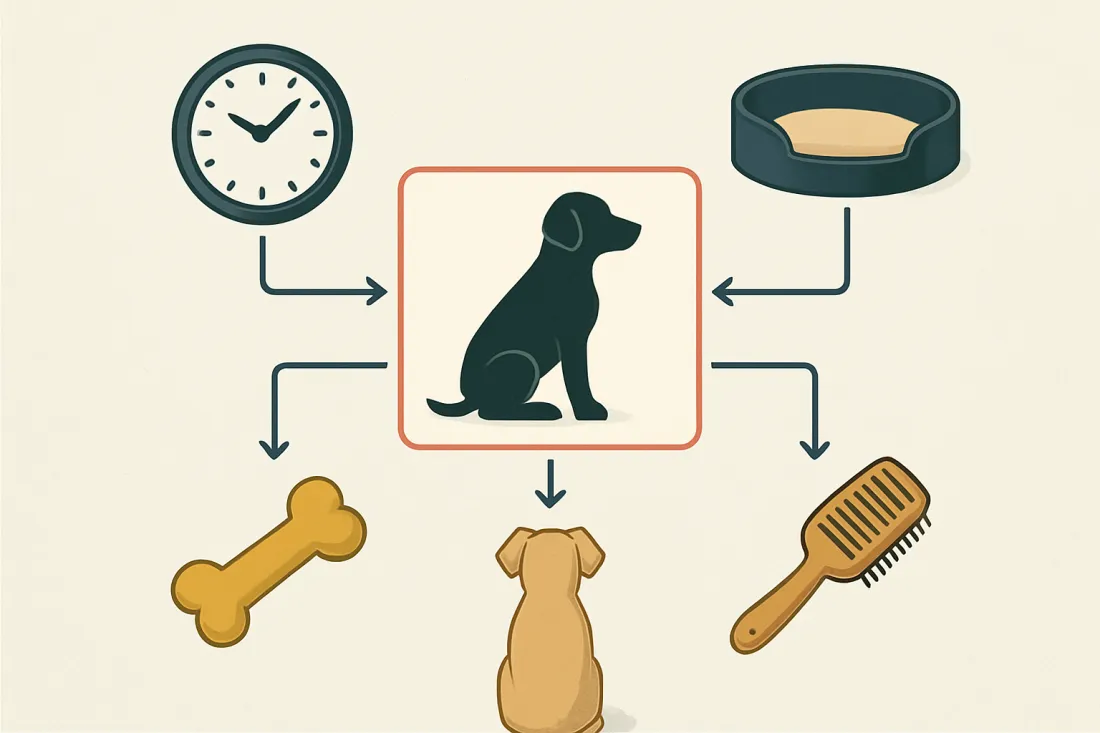
- Moderate to low daily exercise needs – happy with one or two decent walks plus some play, not hours of running.
- Ability to relax alone – more independent, less prone to separation anxiety.
- Simple grooming – or at least predictable, manageable grooming needs.
- Adult or senior age – past the most intense puppy stage.
- Stable, easygoing temperament – not hyper‑reactive or easily bored.
That usually points to individual dogs with the right personality rather than a magic “busy people breed.” Still, some breeds and mixes are more likely to fit a packed workweek than others.
Comparison table: dog types that often suit busy professionals
| Dog type | Typical energy level | Home‑alone tolerance* | Grooming effort | Best for which kind of busy owner |
|---|---|---|---|---|
| Retired racing Greyhound or adult Greyhound mix | Short bursts, then couch potato | Often content with workday alone if exercised | Low – short coat, regular brushing | Apartment or house, likes walks but not hiking marathons |
| Basset Hound / similar scent hound mix | Low to moderate; steady walks, not speed | Usually fine napping for several hours | Moderate – shedding and ear care | Laid‑back households that enjoy slow strolls |
| Cavalier‑type small companion dog (Cavalier mix, similar spaniels) | Moderate; play plus daily walks | Can manage workdays with training and breaks | Moderate – regular brushing, some trimming | People wanting a cuddly lap dog and short outings |
| Adult mixed‑breed “mutt” from shelter, 25–60 lb | Varies; many are moderate | Depends on individual; shelters can match you | Usually low to moderate | Owners open to personality over pedigree |
| Senior small dog (any calm breed mix) | Low; prefers naps and gentle walks | Often very good at relaxing alone | Varies; often predictable by this age | People wanting a quieter companion and shorter commitment |
*No healthy dog should be left completely alone all day, every day, without breaks. More on that below.
Why time mismatch leads to behavior problems and surrender
Most dogs end up back at shelters for behavior reasons that trace back to a simple mismatch: the dog needed more time and structure than the household could give. Common patterns include:
- High‑energy dog + low‑activity owner – leads to destructive chewing, nonstop barking, and frustration on both sides.
- Very social dog + long hours alone – can trigger separation anxiety, house‑soiling, and escape attempts.
- Puppy + no time for training – results in adult dogs that jump, mouth, pull on leash, and ignore cues.
- Heavy‑grooming breed + no grooming budget or time – matting, skin issues, and stress for dog and owner.
Being realistic about your work schedule, commute, and social life is one of the most responsible things you can do before adopting. If you are unsure how daily care might fit around your job, a daily dog care routine for busy owners can help you map out a typical day.
Key criteria for busy‑friendly dogs: what to look for
Instead of chasing a single “best breed,” focus on traits that matter when time is tight.
1. Energy level and exercise needs
Ask yourself how many reliable minutes of exercise you can give on a normal weekday, not your best day.
- Low energy: Content with a couple of short to moderate walks and some play. Good for long workdays.
- Moderate energy: Needs daily walks plus some mental games or training. Works for many 9–5 owners who build it into their routine.
- High energy: Needs long, varied exercise and mental work every day. Often a poor fit for people regularly gone 9–10 hours.
Many sighthounds (like Greyhounds) and some scent hounds (like Basset Hounds) are surprisingly low‑key indoors despite enjoying walks. On the other hand, working and herding breeds often need more than a busy professional can realistically provide.
2. Independence and ability to settle
Some dogs are naturally clingy and distressed when left alone; others are more independent and happy to nap between outings. Look for:
- History of coping alone – foster notes that say the dog does well when the foster is at work.
- Calm behavior in the kennel – not constantly spinning, barking, or panicking when people walk away.
- Age – adult and senior dogs are usually better at settling than puppies and adolescents.
3. Grooming and health maintenance
Grooming can quietly eat hours and money. Consider:
- Coat type: Short coats usually need brushing and bathing but not haircuts. Long or curly coats may need regular professional grooming.
- Ear and skin care: Some floppy‑eared or skin‑fold breeds need frequent cleaning.
- Time and budget: Factor in grooming appointments alongside your work schedule.
4. Size and living situation
Size alone does not determine energy level. A large Greyhound may be calmer than a tiny terrier. Think about:
- Apartment vs. house: Calm, low‑barking dogs are easier in apartments with neighbors.
- Stairs and elevators: Senior or giant dogs may struggle with multiple flights.
- Local rules: If you rent, check any apartment pet rules for dogs before you fall in love with a breed.
5. Age: why puppies are rarely ideal for very busy people
Puppies are wonderful but extremely time‑intensive. In the first months they often need:
- Outings every 2–4 hours to avoid accidents.
- Multiple short training sessions daily.
- Supervision to prevent chewing and unsafe behavior.
If you regularly work 9–12 hour shifts, an adult or senior dog is usually a kinder choice for both of you.
Breed and mixed‑breed categories that often work well
Every dog is an individual, but certain groups tend to produce more laid‑back companions for busy homes. Use these as starting points, then evaluate the specific dog.
1. Greyhounds and similar sighthounds
Retired racing Greyhounds and some sighthound mixes have a reputation as “45‑mph couch potatoes.” They enjoy a good sprint or brisk walk, then are often happy to lounge for hours.
- Pros: Generally calm indoors, short coat, often good in apartments if exercised.
- Watch for: Some have strong prey drive and may not be safe with small pets; they still need daily walks and companionship.
2. Basset Hounds and other laid‑back scent hounds
Basset Hounds and some similar mixes tend to be steady, low‑slung walkers rather than runners.
- Pros: Usually enjoy relaxed walks and lots of napping; friendly and often good with families.
- Watch for: Stubborn streaks, drool, and ear care; some can be vocal if bored.
3. Small companion breeds and mixes
Breeds developed as lap dogs (such as some toy spaniels or similar mixes) often want to be near their people but do not require intense exercise.
- Pros: Fit well in smaller spaces, enjoy short walks and indoor play, easy to transport to dog‑sitters or friends.
- Watch for: Some are prone to separation anxiety if not gradually trained to be alone.
4. Adult mixed‑breed “mutts” from shelters
Many of the best dogs for busy professionals are not purebred at all. Adult mixed‑breed dogs in shelters often have:
- Known energy level: Staff and fosters can tell you how they behave in a home.
- Established personality: You can see whether they are clingy, independent, playful, or mellow.
- Lower adoption fees: Compared with buying a puppy from a breeder.
Tell the shelter honestly about your schedule, and ask them to suggest dogs that have already shown they can cope with a workday alone with proper exercise.
5. Senior dogs
Senior dogs are often overlooked but can be ideal for busy people.
- Pros: Lower energy, usually house‑trained, often content with gentle walks and lots of naps.
- Watch for: Potential medical needs; budget for vet care and consider pet insurance or a savings plan.
What a “low‑maintenance” dog still needs every day
No dog is maintenance‑free. Even the calmest companion needs daily care to stay healthy and well‑behaved. At a minimum, plan for:
1. Daily exercise
- Walks: Most adult dogs need at least one meaningful walk every day, often two. Length and speed depend on age and health.
- Play: Short games of fetch, tug, or indoor play help burn mental and physical energy.
- Weekends: Use days off for longer outings to balance quieter weekdays.
2. Mental enrichment
Dogs left alone with nothing to do are more likely to bark, chew, or dig. Simple enrichment ideas include:
- Food puzzles or stuffed toys that take time to work through.
- Sniffing games, like scattering kibble in a snuffle mat.
- Short training sessions before and after work.
3. Social time with you
Even independent dogs need connection. Build in:
- Cuddle or hang‑out time on the couch.
- Calm petting and grooming.
- Positive training that strengthens your bond.
4. Bathroom breaks and alone‑time limits
Healthy adult dogs can often hold their bladder for several hours, but regularly pushing to the limit is not kind. If you are gone for long stretches, consider:
- A midday dog walker or trusted neighbor.
- Doggy day care one or more days a week.
- Coming home at lunch if your commute allows.
For a more detailed breakdown of daily tasks, a daily dog care checklist for busy owners can help you see the time commitment clearly.
Alternatives to high‑need puppies for busy professionals
If your heart is set on a dog but your schedule is tight, there are options that reduce risk for both you and the animal.
1. Adopting an adult dog
Adult dogs (around 2–7 years) are often a sweet spot:
- Past the most intense chewing and potty‑training stage.
- Energy level is more predictable.
- Many already know basic cues like “sit” and “come.”
2. Choosing a senior dog
Senior dogs can be especially good for people who want companionship but cannot commit to decades of high‑energy care. They often:
- Prefer short, gentle walks.
- Spend much of the day sleeping.
- Are grateful for a soft bed and calm home.
3. Fostering instead of adopting right away
Fostering lets you test how a dog fits your routine without a permanent commitment.
- You provide a temporary home while the rescue covers major decisions and often vet care.
- You learn what kind of dog works for your lifestyle before adopting.
- If it is not a match, the rescue finds another placement.
4. Waiting until your schedule changes
Sometimes the most responsible choice is to wait. If you are in a season of life with unpredictable travel, overnight shifts, or back‑to‑back projects, planning for a future dog when your schedule is steadier can prevent stress and surrender later.
Decision checklist for busy owners: are you ready and what dog fits?
Use this practical checklist to decide whether a dog fits your life right now and what kind might work best.
Step‑by‑step decision algorithm
- Count your away‑from‑home hours on a typical workday.
Include commute, overtime, and social plans. If you are gone more than about 9–10 hours most days, plan on help (walker, day care, roommate) or reconsider timing. - Block out daily dog time in your calendar.
Can you reliably give at least:- Morning: 20–40 minutes for walk, feeding, and quick training.
- Evening: 30–60 minutes for walk, play, and connection.
If not, a dog may not be fair right now.
- Decide your exercise style.
Do you like brisk walks, jogging, or mostly quiet evenings? Choose a dog whose needs match what you already enjoy, not what you hope you might start doing. - Set a grooming and vet budget.
Can you afford regular vet visits and any grooming a breed needs? If not, favor short‑coated, generally healthy mixes. - Choose age range.
If you cannot come home every few hours, cross “young puppy” off your list and focus on adult or senior dogs. - List deal‑breakers.
Examples: heavy shedding, strong doggy odor, lots of barking, not good with kids, not good with cats. Share this list with shelters or rescues. - Talk honestly with a shelter or rescue.
Describe your schedule, home, and experience. Ask them to suggest specific dogs that have already shown they can handle similar routines. - Do a trial period if possible.
Many rescues offer sleepovers or trial adoptions. Use this to test how the dog copes with your real workweek.
Questions to ask rescues or shelters when you work long hours
Good organizations want a lasting match. Bring these questions when you visit or call:
About the dog’s daily behavior
- “How does this dog handle being alone?”
Ask whether the dog has been left alone in a foster home and for how long. Listen for signs of barking, destruction, or anxiety. - “What is this dog’s energy level like in the house?”
You want to know if they pace and demand constant activity or if they can relax between walks. - “How much exercise does this dog seem to need to settle?”
Staff and fosters often have a feel for whether a dog calms down after a moderate walk or needs much more.
About history and training
- “Has this dog lived in a home before?”
Dogs with home experience may adjust faster to your routine than those straight from the street or a kennel. - “Is the dog house‑trained and crate‑trained?”
Crate‑trained dogs may find it easier to relax safely when you are out. - “What training has the dog had so far?”
Knowing whether they know basic cues helps you plan your time.
About fit with your specific schedule
- “I work X hours and can give Y walks a day. Which dogs here have done well with a similar schedule?”
Let them guide you to dogs whose previous owners or fosters had comparable routines. - “Do you offer trial adoptions or foster‑to‑adopt?”
A trial lets you see how the dog handles your workweek before making it permanent. - “What support do you offer if we hit behavior bumps?”
Some rescues provide training advice or referrals, which is especially helpful for first‑time busy owners.
Common mistakes busy professionals make when choosing a dog
Avoid these frequent pitfalls that lead to stress and, too often, surrender.
- Choosing by looks or trend, not lifestyle.
Picking a dog because it is cute on social media, without checking energy and grooming needs. - Underestimating puppy demands.
Assuming a puppy will “sleep while you are at work” and discovering they chew, bark, and soil the house instead. - Overpromising future exercise.
Telling yourself you will start running daily for a high‑energy breed when you currently struggle to fit in a walk. - Ignoring early signs of stress.
Dismissing barking, destruction, or accidents as “bad behavior” instead of signals that the dog is overwhelmed or under‑exercised. - Skipping training because of time.
Short, consistent training sessions (even 5–10 minutes) make life easier; skipping them often costs more time later.
FAQ: busy professionals and choosing the right dog
What is the 7‑7‑7 rule for dogs?
The “7‑7‑7 rule” is a rough guideline some trainers and rescues use to describe how long it can take a newly adopted dog to settle in:
- First 7 days: The dog is often overwhelmed and may be shut down or overexcited.
- First 7 weeks: The dog starts to understand your routine and show more of their real personality.
- First 7 months: Deeper behavior patterns emerge, and training and structure really start to pay off.
It is not a strict rule, but it is a reminder to be patient and consistent, especially when you are balancing a new dog with a busy job.
What is the best dog if you work all day?
There is no single “best” breed for people who work all day, but a calm adult or senior dog with moderate or low energy is usually a safer choice than a high‑drive puppy. Retired Greyhounds, laid‑back hound mixes, and many adult mixed‑breed dogs from shelters can do well if you:
- Provide a solid walk before and after work.
- Arrange a midday break on longer days.
- Offer mental enrichment and quality time when you are home.
What is the 10‑10‑10 rule for dogs?
The “10‑10‑10 rule” is an informal way some people think about dog time commitments:
- About 10 minutes for quick potty and feeding routines.
- About 10 minutes for focused training or mental games.
- About 10 minutes for dedicated connection, like calm petting or play.
In reality, most dogs need more than 30 minutes total, especially for walks and exercise, but this idea highlights that dogs need daily, intentional time with you, not just being in the same room while you work.
What is the best dog for 12‑hour shifts?
If you regularly work 12‑hour shifts, the key is not just breed but support system. A calm adult or senior dog that is comfortable alone can sometimes cope if you:
- Arrange at least one, ideally two, reliable breaks (walker, family member, or neighbor).
- Give meaningful exercise before and after your shift.
- Use enrichment toys to make alone time more interesting.
If you cannot provide breaks during those long shifts, it may be kinder to wait, share a dog with a partner who has a different schedule, or consider a lower‑maintenance pet until your work pattern changes.
Choosing the right dog as a busy professional is less about finding a mythical “easy breed” and more about matching a real, individual dog to the time, energy, and support you can genuinely offer. When you get that match right, both you and your dog are far more likely to enjoy a long, stable life together.