
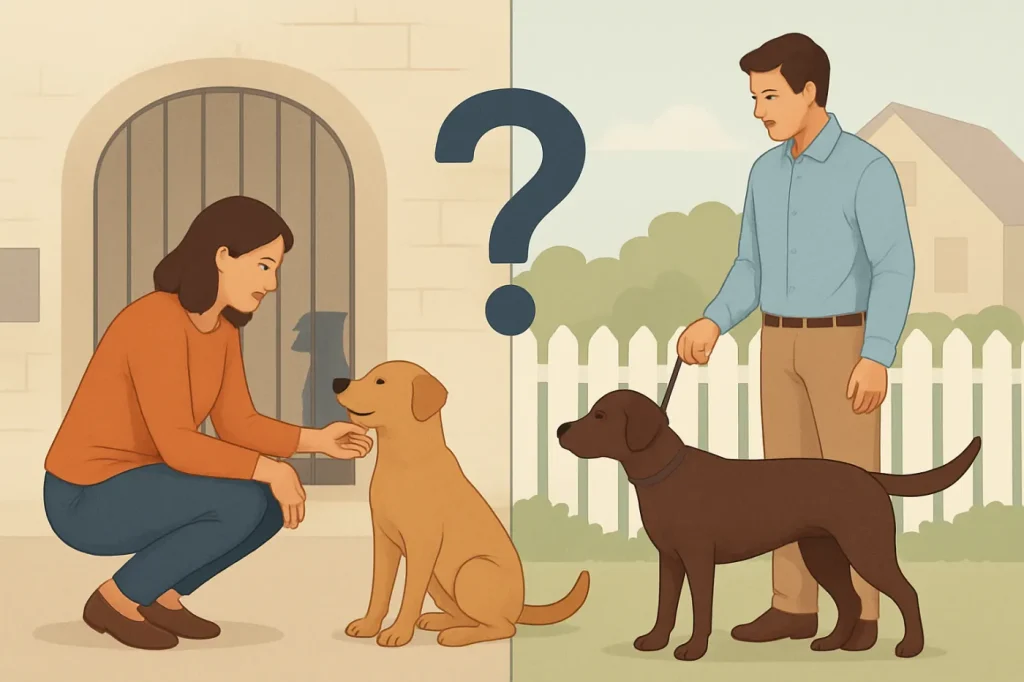
If you want a dog and are torn between adopting from a shelter or buying from a breeder, start with this: neither option is automatically “right” or “wrong.” The better choice is the one that fits your lifestyle, experience level, budget, and ethics and sets a specific dog up for success.
In the United States, both shelters and responsible breeders can place healthy, well-adjusted dogs. Both can also go badly if you rush the decision or ignore red flags. Below is a practical comparison to help you decide where you are most likely to find the right dog and support.
Adopting vs buying: which path fits your situation best?
Use these real-life scenarios as a starting point, then read the deeper comparison, table, and checklists.
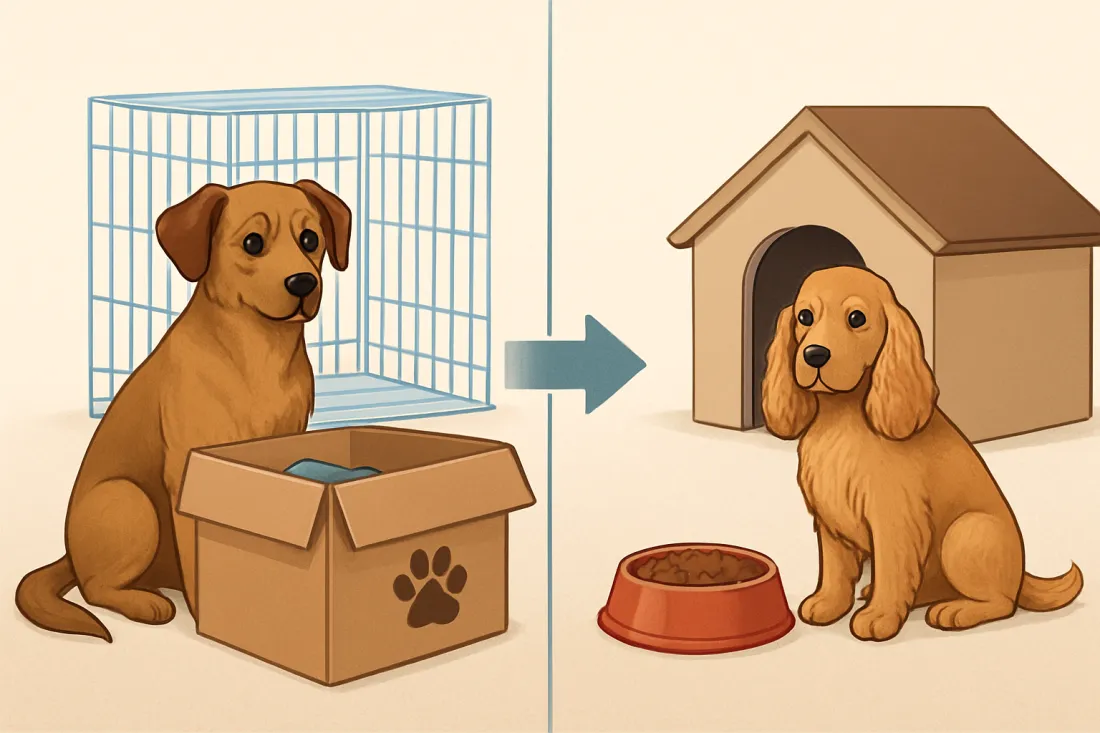
- Adoption is usually a better fit if you:
- Want to help a homeless dog and reduce demand for mass breeding
- Have some flexibility on age, size, and looks
- Are cost-conscious and prefer a lower upfront fee that often includes spay/neuter and vaccines
- Are open to an adult dog whose personality is already known
- Can handle a possible adjustment period, especially for rescue dogs with unknown history
- Buying from a responsible breeder is usually a better fit if you:
- Need specific traits for health, allergies, work, or sport (for example, low-shedding, athletic, or calm breeds)
- Want a predictable adult size, coat type, and typical temperament
- Are prepared for higher upfront costs and ongoing training
- Want a detailed health history and health testing on parents
- Are committed to supporting ethical breeding and are willing to research carefully
If you are not even sure you are ready for a dog at all, start with an honest self-check like the am I ready to adopt a dog quiz and then come back to compare adoption vs breeder.
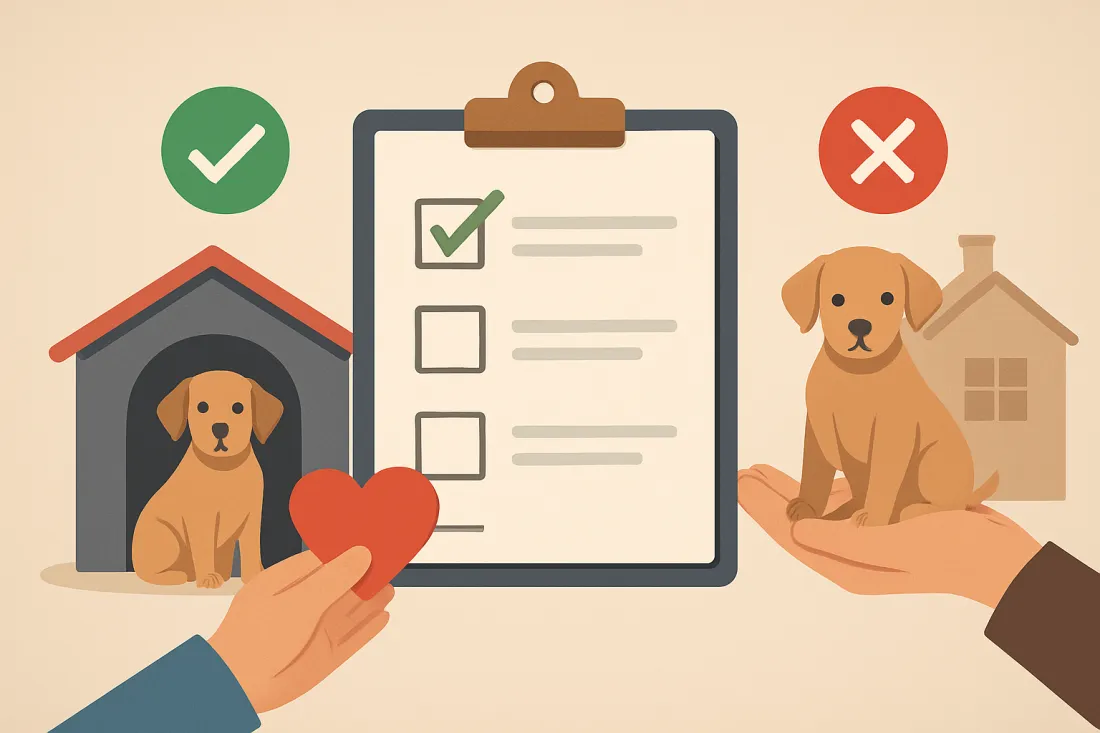
Key criteria to compare adoption and buying from a breeder
When people ask “Should I adopt a dog or buy from a breeder?” they are usually weighing the same core issues:
- Predictability – How much can you know in advance about size, coat, and temperament?
- Health and lifespan – What information and support do you get about health risks?
- Cost – Upfront fees vs long-term expenses like vet care, training, and insurance.
- Ethics and welfare – Are you supporting rescue or responsible breeding, or accidentally funding neglect?
- Support and guidance – Who helps you if problems show up later?
- Time and training – Puppies vs adults, and how much work you can realistically do.
The table below pulls these together so you can see how each route typically compares.
Pros and cons comparison table: adopting vs buying from a breeder
| Decision factor | Adopting from a shelter or rescue | Buying from a responsible breeder |
|---|---|---|
| Upfront cost | Usually a lower adoption fee that often includes spay/neuter, core vaccines, and microchip. You still pay for supplies and future vet care. | Higher purchase price. You still pay for spay/neuter (if not already done), vaccines, and all supplies. Health testing and small litter sizes contribute to cost. |
| Predictability of size and traits | Mixed breeds and unknown backgrounds can make adult size and temperament less predictable, especially for puppies. Adult dogs are more predictable because staff can describe their behavior. | Breed standards and known pedigrees make adult size, coat type, and general temperament more predictable, though every dog is still an individual. |
| Health background | History may be unknown. Some shelters share prior vet records and behavior notes. You should plan for a full vet exam soon after adoption. | Good breeders provide health testing results for parents, vet records, and information on common breed issues. This does not guarantee perfect health but can reduce some inherited risks. |
| Age options | Wide range: puppies, adults, and seniors. Adult and senior dogs often have known personalities and may already be house-trained. | Often focused on puppies, though some breeders may have retired adults or dogs returned to them. Puppies require intensive training and socialization. |
| Ethical impact | Helps reduce shelter crowding and gives a homeless dog a second chance. Supports organizations focused on animal welfare when you choose carefully. | Supports preservation of healthy, well-bred dogs when the breeder prioritizes health, temperament, and lifetime responsibility for their dogs. |
| Behavior and training needs | Some dogs may have unknown or difficult pasts and need extra patience, decompression time, and training. Many are already house-trained and social. | Puppies need extensive training, socialization, and supervision. Good breeders start early handling and socialization, which can help. |
| Support after you bring the dog home | Many shelters and rescues offer advice, training referrals, and may take the dog back if it truly does not work out. | Responsible breeders usually provide lifetime support, take dogs back if needed, and can advise on breed-specific issues. |
| Wait time and availability | Often many dogs available immediately, though specific breeds or traits may require patience or joining a waitlist with a rescue. | Expect waitlists, applications, and planned litters. You may wait months for the right puppy from the right breeder. |
| Emotional factors | Strong sense of saving a life and helping a dog in need. There can also be sadness or guilt when you cannot adopt them all. | Excitement of raising a puppy from the start and following a planned path. Some people feel conflicted about not adopting; others feel confident supporting ethical breeding. |
Cost and commitment: what you take on either way
Whether you adopt or buy, the long-term commitment is similar. The biggest differences are in upfront costs and how predictable future needs are.
Typical cost categories to plan for
- Initial fees – Adoption fee or purchase price, plus supplies like crate, bed, bowls, leash, collar, and toys.
- Veterinary care – Vaccines, spay/neuter if not already done, parasite prevention, and at least one wellness exam per year.
- Training – Group classes, private trainers, or online programs, especially for puppies or dogs with behavior issues.
- Food and supplies – Quality food, treats, poop bags, grooming tools, and replacements for chewed or worn items.
- Grooming – Professional grooming for some breeds, or at-home grooming supplies and time.
- Pet sitting or boarding – Care when you travel or work long hours.
Instead of focusing on exact dollar amounts, ask yourself:
- Can I afford unexpected vet bills if the dog gets sick or injured?
- Do I have time every single day for walks, play, and training?
- Can I commit to this dog for 10 or more years, including moves, job changes, or family changes?
- Do I have a plan for who helps if I am sick, traveling, or overwhelmed?
These questions matter more than whether you pay an adoption fee or a breeder’s price. A low-fee dog can still be expensive over time, and a well-bred dog can still develop health issues that require care.
Ethical and welfare considerations when choosing adoption or breeder
Many people feel torn because they want to “do the right thing.” The reality is that both ethical adoption and ethical breeding can support dog welfare. The key is avoiding systems that treat dogs like disposable products.
Ethical points in favor of adoption
- Reducing shelter crowding – Adopting makes space for another dog in need and supports organizations working to reduce homelessness.
- Second chances – Many shelter dogs are there due to human circumstances (moves, finances, divorce), not because they are “bad dogs.”
- Discouraging mass breeding – Choosing adoption instead of buying from high-volume sellers can reduce demand for poorly bred puppies.
Ethical points in favor of responsible breeders
- Preserving healthy lines – Good breeders focus on health, temperament, and structure to reduce inherited problems over generations.
- Lifetime responsibility – Ethical breeders take back dogs they produced if owners cannot keep them, which helps keep dogs out of shelters.
- Predictable working traits – For service work, sports, or specific jobs, carefully bred dogs with known lines can be safer and more reliable choices.
The ethical problem is not “adoption vs breeder” but unethical sources in both worlds: rescues that cut corners and breeders who treat dogs like inventory. The next sections show how to find the good ones and avoid red flags.
How to find reputable shelters and rescues in the US
Most U.S. communities have a mix of municipal shelters, private shelters, and foster-based rescues. Quality varies, so look for organizations that prioritize the dog’s welfare and honest matchmaking over rushing adoptions.
Signs of a reputable shelter or rescue
- Clear adoption process – Application, interview, and sometimes a home check or landlord verification. They care where the dog goes.
- Behavior and health information – Staff or fosters can describe the dog’s energy level, quirks, and known medical issues.
- Reasonable, transparent fees – Adoption fees are explained and usually cover some vetting (vaccines, spay/neuter, microchip).
- Return policy – They will take the dog back if it truly does not work out, instead of pressuring you to “make it work at all costs.”
- Clean, organized environment – Kennels or foster homes are reasonably clean, dogs have water, and staff seem attentive.
- Willingness to say no – They may turn you down for a specific dog if it is not a good fit, and suggest others instead.
Questions to ask a shelter or rescue
- What do you know about this dog’s history?
- Has the dog lived with kids, other dogs, or cats?
- What is the dog’s energy level like day-to-day?
- What medical care has the dog already received?
- Do you offer any post-adoption support or training resources?
- What happens if the adoption does not work out?
Reputable organizations will answer calmly and honestly, even if the answer is “we do not know.” Be cautious of anyone who insists a dog is “perfect” for every home or dodges questions about behavior.
How to find a responsible dog breeder in the US
Finding a truly responsible breeder takes time. You are looking for someone who breeds rarely and thoughtfully, not a seller with constant litters available.
Positive signs of a responsible breeder
- Breeds for health and temperament, not just looks – They can explain why they chose the parents and what they hope to improve.
- Health testing on parents – They show proof of appropriate health screenings for the breed (for example, hips, eyes, or heart, depending on breed risks).
- Home environment – Puppies are raised in the home or a clean, enriched area, not in stacked cages.
- Limited number of breeds and litters – Usually focuses on one or two breeds and a small number of litters per year.
- Application and interview – They ask you many questions, may have a waitlist, and will not sell to just anyone with money.
- Written contract – Includes health guarantees, spay/neuter or breeding terms, and a requirement to return the dog to them if you cannot keep it.
- Lifetime support – They encourage you to contact them with questions and stay in touch about the dog’s progress.
Red flags to avoid with shelters, rescues, and breeders
Some warning signs are so serious that you should walk away immediately. Others mean you should ask more questions and proceed carefully.
What are red flags in a dog breeder?
- Multiple litters always available – Constant puppies in many breeds often indicate high-volume breeding focused on profit.
- No questions for you – A seller who only cares that you can pay, not where the puppy will live, is not taking responsibility for their dogs.
- Will not let you see where puppies are raised – Refusing video calls, photos, or visits to the living area is a major concern.
- No proof of health testing – Vague statements like “the parents are healthy” without documentation are not enough.
- Pushy or rushed sales tactics – Pressure to send money immediately, or “this is your only chance” messaging.
- Willing to ship anywhere with no screening – Shipping a puppy sight unseen to anyone who pays is a red flag.
- Misleading claims – Advertising “teacup” sizes, “hypoallergenic” without explanation, or guaranteed behavior is unrealistic.
Red flags in shelters or rescues
- No information on behavior – Staff cannot or will not tell you how the dog behaves in daily life.
- No medical records – They cannot show proof of basic vet care such as vaccines or spay/neuter plans.
- Rushed placements – Pressure to take a dog home immediately without time to think or meet properly.
- No return policy – They refuse to take the dog back under any circumstances.
- Disorganized or unsafe environment – Filthy kennels, dogs without water, or obviously stressed animals with no enrichment.
If several of these show up together, look elsewhere. A responsible organization or breeder will never make you feel rushed or guilty for taking time to decide.
Common mistakes when choosing adoption vs breeder
Knowing what often goes wrong can help you avoid heartbreak and rehoming later.
- Choosing only by looks – Picking the cutest puppy or trendiest breed without considering energy level, grooming, or training needs.
- Underestimating time and training – Assuming a puppy will “grow out of” behaviors or that a rescue dog will instantly be grateful and perfect.
- Ignoring landlord or local rules – Adopting or buying a dog that violates weight limits, breed restrictions, or pet policies.
- Skipping research on organizations – Trusting the first rescue or breeder found on social media without checking reviews, contracts, or references.
- Not planning for the adjustment period – Expecting the dog to feel at home immediately instead of allowing weeks or months to settle.
- Overcommitting financially – Spending most of the budget on purchase price and leaving little for training or vet care.
If you want help thinking through your lifestyle and expectations before committing, tools like the should I adopt a dog or cat quiz can clarify whether a dog is the right species for you right now.
Questions to assess your readiness for any dog
Before you decide where to get a dog, make sure you are ready for a dog at all. Use these questions as a self-check.
Time and lifestyle
- How many hours will the dog be alone on a typical weekday?
- Can you commit to at least one or two walks every day, in all weather?
- Are you prepared to spend time on training for the first 6–12 months, especially with a puppy or nervous rescue?
- Do you enjoy being at home more, or are you often traveling and out late?
Home and family
- Does your housing allow dogs, and are there size or breed restrictions?
- Is everyone in the household genuinely on board with getting a dog?
- Do you have children, elderly family members, or other pets whose needs must be balanced?
- Is your yard securely fenced, or do you have a safe plan for exercise without a yard?
Financial and long-term commitment
- Do you have savings or a plan for unexpected vet bills?
- Are you willing to adjust your budget for food, grooming, and training?
- Can you realistically commit to a dog for 10–15 years, including possible moves or life changes?
If many of these questions make you hesitate, it may be better to wait, foster a dog first, or learn more from resources like house rules every responsible dog owner should have before bringing a dog home.
Who should choose adoption vs buying from a breeder?
Once you know you are ready for a dog, match your situation to the option that fits best.
Adoption is often best if you:
- Are flexible about breed and appearance
- Prefer an adult dog with a known personality
- Want to help reduce shelter crowding and give a second chance
- Have a moderate budget and appreciate that many vet services are included in the fee
- Can handle an adjustment period and possible unknowns in history
Buying from a responsible breeder is often best if you:
- Need specific traits (for example, lower shedding, athletic build, or certain working abilities)
- Are committed to early training and socialization for a puppy
- Can budget for a higher upfront price plus training and vet care
- Want detailed health and temperament information on the parents
- Are willing to wait for the right litter and pass on less ethical options
Neither choice makes you a better or worse dog owner. How you care for the dog over its lifetime matters far more than where the dog came from.
Decision checklist: step-by-step way to choose
Use this practical checklist as a mini algorithm to move from “unsure” to a clear, confident decision.
- Clarify your non-negotiables
- List must-haves: size range, energy level, shedding tolerance, kid-friendliness, other pets.
- List deal-breakers: very high energy, strong prey drive, heavy grooming, or medical limitations.
- Decide on age range
- If you want a puppy, be honest about crate training, house training, and socialization time.
- If you prefer a calmer dog, consider an adult or senior from a shelter or rescue, or a retired adult from a breeder.
- Assess your budget and time
- Plan for initial costs, then ongoing monthly expenses.
- Decide if you can also afford training classes or behavior help if needed.
- Reflect on your ethical priorities
- Is supporting rescue your top priority?
- Do you strongly value predictable traits from a carefully bred dog?
- Research local options
- Visit shelters and rescues, talk to staff, and meet a few dogs.
- Contact local trainers or breed enthusiasts for recommendations on responsible breeders.
- Check for red flags
- For shelters: rushed placements, lack of information, no return policy.
- For breeders: no health testing, many litters, unwilling to show where dogs live.
- Sleep on it
- Do not decide on the spot. Go home, talk with family, and imagine daily life with that specific dog or breed.
- Commit and prepare
- Once you choose adoption or breeder, prepare your home, schedule, and budget.
- Set up house rules, routines, and a vet relationship before the dog arrives.
FAQ about adopting vs buying a dog
What is the 3-3-3 rule for adopting a dog?
The 3-3-3 rule is a simple way to remember that adopted dogs need time to adjust:
- First 3 days – Many dogs feel overwhelmed, shut down, or extra clingy. They may sleep a lot, have accidents, or test boundaries.
- First 3 weeks – The dog starts to learn your routine and show more of their real personality. You may see new behaviors, both good and challenging.
- First 3 months – The dog is usually more settled, bonded, and comfortable. Training and consistency during this period pay off long term.
This is a guideline, not a strict timeline. Some dogs adjust faster, others slower, especially if they have trauma or multiple previous homes.
Is it better to adopt a dog or buy from a breeder?
“Better” depends on your situation. If you value helping a homeless dog and can be flexible about traits, adoption is often the better fit. If you need specific, predictable traits for health, work, or lifestyle reasons and are willing to research carefully, buying from a responsible breeder can be the better choice. The key is avoiding unethical sources in both paths and being fully prepared for the long-term commitment.
What is the 7-7-7 rule for dogs?
Some people use a 7-7-7 idea similar to the 3-3-3 rule to describe how dogs adjust over longer periods, such as:
- First 7 days – The dog is still figuring out basic routines and may be stressed or unsure.
- First 7 weeks – The dog is more comfortable, and training habits (good and bad) are forming.
- First 7 months – Many dogs are fully integrated into the household, but adolescence can bring new behavior challenges that need consistent training.
These timelines are rough guides. The main takeaway is that adjustment is a process, not a single moment when the dog walks through your door.
What are the biggest red flags in a dog breeder?
Major red flags include: no health testing on parents, many litters always available, refusal to show where dogs live, willingness to sell to anyone who pays without questions, and pushy sales tactics. Also be cautious of unrealistic promises like “guaranteed no health problems” or “perfect with all kids and animals.” A responsible breeder is transparent, selective, and focused on the dogs’ welfare, not just making a sale.
How can I tell if a shelter dog is right for my family?
Spend time with the dog in different settings if possible: a quiet room, an outdoor area, and near other dogs. Ask staff or the foster about the dog’s behavior with kids, other pets, and daily routines. Look for a dog whose energy level and temperament match your household, not just one that tugs at your heart. Plan multiple visits if you are unsure, and be honest about your experience level and lifestyle so staff can guide you.
Summary: choosing the path that sets you and your dog up for success
Adopting a dog and buying from a responsible breeder can both lead to a loving, lifelong bond. The best choice is the one that:
- Matches your lifestyle, experience, and budget
- Aligns with your ethical priorities
- Comes from a reputable, transparent organization or breeder
- Gives a specific dog the best chance to thrive in your home
Take your time, ask hard questions, and be honest about what you can offer. When you choose carefully and commit fully, the dog you bring home—whether from a shelter or a breeder—can become a deeply loved family member for years to come.