Core house rules every responsible dog owner should set from day one
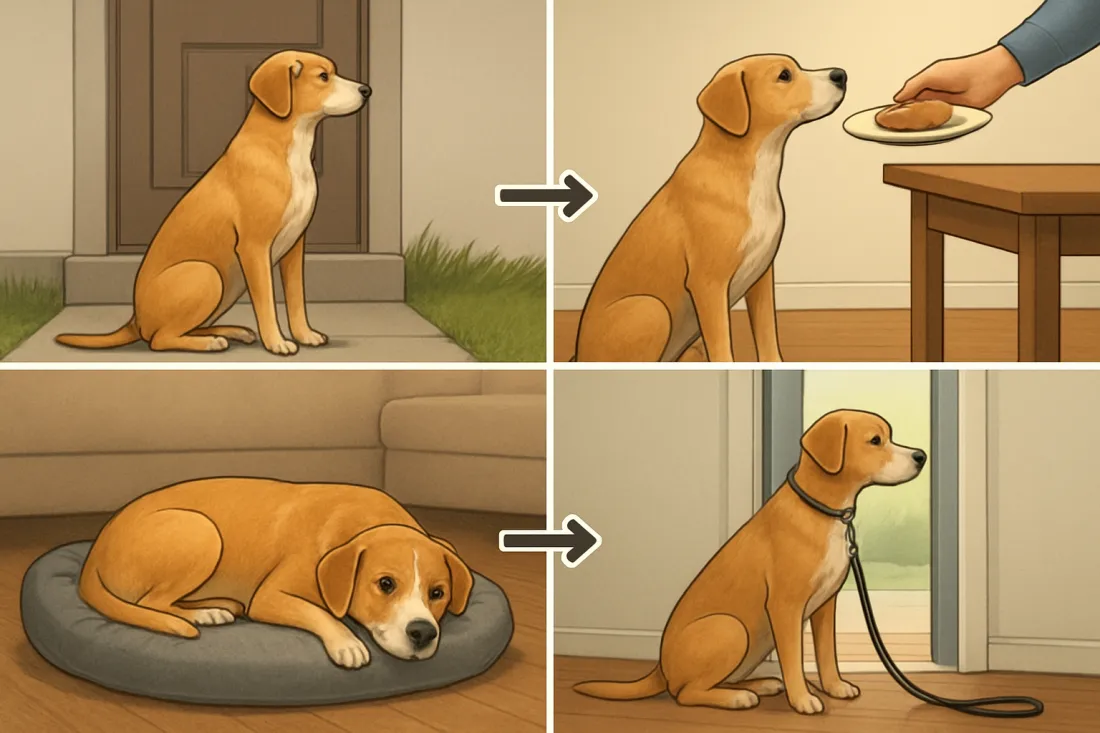
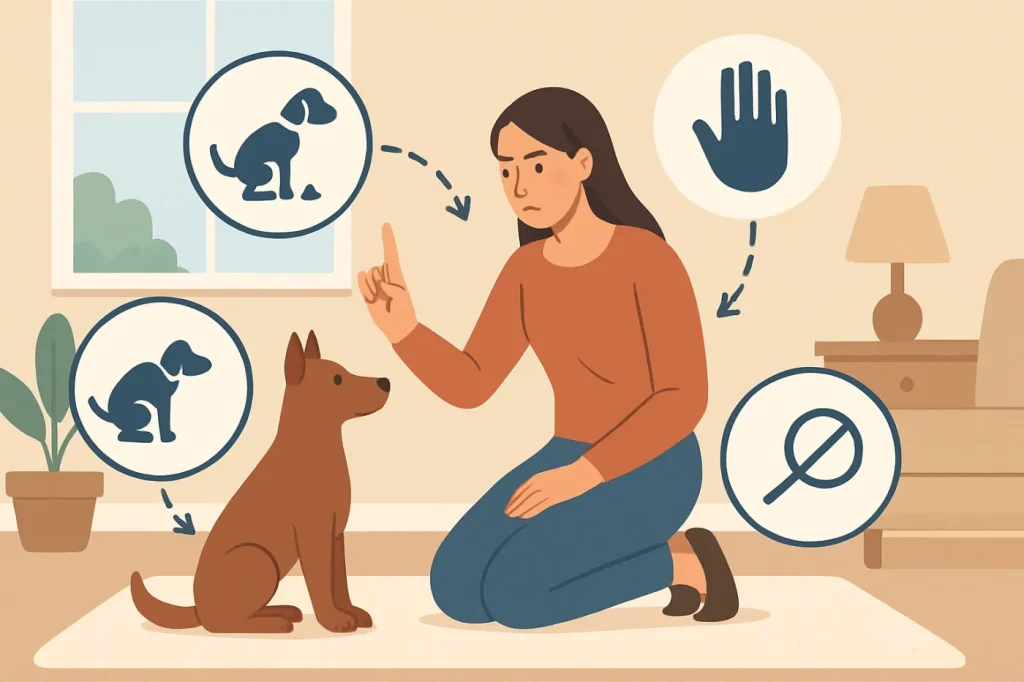
Responsible dog ownership starts with clear, consistent house rules. The goal is not to control your dog, but to give them a predictable, safe world where they know what works and what does not. Here is a practical core set of rules most homes in the United States can benefit from:
- Potty rules: Dog only toilets outside (or on a defined indoor pad), never on carpets or furniture.
- Food rules: No begging at the table; no stealing food from counters, kids, or guests.
- Space rules: Dog has defined sleeping and resting spots; furniture access is either always allowed, never allowed, or allowed only on cue.
- Door and leash rules: Dog waits at doors and gates; no bolting outside; walks are on leash unless in a safe, legal off‑leash area.
- Guest rules: Dog keeps four paws on the floor; no jumping, mouthing, or barking at visitors.
- Kid rules: Dog is never left unsupervised with children; kids follow simple interaction rules (no pulling, no hugging around the neck, no disturbing while eating or sleeping).
- Quiet rules: Dog is allowed to alert bark briefly, but must stop on cue to keep peace with neighbors.
- Chewing rules: Dog chews only their toys and chews, not shoes, furniture, or kids’ belongings.
These rules protect your dog, your family, and your neighbors. The rest of this guide shows how to adapt them to your home, teach them step by step, and avoid the most common mistakes.
Why clear house rules matter for responsible dog ownership
House rules are not just about a tidy home. They directly affect safety, stress levels, and your dog’s long‑term behavior.
- Safety for your dog: Rules about doors, fences, and leashes reduce the risk of your dog running into the street, getting lost, or getting into fights.
- Safety for people: Rules about jumping, mouthing, and guarding food or toys help prevent bites and scares, especially with kids and visitors.
- Lower stress for your dog: Dogs thrive on predictability. When the same behavior always has the same consequence, they relax and make better choices.
- Lower stress for you: When everyone in the household knows the rules, you argue less about what is “allowed” and spend more time enjoying your dog.
- Better neighbor relationships: Rules about barking, leashes, and yard behavior keep noise and mess under control and show you are a considerate member of the community.
- Easier training later: A dog used to clear boundaries learns new skills faster because they already understand that human cues matter.
If you want more structure around training itself, it can help to pair your house rules with basic dog training rules for responsible owners so your daily routines and training sessions support each other.
How to decide which house rules your dog really needs
Every home is different. A retired couple in an apartment will need different rules from a family with three kids and a big yard. Use these decision criteria to design rules that are fair and realistic.
1. Safety first
Ask: Could this situation realistically hurt my dog or another person? Prioritize rules for:
- Front doors, garages, and gates (no dashing out).
- Interactions with kids and elderly family members.
- Access to kitchens, trash, and toxic foods or plants.
- Off‑leash time in unfenced areas.
If a behavior could lead to injury, car accidents, or serious conflict, it deserves a clear rule and active training.
2. Legal and neighbor‑friendly behavior
In many U.S. communities, you are expected to:
- Keep your dog under control in public spaces.
- Use a leash in most public areas unless clearly marked as off‑leash.
- Pick up and properly dispose of dog waste.
- Prevent excessive barking that disturbs neighbors.
Because local rules vary, check your city or county’s current pet guidelines or consult a local professional if you are unsure. Then turn those expectations into house rules, such as “No dog outside unsupervised after 10 p.m.” or “Always leash before opening the front door.” If you want a broader legal overview, you can also review US pet laws every dog owner should know and translate key points into daily rules.
3. Lifestyle and household layout
Consider:
- Size and energy level: A large, bouncy dog may need stricter rules about jumping, furniture, and kids’ playtime than a small, calm dog.
- Home type: Apartments often need more detailed barking and elevator/hallway rules than detached houses.
- Flooring and furniture: If you have delicate floors or expensive sofas, you may choose “paws off furniture” or “no running indoors.”
- Family schedule: If people come and go at different times, you may need a rule like “Dog goes to crate or bed before anyone opens the door.”
4. What you can consistently enforce
A rule is only fair if you can enforce it almost every time. Ask:
- Can every adult in the home follow this rule?
- Can older kids remember and help with it?
- Do you have the time and tools (gates, leashes, crates) to back it up?
If the honest answer is “no,” adjust the rule until it is realistic. For example, instead of “Dog is never on furniture,” you might choose “Dog is only on the couch when invited and must get off when asked.”
Key rule categories: indoors, outdoors, guests, and kids
To make sure you do not miss anything important, group your rules into a few big categories.
Indoor rules
These cover how your dog behaves inside your home. Typical indoor rules:
- No pottying indoors except on a designated pad or in a specific area for small dogs.
- No chewing furniture, shoes, or kids’ toys; dog chews only their own toys.
- No counter‑surfing or stealing food from tables.
- Dog waits politely while humans eat; no begging at the table.
- Dog has a defined sleeping spot (crate, bed, or mat), and is left alone there.
- Dog moves off furniture when asked, even if furniture is usually allowed.
- No rough play in narrow hallways, stairs, or near breakable items.
Outdoor and yard rules
These protect your dog and keep peace with neighbors. Typical outdoor rules:
- Dog is leashed whenever outside an enclosed, secure area.
- Dog does not dig under or jump over fences; if they try, outdoor time is supervised.
- Dog does not bark continuously at passersby, delivery drivers, or other dogs.
- Dog does not roam unsupervised beyond your property.
- All waste is picked up promptly and disposed of properly.
Guest and visitor rules
These help everyone feel safe and welcome. Typical guest rules:
- Dog goes to a mat, crate, or behind a gate when the doorbell rings.
- No jumping on guests; four paws stay on the floor.
- No mouthing, pawing, or climbing on laps without invitation.
- Dog does not take food from guests’ hands or plates unless clearly offered.
- If dog is nervous, they may stay in a quiet room with a chew while guests visit.
Kid and family interaction rules
These protect both children and dogs. Rules for the dog:
- No herding, chasing, or nipping at running kids.
- No jumping on children, even in play.
- Dog moves away when asked by an adult.
Rules for kids:
- No climbing on, riding, or hugging the dog around the neck.
- No bothering the dog while they are eating, chewing, or sleeping.
- No taking toys or chews directly from the dog’s mouth.
- Always ask an adult before giving the dog treats.
For more detail on blending rules with a new environment or new pet, you may find it useful to read about house rules for dogs and cats new home and adapt the ideas to your situation.
Comparison table: strict vs flexible house rules
Different homes choose different levels of strictness. Use this table to compare approaches and decide what fits your lifestyle and your dog’s temperament.
| Area | Stricter rule example | More flexible rule example | When it works best |
|---|---|---|---|
| Furniture | No dogs on any furniture at any time. | Dog allowed on couch only when invited and must get off on cue. | Stricter: homes with allergies, delicate furniture, or large, muddy dogs. Flexible: families who enjoy cuddling but still want control. |
| Sleeping area | Dog sleeps in crate or dog bed only. | Dog may sleep in bed with owner if calm and not guarding space. | Stricter: new dogs, puppies, or dogs with guarding issues. Flexible: stable adult dogs with good manners. |
| Indoor freedom | Dog is gated or crated when unsupervised. | Dog has access to dog‑proofed rooms when alone. | Stricter: chewers, new rescues, or dogs still learning rules. Flexible: dogs with a long track record of good behavior. |
| Barking | No barking at windows or doors allowed; dog redirected immediately. | Dog may give 1–2 alert barks, then must be quiet on cue. | Stricter: apartments, noise‑sensitive neighbors. Flexible: detached homes where brief alerts are acceptable. |
| Kids’ play | No chasing or rough play with kids at all. | Calm fetch or tug with kids, supervised by an adult. | Stricter: high‑energy dogs, toddlers, or nervous dogs. Flexible: older kids and well‑trained, gentle dogs. |
| Guests | Dog goes to crate or separate room when guests arrive. | Dog greets guests calmly on leash or behind a gate, then may mingle. | Stricter: jumpy, anxious, or reactive dogs. Flexible: social dogs with good greeting manners. |
Sample house rules list with explanations
Use this as a starting point and adjust to your home.
- Potty only in the right place.
Why: Protects your home and keeps hygiene standards high.
How: Take your dog to the same spot regularly, reward immediately after they go, and supervise indoors until they are reliable. - Walk calmly through doors and gates.
Why: Prevents bolting into streets or knocking people over.
How: Ask for a sit or stand‑and‑wait before opening doors; open only when your dog is still. - Four paws on the floor when greeting people.
Why: Jumping can scare or injure kids, guests, and older adults.
How: Step back or turn away when your dog jumps; reward when they keep paws on the floor. - No stealing food from counters or tables.
Why: Many human foods are unsafe for dogs, and stealing encourages pushy behavior.
How: Manage at first (no unattended food), reward your dog for staying on a mat while you cook or eat. - Chew only dog‑approved items.
Why: Protects your belongings and your dog’s health (no swallowing socks or plastic).
How: Keep tempting items out of reach, trade inappropriate items for a treat and a chew toy. - Use a quiet cue after a brief alert bark.
Why: Allows your dog to alert you, but keeps noise reasonable for neighbors.
How: Mark and reward quiet moments, then add a cue like “quiet” and reward when barking stops. - Respect kids’ space and toys.
Why: Reduces conflict and risk of bites or resource guarding.
How: Use gates or pens during chaotic play; teach a solid “leave it” and “place” cue. - Ride calmly in the car, secured.
Why: Prevents distraction while driving and protects your dog in sudden stops.
How: Use a crate or harness, start with short trips, and reward calm behavior. - Come when called, every time it really matters.
Why: A reliable recall can prevent accidents outdoors.
How: Practice on a long line, reward generously, and avoid calling your dog only for unpleasant things. - Relax on a mat or bed when asked.
Why: Gives your dog a “job” during meals, guest visits, or busy times.
How: Train a “place” cue by rewarding your dog for going to and staying on their mat.
How to teach house rules consistently: a simple step‑by‑step process
Consistency is more important than perfection. Use this practical algorithm to turn rules into habits.
Step 1: Write down 5–10 non‑negotiable rules
- Involve all adults and older kids.
- Limit yourself to the rules that matter most for safety and sanity.
- Phrase them positively when possible (what the dog should do, not just what they should not do).
Step 2: Set up your environment to make good choices easy
- Use baby gates to block off‑limits rooms or stairs.
- Use a crate or playpen for safe downtime and when you cannot supervise.
- Put trash cans, shoes, and kids’ toys out of reach.
- Keep a leash and treats near doors for quick practice sessions.
Step 3: Teach one rule at a time
- Pick one priority rule (for example, “no door dashing”).
- Practice short, frequent sessions each day.
- Reward the behavior you want (sitting and waiting) instead of only correcting mistakes.
Step 4: Use clear cues and the same words
- Choose simple cues like “wait,” “off,” “leave it,” “quiet,” “place.”
- Make sure everyone uses the same word for the same behavior.
- Avoid repeating cues many times; say it once, then help your dog succeed.
If you are unsure which cues to prioritize, you can cross‑check with the essential obedience commands every dog in the US should know and align your house rules with those commands.
Step 5: Reward generously, especially at the start
- Use small, tasty treats, praise, and play.
- Reward every correct choice at first, then gradually become more selective.
- Remember that “real life rewards” (going outside, greeting a guest, getting on the couch) can also reinforce good behavior.
Step 6: Be predictable with consequences
- If a rule is broken, calmly remove access to what your dog wanted (for example, attention, food, or the yard) and try again.
- Avoid yelling or physical punishment; it often creates fear without teaching what to do instead.
- Repeat the situation in an easier version so your dog can succeed and be rewarded.
Step 7: Review and adjust every few months
- As your dog matures, some rules can relax (for example, more freedom indoors) while others may tighten (for example, stricter barking rules if neighbors are disturbed).
- Check that everyone in the family still understands and follows the rules.
- Update written rules on the fridge or family board so new routines are clear.
Practical checklist: house rules every responsible dog owner should review
Use this checklist to see where you are solid and where you might need new rules or training.
- My dog has a clear potty routine and rarely has accidents indoors.
- Doors and gates are managed so my dog cannot bolt into the street.
- My dog walks on leash without dragging me or lunging at people or dogs.
- My dog does not jump on family members or guests.
- My dog does not guard food or toys from people.
- My dog has a safe space (crate, bed, or mat) where they can relax undisturbed.
- My dog chews only their own toys and chews.
- Barking is under control and does not regularly disturb neighbors.
- Kids in the home know how to behave safely around the dog.
- Visitors know basic rules (for example, ignore jumping, do not feed from the table).
- My dog is secured in the car and behaves calmly on rides.
- I review and adjust rules as my dog’s age, health, or living situation changes.
Common mistakes when setting house rules for dogs
Avoid these pitfalls that often undermine even well‑meant rules.
1. Too many rules at once
Trying to enforce 20 new rules overnight overwhelms both you and your dog. Focus on a small number of high‑impact rules first, then add more once those are solid.
2. Inconsistent enforcement
If jumping is allowed when you are in a good mood but punished when you are tired, your dog will stay confused. Decide what is allowed and stick to it, even when it is inconvenient.
3. Different rules from different people
If one person lets the dog on the couch and another scolds them for it, the dog cannot win. Agree on shared rules, or at least on clear exceptions (for example, “only on the couch when Mom is there and invites you”).
4. Relying only on “no” without teaching alternatives
Saying “no” or “stop” does not tell your dog what to do instead. Pair every “no” with a clear alternative: “off” then “sit,” “leave it” then “take this toy,” “quiet” then “come to your mat.”
5. Expecting human‑level self‑control too soon
Puppies and young dogs have limited impulse control. They need management (gates, leashes, crates) and lots of repetition, not just one stern talk.
6. Ignoring stress, fear, or medical issues
If your dog suddenly breaks rules they used to follow, check for pain, illness, or changes in the environment. Sometimes a vet visit or behavior consult is needed before more training.
7. Forgetting to reward the good stuff
Many owners only react when the dog does something wrong. Make a point of noticing and rewarding calm, polite behavior throughout the day.
Adapting house rules over time: puppies, rescues, and seniors
House rules are not fixed forever. They should shift as your dog’s age, health, and confidence change.
Puppies and the “3‑3‑3” adjustment idea
Many trainers talk about a “3‑3‑3” pattern for new dogs: roughly 3 days to decompress, 3 weeks to start learning routines, and 3 months to feel fully at home. It is not a strict schedule, but it is a useful reminder to:
- Keep early rules simple and focus on safety and potty training in the first days.
- Add more structure (like guest manners and leash rules) over the first few weeks.
- Expect that full adjustment and reliable behavior can take several months.
Rescue dogs and new‑home rules
Rescue dogs often arrive with unknown habits. For the first few weeks:
- Use stricter management (leash indoors, crate, or gates) until you know how they behave.
- Assume they are not fully house‑trained until they prove it.
- Keep rules calm and predictable; avoid overwhelming them with guests and busy outings.
Senior dogs and health‑based adjustments
Older dogs may need rule changes because of arthritis, vision loss, or incontinence.
- Allow easier access to comfy, low furniture if jumping is painful.
- Provide more frequent potty breaks and be patient with accidents.
- Relax rules about where they can rest so they can stay near family without discomfort.
FAQ: house rules and responsible dog ownership
What is the 3‑3‑3 rule with dogs?
The “3‑3‑3 rule” is a popular way to describe how a new dog may adjust to your home: about 3 days to decompress from the stress of change, about 3 weeks to start learning your routines and rules, and about 3 months to feel truly settled and secure. It is a guideline, not a guarantee, but it reminds you to be patient and introduce house rules gradually.
What is the 7‑7‑7 rule for dogs?
Different trainers and owners use “7‑7‑7” in different ways, often as a memory aid for stages of adjustment or training milestones. There is no single official 7‑7‑7 rule. If you hear someone mention it, ask them what they specifically mean, and focus on the underlying idea: give your dog time to adjust, and build rules and training in manageable stages rather than expecting perfection immediately.
What should every dog owner have to support good house rules?
Most homes benefit from a few basic tools:
- A well‑fitting collar or harness and a sturdy leash.
- A crate or playpen sized for your dog.
- Baby gates to block off‑limits areas.
- Comfortable dog beds or mats in key rooms.
- Food and water bowls in a quiet, consistent spot.
- Safe chew toys and puzzle toys to keep your dog busy.
- Poop bags for walks and yard cleanup.
- ID tags and, ideally, a microchip registered with current contact details.
These items make it much easier to teach and maintain house rules kindly and consistently.
What are the 7 most important dog commands for house rules?
Different trainers may choose slightly different lists, but seven widely useful commands for household manners are:
- Sit – for polite greetings and waiting at doors.
- Down – for settling calmly instead of jumping or pacing.
- Stay – for safety at doors, curbs, and around guests.
- Come – for recall from the yard, house, or park.
- Leave it – to prevent grabbing unsafe or off‑limits items.
- Off – to move off furniture, people, or counters.
- Place – to go to a mat or bed and relax when asked.
These commands support almost every common house rule, from not bolting out the door to staying calm when visitors arrive.
How often should I review or change my dog’s house rules?
A practical rhythm is to review rules whenever something big changes: a move, a new baby, a new roommate, or a noticeable shift in your dog’s age or health. Many owners find it helpful to do a quick check‑in every 3–6 months: what is working, what is not, and what new habits have appeared that might need a rule or some training.
Simple printable‑style house rules template for families
You can turn the ideas above into a one‑page family agreement. Here is a text template you can copy into a document or note app and customize:
Our Dog’s House Rules
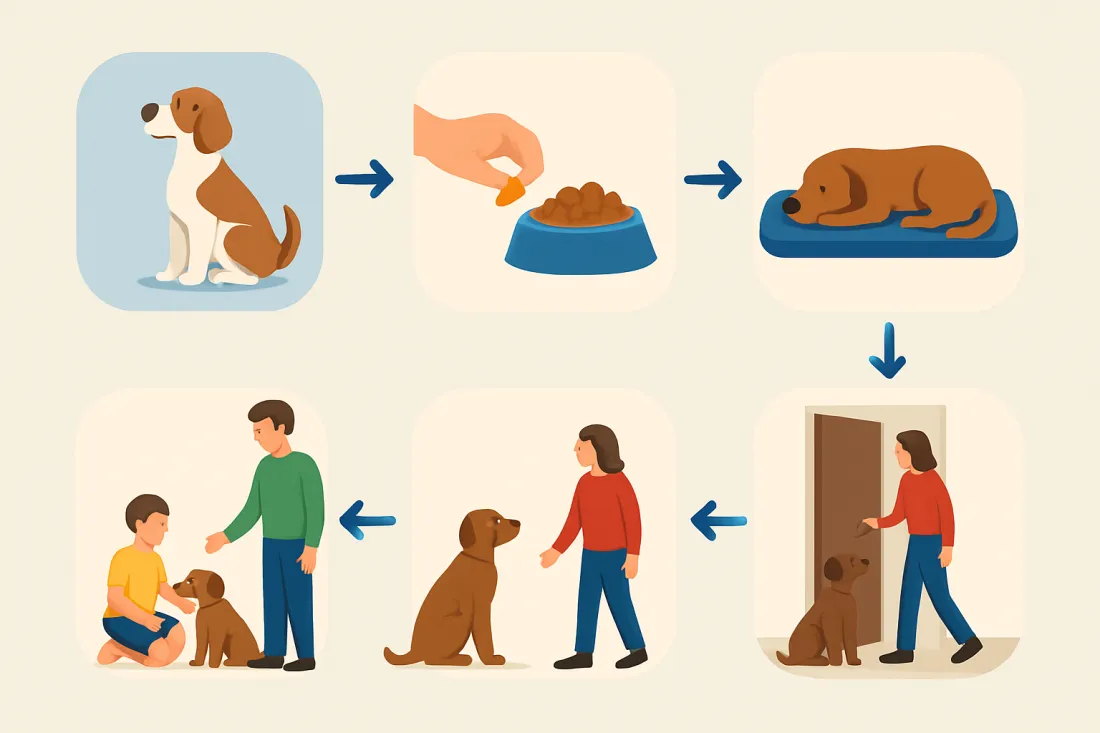
Once you fill this in, post it on the fridge or near your dog’s main area so everyone in the family can stay on the same page.