
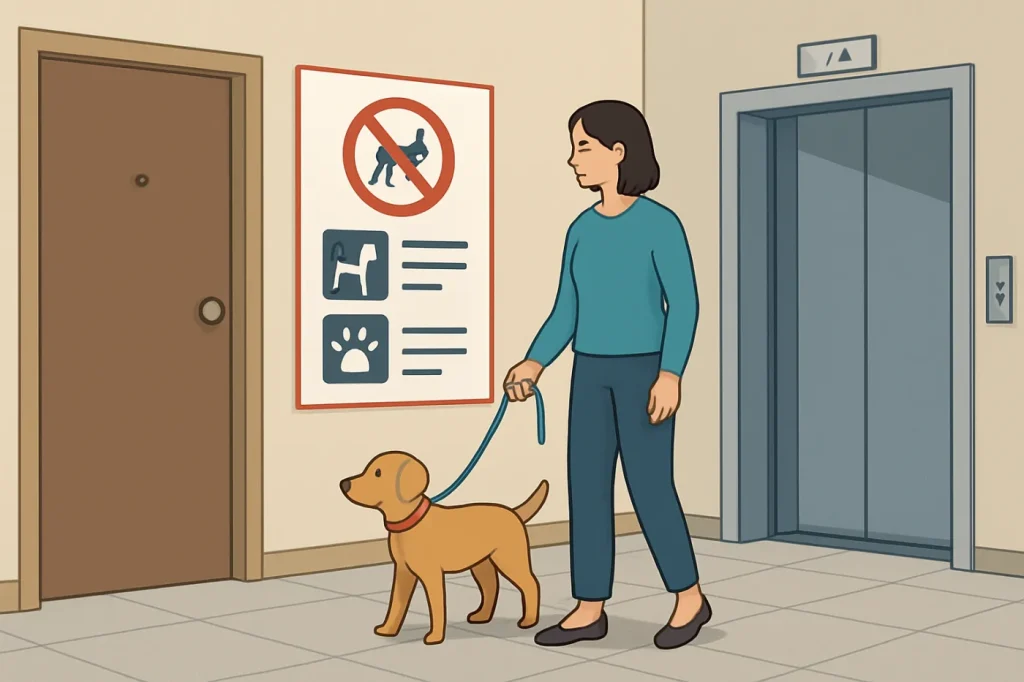
Apartment pet rules in the USA usually cover four big areas: what pets are allowed, how many you can have, how you manage noise and mess, and how your pet behaves in shared spaces. To be a considerate, compliant pet owner in a building, you need to:
- Understand your lease and building rules before you move in or adopt a pet.
- Choose a pet that realistically fits the size, noise, and activity limits of apartment life.
- Control barking, waste, and damage so your pet never becomes a “nuisance.”
- Respect neighbors and staff by using leashes, cleaning up, and communicating early if issues arise.
Done well, you protect your pet from complaints or eviction, avoid surprise fees, and help keep your building pet-friendly for everyone.
Why apartment pet rules matter for responsible ownership
Apartment rules are not just about landlords being strict. They exist to balance three interests:
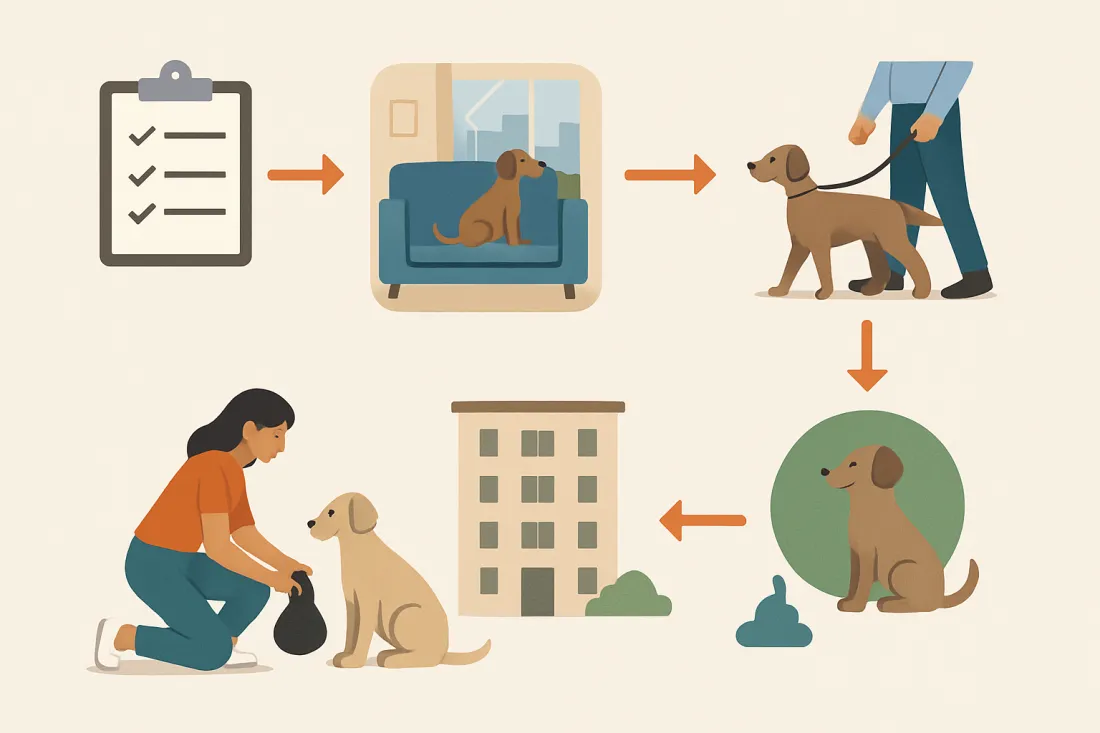
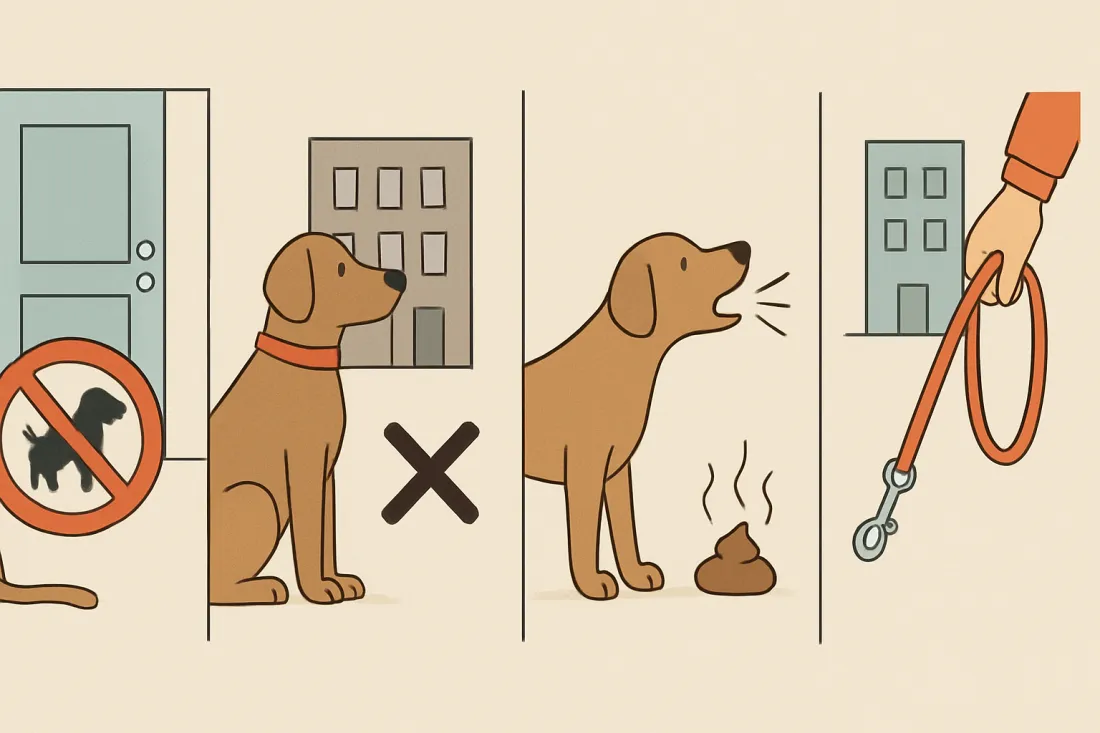
- Your pet’s safety – preventing falls from balconies, escapes through doors, or fights with other animals.
- Neighbors’ comfort and health – reducing noise, smells, allergies, and fear of animals in tight spaces.
- Property protection – limiting damage to floors, doors, landscaping, and shared areas.
Ignoring these rules can lead to:
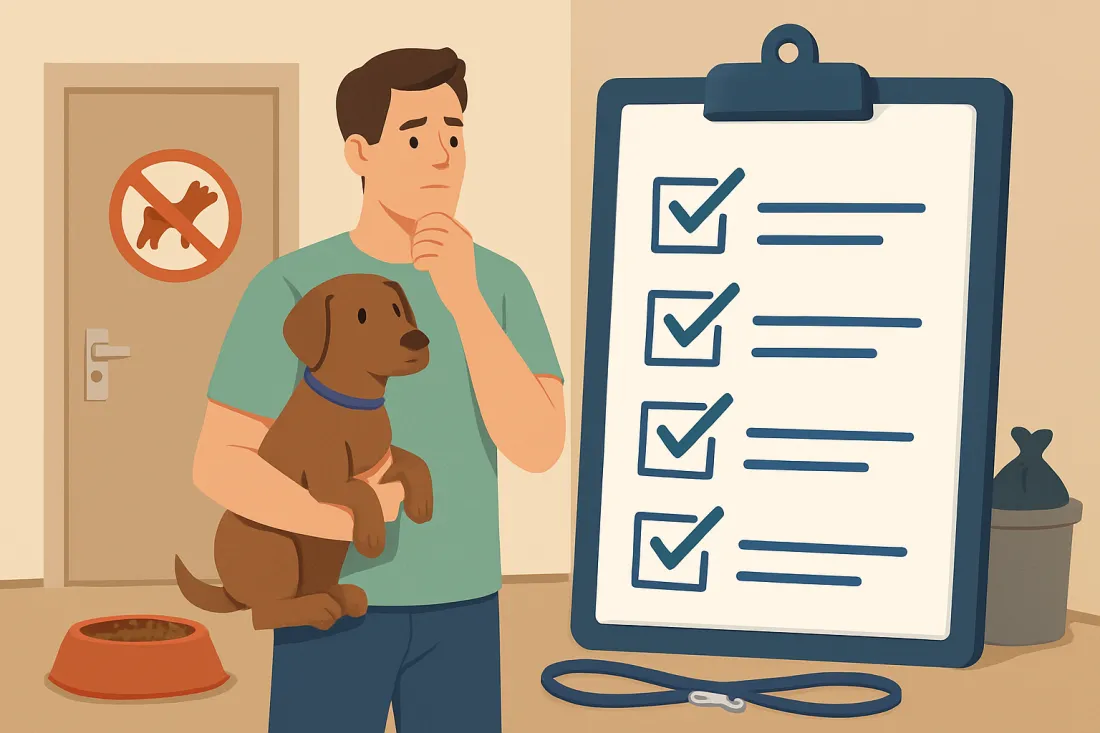
- Fines or loss of your pet deposit.
- Lease violations and possible eviction.
- Forced rehoming of your pet if you cannot move quickly.
- Strained relationships with neighbors and staff.
Responsible pet ownership in an apartment means planning ahead, training your pet, and treating rules as part of caring for your animal, not just red tape.
Typical apartment pet rules in the USA: what to expect in your lease
Most U.S. apartment leases that allow pets include specific clauses about what is and is not allowed. Always read the full lease and any attached “pet addendum” before you sign. Common elements include:
Common lease clauses about pets
- Pet type limits – Many buildings allow only cats and dogs. Some also allow small caged animals or fish, but may ban reptiles, birds, or exotic pets.
- Weight limits – A frequent rule is a maximum weight per dog (for example, a medium-size limit such as around 40–60 pounds). This is usually about managing perceived risk and wear on the property, not your dog’s actual behavior.
- Breed restrictions – Some landlords exclude certain dog breeds they consider higher risk. Policies vary widely by company and state, so you must check each building’s list rather than assume.
- Number of pets – Many apartments set a two-pet limit per unit. This is often about noise, odor control, and insurance. More animals usually mean more potential impact on neighbors and property.
- Pet deposits and fees – It is common to see a one-time pet deposit or fee and sometimes a recurring monthly pet rent. The details depend on local law and the landlord’s policy, so ask for a written breakdown.
- Vaccination and licensing – Leases often require proof that your pet is vaccinated and licensed according to local rules. You may be asked to provide updated records each year.
- Leash and control rules – Most buildings require dogs to be leashed in hallways, lobbies, parking lots, and outdoor common areas.
- Waste cleanup – You are usually required to pick up dog waste immediately and dispose of it in designated bins, and to keep litter boxes clean so odors do not spread.
- Noise and nuisance clauses – Many leases state that excessive barking, howling, or destructive behavior that disturbs others can be grounds for warnings or lease termination.
If you want a deeper dive into how leases handle deposits, permissions, and assistance animals, it can help to review a dedicated guide on pet rules for renters in the US before you sign anything.
Pet-friendly, no-pet, ESA, and service animal policies: key differences
Not all animals are treated the same way under building rules and housing law. Understanding the categories helps you avoid mistakes.
Pet-friendly buildings
These buildings allow pets under certain conditions. Typical features:
- Clear rules about species, size, and number of pets.
- Pet deposits, fees, or pet rent.
- Designated pet relief areas or dog runs in some communities.
- Written behavior expectations (leash rules, noise, waste, damage).
No-pet buildings
No-pet buildings generally do not allow tenants to keep animals as pets. Trying to “sneak in” a pet is risky:
- You may face immediate lease violations and be required to remove the animal.
- Hiding a pet can damage trust with your landlord and neighbors.
- It can also be stressful for the animal if you are constantly trying to conceal it.
If you already have a pet, it is usually better to search specifically for pet-friendly housing than to look for ways around a no-pet rule.
Emotional support animals (ESAs)
ESAs are animals that provide emotional or mental health support to a person with a qualifying condition. In many situations, housing rules treat ESAs differently from regular pets, but the details depend on current federal guidance and local interpretation. Because requirements and documentation rules can change, it is important to:
- Discuss your situation with a licensed health professional.
- Ask the landlord what documentation they require for an ESA request.
- Confirm current rules with a local housing authority or legal advisor if your case is complex.
Even where ESAs receive special consideration, you are still responsible for controlling the animal, preventing damage, and following reasonable building rules.
Service animals
Service animals are trained to perform specific tasks for people with disabilities. They are generally not treated as pets. However, even service animals must be under control and not pose a direct threat or cause major property damage. If you have a service animal, clarify expectations with your landlord so everyone understands how building rules apply to you.
Noise, barking, and nuisance: how to keep the peace
Noise is one of the top reasons neighbors complain about pets in apartments. Thin walls, shared hallways, and echoing courtyards can turn normal dog barking into a major disturbance.
What counts as a nuisance?
Leases often use phrases like “excessive barking” or “unreasonable disturbance.” While not always defined with exact numbers, patterns that commonly trigger complaints include:
- Repeated barking or howling for long stretches when you are away (for example, several times a day for more than a few minutes).
- Loud, sudden barking late at night or very early in the morning.
- Constant running, jumping, or scratching that thumps through the ceiling or walls.
Practical ways to manage barking and noise
- Exercise before you leave – A tired dog is usually quieter. A solid walk of 20–30 minutes before work can reduce boredom barking.
- Use background sound – A fan, white noise machine, or low TV/radio can muffle hallway sounds that trigger barking.
- Teach a “quiet” cue – Reward your dog when they stop barking on cue. Consistent training pays off in apartment settings.
- Limit window access – If your dog barks at everything outside, block their view or use baby gates to keep them away from windows.
- Address separation anxiety – If barking happens mainly when you leave, consider working with a trainer or behavior professional.
- Use rugs and soft furnishings – These reduce echo and muffle the sound of paws and play.
If your dog is especially energetic or vocal, reviewing basic dog training rules for responsible owners can help you build better control and routines.
Shared space etiquette: hallways, elevators, laundry rooms, and more
Shared spaces are where your pet’s behavior affects the most people. Good etiquette here can prevent complaints even if someone in the building does not love animals.
Hallways and stairwells
- Keep dogs leashed and close – Shorten the leash to about 2–3 feet when turning corners or passing doors so your dog does not rush up to people or other pets.
- Do not block the hallway – Step to one side if you need to adjust your leash, pick up a dropped item, or handle a delivery.
- Respect “no contact” preferences – Not everyone wants to be sniffed or licked. Assume strangers prefer space unless they clearly ask to say hello.
Elevators
- Ask before entering with another pet – A simple “Is it okay if we ride with you?” gives others a chance to decline if their pet is nervous.
- Keep your pet by your side – Avoid letting your dog stand right at the door where people step in.
- Watch doors – Make sure tails, leashes, and paws are clear before doors close.
Lobby, mailroom, and laundry areas
- No loose pets – Even if your dog is friendly, off-leash in common areas is usually against the rules.
- Keep pets away from laundry and packages – Fur and drool on clean clothes or deliveries can cause understandable frustration.
- Manage shedding – If your pet sheds heavily, brush them at home or outdoors, not in shared spaces.
Safe balcony and window practices for dogs and cats
Balconies and open windows are high-risk areas for apartment pets. Falls can be serious or fatal, and even indoor-only cats can slip through a small gap.
Balcony safety tips
- Never leave pets unattended on balconies – Even calm animals can be startled by a loud noise or bird and jump or slip.
- Check railings and gaps – Small dogs and cats can squeeze through surprisingly narrow spaces. Consider pet-safe barriers if allowed by your building.
- Watch furniture placement – Tables, chairs, or planters near the railing can become a launchpad for climbing or jumping.
- Mind heat and cold – Concrete and metal can become extremely hot or cold. A simple check is to place your hand on the surface for around 5–7 seconds; if it is too hot or cold for you, it is likely uncomfortable for your pet’s paws.
Window safety tips
- Secure screens – Many standard screens are not strong enough to hold a leaning cat or dog. Check frames regularly.
- Limit how far windows open – Use stops or locks so windows cannot open wide enough for a pet to fall through.
- Watch window perches – Window seats are great enrichment, but make sure they are stable and not right above a dangerous drop if a screen fails.
Waste disposal rules and local ordinance checks
Dog waste and litter box odors are two of the fastest ways to upset neighbors and building staff. Most cities and buildings have clear expectations, even if the exact wording varies.
Typical waste rules in apartment communities
- Immediate pickup – You are expected to pick up dog waste right away in all common areas, including grass, sidewalks, and parking lots.
- Use of designated bins – Many communities provide pet waste stations with bags and bins. Use them rather than tossing bags into landscaping or leaving them in hallways.
- Indoor odor control – Keep litter boxes clean and trash tied securely so smells do not spread into hallways or vents. A common routine is to scoop at least once a day and fully change litter every few days, adjusting for how many cats you have.
- No flushing litter – Most plumbing systems are not designed for cat litter. Check your building’s plumbing guidance before flushing anything pet-related.
Local ordinance checks
Many U.S. cities have “pooper scooper” rules that require owners to remove pet waste from public areas. Because details differ by city and county, it is wise to:
- Check your city or county website for pet waste and leash rules.
- Ask your property manager if they have a summary of local pet-related ordinances.
- Follow posted signs in parks, dog runs, and sidewalks around your building.
For outdoor walks beyond your complex, a guide to US leash laws and safe dog walking etiquette can help you stay compliant and courteous in public spaces too.
How to talk to neighbors and resolve pet complaints
Even careful owners may face a complaint at some point. How you respond can determine whether the issue escalates or is quickly resolved.
Step-by-step algorithm for handling a complaint constructively
- Pause and listen
Let the neighbor explain the problem without interrupting. Note the time of day, type of issue (barking, odor, mess), and how often it happens. - Clarify details
Ask 1–2 specific questions, such as “Was it more than a few minutes?” or “Did it happen several nights this week?” to understand the pattern. - Thank them and acknowledge impact
A simple “Thanks for letting me know, I can see how that would be annoying” shows you take it seriously. - Propose concrete actions
Share 2–3 steps you will try (for example, longer walks before work, closing certain windows, adding a rug, moving the litter box). - Implement changes quickly
Start your plan within a day or two so the neighbor sees real effort, not just promises. - Follow up briefly
After about a week, check in: “I’ve been walking him earlier and keeping him away from the window. Has it been any better on your side?” - Involve management if needed
If the issue continues or the neighbor is confrontational, contact your property manager. Share your notes and the steps you have taken, and ask for their suggestions.
Preventive communication tips
- Let immediate neighbors know you have a pet and share your phone number in case of urgent issues.
- Post a small note on your door if maintenance will encounter your pet inside, and crate or remove the animal when possible.
- Avoid hallway conversations that block traffic when you are holding a leash; move aside so others can pass comfortably.
Checklist before signing a lease with a pet
Use this practical checklist before you commit to an apartment with your pet. It can save you from expensive or stressful surprises later.
- Confirm pet policy in writing
- Is the building pet-friendly, and does your species (dog, cat, etc.) qualify?
- Are there any breed or weight restrictions that affect your pet?
- What is the maximum number of pets allowed per unit (for example, a two-pet limit)?
- Understand all costs
- Is there a pet deposit, pet fee, or monthly pet rent?
- Is any part of the deposit refundable, and under what conditions?
- Are there cleaning or flea-treatment charges at move-out?
- Review behavior expectations
- What does the lease say about noise, barking, or nuisance?
- Are there quiet hours you need to plan around (for example, 10 p.m. to 7 a.m.)?
- Are there rules about leaving pets unattended on balconies or patios?
- Check shared space rules
- Where are pets allowed or not allowed (pool, gym, rooftop, courtyard)?
- Are there designated pet relief areas or dog runs?
- Are there elevator or hallway rules for pets?
- Verify documentation requirements
- Do you need to provide vaccination records or proof of licensing?
- Is renter’s insurance with pet coverage required?
- If you have an ESA or service animal, what documentation is needed?
- Assess the fit for your pet
- Is there enough space for your pet’s size and energy level?
- Are there nearby parks or walking routes within a reasonable walking distance?
- Can you realistically meet your pet’s exercise and mental stimulation needs here?
Comparison table: types of apartment pet policies and what they mean
| Policy type | What it usually means | Typical conditions | Key risks if you ignore rules |
|---|---|---|---|
| Pet-friendly | Pets are allowed under set rules. | Limits on species, size, and number; deposits/fees; behavior expectations. | Fines, loss of deposit, or lease violations if your pet causes damage or nuisance. |
| Restricted pets | Only certain pets allowed (for example, cats only, or small dogs). | Specific breed or weight limits; sometimes only one pet per unit. | Being asked to remove a non-approved pet or facing non-renewal of your lease. |
| No-pet | Pets generally not allowed as companions. | Possible exceptions for service animals and, in some cases, ESAs. | Lease violations, forced removal of the animal, or eviction if you hide a pet. |
| ESA accommodation | Emotional support animals may be allowed as a reasonable accommodation. | Documentation from a licensed professional; animal must be under control. | Disputes or delays if documentation is incomplete; complaints if the animal is disruptive. |
| Service animal accommodation | Service animals are generally allowed to assist a person with a disability. | Animal must be trained for specific tasks and under control at all times. | Removal of the animal if it is out of control or causes significant damage. |
Template email for requesting pet permission from a landlord
Use this sample as a starting point when asking a landlord or property manager to approve your pet. Adjust details to match your situation and building.
Subject: Request to keep a [dog/cat] in Unit [number]
Dear [Landlord/Property Manager Name],
I hope you are well. I am writing to request permission to keep my [dog/cat], [Pet’s Name], in my apartment (Unit [number]).
[Pet’s Name] is a [age]-year-old [breed or size description, for example, “medium mixed-breed dog” or “indoor-only domestic short hair cat”]. [He/She] is [spayed/neutered] and up to date on all vaccinations. I have attached [his/her] most recent veterinary records for your reference.
I understand the importance of maintaining a quiet, clean, and safe environment for all residents. To support this, I will:
- Keep [Pet’s Name] on a leash in all common areas.
- Promptly clean up any waste and dispose of it in designated bins.
- Take steps to prevent excessive noise, including regular exercise and training.
- Take full responsibility for any damage caused by my pet, in line with the lease.
If there are any pet-related deposits, fees, or additional lease terms, please let me know so I can review and sign the appropriate addendum.
Thank you for considering my request. I am happy to provide references from previous landlords or my veterinarian if that would be helpful.
Sincerely,
[Your Name]
[Phone Number]
Common mistakes apartment pet owners make (and how to avoid them)
Even well-meaning owners can slip up. Being aware of typical mistakes helps you stay ahead of problems.
- Not reading the pet addendum carefully – Skimming the lease and missing a breed, weight, or number limit can cause serious trouble later. Always ask questions before you sign.
- Assuming “small dog” means “quiet dog” – Many small breeds are very vocal. Choose based on temperament and training commitment, not just size.
- Leaving pets alone too long – Long days without exercise or company can lead to barking, chewing, or accidents. If you are gone for most of a 9–10 hour day, consider a midday walk, pet sitter, or daycare.
- Ignoring early complaints – Hoping a neighbor will “get used to it” rarely works. Address issues quickly to show you are responsible.
- Using balconies as kennels – Balconies are not safe long-term holding areas. Heat, cold, falls, and noise complaints are all real risks.
- Letting pets roam off-leash in hallways – Even friendly dogs can scare children or trigger other dogs. Keep the leash on until you are outside in an approved area.
- Underestimating cleaning needs – Regular vacuuming, mopping, and litter changes are essential in small spaces to control odor and fur.
Decision criteria: is this apartment right for your pet?
Before committing to a lease, evaluate the match between your pet and the building. Use these criteria to guide your decision.
- Size and layout
- Is there enough room for your pet to move comfortably?
- Are there quiet spots where a crate or bed can go away from hallway noise?
- Noise tolerance
- How thin are the walls and floors? Can you hear neighbors clearly when they talk or walk?
- Is your pet sensitive to outside sounds, or generally calm?
- Outdoor access
- How easy is it to get outside for bathroom breaks, especially late at night or in bad weather?
- Are there safe walking routes and green spaces nearby?
- Building culture
- Do you see other pets around, or is it mostly non-pet households?
- Does management seem genuinely pet-friendly and responsive to questions?
- Your schedule and budget
- Can you afford pet deposits, fees, and any extra cleaning?
- Do you have time for daily walks, play, and training in addition to work?
FAQ: brief answers to common apartment pet rule questions
What dogs are typically not allowed in apartments?
There is no single nationwide list, but many landlords create their own “restricted breed” lists based on perceived risk or insurance concerns. These lists often focus on larger or more powerful breeds, though the exact breeds vary by company and region. Some buildings also restrict dogs over a certain weight, regardless of breed. Always ask the specific apartment community for their current policy and get any approval in writing.
What is the 7-second rule for dogs?
The “7-second rule” is a simple safety check for hot surfaces. The idea is that if you cannot comfortably hold the back of your hand on the pavement or balcony surface for about seven seconds, it is likely too hot for your dog’s paws. While this is not an official standard, it is a useful reminder to check surfaces on hot days, especially in apartments with concrete or metal balconies that can heat up quickly.
Is there a way to work around a renter’s no-pet rule?
Trying to work around or secretly ignore a no-pet rule is risky. You could face lease violations, be required to remove your pet, or even be asked to move. If you have a service animal or an emotional support animal, different rules may apply, but you should handle that through a proper accommodation request with documentation, not by hiding the animal. In most cases, the safest approach is to look for housing that is openly pet-friendly.
Why do apartments often have a two-pet limit?
Many apartments set a two-pet limit to manage noise, odors, and wear on the property. More animals usually mean more potential for barking, litter, and damage, especially in small spaces with shared walls. Limits also help management keep policies consistent and easier to enforce. If you have more than two pets, you may need to search specifically for communities that allow larger numbers or consider whether a different type of housing would be a better fit.
Do indoor-only cats still need to follow apartment rules?
Yes. Even if your cat never leaves your unit, you still need to follow rules about species limits, number of pets, and odor control. Litter boxes must be kept clean so smells do not spread into hallways or vents, and you are responsible for any scratching damage to doors, carpets, or blinds.
Can my landlord change the pet policy after I move in?
Landlords sometimes update building policies, but how those changes affect existing tenants depends on your lease terms and local rules. In many cases, new restrictions apply to future tenants or new pets, not to animals that were already approved. If your landlord proposes a change, ask for the details in writing and check how it applies to your current pet and lease period.
When you understand apartment pet rules and practice good etiquette every day, you protect your pet, your home, and your relationships with neighbors. That is the core of responsible pet ownership in shared housing.