
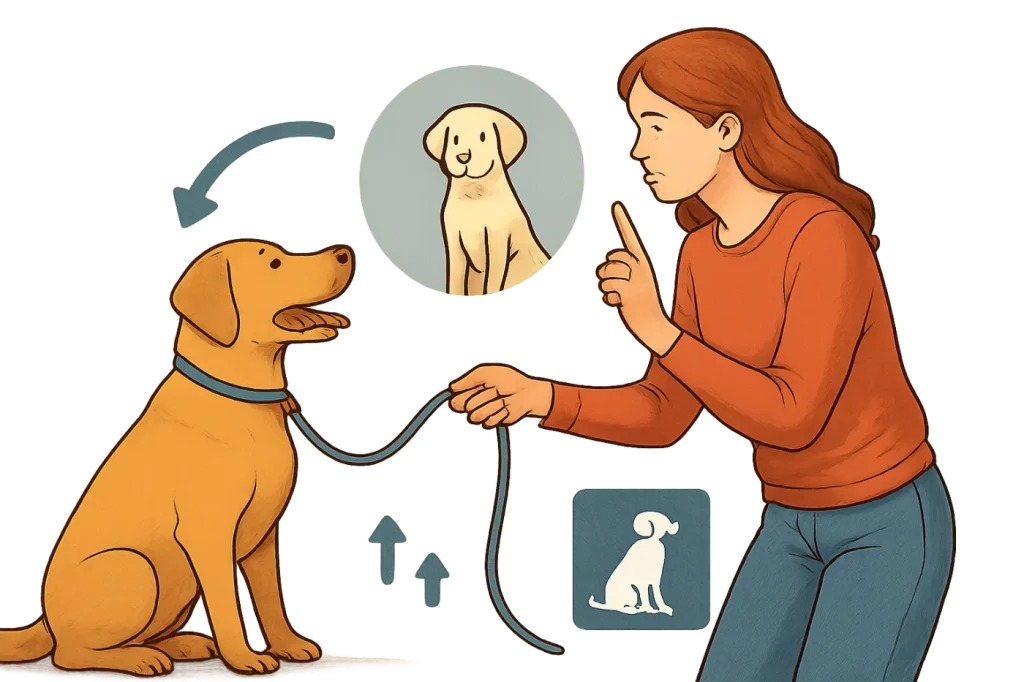
Temperament is the “factory setting” of your pet’s personality. You cannot rewrite it, but you can work with it. Training teaches skills; temperament shapes how easily those skills come, how your pet reacts to stress, and which situations will always be hard.
If you match your expectations and methods to your pet’s temperament, training becomes faster, kinder, and safer. If you fight it, you often end up frustrated, blaming your pet or yourself for something that was never realistic in the first place.
How temperament shapes training and everyday behaviour
Temperament is the stable pattern in how your pet reacts to the world: how quickly they get excited, how cautious they are, how much they enjoy people or other animals, and how easily they bounce back from stress. It shows up across situations and over time.
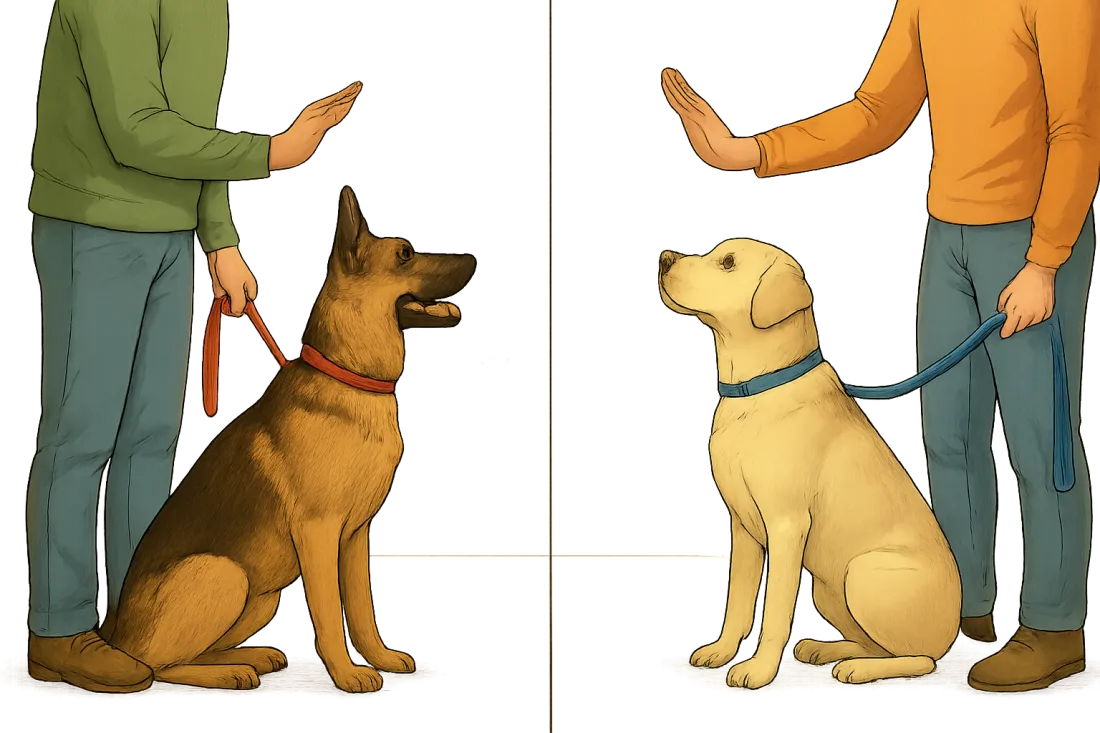
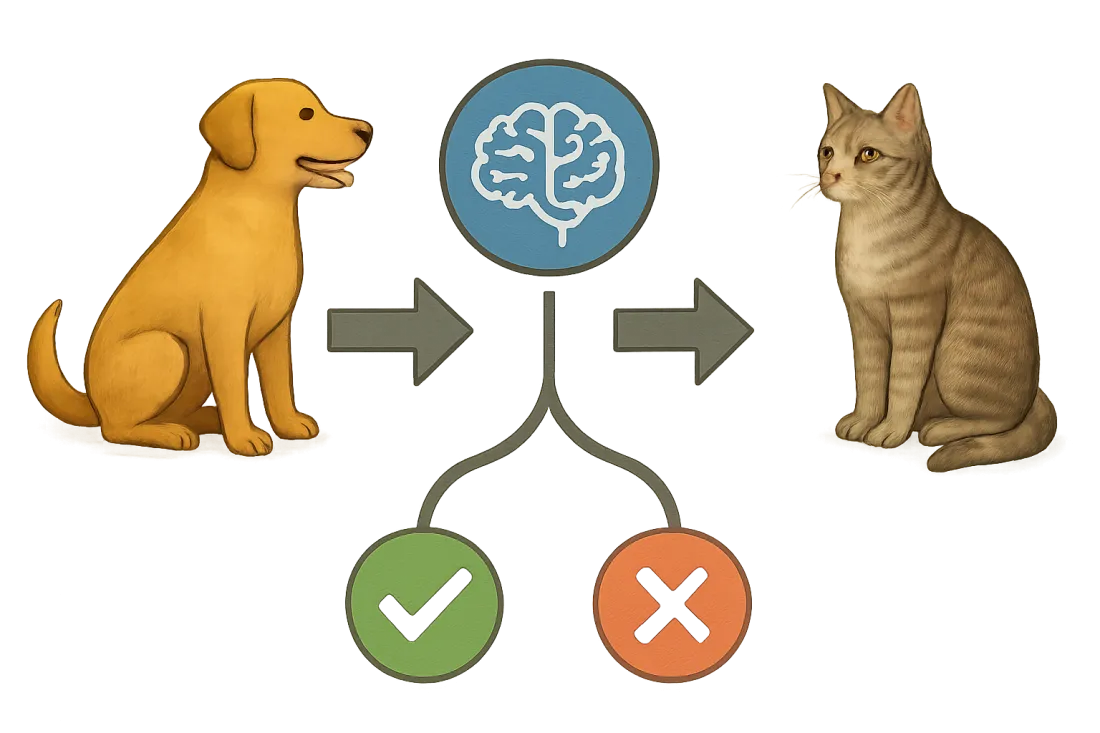
Training is what your pet has learned: sit, come, use the litter box, walk on a leash, scratch the post instead of the couch. Training changes behavior, but temperament influences:
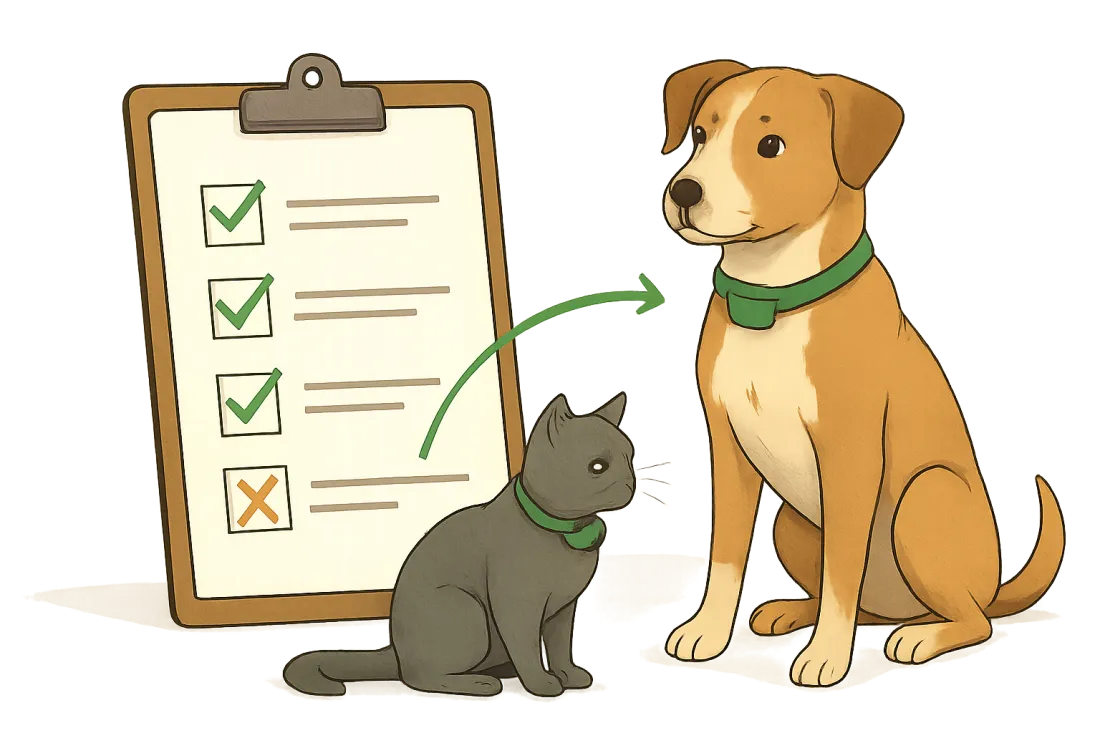
- How fast your pet learns – A bold, food-motivated dog may pick up new cues in a few short sessions, while a fearful dog needs many calm repetitions before they feel safe enough to learn.
- What your pet finds rewarding – A high-drive dog may work hard for a ball; a laid-back cat may prefer a soft voice and gentle petting over treats.
- How your pet reacts under stress – A fearful dog might freeze or hide; a reactive dog might bark and lunge; an aloof cat might swat and leave.
- Which environments are realistic – Some pets can enjoy busy dog parks or noisy events; others will always be happier on quiet walks or at home.
Thinking in terms of temperament does not excuse unsafe behavior, but it does change the plan. Instead of asking, “How do I make my dog love the dog park?” you ask, “Given my dog’s temperament, what is the kindest way to give them exercise and social contact?”
Temperament vs training: what can and cannot be changed
It helps to separate what you can reasonably change from what you should accept and manage.
What training can usually change
- Specific behaviors – Pulling on leash, jumping on guests, scratching furniture, ignoring recall, or barking at the window can all be improved with consistent training and management.
- Confidence in specific situations – With gradual exposure and rewards, many shy pets can learn to tolerate nail trims, car rides, or visitors.
- Impulse control skills – Cues like “wait,” “leave it,” and “settle” help excitable pets pause before reacting.
- Household routines – Meal times, sleeping spots, potty areas, and play schedules can be shaped for almost any temperament.
What temperament usually sets (and training only softens)
- Baseline energy level – Training can teach a high-energy dog to relax on a mat, but it will not turn them into a couch potato. Likewise, a naturally calm cat will not become a marathon play partner.
- Social comfort zone – A truly people-focused dog may enjoy greeting strangers; a naturally aloof cat may always prefer limited handling, even if they tolerate it politely.
- Reaction style under stress – Training can reduce intensity, but a dog who tends to bark when startled is unlikely to become completely silent in all situations.
- Need for predictability – Some pets cope well with change; others become anxious when routines shift. Training can help, but the underlying need for structure remains.
Think of temperament as the range on a dimmer switch. Training can move the light up or down within that range, but it cannot turn a lamp into a ceiling fan. Accepting this saves a lot of frustration and leads to more humane choices.
Common temperament-linked behaviour challenges
Many behavior problems make more sense when you look at the temperament underneath. Here are four common patterns and how they tend to show up.
Reactivity and overexcitability
Typical temperament: bold, high-drive, easily aroused, often very social or very intense about certain triggers (other dogs, squirrels, doorbells).
Common behaviors:
- Barking and lunging at other dogs or people on walks
- Explosive greeting behavior (jumping, mouthing, zoomies)
- Difficulty settling after play or visitors
- Chasing moving objects (bikes, cats, wildlife)
Why temperament matters: These pets are not necessarily aggressive. Their nervous system just ramps up quickly and takes longer to come back down. Punishing the outburst without addressing arousal and impulse control often makes things worse.
Fearfulness and anxiety
Typical temperament: cautious, sensitive to noise or change, slow to warm up to new people, places, or animals.
Common behaviors:
- Hiding, freezing, or trying to escape in new environments
- Growling, hissing, or snapping when cornered or handled
- Noise sensitivity (thunder, fireworks, household sounds)
- Clinginess to one person, distress when left alone
Why temperament matters: These pets are not being “stubborn” or “dramatic.” Their fear feels real to them. Forcing them into scary situations can deepen the fear and damage trust.
Aloofness and independence
Typical temperament: self-contained, low social drive, often seen in some cats and certain dog breeds or individuals.
Common behaviors:
- Walking away from petting or play after a short time
- Ignoring cues when not motivated
- Preferring to rest in another room
- Disliking prolonged hugging or restraint
Why temperament matters: These pets are not necessarily unhappy or unbonded. They simply show affection differently and may have a lower tolerance for handling. Pushing constant interaction can lead to swats, nips, or avoidance.
Laid-back or low-drive temperaments
Typical temperament: calm, low to moderate energy, not easily excited, often very steady once trained.
Common behaviors:
- Slow response to cues, especially in distracting places
- Less interest in toys or training games
- Content to nap much of the day
- May gain weight easily if exercise is limited
Why temperament matters: These pets can be wonderful companions, but they may need extra creativity to stay engaged in training. Owners sometimes misread their calmness as “fine with anything” and miss subtle signs of stress or discomfort.
How to tailor training methods to different temperaments
Once you recognize your pet’s temperament, you can adjust how you teach, reward, and manage the environment.
Training shy or fearful pets
- Go at their pace: Use gradual exposure (desensitization) to new people, places, and objects. Keep distance and intensity low enough that your pet can still take treats and explore.
- Pair scary things with good things: Every time something mildly scary appears (a stranger at a distance, a new sound), calmly offer high-value treats or play, then remove the pressure.
- Protect their safe space: Provide hiding spots (crate, covered bed, high perch) and teach family members to leave the pet alone when they retreat there.
- Avoid flooding: Do not force your pet into crowded events, busy dog parks, or long handling sessions “to get them used to it.” That often backfires.
- Reward tiny bravery: Mark and reward small steps—looking at the scary thing, taking one step closer, sniffing, or choosing to stay in the room.
Training bold, high-drive, or reactive pets
- Use their drive, don’t fight it: Channel energy into structured games like fetch with rules, scent games, or short training bursts instead of endless free play.
- Teach strong impulse control: Practice “sit” or “down” before doors open, “wait” for food bowls, and “leave it” around toys or food. Start in low-distraction areas.
- Manage the environment: Increase distance from triggers on walks, use visual barriers at windows, and avoid crowded spaces until your pet has better skills.
- Keep sessions short and frequent: Several 3–5 minute sessions spaced through the day often work better than one long session.
- Reward calm, not just excitement: Mark and reward moments of quiet, loose body language, and eye contact, not only high-energy responses.
Training aloof or independent pets
- Find their real motivators: Some respond best to food; others to access to a favorite window, a short play burst, or simply being left alone after cooperating.
- Keep handling predictable: Use clear routines for grooming, nail trims, and vet visits. Teach cooperative care behaviors like “chin rest” or “target hand” to signal consent.
- Respect their limits: Learn early signs of discomfort (tail flicks, ear position, stiffening) and give breaks before they escalate to swats or growls.
- Use short, focused sessions: Many independent pets work well for 1–3 minutes at a time, then need a break.
Training laid-back or low-drive pets
- Increase reward value: Use especially tasty treats or favorite activities to make training worth the effort.
- Train around natural energy peaks: Many pets are more alert in the morning or evening. Avoid training right after big meals or long naps.
- Mix movement into training: Use short recall games, gentle tug, or chasing a treat tossed a few steps away to wake up their interest.
- Watch for health issues: If a previously active pet becomes very low-energy or resistant to movement, consult your veterinarian to rule out pain or illness.
Realistic expectations for shy, bold, high-drive, and laid-back pets
Setting fair expectations is one of the most important parts of temperament-aware training. The goal is not to make every pet fit the same mold, but to help them be the best version of themselves.
| Temperament type | Realistic training goals | Unfair or risky expectations | Better alternatives |
|---|---|---|---|
| Shy or fearful | Comfortable at home, able to handle routine care, calm walks in quiet areas, polite distance from strangers | Enjoying crowded dog parks, greeting every visitor, tolerating constant handling from children or strangers | Quiet walks, limited trusted visitors, structured introductions, safe retreat spaces |
| Bold, high-drive, reactive | Responding to cues around moderate distractions, safe management around triggers, appropriate outlets for energy | Instant perfect behavior in chaotic environments, off-leash freedom everywhere, unlimited rough play with other pets | On-leash hikes, controlled playdates, sports or games that match their drive, gradual exposure to busier places |
| Aloof or independent | Reliable response to key cues, tolerance for necessary handling, comfortable coexistence with family | Constant cuddling, being a therapy animal, enjoying being passed around at parties | Short, positive interactions on their terms, consent-based handling, quiet safe zones |
| Laid-back or low-drive | Basic manners, steady behavior in familiar settings, moderate daily activity | High-intensity sports, all-day hiking, nonstop play with energetic children | Short walks, gentle play, puzzle feeders, calm family time |
When temperament makes certain activities unsafe or unfair
Some popular activities simply do not fit every temperament. Forcing a mismatch can be unsafe for people and animals and unfair to the pet.
Dog parks and off-leash play
Often a poor fit for:
- Shy or fearful dogs who feel trapped or overwhelmed by groups
- Reactive or high-drive dogs who struggle with impulse control around others
- Dogs who guard toys, people, or space
Safer alternatives: On-leash walks with distance from others, fenced yards with known playmates, parallel walks with one calm dog, or structured playdates with dogs your dog already likes.
Busy events, patios, and festivals
Often a poor fit for:
- Noise-sensitive or easily startled pets
- Pets who dislike strangers touching them
- Pets who show motion sensitivity (chasing bikes, scooters, kids)
Safer alternatives: Short visits to quieter locations, staying home with enrichment while humans go out, or practicing calm behavior in less intense environments first.
Travel and frequent changes
Often a poor fit for:
- Pets who rely heavily on routine and familiar spaces
- Pets who get car sick or show extreme stress in carriers
- Pets with a history of anxiety in new places
Safer alternatives: Trusted pet sitters at home, shorter trips with careful preparation, or gradual carrier and car training long before major travel.
High-impact sports and intense jobs
Often a poor fit for:
- Laid-back or low-drive pets who tire quickly or show little interest
- Pets with structural or medical limitations
- Very fearful pets who find new environments overwhelming
Safer alternatives: Low-impact activities like scent games, gentle walks, trick training, or casual backyard agility adjusted to your pet’s comfort.
You have noticed that your pet’s temperament (for example, shy, reactive, or very laid-back) is affecting training and daily life, and you want a concrete way to plan around it instead of fighting it.
Start with three inputs: your pet’s main temperament traits (shy, bold, high-drive, laid-back, aloof), the top three situations that are currently hard (such as visitors, walks, grooming), and the rewards your pet actually enjoys (specific foods, toys, games, or types of touch).
For each difficult situation, match one training skill and one management change to your pet’s temperament. For a shy pet and visitors, choose a skill like “go to mat” and pair it with management such as giving the pet a safe room with a chew when guests arrive. For a high-drive, reactive dog on walks, teach “look at me” and “turn away,” and manage distance by crossing the street before your dog becomes overwhelmed. For a laid-back pet who ignores cues, schedule two or three very short sessions at their most alert time of day and use especially valuable rewards. Write these pairings down as a weekly plan and practice in tiny steps rather than jumping straight into the hardest version of each situation.
After one to two weeks, check whether your pet recovers faster from stress, needs fewer reminders, or shows even small improvements in the tough situations. If you see no progress at all, or your pet’s fear or aggression is increasing, that is a signal to adjust the plan and consult a qualified trainer or veterinary professional for a more tailored approach.
Structured checklist: temperament-aware training and management plan
Use this checklist to build or adjust your plan around your pet’s temperament.
- Identify your pet’s main temperament traits
- Mostly shy or cautious in new situations
- Mostly bold and curious
- Easily excited or reactive
- Calm and laid-back
- Aloof or independent
- Mix of several traits (note which)
- List top three behavior challenges
- Challenge 1 (for example, barking at visitors)
- Challenge 2
- Challenge 3
- Match each challenge to temperament
- For each challenge, write why your pet’s temperament might contribute (fear, overexcitement, low motivation, dislike of handling).
- Choose one key skill per challenge
- Calm behavior skill (for example, “go to mat,” “settle,” or “stay”)
- Safety skill (for example, recall, “leave it,” or moving away on cue)
- Handling skill (for example, chin rest, targeting, or stepping into a carrier)
- Adjust rewards to temperament
- High-value food for fearful or low-drive pets
- Toys and games for high-drive pets
- Short, respectful contact for aloof pets
- Calm praise and gentle play for laid-back pets
- Modify the environment
- Add safe spaces (crate, bed, perch) and teach your pet to use them
- Reduce exposure to triggers (cover windows, change walk routes, limit visitors)
- Use barriers or leashes to prevent rehearsing problem behaviors
- Set realistic goals and timelines
- Define what “success” looks like for your pet’s temperament (for example, tolerating visitors at a distance, not loving them)
- Plan for small weekly improvements instead of overnight change
- Decide when to get help
- If there is any risk of bites or serious injury
- If fear or aggression is getting worse
- If you feel stuck or overwhelmed
Common mistakes when training without temperament in mind
Certain patterns show up again and again when owners overlook temperament. Avoiding these can save time and stress.
- Expecting every pet to be social with everyone: Many shy or aloof pets prefer a small circle of trusted people. Forcing constant interaction can increase fear or irritation.
- Labeling fear as stubbornness or spite: A dog who will not walk past a trash can or a cat who hides from visitors is not plotting against you; they are scared. Pushing harder without addressing fear can lead to defensive aggression.
- Using only one training style for every pet: High-drive dogs may love fast-paced games; sensitive pets may shut down under pressure. Flexibility is key.
- Skipping management: Hoping a reactive dog will “get used to it” at a busy dog park or a stressed cat will “adjust” to rough play often leads to repeated bad experiences that cement the problem.
- Ignoring early warning signs: Staring, stiffening, tail flicks, or subtle avoidance are often the first clues that a situation is too much. Waiting for a growl, snap, or bite is too late.
- Comparing your pet to others: Social media and dog parks make it easy to feel like your pet is “behind.” The only fair comparison is your pet today versus your pet a few weeks ago.
If you are working on house training specifically and running into problems, you may also find it helpful to review common pitfalls such as basic house training mistakes new dog owners make or broader house training mistakes to avoid with dogs and cats, especially if your pet’s temperament makes accidents more likely when stressed.
When to seek professional help (trainer vs veterinary behaviorist)
Temperament-aware training does not mean you must solve everything alone. Some situations call for professional support.
When a qualified trainer is a good fit
Look for a certified, reward-based trainer when:
- You want help reading your pet’s body language and temperament.
- You need a structured plan for manners, leash skills, or basic fear or reactivity.
- You feel stuck or inconsistent with training.
- Your pet’s behavior is challenging but not dangerous (for example, mild leash reactivity, jumping, pulling, or mild resource guarding).
When a veterinary professional is important
Talk to your regular veterinarian or a veterinary behaviorist when:
- Your pet shows severe fear, panic, or aggression.
- There is any risk of bites or serious injury to people or other animals.
- Behavior changes suddenly or is accompanied by signs of pain or illness.
- Training alone has not helped, or things are getting worse.
Veterinary behavior support can include medical evaluation, pain management, and, when appropriate, behavior medication alongside training. This can be especially important for very fearful or anxious pets whose temperament makes daily life overwhelming.
Resources for ongoing learning in the United States
In the United States, there are several ways to find qualified help and deepen your understanding of temperament and behavior:
- Certification directories: Many professional training and behavior organizations maintain online directories where you can search for credentialed trainers or behavior professionals in your area. Look for those that emphasize humane, reward-based methods.
- Veterinary referrals: Your primary care veterinarian can often recommend local trainers or behavior specialists they trust and coordinate care if medical issues are involved.
- Local training clubs and classes: Group classes can be helpful for many pets, especially when class size is small and instructors are willing to adjust exercises for shy, reactive, or easily overwhelmed animals.
- Continuing education for owners: Webinars, books, and reputable online courses on pet behavior and training can help you better understand temperament, body language, and humane training techniques.
For cat owners who are deciding which type of cat might fit their household, a resource such as a detailed cat breed temperament guide can also help you match future pets to your lifestyle and expectations.
FAQ: temperament, training, and what to do next
What should I understand first about how my pet’s temperament affects training and behavior?
Temperament sets the baseline for how your pet reacts to the world—how quickly they get excited or scared, how social they are, and how easily they recover from stress. Training can teach skills and improve behavior, but it works best when you respect that baseline. A shy pet may never love crowds, and a high-drive dog may always need more outlets than a laid-back one. When you see problem behavior, ask what temperament trait might be underneath (fear, overexcitement, low motivation) and adjust your plan instead of assuming your pet is being difficult on purpose.
What are the biggest mistakes to avoid when training a pet with a strong temperament?
Common mistakes include forcing shy or fearful pets into overwhelming situations, taking reactive or high-drive dogs to busy dog parks before they have solid skills, expecting aloof pets to enjoy constant handling, and using harsh corrections that increase fear or frustration. Another major mistake is ignoring early signs of stress—like stiffening, avoidance, or tail flicks—until the pet growls, snaps, or bites. A better approach is to work below your pet’s stress threshold, use rewards they truly value, and change the environment so they are not constantly pushed past their limits.
What should I do next after realizing my pet’s temperament is driving behavior problems?
Start by writing down your pet’s main temperament traits and the top two or three situations that are hardest right now. For each situation, decide whether the main driver is fear, overexcitement, low motivation, or dislike of handling. Then pick one small, specific skill to teach (such as “go to mat,” “look at me,” or “step into carrier”) and one management change (such as adding distance, using a barrier, or limiting visitors) that makes that situation easier. Track progress for a couple of weeks. If you see no improvement or feel unsafe, contact a reward-based trainer or your veterinarian for a tailored plan.
How do I know if my expectations for my pet’s temperament are realistic?
Ask yourself whether you are trying to change who your pet is or just how they cope. Expecting a fearful dog to tolerate routine vet care with support is realistic; expecting them to enjoy being hugged by strangers is not. Expecting a high-drive dog to walk politely on leash is realistic; expecting them to be content with a five-minute walk once a day is not. If you are unsure, describe your pet and your goals to a qualified trainer or veterinary professional and ask what they would consider fair and achievable for that temperament.