
How to litter train a cat and stop accidents in simple steps
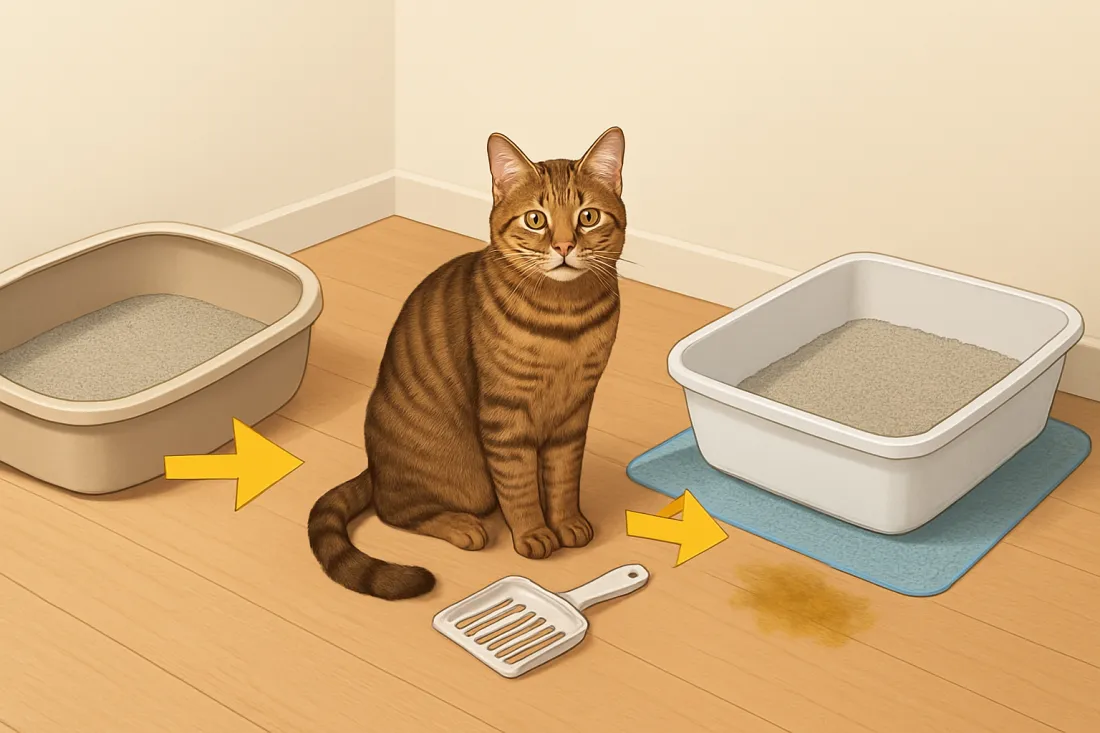
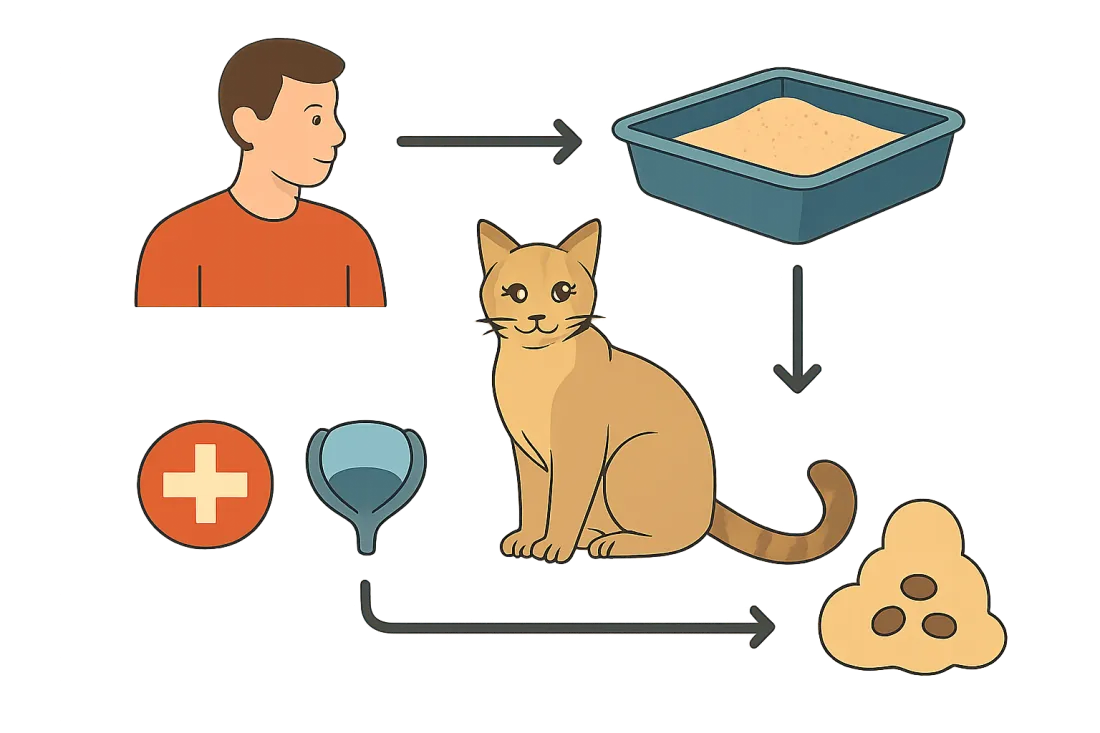
To litter train a cat and stop accidents, you need three things working together: the right box and litter, smart placement and cleaning, and a calm, consistent routine. Most healthy cats naturally want to use a clean, quiet litter box. When they do not, it is usually because something about the box, the litter, the location, stress, or their health is wrong. If your cat suddenly starts peeing or pooping outside the box, rule out medical issues with a vet, then adjust the box setup and routine using the guidance below. —
Why cats have accidents and what responsible owners should check first
Before changing everything at once, step back and look at the main reasons cats have litter box accidents:
- Medical problems – urinary tract infections, bladder inflammation, constipation, pain, or age-related changes can make the box feel like a painful place. Cats then avoid it.
- Box problems – the box is too small, too dirty, covered, has a high entry, or uses a litter the cat dislikes.
- Placement problems – the box is in a noisy, busy, scary, or hard-to-reach spot.
- Stress and territory – new pets, people, smells, or changes in routine can make cats mark or hide to eliminate.
- Incomplete training – especially in kittens or newly adopted cats who never learned where the box is or how to use it.
A responsible owner does three things right away:
- Observe the pattern – note when and where accidents happen, and whether the cat strains, cries, or makes many small puddles.
- Check the litter box setup honestly – size, cleanliness, location, and litter type.
- Contact a vet for sudden changes or signs of pain – do not assume it is “bad behavior.”
This overview will guide the rest of your decisions: if the cat is healthy, the solution is almost always in the box, litter, placement, and routine. —
Choosing the right litter box type, size, and number of boxes
The litter box itself is one of the biggest decision points. A cat that dislikes the box will look for a better bathroom elsewhere.
Size and shape: bigger is almost always better
As a rule of thumb, a litter box should be at least as long as your cat from nose to base of tail, and wide enough for them to turn around comfortably. Many standard boxes are too small for adult cats.
- Kittens – need a low entry (easy to climb) and enough room to dig and turn.
- Adult cats – often prefer large, open boxes or even large storage bins used as boxes.
- Senior or arthritic cats – need a low front entry and non-slip surface around the box.
If your cat is hanging their rear over the edge, perching on the rim, or stepping in their own waste, the box is probably too small.
Covered vs. uncovered boxes
- Uncovered boxes – give cats a clear view of their surroundings and better airflow. Many cats feel safer and are more willing to use them.
- Covered boxes – can trap odors and make some cats feel cornered. A few cats like the privacy, but many do better when the lid is removed.
If you are struggling with accidents and currently use a covered box, try removing the lid for a few weeks and see if usage improves.
How many litter boxes you actually need
A widely used guideline is: one box per cat, plus one extra. For example:
- 1 cat → aim for 2 boxes in different locations.
- 2 cats → aim for 3 boxes.
- 3 cats → aim for 4 boxes.
In small apartments, you may not reach this ideal, but more than one box still helps. Multiple boxes:
- Reduce competition between cats.
- Give options if one box is temporarily dirty.
- Help you see patterns (for example, a cat only avoids one specific box).
—
Best litter types and how to transition without causing accidents
Most cats prefer a soft, fine-textured litter that is easy to dig in and does not have a strong smell.
Common litter options and how they compare
| Litter type | When it fits best | Potential downsides | Tips to reduce accidents |
|---|---|---|---|
| Clumping clay | Most adult cats; easy daily scooping | Can be dusty; some scented versions are strong | Choose unscented, fine-grain; scoop at least once daily |
| Non-clumping clay | Short-term use, kittens, or when clumping is not desired | Needs full changes more often; can get muddy | Change frequently and keep depth shallow but diggable |
| Plant-based (corn, wheat, walnut, etc.) | Owners wanting biodegradable options | Some cats dislike texture or smell; may attract insects if not cleaned | Transition slowly; watch for signs of avoidance |
| Paper or wood pellets | Cats recovering from surgery; declawed cats; low dust needs | Texture is very different; some cats never adapt | Mix with familiar litter at first; provide an alternative box |
| Crystal/silica | Homes wanting low-odor, low-maintenance options | Texture can be sharp or uncomfortable for some cats | Offer one box with crystals and one with softer litter |
How to change litter without triggering accidents
Cats are sensitive to change. A sudden switch in litter type or scent can cause them to avoid the box. Use this gradual transition:
- Week 1 – 75% old litter, 25% new litter.
- Week 2 – 50% old, 50% new.
- Week 3 – 25% old, 75% new.
- Week 4 – 100% new litter, if the cat is using the box well.
Watch your cat closely. If they start avoiding the box at any stage, go back to the previous mix or offer a second box with their original litter.
Depth and scent matter
- Litter depth – most cats like enough litter to dig and cover, but not so deep that they sink. Aim for a few inches and adjust based on your cat’s digging behavior.
- Fragrance – strong perfumes can be overwhelming. Unscented litter plus good cleaning is usually better than heavily scented products.
—
Ideal litter box placement in different home layouts
Where you put the box can be as important as the box itself. Cats want a safe, quiet, and easily accessible bathroom.
General placement rules
- Quiet, not isolated – avoid loud appliances, kids’ play areas, or constantly slamming doors, but do not hide the box in a spot that is hard to reach.
- Easy escape routes – cats like to see who is coming and going. Avoid tight corners where they might feel trapped, especially in multi-cat homes.
- Away from food and water – most cats do not like to eliminate near their bowls.
- Accessible 24/7 – do not put the box in a room that is sometimes closed.
Small apartments
In a studio or one-bedroom apartment:
- Use at least two boxes if possible, for example, one in the bathroom and one in a quiet corner of the living area.
- Avoid placing the only box next to noisy laundry machines or right by the front door.
- If space is tight, prioritize an open, large box over a hidden, cramped one.
Multi-story homes
In a house with more than one level:
- Place at least one box on each floor your cat uses regularly.
- For kittens, seniors, or cats with mobility issues, avoid steep stairs between them and the nearest box.
- Do not line all boxes up in one room; spread them out so a nervous cat can always find a quiet spot.
—
Step-by-step litter training for kittens
Most kittens learn quickly if you give them the right setup and a calm routine.
Before you bring the kitten home
- Set up a small “safe room” (bathroom or quiet bedroom) with food, water, bed, toys, and at least one low-sided litter box.
- Use a soft, unscented litter and a shallow box they can easily climb into.
- Block off hiding spots where accidents would be hard to clean (under heavy furniture, inside closets).
First days: teaching the basics
Follow this simple routine:
- Introduce the box immediately – gently place the kitten in the box when you get home and let them sniff and explore.
- Guide them after key moments – place the kitten in the box after waking up, after meals, and after intense play sessions.
- Watch for “pre-bathroom” signs – sniffing the floor, circling, or squatting. Gently move them to the box when you see these.
- Reward quietly – when they use the box, offer calm praise or a small treat nearby.
If the kitten has an accident, do not punish them. Clean the spot thoroughly and keep them in the safe room with the box until they are consistently using it.
Expanding their space without losing training
Once the kitten uses the box reliably in the safe room:
- Gradually open more of the home, one area at a time.
- Add extra boxes in new areas so a bathroom is always nearby.
- If accidents start again, reduce their roaming area and go back a step.
—
Helping adult cats adjust to a new home or new box
Adult cats often know how to use a litter box, but changes can confuse or stress them.
Newly adopted adult cats
- Start them in a single quiet room with a box, food, water, and hiding spots.
- Show them the box several times a day, especially after meals or naps.
- Use a similar litter type to what they had before, if you know it. If not, start with a common, unscented clumping litter.
- Only expand their territory once they are using the box reliably.
Changing the box or moving it
If you must move a box or replace it:
- Place the new box next to the old one for a week or two.
- Once the cat uses the new box regularly, slowly move it a few feet at a time toward the new location.
- Do not suddenly remove the old box until the cat is clearly comfortable with the new setup.
If accidents start right after a change, go back to the last setup that worked and adjust more gradually. —
Cleaning accidents properly so cats do not return to the same spot
Cats are drawn back to places that smell like urine or feces, even when humans cannot smell anything.
How to clean urine and feces accidents
- Blot, do not rub – soak up as much liquid as possible with paper towels or a cloth.
- Use an enzymatic cleaner – these products break down the odor-causing components in urine and feces. Follow the label instructions for soaking time.
- Rinse and blot again if needed – especially on fabrics or carpets.
- Let the area dry completely – use fans or open windows to speed drying.
Avoid using strong ammonia-based cleaners, as they can smell similar to urine and may encourage repeat marking.
Discouraging repeat visits to the same spot
Once the area is clean and dry:
- Place a food bowl, bed, or play area there if practical. Many cats avoid eliminating where they eat or sleep.
- Block access temporarily with furniture, baby gates, or closed doors while you work on the litter box setup.
- Provide an attractive alternative – a clean, easy-to-reach box nearby.
For more detailed odor control strategies, you can also review guidance on how to keep litter box from smelling so the box itself stays inviting. —
Behavior vs. medical issues: when a vet visit is urgent
Not all accidents are behavioral. Some are medical emergencies.
Red flags that point to medical problems
Contact a veterinarian promptly if you notice any of these:
- Straining in the box with little or no urine produced.
- Frequent trips to the box or many small puddles around the home.
- Blood in urine or stool.
- Crying, hissing, or obvious pain while urinating or defecating.
- Sudden change in habits in a previously reliable cat.
- Vomiting, lethargy, or loss of appetite along with accidents.
In some male cats, being unable to urinate at all can become life-threatening quickly. Do not wait to see if it improves on its own.
When behavior and environment are more likely
If your vet rules out medical causes, focus on:
- Improving box size, number, and cleanliness.
- Adjusting litter type and depth.
- Reducing stress (more hiding spots, vertical space, predictable routines).
- Separating resources in multi-cat homes so cats do not have to compete.
If you suspect stress or conflict between pets, resources on how to avoid common litter box problems can help you fine-tune the environment. —
Multi-cat household strategies to reduce stress and accidents
In homes with more than one cat, accidents often come from tension or competition, not from a lack of training.
Resource distribution
Spread out key resources so cats do not have to share closely:
- Litter boxes on different sides of the home and, if possible, on different levels.
- Multiple feeding and water stations.
- Several resting spots and hiding places.
- Vertical spaces like shelves or cat trees so cats can avoid each other.
Watching for subtle bullying
Sometimes one cat blocks another from using the box:
- Staring at the other cat near the box entrance.
- Ambushing as the other cat exits.
- Following them every time they head toward the box.
If you see this, add more boxes in locations where the bullied cat can reach them without passing the other cat’s favorite resting spots. —
Weekly litter box maintenance and monitoring checklist
Use this structured checklist to keep the box inviting and catch problems early.
Daily tasks
- Scoop clumps and solid waste from every box at least once a day (twice is better in multi-cat homes).
- Check for changes in urine size, color, or frequency.
- Top up litter to maintain a comfortable digging depth.
- Wipe up any scattered litter and keep the area dry and non-slippery.
Weekly tasks
- Empty each box completely.
- Wash the box with mild, unscented soap and warm water; rinse and dry thoroughly.
- Refill with fresh litter to the usual depth.
- Inspect the box for cracks, sharp edges, or strong residual odors; replace if needed.
- Review box locations – are any now near new noise sources or busy areas?
Monthly and ongoing checks
- Evaluate whether the number of boxes still fits your household (new pets, changes in mobility, etc.).
- Note any pattern of accidents in a log: date, time, location, and what changed recently.
- Schedule a vet check if you see repeated accidents, changes in elimination, or signs of discomfort.
For a simple daily routine that keeps the box fresh and appealing, you can also look at daily litter box maintenance tips. —
Comparison: kitten training vs. fixing accidents in adult cats
Training a kitten and helping an adult cat with accidents share the same basics, but the focus is different.
| Aspect | Kittens learning from scratch | Adult cats with accidents |
|---|---|---|
| Main goal | Teach where the bathroom is and build a habit | Find and fix what broke a previously learned habit |
| Key focus | Frequent box introductions, small safe area, routine | Medical check, box and litter review, stress reduction |
| Common mistakes | Giving too much freedom too soon; boxes too high-sided | Assuming “spite,” punishing, changing too many things at once |
| Typical timeline | Many kittens learn basic box use within days to weeks | Depends on cause; can improve quickly once the right issue is addressed |
| When to call the vet | Diarrhea, constipation, blood, or repeated accidents despite good setup | Any sudden change, pain, straining, or repeated accidents |
—
Troubleshooting common litter box problems and practical fixes
Use this guide when you face specific issues.
- Cat pees on soft surfaces (bed, couch, laundry)
Likely reasons: prefers soft texture, stress, or marking.
Actions: add a large, soft-feeling litter (fine-grain) box nearby; block access to favorite spots; clean thoroughly with enzymatic cleaner; increase play and attention to reduce stress. - Cat poops just outside the box
Likely reasons: box too small, entry too high, litter depth uncomfortable, or negative experience in the box.
Actions: switch to a larger, low-entry box; adjust litter depth; ensure no loud noises or ambushes happen while the cat is in the box. - Cat uses one box but avoids another
Likely reasons: location, box type, or litter type differs.
Actions: make the avoided box match the preferred one in size, litter, and openness; move it to a similarly quiet spot. - Cat suddenly stops using any box
Likely reasons: medical issue, major household change, or very dirty boxes.
Actions: schedule a vet visit; deep-clean or replace boxes; add an extra box in a very quiet area; keep routine predictable. - Strong litter box odor even with scooping
Likely reasons: not enough boxes, litter not changed often enough, or poor ventilation.
Actions: increase scooping frequency, change litter more often, wash boxes weekly, and consider a different litter type that controls odor better.
—
Decision checklist: what to adjust first to stop accidents
When you are facing accidents, work through this checklist in order:
- Health check
Has there been a sudden change in habits, signs of pain, blood, or straining? If yes, contact a vet before assuming it is behavioral. - Box count and size
Do you have at least as many boxes as cats, ideally plus one extra? Are the boxes large enough for your cat to turn around comfortably? - Box type and access
Are any boxes covered, high-sided, or hard to enter for kittens or seniors? Try at least one large, open, low-entry box. - Litter type and depth
Is the litter unscented and soft enough to dig in? Is there enough depth for covering, but not so deep that the cat sinks? - Cleanliness
Are you scooping at least once daily and fully changing and washing boxes regularly? If not, increase cleaning for two weeks and watch for changes. - Placement
Are boxes in quiet, accessible locations away from food and loud noises? Move at least one box to a calmer spot. - Stress and household changes
Have you added new pets, people, or major changes recently? Provide extra hiding spots, vertical space, and playtime; separate resources in multi-cat homes. - Accident cleanup
Have all accident areas been cleaned with an enzymatic cleaner and blocked or repurposed so they are less attractive?
Work through one or two changes at a time and give your cat several days to respond before changing something else, unless your vet advises otherwise. —
Frequently asked questions about litter training and stopping accidents
What is the most important thing to understand about how to litter train a cat and stop accidents?
The key is that most healthy cats naturally want to use a clean, safe litter box. Accidents are usually a message that something about the box, litter, location, stress level, or their health is wrong. Instead of punishing the cat, focus on three pillars: rule out medical issues with a vet, make the litter box setup as appealing as possible, and keep a calm, consistent routine. When those pieces are in place, many accidents improve or stop altogether.
What common mistakes cause litter training to fail?
Several mistakes make accidents more likely:
- Using a box that is too small, covered, or hard to enter.
- Switching litter types or scents suddenly.
- Putting the box in a noisy, busy, or hard-to-reach spot.
- Letting boxes get dirty, assuming cats will “just use it anyway.”
- Giving kittens or new cats full run of the home before they know where the box is.
- Punishing accidents, which can make cats afraid to eliminate in front of you and hide their messes.
Avoiding these mistakes makes every other training step easier.
How long does it usually take to litter train a kitten or new cat?
Many kittens understand the basics of using a litter box within a few days when the setup is good and they are confined to a small safe area. Fine-tuning habits and reliability can take several weeks. Newly adopted adult cats may adjust quickly if they already know how to use a box, but stress or big changes can stretch the timeline. If you see no progress after a couple of weeks of consistent effort, or if accidents are frequent, talk with your vet to rule out medical issues and consider behavior guidance.
What should I do right after reading this to help my cat?
Start with a quick audit of your current setup:
- Check your cat for any signs of pain, straining, or sudden changes and contact your vet if you see them.
- Count your boxes and compare them to the number of cats; add at least one more if you can.
- Look at box size, type, and placement and upgrade at least one box to a large, open, low-entry model in a quiet spot.
- Commit to a daily scooping and weekly washing routine for the next few weeks.
- Clean any past accident areas thoroughly with an enzymatic cleaner and block or repurpose those spots.
These steps give your cat a clear, inviting bathroom option and make it much easier to see whether any remaining problems are medical or behavioral. —
Summary: key habits that prevent litter box accidents long term
To keep your cat reliably using the litter box:
- Provide enough large, open, easy-to-enter boxes in quiet, accessible locations.
- Use a soft, unscented litter your cat clearly accepts, and change it gradually if needed.
- Scoop daily, wash boxes regularly, and keep the surrounding area clean and safe.
- Clean accidents thoroughly with enzymatic cleaners and make those spots less attractive.
- Watch for changes in elimination habits and contact a vet promptly when something seems off.
- Reduce stress with predictable routines, play, hiding spots, and fair resource distribution in multi-cat homes.
With these habits, most cats will choose the litter box on their own, and accidents become rare exceptions instead of a daily struggle.