
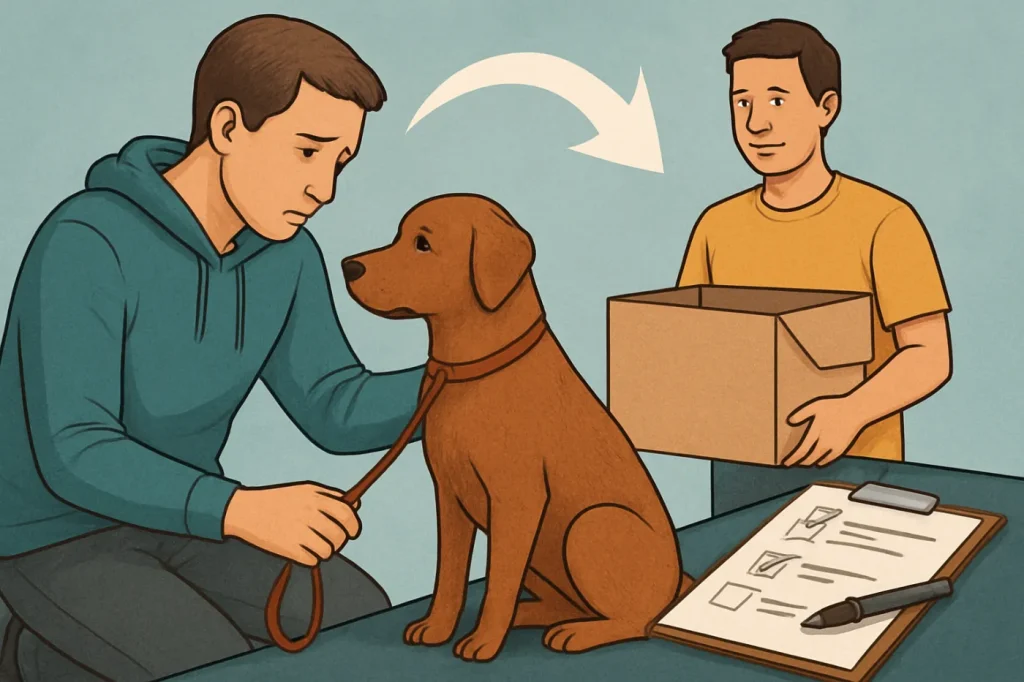
Rehoming a dog is one of the hardest decisions a pet owner can face. If you are reading this, you probably care deeply about your dog and want to do the right thing, even if that means letting them go. You are not a bad owner for asking how to responsibly rehome a dog in the US; you are trying to protect your dog’s future.
This guide walks through how to decide whether rehoming is truly necessary and, if it is, how to do it safely, ethically, and legally so your dog has the best possible chance at a stable, loving home.
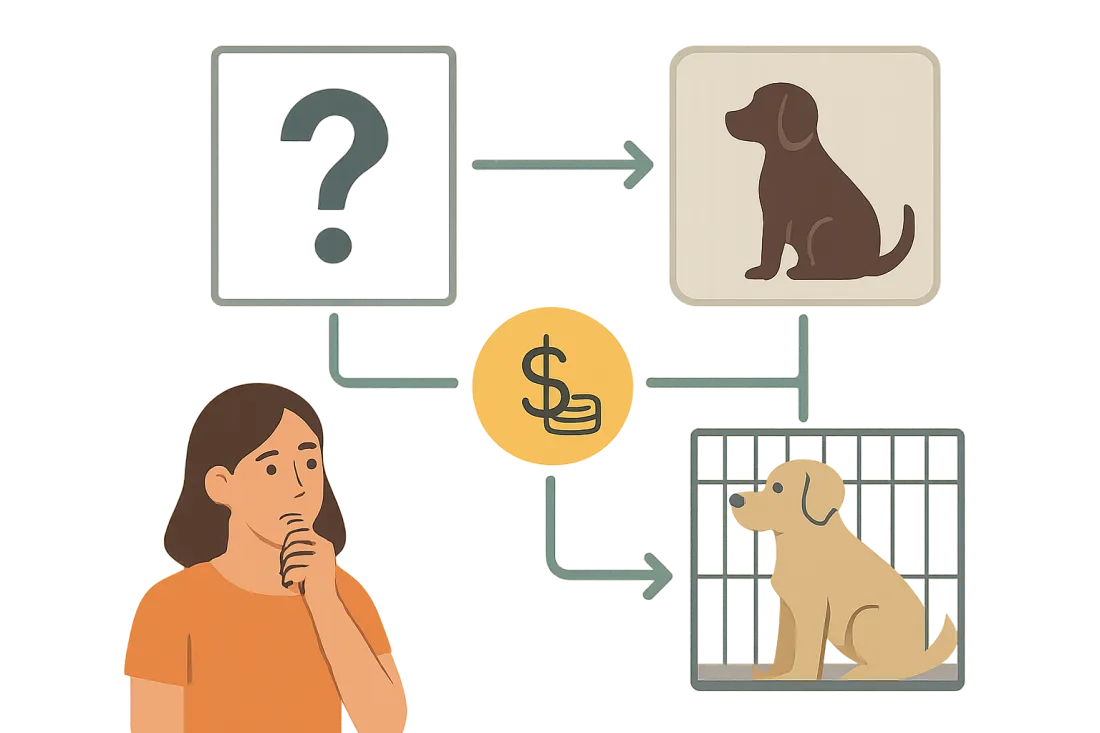
When to Try Fixing Problems vs When Rehoming Is Appropriate
Before you start rehoming, it helps to sort your situation into two groups:
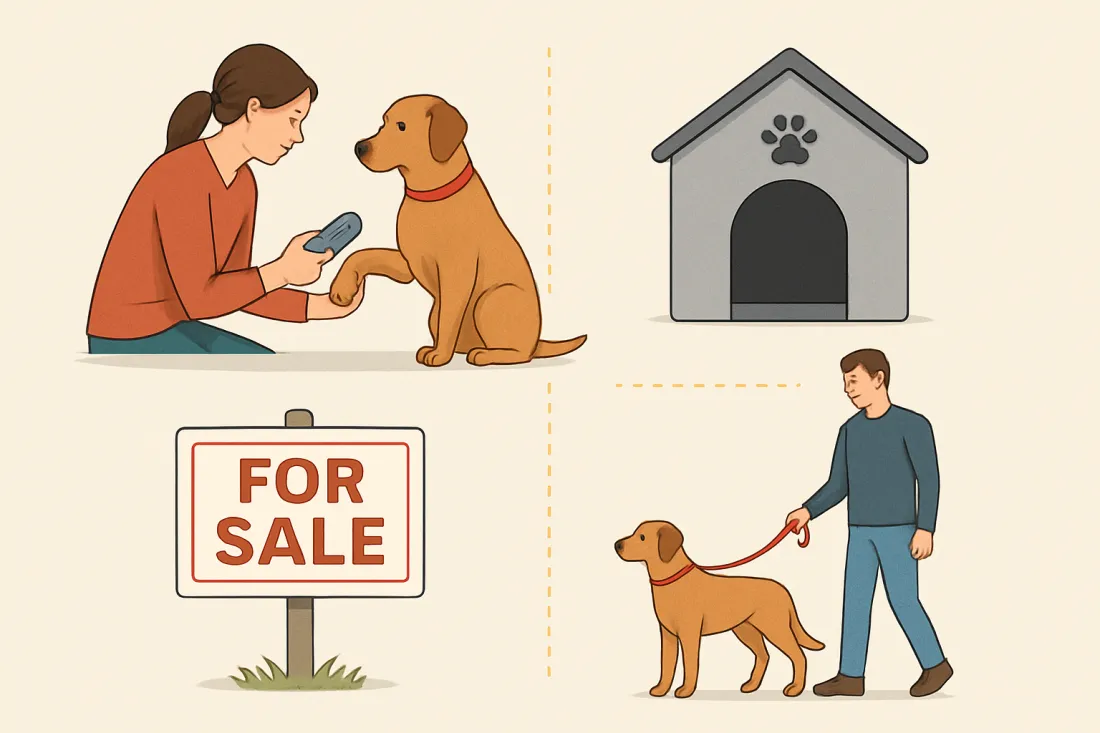
- Problems that might be solved or improved enough to keep your dog
- Situations where rehoming is a reasonable, responsible choice
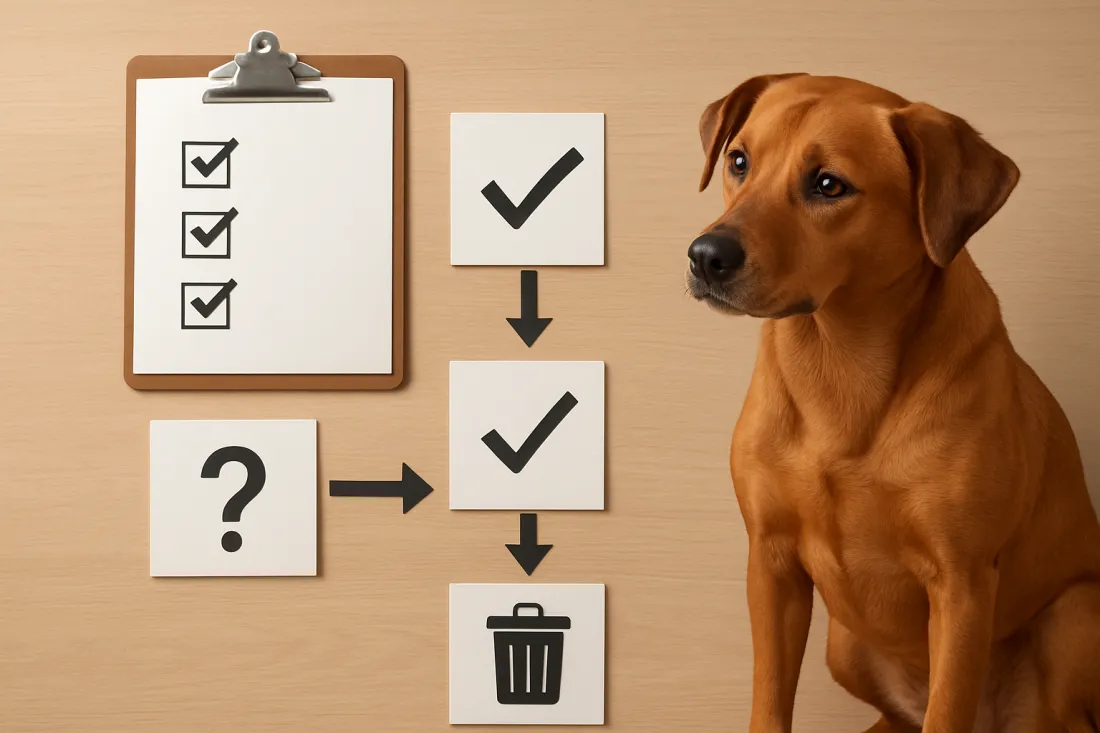
Decision guide: can this be fixed or is rehoming the kindest option?
Use this simple decision tree as a reality check:
- Is the main issue money (food, vet bills, grooming, training)?
Check for local low-cost clinics, payment plans, pet food banks, and training groups. If basic care is still out of reach even with help, rehoming may be kinder than ongoing neglect or medical delay. - Is the issue housing (landlord, eviction, move, breed/size restrictions)?
Ask your landlord about pet addendums, extra deposits, or behavior agreements. Search for pet-friendly housing and roommates. If you have genuinely no safe housing options that allow your dog, rehoming may be necessary. - Is the dog’s behavior putting people or other animals at risk?
Talk with a qualified trainer or behavior professional. If, after realistic training and management, the risk of serious injury remains high in your home, rehoming to a more suitable, experienced home can be responsible. - Has your life changed in a way that leaves the dog alone most of the time?
Consider dog walkers, daycare, neighbors, or family help. If your dog is regularly alone for very long stretches and you cannot change that, a home with more time and interaction may be better for them. - Are there serious allergies or health issues in the household?
Confirm with a medical professional. If allergy treatment or management is not working or not affordable, rehoming may be the safest option for the human family member and the dog. - Is there ongoing conflict between pets that you cannot safely manage?
Work with a behavior professional on management and training. If fights continue or risk is high, rehoming one pet to a carefully chosen home can prevent injuries and chronic stress for all animals.
If you are still unsure, a structured tool like the should i rehome my dog quiz can help you think through your situation more clearly.
When Rehoming Is and Is Not Appropriate
Responsible rehoming means being honest about when a new home is truly in your dog’s best interest and when other options should come first.
Situations where rehoming can be a responsible choice
- Unavoidable housing loss or restrictions. You are facing eviction, homelessness, or a move where no realistic pet-friendly options exist for your dog’s size or breed, even after serious searching.
- Major health or disability changes. A serious illness, injury, or disability in you or a family member makes it impossible to safely care for or supervise the dog.
- Persistent safety risks. Despite working with a qualified trainer or behavior professional, your dog continues to pose a high risk of serious injury to people or other animals in your home.
- Severe, unmanageable conflict between pets. Careful management and training have not stopped dangerous fights or chronic stress between animals in the household.
- Chronic unmet needs. Your dog’s basic needs for exercise, companionship, and mental stimulation cannot be met now or in the foreseeable future, even with support.
Situations where rehoming should be a last resort
- Normal training challenges. Issues like pulling on leash, mild chewing, or occasional accidents are usually fixable with training and management.
- Short-term life changes. Temporary schedule changes, a new baby, or a short-term financial setback may be manageable with help from friends, family, walkers, or low-cost services.
- “Not the dog I imagined.” Many dogs go through awkward or challenging stages. If the main issue is mismatched expectations, training and education can often turn things around.
- Mild allergies that respond to treatment. In some cases, medical management, cleaning routines, or limiting dog access to certain rooms can make co-living possible.
If you are in a gray area, talk with your vet, a trainer, or a local rescue. Getting an outside perspective can help you decide whether rehoming is truly the kindest option or whether targeted support could let your dog stay with you safely.
Alternatives to Rehoming a Dog
Before you move forward with rehoming, it is worth checking whether any realistic alternatives could keep your dog safe and cared for with you or within your wider support network.
Training and behavior support
- Work with a certified trainer or veterinary behaviorist for issues like reactivity, fear, or resource guarding.
- Use management tools such as baby gates, crates, leashes, and structured routines to prevent problem situations.
- Ask local shelters or rescues if they offer low-cost training classes or behavior helplines.
Financial and practical help
- Look for low-cost spay/neuter and vaccine clinics in your area.
- Ask your vet about payment plans or third-party financing for urgent care.
- Search for local pet food banks or community aid programs that include pet support.
- Share dog-care tasks with trusted neighbors, friends, or family (for example, regular walks or occasional pet sitting).
Temporary care options
- Short-term fostering with friends or family while you stabilize housing or health.
- Reputable boarding facilities or in-home sitters for limited periods.
- Rescue groups that offer temporary foster programs in crisis situations, when available.
If none of these options can realistically keep your dog safe and cared for, moving ahead with a careful, responsible rehoming plan may be the most humane path.
Key Legal and Safety Checks Before Rehoming a Dog in the US
Responsible rehoming is not just about finding “someone nice.” You also need to protect your dog and yourself legally and practically.
Ownership, contracts, and microchips
- Confirm who legally owns the dog. If the dog was adopted from a shelter or rescue, read your adoption contract. Some organizations require that the dog be returned to them if you cannot keep the dog.
- Check microchip registration. Contact the microchip company listed on your paperwork or ask a vet or shelter to scan the chip. Make sure the registration is in your name or that you have permission to rehome.
- Gather all paperwork. Collect vet records, vaccination history, spay/neuter proof, and any training or behavior notes. These help the new home care for your dog properly.
- Use a written transfer-of-ownership agreement. When you rehome privately, use a simple written agreement that states you are transferring ownership and that the new owner accepts responsibility for the dog’s care from a specific date.
Local rules and housing considerations
- Check local pet limits and breed/size rules. Some cities, counties, and housing communities limit the number of dogs or restrict certain breeds or sizes. Encourage potential adopters to confirm they are allowed to keep your dog where they live.
- Verify landlord or HOA approval. Ask adopters to show written approval if they rent or live in a community with rules. This helps prevent your dog from being forced out again.
- Confirm vaccination and licensing needs. Many areas require rabies vaccination and a dog license. If you cannot update vaccines before rehoming, be honest and put this in writing so the new owner knows what to do next.
Safety basics for you and your dog
- Never hand over a dog to a stranger without meeting in person. Meet in a safe, public place or at a trusted facility.
- Do not give a dog away sight-unseen through online listings. This increases the risk of neglect, abuse, or scams.
- Trust your instincts. If something feels off about a potential adopter, you are allowed to say no.
Step-by-Step Process to Responsibly Rehome a Dog
Once you are sure rehoming is the right decision, follow this practical process to give your dog the best chance at a stable, loving home.
Step 1: Prepare your dog for adoption
- Update basic vet care if you can. A recent checkup, core vaccines, and flea/tick prevention make your dog more adoptable and safer for the new home.
- Spay or neuter if possible. This can reduce the risk of your dog being used for breeding and may help with some behavior issues.
- Work on simple manners. Practice sit, come, walking on leash, and calm greetings. Even a week or two of focused practice can help.
- Write down behavior details honestly. Include what your dog is like with kids, other dogs, cats, strangers, and when left alone.
Step 2: Create a clear, honest rehoming profile
Your dog’s profile is like a resume and personal ad combined. It should help the right person recognize that your dog fits their life.
Include:
- Age, sex, size, and breed or mix (if known)
- Spay/neuter status and vaccination status
- Energy level (low, medium, high) and daily exercise needs
- Temperament (shy, social, protective, independent, cuddly)
- What your dog is good at (house-trained, crate-trained, rides well in the car, knows basic cues)
- What your dog struggles with (separation anxiety, reactivity, resource guarding, fear of strangers, medical issues)
- The type of home your dog needs (no small children, fenced yard preferred, experienced owner, only dog, okay with cats, etc.)
Step 3: Share the profile through safe, targeted channels
- Start with people you know. Friends, family, coworkers, neighbors, and your vet may know someone who is looking for a dog like yours.
- Use local networks. Community boards, local pet groups, and trainers can help spread the word.
- Be cautious with public online listings. If you use them, avoid “free to good home” language and always screen carefully before sharing your address.
Step 4: Screen potential adopters carefully
Screening is where you protect your dog from ending up in another bad match or in unsafe hands. At minimum:
- Ask written questions before meeting
- Speak by phone or video call
- Check vet and landlord references when relevant
- Arrange a meet-and-greet in a safe place
Step 5: Arrange a safe meet-and-greet
- Choose a neutral, low-stress location. A park, training facility, or your vet’s outdoor area can work well.
- Watch how the dog and people interact. Look for gentle handling, patience, and realistic expectations from the potential adopter.
- If they have other dogs, introduce carefully. Start with parallel walks at a distance, then gradually move closer if both dogs seem relaxed.
Step 6: Finalize the adoption and transfer information
- Use a written agreement. Include the dog’s identifying details, any known medical or behavior issues, and the date ownership transfers.
- Provide all records and supplies you can. Give vet records, microchip information, favorite toys, bed, food, and anything that smells like “home” to ease the transition.
- Update the microchip registration. Ask the new owner to update the registration and, if possible, confirm with the microchip company.
Step 7: Support the transition without hovering
- Agree on follow-up contact in advance. Some adopters are happy to send updates; others prefer privacy. Respect what you both agree to.
- Share routines and tips. Write down feeding times, walking schedules, and any cues or signals your dog knows.
- Encourage patience with the adjustment period. Explain that many dogs need time to settle into a new home.
How to Screen Potential Adopters and Avoid Scams
Most people who respond to rehoming posts are genuine, but you only need one bad actor to put your dog at risk. Careful screening protects your dog from neglect, unsafe environments, or being passed around again.
Red flags to watch for
- Refusing to answer basic questions about their home or experience
- Insisting on taking the dog immediately, without a meet-and-greet
- Being vague about where they live or who else is in the home
- Showing anger or pressure when you ask for time to decide
- Wanting the dog for vague “work” or “guarding” purposes without clear details
Practical screening steps
- Start with a written questionnaire. Ask about their schedule, home type, other pets, children, and experience with dogs.
- Have a phone or video call. This helps you sense their attitude and whether they understand the dog’s needs.
- Ask for a vet reference if they have or had pets. A quick call can confirm whether they keep pets up to date on care.
- Confirm housing rules. Ask renters for proof that dogs are allowed and that your dog’s size or breed is permitted.
- Consider a home visit or virtual tour. This is especially helpful for dogs with special needs or behavior concerns.
Safe Screening Questions Checklist for New Owners
Use these questions as a checklist when you talk with potential adopters. You do not have to ask every question word-for-word, but you should feel comfortable with the answers before you decide.
- Why do you want to adopt this particular dog, and what attracted you to them?
- Who lives in your home (adults, children and ages, roommates, frequent visitors)?
- Do you currently have other pets? If so, what species, ages, and personalities?
- What is your typical weekday and weekend schedule, and how long would the dog be alone most days?
- Do you rent or own your home, and are there any pet, size, or breed restrictions where you live?
- Where will the dog stay when you are at work or away (crate, specific room, loose in the house, yard, daycare)?
- How much daily exercise and mental enrichment can you realistically provide?
- What is your experience with dogs, especially dogs with similar size, energy level, or behavior?
- Are you prepared for ongoing costs such as food, routine vet care, emergency care, grooming, and training?
- How would you handle common issues like house-training accidents, chewing, barking, or pulling on leash?
- Do you have a plan for the dog if your life changes (move, new baby, job change, illness)?
- Can you provide a vet reference or contact for a previous pet’s care?
Comparison Table: Private Rehoming vs Going Through a Shelter or Rescue
There are two main paths to rehoming: finding a new home yourself or working with a shelter or rescue. Each has pros and cons.
| Option | When it fits best | Pros | Cons and risks |
|---|---|---|---|
| Private rehoming (you find the adopter) | You have time to screen people and your dog is safe to stay with you until adopted. |
|
|
| Open-admission shelter | You cannot keep the dog at home, or there is an urgent safety or housing crisis. |
|
|
| Limited-intake or foster-based rescue | Your dog has specific needs (breed, medical, behavior) and you can wait for a spot. |
|
|
Working With Shelters and Breed Rescues in the US
If private rehoming is not realistic, or you want professional help, shelters and rescues can be important partners.
How to approach local shelters
- Call ahead when possible. Explain your situation honestly and ask about surrender appointments, wait times, and any alternatives they can offer.
- Ask about behavior and medical evaluations. Many shelters will assess your dog and share what they learn with future adopters.
- Provide full history. Be honest about bites, reactivity, or health issues. Surprises make it harder for the shelter to place your dog safely.
How breed-specific and foster-based rescues can help
- Search for rescues that focus on your dog’s breed or type. They often understand typical behavior and health issues for that breed.
- Expect an application process. Rescues may ask for photos, vet records, and behavior details before agreeing to take your dog.
- Be ready to wait. Many rescues rely on foster homes and can only take dogs when a foster space opens.
Template: Rehoming Profile and Questions for Applicants
Use this template as a starting point for your dog’s profile and for screening questions. Adjust details to fit your dog and your comfort level.
Sample rehoming profile
Name: Daisy
Age: About 3 years
Size: 45 lb, medium
Breed: Mixed breed (looks like shepherd/lab mix)
Health: Spayed, up to date on core vaccines, no known chronic conditions
Energy level: Medium-high – needs at least one good walk or play session daily
Personality: Affectionate with her people, playful, can be shy with new adults at first but warms up with treats and patience
Good with: Most dogs after slow introductions, older kids who understand dogs
Needs work on: Pulling on leash when excited, barking at delivery people, still learning to settle when guests arrive
Ideal home: Active person or family, fenced yard helpful but not required if you enjoy daily walks, no very young children, someone willing to continue basic training
Reason for rehoming: Major life change and long work hours; Daisy is spending too much time alone and deserves more attention
Sample questions to ask potential adopters
- Why are you interested in adopting this particular dog?
- Who lives in your home (adults, children, ages, other pets)?
- What is your typical weekday and weekend schedule?
- How many hours would the dog be alone on a normal day?
- Do you rent or own your home? If you rent, are dogs allowed and are there any breed or size restrictions?
- Where will the dog stay when you are at work or away (crate, loose in the house, yard, daycare)?
- What is your experience with dogs, especially dogs with similar energy or behavior?
- Are you prepared for ongoing costs like food, routine vet care, and possible training?
- How would you handle common issues like house-training accidents, chewing, or barking?
- Can you provide a vet reference or contact for a previous pet’s care?
Decision Checklist: Are You Rehoming as Responsibly as Possible?
Use this checklist to make sure you have covered the essentials.
- I have honestly evaluated whether the problem can be solved without rehoming.
- I have checked any adoption contract or paperwork for return requirements.
- I have confirmed microchip details and gathered vet records.
- I have created a truthful, detailed profile of my dog, including challenges.
- I am prepared to say no to adopters who are not a good fit, even if I feel pressured.
- I will use a written agreement when transferring ownership.
- I have considered both private rehoming and working with shelters or rescues.
- I have a plan for my dog’s safety and care until a new home is found.
Common Mistakes When Rehoming a Dog (and How to Avoid Them)
Knowing what often goes wrong can help you protect your dog from being bounced around or ending up in a worse situation.
- Rushing because of guilt or pressure. Feeling awful about rehoming can make you want to “get it over with.” Take enough time to screen and choose carefully.
- Hiding behavior or medical issues. If you downplay problems, the new home may feel misled and return the dog or handle issues poorly.
- Using “free to good home” with no screening. This can attract people who are not prepared or who have bad intentions. Even a modest rehoming fee or donation requirement can encourage more serious adopters.
- Not checking housing rules. If the adopter’s landlord or HOA does not allow your dog, the dog may be forced out again.
- Letting shame stop you from asking for help. Many shelters, rescues, trainers, and support groups understand that life happens. Reaching out can give you options you did not know you had.
Understanding the 3-3-3 Rule and 7-7-7 Rule for Rehomed Dogs
People often mention the “3-3-3 rule” or “7-7-7 rule” when talking about rescue dogs. These are not strict scientific rules, but they are helpful reminders about adjustment time.
The 3-3-3 rule (common guideline)
- First 3 days: Many dogs feel overwhelmed, shut down, or extra clingy. They may eat or drink less, sleep more, or test boundaries.
- First 3 weeks: The dog starts to learn the routine, show more personality, and test what is allowed.
- First 3 months: The dog often feels more secure, understands the household rules, and forms deeper bonds.
Sharing this with adopters can help them stay patient during the early adjustment period.
The 7-7-7 idea
Some people talk about a “7-7-7” pattern (for example, 7 days, 7 weeks, 7 months) to describe similar stages of settling in. The exact timing varies by dog, but the message is the same: a rehomed dog needs time, structure, and patience to fully relax in a new home.
Emotional Support and Resources if You Feel Unsure or Guilty
Feeling grief, shame, or doubt about rehoming is extremely common. Those feelings usually mean you care, not that you are failing.
- Talk to someone who understands dogs. A trainer, vet, or rescue volunteer can help you see whether your expectations are realistic and whether rehoming is truly best for your dog.
- Reach out to trusted friends or family. Choose people who will listen rather than judge. Explain that you are trying to make the most responsible choice.
- Use structured tools to think clearly. A resource like the responsible pet ownership checklist USA can help you compare what your dog needs with what you can realistically provide right now.
- Allow yourself to grieve. Rehoming a dog can feel like a loss. It is okay to be sad, even if you are convinced it is the right decision.
- Remember your goal. The aim is not to punish yourself or prove loyalty at any cost; it is to give your dog a safe, stable, loving life, even if that life continues in another home.
FAQ: Responsible Rehoming Questions Answered
What is the 3-3-3 rule for rehoming dogs?
The 3-3-3 rule is a general guideline that says many dogs need about 3 days to decompress in a new home, 3 weeks to start learning the routine and showing more personality, and 3 months to feel more fully settled and secure. It is not exact for every dog, but it reminds adopters to be patient and consistent during the transition.
What should I do with a dog that I cannot keep?
First, check whether the problem can be solved with support, such as training, financial help, or housing changes. If keeping the dog is truly not possible, gather vet records and microchip information, contact any shelter or rescue you adopted from, and start a responsible rehoming process. That can include private rehoming with careful screening or working with local shelters and rescues to place your dog safely.
What is the 7-7-7 rule for rescue dogs?
The 7-7-7 rule is another way people describe adjustment stages, such as changes after roughly 7 days, 7 weeks, and 7 months in a new home. The idea is that dogs often show new layers of behavior and comfort over time. It is a reminder that settling in is a long process, not a one-week event.
How can I make rehoming less traumatic for my dog?
Keep your dog’s routine as stable as possible until the move, send them with familiar items like their bed and toys, share detailed information with the new home, and encourage the adopters to give your dog time and structure. A calm handover, clear communication, and patience with the adjustment period can all reduce stress for your dog.
How do I know if I am doing the right thing by rehoming?
Ask yourself whether your dog’s basic needs for safety, medical care, exercise, and companionship can be met in your current situation. If, even with support and realistic changes, you cannot meet those needs, then carefully rehoming your dog to a suitable home can be an act of responsibility and care. Using decision tools, talking with professionals, and being honest about your limits can help you feel more confident in your choice.