
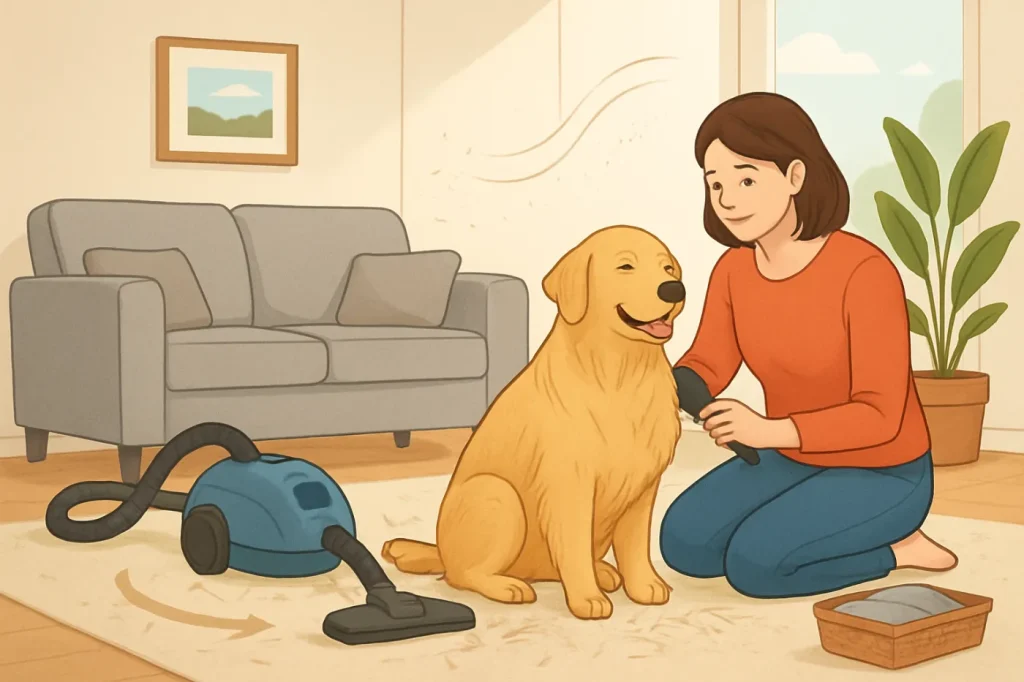
How to reduce pet hair and dander in the home without giving up your pets
If you want less fur on your floors, fewer tumbleweeds under the couch, and milder allergy symptoms, focus on three things: 1. **Groom the pet regularly so less hair and dander fall off indoors.** 2. **Capture what does fall with smart cleaning routines and fabrics.** 3. **Improve air quality so tiny particles don’t keep circulating.** You do not have to aim for a completely hair‑free home (that is almost impossible with most pets). Instead, build a realistic routine that keeps fur and dander at a level your family can live with, especially if someone has allergies or asthma. Below is a practical guide to how shedding and dander work, what to do daily and weekly, and how to avoid the most common mistakes that make pet hair problems worse.
Shedding, dander, and allergies: what is actually in your home
Before changing your routine, it helps to understand what you are trying to control.
What is pet hair vs. pet dander
- Pet hair/fur is the visible stuff you see on clothes, floors, and furniture. It is annoying but usually not the main allergy trigger.
- Pet dander is made of tiny flakes of skin and microscopic particles from saliva, urine, and sweat that dry on the coat and then flake off. These particles can float in the air and stick to surfaces.
- Allergens are proteins found in that dander and saliva. They are what actually trigger sneezing, itchy eyes, or asthma in sensitive people.
Even if a pet is labeled as “low shedding,” it still produces dander and allergens. The goal is not to eliminate them completely, but to keep levels low and stable.
Where hair and dander collect in a typical home
Common “hot spots” include:
- Soft furniture: sofas, armchairs, fabric headboards
- Textiles: rugs, curtains, throw blankets, decorative pillows
- High‑traffic floors: hallways, stairs, entryways
- Pet hangouts: beds, window perches, crate pads
- Air pathways: vents, return air grilles, fan blades, filters
Knowing these zones helps you target your time instead of trying to deep‑clean the entire house every day.
Grooming strategies to reduce hair and dander in the home
The more loose hair and dander you remove from the pet directly, the less ends up on your floors and in your air.
Match grooming tools to coat type
Use tools designed for your pet’s coat:
- Short, smooth coats (many pit mixes, boxers, beagles): Use a rubber curry brush or grooming glove a few times a week to loosen and collect hair. A soft bristle brush can finish the job.
- Double coats (many shepherds, huskies, retrievers): Use an undercoat rake or de‑shedding tool during heavy shedding seasons. Follow with a slicker brush to remove loose undercoat.
- Long or silky coats (some spaniels, collies, long‑haired cats): Use a pin brush and comb to prevent tangles. Pay attention to behind the ears, armpits, and tail where mats trap dander.
- Curly or wool coats (poodles, doodle mixes): Use a slicker brush and metal comb several times a week. These coats may not shed much hair, but mats can hold a lot of dander close to the skin.
If you are unsure which tools are safe for your pet’s skin, ask a groomer or your vet to demonstrate.
How often to groom for less hair indoors
Exact schedules vary by breed and season, but as a practical starting point:
- Brushing: Aim for a quick brushing session at least 3 times per week for most dogs and long‑haired cats. During heavy shedding seasons, daily brushing can make a big difference.
- Bathing: Many healthy dogs do well with a bath every few weeks to every couple of months, using a gentle pet shampoo. Over‑bathing can dry the skin and increase flaking, so check with your vet for your pet’s needs. Most cats groom themselves and only need baths if they are unable to keep clean.
- Professional grooming: For high‑maintenance coats, regular professional grooming can prevent mats that trap dander and make home brushing easier.
Always brush your pet before a bath to remove loose hair, and then again after drying to collect what the bath loosened.
Groom in a controlled area
To keep hair from spreading:
- Brush pets outdoors when weather and safety allow.
- If indoors, choose an easy‑to‑clean area (bathroom, laundry room) and vacuum or sweep immediately afterward.
- Wear clothes you can shake out or wash right away if someone in the home is allergy‑prone.
Support skin health to reduce dander
Healthy skin sheds fewer irritating flakes. Helpful habits include:
- Using a gentle, pet‑safe shampoo and rinsing thoroughly.
- Feeding a balanced diet recommended by your vet; ask about options that support skin and coat health.
- Checking for fleas or skin irritation, which can increase scratching and dander.
- Asking your vet about supplements only if they recommend them for your pet’s specific condition.
Vacuuming and floor‑care routines for different flooring types
Even with great grooming, hair and dander will reach your floors. A realistic floor routine focuses on the areas that collect the most debris.
General vacuuming tips for pet homes
- Use a vacuum with strong suction and a brush roll that can handle pet hair without clogging.
- Empty the canister or change bags frequently so suction stays strong.
- Clean or replace filters as recommended by the manufacturer; clogged filters recirculate dust and dander.
- Use crevice tools along baseboards, under furniture, and on stairs where hair drifts.
Carpet and rugs
Carpet traps hair and dander deep in the fibers.
- Vacuum high‑traffic areas (hallways, living rooms) several times per week if you have heavy shedders, and at least weekly for lighter shedders.
- Use slow passes with the vacuum so the beater bar can lift hair from the backing.
- Spot‑clean accidents quickly to prevent lingering odors that attract pets back to the same spot.
- Consider washable area rugs in favorite pet zones so you can launder them regularly.
Hard floors: wood, tile, vinyl, laminate
Hair tends to collect in corners and under furniture on hard floors.
- Dry methods first: Use a microfiber dust mop or electrostatic dry mop to gather hair before wet mopping. Traditional brooms can just push hair around.
- Vacuum on hard‑floor setting to pick up fine dust and dander without scattering it.
- Finish with a damp mop to remove remaining residue, using a cleaner safe for your floor type.
- Protect wood by drying any wet spots promptly so pet accidents do not soak into seams.
Stairs and tight spaces
Stairs, under beds, and around crates collect surprising amounts of hair.
- Use a handheld vacuum or hose attachment on stairs and around furniture legs.
- Move lightweight furniture occasionally to reach hidden dust bunnies.
- Check under beds and couches monthly; these are common dander reservoirs.
Fabric and furniture choices that trap less hair and odor
The materials in your home can either trap hair and dander or help them slide off.
Better furniture fabrics for pet homes
When choosing or updating furniture, consider:
- Tighter weaves (microfiber, some performance fabrics) tend to resist hair and are easier to wipe clean.
- Leather and some faux leathers do not trap hair in fibers, though they can scratch; they are easy to wipe down.
- Rough or open‑weave fabrics (tweed, chenille, heavy knits) can grab hair and dander, making them harder to clean.
- Removable, washable slipcovers turn a hair‑magnet sofa into something you can toss in the wash.
If replacing furniture is not an option, use washable throws or fitted covers on the spots your pet loves most.
Textiles that are easier to keep clean
- Washable curtains are easier to freshen than heavy drapes that must be dry‑cleaned.
- Low‑pile or flat‑weave rugs trap less hair than deep shag or high‑pile rugs.
- Machine‑washable pet beds and crate pads are worth prioritizing over non‑washable cushions.
- Outdoor‑fabric pillows used indoors can be more resistant to hair and moisture.
Protecting beds and kids’ spaces
If someone in the home has allergies or asthma:
- Consider making at least one bedroom a pet‑free zone to give their body a break overnight.
- Use mattress and pillow protectors that can be wiped or washed regularly.
- Place a washable blanket on top of kids’ beds or play sofas where pets like to lounge, and wash it frequently.
Comparison table: flooring and fabric choices for pet hair control
| Surface or material | How it behaves with pet hair and dander | Best use in a pet home | Cleaning focus |
|---|---|---|---|
| High‑pile carpet | Traps large amounts of hair and dander deep in fibers | Limit to low‑traffic rooms or avoid if family has allergies | Frequent deep vacuuming; occasional professional cleaning |
| Low‑pile or flat‑weave rugs | Hold less hair and are easier to vacuum | Good for living rooms and hallways; choose washable options | Regular vacuuming; machine wash when possible |
| Hard floors (wood, tile, vinyl) | Hair stays on the surface and gathers in corners | Ideal for main living areas with pets | Frequent sweeping or vacuuming; damp mopping for dander |
| Microfiber upholstery | Hair tends to sit on top and can be brushed off | Sofas and chairs in rooms where pets are allowed | Vacuum with upholstery tool; wipe with slightly damp cloth |
| Leather or faux leather | Does not trap hair but may show scratches | Good for households that prioritize easy cleaning | Wipe regularly; condition as recommended by manufacturer |
| Loose‑weave fabrics (tweed, chenille) | Grab and hold hair and dander in texture | Better for pet‑free rooms or covered with washable throws | Frequent vacuuming; lint rollers; periodic deep cleaning |
Laundry tips for pet bedding, blankets, and slipcovers
Textiles that your pet sleeps on are some of the biggest sources of dander and odor. A consistent laundry routine makes a noticeable difference.
Pre‑treat hair before washing
Before tossing items in the washer:
- Shake bedding and blankets outdoors to remove loose hair.
- Use a lint roller, rubber glove, or pet hair remover tool to collect as much hair as possible.
- Run a short rinse or wipe down the washer drum after very hairy loads to prevent clogs.
Wash pet items separately
- Wash pet bedding, crate pads, and slipcovers in a separate load from human clothes, especially if someone has allergies.
- Use a regular cycle with warm water if the fabric allows; check care labels first.
- Use a pet‑safe detergent and avoid strong fragrances if anyone in the home is sensitive.
- Dry thoroughly to prevent musty odors; clean the dryer lint trap after each pet load.
How often to wash pet textiles
Frequency depends on your pet and household, but many families find it helpful to:
- Wash pet beds and crate pads about once a week or every other week.
- Wash sofa throws and slipcovers weekly if pets lounge there daily.
- Wash kids’ blankets or play mats used by pets regularly, especially if a child has allergies.
Air quality strategies without overpromising gadgets
Airborne dander and hair can keep circulating long after you vacuum. You do not need to buy every gadget available, but a few thoughtful steps can improve comfort.
Use your home’s ventilation wisely
- Change HVAC filters regularly according to the manufacturer’s schedule, or more often if you notice visible buildup.
- Choose filters designed to capture smaller particles if your system allows them; check your system’s manual or a technician before changing filter types.
- Vacuum or wipe vents and return air grilles to remove visible dust and hair that can blow back into rooms.
Consider portable air cleaners thoughtfully
Portable air cleaners can help reduce airborne particles in specific rooms, but they are not a magic fix.
- Place them in rooms where you spend the most time, such as bedrooms or the main living area.
- Follow the manufacturer’s guidance on room size and filter replacement.
- Use them alongside, not instead of, regular cleaning and grooming.
Fresh air and humidity
- When outdoor conditions are good, opening windows briefly can help dilute indoor air, especially after vacuuming or dusting.
- Maintain a comfortable indoor humidity level; very dry air can increase static and make hair cling to surfaces, while very damp air can encourage musty odors. Use a simple hygrometer to see where your home stands and adjust with a humidifier or dehumidifier if needed.
Special considerations for allergy sufferers and kids
If someone in your home has allergies, asthma, or sensitive skin, you may need a few extra layers of protection.
Set up low‑allergen zones
- Designate at least one pet‑free room, often a bedroom, where the allergic person can sleep and rest.
- Keep the door closed and use a doormat or rug outside the room to catch hair from feet and paws.
- Use smooth, easy‑to‑clean surfaces in that room when possible (hard floors, simple curtains, minimal clutter).
Hygiene habits for kids and adults
- Encourage kids to wash hands after playing with pets, especially before eating or rubbing their eyes.
- Keep pet food and litter areas separate from food preparation spaces.
- Teach children not to let pets lick their faces if they are prone to skin or eye irritation.
Work with your healthcare provider
If allergies are significant:
- Talk with a healthcare provider about medications or other treatments that may help manage symptoms.
- Ask which cleaning and environmental changes are most important for your specific situation.
- Review your plan regularly; needs can change as kids grow or as health conditions change.
For families balancing allergies with a strong desire to keep a pet, you may also find it helpful to read about how to prepare home for cat when family has allergies for additional ideas.
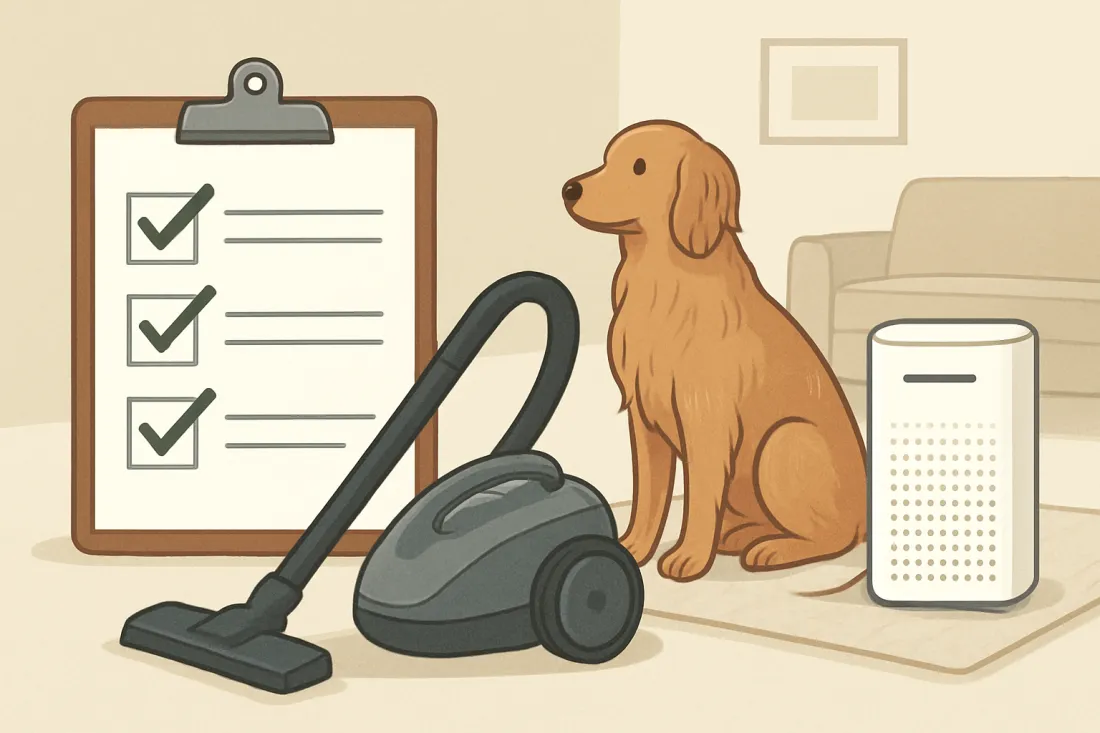
Structured weekly checklist for fur and dander control
Use this checklist as a starting point and adjust based on how many pets you have and how much they shed.
- Daily or every other day
- Do a quick sweep or vacuum of main traffic paths and pet hangouts.
- Wipe visible hair from counters and tables with a damp cloth or microfiber.
- Spot‑clean any accidents or muddy paw prints.
- Give your pet a short brushing session (especially during shedding season).
- Once a week
- Vacuum all carpets and rugs, including under coffee tables and around furniture.
- Vacuum or mop hard floors, paying attention to corners and under radiators or baseboard heaters.
- Wash pet bedding, crate pads, and the throws or slipcovers on your main sofa.
- Wipe down frequently touched surfaces like door frames, stair rails, and side tables where hair collects.
- Brush your pet thoroughly, using tools suited to their coat.
- Every 2–4 weeks
- Wash curtains or at least shake them out and vacuum them with an upholstery tool.
- Vacuum mattresses and under beds.
- Clean air vents and return grilles with a vacuum brush.
- Check and clean or replace HVAC filters as recommended.
- Every few months
- Move large furniture slightly to vacuum behind and underneath.
- Consider a deeper clean of carpets and upholstery if they look dingy or smell musty.
- Review your routine and adjust frequency if you notice more hair or symptoms creeping back.
Common mistakes that make pet hair and dander problems worse
Avoiding a few frequent missteps can save time and frustration.
- Relying only on gadgets: Robot vacuums and air cleaners can help, but they cannot replace brushing the pet, washing bedding, and vacuuming corners.
- Skipping filter maintenance: A clogged vacuum or HVAC filter just blows dust and dander around instead of capturing it.
- Using the wrong tools on the wrong coat: Harsh tools can irritate skin and increase flaking; too‑gentle tools on heavy shedders do not remove enough loose hair.
- Over‑bathing pets: Too many baths with harsh shampoos can dry the skin and increase dander. Always follow your vet’s guidance.
- Letting pet bedding go too long between washes: Beds and blankets can quietly build up dander and odor even if they look clean.
- Trying to clean everything in one exhausting day: Hair and dander control works better as small, regular tasks than as rare, overwhelming deep cleans.
Decision criteria: how to set a realistic routine for your home
To build a routine that you can actually stick with, consider these factors:
- Number and type of pets: Multiple heavy‑shedding dogs will require more frequent vacuuming and brushing than a single short‑haired indoor cat.
- Flooring mix: More carpet usually means more vacuuming; more hard floors may mean more sweeping and mopping.
- Allergy sensitivity: If someone has strong allergies or asthma, prioritize bedroom protection, filter maintenance, and frequent washing of pet textiles.
- Time and energy: It is better to commit to a few high‑impact tasks you will actually do than to plan an ideal routine you cannot maintain.
- Pet behavior: If your pet always sleeps on the same chair, focus on protecting and cleaning that spot instead of trying to keep every surface pristine.
If you are also working on general pet‑friendly home setup, you may find it helpful to read about how to set up a pet friendly home for broader safety and comfort tips.
You share your home with one or more indoor pets and want to reduce visible hair, dander, and allergy symptoms without spending all day cleaning. Your home has a mix of soft furnishings and floors, and at least one family member is mildly bothered by pet hair or seasonal allergies.
List your main living areas (for example, living room, hallway, bedrooms), note which ones have carpet or rugs versus hard floors, and mark any rooms where someone with allergies spends the most time. Also note your pet’s coat type (short, double, long, or curly) and how often you currently groom them.
First, choose one or two “priority zones” where hair and dander bother you most, such as the living room sofa and the allergic person’s bedroom. Commit to brushing your pet for a few minutes at least three times per week, using tools suited to their coat. Then, schedule two short cleaning blocks: one for floors in the priority zones (quick vacuum or sweep every other day) and one weekly block to wash pet bedding and sofa throws. Set reminders on your phone or calendar for these specific tasks rather than a vague goal to “clean more.” After two weeks, add one more task if you feel comfortable, such as wiping vents or vacuuming mattresses.
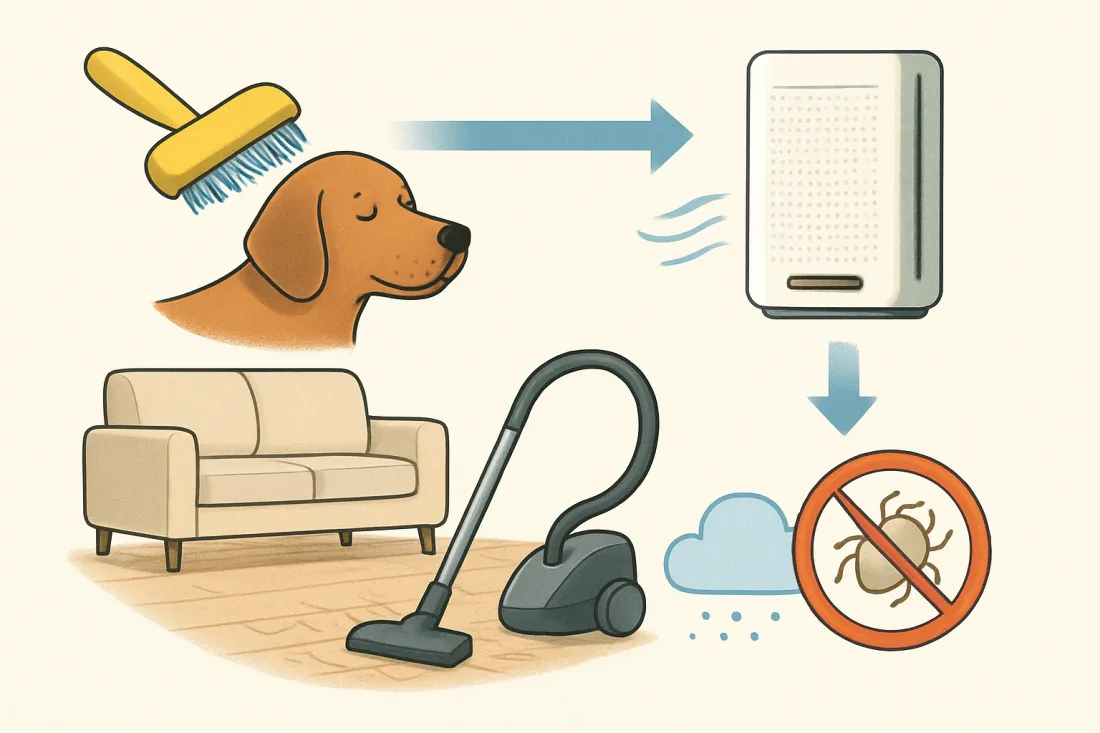
After four weeks, check whether you see fewer hair clumps on floors and furniture in your priority zones and whether the allergic person notices any change in symptoms. If you still see heavy buildup or symptoms are unchanged, increase either grooming frequency or cleaning in the most used rooms, and consider adding an air cleaner to the bedroom after checking product guidance. If you feel overwhelmed, scale back to the tasks that clearly make the biggest difference and keep those consistent.
FAQ about reducing pet hair and dander in the home
What is the most important thing to do first to reduce pet hair and dander in the home?
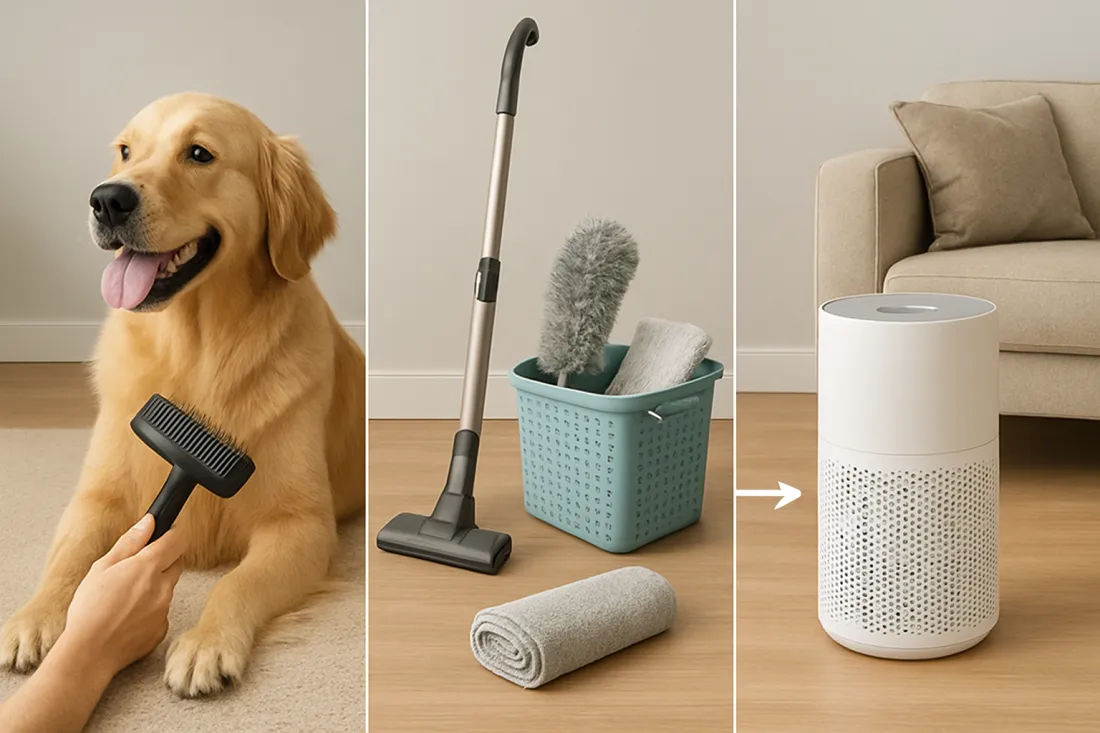
Start with the pet, not the vacuum. A consistent brushing routine that matches your pet’s coat type removes loose hair and dander before they spread around the house. Combine that with washing pet bedding weekly and vacuuming your main living area regularly. Once those three habits are in place, you can add extras like air cleaners or special fabrics if needed.
How can I reduce pet hair and dander if I live in a small apartment?
In a small space, focus on limiting where hair can collect and keeping air pathways clear. Choose one or two pet‑friendly furniture pieces and protect them with washable covers, keep clutter low so hair has fewer places to settle, and vacuum or sweep floors frequently since they are close to everything. Washing pet bedding and sofa throws weekly and changing HVAC or portable air filters on schedule can make a noticeable difference even in a compact home.
What mistakes should I avoid when trying to control pet hair and dander?
Common mistakes include relying only on gadgets instead of grooming, skipping filter changes in vacuums and HVAC systems, over‑bathing pets with harsh shampoos, and letting pet bedding go too long between washes. Another frequent issue is trying to deep‑clean the entire home at once, getting overwhelmed, and then doing nothing for weeks. Smaller, regular tasks are more effective than occasional marathons.
What should I do next after learning how to reduce pet hair and dander?
Pick one or two high‑impact changes and start them this week. For most homes, that means setting a regular brushing schedule for your pet and choosing a specific day to wash pet bedding and sofa throws. Then, add a short, recurring vacuum or sweep session in the rooms you use most. Once those habits feel automatic, you can fine‑tune fabrics, air filters, and room rules to match your family’s needs. If you are also working on general cleanliness and smell, you may want to explore more detailed tips on how to manage pet hair and odour at home.
Can I ever have a completely hair‑free home if I live with pets?
With most cats and dogs, a completely hair‑free home is not realistic. Even low‑shedding breeds produce some hair and dander. What you can achieve is a home where hair and dust are controlled enough that you are not constantly brushing fur off clothes or struggling with symptoms. A combination of regular grooming, targeted cleaning, thoughtful fabrics, and basic air care usually brings things to a comfortable level for most families.