
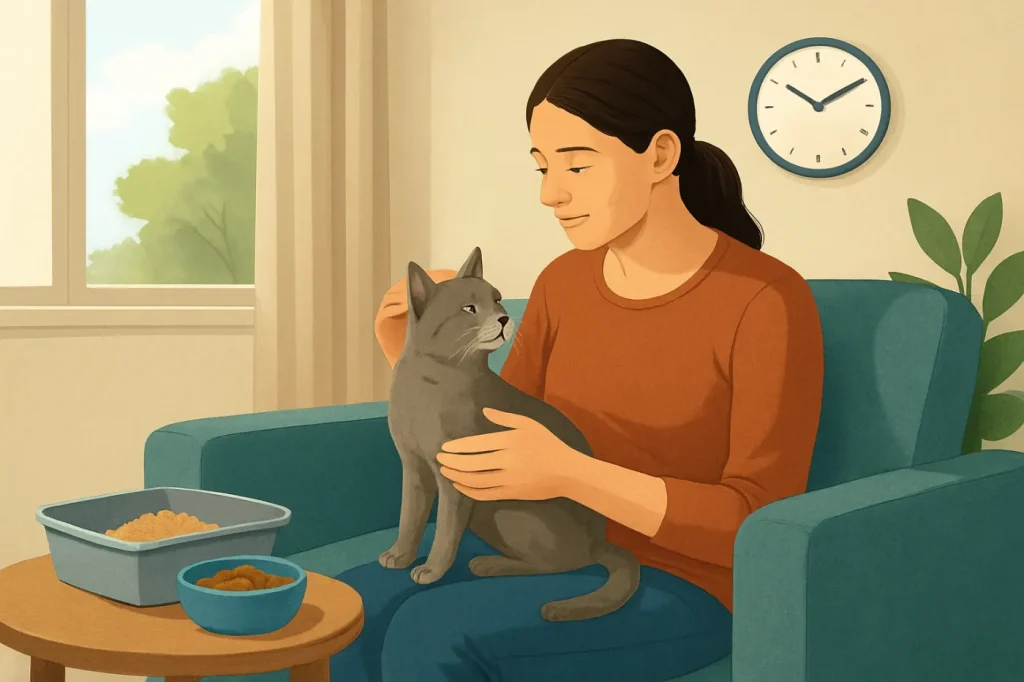
Cats can be wonderful companions for busy people, but they are not “no-maintenance” pets. Whether a cat is a good fit for your schedule depends less on how many hours you work and more on how consistently you can meet a few daily needs: food, litter, play, vet care, and basic affection.
If your goal is to avoid adopting and then rehoming later, you need a clear, honest look at what life with a cat actually requires and how that fits into your routine.
When a cat is a good fit for a busy lifestyle
Cats can work well for many busy people when these conditions are true:
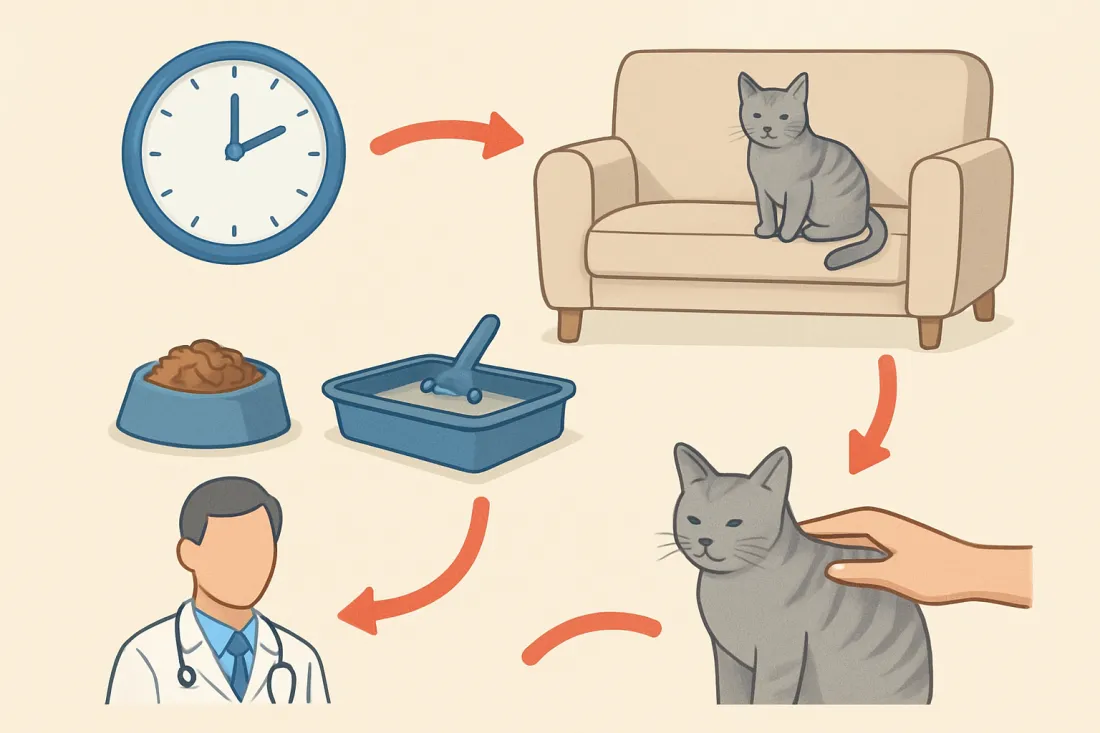
- You have predictable time every day – at least two short blocks (morning and evening) you can reliably spend on feeding, litter, and interaction.
- Your workday is long, but you sleep at home – being gone 8–10 hours most weekdays is usually manageable if the rest of the day is cat-friendly.
- You can afford basic care – food, litter, and routine vet visits, plus a financial buffer for unexpected issues. If you want a sense of typical medical timing, look at an annual vet care schedule for dogs and cats USA.
- You like quiet companionship – you enjoy a pet who mostly shares space with you rather than needing constant active engagement.
- Your home is safe to roam – no open windows without screens, toxic plants, or hazards that require constant supervision.
In these situations, a cat can be a great match: independent enough to nap while you work, but still happy to greet you at the door and curl up nearby when you finally sit down.
When a cat is not fair to your schedule
There are also situations where getting a cat is likely to be unfair to the animal and stressful for you:
- You regularly work 12–16 hour shifts and often sleep away from home, with no one else in the household.
- Your schedule is chaotic – you cannot predict when you will be home to feed, scoop, or play from one day to the next.
- You travel frequently for days at a time and do not have reliable pet care lined up.
- You dislike routine chores and know you will put off scooping litter, cleaning bowls, or brushing.
- You want a “background pet” that never interrupts you, never needs the vet, and never changes your plans.
If several of these describe you, it is kinder to wait, arrange strong support (roommates, family, pet sitters), or consider alternatives to ownership.
How much time do cats actually need every day?
Cats sleep a lot, but that does not mean they do not need you. Think in terms of short, consistent blocks of time rather than one huge chunk.
Daily time commitments for a typical indoor cat
- Feeding and water (10–15 minutes total)
Morning and evening: measure food, refresh water, wash bowls as needed. Automatic feeders can help with timing but do not replace interaction. - Litter box care (5–10 minutes)
Scooping at least once a day (twice is better), topping up litter, quick check for changes in urine or stool that might signal health issues. - Play and mental stimulation (20–30 minutes)
Short bursts of active play with a wand toy, laser pointer used safely, or interactive toys. This can be split into a few 5–10 minute sessions. - Affection and social time (15–30 minutes)
Petting, brushing, talking to your cat, or just sitting together. Many cats are satisfied if you reliably give them this attention when you are home. - Household checks (5 minutes)
Quick look for hazards (chewed cords, plants, open closets), refill puzzle feeders, rotate toys.
For most busy people, that adds up to roughly 1–1.5 hours spread across the day. It does not have to be all at once, but it does need to be consistent. On top of that, expect occasional bigger time blocks for vet visits, deep cleaning, and introducing new enrichment.
Comparison: Different cat options for busy people
Not all cats cope with a busy household in the same way. The table below compares common options and how they tend to fit into a hectic schedule.
| Cat option | When it fits a busy lifestyle | Risks or downsides | Best for which type of busy person |
|---|---|---|---|
| Single adult indoor cat (moderate energy) | You work full-time but are home mornings and evenings, enjoy quiet time, and can commit to daily play and care. | May get lonely or bored if left alone 10–12 hours daily without enrichment; can develop attention-seeking behaviors. | Someone with a stable but busy 9–5 style schedule who wants one close companion. |
| Pair of bonded cats | You are out long hours most weekdays but can afford double ongoing costs and have enough space and litter boxes. | More expense, more litter to manage, and more fur and potential mess; introductions are easier if they are already bonded. | Busy person who is away a lot but wants cats to have company when humans are gone. |
| High-energy kitten | Only if you or someone else is home a lot, or you are prepared to invest extra time in play, training, and supervision. | Needs frequent play, training, and redirection; can become destructive or develop bad habits if under-stimulated. | Not ideal for very busy people; better for households with more time and patience. |
| Senior or low-energy adult cat | You want a calmer companion who is content to nap nearby and does not demand constant play. | May need more medical monitoring and vet visits; some seniors still crave a lot of affection. | Busy person who is home evenings and wants a relaxed, cuddly roommate. |
| Foster cat (temporary care) | You have time and space now but are unsure about long-term commitment; you can follow rescue guidelines. | Emotional difficulty saying goodbye; you must follow the organization’s rules and be available for meet-and-greets. | Busy person testing whether cat ownership fits their life without a permanent commitment. |
Types of cats that usually cope better with long work hours
Every cat is an individual, but some general patterns can help busy people choose more wisely.
Adult cats vs. kittens
- Adult cats (around 2+ years) are often a better match for long workdays. Their personalities are more predictable, energy levels are lower than kittens, and many are content with routine play and affection.
- Kittens are adorable but time-intensive. They need frequent play, training, and supervision to avoid unsafe behaviors (chewing cords, climbing curtains, rough play). For someone rarely home, a kitten can quickly become frustrated and destructive.
Energy level and personality
Within any age group, look for:
- Moderate to low energy – enjoys play but also happily naps alone.
- Independent but social – seeks attention but does not panic when left alone.
- Confident, not overly clingy – tolerates brief changes in routine without extreme distress.
Rescues and shelters often describe cats as “lap cat,” “independent,” “playful,” or “shy.” Ask specifically: “How does this cat do when people are out of the house all day?”
Bonded pairs and multi-cat homes
For very long workdays, a bonded pair of cats can be a good option. They entertain and comfort each other when humans are gone. This works best when:
- The cats are already bonded or at least compatible.
- You have enough space and litter boxes (usually at least one per cat, plus one extra).
- You can afford double food, litter, and vet care. If you are unsure about budgeting, reading about unexpected annual vet bills for pets can help you plan.
Risks of under-stimulation and loneliness for indoor cats
Even if cats seem independent, they are social, intelligent animals. When their needs are not met, problems show up in behavior and health.
Common risks when a busy schedule leaves a cat bored or lonely
- Behavior problems – scratching furniture, knocking things over, excessive meowing, or waking you up at night because daytime was too boring.
- Overeating and weight gain – food becomes the main source of stimulation, leading to constant begging and unhealthy weight.
- Stress and anxiety – hiding, over-grooming, or becoming aggressive when routines change.
- Litter box issues – peeing or pooping outside the box due to stress, dirty litter, or lack of attention to early health signs.
- Missed health problems – if you rarely interact closely, you might not notice subtle changes in appetite, behavior, or litter habits that signal illness.
How to reduce these risks in a busy household
- Provide vertical space (cat trees, shelves) so your cat can climb and observe.
- Use puzzle feeders or food-dispensing toys to make meals mentally engaging.
- Rotate toys so they feel “new” without constant shopping.
- Schedule short, intense play sessions before you leave and before bed to burn energy.
- Keep a consistent routine for feeding and play as much as your job allows.
Practical solutions for busy people who still want a cat
If your schedule is demanding but you are committed to responsible pet ownership, a few strategies can make life better for both of you.
1. Consider two compatible cats
Two cats can keep each other company when you are gone. This is especially helpful if:
- You are away 9–12 hours most weekdays.
- You have enough space and can manage multiple litter boxes.
- You are financially ready for double ongoing costs.
Ask shelters about bonded pairs or cats that have lived peacefully with others.
2. Build an enrichment-rich home
Think of your home as your cat’s entire world. To keep that world interesting:
- Add window perches so your cat can watch birds and outdoor activity.
- Place scratching posts in key areas (near sleeping spots and doorways).
- Use interactive toys that move or make noise, and rotate them weekly.
- Hide small treats around the house before you leave to create a “treasure hunt.”
- Consider a cat-safe balcony or enclosed patio if you have the option and can make it secure.
3. Use tools wisely (but do not rely on them alone)
- Automatic feeders – help keep meals on schedule if you work late, but still plan to be present for at least one daily meal when possible.
- Water fountains – encourage drinking and stay fresher when you are gone all day.
- Self-cleaning litter boxes – reduce scooping frequency but still require monitoring and regular deep cleaning.
- Pet cameras – let you check in, talk to your cat, or trigger toys remotely, but they do not replace real interaction.
4. Arrange human backup
For especially long or unpredictable days, plan for extra help:
- Trusted roommate or family member who can feed, play, or scoop when you are stuck at work.
- Professional pet sitter for travel or extremely long shifts.
- Neighbor swap – you check on their pet sometimes, they check on yours when needed.
Signs your schedule is not fair to your cat
Even with the best intentions, your routine might end up being too much for a cat. Watch for these warning signs:
Behavioral red flags
- Desperate attention-seeking – constant meowing, following you everywhere, or interfering with work every time you are home.
- Destructive behavior – scratching doors, chewing cords, knocking items off shelves more than usual.
- Night-time chaos – zooming, yowling, or pouncing on you at night because daytime is too quiet and boring.
- Withdrawal – hiding most of the time, avoiding interaction, or seeming “shut down.”
Care and health red flags
- Litter box is often dirty because you are too tired or busy to scoop daily.
- Food and water bowls are empty or dirty when you get home.
- Vet visits are delayed because you cannot find time off work.
- You feel constant guilt because you know you are not giving basic care consistently.
If several of these are happening, it is a sign that your current setup is not working. Before considering rehoming, see if you can adjust your schedule, add enrichment, or bring in help. If that is not realistic, talking with a reputable rescue about options may be kinder for the cat.
Alternatives to cat ownership for very busy animal lovers
If you love cats but your life is not stable enough for full-time ownership, there are other ways to enjoy their company without long-term responsibility.
1. Fostering for a rescue or shelter
Fostering means caring for a cat temporarily until it is adopted. Benefits include:
- You help save lives without a lifetime commitment.
- You can choose foster periods that fit your schedule.
- You learn what kind of cat and routine works for you before adopting.
It still requires time and responsibility, but you can often discuss your schedule honestly with the organization so they place a suitable cat with you.
2. Pet sitting or cat visiting
If your schedule is busy but flexible, you might:
- Visit friends’ or neighbors’ cats while they travel.
- Offer drop-in cat care locally when you have free evenings or weekends.
This gives you cat time in short bursts without ongoing daily responsibility.
3. Volunteering at a shelter
Many shelters need help with cleaning, socializing cats, or transport. You can usually choose shifts that fit your schedule, and you still get meaningful cat interaction.
4. Delaying adoption until life calms down
Sometimes the kindest choice is to wait. If you know your schedule will change in a year or two (finishing residency, changing jobs, moving closer to work), planning for a cat later can prevent heartbreak and rehoming.
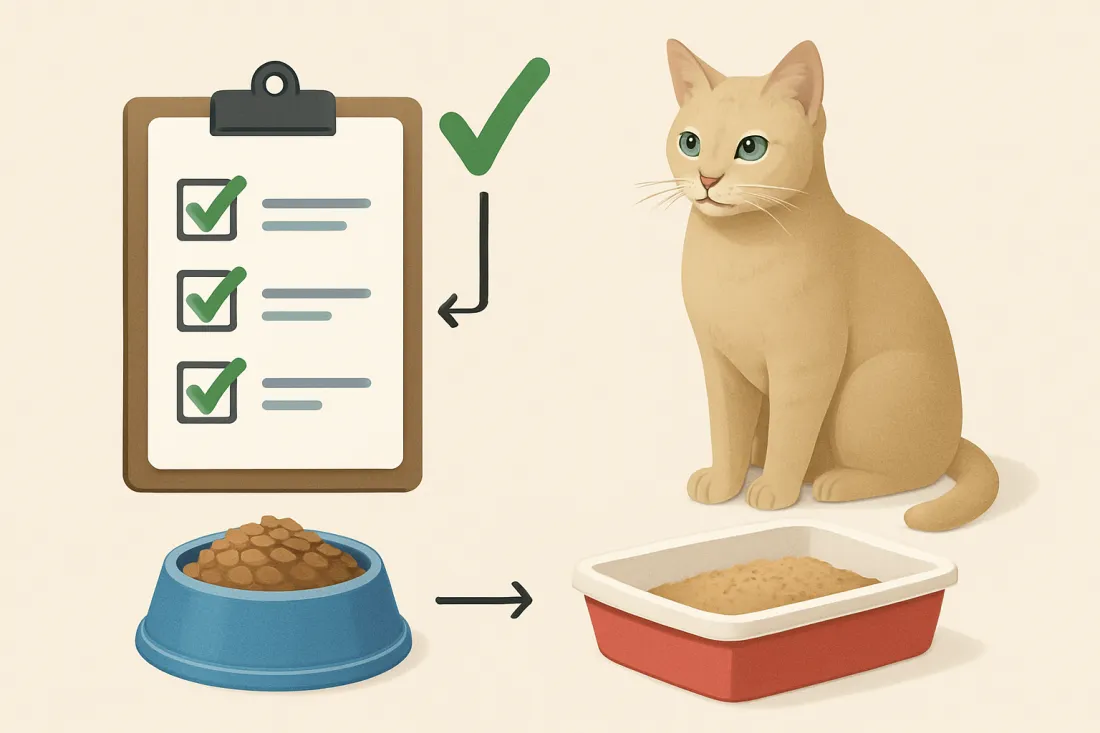
Structured checklist: Is a cat realistic for your time and attention?
Use this self-audit to decide if a cat fits your current lifestyle. Be honest with yourself; no one else sees your answers.
Step 1: Map your typical weekday
- How many hours are you away from home?
Include commute, overtime, and social plans. If you are gone more than about 10–12 hours most days, you will need extra support (second cat, sitter, or roommate help). - What time do you leave and return?
Can you reliably spend 15–20 minutes with your cat in the morning and 30–40 minutes in the evening? - How often do your hours change last-minute?
If your schedule is unpredictable, think about tools (automatic feeders) and backup humans.
Step 2: Commit to daily tasks
- Feeding – Can you commit to feeding at least twice a day, even on your busiest days?
- Litter box – Will you scoop at least once daily and deep-clean regularly, or will you realistically avoid it? If you already struggle with household chores, be cautious.
- Play and affection – Can you promise at least 20–30 minutes of focused interaction most days?
Step 3: Check your support system
- Who else lives with you?
Are they willing and able to share feeding, scooping, and playtime? - Do you have nearby friends or family who could help in emergencies or during long shifts?
- Are you open to paying for pet sitters when you travel or work late?
Step 4: Consider your energy, not just your time
- After a long day, do you usually collapse immediately or can you still manage a few small tasks?
- How do you handle routine chores now?
If laundry, dishes, or trash often pile up, adding litter and pet care may feel overwhelming. - Does the idea of daily responsibility feel comforting or stressful?
If it feels mostly stressful, it may be better to wait.
Step 5: Make a decision based on your answers
- If you can confidently say “yes” to most tasks and have at least some backup support, a cat may be a good fit.
- If you answered “no” or “not sure” to several basic care questions, consider fostering, volunteering, or waiting until your schedule is more stable.
Common mistakes busy people make with cats
Avoiding a few typical errors can prevent many problems and reduce the risk of needing to rehome later.
Mistake 1: Assuming cats are “low-maintenance decor”
Thinking a cat will simply decorate your home and entertain itself leads to neglect. Even independent cats need daily interaction, clean litter, and medical care.
Mistake 2: Choosing a kitten for a hectic life
Kittens are often the first choice because they are cute, but they demand the most time and supervision. For someone working long hours, a kitten can quickly become overwhelmed and develop bad habits that are hard to fix later. Adult cats with known personalities are usually a safer choice.
Mistake 3: Ignoring training and house rules
Busy people sometimes let everything slide at first, then get frustrated later. Setting simple, consistent house rules (where the cat can scratch, whether counters are allowed, feeding routines) from day one makes life calmer. If you need help, a guide to basic house rules for dogs and cats can give you a starting structure.
Mistake 4: Underestimating vet time and costs
Even healthy indoor cats need regular vet visits, vaccines or health checks, and dental monitoring. Busy owners sometimes delay care because it is hard to schedule, which can make small issues worse. Planning ahead for routine visits and unexpected problems helps you avoid last-minute stress.
Mistake 5: Waiting too long to address behavior issues
Scratching, night-time zoomies, or litter box problems are often early signs of boredom, stress, or health issues. The longer they go unaddressed, the harder they are to change. Early intervention with more play, enrichment, and, if needed, a vet check is much easier than trying to fix long-standing habits.
What to do next if you are still unsure
If you are on the fence about whether a cat fits your busy life, you do not have to decide today. A few practical next steps:
- Track your week – for seven days, write down when you leave, when you get home, and how much time you actually have for chores and rest. Then imagine layering cat care on top.
- Talk to people who live with cats and have similar schedules. Ask what surprised them and what they wish they had known.
- Try a “practice week” – for one week, do the daily tasks (set aside time, pretend to scoop, plan vet time) as if a cat were already there. If it feels manageable, that is a good sign.
- Consider fostering first – it is one of the most realistic ways to test how a cat fits into your routine without a permanent commitment.
FAQ: Cats and very busy lifestyles
What should I really understand about whether cats are good pets for busy people?
The key point is that cats are lower-maintenance than some pets, but not no-maintenance. They can handle you being out of the house for a full workday if you reliably provide food, clean litter, play, and affection when you are home. The decision is less about being busy in general and more about whether you can commit to daily routines and occasional vet care without resentment or constant guilt.
What are the biggest mistakes busy people make when getting a cat?
The biggest mistakes are choosing a high-energy kitten without enough time, assuming a cat will be fine alone all day without enrichment, skipping litter box cleaning, and delaying vet visits because of work. Another common error is ignoring early signs of stress or boredom, such as excessive meowing or destructive behavior, instead of adjusting the environment and routine.
What should I do after reading this if I still want a cat but my schedule is intense?
Start by completing the time and attention checklist honestly. If it still looks realistic, talk to a reputable shelter or rescue about adult cats with calmer personalities or bonded pairs that do well alone together. Plan your daily routine in advance, including when you will feed, scoop, and play. It can also help to read a detailed daily care routine for indoor cats so you know what your evenings and mornings might look like. If the plan feels overwhelming, consider fostering or volunteering until your schedule becomes more stable.
How long can I leave a cat alone during the day if I work full-time?
Many indoor cats can cope with being alone for a standard workday if they have food, water, a clean litter box, and a stimulating environment. Being gone around 8–10 hours is common for many owners. Longer stretches or frequent overnight absences are more challenging and usually require extra support such as a second cat, a trusted helper, or a pet sitter.
Is it kinder to wait to get a cat if my life is chaotic right now?
Yes, sometimes waiting is the kindest choice. If your schedule changes constantly, you travel often without reliable backup, or you are already overwhelmed by daily tasks, adding a cat may create stress for both of you. Using this time to plan, save for future pet expenses, and learn about cat care can set you up for a much better experience when your life becomes more predictable.