
Adopting a shelter dog or cat in the U.S. is usually cheaper up front than buying from a breeder, but the real question is whether you can comfortably afford the long-term costs. You are not just paying an adoption fee; you are committing to food, vet care, and everyday expenses for 10–15 years or more.
Most U.S. shelters report adoption fees for dogs and cats that commonly fall somewhere in the tens to a few hundred dollars range, with many quoting figures roughly between about $50 on the low end and a few hundred dollars on the higher end depending on age, location, and what vet care is included. The bigger financial impact, though, is the ongoing monthly and annual cost of care, which adds up to far more than the one-time fee over your pet’s lifetime.
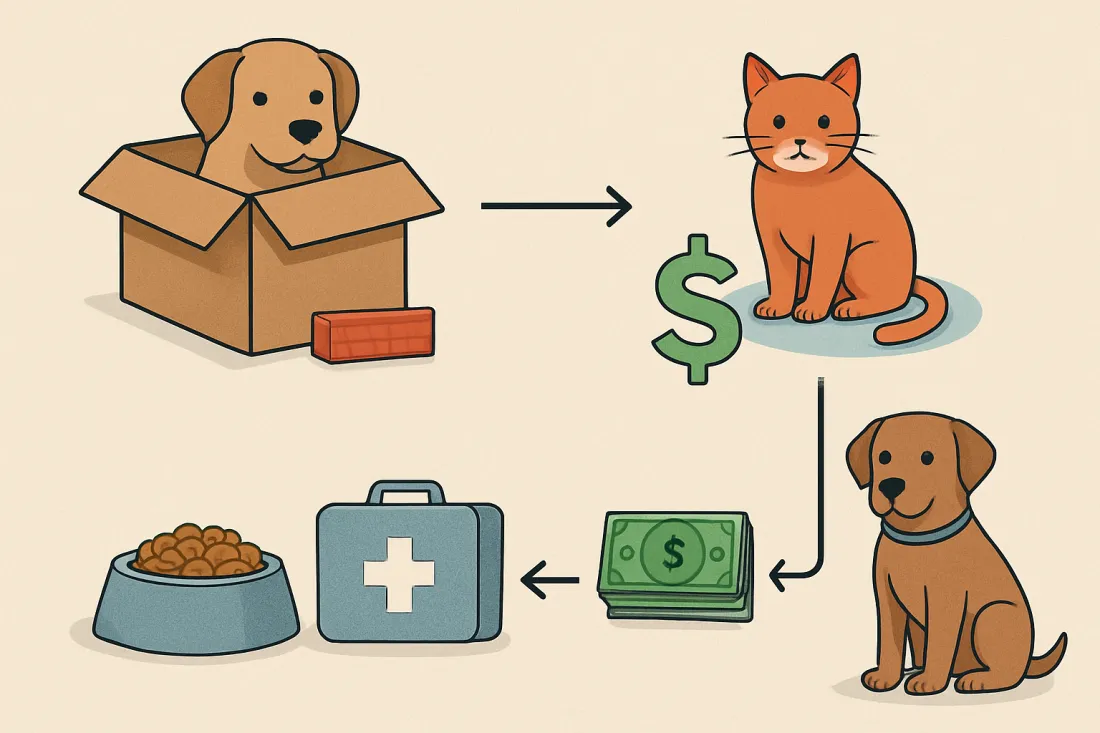
Adoption vs lifetime cost: what you are really signing up for
When you adopt from a shelter, you usually pay a single adoption fee that often includes basic vet work such as initial vaccines and spay/neuter. That fee is only a small fraction of what you will spend over the years. To decide if you are ready, think in three buckets:
- 1. Adoption fee: One-time payment to the shelter or rescue.
- 2. One-time setup costs: Supplies, first vet visit with your own vet, ID tags, and similar items.
- 3. Ongoing monthly and annual costs: Food, routine vet care, grooming, boarding or pet sitting, and savings for emergencies.
For most households, the ongoing monthly and annual costs are the real budget test. A realistic plan includes both the “normal” months and the occasional big vet bill.
Typical U.S. shelter adoption fees and what they usually include
Adoption fees vary widely by region, shelter, and the individual animal, but there are some common patterns across U.S. shelters and rescues:
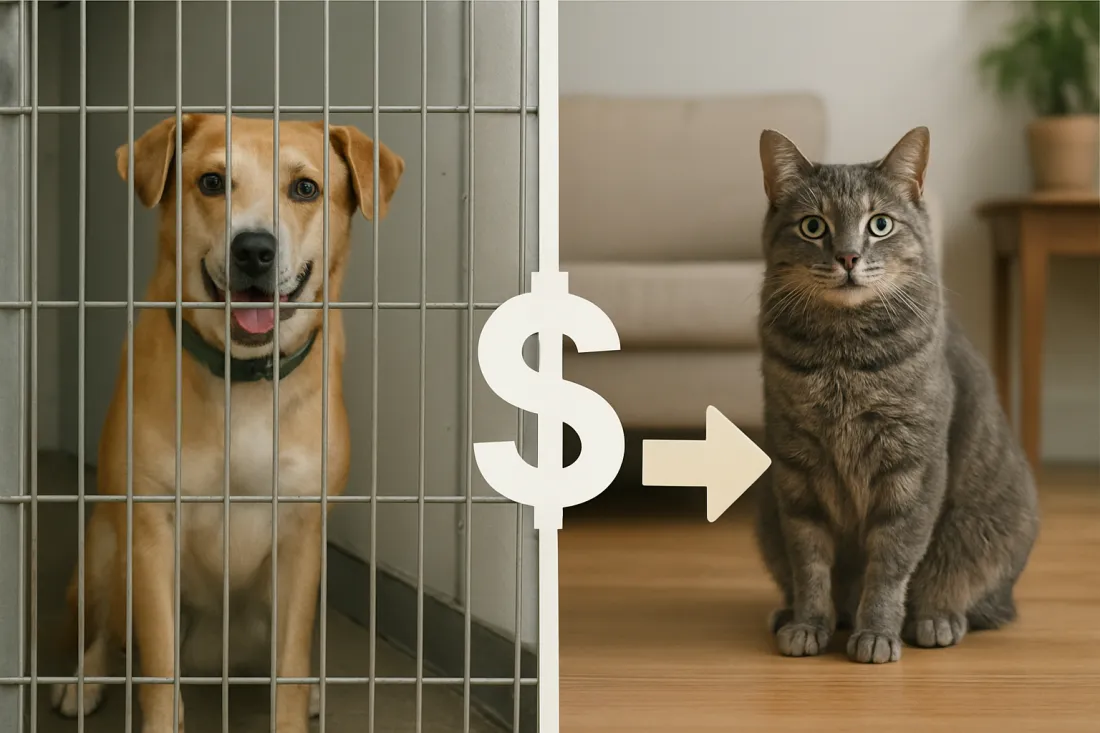
- Dogs: Many shelters quote adoption fees that often fall somewhere between roughly $50 and a few hundred dollars or more. Puppies and small popular breeds tend to be at the higher end.
- Cats: Many shelters list cat adoption fees that are often lower than for dogs, again commonly in the tens to low hundreds of dollars range.
Higher fees usually reflect the cost of vet care already provided. Many shelters include some or all of the following in the fee:
- Spay or neuter surgery
- Initial core vaccinations
- Basic deworming and flea/tick treatment
- Microchip and initial registration
- Basic health exam and behavior assessment
Because of this, the adoption fee is often less than what you would pay if you arranged all of that vet care yourself at full price. Still, you should confirm exactly what is included before you adopt, since this affects your first-year budget.
Dog vs cat, puppy/kitten vs adult: cost comparison
Different types of pets come with different cost profiles. In general:
- Dogs usually cost more than cats over a year, mainly because they eat more, often need more grooming, and may need more boarding or dog walking.
- Puppies and kittens cost more in the first year than adult animals due to extra vet visits, vaccines, and training or setup costs.
- Large dogs usually cost more than small dogs because of food quantity and sometimes medication doses.
Comparison table: shelter dog vs shelter cat costs
| Pet type | Typical adoption fee pattern | First-year cost profile | Ongoing monthly cost drivers | When this option fits best |
|---|---|---|---|---|
| Adult shelter cat | Often at the lower end of shelter fee ranges; some shelters run reduced-fee events for adult cats. | Usually lower than dogs; many adult cats already spayed/neutered and fully vaccinated when adopted. | Moderate food use, litter, basic vet care; grooming usually minimal. | Good for smaller budgets, apartments, and people with limited time for outdoor walks. |
| Kitten from shelter | Often similar or slightly higher than adult cats, especially during high-demand seasons. | Higher first-year vet costs due to multiple vaccine visits and kitten checkups. | Food and litter similar to adult cats, but plan for more toys and replacement items due to play and chewing. | Best if you can handle higher first-year costs and time for training and socialization. |
| Adult shelter dog (medium size) | Commonly in the mid-range of shelter fees; may be lower for seniors or special-needs dogs. | Higher than cats due to food, possible training refreshers, and dog-specific supplies. | Food, routine vet care, heartworm and flea/tick prevention, possible grooming and boarding. | Good for active households with room in the budget for regular outdoor care and services. |
| Puppy from shelter | Often at the higher end of shelter fee ranges due to demand and extra vet work. | Typically the highest first-year costs: frequent vet visits, vaccines, training classes, and replacement of chewed items. | Food (increasing as they grow), training, possible dog daycare or dog walking if you work long hours. | Best for families with both time and a flexible budget for training and early health care. |
Use this table as a starting point, then adjust for your own situation: your local prices, whether you work from home, and how much grooming or travel you expect.
One-time setup costs after adopting a shelter pet
Beyond the adoption fee, you will need to budget for initial supplies and vet care that are not covered by the shelter. Exact prices vary by region and store, so treat these as categories to plan for, not fixed numbers.
Basic supplies for dogs
- Collar and ID tags
- Leash and, often, a harness
- Crate or bed
- Food and water bowls
- Starter supply of dog food
- Poop bags and holder
- Basic grooming tools (brush, nail clippers if you plan to use them)
- Toys and chews
Basic supplies for cats
- Litter box and scoop
- Initial supply of litter
- Food and water bowls
- Cat carrier
- Scratching post or pad
- Bed or soft resting area
- Starter supply of cat food
- Toys and basic grooming tools
Initial vet visit and microchip updates
Even if your shelter provides vaccines and a basic exam, it is wise to schedule a first visit with your own veterinarian within the first week or two. Plan for:
- A general health exam and review of shelter records
- Any missing vaccines or boosters
- Discussion of parasite prevention (fleas, ticks, heartworm for dogs)
- Microchip registration update with your contact details, if not already done
Because vet fees vary widely, call local clinics ahead of time and ask what a new-pet exam typically includes and how much it usually costs. This gives you a realistic local number to plug into your budget.
Ongoing monthly and annual costs for shelter dogs and cats
Once your pet is settled, you will have regular costs every month and some bigger annual or occasional expenses. Thinking in categories helps you avoid surprises.
Core monthly costs
- Food: Dogs, especially larger ones, eat more than cats. Higher-quality food usually costs more but may support better long-term health. Puppies and kittens may eat more frequently.
- Litter (for cats): Expect a steady monthly cost for litter, with multi-cat households needing more.
- Medications and preventives: Heartworm prevention for dogs, flea and tick prevention for both dogs and cats, and any long-term medications your vet prescribes.
- Grooming: Short-haired cats and many short-haired dogs may only need basic at-home grooming. Long-haired breeds or dogs that need haircuts will have regular grooming bills.
- Pet insurance (if you choose it): A recurring monthly or annual premium.
- Pet care services: Dog walking, dog daycare, or pet sitting if you travel or work long hours.
Annual and occasional costs
- Annual vet exam: Wellness check, vaccine boosters, and routine tests.
- Dental care: Some pets need professional dental cleanings periodically.
- License fees (for dogs where required): Many municipalities require annual dog licenses.
- Replacement of worn items: Beds, toys, leashes, and scratching posts wear out over time.
- Emergency or unexpected vet care: Illness, injury, or chronic conditions can create large, unplanned bills.
Because emergency vet visits can be expensive, many owners aim to set aside a small amount each month in a dedicated pet savings fund, even if they also carry pet insurance.
Sample monthly budgets for different shelter pets
Exact amounts will depend on your local prices and choices, but you can use these sample budgets as a framework. Think of them as relative comparisons, not fixed totals.
Example 1: Adult indoor shelter cat
- Food
- Litter
- Flea/tick prevention (if recommended in your area)
- Average monthly share of annual vet visit and vaccines
- Small monthly contribution to an emergency fund
This type of pet is often at the lower end of monthly costs compared with dogs, especially if you do not need pet sitting often and grooming is minimal.
Example 2: Adult medium-size shelter dog
- Food (more than a cat, especially for active dogs)
- Heartworm prevention and flea/tick control
- Average monthly share of annual vet visit and vaccines
- Grooming (if needed) or at-home grooming supplies
- Dog walking or dog daycare (if you work long hours)
- Monthly contribution to an emergency fund
This profile usually sits in the mid-range of pet budgets, with costs rising if you use professional services frequently or choose premium food and treats.
Example 3: Young, active large-breed shelter dog
- Higher food use due to size and activity
- Heartworm and flea/tick prevention
- Training classes or ongoing behavior support
- Dog daycare, dog walking, or pet sitting during travel
- More frequent replacement of toys and gear due to heavy use
- Emergency fund contribution, ideally larger due to higher potential vet costs
This is often the most expensive type of pet to maintain monthly. It can be a great fit for active households with a comfortable budget and time for training and exercise.
How pet insurance fits into your shelter pet budget
Pet insurance is optional but can be a useful tool to manage risk. It does not remove the need for savings, but it can help with large, unexpected vet bills.
What pet insurance usually covers
Policies vary, but many plans focus on:
- Accidents and injuries
- Illnesses
- Some diagnostic tests and treatments
- Optional wellness add-ons in some plans (for routine care)
Most policies have a deductible, a reimbursement percentage, and coverage limits. You pay the vet bill, then submit a claim for reimbursement.
Budget impact of pet insurance
Insurance turns some of the unpredictable risk of big vet bills into a predictable monthly or annual premium. When deciding whether to buy it, consider:
- Whether you could pay a large vet bill out of pocket tomorrow
- Your comfort with risk vs regular premiums
- Your pet’s age and breed, since some breeds are prone to certain health issues
- How much you are already setting aside in a pet emergency fund
If you want a deeper dive into how insurance premiums and coverage compare to paying out of pocket for dogs, you can read more in is pet insurance worth it for dogs annual cost comparison.
Ways shelters and rescues can help with costs
Many shelters and rescues know that money is a concern and offer support to make adoption more affordable and sustainable.
Common cost-saving programs
- Included vet care: Spay/neuter, initial vaccines, and microchipping included in the adoption fee can save you a significant amount compared to paying retail prices.
- Discounted or sponsored adoptions: Reduced-fee events for adult pets, bonded pairs, seniors, or long-stay animals.
- Vouchers for vet care: Some organizations provide vouchers or referrals for low-cost spay/neuter, vaccines, or microchipping.
- Low-cost clinics: Many shelters partner with or operate low-cost vaccine and wellness clinics.
- Food banks and supply assistance: Some areas have pet food banks or temporary assistance programs to help owners through short-term financial hardship.
When you visit or call the shelter, ask directly about any financial assistance, discount days, or partner clinics they recommend. Policies and availability change, so local information is more reliable than general assumptions.
Decision criteria: which shelter pet fits your budget and lifestyle
Choosing a pet is an emotional decision, but it should also be a financial one. Use these criteria to match your budget and lifestyle with the right type of pet:
- Housing: Do you rent? Some landlords charge pet deposits or monthly pet rent, especially for dogs or multiple pets.
- Time at home: If you are away long hours, a dog may require dog walking, daycare, or more pet sitting than a cat.
- Travel habits: Frequent travel means regular boarding or pet sitting costs.
- Activity level: High-energy dogs may need more training, toys, and exercise-related services.
- Emergency cushion: Do you have savings or room in your budget for an unexpected vet bill?
- Long-term outlook: Are you expecting major life changes (moving, having children, job changes) that might affect your finances?
If your budget is tight, an adult cat or a lower-energy adult dog may be a better fit than a large, high-energy puppy. If you are still exploring cat-specific costs, you can also look at the monthly cost of owning a cat in the US for a more detailed cat-only breakdown.
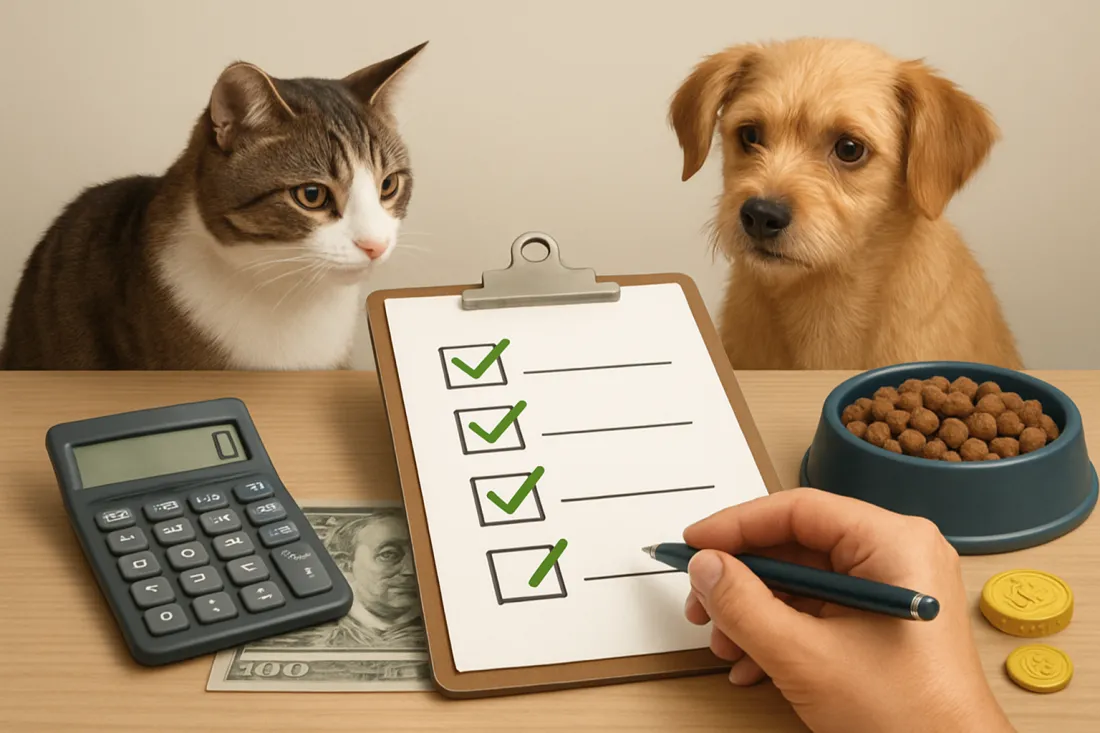
Structured checklist: are you financially ready to adopt a shelter pet?
Use this checklist as a step-by-step budget planning tool before you adopt.
Step 1: Clarify your pet type and lifestyle
- I have decided whether I want a dog or a cat (or I am open to either).
- I understand that dogs generally cost more per month than cats.
- I have thought about size and age (puppy/kitten vs adult vs senior) and how that affects costs and time.
Step 2: Confirm adoption fee and what it includes
- I have asked the shelter for the exact adoption fee for the pets I am considering.
- I know whether spay/neuter is included.
- I know which vaccines and tests are already done.
- I know whether a microchip and registration are included.
Step 3: Estimate one-time setup costs
- I have listed all supplies I need to buy (bed, litter box, leash, carrier, bowls, toys, etc.).
- I have checked local prices online or in-store for these items.
- I have called a local vet to ask about the cost of a new-pet exam and any remaining vaccines.
- I have set aside enough money to cover the adoption fee plus these one-time costs.
Step 4: Build a realistic monthly budget
- I have estimated monthly food costs based on pet size and type.
- For cats, I have included litter; for dogs, I have included heartworm and flea/tick prevention.
- I have averaged annual vet care into a monthly amount.
- I have added any expected grooming, pet sitting, dog walking, or daycare costs.
- I have decided whether to buy pet insurance and, if so, added the premium to my monthly budget.
- I have included a monthly contribution to a pet emergency fund, even if it is small.
Step 5: Stress-test your budget
- I have checked whether my budget still works if my income drops slightly or my rent increases.
- I have a plan for how I would handle a large, unexpected vet bill (savings, credit, insurance, or help from family).
- I have considered future changes (moving, children, job changes) and how they might affect my ability to afford a pet.
Step 6: Decide whether to adopt now or later
- If my budget comfortably covers all of the above, I feel ready to adopt.
- If my budget is tight, I am considering a lower-cost pet type (for example, an adult cat instead of a large-breed puppy) or waiting and saving more first.
- I have asked the shelter about any cost-assistance programs or low-cost clinics that could help.
Common money mistakes when adopting a shelter pet
Being aware of typical mistakes can help you avoid financial stress later.
- Focusing only on the adoption fee: Seeing a low fee and forgetting about food, vet care, and services over many years.
- Underestimating medical costs: Assuming a young pet will not have health issues or skipping an emergency fund.
- Choosing a pet that does not match your lifestyle: Adopting a high-energy dog when you work long hours, leading to unexpected daycare or dog walking bills.
- Ignoring housing rules: Adopting before confirming pet policies, deposits, or breed/size restrictions with your landlord.
- Buying every accessory at once: Overspending on non-essential gear instead of prioritizing basics and vet care.
- Skipping training: Avoiding training classes to save money, then facing property damage or behavior issues that cost more later.
Planning ahead and choosing a pet that fits both your heart and your budget is part of responsible pet ownership.
FAQ about the true cost of adopting a shelter pet
What is the 3-3-3 rule for shelter pets, and does it affect costs?
The 3-3-3 rule is a simple way to think about how long it takes many shelter pets to adjust: roughly three days to decompress, three weeks to start learning your routine, and three months to feel truly at home. While it is not a scientific rule, it is a helpful reminder that behavior and needs can change over the first few months. From a cost perspective, this adjustment period may mean extra spending on training, enrichment toys, or small home repairs if there are accidents or chewing. Building a little buffer into your first three months’ budget makes this transition less stressful.
Is it usually cheaper to adopt from a shelter than to buy from a breeder?
In most cases, yes. Adoption fees at shelters and rescues are often significantly lower than the purchase price of a pet from a breeder or store, and they commonly include spay/neuter, vaccines, and a basic health exam. If you bought a pet elsewhere and paid for all of that vet care separately, your initial costs would typically be higher. However, the long-term monthly and annual costs of food, vet care, and services are similar regardless of where the pet came from, so you still need a solid ongoing budget.
Is adopting a dog from a shelter a good idea financially?
Adopting a shelter dog can be a very good financial choice compared with buying from many other sources, especially because shelters often bundle essential vet care into the adoption fee. Financially, it is a good idea if you can comfortably cover the ongoing monthly costs of food, preventives, and routine vet care, and if you have a plan for emergencies. It becomes a strain when people focus only on the low adoption fee and do not plan for the full lifetime cost. Matching the dog’s size and energy level to your budget and lifestyle is key.
Are cats really cheaper than dogs to adopt and care for?
Many households find that cats are less expensive overall than dogs. Adoption fees for cats are often lower, and their ongoing costs tend to be smaller because they eat less and usually do not need dog walking, daycare, or boarding as often. That said, cats still need regular vet care, quality food, and litter, and they can develop medical conditions that require significant treatment. If you are comparing cat-only costs in detail, you can also review how much does a cat really cost monthly for a more focused breakdown.
How can I keep shelter pet costs manageable without cutting corners on care?
You can keep costs manageable by prioritizing essentials and using available resources. Focus your budget on good nutrition, preventive vet care, and basic training. Ask your shelter about low-cost clinics and vaccine days. Buy sturdy, simple supplies instead of trendy extras, and replace items only when needed. Consider pet insurance if it fits your risk tolerance, and build a small emergency fund over time. Most importantly, choose a pet whose size, energy level, and likely needs match what you can realistically afford for many years.