
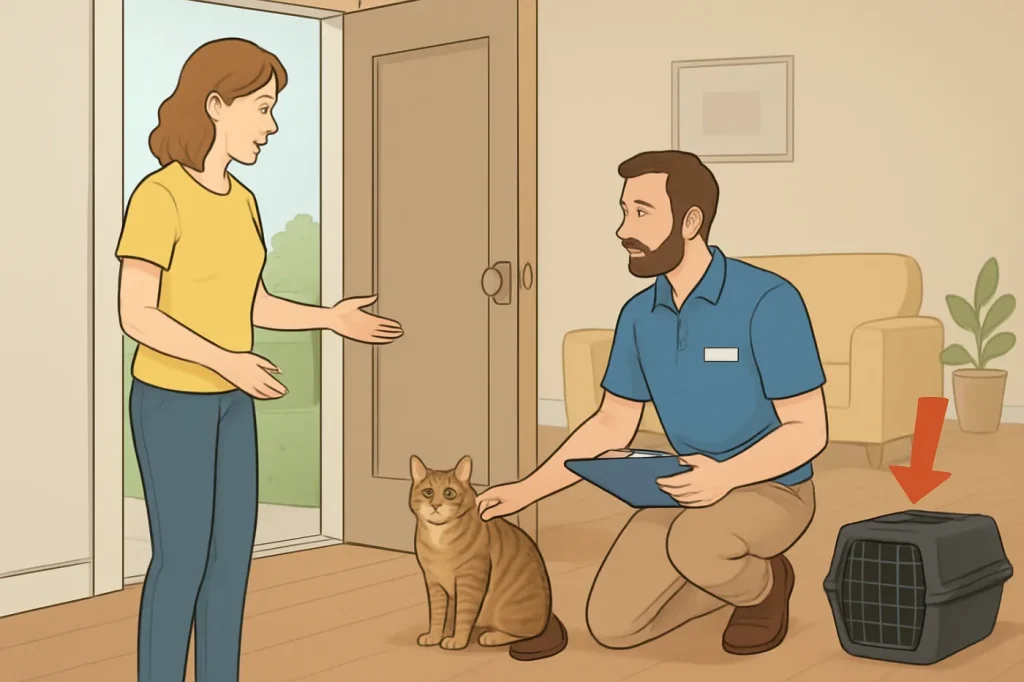
Most U.S. rescues and shelters use home visits and reference checks to answer one core question: Is this a safe, realistic, and stable place for this specific pet? They are not looking for a perfect, designer home. They are looking for responsible pet ownership in real life.
During a typical home visit for pet adoption, a volunteer or staff member will:
- Talk with you about your daily routine, experience, and expectations
- Walk through the areas the pet will use (inside and outside)
- Check for obvious safety hazards and escape risks
- Look at where the pet will sleep, eat, and spend time when you are away
- Clarify how children, roommates, or other pets fit into the picture
- Answer your questions and explain any concerns they see
The goal is to match the right pet to the right home, not to catch you out. Being honest about your lifestyle and limitations usually helps you more than trying to impress.
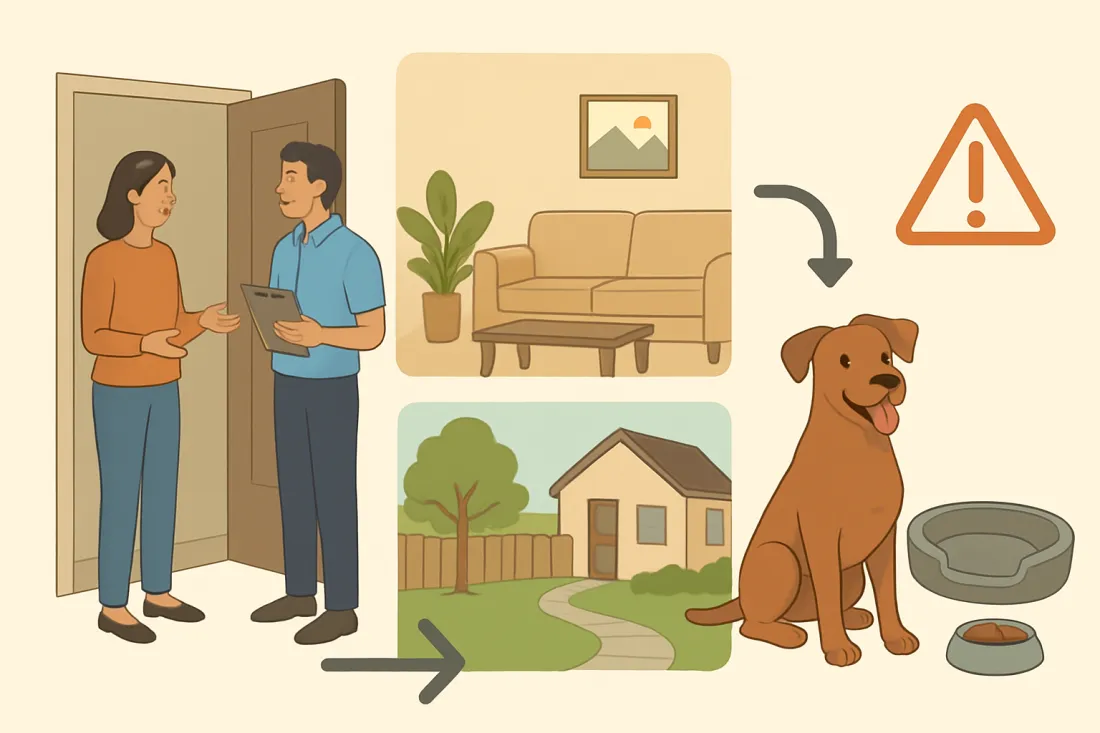
Why rescues use home visits and reference checks
Home visits and reference checks are tools rescues use to reduce risk for the animal, the adopter, and the organization. They help confirm three things:
- Safety – The environment does not expose the pet to obvious, preventable dangers (toxic plants, open balconies, loose fencing, aggressive animals, etc.).
- Suitability – The home and lifestyle fit the specific pet’s needs (energy level, size, medical issues, temperament).
- Stability – The people involved have a realistic plan and support system so the pet is unlikely to be returned for avoidable reasons.
Reference checks usually include:
- Veterinary reference – Confirms your history of vet care with current or past pets (vaccinations, spay/neuter, follow-up visits).
- Personal references – Friends, neighbors, coworkers, or landlords who can speak to your reliability, character, and how you treat animals.
- Landlord or HOA confirmation – When you rent or live in a community with pet rules, they may confirm that pets are allowed and what restrictions apply.
Most organizations use these checks to clarify information, not to dig for secrets. If something in your application is unclear, the home visit and references help fill in the gaps.
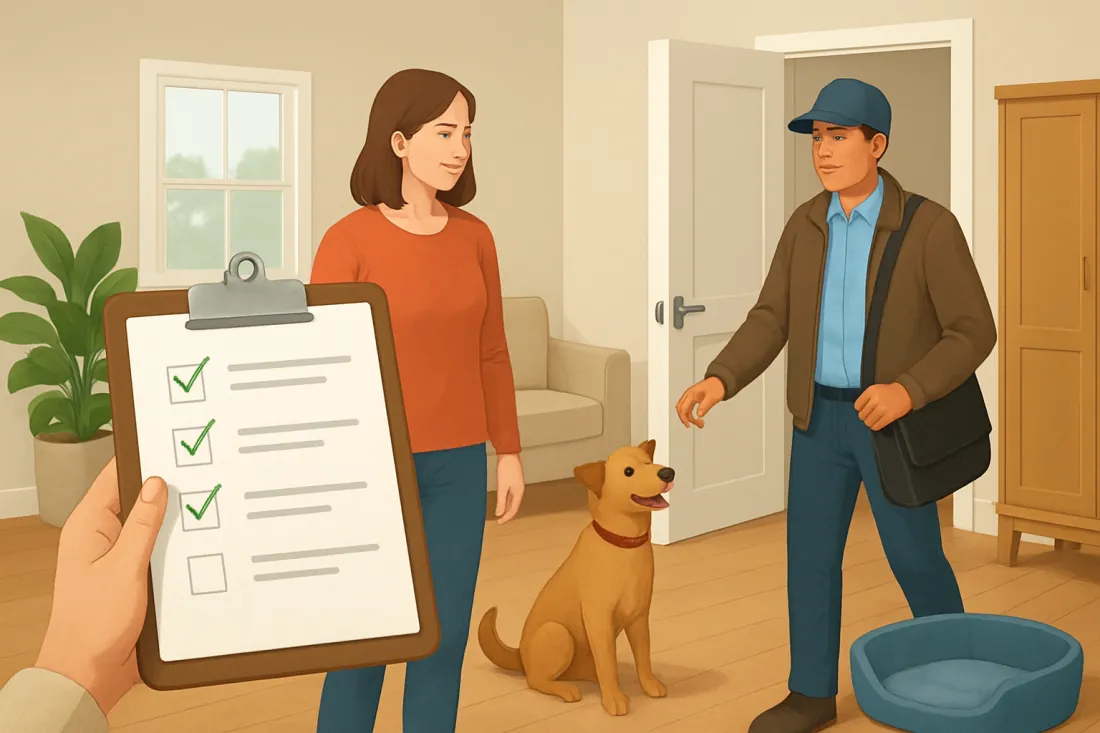
What actually happens during a home visit for pet adoption
Every rescue does things a little differently, but a typical home visit in the United States follows a simple pattern.
1. Before the visit
- You schedule a time when all key decision-makers (and ideally all household members) can be present.
- You may receive a brief checklist or email explaining what they will look at.
- The visitor is usually a volunteer who has adopted themselves or fosters animals.
2. Arrival and conversation
The visit often starts with a short chat at your kitchen table or living room. Expect questions like:
- Why are you interested in this particular pet?
- What is a typical weekday and weekend like in your home?
- How long will the pet be alone on workdays?
- Who will be responsible for feeding, walking, and vet visits?
- What experience do you have with similar pets or breeds?
- What is your plan if you travel, move, or your schedule changes?
They are listening for realistic, thought-through answers, not perfection. Saying “I work long shifts, so I plan to use a dog walker or daycare” is usually better than pretending you are home all day.
3. Walk-through of your home
The visitor will then walk through the spaces your new pet will use. They are not judging your decor or how expensive your furniture is. They are looking for:
- General cleanliness and order – A lived-in home is fine; extreme clutter, filth, or strong odors can raise concerns about health and supervision.
- Hazards at pet level – Exposed wires, small objects, unsecured trash, toxic plants, open stairwells, or unstable furniture.
- Secure containment – Doors, windows, screens, and fences that prevent escapes.
- Spaces for rest and downtime – A crate, bed, quiet room, or gated area where the pet can relax safely.
- Evidence of current pets – Litter boxes, food bowls, toys, and how those animals behave around visitors.
4. Yard, balcony, or outdoor area
If you have outdoor space, they will usually step outside to check:
- Fence height and condition (for dogs)
- Gaps under gates or loose boards
- Access to pools, ponds, or busy roads
- Outdoor chemicals, tools, or plants that could harm a pet
- Shade, shelter, and water if a pet will spend time outdoors
5. Wrap-up and next steps
At the end, the visitor may:
- Summarize what looks great and what might need adjustment
- Ask follow-up questions about your schedule or training plans
- Explain the next step (e.g., “I’ll send my notes to the adoption coordinator today”)
- Give you a chance to ask anything you are unsure about
Some rescues give you feedback on the spot; others follow up by phone or email after reviewing notes.
What volunteers typically look for in a home (and what they do not care about)
Understanding what matters to the visitor can calm a lot of nerves. Below are common focus areas.
Key things they care about
- Safety basics – No obvious poisons within easy reach, secure windows and balconies, safe stairs, covered trash, and no loose sharp objects.
- Escape prevention – Doors that latch, fences without big gaps, secure screens, and a plan for leashing or crating when doors open.
- Realistic expectations – You understand that many adopted pets need time to adjust (often described as the “3-3-3 rule”: roughly 3 days to decompress, 3 weeks to learn routines, 3 months to feel fully at home).
- Respectful treatment – No signs of rough handling, punishment-based tools lying around, or aggressive attitudes toward animals.
- Compatibility with current pets – Existing animals appear reasonably healthy and social, and you have a plan for slow introductions.
- Family alignment – Everyone in the home is on board with adopting and understands the commitment.
Things they usually do not care about
- Whether your furniture matches or is brand new
- Whether you own or rent (as long as pets are allowed)
- Whether your home is large or small, as long as it fits the pet’s needs
- A bit of clutter, laundry, or dishes – everyday life is normal
They are trying to see how a pet will live day-to-day, not whether your home could be in a magazine.
How to prepare different housing types for a home visit
Rescues place pets successfully in apartments, single-family homes, townhomes, and rural properties. The key is to show how your specific space will work for the pet you want.
Preparing an apartment or condo
- Leash plan – Be ready to explain how you will handle potty breaks and exercise without a yard (e.g., scheduled walks, nearby parks, indoor play).
- Noise and neighbors – Think about barking, meowing, or running sounds. Have a plan for quiet hours and enrichment to reduce nuisance noise.
- Balconies and windows – Ensure railings, screens, and gaps are secure so pets cannot fall or squeeze through.
- Elevators and hallways – Consider how you will manage a nervous or reactive pet in shared spaces.
- Pet rules – Have your building’s pet policy handy or know it well (weight limits, breed rules, number of pets allowed).
Preparing a house with a yard
- Fence condition – Walk the perimeter for loose boards, gaps, or low spots. Fix anything a curious dog could exploit.
- Gate security – Check that gates latch and cannot be easily opened by wind or children.
- Yard hazards – Look for toxic plants, unsecured tools, open compost, or standing water where a pet could get hurt or sick.
- Outdoor-only concerns – Most rescues expect dogs to live primarily indoors. Be prepared to show where the dog will sleep inside and how much time they will spend with the family.
Preparing a farm or rural property
- Livestock and wildlife – Explain how you will keep the pet safe around larger animals and how you will prevent chasing or harassment.
- Fencing and boundaries – Large properties can be tricky; show where the pet will actually be allowed and how you will supervise them.
- Working vs. companion role – Be clear whether the pet is primarily a family companion, a working animal, or both, and how you will meet their needs in each role.
- Outdoor risks – Address ponds, machinery, chemicals, and roads. Show how you will limit access or supervise.
Comparison table: expectations by housing type
The table below compares what rescues commonly look for in different housing situations. Use it to think through your own setup.
| Housing type | What the rescue expects to see | Common concerns | How to address concerns before the visit |
|---|---|---|---|
| Apartment / Condo | Safe indoor space, secure windows/balcony, clear potty and exercise plan, compliance with building pet rules. | Limited exercise options, noise complaints, pets slipping through balcony rails or open doors. | Prepare a walking and play schedule, add baby gates or balcony netting if needed, keep a copy of pet rules, and show enrichment toys or scratchers. |
| House with yard | Secure fence or clear leash plan, safe indoor sleeping area, tidy yard without major hazards. | Loose or low fencing, dogs left outdoors unsupervised, access to pools, tools, or toxic plants. | Repair or reinforce fences, add locks to gates, block access to pools, store chemicals and tools out of reach, and emphasize indoor family time. |
| Townhome / Duplex | Respect for shared walls and common areas, safe entryways, clear plan for walks and potty breaks. | Neighbors bothered by barking, tight entry spaces where dogs may lunge, shared yards without clear boundaries. | Use harnesses and short leashes at doors, practice calm exits, discuss training plans to manage barking, and clarify where you will walk the dog. |
| Farm / Rural property | Defined safe zones for the pet, supervision around livestock, secure shelter, and a plan for vet access. | Pets roaming unsupervised, chasing livestock or wildlife, exposure to machinery or open water. | Show fenced or gated areas, explain supervision routines, restrict access to barns or machinery, and describe how you will transport the pet to the vet. |
How to choose appropriate personal and vet references
Good references can reassure a rescue that what you say on your application matches how you live.
Choosing a veterinary reference
- Use your current vet if you have one and they know you and your pets.
- If you do not have a current pet, consider the vet you used most recently for a previous animal.
- Call the clinic in advance to confirm they are willing to verify that you are or were a client and that they have permission to share basic information with the rescue.
- Be honest if you have gaps in vet care (for example, financial hardship or a pet that was very fearful). Explain what you learned and how you plan to handle care now.
Choosing personal references
- Pick people who know you well day-to-day, not just on social media.
- Good options include neighbors, coworkers, close friends, or family members who have seen you interact with animals.
- Avoid choosing only relatives who live far away and rarely see you with pets.
- Tell your references which rescue may call and what type of pet you are applying for so they are not surprised.
- Encourage them to be honest; rescues value consistent, realistic feedback more than glowing but vague praise.
Structured checklist: home safety and readiness before a visit
Use this practical checklist the week before your home visit. You do not need perfection; focus on obvious safety and clarity.
Home safety checklist
- Living areas
- Walk each room at pet eye level. Remove or secure loose wires, small objects, and breakables within easy reach.
- Cover or secure trash cans, especially in the kitchen and bathrooms.
- Store medications, cleaning products, and chemicals in cabinets or on high shelves.
- Check that windows and screens close securely and have no large tears.
- Bedrooms and quiet spaces
- Decide where the pet will sleep and rest. Set up a bed, crate, or mat to show you have a plan.
- If you plan to crate, ensure the crate is appropriately sized and placed in a low-traffic area.
- Kitchen and food areas
- Choose a spot for food and water bowls that is easy to clean and not in a tripping path.
- Move chocolate, onions, grapes, and other toxic foods out of reach.
- Yard, balcony, and entryways
- Inspect fences and gates for gaps, loose boards, or low spots; repair what you can.
- Secure balcony railings and remove items a pet could climb on to jump.
- Check that doors latch properly and consider a baby gate or leash hook near the main door.
- Other pets
- Ensure current pets have up-to-date ID tags and are reasonably groomed.
- Set up separate feeding or litter areas if needed for introductions.
Readiness and routine checklist
- Know your typical weekday and weekend schedule and who will handle walks, feeding, and play.
- Have a basic training plan (for example, positive reinforcement classes, crate training, or litter box setup).
- Decide how you will handle vacations, emergencies, and long workdays (pet sitter, friend, boarding, daycare).
- Confirm that all adults in the home agree on rules (sofa access, bedroom access, feeding times).
- Gather contact details for your vet and references in case the rescue needs them again.
If you want more help thinking through your overall readiness, you may find it useful to review a broader resource such as what to do before adopting a pet checklist.
Common issues found during home visits and how to fix them
Most problems that come up during home visits are fixable. Knowing them in advance can help you avoid surprises.
1. Unsecured yard or balcony
Issue: Gaps in fencing, low fences for large dogs, or balconies with wide railings.
Fix: Add temporary fencing, reinforce weak spots, or commit to leash-only outdoor time until you can upgrade. Show that you understand the risk and have a plan.
2. Hazardous items within easy reach
Issue: Cleaning supplies, medications, small toys, or electrical cords where a curious pet can chew or swallow them.
Fix: Move these items to closed cabinets or higher shelves. Use cord covers or cable organizers. Keep trash cans lidded or inside cabinets.
3. Unrealistic expectations about time and training
Issue: Expecting a newly adopted pet to be perfectly trained, never have accidents, or adjust instantly.
Fix: Learn about the adjustment period often described as the 3-3-3 rule and be prepared for some barking, accidents, or nervous behavior at first. Consider signing up for a positive reinforcement training class.
4. Mismatch between pet and lifestyle
Issue: Applying for a very high-energy dog when you have limited time or mobility, or a fragile pet in a very chaotic home.
Fix: Be open to the rescue’s suggestions about a better match. They may recommend a calmer dog, an older cat, or a different breed type that fits your routine.
5. Unclear landlord or HOA rules
Issue: Not being sure whether pets are allowed, or not knowing about size or breed limits.
Fix: Confirm rules in writing before the visit. Have an email, lease clause, or policy document ready to show that the pet will be allowed.
6. Current pets not up to date on basic care
Issue: Existing pets appear unhealthy, unvaccinated, or poorly socialized.
Fix: Schedule vet visits and start addressing issues before adopting another pet. Be honest about any behavioral challenges and how you are working on them.
Decision criteria rescues use when reviewing your visit and references
After the visit and reference checks, the rescue typically considers:
- Overall safety – Are there serious, unaddressed hazards that put the pet at immediate risk?
- Willingness to adjust – Are you open to making reasonable changes (like adding a baby gate or attending training)?
- Match with the specific pet – Does your home and schedule fit this animal’s age, energy, and temperament?
- Consistency of information – Do your application, home visit, and references tell the same basic story?
- Long-term commitment – Have you thought about vet costs, time, and what happens if your life changes?
They are not looking for a reason to say no; they are looking for a reason to say yes to the right match.
What to do if you fail a home visit or the match is declined
Sometimes, even well-intentioned adopters are not approved for a specific pet or at that moment. This can be disappointing, but it does not always mean you are a bad fit for any animal.
Ask for specific feedback
- Politely ask which factors led to the decision.
- Clarify whether the concern is about your home in general or about this particular pet (for example, “too many stairs for a senior dog”).
- Request suggestions for changes that would make adoption more likely in the future.
Decide what you can realistically change
- Some issues are easy to fix (fence repairs, securing chemicals, adding a crate).
- Others, like work hours or building rules, may be harder to change quickly. In those cases, consider a different type of pet or a different rescue with other policies.
Consider a different match or timeline
- You may be a great fit for a calmer, smaller, or more independent animal.
- Ask whether the rescue would consider you for another pet after you make specific changes.
- Use the time to continue learning, saving for vet care, and preparing your home.
Stay honest and respectful
It can be tempting to hide information or shop around until you find a group that does not ask many questions. That usually backfires. Being open about your situation and willing to learn is more likely to lead to a stable, happy adoption.
Common mistakes to avoid during a home visit
- Trying to stage a “perfect” home – Overstaging can make you seem less authentic. A reasonably tidy, lived-in home is fine.
- Downplaying challenges – If you work long hours or have a busy household, say so and explain your plan rather than pretending otherwise.
- Speaking negatively about past pets or rescues – Be honest but respectful. Focus on what you learned from past experiences.
- Ignoring the visitor’s concerns – If they point out a hazard, acknowledge it and discuss how you will fix it.
- Letting children handle pets roughly – If you have kids, show that you supervise interactions and teach gentle behavior.
Understanding the 3-3-3 rule and why rescues mention it
Many rescues refer to the “3-3-3 rule” as a guideline for how long it takes a newly adopted pet, especially a dog, to settle in:
- First ~3 days – The pet may feel overwhelmed, shut down, or overstimulated. You might see pacing, hiding, or accidents.
- First ~3 weeks – The pet starts to learn your routines and show more of their true personality. Training and boundaries become important.
- First ~3 months – Many pets feel much more secure and bonded. You see more relaxed behavior and deeper trust.
This is not a strict rule with exact days, but it helps set expectations: adjustment takes time. Rescues like adopters who understand this and are prepared to be patient. For more on what those early days can look like, you may want to read about the first week with a rescue dog what to expect.
FAQ about home visits for pet adoption
What happens during a home visit for pet adoption?
During a home visit, a volunteer or staff member talks with you about your lifestyle, walks through the areas your new pet will use, and checks for basic safety and suitability. They look at things like secure doors and fences, where the pet will sleep, how you will manage alone time, and how current pets behave. They may also answer your questions and explain any concerns they notice. The visit usually takes less than an hour for most homes.
How do I prepare for an adoption home visit without misrepresenting anything?
Focus on making your home reasonably safe and being honest about your routine. Use a checklist to remove obvious hazards, secure trash and chemicals, check fences or balconies, and set up a simple sleeping and feeding area. Then think through your daily schedule, who will handle care, and how you will manage training and vet visits. If there are challenges, such as long workdays, explain the concrete steps you will take to support the pet instead of pretending the challenge does not exist.
What do they look for in a home inspection for adoption?
They look for signs that a pet can live safely and comfortably in your home. That includes secure doors, windows, and yards; safe storage of chemicals and medications; a realistic plan for exercise, potty breaks, and alone time; and a general sense that the household is stable and welcoming to animals. They also consider whether your home and lifestyle match the specific pet’s needs, such as energy level, size, and medical or behavioral history.
What is the 3-3-3 rule for pet adoption and why does it matter for a home visit?
The 3-3-3 rule is a rough guideline that many rescues use to explain how long it can take a newly adopted pet to settle in: about 3 days to decompress, 3 weeks to learn routines, and 3 months to feel fully at home. It matters for a home visit because it shows whether you understand that adjustment takes time. If you expect instant perfection, the rescue may worry that you will give up too quickly when normal settling-in behaviors appear.
Can I still adopt if my home is small or I do not have a yard?
Yes, many pets thrive in apartments or small homes as long as their needs are met. Rescues will want to see a clear plan for exercise, enrichment, and potty breaks, and they may steer you toward pets whose energy level and size fit your space. A small but safe, well-managed home can be a better match than a large but unsafe or unsupervised environment.
What should I do if my home visit is not approved?
If your home visit is not approved, ask for specific feedback and whether the concerns are fixable. Some issues, like unsecured fencing or accessible chemicals, can often be corrected quickly. Others, such as building pet restrictions or a mismatch with a particular pet, may require choosing a different animal or waiting until your situation changes. Use the feedback as a guide to improve your setup and consider reapplying or working with the rescue on a better match.
Preparing thoughtfully and staying honest through the process gives you the best chance of a successful, long-term adoption that works for both you and your new companion.