
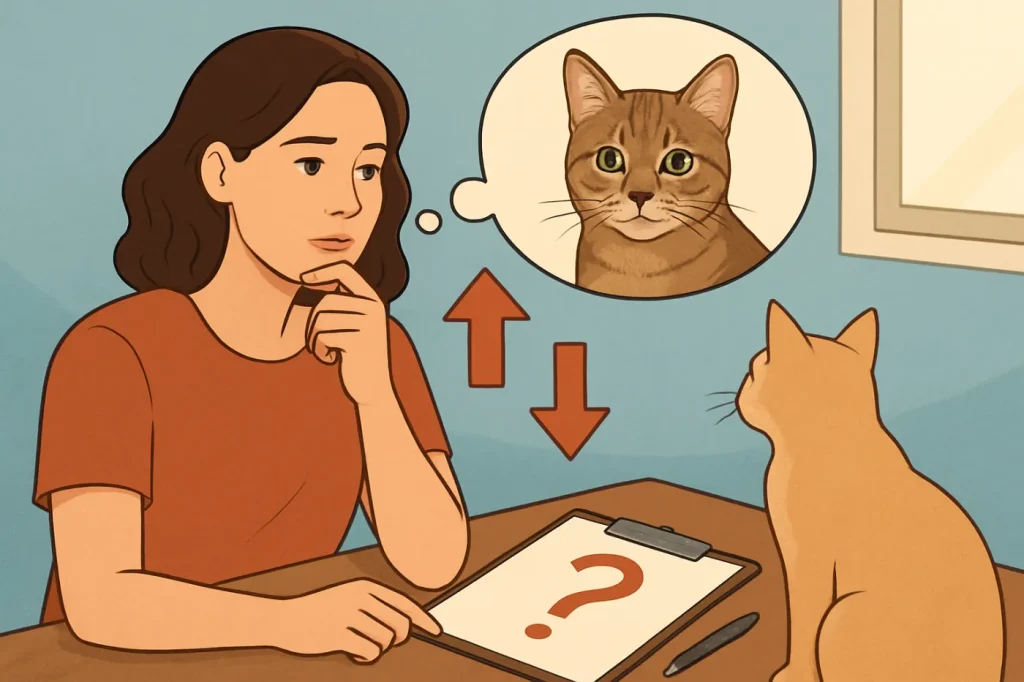
Before you fall in love with a pair of big cat eyes at a shelter, pause and ask yourself some hard questions. Adopting a cat is not just a cute moment; it is a 10–20 year commitment that affects your time, money, home, and future plans.
The core question is simple: Can you give a cat a stable, safe, and loving home for its whole life, not just while it is convenient for you? The questions below help you test that honestly.
Why thinking ahead matters before you adopt a cat
Cats are often seen as “easy” pets, but many are surrendered to shelters because people did not think ahead. Common reasons include moving, new babies, allergies, or vet costs. Most of these could have been considered in advance.
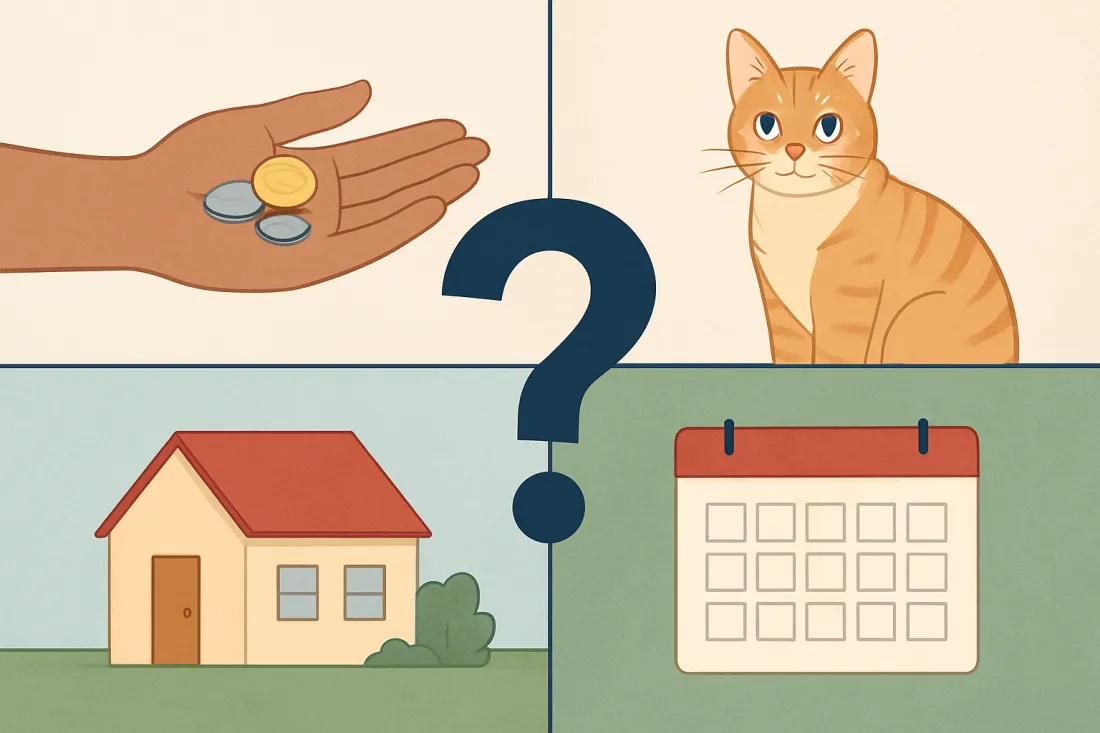
Thinking ahead matters because:
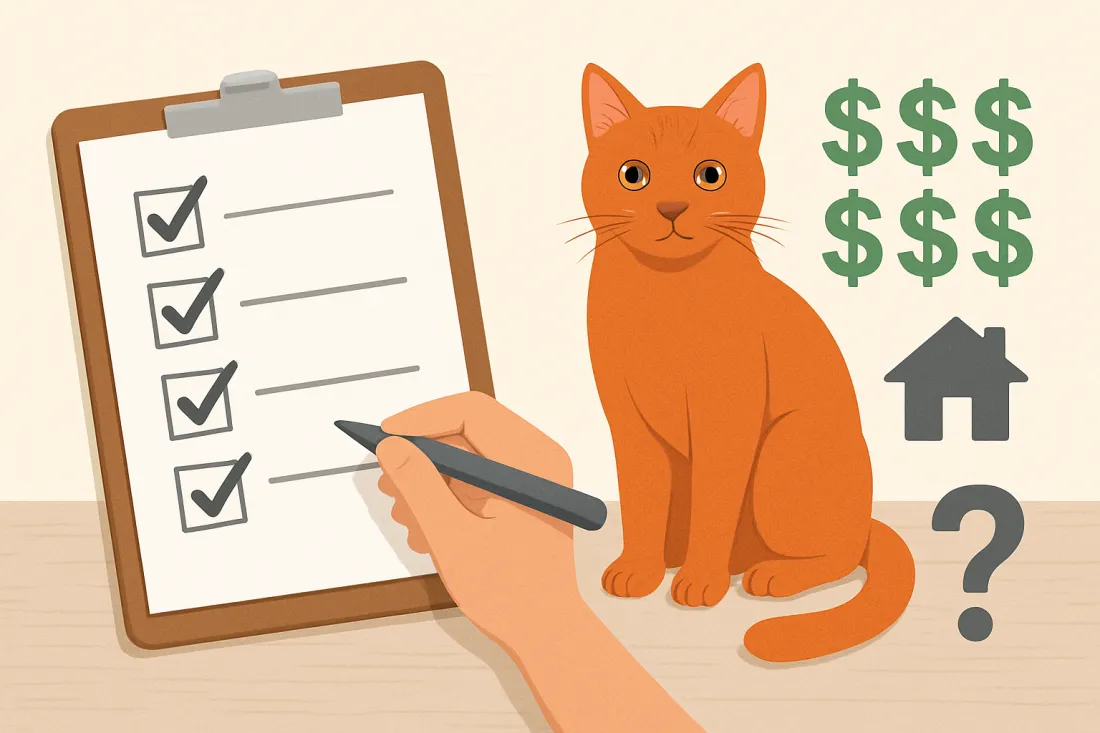
- Cats live a long time. Many indoor cats live well over a decade. You are choosing a long-term relationship, not a short-term project.
- Most problems are predictable. Moving, job changes, kids, and health issues are normal life events. Planning for them now makes it less likely your cat will lose its home later.
- It protects the cat and you. A rushed decision can lead to stress, guilt, and rehoming. A thoughtful decision means you adopt when you are truly ready—or you wait, and avoid heartbreak.
If you want more detail on the adoption process itself, you can also read about how does adopting from an animal shelter work once you are confident you are ready.
Key lifestyle questions to ask yourself about living with a cat
Start with your day-to-day life. A cat does not need constant attention, but it does need daily care, interaction, and a calm, safe environment.
1. How much time am I realistically home?
- Do you travel often for work or pleasure?
- Are you away from home for very long days?
- Do you have someone reliable who can cat-sit when you are gone?
Cats can handle a full workday alone, but they still need daily feeding, litter scooping, play, and observation for health issues. If you are rarely home or often away overnight, you will need a solid plan for care.
2. What is my current energy level and routine?
- Are you okay adding daily tasks like feeding, cleaning the litter box, and playtime?
- Do you have the mental energy to notice when something is off and call a vet?
- Are you prepared for some disruption—fur, the occasional hairball, and the sound of zoomies at night?
If your routine already feels overwhelming, adding a pet may increase stress instead of comfort.
3. Does my housing situation allow pets—now and in the near future?
- Is your current lease or HOA pet-friendly, and are cats specifically allowed?
- Are there limits on number of pets, weight, or breed types (for example, some places restrict certain animals)?
- Are you likely to move soon, and will you prioritize pet-friendly housing even if it is less convenient?
Never adopt a cat if you are hoping to “convince the landlord later.” Housing rules are one of the most common reasons cats are surrendered.
4. Am I okay with the mess and damage that may come with a cat?
- Scratching on furniture, shedding, and the occasional accident are normal.
- Even with scratching posts, some cats will test your couch.
- You may need to protect or replace certain items over time.
If you are extremely particular about your furniture or carpets, think about whether you can accept some wear and tear for the sake of a pet.
Questions about long-term commitment and life changes
Adopting a cat is not just about your life this year; it is about your life for the next decade or more. Ask yourself how a cat fits into your long-term picture.
5. Where do I see myself in 5, 10, or 15 years?
- Are you planning big changes—moving abroad, changing careers, going back to school?
- Do you hope to have children, or are you caring for aging parents?
- Would you still commit to keeping your cat through those changes?
You do not need a perfect life plan, but you should be confident that a cat will still be part of your life even if things shift.
6. How do I handle stress and change now?
- When life gets hard, do you tend to shut down or lash out?
- Could you still treat a pet kindly and meet its needs when you are tired, sad, or frustrated?
- Would you see your cat as a burden or as a family member you protect?
Pets can be a comfort during tough times, but they also add responsibilities. Be honest about how you cope under pressure.
7. Am I prepared for aging and end-of-life care?
- Older cats may need more vet visits, medications, or special diets.
- You may face difficult decisions about quality of life and humane euthanasia someday.
- Are you emotionally ready to support a pet through aging, not just the cute young years?
Thinking about the end is uncomfortable, but it is part of responsible pet ownership.
Questions about finances and emergency planning
Money is one of the most overlooked parts of adoption readiness. You do not need to be wealthy, but you do need a stable basic budget and a plan for unexpected costs.
8. Can I comfortably afford routine cat care?
Typical ongoing costs include:
- Food and litter
- Annual wellness exams and vaccines
- Flea, tick, and parasite prevention where needed
- Basic supplies (litter box, scratching posts, toys, carrier)
>
Instead of guessing, look up local prices or use a guide such as the true cost of adopting a shelter pet to estimate a monthly and yearly budget. Then ask: would this fit into my budget without skipping essentials like rent, groceries, or medical care?
9. What is my plan for vet emergencies?
- Could you handle an unexpected vet bill without going into crisis?
- Are you willing to set aside a small emergency fund for your pet over time?
- Would you consider pet insurance, and have you checked what it covers and costs in your area?
Emergency vet visits can be significantly more expensive than routine care. You do not need a large fund on day one, but you should have a realistic plan to build one or to access credit responsibly if needed.
10. Am I prepared for adoption fees and initial setup?
- Adoption fees often include spay/neuter and basic vaccines, but not always.
- Initial setup usually means buying a litter box, litter, food, bowls, scratching posts, and a carrier at minimum.
- Some shelters may also require a microchip or an initial vet visit after adoption.
Before you adopt, list the one-time items you will need and price them locally so you are not surprised.
Questions about other pets, kids, and allergies
Your cat will not live in a vacuum. Other people and animals in your home matter just as much as your own readiness.
11. Does anyone in the home have allergies or asthma?
- Has everyone who will live with the cat spent time around cats recently?
- Has anyone had allergic reactions such as sneezing, itchy eyes, or breathing problems?
- Are you prepared to manage allergies with cleaning, air filters, or medication if needed?
If someone in the home has severe allergies or asthma, talk with a medical professional before adopting. Do not assume you can “get used to it.”
12. How will a cat fit with my current pets?
- Are your current pets generally friendly, fearful, or territorial?
- Have they lived with other animals before?
- Are you willing to do a slow, careful introduction over days or weeks?
Some shelters can help you choose a cat with a known history of living with other pets. You can also read more about what to know before adopting a cat from a shelter if you want tips on matching personalities.
13. Are all adults in the household truly on board?
- Has everyone agreed to the idea of a cat, not just “fine, whatever”?
- Have you discussed who will do which tasks—feeding, litter, vet visits, playtime?
- If you break up with a partner or move out of a shared home, who keeps the cat?
Shared responsibility works only if everyone is genuinely committed. A cat should never be used as a relationship test or surprise gift for someone who has not agreed.
14. How will I teach kids to behave around a cat?
- Can your children understand gentle touch and respect for an animal’s space?
- Are you willing to supervise interactions and step in if the cat is stressed?
- Will you back up the cat’s boundaries, even if your child is disappointed?
Cats that are chased, grabbed, or cornered can become fearful or defensive. Kids can absolutely live happily with cats, but they need guidance.
Structured checklist: personal readiness questions
Use this checklist as a quick self-test. The more honest “yes” answers you have, the more likely you are ready. A few “no” answers do not mean you should never adopt—they show what you need to fix first.
- Time and routine
- I can commit to daily feeding, fresh water, and litter box cleaning.
- I can spend at least a little time each day playing or interacting with a cat.
- My typical day allows me to notice if my cat seems sick or off.
- Housing and stability
- My current home allows cats, and I have checked any lease or rules.
- I am willing to prioritize pet-friendly housing in future moves.
- My home has safe spaces where a cat can retreat and feel secure.
- Long-term commitment
- I understand a cat may live 10–20 years and I am prepared for that.
- I would keep my cat through likely life changes (moving, relationships, kids, job shifts).
- I am prepared to care for a cat through aging and possible health issues.
- Money and emergencies
- My budget can handle ongoing costs like food, litter, and routine vet care.
- I have a plan for unexpected vet bills (savings, insurance, or another realistic option).
- I can afford the initial setup and adoption fees without financial strain.
- Household and health
- Everyone who lives with me agrees to adopting a cat.
- We have checked for allergies or are prepared to manage them responsibly.
- My current pets are likely to accept a new cat with slow introductions.
- Mindset and expectations
- I accept that cats have their own personalities and may not be cuddly on demand.
- I am okay with some mess, fur, and minor damage over time.
- I see a cat as a family member, not a toy or decoration.
Comparison table: are you ready to adopt a cat now or later?
Use this table to compare two honest options: adopting now or waiting. Neither is “better” in general; the right choice depends on your situation.
| Option | When it fits | Benefits | Risks or downsides | Next step |
|---|---|---|---|---|
| Adopt a cat now | You answered “yes” to most checklist items, have stable housing, a workable budget, and household agreement. | You give a cat a home sooner, start building a bond, and can shape routines from the beginning. | If you underestimated time, money, or future changes, you may feel overwhelmed or consider rehoming later. | Visit shelters, talk honestly about your lifestyle, and choose a cat whose energy and needs match your home. |
| Wait and prepare | You have major uncertainties (upcoming move, unstable income, unresolved allergies, or household disagreement). | You avoid rushing, can stabilize your situation, and set up savings and routines before adopting. | You may feel impatient or guilty for waiting, and a specific cat you saw may be adopted by someone else. | Set a concrete goal (for example, build an emergency fund, finish a move, or resolve housing rules), then revisit adoption when those are in place. |
| Decide not to adopt | You realize you cannot commit to long-term care or your lifestyle is consistently incompatible with pet ownership. | You avoid taking on a responsibility you cannot meet and protect future pets from instability. | You may feel disappointed or pressured by others who think you “should” have a pet. | Consider other ways to enjoy animals, such as volunteering at a shelter or pet-sitting for friends. |
How to use your answers to decide what to do next
Once you have gone through the questions and checklist, turn your reflections into a decision with this simple process.
Step-by-step decision process
- Write down your honest answers. Do not just think them—put them on paper or in a note. Include any “maybes” or worries.
- Highlight your red flags. Circle any areas where you answered “no” or felt unsure, especially around housing, money, and long-term plans.
- Sort issues into two groups:
- Can fix soon (for example, buying supplies, adjusting your schedule, building a small emergency fund).
- Hard to change (for example, unstable housing, serious allergies, frequent long trips with no pet care plan).
- Decide your timeline.
- If most issues are “can fix soon,” set a realistic timeline (such as a few months) to prepare.
- If several issues are “hard to change,” consider waiting longer or choosing not to adopt.
- Talk it through with someone you trust. A partner, roommate, or friend who knows you well can point out blind spots, like how stressed you get during busy seasons.
- Make a clear choice:
- Yes, adopt soon: Start researching shelters and think about what kind of cat fits your lifestyle (age, energy level, health needs). Resources on what to know before adopting a cat from a shelter can help you prepare for that step.
- Wait and prepare: Set specific goals (for example, save a certain amount for emergencies, finish a move, or resolve housing rules) and a date to revisit your decision.
- Not right now: Give yourself permission to enjoy animals in other ways without the pressure of full-time ownership.
Common mistakes to avoid when asking yourself these questions
Self-reflection only works if you are honest. These are typical traps people fall into when thinking about cat adoption.
1. Romanticizing the idea of a cat and ignoring the daily work
It is easy to picture cozy evenings with a purring cat and forget about scooping litter, cleaning up hairballs, or dealing with a cat that wakes you up at 4 a.m. Balance the cute moments with the real chores.
2. Assuming cats are “low-maintenance” compared to dogs
Cats may not need walks, but they still need:
- Daily interaction and play to prevent boredom and behavior issues.
- Environmental enrichment like scratching posts and vertical spaces.
- Regular vet care and attention to subtle signs of illness.
Underestimating their needs can lead to frustration when a bored cat scratches furniture or acts out.
3. Ignoring money worries and hoping costs will “work out”
Some people adopt first and plan to “figure out the money later.” This can lead to hard choices if a cat gets sick. It is better to be cautious and prepare than to face a crisis unprepared.
4. Overestimating how much kids will help
Children can absolutely help with pet care, but adults must be ready to take full responsibility. If your plan depends on a child doing all the feeding, cleaning, and vet decisions, the plan is not realistic.
5. Treating adoption as a trial instead of a commitment
Some people think of adoption as “trying a cat out.” While shelters want good matches and may accept returns, going in with a trial mindset makes it easier to give up when things get hard. Approach adoption as a serious, long-term promise.
6. Forgetting to plan for emergencies and travel
Even if your day-to-day life is stable, emergencies and trips happen. Not having a backup caregiver or emergency vet plan can put your cat at risk.
FAQ about questions to ask yourself before adopting a cat
What should I understand about these questions before adopting a cat?
These questions are not a test you “pass” or “fail.” They are tools to help you see the full picture of what living with a cat really means. The goal is not to scare you away, but to make sure you adopt when you can offer a stable, loving home for the long term. If some answers worry you, that is useful information—you can either fix those issues or decide to wait.
What are the biggest mistakes people make when deciding to adopt a cat?
The biggest mistakes are rushing in based on emotion, underestimating costs, and assuming life will stay the same for the next decade. People often forget to check housing rules, ignore allergies, or expect kids to handle most of the care. Another common mistake is choosing a cat whose energy level does not match their lifestyle, such as adopting a very active young cat when they really want a calm companion.
What should I do next after going through the cat adoption readiness questions?
After you answer the questions, review your red flags and decide whether you are ready now, should wait and prepare, or should enjoy cats in other ways for now. If you feel ready, start researching local shelters and think about what kind of cat fits your home. If you decide to wait, set specific goals—like stabilizing housing or building an emergency fund—and a date to revisit your decision so it does not stay a vague “someday.”
How can I tell if I am emotionally ready for the responsibility of a cat?
Emotional readiness shows up in how you think about the commitment. If you see a cat as a family member you will care for even when it is inconvenient, that is a good sign. If you are looking mainly for a distraction, a cure for loneliness, or a way to fix a relationship, you may be putting too much pressure on the pet. Ask yourself whether you can still be patient and kind on bad days, not just good ones.
Is it better to wait to adopt a cat if I am unsure about my future plans?
If your near future includes big unknowns—like an upcoming move, unstable income, or unresolved health issues—it is usually kinder to wait. Use the time to stabilize your situation and plan for how a cat would fit. There will always be cats in need of homes; waiting until you are truly ready gives your future cat a much better chance at a lifelong home.