
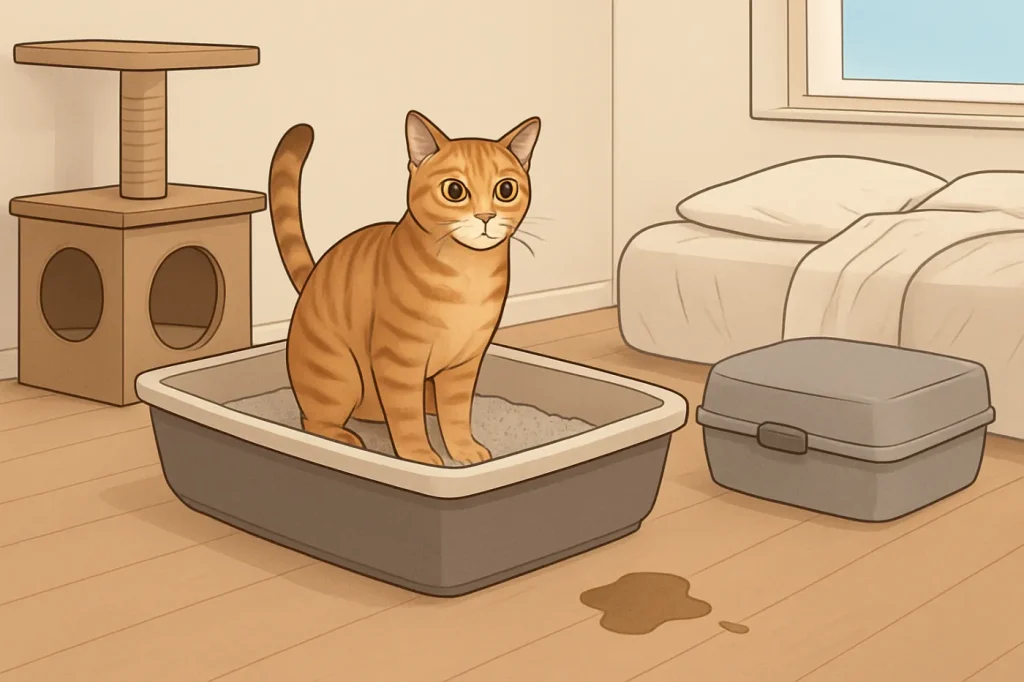
To prevent litter box accidents, focus on three things: give your cat enough boxes in safe, easy spots, choose a litter and box style they actually like, and keep everything consistently clean without strong scents. When those pieces are in place—and medical issues are ruled out—most “bad behavior” accidents either shrink or stop.
Core decisions that prevent most litter box accidents
Before thinking about “training,” make sure the setup is not quietly working against you. A cat that finds the box easy, safe, and pleasant to use will usually choose it over your bed, rug, or laundry pile.
- Number of boxes: Aim for at least as many boxes as cats, and often one extra. In multi-level homes, have at least one box on each level your cat uses.
- Safe, low-stress locations: Boxes should be quiet, easy to reach, and not in the middle of household traffic or next to loud appliances.
- Comfortable design: Most cats do best with large, open boxes and a side low enough to step over easily.
- Cat-approved litter: Many cats prefer soft, fine, unscented litter. Strong perfumes or sharp textures can push them away.
- Predictable cleanliness: Daily scooping and regular full changes matter more than fancy products. Avoid harsh, heavily scented cleaners in and around the box.
Once this foundation is solid, training and retraining become much easier, whether you are working with a new kitten or an adult cat that has started having accidents.
How many litter boxes U.S. cat owners really need
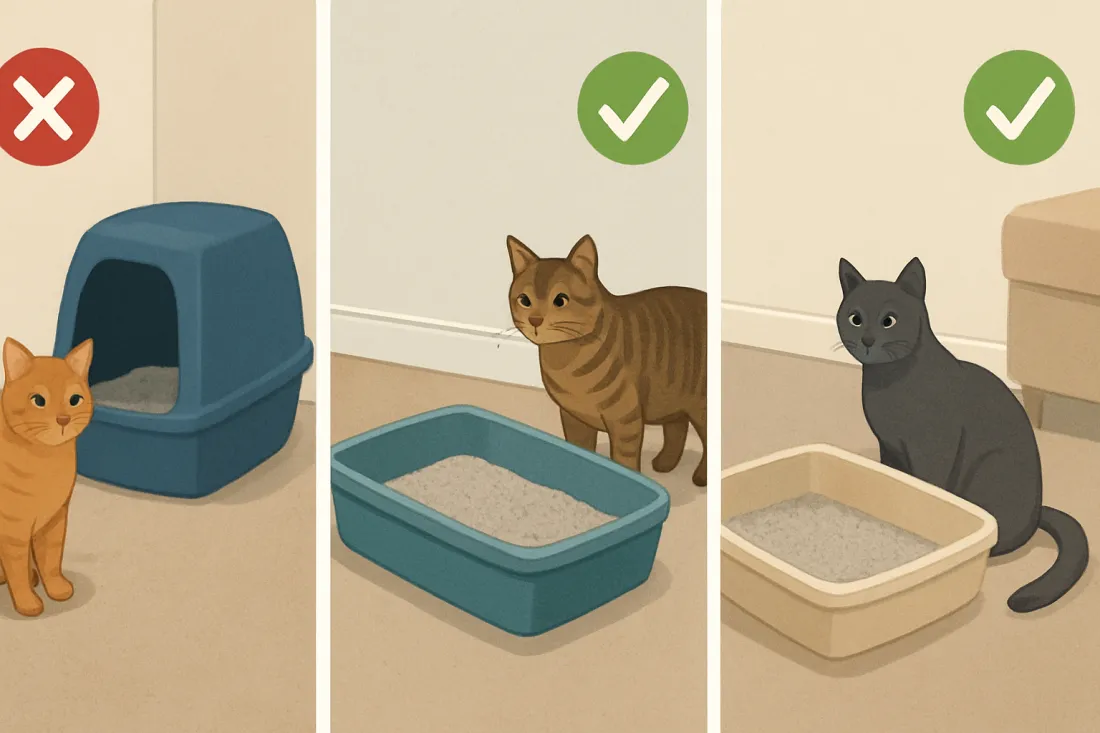
There is no single perfect number for every home, but a simple rule works well for many U.S. households: have at least as many boxes as cats, and often one extra. Then adjust based on your floor plan and what your cats are telling you with their behavior.
Practical guidelines by household type
- One cat in a studio or small apartment: Plan for 2 boxes in different areas. If one feels dirty or is blocked by laundry or a closed door, your cat still has a backup.
- One cat in a multi-room apartment: Keep one box near the main living/sleeping area and another closer to the kitchen or hallway, as long as it is not right next to food bowls.
- One cat in a multi-level house: Have at least 1 box per floor your cat uses regularly. Many owners end up with 2–3 boxes spread across levels.
- Two cats: Start with 3 boxes in separate locations so one cat cannot guard all of them.
- Three or more cats: Use several boxes spread across the home. Watch for signs of crowding—cats waiting for a box, accidents near a box, or one cat chasing another away.
Use your cats’ behavior as feedback. If accidents start when you remove a box or move two boxes too close together, that is your signal to add another box or spread them out again.
Best locations for litter boxes in houses vs. apartments
Location is one of the biggest accident triggers. A box that is technically “available” but feels unsafe or hard to reach may as well not exist from your cat’s point of view.
Good litter box locations in apartments
- Quiet bathroom corner: Place the box away from the shower spray and not directly next to the toilet if it is flushed often.
- Bedroom corner: If your cat sleeps with you, a box in a low-traffic bedroom corner can prevent middle-of-the-night accidents on the bed or rug.
- Hallway nook or always-open closet: Only if the door can reliably stay open and there is enough room for your cat to enter, turn, and dig comfortably.
Good litter box locations in houses
- One box on each main level: For example, one near the living area, one near the bedrooms, and one in a finished basement if your cat spends time there.
- Guest bathroom or quiet laundry corner: As long as the room is not constantly noisy, crowded, or used as a shortcut by kids and guests.
- Home office or spare room corner: Especially helpful for shy cats that like to stay near their favorite person but still want privacy.
Locations that often cause accidents
- Next to loud appliances: Washers, dryers, furnaces, or noisy dehumidifiers can scare cats mid-use and make them avoid the box.
- High-traffic hallways or entryways: Cats may feel exposed and choose a more private spot—like under a bed or behind furniture.
- Near food and water bowls: Many cats avoid eliminating where they eat and drink.
- Behind doors that move or close: Swinging or closing doors can startle cats or cut off access when they need the box.
- Only in the basement: Stairs can be a barrier for kittens, seniors, or arthritic cats, especially at night.
If you are unsure, watch where your cat chooses to rest and hide. Placing a box near those “safe zones” (but not directly on beds or favorite blankets) often works better than forcing your cat to cross busy areas.
Choosing litter type and box style for different cats
Cats have individual preferences, but there are patterns that help you choose a good starting setup and avoid accidents caused by discomfort.
Litter type decision criteria
- Texture: Many cats prefer fine, sand-like textures. Coarse pellets or crystals can feel sharp, especially for declawed or sensitive cats.
- Scent level: Strongly scented litters can be overwhelming. Unscented or very lightly scented options are usually safer choices.
- Clumping vs. non-clumping: Clumping litter makes daily scooping easier, which helps keep the box clean. If you have a very young kitten that tries to eat litter, ask your vet what type is safest.
- Dust level: Low-dust litters are more comfortable for cats with respiratory sensitivity and for people who scoop the box.
Box style decision criteria
- Size: Your cat should be able to stand, turn, and dig without touching all sides. Larger boxes reduce accidents over the edge.
- Height of sides: Kittens, seniors, and arthritic cats often need at least one low side to step over easily.
- Covered vs. open: Covered boxes can trap odors and make some cats feel cornered. Open boxes offer more escape routes and better airflow.
- Self-cleaning boxes: Some cats tolerate them; others are frightened by the noise or movement. If you try one, keep at least one regular box available as a backup.
Matching litter and box to specific cat needs
- Kittens: Use a low-sided, open box with a soft, unscented litter. Avoid deep litter layers that are hard to walk on.
- Large or long-bodied cats: Choose an oversized box or a large plastic storage bin with a cut-out side for entry.
- Seniors or arthritic cats: Prioritize low entry, non-slip mats, and boxes on the same level as their favorite resting spots.
- Shy or anxious cats: Open boxes in quiet corners with clear escape routes help them feel safer.
Comparison of litter box setups for accident prevention
The table below compares common litter box setups and how they tend to affect accident risk in typical homes.
| Litter box setup option | When it usually works well | Accident risks and drawbacks | Best for which cats or households |
|---|---|---|---|
| Multiple open, large boxes with unscented clumping litter | Homes where owners can scoop daily and have space for several boxes | Takes more cleaning time and floor space; boxes are visible in living areas | Most cats, multi-cat homes, apartments or houses with flexible layout |
| Single covered box in a laundry room | Small apartments with one calm cat and very limited space | Odor can build up; noise from machines may scare the cat; only one option if it feels dirty | Easygoing adult cats, households that keep the room quiet and box very clean |
| Self-cleaning box plus one regular backup box | Owners who struggle with daily scooping but can still monitor behavior | Some cats fear the mechanism; if the device fails and no backup is available, accidents are likely | Tech-friendly homes willing to introduce the box slowly and keep a standard box available |
| Low-sided boxes on each floor of a house | Homes with stairs, senior cats, or kittens learning the layout | More boxes to maintain; may be harder to hide aesthetically | Seniors, kittens, or cats with mobility issues in multi-level homes |
| High-sided box with front entry cut-out | Cats that kick litter out or spray high on the sides | Entry can still be too high for some seniors or small kittens | Young to middle-aged cats that dig enthusiastically or tend to overshoot |
Step-by-step litter box training for kittens
Most kittens learn quickly if you give them clear access and a routine. Consistency now prevents accidents later in life.
- Prepare the environment before the kitten arrives. Set up at least one low-sided box per main area the kitten will use, with unscented, soft litter. Place food and water in a different area.
- Introduce the box right away. As soon as the kitten comes home, gently place them in each box so they can sniff and explore. Do not force them to dig or stay inside.
- Guide after key activities. After meals, naps, and play sessions, carry or gently lead the kitten to the box. Wait quietly nearby; praise softly when they use it.
- Limit unsupervised space at first. Use a safe room or playpen when you cannot watch the kitten. Keep a box in that space so the right choice is always close.
- Respond calmly to accidents. If you catch the kitten mid-accident, gently move them to the box without scolding. Clean the soiled area thoroughly to remove odor.
- Keep boxes extremely clean. Scoop at least once daily, more often if you notice smells or multiple uses in a small box.
- Gradually expand their territory. As the kitten consistently uses the box, allow access to more rooms, adding boxes if needed so no area is too far from a toilet option.
For a deeper walkthrough of training steps and troubleshooting, it can help to read how to litter train a cat and stop accidents once your basic setup is ready.
Solving common problems: peeing on bed, rug, or outside the box
Accidents often cluster in a few predictable spots. Each pattern suggests different causes and fixes.
Cat peeing on the bed
Soft, absorbent surfaces like beds and couches feel safe and comfortable to many cats. Bed accidents can signal:
- Stress or anxiety: Changes in routine, new pets, or conflict in the home.
- Seeking closeness: Some cats mark the bed because it smells strongly of their favorite person.
- Box avoidance: Pain, dirty boxes, or scary locations.
Steps to address bed accidents:
- Place an additional box in or near the bedroom, but not right on top of sleeping areas.
- Use a waterproof mattress cover and keep the bedroom door closed when you cannot supervise.
- Increase play and positive interaction to reduce stress and give your cat predictable attention.
- Have a vet check for urinary issues, especially if accidents are frequent or the cat strains.
Cat peeing on rugs or bathmats
Rugs are easy to dig in and absorb liquid. Accidents on rugs can mean:
- Preference for soft surfaces: The litter may feel too rough or the box too small.
- Location issues: The box is far from where the cat spends time, so the rug becomes the closest “toilet.”
- Residual odor: Previous accidents were not fully cleaned, so the rug now smells like a toilet spot.
Steps to address rug accidents:
- Temporarily remove or roll up problem rugs while you retrain.
- Offer a larger box with softer, deeper litter to mimic the feel of the rug.
- Clean rugs with an enzymatic cleaner designed for pet urine and allow them to dry completely.
Cat peeing just outside the box
When urine pools right next to the box, consider:
- Box too small or sides too low: The cat may be aiming inside but overshooting.
- Pain or stiffness: The cat may not fully squat due to arthritis or discomfort.
- Dirty or smelly litter: The cat may rush or perch on the edge to avoid touching the litter.
Steps to address near-box accidents:
- Upgrade to a larger, high-sided box with a low entry cut-out.
- Place a waterproof mat under and around the box to catch any misses while you adjust.
- Schedule a vet visit to check for pain, especially in older cats.
- Improve cleaning frequency so the cat feels comfortable staying in the box long enough to finish.
Medical vs. behavioral reasons for cat accidents
Not all accidents are “training problems.” Some are early warning signs of medical issues. Distinguishing between the two helps you act quickly and fairly.
Signs that suggest a medical cause
- Sudden change in habits in a previously reliable cat.
- Straining, crying, or frequent trips to the box with little output.
- Urine that looks blood-tinged or has a very strong, unusual odor.
- Urinating in small drops around the home.
- Noticeably increased drinking and urination volume.
- Accidents combined with changes in appetite, weight, or energy.
If you see these signs, contact a veterinarian promptly. Some urinary conditions can become emergencies if not treated.
Signs that suggest a behavioral or environmental cause
- Accidents started after a clear change: new pet, move, renovation, new litter, or new box style.
- Cat uses the box sometimes but chooses specific spots (bed, rug, corner) at other times.
- Cat avoids one particular box but uses another without issue.
- Accidents occur mainly when the box is dirty or access is blocked.
For behavioral or environmental causes, focus on improving box setup, reducing stress, and rewarding correct use. If you are unsure whether the cause is medical or behavioral, a vet visit is the safest first step.
Cleaning and odor control that does not repel cats
Good cleaning prevents repeat accidents, but harsh products or strong fragrances can drive cats away from the box.
Daily and weekly cleaning basics
- Scoop solids and clumps at least once daily. In multi-cat homes, scooping more than once a day often works better.
- Top up litter as needed. Keep a consistent depth so digging feels the same each day.
- Fully change litter regularly. The timing depends on litter type and number of cats; use smell and appearance as your guide.
- Wash the box with mild soap and water. Rinse thoroughly and dry before refilling so no soap residue remains.
Cleaning accident spots outside the box
- Blot up as much liquid as possible with paper towels or cloths.
- Use an enzymatic cleaner made for pet urine to break down odor, following the label directions.
- Avoid ammonia-based cleaners, which can smell similar to urine and encourage repeat marking.
- Allow the area to dry completely before letting your cat back into the room.
Odor control without overdoing fragrance
- Choose low- or unscented litter and rely on frequent scooping instead of heavy perfumes.
- Ventilate the room with open windows or fans when possible.
- Use baking soda sparingly if your cat tolerates it; introduce gradually and watch for any change in box use.
- Avoid strong air fresheners or scented candles right next to the box.
For more ideas on managing smells while keeping the box cat-friendly, you can also review how to keep litter box from smelling and adapt the routine to your home.
You have one or more indoor cats and want to prevent accidents by keeping the litter box area consistently clean and inviting, without turning cleaning into a full-time job.
Assume you scoop at least once daily, have at least one box per cat (plus an extra if space allows), use a litter your cats already accept, and have basic supplies: scoop, trash bags, mild soap, water, paper towels, and an enzymatic cleaner for accidents.
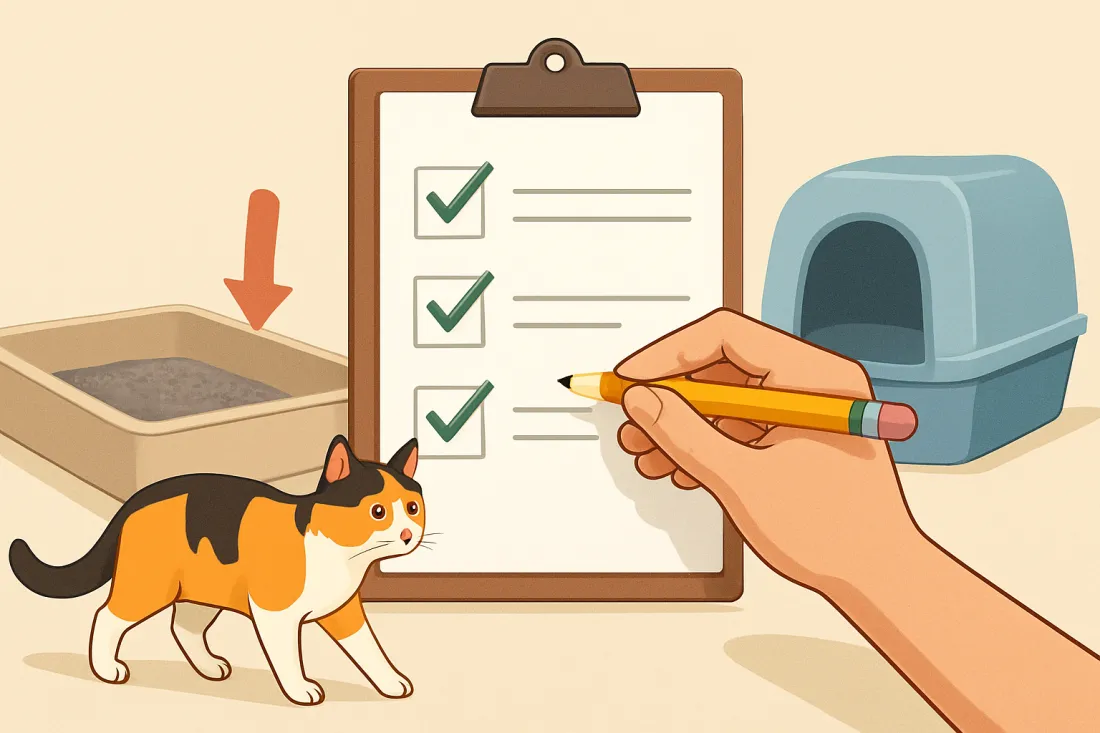
Weekly litter box maintenance routine: 1) Pick a consistent day each week. 2) Scoop all boxes thoroughly, then remove remaining litter from one box at a time. 3) Inspect each empty box for cracks, deep scratches, or lingering odor; replace damaged boxes. 4) Wash each box with mild soap and warm water, rinse well, and dry completely. 5) Wipe surrounding floors, walls, and mats with a pet-safe cleaner, especially where scattered litter or splashes collect. 6) Refill each box with fresh litter to a similar depth as before so the texture feels familiar. 7) Note any changes in your cats’ behavior that week—hesitation at the box, straining, or new accident locations—and adjust box number, placement, or schedule a vet visit if needed.
You know the routine is working if your home smells neutral near the boxes, your cats enter and use the boxes without hesitation, accidents become rare or stop, and weekly cleaning feels manageable rather than overwhelming. If odors persist or accidents continue despite this routine, verify that you have enough boxes in good locations and consult a veterinarian to rule out medical causes.
Structured checklist: weekly litter box maintenance routine
Use this checklist to keep your boxes in accident-preventing shape. Adjust timing if you have many cats, very small boxes, or a cat with medical needs.
- Count and inspect boxes
- Confirm you still have at least one box per cat, ideally plus one extra.
- Check for cracks, deep scratches, or warped sides that trap odor.
- Deep-clean one box at a time
- Empty all litter into a trash bag.
- Wash with mild soap and warm water; rinse and dry fully.
- Refill with fresh litter to your usual depth.
- Refresh surrounding area
- Sweep or vacuum scattered litter.
- Wipe walls and baseboards near the box.
- Wash or shake out litter mats.
- Review odor and airflow
- Stand near each box and check for lingering smells.
- Open a window or adjust ventilation if the room feels stuffy.
- Behavior check-in
- Note any accidents that week and where they happened.
- Watch for signs of pain, straining, or box avoidance.
- Decide whether to add, move, or change any box based on what you observed.
Common mistakes that cause preventable litter box accidents
Avoiding a few frequent errors can dramatically reduce accidents and frustration.
- Using too few boxes: One box for multiple cats often leads to crowding, guarding, and accidents in “neutral” areas like hallways.
- Hiding the box too well: Tucking the box into a far corner, closet, or basement can make it inconvenient or scary to reach.
- Changing litter suddenly: Switching brand, texture, or scent overnight can cause some cats to boycott the box. Mix old and new gradually.
- Relying on punishment: Yelling, rubbing a cat’s nose in urine, or locking them in a bathroom rarely helps and can increase anxiety and accidents.
- Ignoring early warning accidents: A single accident can be a fluke, but repeated accidents in the same spot are a message that something is wrong.
- Cleaning with the wrong products: Ammonia-heavy or strongly perfumed cleaners can either attract repeat marking or make the area aversive.
- Assuming it is “just behavior” without a vet check: Medical issues can look like stubbornness. When in doubt, rule out health problems first.
For a broader view of what can go wrong with house training across different pets, you may also find it useful to read about house training mistakes to avoid with dogs and cats and compare them to your current routine.
Decision checklist: how to adjust your litter box setup
Use these questions when accidents happen to decide what to change first.
- Are there enough boxes for your cats and space?
- If no, add at least one more box in a different area.
- Is each box easy to reach at all times?
- If doors, baby gates, or other pets block access, move or duplicate the box.
- Does your cat seem relaxed using the box?
- If they dart in and out, look around nervously, or avoid one box, try a quieter location or open-style box.
- Is the litter comfortable for your cat?
- If accidents are on soft surfaces, try softer, finer litter and a larger box.
- Is the box clean enough for a picky cat?
- If you smell the box, your cat probably does too. Increase scooping and full changes.
- Have you ruled out medical issues?
- If accidents are new, frequent, or accompanied by straining or behavior changes, schedule a vet visit.
FAQ about cat litter box training accident prevention
What should I understand first about preventing cat litter box accidents?
The most important idea is that accidents are usually not spite. Cats choose the spot that feels safest, most comfortable, and least stressful at that moment. When you provide enough clean, easy-to-reach boxes with a litter and location your cat likes, and you rule out medical issues, the litter box usually becomes the obvious best choice.
What mistakes most often ruin cat litter box training?
Common mistakes include using too few boxes, hiding them in noisy or hard-to-reach areas, changing litter abruptly, and punishing accidents. These choices can make the box feel unsafe or unpleasant, pushing your cat toward beds, rugs, or corners instead. Gentle guidance, consistent cleaning, and gradual changes work far better than punishment.
What should I do right after learning about litter box accident prevention?
Walk through your home and review your current setup. Count your boxes, note their locations, and check how clean they are. Compare what you see to the guidelines here: add a box if you are short, move any box that is in a noisy or blocked area, and plan a weekly deep-clean routine. If your cat is already having accidents, schedule a vet check while you start improving the environment.
How long does it usually take to stop cat litter box accidents after making changes?
Some cats improve within a few days once they have better box access and cleaner litter, while others take several weeks to fully trust new locations or types of boxes. Consistency is crucial: keep the new setup stable, maintain a regular cleaning routine, and avoid sudden changes so your cat can build a reliable habit.
What should I do if my cat keeps having accidents even with a good litter box setup?
If you have enough boxes in good locations, are cleaning them regularly, and have ruled out medical problems, look at stress and routine. Add more playtime, give your cat predictable feeding and quiet time, and reduce conflict with other pets by offering multiple resting spots and vertical spaces. If accidents continue, consider working with a qualified behavior professional who can review your cat’s history, home layout, and stress triggers in more detail.