What a dog adoption home visit is really checking for
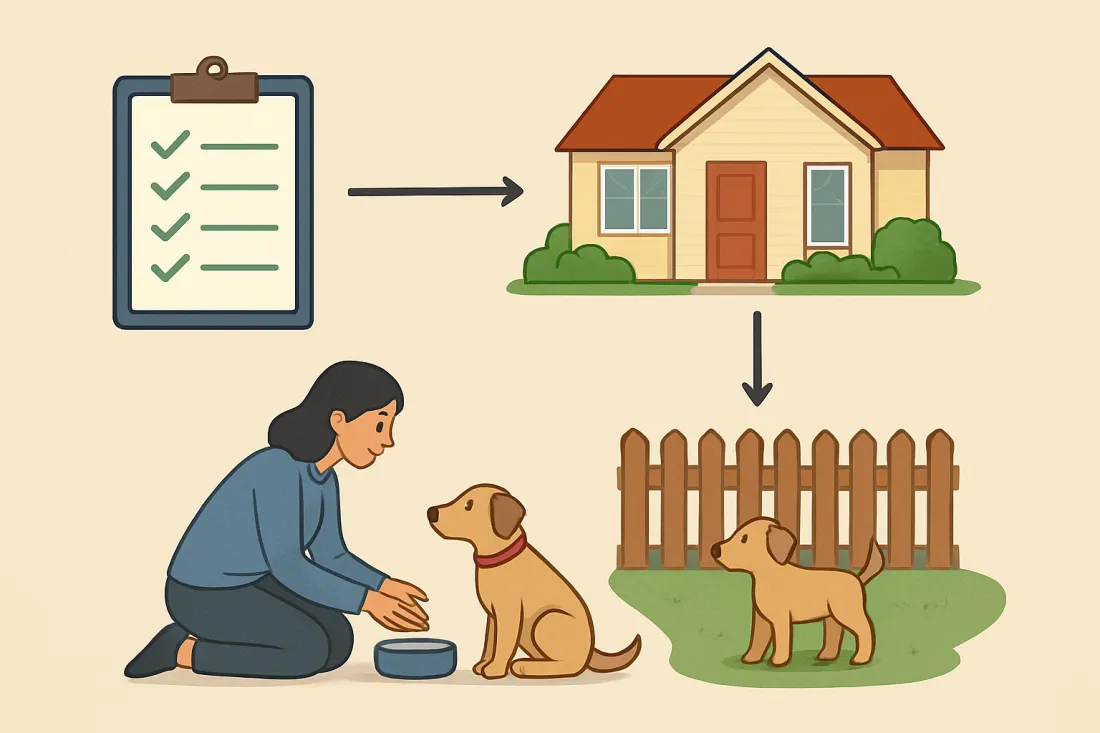
A home visit for dog adoption is not about judging your décor, income, or how big your house is. It is a safety and suitability check to see whether:
- The dog will be reasonably safe and contained in your home and yard (or on walks if you do not have a yard).
- The people, schedule, and lifestyle in the home match that specific dog’s needs.
- Everyone understands the basics of responsible pet ownership and is on board with the commitment.
Most U.S. rescues and shelters that do home visits use them to prevent returns and keep dogs out of unsafe situations. They are usually looking for red flags they cannot see on an application alone, not perfection. If you understand what they check and prepare honestly, a home visit becomes a conversation about how to make your home work for that dog, not a pass/fail exam.
Why some rescues require home visits before dog adoption
Not every shelter in the United States does home visits, but many foster-based rescues and breed-specific groups do. Their main reasons are:
- Safety verification: They want to confirm there are no obvious hazards such as open balconies, broken fences, or toxic items within easy reach.
- Containment and escape risk: They check how you will prevent the dog from running into the street or getting lost.
- Fit with your lifestyle: They look at where the dog will sleep, how often they will be alone, and how they will get exercise and mental stimulation.
- Family dynamics: They want to see how children, roommates, or other pets interact and whether everyone supports the adoption.
- Education opportunity: They use the visit to talk through training, vet care, and realistic expectations about behavior and adjustment.
Many rescues are run by volunteers who have seen dogs returned for preventable reasons: a gate left open, a landlord who changed their mind, or a dog with more energy than the family expected. The home visit helps them catch these issues early and work with you on solutions.
What home visitors actually look for during a dog adoption home visit
Different organizations have different policies, but home visitors commonly focus on three areas: safety, containment, and family dynamics.
1. Home safety basics
They are not looking for a spotless house; they are looking for obvious risks. Expect questions or comments about:
- Hazardous items within reach: Unsecured medications, cleaning chemicals, rodent poison, or small objects a dog could swallow.
- Trash and food access: Open trash cans, food left on low tables, or overflowing bins that could tempt a dog.
- Electrical and cord safety: Loose wires, dangling blind cords, or chargers on the floor that a curious dog could chew.
- Windows and balconies: Low or open windows without screens, balcony railings with wide gaps, or stairs without railings.
- Crate or safe space: Where the dog will go when unsupervised or overwhelmed (crate, gated room, or playpen).
- General clutter in dog areas: Piles of laundry, shoes, or kids’ toys that could be chewed or swallowed.
They may walk through the main living areas and any spaces where the dog will spend time, but they usually do not care about rooms the dog will never access.
2. Containment and escape risks
Rescues are especially sensitive to escape risks because many dogs in rescue have already been lost or surrendered. They will look at:
- Doors and entryways: Whether the dog could bolt straight out the front door into a street or parking lot.
- Yard access: How you will supervise the dog when going in and out, especially if you do not have a fence.
- Fencing and gates (if you have them): Height, gaps, loose boards, and whether gates latch securely.
- Other exits: Side gates, garage doors, or shared hallways in apartments where a dog could slip away.
- Balconies and decks: Whether a dog could squeeze through railings or jump off.
If the dog is known to be a “flight risk” (for example, a shy or previously stray dog), they may ask more detailed questions about double-leashing, secure harnesses, or using baby gates at doors.
3. Family dynamics and daily routine
Home visitors want to see how the dog will fit into your real life, not an idealized version. They may ask about:
- Work schedules: How long the dog will be alone on a typical day and what breaks they will get.
- Children in the home: How old they are, how they behave around animals, and whether they understand basic rules (no pulling tails, no disturbing a sleeping dog).
- Other pets: Where they eat, where they sleep, and how introductions will be managed.
- Noise and activity level: Whether the environment is calm enough for a nervous dog or stimulating enough for a high-energy dog.
- Sleeping arrangements: Where the dog will sleep at night and whether that space is safe and comfortable.
- Consistency: Whether everyone in the home agrees on rules such as furniture access, feeding, and walking responsibilities.
They are not judging your parenting or your relationships; they are trying to picture the dog’s daily life and whether it matches the dog’s temperament and needs.
Yard and fencing expectations by dog size and energy level
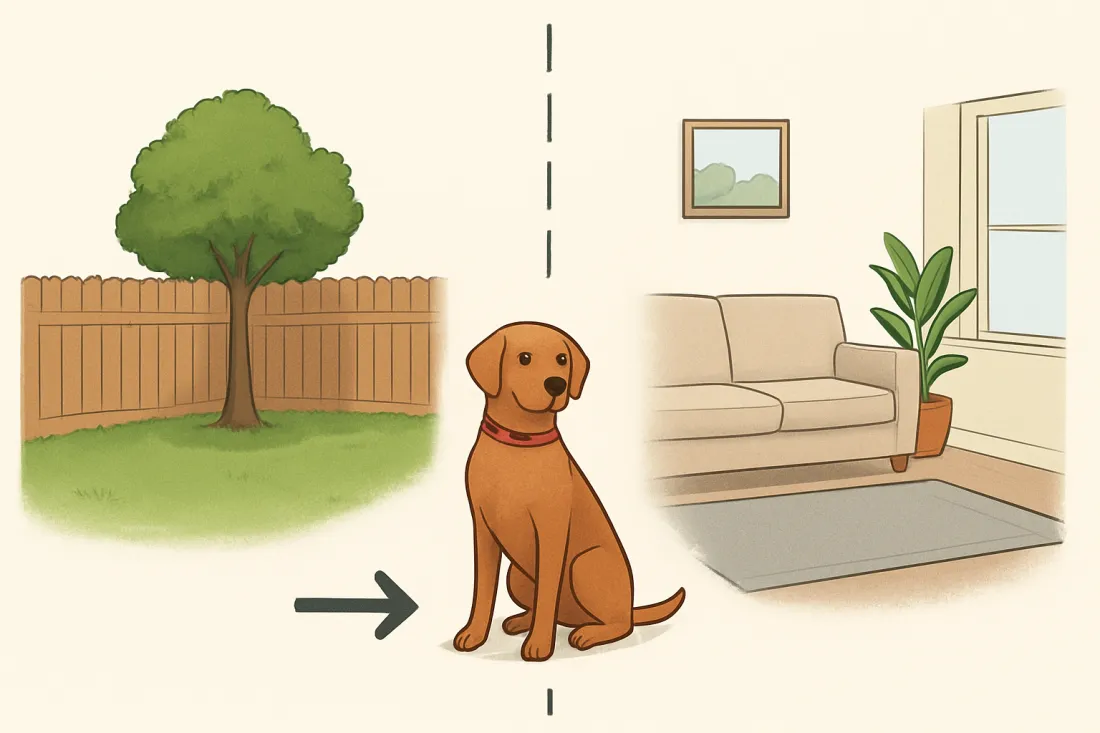
One of the biggest worries adopters have is, “Do I need a big fenced yard?” The answer depends on the rescue, the dog, and your lifestyle. Many dogs thrive in apartments or homes without yards if they get enough exercise and mental stimulation. Below is a comparison table showing how different yard and fencing setups can work for different types of dogs. These are typical patterns rescues may consider, not strict rules.
| Dog type | How rescues often view yard needs | Yard / fence expectation | What you can offer instead | Key concerns for approval |
|---|---|---|---|---|
| Small, low-energy adult dog | Often flexible about yards | Yard not required; secure potty area is helpful | Leashed walks, indoor play, pee pads or balcony potty (if safely enclosed) | Risk of weight gain if walks are skipped; small dogs can slip through railings or under gates |
| Medium dog with moderate energy | Case-by-case decision | Secure yard preferred but not always required | Daily walks, play sessions, training classes, dog sports, or appropriate dog park visits | Needs consistent exercise; boredom can lead to chewing, digging, or barking in small spaces |
| Large, high-energy dog (for example, young herding or working breeds) | Often stricter about fencing | Many rescues strongly prefer a fenced yard for off-leash exercise | Very active lifestyle with multiple long walks or runs, structured training, and mental enrichment | Without enough exercise, may develop behavior issues; some rescues may decline homes without fences for these dogs |
| Escape-prone or fearful dog | Usually strict containment rules | Secure, escape-proof fencing often required | Double-leash systems, secure harnesses, careful door management, and experience with shy dogs | High risk of bolting; rescues may limit these dogs to homes with strong physical containment |
| Senior or mobility-limited dog | More flexible about yard size | Flat, easy-access yard or simple potty route preferred | Short, gentle walks; ramps for stairs; non-slip surfaces indoors | Stairs, steep yards, or long elevator waits can be hard on joints and bladder control |
Key points to understand:
- A yard is not the same as exercise. A dog left alone in a yard may not move much. Rescues will still ask how you plan to walk and engage the dog.
- Fencing quality matters more than size. A small but secure yard can be safer than a large yard with gaps or broken boards.
- Some rescues have non-negotiable fence rules for certain dogs. If a dog is listed as “fence required,” they may not be able to make exceptions.
If you do not have a yard or fence, focus on showing a realistic, consistent plan for exercise and bathroom breaks.
Alternatives when you do not have a yard or fence
Living in an apartment, condo, or house without a fenced yard does not automatically disqualify you. Many dogs in the U.S. live happily in these homes. To reassure a rescue, be ready to explain three things clearly: your daily routine, your safety plan, and how you chose a dog that fits your housing.
1. Your exercise and potty routine
Describe what a typical day will look like:
- How many walks you plan to take and at what times.
- Where you will walk (quiet neighborhood streets, nearby park, dog-friendly trails).
- How you will handle late-night or bad-weather potty breaks.
- Who will walk the dog if you are sick or working late.
Being specific is more convincing than general promises. For example, “I work from home and can do a 30-minute morning walk, a short midday potty break, and a longer evening walk” sounds more realistic than “I’ll walk the dog all the time.”
2. Safety in shared or unfenced spaces
Rescues will want to know how you will keep the dog safe in areas you do not control fully, such as:
- Apartment hallways: Will you leash the dog before opening your door? How will you handle passing other dogs or people?
- Elevators and stairwells: How will you prevent the dog from rushing out when doors open?
- Open lawns or courtyards: Will the dog always be on leash? Are there busy roads nearby?
If your building has a dog run, explain how you will use it safely (for example, avoiding crowded times if your dog is shy or still learning manners).
3. Support systems and services
If your schedule is tight, mention any support you plan to use:
- Dog walkers or pet sitters for long workdays.
- Doggy daycare for social dogs who enjoy it.
- Friends or family who can help with midday breaks.
You do not need to have everything booked in advance, but showing that you have thought through options can reassure the rescue.
4. Matching the dog to your housing
One of the most responsible choices you can make is to choose a dog whose needs fit your home. For example:
- In a small apartment with thin walls, a very vocal breed may cause neighbor complaints.
- In a walk-up building, a large dog with joint issues may struggle with stairs.
- In a busy urban area, a very noise-sensitive dog may be constantly stressed.
If you have children and are wondering how requirements change, you may find it helpful to read about pet adoption requirements for families with children as well.
Structured checklist: preparing your home for a dog adoption home visit
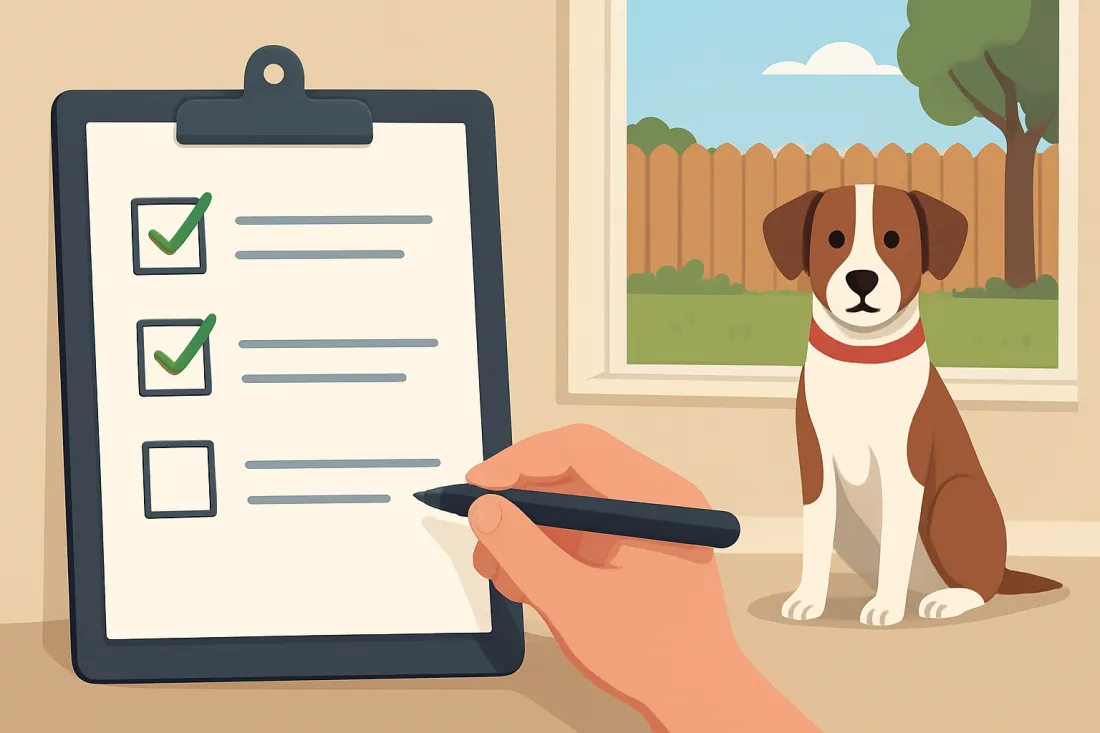
Use this step-by-step checklist to get ready. You do not need to buy every possible item, but you should be able to show a safe setup and a clear plan.
Step 1: Clarify your plan for the specific dog
- Review the dog’s profile and note their size, energy level, and any special needs.
- Write down a realistic daily schedule: feeding times, walks, play, and alone time.
- Decide where the dog will sleep at night and where they will stay when you are out.
- Prepare answers about who will be the primary caregiver and who backs them up.
Step 2: Make key areas of your home dog-safe
- Put medications, cleaning products, and chemicals in cabinets or on high shelves.
- Secure trash cans with lids or place them in cabinets or closets.
- Move small, chewable items (kids’ toys, socks, cords) off the floor in areas the dog will access.
- Tidy up loose electrical cords or use cord covers where possible.
- Check windows and balconies: ensure screens are secure and block unsafe railings.
- Decide which rooms will be off-limits and install baby gates if needed.
If you want more ideas for making your space safer, a room-by-room guide like pet proofing a home for a new puppy can be helpful even if you are adopting an adult dog.
Step 3: Prepare your yard or outdoor routine
If you have a yard:
- Walk the fence line and look for gaps, loose boards, or low spots a dog could squeeze under.
- Check gate latches and add a secondary clip or lock if they open easily.
- Remove obvious hazards like sharp tools, unsecured chemicals, or broken furniture.
- Identify any toxic plants and plan to block or remove them if the dog is likely to chew.
If you do not have a yard:
- Choose primary walking routes and note any busy intersections or off-leash areas to avoid.
- Decide where the dog will go for quick late-night potty breaks.
- Plan how you will manage doors and elevators to prevent dashing out.
For more detailed outdoor safety ideas, you can also look at guidance on how to pet proof your home and yard.
Step 4: Set up basic supplies
You do not have to buy everything before the visit, but having a few basics ready shows commitment:
- Food and water bowls in a stable, non-slip spot.
- A bed or soft mat where the dog can rest undisturbed.
- A crate or gated area if you plan to use one.
- A leash, collar or harness, and ID tag (or a plan for getting them quickly after adoption).
- At least one safe chew toy or enrichment item.
If cost is a concern, mention if you plan to get some items secondhand or gradually over time; most rescues understand budgets as long as safety is covered.
Step 5: Prepare your family and roommates
- Make sure everyone in the home knows the visit date and time.
- Agree on basic house rules for the dog (for example, no feeding from the table, no opening doors without checking where the dog is).
- Talk to children about how to greet the visitor and how to behave around the dog.
- Confirm that your landlord or building allows dogs and have written proof ready if possible.
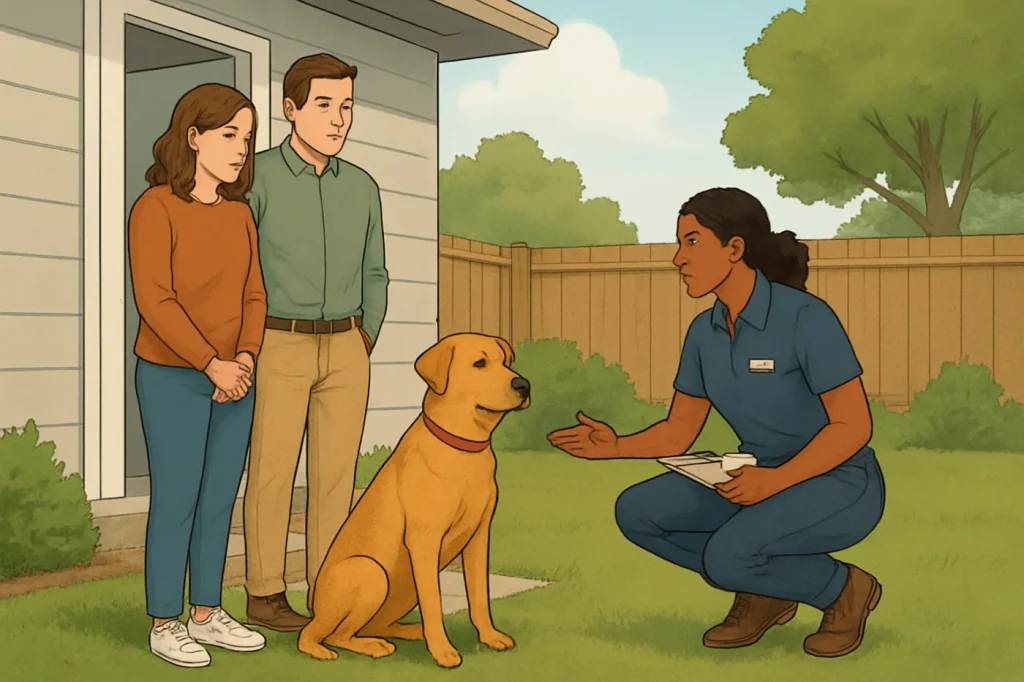
Step 6: During the visit
- Be honest about your experience level and any concerns you have.
- Walk the visitor through where the dog will sleep, eat, and go outside.
- Ask for suggestions; most visitors are happy to share practical tips.
- If they point out a risk, focus on how you can fix it rather than defending the current setup.
Common mistakes that can hurt your dog adoption home visit
Many denials or delays come from avoidable issues. Being aware of these mistakes can help you avoid them.
1. Treating the visit like a test you must “beat”
Trying to hide information (for example, not mentioning a roommate or a part-time job) can backfire. Rescues value honesty more than perfection. If they discover surprises later, they may worry about trust and safety.
2. Underestimating time and exercise needs
Saying you will leave a young, active dog alone for long stretches with no plan for breaks or exercise is a red flag. Even if your schedule is demanding, showing a realistic plan (dog walker, daycare, flexible hours) makes a big difference.
3. Ignoring obvious safety hazards
Leaving out rodent poison, unstable balcony furniture, or a broken gate suggests you have not thought about the dog’s safety. You do not need a perfect home, but you should address clear risks before the visit.
4. Choosing a dog that does not fit your home
Falling in love with a very high-energy or escape-prone dog when you live in a small, busy apartment and work long hours can lead to a denial. Rescues are not judging your worth; they are protecting both you and the dog from a bad match.
5. Getting defensive about feedback
If a visitor suggests changes, reacting with anger or sarcasm can make them question how you will handle training or future problems. You do not have to agree with everything, but staying open and solution-focused helps.
What to do if you are denied after a home visit
Being turned down is disappointing, but it does not mean you are a bad potential owner. It usually means that specific dog or rescue’s policies do not match your current situation.
1. Ask for specific reasons and suggestions
Politely ask the rescue:
- What were the main concerns from the home visit?
- Are these issues fixable (for example, adding a gate, securing a fence, or adjusting your schedule)?
- Would you be a better fit for a different type of dog (age, size, energy level)?
Understanding the “why” helps you decide what to change.
2. Decide what you can realistically improve
Some changes are simple:
- Installing baby gates or securing trash.
- Adding a second lock to a gate.
- Rearranging furniture to create a safe resting spot.
Others may be harder or impossible right now, such as moving to a different home or changing work hours. Be honest with yourself about what you can do.
3. Consider a different dog or rescue
If your home is safe but does not meet one rescue’s specific policies (for example, they require a fenced yard for all dogs), you may:
- Look for a rescue or shelter with more flexible requirements.
- Focus on dogs whose needs match your current setup (for example, seniors or lower-energy dogs).
- Build experience by fostering or volunteering, which can make future applications stronger.
4. Keep the long-term goal in mind
The goal is not just to adopt any dog; it is to adopt a dog who can thrive with you for years. Taking time to adjust your home or wait for a better match is still an act of responsible pet ownership.
Decision criteria: are you ready for a home visit right now?
Use these questions to decide whether to schedule a home visit now or make a few changes first:
- Safety: If a curious toddler crawled through your home, would they find anything dangerous at dog level? If yes, fix those items before the visit.
- Containment: Can you clearly explain how you will prevent the dog from running out of doors, gates, or balconies?
- Time: On your busiest typical day, can the dog get at least a few bathroom breaks and some meaningful interaction?
- Budget: Have you thought about ongoing costs like food, basic supplies, and routine vet care? For example, most dogs need regular checkups and vaccinations; you can review a recommended vet visit schedule for dogs USA to understand the pattern.
- Support: Do you have at least one backup person or service if your situation changes temporarily?
- Match: Does the dog you are applying for truly fit your space, schedule, and experience level?
If you can answer these questions confidently and have addressed obvious hazards, you are likely in a good position for a positive home visit.
FAQ: home visit and yard requirements for dog adoption
What should I understand about home visit requirements before applying to adopt a dog?
Home visit requirements are about safety and fit, not perfection. Rescues want to see that your home is reasonably safe, that you can contain the dog, and that your lifestyle matches the dog’s needs. They are usually more flexible than people expect if you are honest, open to feedback, and willing to make small changes such as adding baby gates or securing trash. Knowing this ahead of time can reduce stress and help you focus on practical preparation instead of worrying about being judged.
What common mistakes during a dog adoption home visit can lead to a denial?
Typical mistakes include hiding information about your schedule or roommates, leaving obvious hazards like poison or broken fences unaddressed, choosing a dog whose needs clearly do not match your home, and reacting defensively when the visitor suggests changes. Another frequent issue is promising more exercise or supervision than your real schedule allows. Being realistic, fixing visible risks in advance, and staying open to advice will help you avoid these problems.
How does my yard or housing setup actually affect dog adoption approval?
Your yard or housing setup affects which dogs are a good match, not whether you can ever adopt. A secure fenced yard may be required for some high-energy or escape-prone dogs, while many small, older, or calmer dogs do well in apartments without yards. What matters most is that you can show a safe way to manage bathroom breaks, exercise, and doorways or exits. If your home has more risks—such as multiple open exits or a busy street—you will need a clearer plan to manage them.
What should I do next after reading about home visit requirements for dog adoption?
Next, walk through your home and yard as if you were a curious dog, and use the checklist above to remove obvious hazards and plan your routine. Then, review the profiles of dogs you are interested in and ask whether their size, energy level, and temperament truly fit your space and schedule. If you feel ready, complete the adoption application and be upfront about your housing and work life. Going into the process prepared and honest gives you the best chance of finding a dog who can thrive with you long term.