First-year cost of a kitten vs adult cat in the US: what to expect
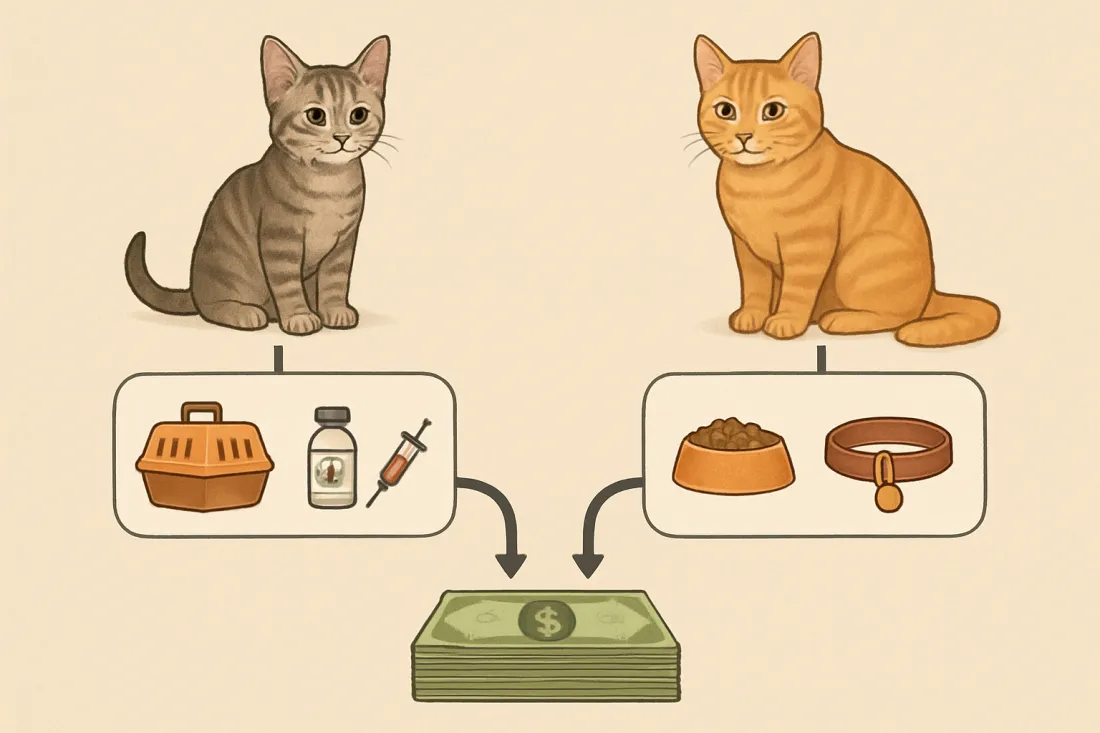
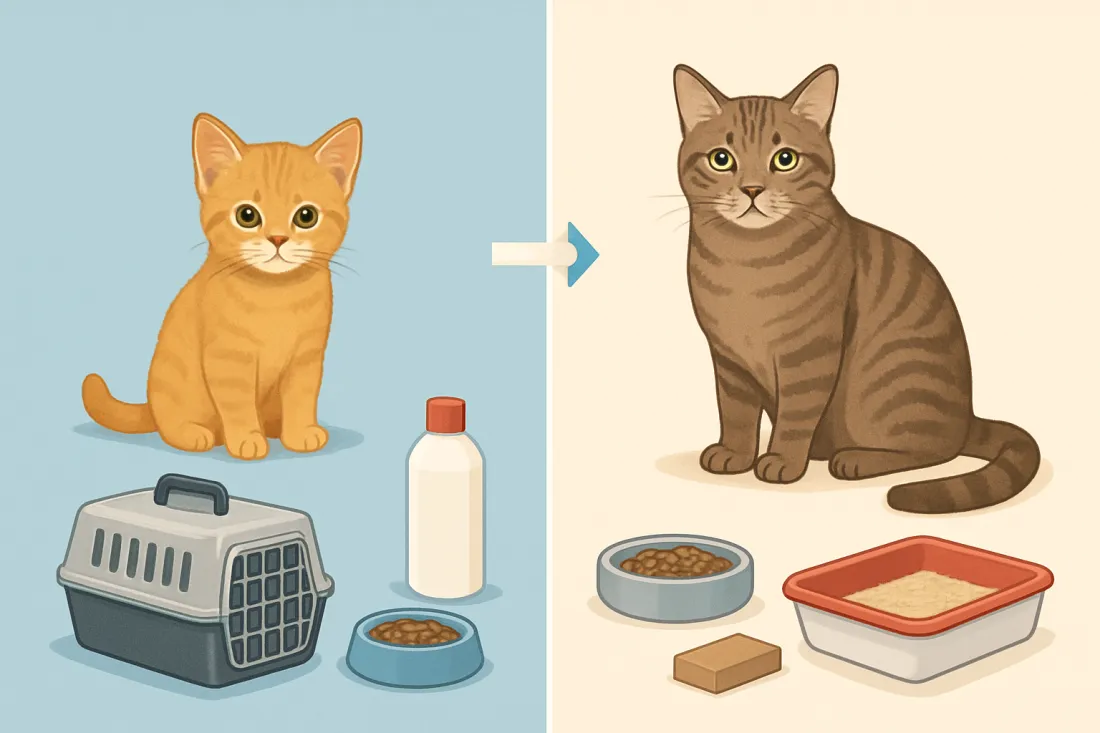
If you are choosing between a kitten and an adult cat, expect the first year with a kitten to usually cost more than with an adult cat. The main reasons are extra vet visits, a full vaccine series, and spay/neuter if it is not already done. Based on recent US estimates from major pet organizations and media, typical first-year spending often falls roughly in these broad patterns:
- Kitten: Many owners end up somewhere in the low hundreds to the low thousands of dollars in the first year once you add adoption, vet care, and supplies.
- Adult cat: Often noticeably cheaper in year one, especially if you adopt from a shelter that already includes vaccines, spay/neuter, and microchipping in the fee.
Exact amounts vary a lot by city, vet clinic, and how premium you go with food and gear. Instead of chasing one “average” number, plan around ranges and buffers. A practical starting point is to have savings ready for:
- Adoption fee or purchase
- Initial vet exam and vaccines
- Spay/neuter and microchip if not already done
- Starter supplies (litter box, carrier, bed, scratcher, toys, food, litter)
- An emergency cushion for at least one unexpected vet visit
If your budget is tight and you want first-year costs as low and predictable as possible, an adult cat from a shelter is usually the more affordable option.
How first-year costs differ: key comparison criteria
To compare the first-year cost of a kitten vs an adult cat, it helps to break things into categories instead of looking for a single total. Key cost criteria:
- Adoption or purchase fee
- Kitten: Often higher demand, sometimes higher fees. Purebred kittens from breeders are usually the most expensive option.
- Adult cat: Shelters often discount adult or senior cats and sometimes run fee-reduced events.
- Veterinary exams and vaccines
- Kitten: Several vet visits in the first months for vaccine series and growth checks.
- Adult cat: Often one full exam and booster vaccines unless there are health issues.
- Spay/neuter and microchip
- Kitten: May still need surgery and microchipping if not already done by the shelter or breeder.
- Adult cat: Frequently already spayed/neutered and microchipped when adopted from a shelter.
- Starter supplies
- Mostly the same for kitten and adult: litter box, carrier, bowls, bed, scratcher, toys, grooming tools.
- Kitten extras: more toys, barriers, and kitten-proofing items.
- Food and litter
- Kitten: Needs kitten-formula food, often pricier per pound, and more frequent meals.
- Adult cat: Eats adult food, usually 2–3 meals a day, easier to predict monthly use.
- Training and damage
- Kitten: Higher risk of scratched furniture, chewed cords, and accidents that mean extra cleaning or replacement costs.
- Adult cat: Often already litter-trained and calmer, so less accidental damage.
- Emergency and health surprises
- Both: Any cat can get sick or injured; you need an emergency fund either way.
- Adult cats: With unknown history, may need extra dental or lab work.
Kitten-specific first-year needs and costs
Kittens are like tiny, fast toddlers: adorable, but intense. The first year is front-loaded with vet care and setup costs.
Extra vet visits and vaccine series for kittens
A typical healthy indoor kitten in the US will usually need several vet visits in the first 4–6 months for:
- Initial wellness exam
- Core vaccine series (often multiple rounds)
- Testing for common infectious diseases (as recommended by your vet)
- Deworming and parasite prevention
- Spay/neuter surgery if not already done
Each visit has its own exam fee plus the cost of vaccines and tests. Some clinics and shelters offer bundled “kitten packages” that combine these services for a set price; others bill each item separately. Because of this, total first-year vet spending for a healthy kitten can vary widely from one household to another.
Spay/neuter timing and microchipping for kittens
If your kitten is not already spayed or neutered, you will need to budget for surgery in the first year. Many US shelters include this in the adoption fee, but if you adopt from a private party or find a kitten, you will likely pay a clinic or low-cost program directly. Ask local shelters or your vet about:
- Low-cost spay/neuter clinics in your area
- Any income-based assistance programs
- Whether microchipping can be done at the same time to avoid a separate visit fee
Kitten food and growth-related costs
Kittens need a kitten-formula diet for healthy growth. That usually means:
- Higher-protein food, often a bit more expensive per pound than basic adult food
- More frequent meals (3–4 times a day at first)
- Possibly trying a few brands to find one that agrees with their stomach
You will also go through a lot of litter while your kitten learns good habits. Expect some waste and trial-and-error as you find a litter type your kitten likes and that controls odor in your home.
Supplies and “kitten-proofing” extras
Some costs are the same for any cat, but kittens often need more of certain items:
- More toys and scratchers to burn energy and protect your furniture
- Baby gates or barriers to block unsafe areas (laundry room, stairs, certain rooms)
- Cord protectors or cable covers to prevent chewing
- Enzyme cleaners for accidents while they learn the litter box
Individually these are not huge line items, but together they make the kitten year more expensive than many people expect.
Hidden kitten costs: time, supervision, and damage
Money is not the only “cost.” Kittens also demand more time and supervision, which can translate into indirect expenses:
- Replacing or repairing scratched furniture, rugs, or blinds
- Extra cleaning supplies for accidents
- Potential boarding or pet-sitting if you travel and cannot leave a young kitten alone
If your schedule is already packed, the extra time and energy a kitten needs can be just as important as the dollar cost.
Adult cat first-year costs: where you usually save
An adult cat often has a lower and more predictable first-year cost, especially if you adopt from a shelter that has already done the basic medical work.
Adoption packages that include vet care
Many US shelters and rescues include in the adoption fee:
- Initial vet exam
- Core vaccines and boosters
- Spay/neuter surgery
- Microchip and registration
When these are bundled, your first-year vet bills may be limited to:
- One follow-up exam with your own vet
- Any additional vaccines your vet recommends based on lifestyle
- Routine parasite prevention
This can make the adult cat’s first year significantly cheaper than a kitten’s, where you pay for multiple visits and procedures separately.
Supplies for an adult cat
You will still need the same core supplies:
- Litter box and scoop
- Carrier
- Food and water bowls
- Scratching post or pad
- Bed or resting spots
- Toys and grooming tools
However, adult cats usually:
- Need fewer toys to stay entertained
- Are already litter-trained, so fewer accidents and less wasted litter
- Are less likely to chew cords or destroy furniture compared with a high-energy kitten
That means fewer “surprise” replacement costs.
Potential extra costs with adult cats
Adult cats can still have their own cost surprises:
- Dental care: Some adult cats need dental cleanings or extractions, which can be a significant one-time cost.
- Chronic conditions: A cat with known medical issues may need ongoing medication or special food.
- Behavior support: A cat with anxiety or past trauma may need extra enrichment, calming products, or behavior consults.
Ask the shelter or rescue for all known medical history and any current medications before you adopt so you can budget realistically.
Vet and vaccination schedule costs: kitten vs adult cat
Veterinary care is one of the biggest differences in first-year cost between a kitten and an adult cat.
Typical kitten vet schedule in year one
A typical healthy indoor kitten in the US may need:
- Several vet visits in the first 4–6 months for vaccine series
- Testing for common infectious diseases (as recommended)
- Deworming and flea/tick/heartworm prevention based on your region
- Spay/neuter surgery
- Microchip if not already done
Each visit has an exam fee plus the cost of vaccines, tests, and medications. Some clinics offer wellness plans that spread these costs over monthly payments; others require payment at each visit.
Typical adult cat vet schedule in year one
For a healthy adult cat adopted from a shelter, the first year may look more like:
- One comprehensive exam with your chosen vet soon after adoption
- Booster vaccines if due
- Parasite prevention as recommended
- Any follow-up visits for specific issues (dental, weight, behavior)
If the cat is already spayed/neutered and microchipped, you avoid those big one-time costs in year one.
Keeping vet costs under control
For both kittens and adult cats, you can manage vet costs by:
- Asking about package deals for vaccines and wellness visits
- Checking whether your area has low-cost clinics for spay/neuter and vaccines
- Considering pet insurance or a dedicated savings fund for emergencies
- Keeping up with preventive care (vaccines, parasite control, dental checks) to reduce the risk of bigger bills later
Spay/neuter and microchip costs: when they hit your budget
Spay/neuter and microchipping are essential parts of responsible pet ownership, but when you pay for them depends on how and where you adopt.
Kitten scenarios
- Adopted from a shelter: Often already spayed/neutered and microchipped before adoption, with the cost included in the adoption fee.
- Adopted from a private person or found: You will likely pay for surgery and microchip at a vet clinic or low-cost program in the first year.
If you are planning for a kitten that is not yet fixed, call a few local clinics and low-cost programs to get a sense of the price range in your area and build that into your first-year budget.
Adult cat scenarios
- Shelter adoption: Most shelters spay/neuter and microchip adult cats before adoption.
- Rehomed from a friend or online listing: Ask for proof of spay/neuter and microchip. If there is no documentation, assume you may need to pay for these in year one.
If an adult cat is not fixed, the surgery cost is similar to a young cat’s, but your vet may recommend additional pre-surgery tests, which add to the bill.
Supplies, litter, and food: similar basics, different patterns
Both kittens and adult cats need the same basic gear, but how you spend on food and litter can look different in the first year.
One-time or rare purchases
These are items you usually buy once or infrequently:
- Carrier
- Litter box and scoop
- Food and water bowls
- Scratching post or cat tree
- Bed or blankets
- Brush or comb, nail clippers
- Collar and ID tag (if you use them)
You can keep costs down by:
- Choosing sturdy mid-range items instead of the cheapest or most premium options
- Buying a scratching post and toys that can be refilled or re-used (for example, cardboard scratchers with refill inserts)
- Reusing safe household items (blankets, storage bins as toy boxes) instead of buying everything new
Ongoing monthly costs: food and litter
For both kittens and adult cats, you will have ongoing monthly costs for:
- Food (wet, dry, or a combination)
- Litter
- Occasional replacement of toys and scratchers
Differences by age:
- Kittens: Need kitten food, which can be pricier per pound; eat more frequently; may waste more litter while learning to use the box.
- Adult cats: Usually eat 2–3 meals a day of adult food; use the litter box more predictably, so you can estimate litter use more easily.
If you want a deeper dive into ongoing monthly costs beyond the first year, it can help to look at a dedicated guide on the monthly cost of owning a cat in the US and compare that with your budget.
Long-term annual costs for cats after year one
Once you get past the first year, the costs of a kitten and an adult cat start to look more similar. The main ongoing expenses usually include:
- Annual vet exam and any recommended vaccines
- Parasite prevention (fleas, ticks, worms, as needed for your region and lifestyle)
- Food and litter
- Replacement supplies (toys, scratchers, beds, grooming tools)
- Pet insurance premiums if you choose a policy
- Occasional dental care or other age-related health needs
Long-term, the biggest cost drivers are usually:
- The quality and type of food you choose
- How often you go to the vet and what care your cat needs
- Whether your cat develops chronic conditions that require medication or special diets
A healthy indoor cat can live well into the teens, so it is important to think beyond the first year and be sure you can afford the ongoing commitment.
Pros and cons from a cost perspective: kitten vs adult cat
Money is only one part of the decision, but it is an important one. Here is a cost-focused look at kittens vs adult cats.
Kitten: cost pros and cons
Cost advantages:
- You can start training and routines from day one, which may help prevent some behavior-related costs later.
- You may have fewer immediate age-related health costs in the first few years.
- If you adopt from a shelter, some medical care may be bundled into the fee.
Cost disadvantages:
- More vet visits and vaccines in the first year.
- Spay/neuter and microchip may still need to be paid for.
- Higher risk of accidental damage to furniture and belongings.
- More toys, enrichment, and kitten-proofing supplies.
Adult cat: cost pros and cons
Cost advantages:
- Often already spayed/neutered and microchipped.
- Vaccines and initial vet work may be included in the adoption fee.
- More predictable food and litter use.
- Less likely to cause expensive damage to your home.
Cost disadvantages:
- Possible existing dental or medical issues that need attention.
- Some adult cats may require special diets or medications.
- If history is unknown, you may face surprise vet costs in the first year.
If you want help weighing cost against lifestyle and energy level, you might also find it helpful to read a broader lifestyle guide such as should I adopt a kitten or adult cat and combine that with the cost points here.
Summary comparison table: first-year cost of a kitten vs adult cat
| Cost area | Kitten – typical first-year pattern | Adult cat – typical first-year pattern | What to check before you decide |
|---|---|---|---|
| Adoption/purchase fee | Can be higher, especially for popular breeds or very young kittens. | Often lower; shelters may discount adult or senior cats. | Ask shelters about current adoption fees and what is included; compare with any breeder or private rehoming costs. |
| Vet exams and vaccines | Multiple visits for vaccine series and growth checks; higher total exam and vaccine costs in year one. | Usually one main exam plus boosters; fewer visits if cat is already up to date. | Call local vets about exam fees and vaccine packages for kittens vs adult cats. |
| Spay/neuter | May still need surgery; timing usually in the first year if not already done. | Often already done for shelter cats; no extra surgery cost in year one. | Confirm with the shelter or current owner whether surgery is already done and documented. |
| Microchip | Sometimes included with adoption; otherwise an extra one-time cost during a vet visit or surgery. | Frequently included in shelter adoptions; may be missing in private rehomes. | Ask for microchip paperwork; if none, budget for a chip during a vet visit. |
| Food | Kitten food, more frequent meals; can be slightly more expensive per pound. | Adult food, fewer meals; easier to estimate monthly cost. | Check prices for kitten vs adult food at your usual store and estimate a monthly budget. |
| Litter | Higher trial-and-error and accidents; may go through more litter early on. | More predictable use once you know the cat’s habits. | Decide on a litter type and calculate how many bags or boxes you will likely need per month. |
| Supplies and toys | More toys, scratchers, and kitten-proofing items; higher chance of replacing damaged items. | Standard setup (box, carrier, scratcher, toys) with fewer replacements. | List what you already own vs what you must buy new; prioritize safety items first. |
| Emergency/health surprises | Any cat can get sick; kittens may be more prone to minor issues like parasites or stomach upsets. | Adult cats may need dental work or tests if history is unknown. | Set aside an emergency fund or consider pet insurance to handle unexpected vet bills. |
| Overall first-year cost trend | Generally higher and more front-loaded due to medical care and setup. | Often lower and more predictable, especially with a shelter adoption package. | Compare your savings and monthly cash flow with the likely pattern for each option. |
Decision checklist: is a kitten or adult cat a better financial fit?
Use this practical checklist to decide which option matches your budget and lifestyle.
Step 1 – Check your upfront savings
Ask yourself:
- How much can I comfortably spend in the first month on adoption, vet care, and supplies?
- Can I handle several vet visits in the first few months (kitten), or do I prefer one main visit (adult cat)?
If your savings are limited and you need to spread costs out, an adult cat with most medical work already done is usually easier on your budget.
Step 2 – Estimate your monthly pet budget
Write down a realistic monthly amount you can spend on:
- Food
- Litter
- Routine vet care (averaged across the year)
- Pet insurance or savings for emergencies
If your monthly budget is modest but steady, either a kitten or adult cat can work, as long as you keep food and litter choices reasonable. The main difference is the first-year spike for kittens.
Step 3 – Consider your time and energy “budget”
Time also has a cost. Ask:
- Do I have time for training, socializing, and supervising a high-energy kitten?
- Would a calmer adult cat fit better with my work schedule or family life?
If you are already stretched thin, the indirect costs of a kitten (damage, stress, extra cleaning) can outweigh any small savings you might find elsewhere.
Step 4 – Review your home setup
Check your living space for:
- Breakable or valuable items that could be knocked over
- Exposed cords and small objects a kitten might chew or swallow
- Safe spaces for a shy adult cat to hide and decompress
If your home is full of fragile items and you cannot easily kitten-proof, an adult cat may be the safer and cheaper choice.
Step 5 – Decide your risk comfort level
Think about how you handle financial surprises:
- Do you have an emergency fund for vet bills?
- Would a sudden large bill cause serious stress?
- Are you open to pet insurance, or do you prefer self-funding?
If you are very risk-averse, an adult cat with known medical history and completed basic vet work may feel more comfortable.
Step 6 – Avoid common money mistakes
Typical mistakes that make the first year more expensive than it needs to be include:
- Focusing only on the adoption fee and forgetting vet care, food, litter, and emergencies.
- Underestimating kitten vet costs by looking only at the first visit instead of the full vaccine series.
- Buying every accessory at once instead of starting with essentials and adding extras slowly.
- Skipping preventive care to “save money,” which can lead to bigger, more expensive problems later.
- Not planning for long-term costs over a 10–15+ year lifespan.
FAQ: first-year cost and practical questions about kittens vs adult cats
How much does a kitten cost in the first year?
Recent US estimates from major pet organizations and media suggest that many owners end up spending somewhere between the low hundreds and the low thousands of dollars in a kitten’s first year. That broad range reflects differences in adoption fees, local vet prices, and how premium their food and supplies are. Your own total will depend on:
- Whether spay/neuter and microchip are included in the adoption fee
- How many vet visits and tests your kitten needs
- Whether you choose budget, mid-range, or premium food and litter
- Any emergencies or illnesses that come up
A practical approach is to:
- Get written estimates from a local vet for a full kitten vaccine series and spay/neuter
- Price out a month of food and litter at your usual store
- Add a cushion for at least one unexpected vet visit
Is it better to adopt a kitten or a 1-year-old cat from a cost perspective?
From a pure cost perspective, a healthy 1-year-old cat from a shelter is often cheaper in the first year than a young kitten. Many 1-year-old cats are already:
- Spayed or neutered
- Microchipped
- Up to date on core vaccines
That means your first-year vet costs may be limited to a checkup and any boosters, plus routine food and litter. With a kitten, you are more likely to pay for multiple vet visits, vaccine series, and possibly surgery and microchipping. However, cost is only one factor. Energy level, training needs, and your lifestyle also matter. If you want a playful but more settled cat with much of the expensive medical work already done, a 1-year-old is often a great middle ground.
What is the 3-3-3 rule for cats, and does it affect costs?
The “3-3-3 rule” is a common guideline for how long it takes a newly adopted cat to adjust:
- 3 days to decompress from the stress of moving
- 3 weeks to start learning your routine
- 3 months to feel fully at home
This rule is about behavior and adjustment, not money, but it can indirectly affect costs. During those first weeks and months, you may spend a bit more on:
- Extra enrichment (toys, scratchers, puzzle feeders) to reduce stress
- Additional vet visits if stress triggers stomach upsets or minor illnesses
- Cleaning supplies for any accidents during the adjustment period
Planning for a slightly higher budget in the first three months can make the transition smoother for both you and your cat.
What annoys cats the most, and can that lead to extra costs?
Common things that annoy or stress cats include:
- Loud, unpredictable noises
- Rough handling or being picked up too often
- No safe hiding spots
- Dirty litter boxes
- Lack of scratching options or play time
Stress can show up as behavior problems like inappropriate scratching or litter box avoidance, which can lead to extra costs for cleaning, replacing damaged items, or even vet and behavior consults. You can reduce both stress and costs by:
- Providing quiet hiding places and vertical spaces
- Keeping litter boxes clean and in calm locations
- Offering scratching posts and regular play sessions
- Teaching children and visitors how to interact gently
Conclusion: choosing the cat that fits your budget and life
The first-year cost of a kitten is usually higher and more front-loaded than that of an adult cat, mainly because of extra vet visits, vaccines, and spay/neuter if it is not already done. An adult cat from a shelter often comes with much of this medical work included in the adoption fee, making the first year more affordable and predictable. If you have:
- Limited upfront savings but a steady monthly income – an adult cat is often the better financial fit.
- More savings and time for training and supervision – a kitten can be a great choice if you are ready for the higher first-year costs and energy level.
Whichever you choose, the key to responsible pet ownership is planning ahead: know your local vet costs, set a realistic monthly budget, and keep an emergency cushion for the unexpected. That way, you can focus less on surprise bills and more on enjoying life with your new feline family member.