
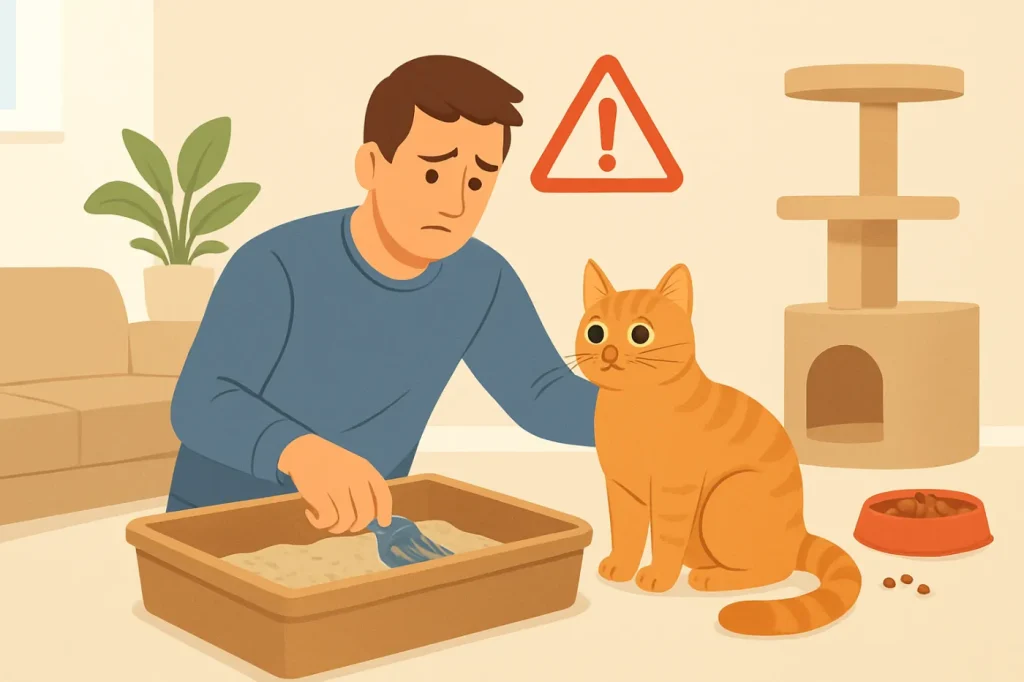
New cats do not need perfection, but they do need consistency, safety, and basic medical care. The biggest mistakes new cat owners make are usually about rushing, guessing, and assuming cats are “low maintenance.” If you slow down, plan the home setup, follow a simple feeding and vet schedule, and respect your cat’s stress limits, you will avoid most beginner problems.
This guide walks through what to do before your cat arrives, the first 30 days step by step, and the most common new cat owner mistakes to avoid, with concrete checklists and examples.
Key things to understand before you bring a new cat home
Before you pick up your cat, it helps to understand three core truths about responsible cat ownership:
- Cats are not “set and forget” pets. They need daily interaction, enrichment, and routine vet care, even if they seem independent.
- Stress is your cat’s first health problem. Most early issues (hiding, not eating, accidents outside the litter box) are stress-driven and can be prevented with a calm, predictable setup.
- Habits form fast. What you allow in the first month (free-feeding junk food, rough play with hands, ignoring the litter box) quickly becomes your cat’s “normal.”
If you remember nothing else, remember this: go slowly, keep things predictable, and assume your cat is more stressed than they look. That mindset alone prevents many new cat owner mistakes.
What to do before bringing your cat home
Preparation is where you can prevent a lot of problems with housing, feeding, and vet care. Use this section as your pre-arrival planning list.
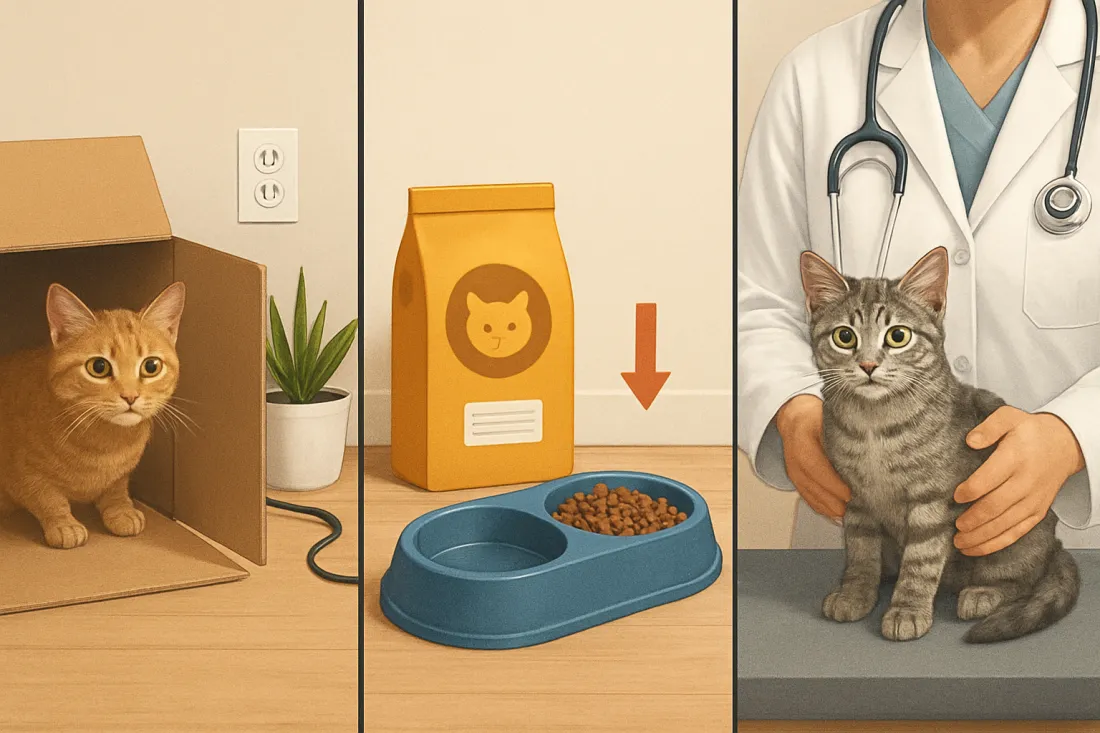
1. Decide where the cat will live and roam
Do not wait until your cat arrives to decide where they can and cannot go. Sudden changes confuse them and create behavior issues.

- Pick a “starter room.” A quiet bedroom or office where your cat will spend the first few days. It should have a door that closes and no hiding spots you cannot access (like under a heavy bed you cannot move).
- Plan long-term boundaries. Decide now: Will the cat be allowed in bedrooms? On counters? Outside on a supervised leash or only indoors? Consistency matters more than the exact rules.
- Cat-proof the home. Remove or secure toxic plants, loose cords, small objects they could swallow, and open windows without secure screens.
2. Set up the litter box correctly from day one
Litter box problems are one of the most stressful issues for new owners, and many start with a poor setup.
- Number of boxes: A common rule of thumb is at least one box per cat, plus one extra. In a small apartment with one cat, two boxes in different spots can still help.
- Location: Quiet, easily accessible, away from food and water. Avoid loud appliances, tight corners, or high-traffic hallways.
- Type and size: Most cats prefer a simple, open box that is large enough for them to turn around comfortably.
- Litter: Start with an unscented, clumping litter. Strong perfumes are a common new owner mistake and can cause avoidance.
3. Plan a simple feeding routine
Food is one of the easiest areas to overcomplicate or get wrong. Your goal is a consistent, age-appropriate diet and a routine you can maintain.
- Choose a quality cat food. Look for food labeled for your cat’s life stage (kitten, adult, senior). Avoid constantly switching brands in the first month unless your vet recommends it.
- Decide on wet, dry, or a mix. Many owners use a mix for variety and hydration. Whatever you choose, stick to a schedule.
- Plan meal times. Most cats do well with 2–3 set meals per day. Free-feeding large amounts of dry food often leads to overeating.
- Ask about current food. If your cat is coming from a shelter or breeder, ask what they are eating now so you can transition gradually instead of changing overnight.
4. Arrange a vet plan before adoption
Waiting until there is a problem to find a vet is a classic new owner mistake. Instead:
- Choose a local veterinarian and confirm they are accepting new clients.
- Schedule a wellness exam within the first week or two after bringing your cat home, even if they seem healthy.
- Gather records from the shelter, rescue, or breeder: vaccines, deworming, spay/neuter status, microchip number if available.
- Budget for routine care. Plan for regular checkups, vaccines as recommended by your vet, and unexpected issues.
5. Prepare essential supplies (and skip the clutter)
You do not need every gadget in the pet store. Focus on basics that directly support housing, feeding, and health:
- Sturdy carrier for safe transport
- Litter boxes and scoop
- Unscented clumping litter
- Food and water bowls (non-tip, easy to clean)
- Age-appropriate cat food and a few simple treats
- Scratching posts or boards (at least one vertical and one horizontal option)
- A few toys (wand toys, small balls, and soft toys)
- Soft bed or blanket
- Nail clippers and a basic grooming brush
It can also help to read about cat training mistakes to avoid so you do not accidentally reward behaviors you will later want to change.
Step-by-step guide for the first 30 days with your new cat
The first month is about building trust, routine, and good habits. Use this timeline as a flexible guide rather than a rigid schedule.
Days 1–3: Quiet settling-in period
- Keep your cat in the starter room. Set up litter box, food, water, bed, and hiding spots. Let them explore this one space first.
- Limit visitors and noise. No big welcome parties, loud music, or constant handling.
- Offer short, gentle interactions. Sit on the floor, speak softly, and let your cat come to you. Do not force cuddles.
- Monitor eating, drinking, and litter box use. Mild hiding is normal, but not eating at all for a full day or more is a reason to call your vet.
Days 4–7: Expanding the safe zone
- Gradually open more of the home. Supervise as your cat explores new rooms. If they seem overwhelmed, go back to the starter room for a while.
- Introduce scratching posts in key areas. Place them near furniture you want to protect and where your cat naturally spends time.
- Start a play routine. Short daily play sessions (5–10 minutes a couple of times per day) help burn energy and reduce stress.
- Attend the first vet visit. Bring any records you have and ask about vaccines, parasite prevention, and spay/neuter if not already done.
Week 2: Building routine and boundaries
- Stick to feeding times. Offer meals at the same times each day. Remove leftovers after a set period so your cat learns the pattern.
- Reinforce house rules. If you do not want your cat on counters or tables, gently redirect them every time and reward them for being on acceptable surfaces.
- Introduce gentle grooming. Short brushing sessions and occasional nail checks help your cat get used to handling.
- Watch for stress signs. Excessive hiding, aggression, or changes in litter box habits are signals to slow down and possibly consult your vet.
Week 3: Enrichment and socialization
- Rotate toys. Offer different toys on different days to keep play interesting.
- Provide vertical space. Cat trees, shelves, or window perches give your cat safe high spots to observe.
- Introduce new people slowly. Let visitors sit quietly and allow the cat to approach on their own terms.
- Practice carrier time. Leave the carrier open with a soft blanket and treats inside so it becomes a safe place, not just a “vet box.”
Week 4: Fine-tuning habits and planning long term
- Review the litter setup. If your cat is using the box reliably, keep everything the same. If not, adjust location, cleanliness, or type of litter.
- Check weight and body condition. Ask your vet how to monitor healthy weight and adjust portions if needed.
- Confirm your vet schedule. Note any upcoming vaccine boosters or follow-up visits.
- Evaluate your routine. Ask yourself: Is my cat eating, using the litter box, and interacting normally? Are there any habits I am accidentally rewarding?
Comparison table: Common new cat owner choices and better alternatives
Many beginner mistakes come from well-meant but unhelpful choices. Use this table to compare typical new owner decisions with healthier alternatives.
| New owner choice | Why it causes problems | Better alternative | What to watch for |
|---|---|---|---|
| Letting the cat free-roam the whole home on day one | Overwhelms a stressed cat, increases hiding, and makes it hard to monitor eating and litter use | Start with one quiet room, then gradually open more space over several days | Cat should be eating, drinking, and using the litter box reliably before expanding territory |
| Using a covered, scented litter box in a noisy area | Strong scents and noise can make the box unpleasant, leading to accidents elsewhere | Use a large, open, unscented box in a quiet, accessible spot | If accidents continue, adjust box location or number before assuming behavior issues |
| Free-feeding unlimited dry food all day | Encourages overeating and makes it hard to notice appetite changes that signal illness | Offer measured meals 2–3 times per day based on your vet’s guidance | Monitor body condition and energy; adjust portions with vet input if weight changes |
| Using hands and feet as toys | Teaches the cat that biting and scratching skin is acceptable play | Use wand toys and other objects; keep hands for gentle petting only | If your cat grabs or bites hands, freeze briefly, then redirect to a toy |
| Skipping the early vet visit because the cat “looks fine” | Misses hidden issues like parasites, dental problems, or incomplete vaccines | Schedule a wellness exam within the first week or two at home | Bring all records and questions; ask about long-term preventive care |
| Changing food suddenly to a new brand or flavor | Can cause stomach upset and make the cat refuse food | Transition gradually by mixing small amounts of new food into the old over several days | If vomiting or diarrhea appears, slow the transition and call your vet if it persists |
| Ignoring scratching behavior until furniture is damaged | Cats need to scratch; without options, they choose sofas and carpets | Provide scratching posts early and reward your cat for using them | Place posts near favorite rest spots and where scratching on furniture has started |
Common new cat owner mistakes to avoid
Below are frequent mistakes grouped by housing, feeding, and vet care, with practical ways to avoid each one.
Housing and environment mistakes
- Rushing introductions with other pets. Putting a new cat face-to-face with resident pets on day one can cause fights and long-term tension. Instead, use scent swapping and gradual, supervised meetings.
- Not providing hiding spots. A cat with nowhere to hide feels trapped and may become defensive. Offer covered beds, boxes, or safe shelves.
- Underestimating vertical needs. Cats feel safer when they can observe from above. Without vertical space, some cats become anxious or territorial.
- Leaving windows or balconies unsecured. Even indoor cats can slip through an open window or balcony railing. Use secure screens and never assume “they won’t jump.”
Feeding and water mistakes
- Feeding dog food or human leftovers. Cats have different nutritional needs than dogs and humans. Stick to food formulated for cats.
- Overusing treats. Treats are for training and bonding, not a main food source. Too many can unbalance the diet and encourage begging.
- Ignoring water intake. Many cats drink quietly and infrequently. Provide fresh water daily and consider multiple bowls or a fountain if your cat seems reluctant to drink.
- Assuming all “people foods” are safe. Some foods that are fine for humans can be harmful to cats. When in doubt, skip it or ask your vet.
Vet care and health mistakes
- Delaying spay/neuter discussions. Waiting too long can lead to unwanted litters or behavior issues like roaming and spraying. Talk to your vet about timing.
- Skipping parasite prevention. Indoor cats can still be exposed to fleas or other parasites. Ask your vet which preventives make sense for your area and lifestyle.
- Not watching the litter box. Changes in urine or stool, straining, or blood can signal urgent health issues. Do not ignore them.
- Self-diagnosing with online advice only. Use online information as a starting point, but confirm concerns with your veterinarian.
Behavior and training mistakes
- Punishing unwanted behavior physically. Hitting, yelling, or spraying water can damage trust and often makes behavior worse. Focus on redirecting and rewarding what you want instead.
- Not setting any boundaries. Allowing everything at first and then suddenly changing rules confuses your cat. Decide early what is allowed and be consistent.
- Ignoring subtle stress signals. Flattened ears, tail flicking, or avoiding touch are early signs your cat is uncomfortable. Respect those signals.
- Expecting instant affection. Some cats bond quickly; others take weeks or longer. Forcing closeness can delay trust.
Structured checklist for new cat owners
Use this practical checklist to track your progress from preparation through the first month.
Before your cat arrives
- Choose a quiet starter room and remove unsafe hiding spots
- Cat-proof main living areas (plants, cords, small objects, windows)
- Buy at least one litter box per cat (plus one extra if space allows)
- Choose unscented clumping litter and a scoop
- Select age-appropriate cat food and confirm current food from shelter/breeder
- Set feeding times you can realistically keep
- Purchase food and water bowls, scratching posts, toys, and a bed
- Get a secure carrier and label it with your contact details
- Choose a veterinarian and book a wellness exam within the first 1–2 weeks
- Collect any existing medical records for your cat
First week at home
- Keep your cat in the starter room for the first few days
- Confirm your cat is eating, drinking, and using the litter box
- Start a simple play routine (short sessions twice a day)
- Attend the scheduled vet visit and discuss vaccines, spay/neuter, and parasite prevention
- Begin gentle handling and brushing, stopping if your cat seems stressed
- Introduce other pets slowly, starting with scent swapping and closed-door meetings
Weeks 2–4
- Gradually open more of the home as your cat gains confidence
- Place scratching posts in areas where your cat spends time
- Maintain consistent feeding times and monitor appetite
- Observe litter box habits daily for any changes
- Provide vertical spaces (cat tree, shelves, or window perch)
- Review your house rules and make sure everyone in the home follows them
- Note any behavior or health concerns to discuss with your vet
Decision criteria: How to choose what is right for your cat
There is no single “correct” way to care for every cat, but there are good decision criteria you can use when you are unsure.
Indoor-only vs. supervised outdoor time
- Consider safety risks. Traffic, predators, and local wildlife can be serious hazards. Many owners choose indoor-only with plenty of enrichment.
- Think about enrichment needs. If your cat is indoors only, invest more in play, climbing spaces, and window views.
- Supervised options. Catios, secure harness walks, or enclosed yards can offer outdoor experiences with more control.
Food type and feeding style
- Age and health. Kittens, adults, and seniors have different nutritional needs. Cats with medical conditions may need special diets.
- Your schedule. Choose a feeding routine you can maintain consistently. It is better to have a simple, stable plan than an ideal one you cannot keep.
- Vet guidance. When in doubt, ask your vet to help you choose a diet and portion size tailored to your cat.
When to call the vet vs. watch and wait
New owners often worry about calling the vet “too soon” or waiting too long. As a general mindset:
- Call promptly if your cat stops eating, has trouble using the litter box, or shows sudden behavior changes.
- Monitor closely if there are mild, short-lived changes but your cat is otherwise acting normal.
- Trust your instincts. If something feels off, it is reasonable to call and ask for guidance.
Mistakes and limitations to keep in mind
Even careful owners will make small mistakes. The goal is to avoid the big, repeated ones and to learn quickly when something is not working.
- Do not chase perfection. Focus on safety, routine, and kindness. Your cat will forgive minor missteps.
- Be ready to adjust. If a setup or routine clearly stresses your cat, change it rather than forcing your original plan.
- Accept that each cat is different. What worked for a friend’s cat may not work for yours. Use general advice as a starting point, not a rigid rulebook.
- Remember long-term responsibility. Cats can live many years. Planning for ongoing care, time, and costs is part of responsible pet ownership.
FAQ: New cat owner mistakes and next steps
What should I understand first about new cat owner mistakes to avoid?
The most important thing to understand is that stress and inconsistency drive many early problems. Rushing introductions, changing food suddenly, moving the litter box repeatedly, or allowing rough play with hands all teach your cat that the world is unpredictable. If you keep things calm, predictable, and gently structured, you avoid many common mistakes without needing to be an expert.
What are the biggest mistakes new cat owners make in the first month?
Common first-month mistakes include giving the cat full access to the home immediately, using a poorly placed or scented litter box, free-feeding large amounts of dry food, skipping the early vet visit, and punishing unwanted behavior instead of redirecting it. Another frequent issue is expecting instant affection and pushing physical contact before the cat is ready, which can slow down bonding.
How can I tell if I am overfeeding or underfeeding my new cat?
Portion guidelines on the food label are only a starting point. Watch your cat’s body condition, energy level, and stool quality, and ask your vet to show you how to assess healthy weight. If your cat is gaining or losing weight noticeably, or seems constantly hungry or uninterested in food, bring this up at your next vet visit so you can adjust portions or diet together.
What should I do next after learning about new cat owner mistakes?
First, walk through the checklist in this guide and make sure your home setup, feeding plan, and vet arrangements are in place. Second, observe your cat for a few days and note any concerns about eating, litter box use, or behavior. Finally, bring your questions to your veterinarian and, if needed, explore more detailed resources on topics like cat training mistakes to avoid so you can keep improving your routine over time.